Skip to content
Recipes

All recipes

Vegetarian, or something you can't eat? Set your diet once and we'll hide recipes that don't fit.

PardulasSaffron ricotta pastries

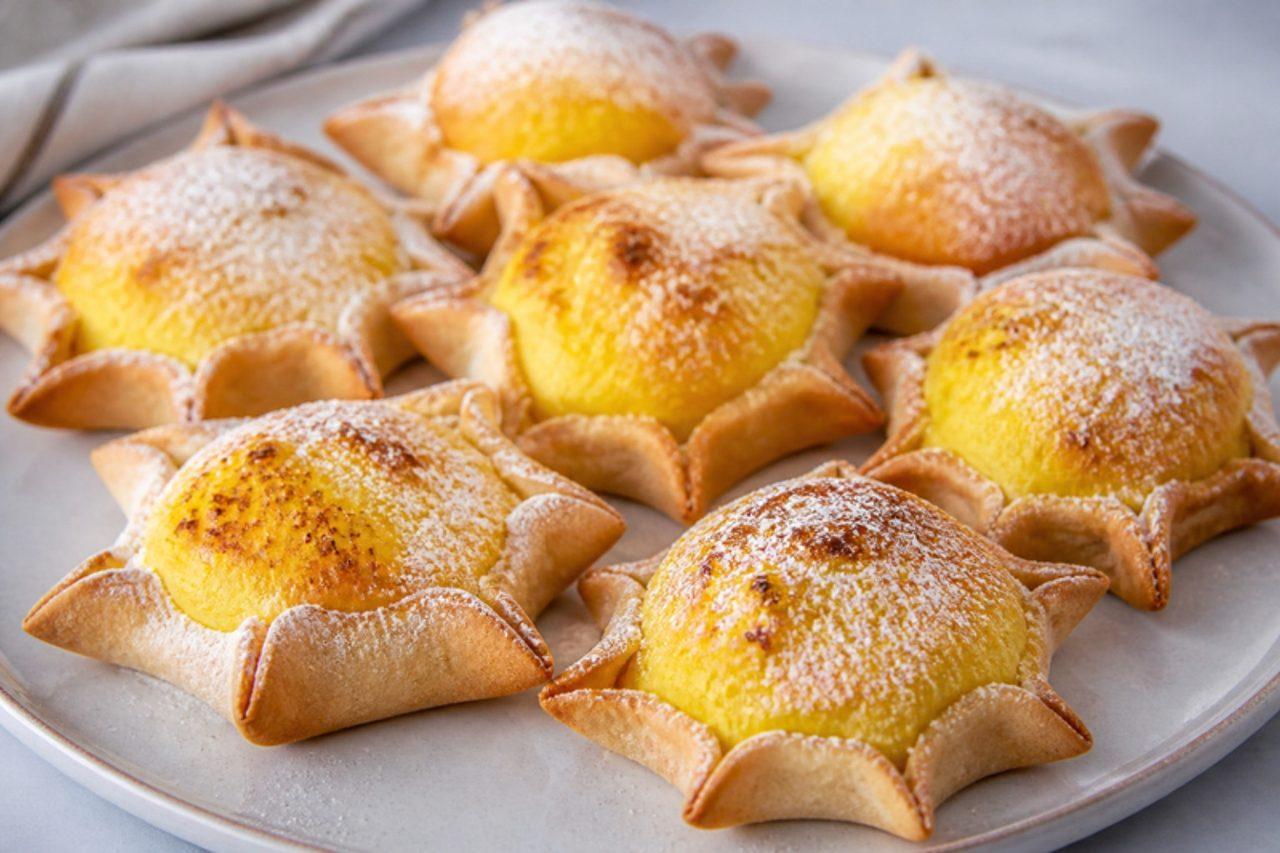
Pardulas (called casadinas in some villages) are the sweet of Easter in Sardinia, baked in quantity on Holy Saturday and offered to visitors through the week. Thin, crisp pastry is pinched into little star-shaped cups and filled with fresh ricotta or soft sheep's cheese mixed with saffron, orange and lemon zest and a little semolina, then baked until the filling puffs and turns golden. They are often finished with honey. Most ricotta is made without animal rennet, but check the label for a vegetarian table. Chef's tip: drain the ricotta overnight, as wet cheese makes the filling run and the cups collapse.

by KrazyBadal 0 views

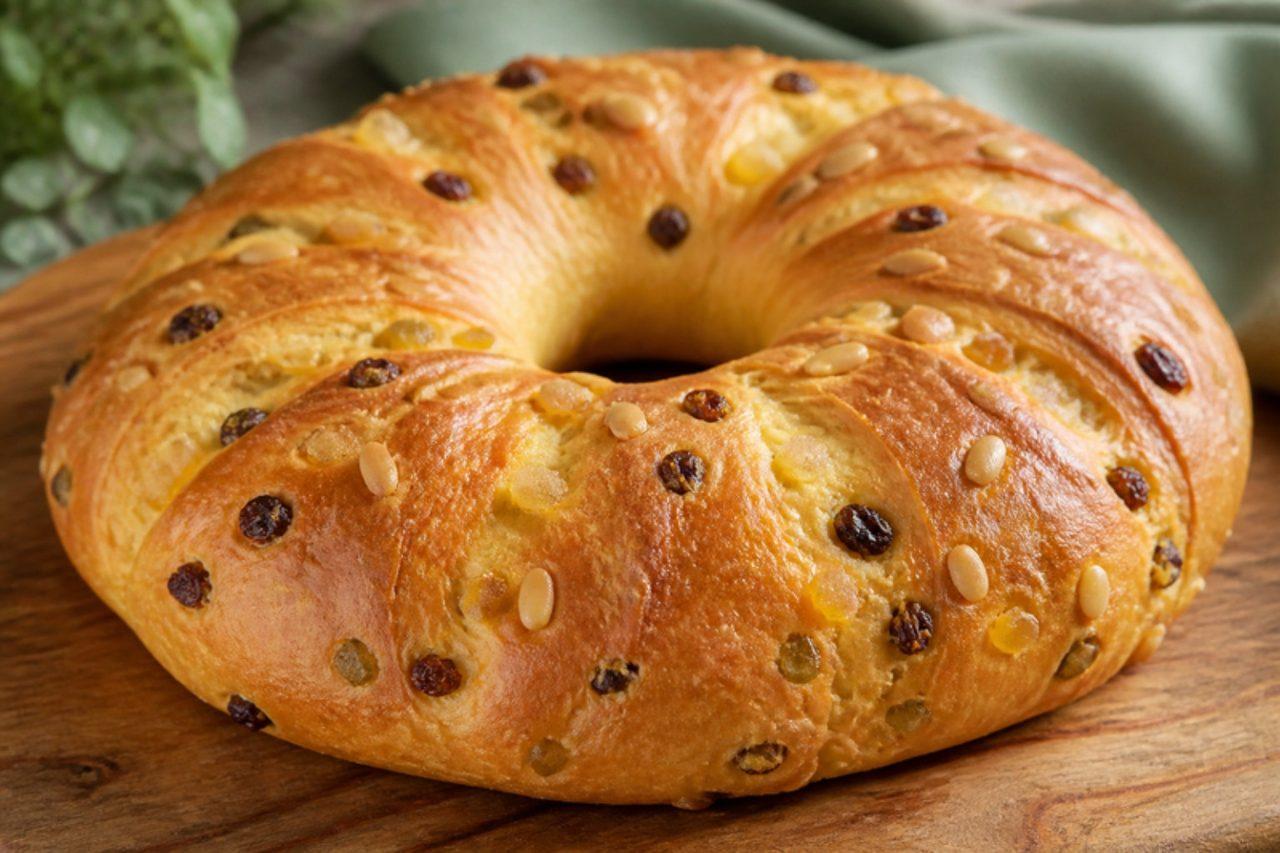
Torcolo di San CostanzoRaisin and pine nut ring bread

Perugia celebrates its patron saint, Costanzo, on 29 January with the torcolo: a big ring of soft, lightly sweet bread with candied citron, raisins, pine nuts and aniseed, its top cut five times for the gates of the old city. Young women in Perugia once used the torcolo to test their sweethearts, and it is still eaten everywhere in town that week, often dunked in vin santo by adults. This recipe has no alcohol. Chef's tip: dust the raisins and peel with a little flour before kneading them in, so they stay evenly spread.

by KrazyBadal 0 views

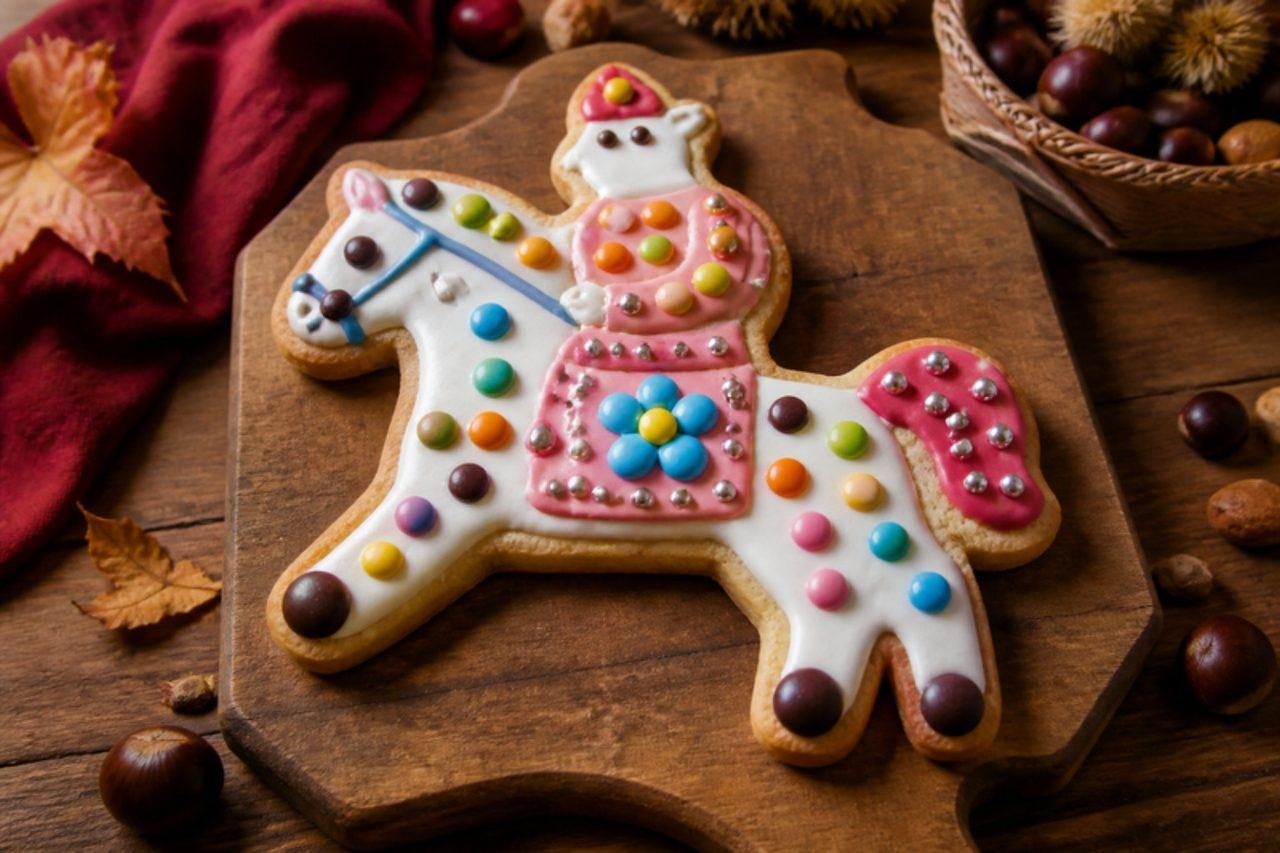
Cavallo di San MartinoShortbread horse and rider

On 11 November in Venice, children go from shop to shop banging pots and singing for San Martino, and every pastry window fills with big shortbread horses carrying the saint on horseback, cut out, iced and studded with sweets and chocolates. The biscuit is a plain, buttery pasta frolla that holds its shape well, and the fun is all in the decoration, so it's a perfect baking afternoon with children. Chef's tip: chill the cut shapes for 15 minutes before baking so the horse's legs and sword keep sharp edges.

by KrazyBadal 0 views

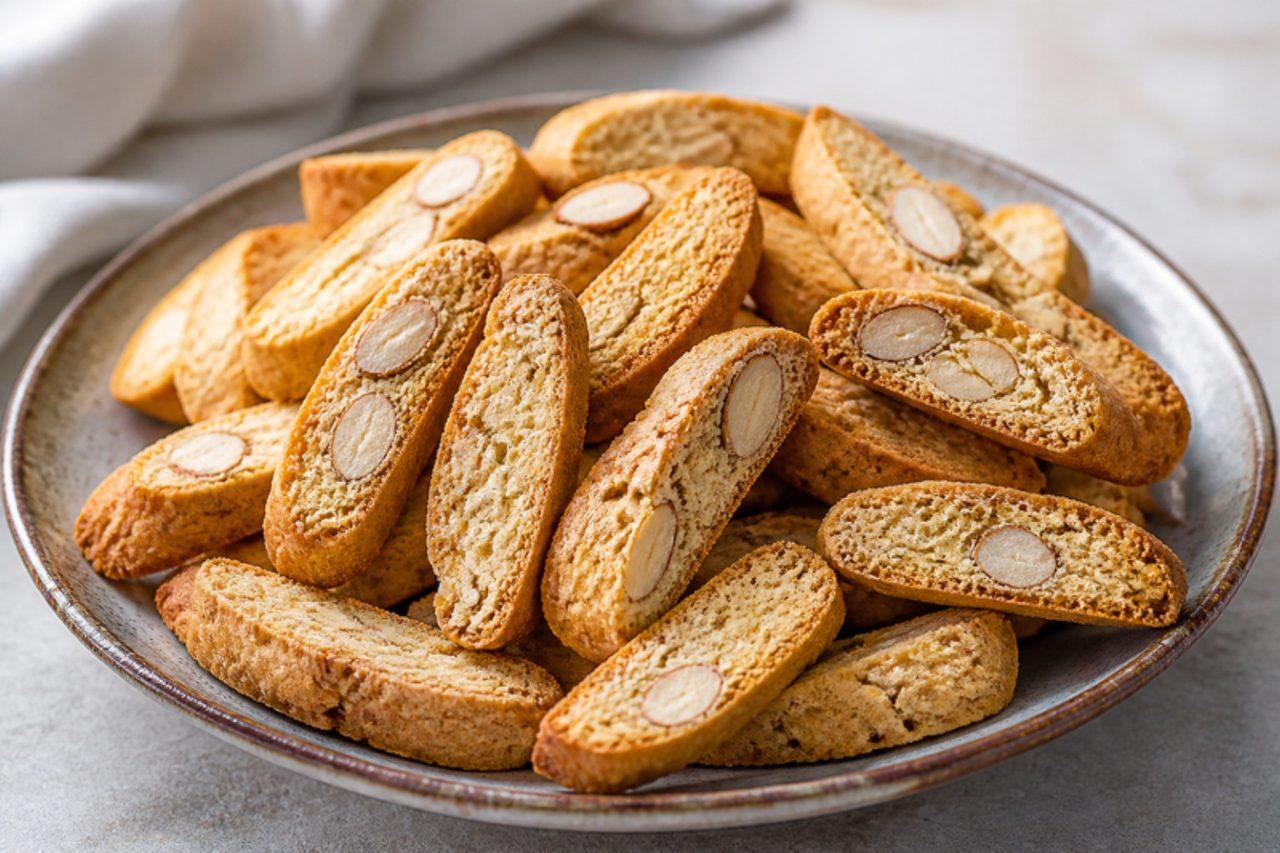
QuaresimaliLenten almond biscuits

Quaresimali are biscuits for Quaresima, the forty days of Lent, when Catholic Italy once gave up butter, egg yolks and rich foods. In Florence they are crisp cocoa biscuits shaped like letters of the alphabet; in Palermo they are long, crunchy almond and honey biscotti, sliced like cantucci. This is the Palermo-style version: whole almonds in a light dough of egg white, sugar and flour, scented with orange and cinnamon, baked twice. They are dairy free and keep for weeks. Chef's tip: slice the logs while still warm with a serrated knife; once cold they shatter.

by KrazyBadal 0 views

Pajagua mascadaBeef and cassava patties

Pajagua mascada is a Paraguayan street-food classic that appears on every table for the San Juan festival on 24 June, when bonfires burn and the night is full of games and traditional food. Minced beef is mixed with mashed cassava, onion, garlic and a little egg and flour, shaped into flat patties and fried until crisp. The name comes from Guaraní and refers to the 'chewing' of old Paraguayan cooks, who made it from leftover meat. Chef's tip: dry the boiled cassava well and remove its woody core, which keeps the patties light and crunchy.

by KrazyBadal 0 views

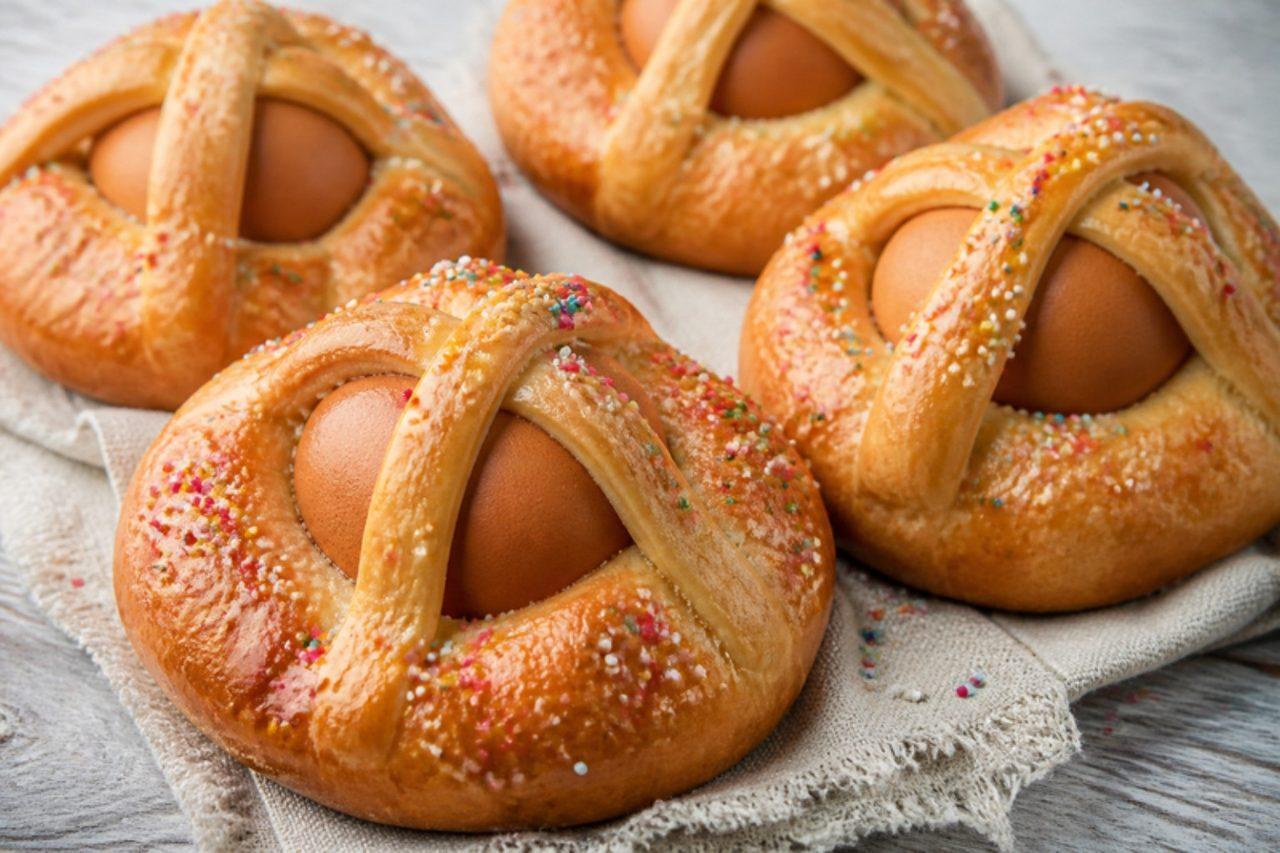
Cuddura cu l'ovaEaster bread with baked eggs

In Sicily, children are given a cuddura cu l'ova at Easter: a sweet, biscuit-like bread shaped into a ring, a basket, a dove or a heart, with one or more whole eggs in their shells held in place by crossed strips of dough. They are baked on Holy Saturday and eaten on Easter Monday, Pasquetta, at picnics in the countryside. The eggs are hard-cooked in the oven, and sprinkles make them festive. Chef's tip: use eggs at room temperature and wash them gently; cold eggs crack in the oven.

by KrazyBadal 0 views

Chipa so'oCheese bread with spiced beef

In Paraguay, families bake chipa in the clay tatakua ovens on Holy Wednesday so there is food for Thursday and Good Friday, when cooking stops. Chipa so'o ('chipa with meat') is a cassava-starch and cheese bread wrapped around a little filling of minced beef cooked with onion and egg, then baked until crisp outside and chewy within. It is naturally gluten free. Chef's tip: knead the dough until it no longer cracks at the edges when pressed; dry dough splits around the filling.

by KrazyBadal 0 views

MazanecEaster raisin and almond bread

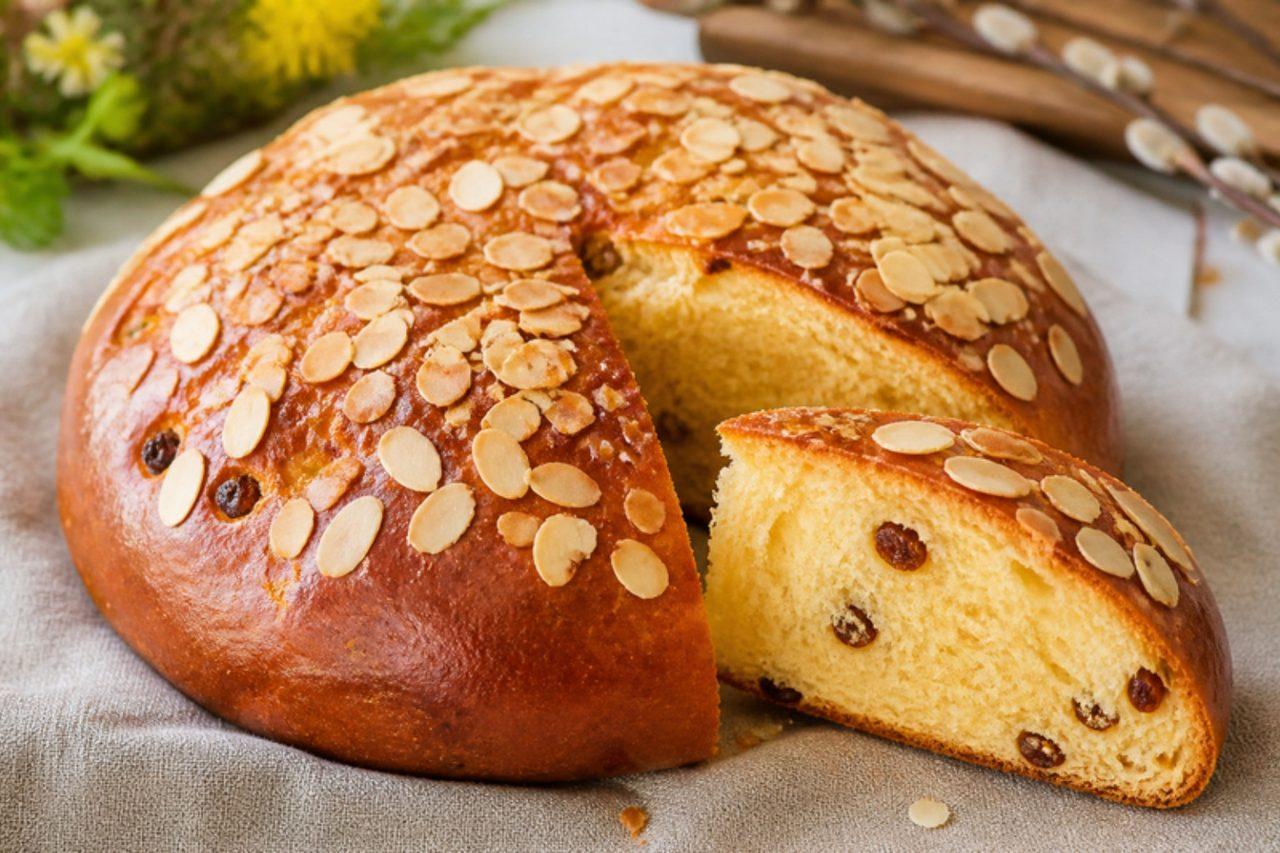
Mazanec is the round Easter bread of Bohemia, baked on Holy Saturday and eaten on Easter Sunday and Monday. The sweet yeast dough is rich with butter, egg yolks and lemon, studded with raisins and almonds, and scored with a deep cross before baking so it opens like a flower. Old recipes soak the raisins in rum; here they are soaked in warm tea, so the bread is alcohol-free. Slice it and spread with butter and honey. Chef's tip: give mazanec a long, slow bake at a moderate heat, because the rich dough browns quickly and the centre needs time.

by KrazyBadal 0 views

Pane di San GiuseppeSculpted festival breads

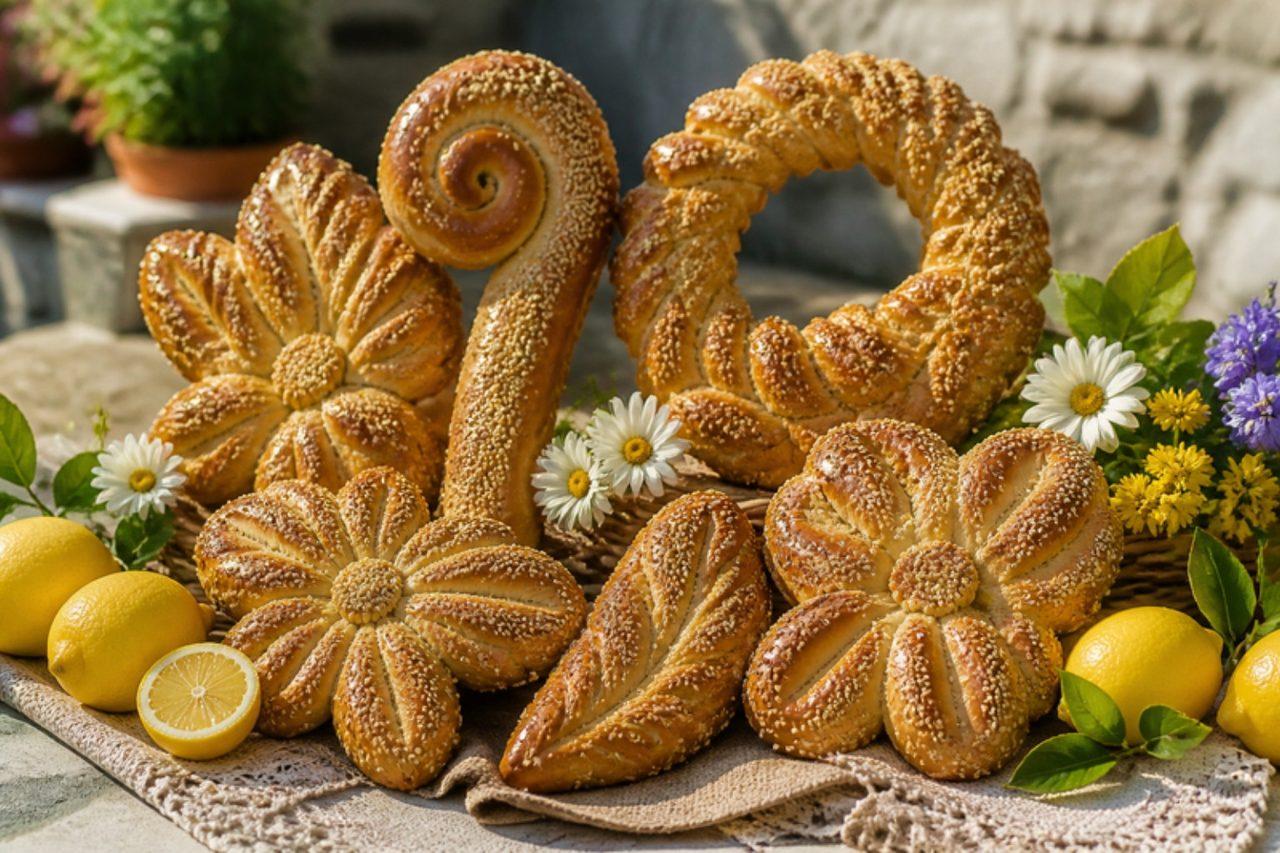
For St Joseph's Day on 19 March, families in western Sicily (Salemi, Trapani, Marsala) build 'tavolate' or altars to the saint, laden with ornate, sculpted breads: beards for Joseph, a staff, flowers, birds, fish and the hand of God. The breads are later given to the poor and to guests. The dough is a firm, plain semolina bread, so it holds fine detail, brushed with egg and scattered with sesame. Shape a few simple ones first; they are as much decoration as food. It is vegan, glazed with water rather than the egg some bakers use. Chef's tip: keep the dough firm and rest it so it doesn't spring back; soft dough loses its shapes in the oven.

by KrazyBadal 0 views

HrudkaEgg and milk cheese

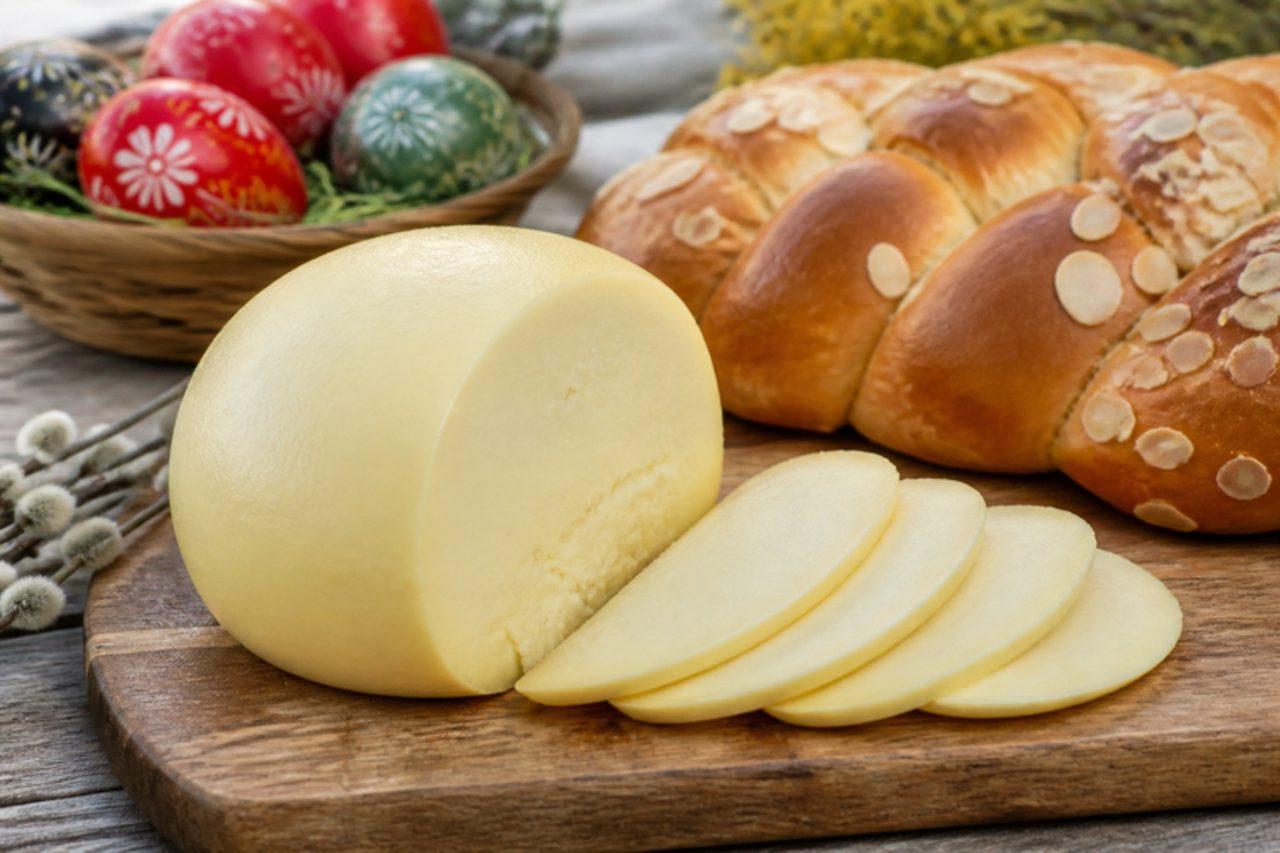
Hrudka (also called sirok or egg cheese) is made in eastern Slovakia and among Rusyn and Slovak families abroad for Easter. Eggs and milk are stirred over a low heat until they separate into soft curds, then the curds are tied tightly in a cloth into a ball and hung to drain overnight. The pale-yellow, mild, slightly sweet 'cheese' is taken to church in the Easter basket on Holy Saturday and sliced at Easter breakfast with ham, bread and horseradish. It needs no rennet, so it is naturally vegetarian. Chef's tip: keep the heat low and stir constantly; high heat makes rubbery curds.

by KrazyBadal 0 views

Rybí polévkaCarp soup

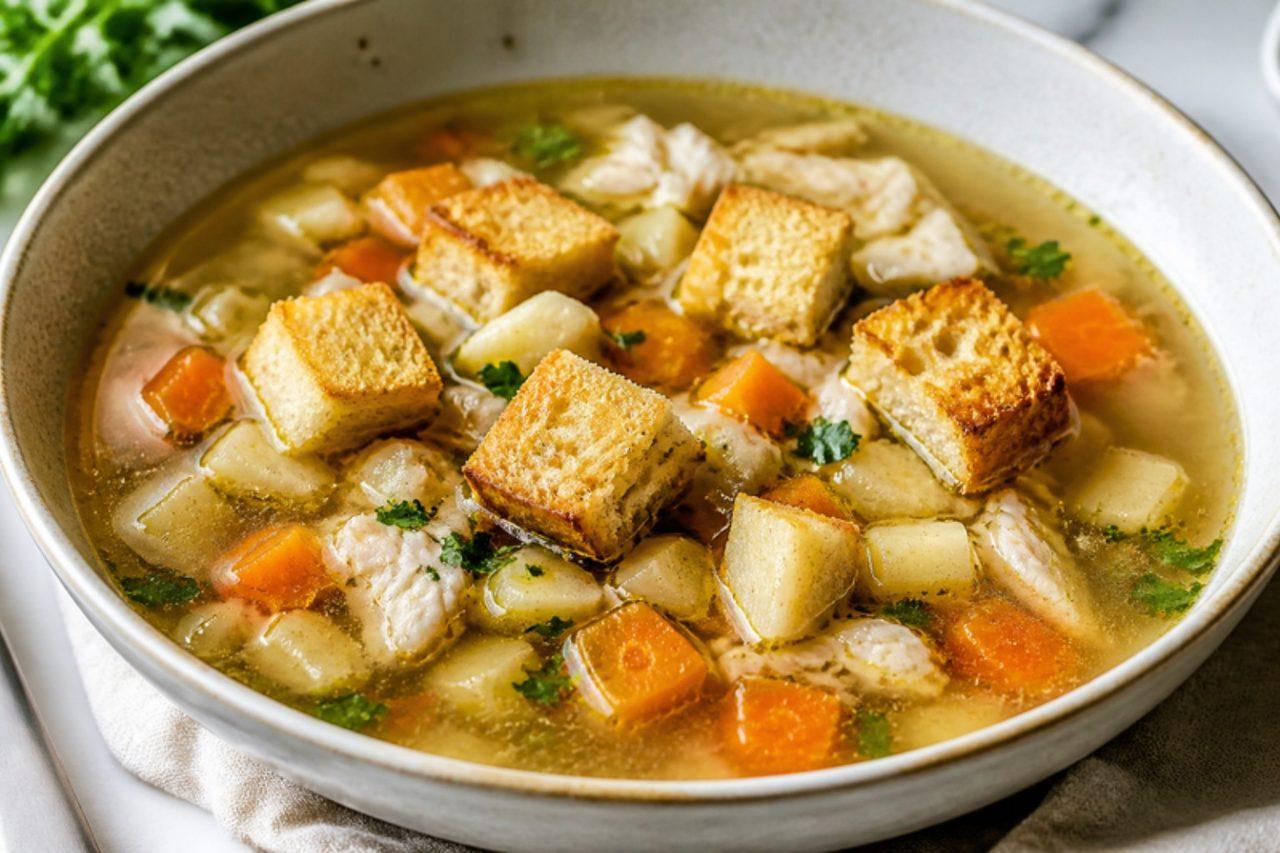
In Czechia the Christmas Eve supper begins with rybí polévka, a soup made from the trimmings of the Christmas carp, which is often bought live at street stalls in the days before; here you simply ask the fishmonger for prepared carp trimmings and a fillet. The bones and trimmings make a clear stock that is simmered with carrot, celeriac and parsley root, then filled with flakes of carp and served with croutons fried in butter. Many families add the carp roe. Chef's tip: strain the stock carefully through muslin, as carp has many fine bones.

105 minCzechSoups
by KrazyBadal 0 views

Biscotti di San MartinoRicotta-filled fennel biscuits

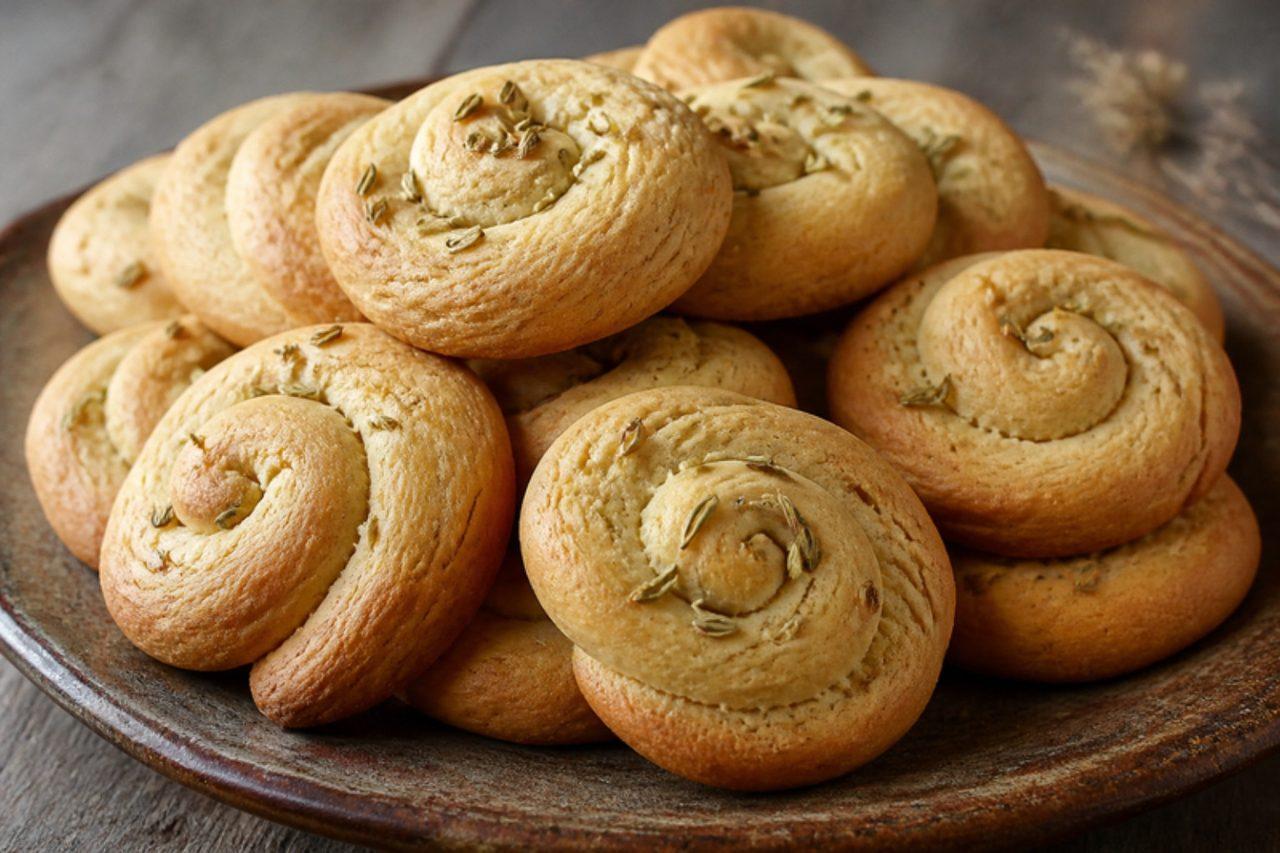
St Martin's Day, 11 November, is when Sicilians traditionally open the new wine, and in Palermo it is marked with biscotti di San Martino: round, hard, fennel-scented yeast biscuits shaped like little turbans. Eaten plain, they are dunked in sweet Moscato; the pastry-shop version is split, soaked in a sweet syrup and filled with ricotta cream and candied fruit. This recipe soaks them in an orange syrup, so it is alcohol-free; adults can use Moscato or Marsala. Choose a vegetarian ricotta if needed. Chef's tip: bake them twice, the second time low, so they dry right through and keep for weeks.

by KrazyBadal 0 views

Pan co' santiWalnut and raisin loaf

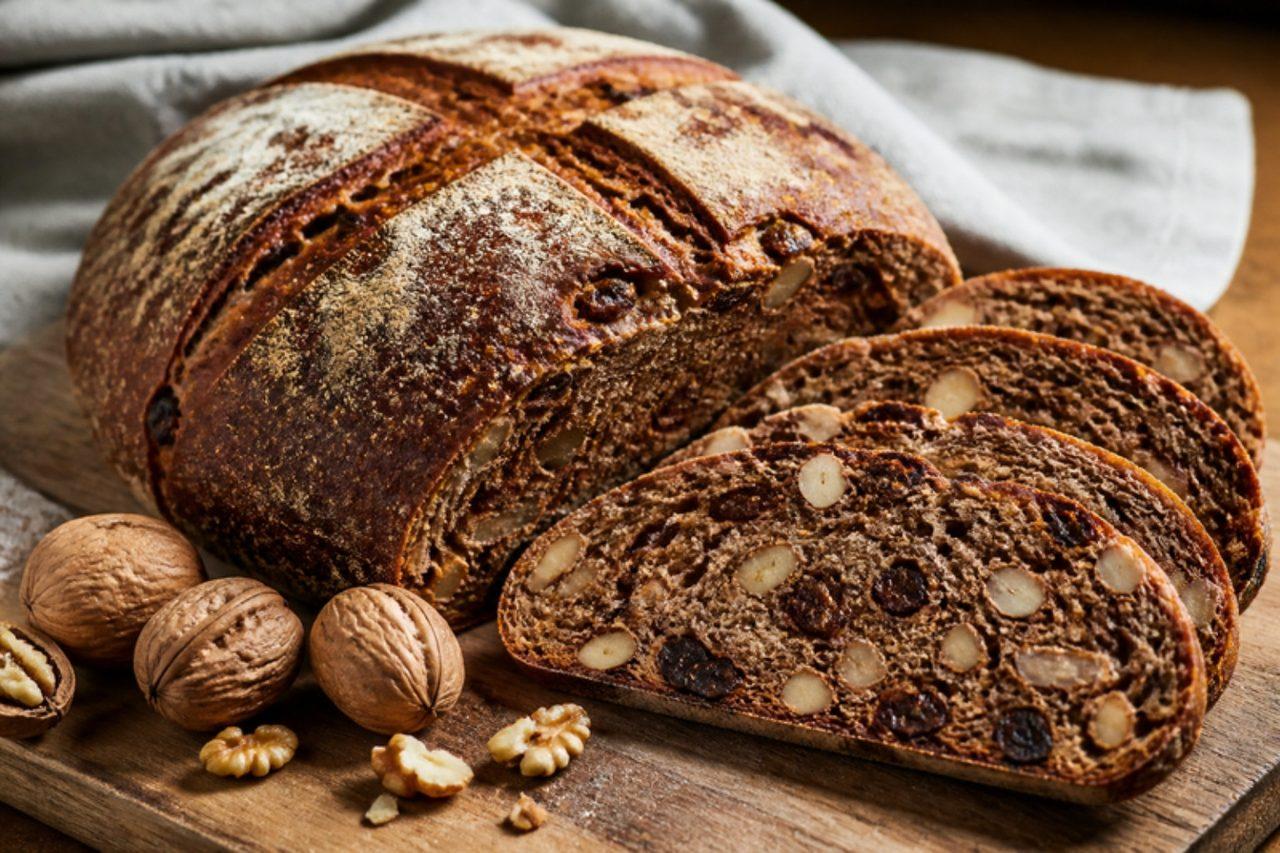
In Siena and the Tuscan countryside, pan co' santi ('bread with the saints') is baked for All Saints' Day on 1 November, when the new walnuts and the late grapes come in. It is a dark, lightly sweet bread dough rich with olive oil, walnuts, raisins and a surprising amount of black pepper, which gives a warm bite. It is eaten with the new wine by adults, or with roasted chestnuts. It is vegan. Chef's tip: fry the raisins and walnuts briefly in the olive oil before adding them, as Sienese bakers do; it brings out their flavour.

by KrazyBadal 0 views

Kapr na černoCarp in dark sweet-sour sauce

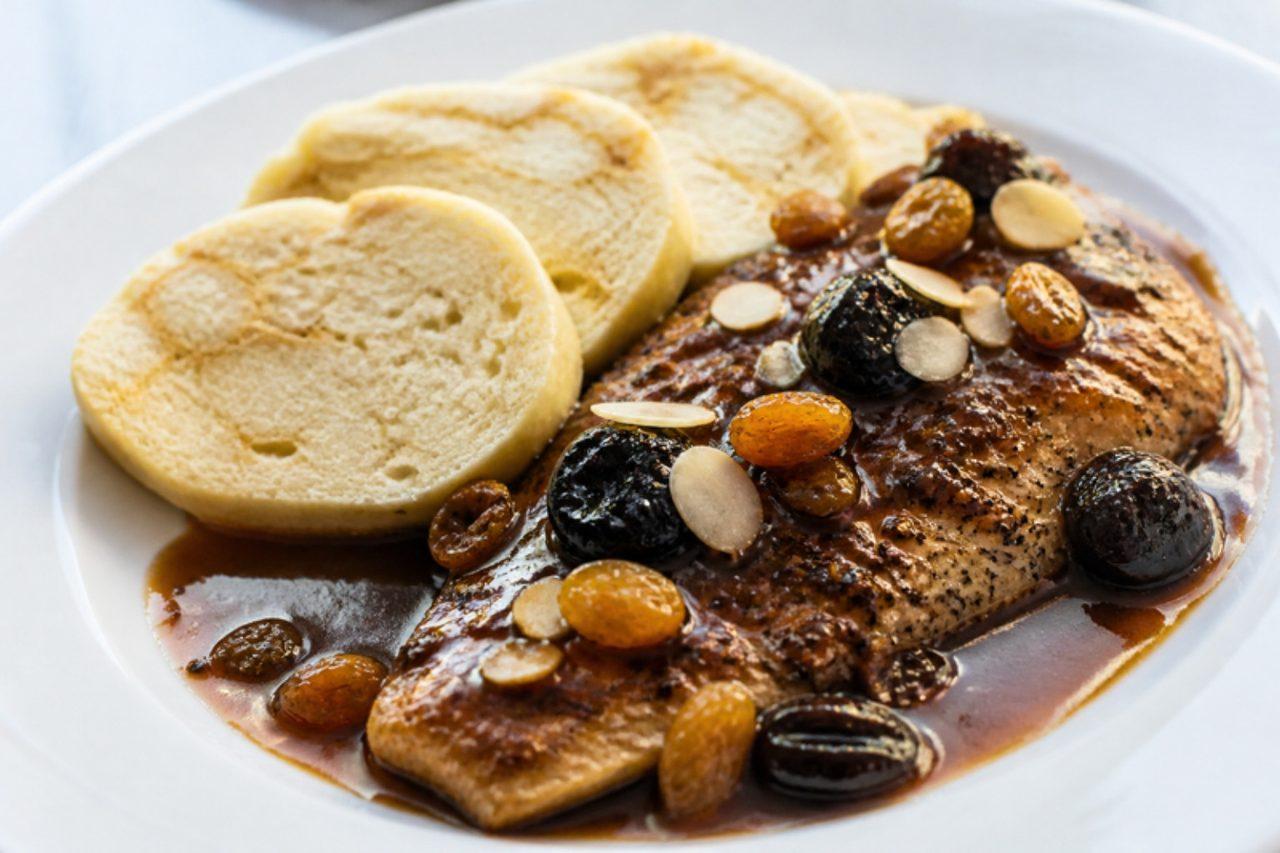
Before fried breaded carp took over the Czech Christmas Eve table, families in Bohemia served kapr na černo, 'black carp': fish simmered in a dark, glossy, sweet-sour sauce of root vegetables, gingerbread, prunes, nuts and dark beer. It is rich and spiced, closer to a medieval feast dish than to the modern menu, and served with bread dumplings or potatoes. This version uses a non-alcoholic dark malt drink so the sauce is alcohol-free; adults may use dark beer. Chef's tip: grate the gingerbread finely, so it melts into a smooth sauce rather than leaving soggy crumbs.

105 minCzechFish
by KrazyBadal 0 views

OsterlammEaster lamb sponge cake

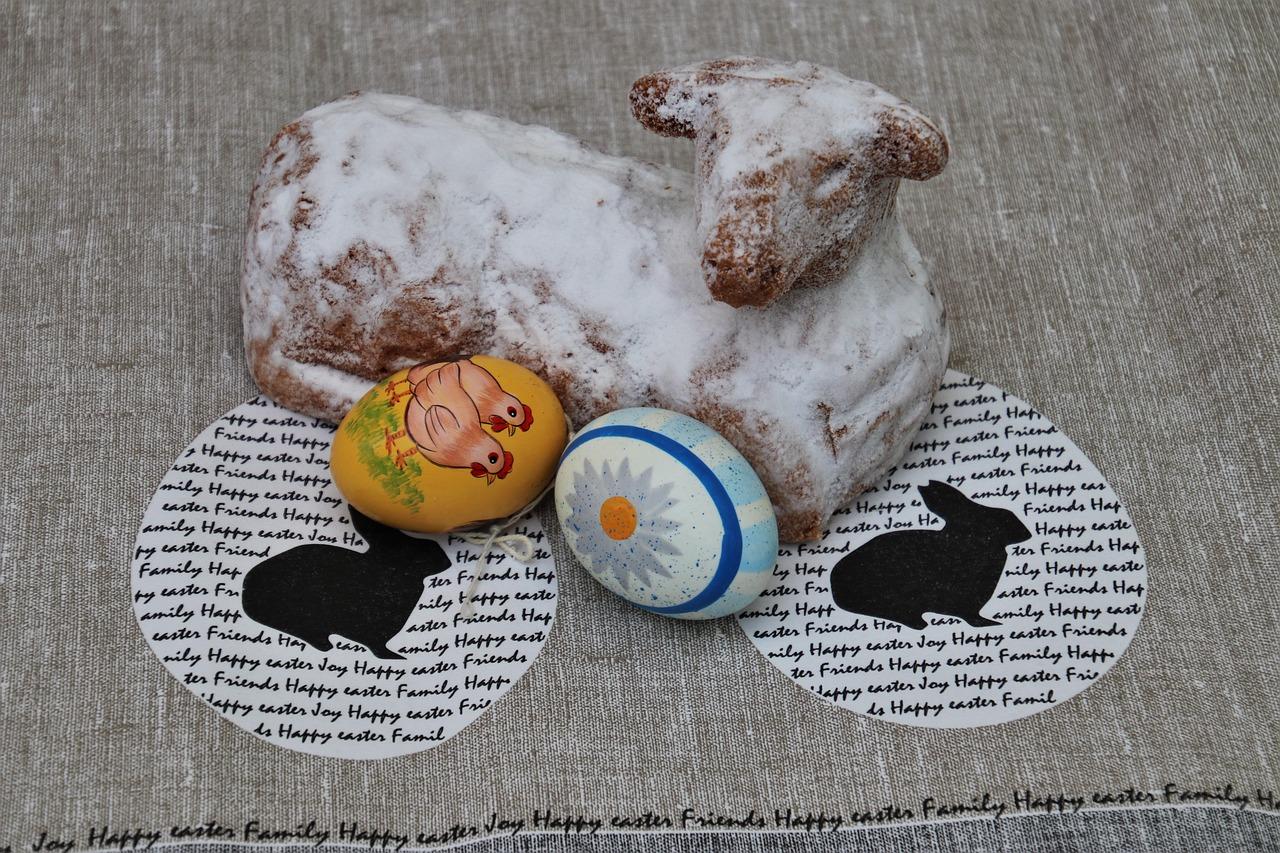
In Germany and Austria an Osterlamm, a light sponge baked in a two-piece lamb-shaped mould, stands on the Easter breakfast table, dusted with icing sugar with a ribbon and bell around its neck and sometimes a little flag. In Catholic regions it is taken to church on Holy Saturday to be blessed with the Easter basket. The cake is a buttery, lemony sponge, firm enough to keep its shape. You need a lamb cake mould, sold in kitchen shops before Easter. Chef's tip: grease the mould with soft butter and dust it with breadcrumbs or flour into every crevice, or the lamb's head stays in the tin.

by KrazyBadal 0 views

OsterpinzeEaster anise brioche

Osterpinze is the Easter bread of Styria, Carinthia and the area around Trieste, a soft, golden brioche dome with three deep cuts on top for the Holy Trinity, so that it opens into a crown as it bakes. The dough is rich with egg yolks and butter and flavoured with anise and lemon; old recipes add a splash of white wine, left out here. It is blessed in the Easter basket on Holy Saturday and eaten on Easter morning with ham, horseradish and eggs, or with butter and jam. Chef's tip: make the three cuts with scissors just before baking, deep enough to reach halfway down, so the crown opens wide.

by KrazyBadal 0 views

KalanehWild leek stuffed flatbread

In Kurdistan and Kermanshah, Newroz arrives with the first spring greens on the hillsides, and families gather wild leeks to fold into kalaneh, thin griddle breads cooked over a fire or a hot pan and soaked in melted butter. The dough is plain and soft, rolled very thin around a pile of chopped leek or chives with a little salt and pepper, so the greens steam inside as the bread blisters. Eat it hot, torn into strips, with yogurt and tea at a Newroz picnic. The common mistake is wet greens, which turn the dough soggy and make it tear; dry them well after washing. Chef's tip: brush the butter on the moment the bread leaves the pan so it soaks right in.

by KrazyBadal 0 views

Velikonoční nádivkaBread, egg and smoked pork bake

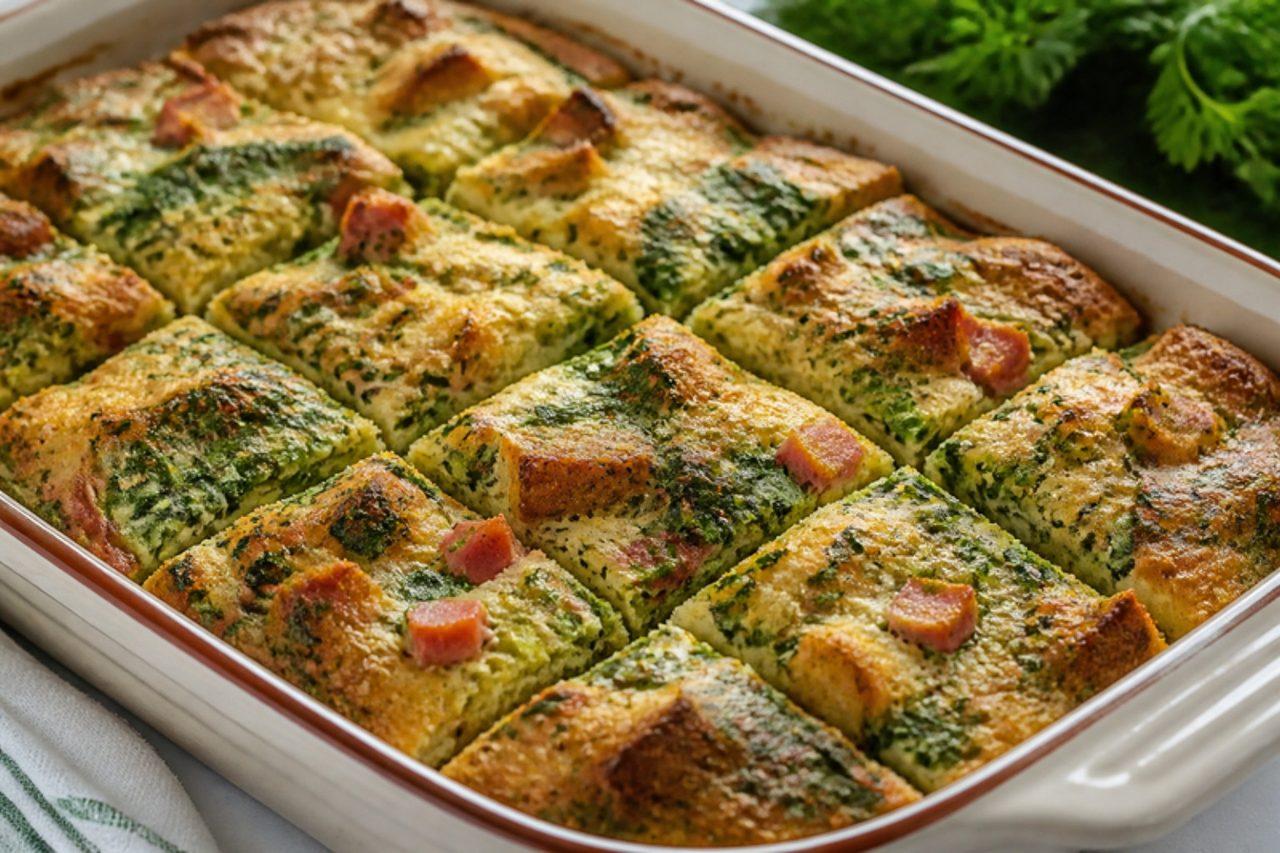
Velikonoční nádivka ('Easter stuffing', also called hlavička) is a Czech and Moravian Easter dish, baked on Holy Saturday or Easter Sunday. Cubes of bread rolls are soaked in milk and eggs, then mixed with smoked pork and a big handful of young nettles, spinach or spring herbs, and baked until golden and puffy. It's eaten warm or cold, sliced, often beside roast lamb or chicken. For a vegetarian version, leave out the smoked pork and add 250 g fried mushrooms. Chef's tip: pick nettles wearing gloves and blanch them for 30 seconds, which takes away the sting.

75 minCzechMeat
by KrazyBadal 0 views

Minne di Sant'AgataDomed ricotta cakes

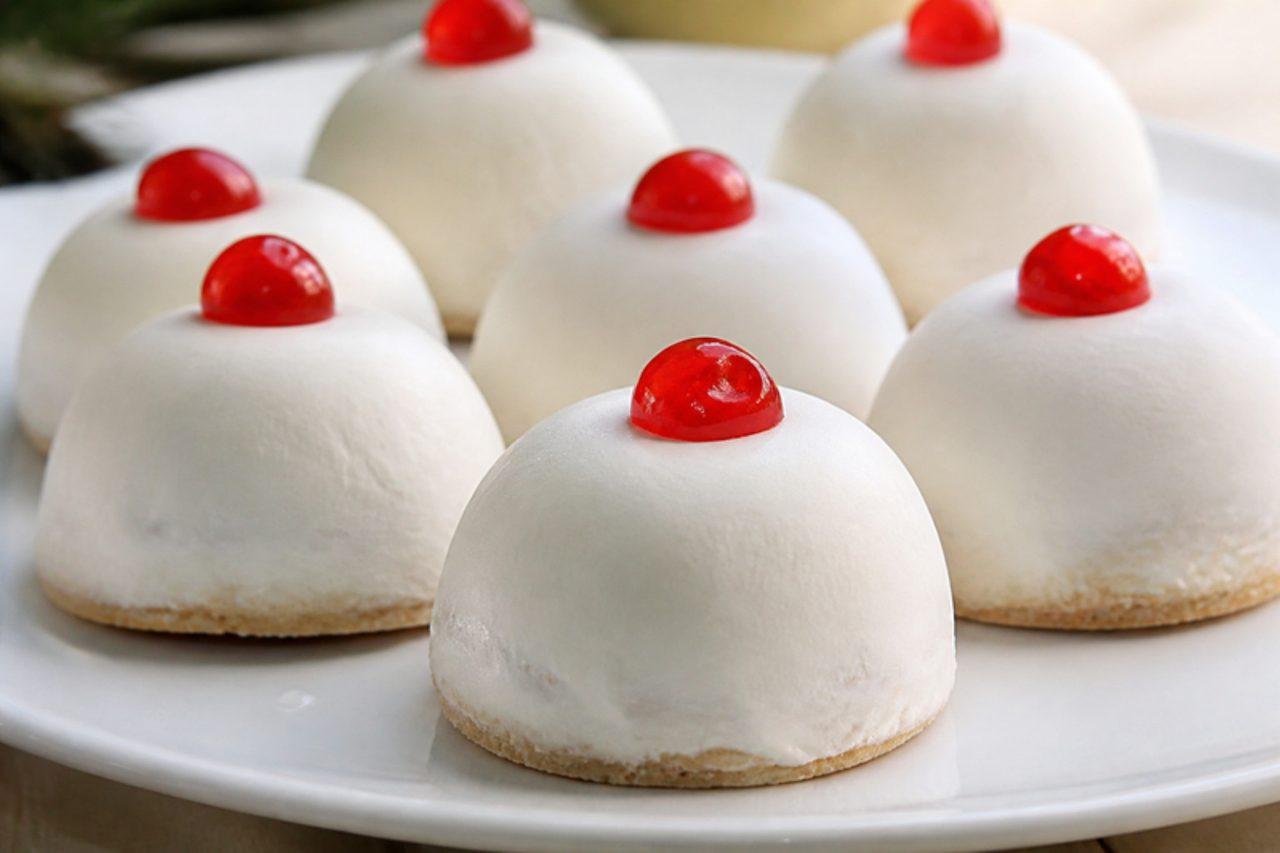
Catania's patron saint, Agatha, was martyred by having her breasts cut off, and for her feast on 5 February the city's pastry shops make minne (also minnuzzi): small domed cakes of sponge filled with sweet ricotta, chocolate chips and candied fruit, covered in white icing and topped with a candied cherry. They are eaten during the three days of processions. Many bakers brush the sponge with a liqueur syrup; this one uses an orange syrup and is alcohol-free. Choose a vegetarian ricotta if needed. Chef's tip: drain the ricotta overnight and sieve it with the sugar for a silky filling.

by KrazyBadal 0 views

AllerheiligenstriezelBraided sweet loaf

In Bavaria and Austria, godparents give their godchildren an Allerheiligenstriezel on All Saints' Day, 1 November: a large braided loaf of sweet yeast dough, brushed with egg and scattered with almonds or pearl sugar. The braid is said to recall the old custom of cutting a plait of hair in mourning, and the size of the loaf once showed how generous the godparent was. It is lightly sweet, with lemon and vanilla, and is eaten sliced with butter or jam. Some recipes add rum-soaked raisins; these are soaked in warm water instead. Chef's tip: braid four strands for an impressive, high loaf.

by KrazyBadal 0 views

Olivette di Sant'AgataAlmond paste olives

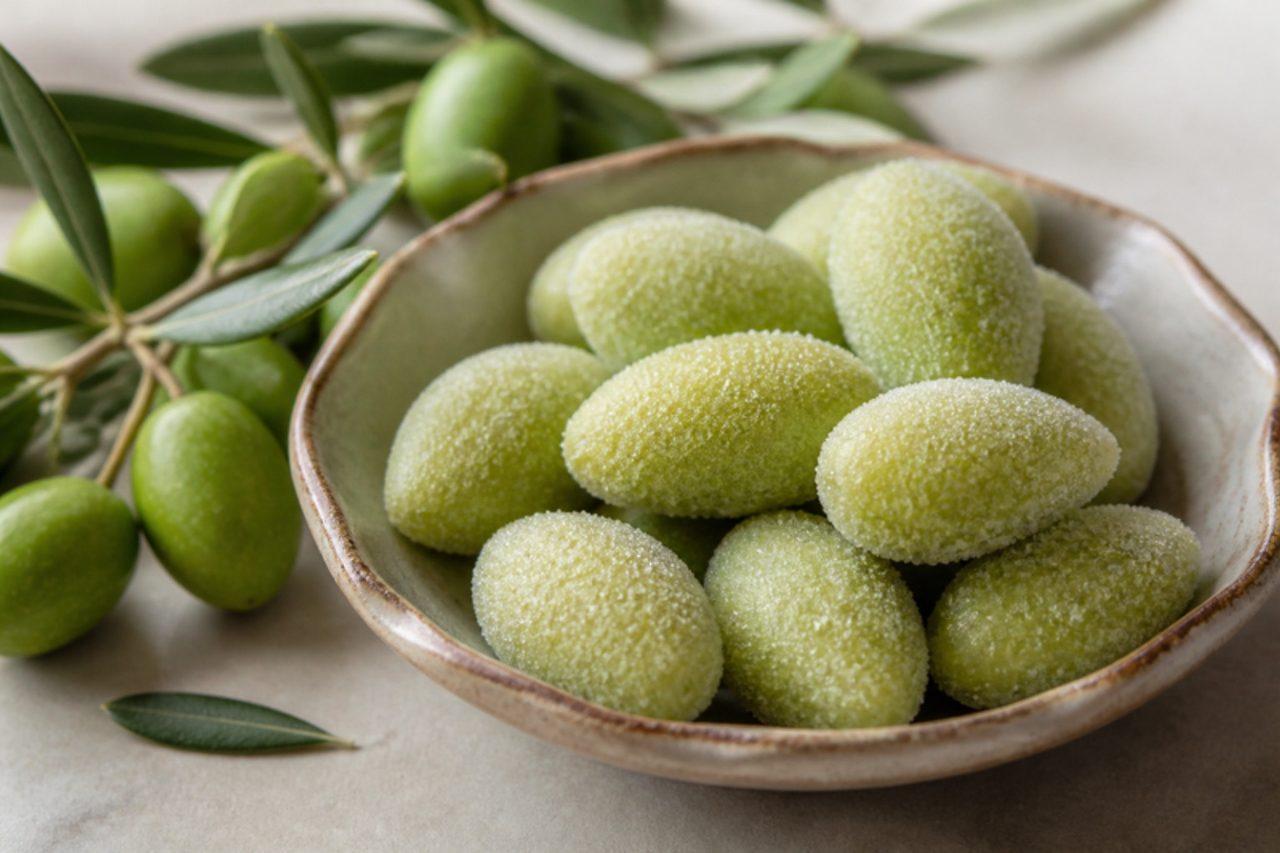
Olivette are tiny green 'olives' of almond paste rolled in sugar, sold in Catania for the feast of St Agatha in early February. A legend tells that as the young saint was led to her trial she stopped to tie her shoe, and a wild olive tree sprang up on the spot and fed her. The sweets are made from ground almonds, sugar and a little water, coloured green and shaped in the palm. They are gluten free and dairy free, and children love to help shape them. Use a natural green such as matcha or spinach powder if you prefer. Chef's tip: knead the paste only until smooth, as overworking draws out the almond oil and it turns greasy.

by KrazyBadal 0 views

MartinsgansRoast goose with red cabbage

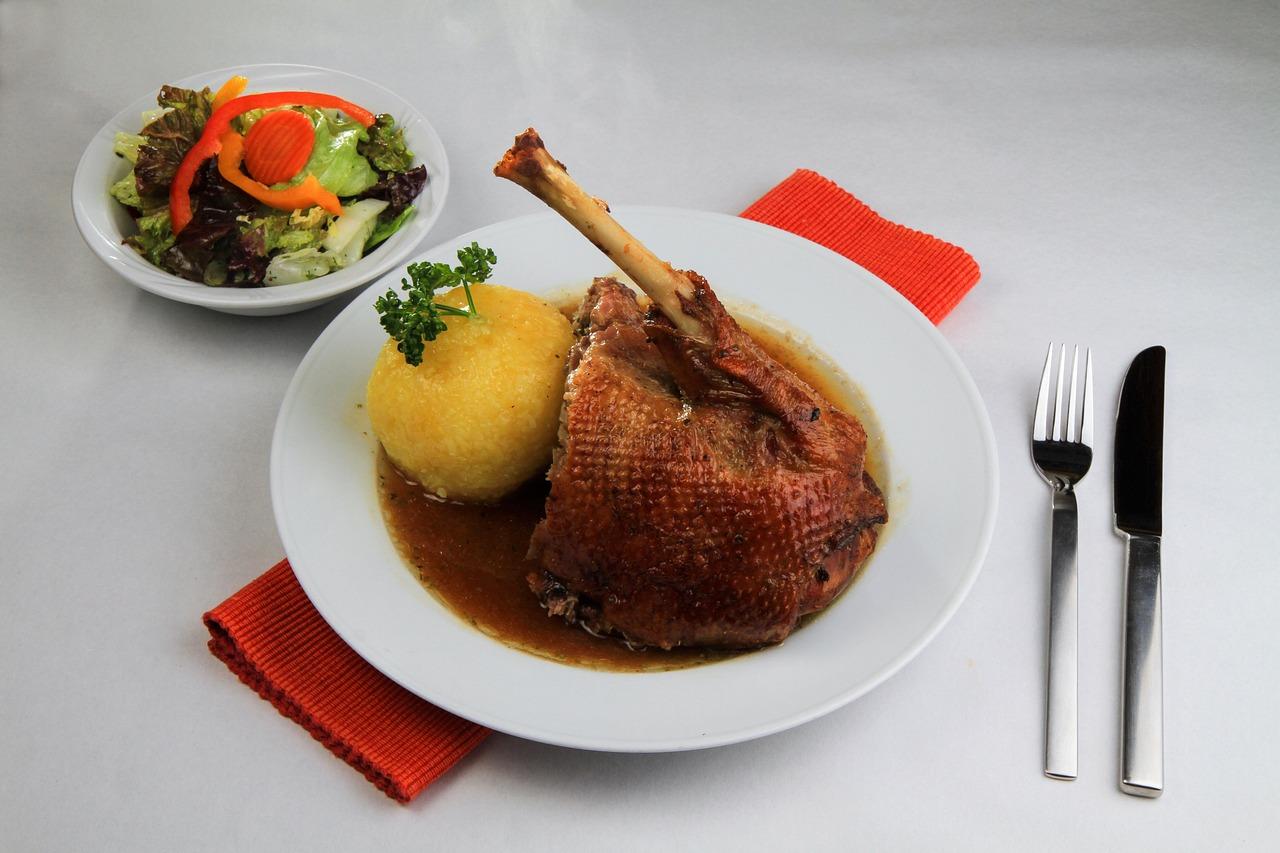
On 11 November, St Martin's Day, children in Germany and Austria walk in lantern processions, and families and restaurants serve the Martinsgans: a goose roasted slowly with apples, onion and mugwort or marjoram until the skin is crisp and the meat tender, with red cabbage, potato dumplings and a rich gravy. Legend says the geese's cackling gave away St Martin when he hid to avoid being made bishop. Goose gives off a lot of fat; save it for roast potatoes. Chef's tip: prick the skin all over (not the meat) and roast on a rack so the fat drains and the skin crisps.

270 minGermanMeat
by KrazyBadal 0 views

Pane dei mortiFig, cocoa and almond biscuits

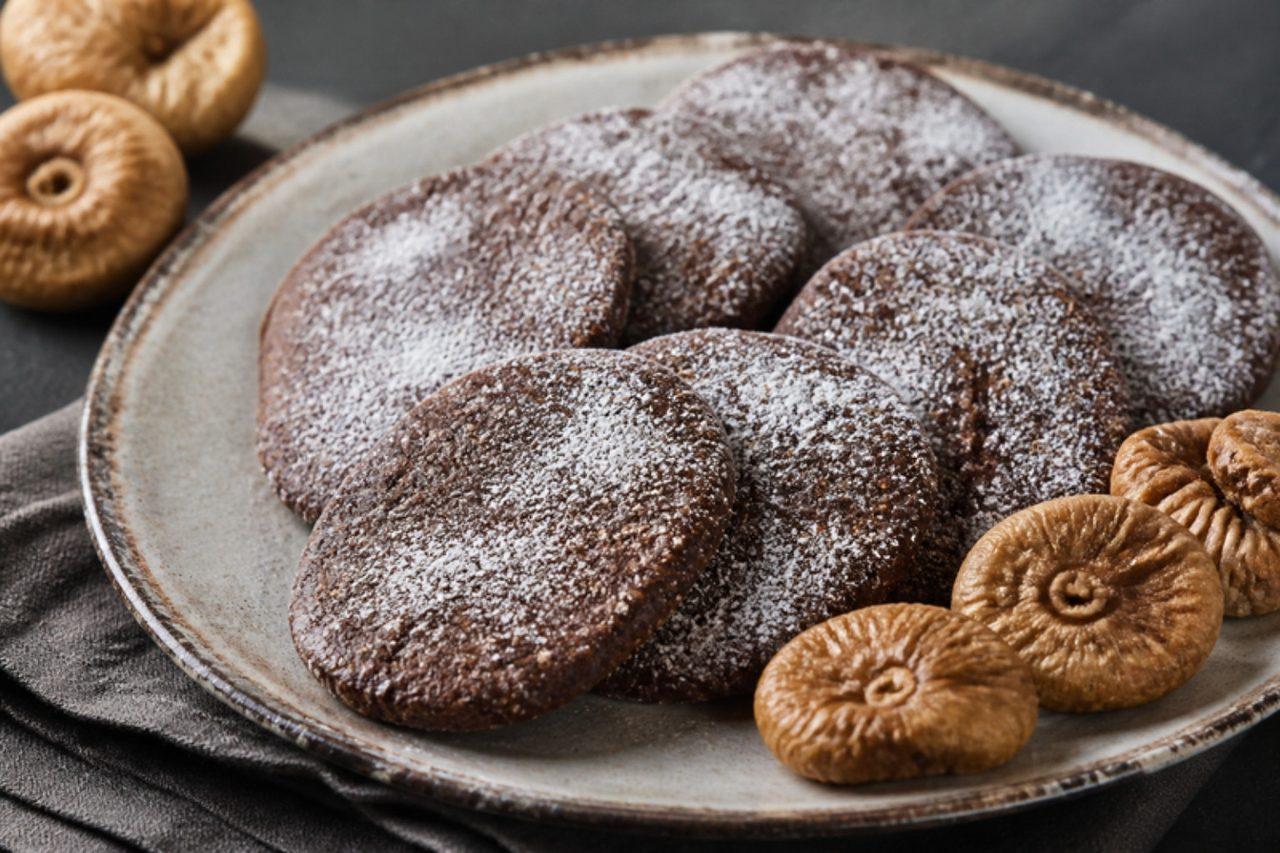
Pane dei morti ('bread of the dead') is baked in Milan and across Lombardy for All Souls' Day on 2 November. Bakers once made them to use up leftover biscuits, crumbling them with dried figs, raisins, almonds, cocoa and spices into a dark, chewy dough, shaped into long ovals and dusted with icing sugar. Older recipes add a glass of vin santo or white wine; this one uses orange juice. They taste of fig and spice and keep for weeks. Chef's tip: let the mixture rest overnight, which softens the crumbs and deepens the flavour.

by KrazyBadal 0 views

CiaramicolaRed Easter ring cake

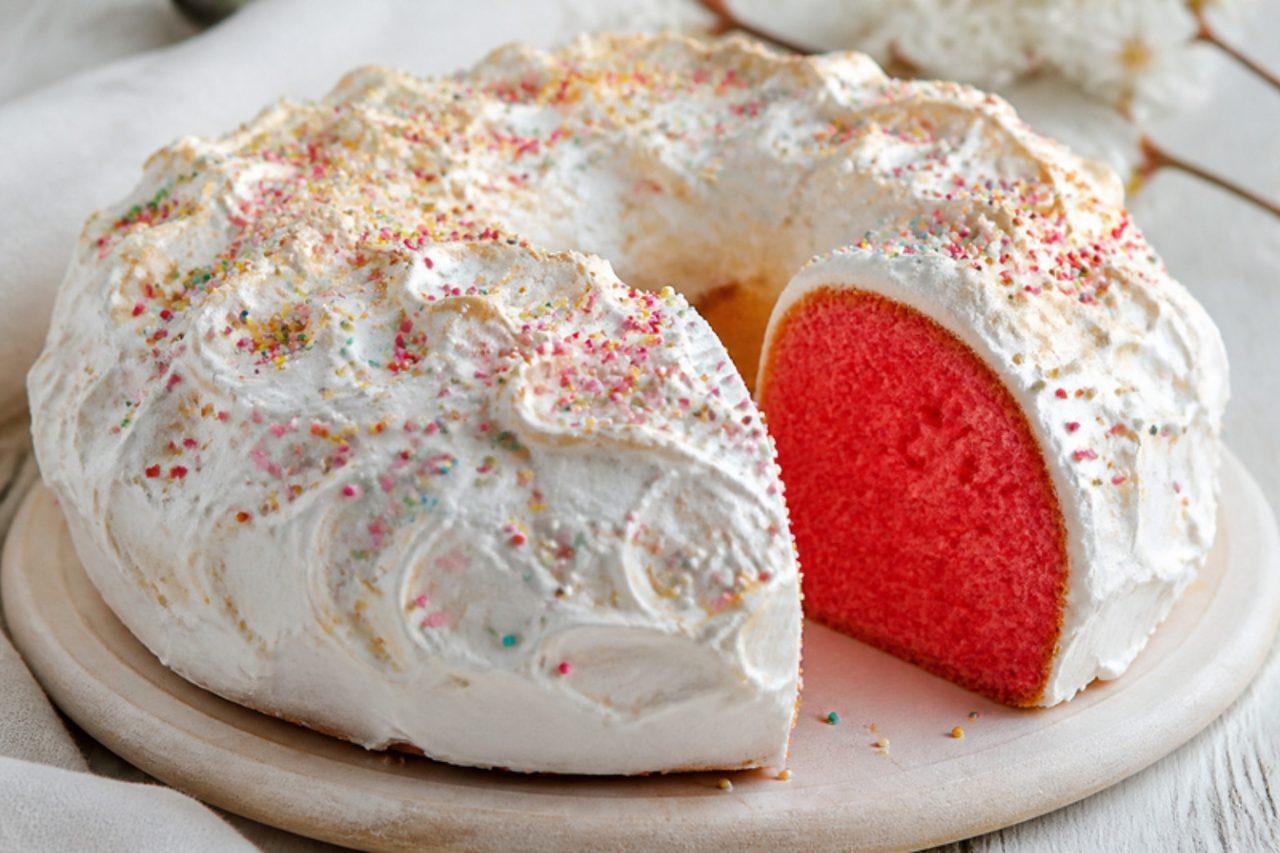
Ciaramicola is Perugia's Easter cake, a ring tinted red under a cloud of white meringue and coloured sprinkles, the red and white of the city's flag. It was traditionally baked by girls on Holy Saturday for their sweethearts, and it is eaten at Easter breakfast. The red colour usually comes from alchermes, a spiced liqueur; this version uses beetroot juice and a pinch of cinnamon and clove, so it is alcohol-free. The meringue is baked until set. Chef's tip: spread the meringue right down to the base all round, so it seals in the cake and stays glossy.

by KrazyBadal 0 views

Showing 24 of 1,062 recipes

Show more recipes

Page 1 of 45