Skip to content
Recipes

All recipes

Vegetarian, or something you can't eat? Set your diet once and we'll hide recipes that don't fit.

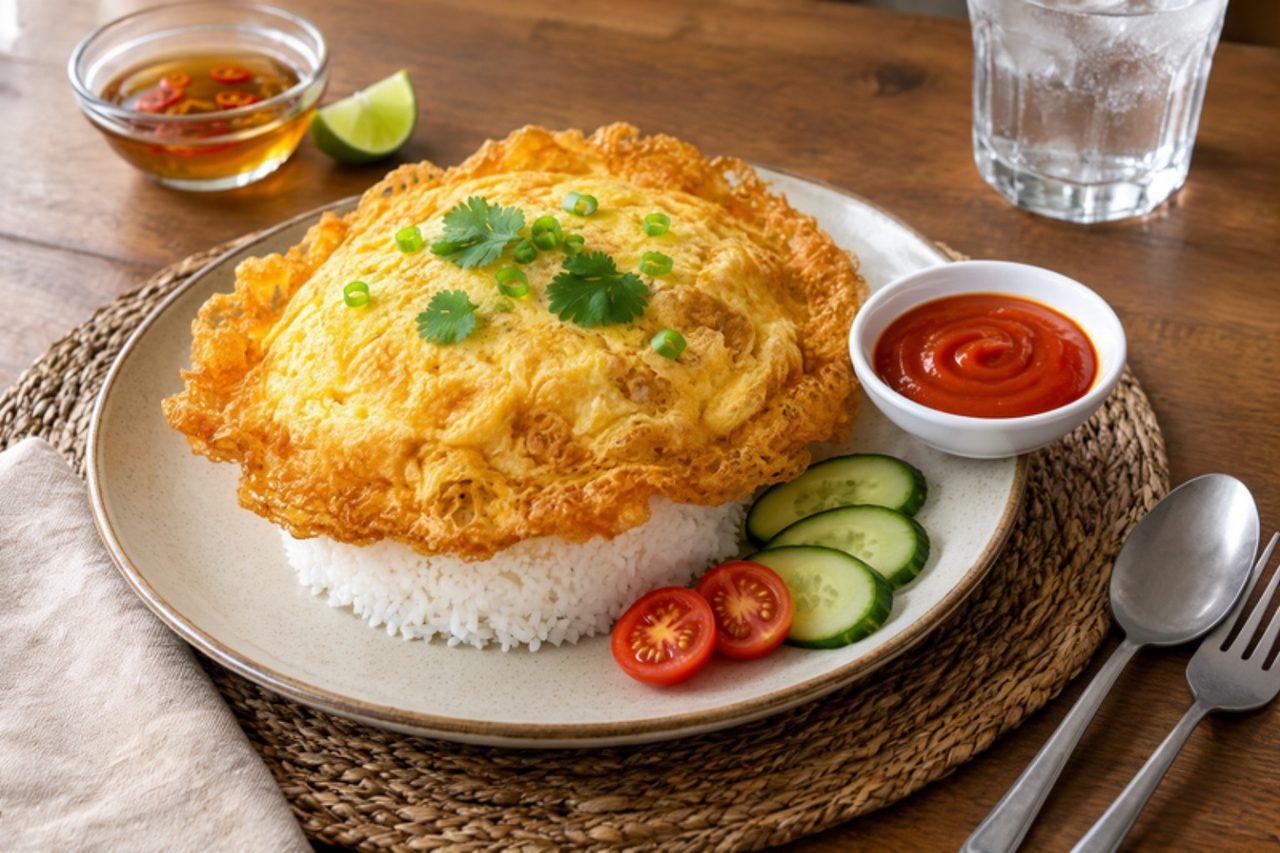
Khao kai jiaoThai omelette over rice

When there is no time for anything else, Bangkok office workers, students and taxi drivers eat khao khai jiao: eggs beaten with fish sauce and poured into very hot oil so they puff into a lacy, golden, crisp-edged omelette, slid onto a mound of jasmine rice with a squirt of chilli sauce. It is also the omelette mothers put in school lunch boxes. The common mistake is oil that is not hot enough, so the egg sits flat and greasy instead of ballooning up. For a vegetarian version, season with light soy sauce instead of fish sauce. Chef's tip: beat in a squeeze of lime and a spoon of water until very frothy; the air and steam make it puff dramatically.

by KrazyBadal 0 views

Nam lamyai (longan drink)

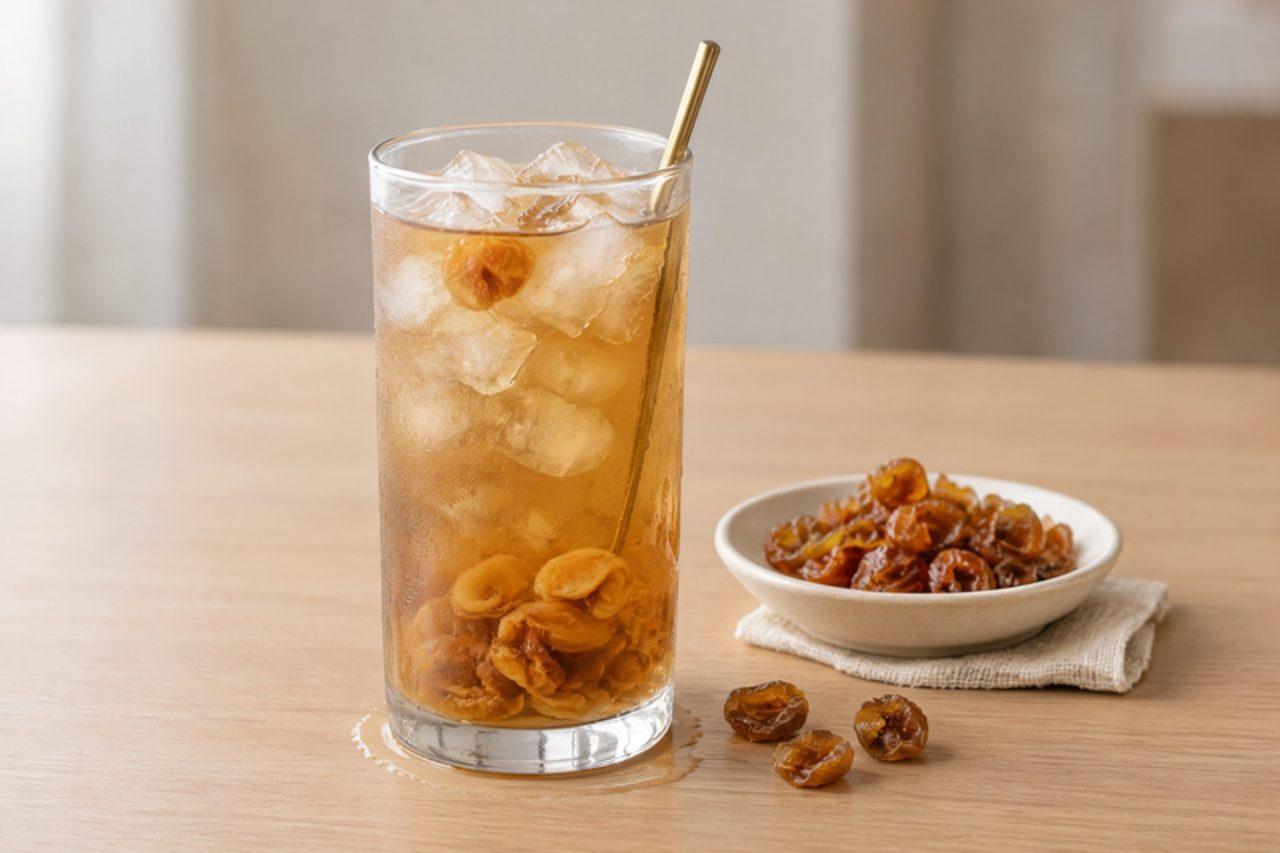
Longan orchards cover the valleys of Chiang Mai and Lamphun, and every August the harvest is smoked and dried in big brick ovens so the fruit lasts all year. That dried lamyai is the base of nam lamyai, sold in plastic bags with a straw at Warorot Market, at roadside stalls on the way to Doi Suthep and in school canteens across the north, especially in the hot season from March to May. It tastes like toffee and smoked honey with a light floral note, and each glass comes with a few plump, chewy longans at the bottom to fish out. The common mistake is boiling the fruit too long with all the sugar at the start: the drink turns syrupy and the longans go mushy. Simmer the fruit first, sweeten at the end and taste before adding everything. It is ready when the liquid is clear amber-brown, the longans have swollen back to roughly their fresh size and the kitchen smells of caramel. It keeps 4 days in a closed jug in the fridge. Chef's tip: a tiny pinch of salt is the street-vendor trick that makes the sweetness taste rounder and brings out the smoky edge.

30 minThaiDrinksVeganGluten free
by KrazyBadal 0 views

Khai kataPan eggs with pork and sausage

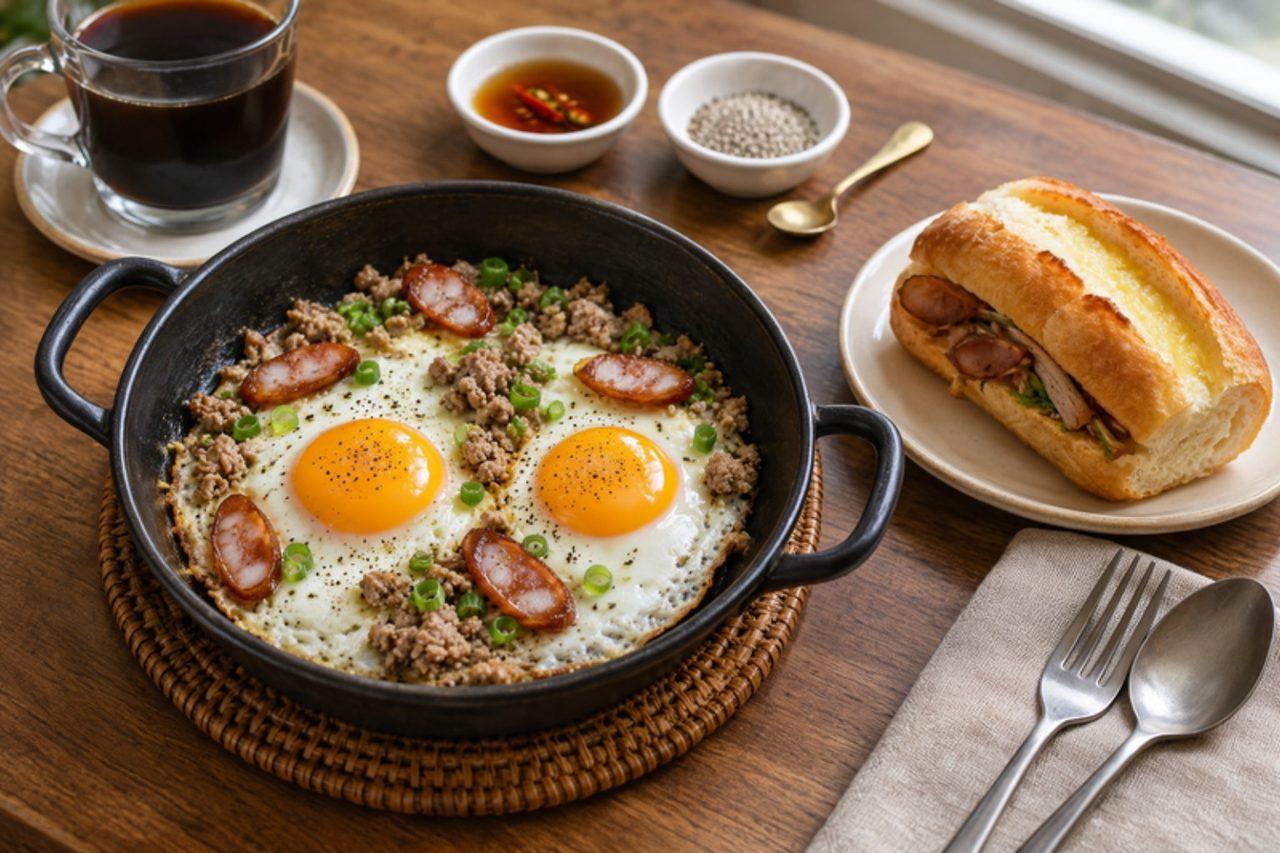
Khai kata, "pan eggs", came to Thailand through the Vietnamese communities of Isan, and in Udon Thani and Nong Khai, and now in Bangkok cafés too, it arrives sizzling in its own little metal pan with toppings of pork mince and sweet Chinese sausage, plus a crusty roll and a strong coffee. The eggs are cooked just until the whites set. The common mistake is cracking the eggs onto raw mince; cook the pork through first, then add the eggs. Chef's tip: heat the pan before the eggs go in, so the whites set at the edges with lacy, crisp frills.

by KrazyBadal 0 views

TereréIced yerba mate

In Asunción the hottest part of the day stops for tereré: a horn or cup packed with yerba mate, topped up again and again with ice water infused with crushed herbs, and passed round the group through a metal straw. It was recognised by UNESCO as part of Paraguay's cultural heritage, and the herbs (yuyos) change with the season and the drinker's mood. Yerba mate contains caffeine, so it isn't one for small children. The common mistake is pouring water straight into loose yerba, which then clogs the straw; tilt the yerba to one side first. Chef's tip: for tereré ruso, swap the water for cold orange or grapefruit juice.

by KrazyBadal 0 views

Martín FierroCheese with quince paste

Ask for dessert in a Montevideo bodegón or a country parador and you may be offered a Martín Fierro: a thick slice of fresh, mild cheese laid with an equal slice of dense quince or sweet-potato paste, named after the gaucho of the epic poem. It's salty against sweet, soft against firm, and takes two minutes to assemble. Uruguayan fresh cheese is usually made with animal rennet, so choose one with vegetarian rennet if that matters to you. The mistake is serving it fridge-cold, which dulls both flavours. Chef's tip: cut the cheese and paste to exactly the same thickness, about 1 cm, so every bite has both.

by KrazyBadal 0 views

Cocido quemadoBurnt sugar mate drink

Cocido is how Paraguay starts the day: in Asunción, in the villages of Guairá and Itapúa, and in school kitchens, a pot of burnt yerba is brewed and poured into cups with chipa, the cheesy cassava bread, or with a hard galleta. The old way is to drop a glowing piece of charcoal into a pot with yerba and sugar and stir until the sugar burns. On a home stove you caramelise them together in a dry pan instead, which is safer and gives the same smoky, toffee-like taste. The drink is clear amber-brown, with roasted, slightly bitter mate notes over burnt-sugar sweetness; with milk added it becomes cocido con leche, creamy and coffee-coloured. Yerba mate contains caffeine, so treat it like a cup of coffee. The common mistake is letting the sugar go black: it turns acrid and bitter. Pull it off the heat when the caramel is deep amber and the yerba smells toasted, not burnt. It is ready when the liquid is a clear dark amber and tastes of toffee and smoke. Chef's tip: the water will spit fiercely when it hits the hot caramel, so pour it in from the side, at arm's length.

by KrazyBadal 0 views

LampreadoCassava starch cheese fritters

Paraguayan grandmothers fry lampreado on Sunday evenings to eat with a mug of cocido, the toasted yerba mate drink: small pan-fried cakes of cassava starch, egg, milk and grated cheese with a little onion, crisp at the edges and stretchy inside. Some families also make it with leftover meat, but this version is all cheese. Queso Paraguay is set with animal rennet; a vegetarian Parmesan-style cheese plus mozzarella works well. The trap is a batter that is too thick, which gives heavy, gluey cakes. Chef's tip: the batter should drop slowly off a spoon like thick pancake batter; add milk a spoonful at a time until it does.

by KrazyBadal 0 views

Prik nam somChillies in vinegar

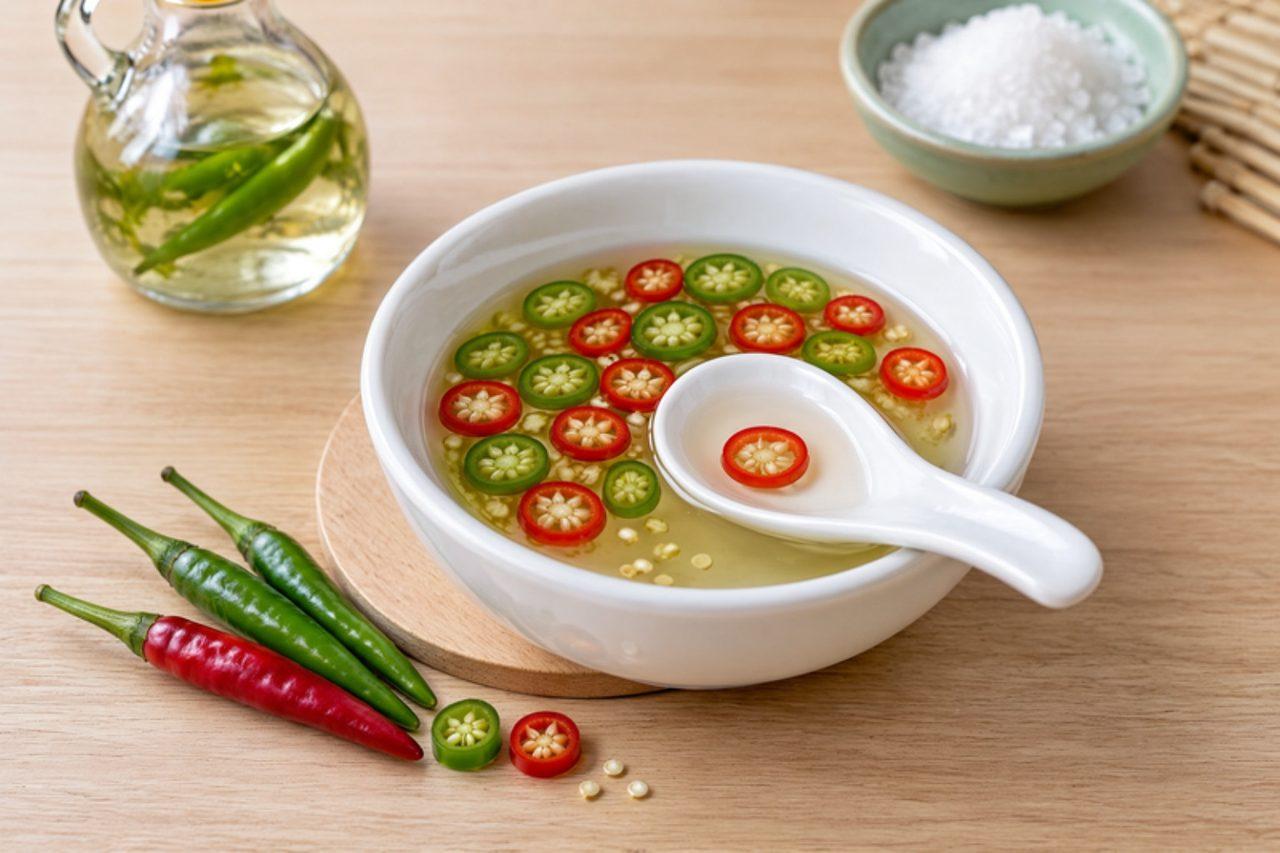
On every noodle-shop table in Thailand, from Bangkok's boat-noodle stalls to small kuay teow shops in Hat Yai, there is a rack of four little jars: sugar, chilli flakes, fish sauce and prik nam som. A few drops of this sharp chilli vinegar wake up kuay teow nam, pad see ew, rad na and khao man gai at lunch or late at night, and the softened chilli slices are spooned on too. It is bright, clean and sour first, then hot, with a grassy chilli aroma; the slices stay crisp for a day or two and turn mellow after that. The Thai version uses long green or red chillies (prik chee fa) for colour and fragrance and just a few bird's-eye chillies for real heat. Common mistake: blending the chillies with the vinegar; it should be thin and clear with floating rings, so slice them by hand. It is ready after 15 minutes, once the vinegar turns faintly green-gold and smells of chilli. Chef's tip: a pinch of salt and a teaspoon of sugar round off harsh supermarket vinegar; leave them out if you have mild Thai coconut or rice vinegar.

by KrazyBadal 0 views

Kafae boran (old-style Thai coffee)

Before espresso bars reached Bangkok, coffee in Thailand meant kafae boran from Hainanese-Chinese shophouses and market carts: a dark robusta roast mixed with toasted grains, poured through a long cotton sock called a tung tom and stirred into thick sweetened condensed milk. Uncles still order it hot at 6 am with patongko dough sticks, and in the afternoon heat the same brew is poured over crushed ice and topped with evaporated milk as oliang or kafae yen. The taste is strong, roasty and slightly smoky, sweet and creamy, with a faint caramel-cereal edge from the grains; the iced version is silky and cold. The common mistake is brewing it like filter coffee with too little grounds: once milk and ice go in, it tastes thin. Use plenty, steep it in the sock and pour it through twice. The brew is ready when it is opaque, nearly black and leaves a brown film on a white spoon. It is high in caffeine, so not one for children or late evenings. Chef's tip: rinse the cloth sock in hot water only, never soap, and keep it in a jar of clean water in the fridge between uses so the coffee oils season it.

10 minThaiDrinksGluten free
by KrazyBadal 0 views

Khanom pang sangkhayaBread with pandan custard

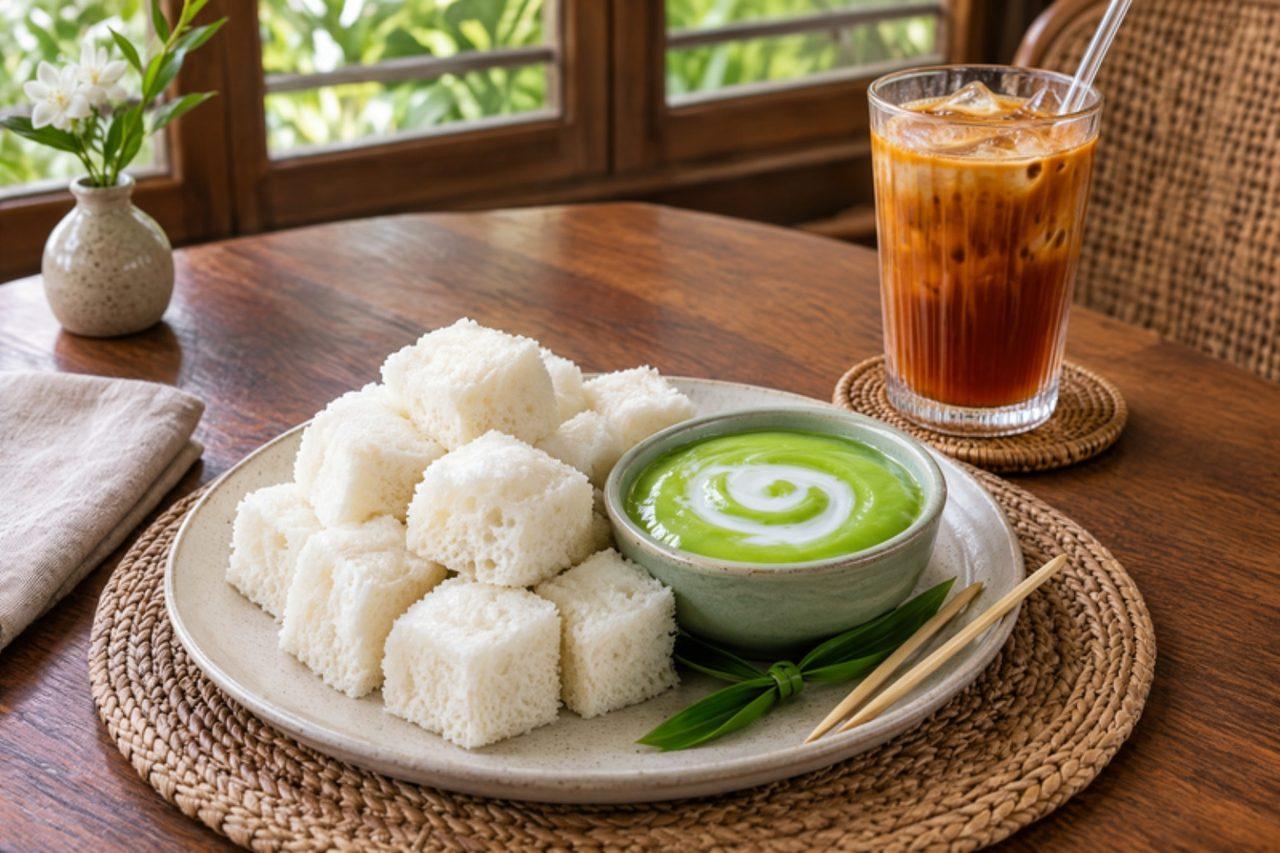
In Bangkok, from the old Chinese coffee shops of Yaowarat to night markets, khanom pang sangkhaya is soft steamed or toasted bread dunked into a bowl of bright green pandan custard made with coconut milk and egg. It is eaten in the morning with patongko dough sticks and strong iced coffee. The mistake is cooking the custard over high heat; the egg scrambles and it turns grainy, so stir it slowly over a gentle flame. Chef's tip: blitz fresh pandan leaves with a splash of water and squeeze the juice through a cloth; it gives a colour and fragrance that essence can't match.

by KrazyBadal 0 views

Minchi (Macanese minced meat with potatoes)

If one dish says home to Macanese families, the descendants of Portuguese and Chinese Macau, it is minchi: a quick hash of minced beef and pork seasoned with soy sauce, Worcestershire sauce and a touch of sugar, mixed with crisp little cubes of fried potato and crowned with a runny fried egg. It appears on weeknight tables, at Macanese restaurants near Rua do Cunha, and at gatherings of the Macanese community abroad, always with plain white rice. Savoury, slightly sweet and full of crunch, it tastes like the meeting of a Portuguese kitchen and a Cantonese wok. A common error is stirring the potatoes into the meat too early, which makes them soft and floury; fry them separately until crisp and fold them in at the end. Chef's tip: let the mince sit undisturbed for a minute in the hot pan before stirring, so it browns instead of stewing.

by KrazyBadal 0 views

SerraduraCream and biscuit crumb pudding

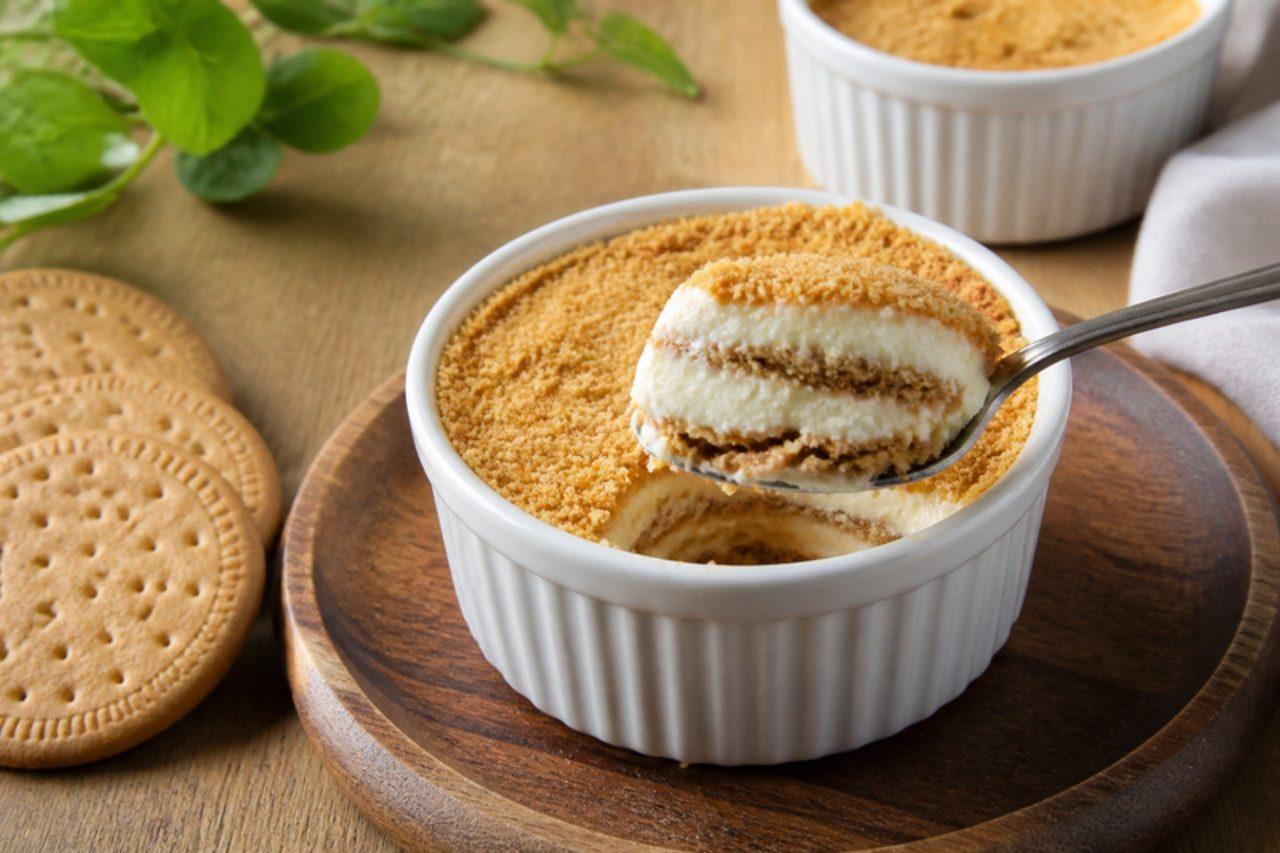
Portuguese for 'sawdust', serradura is the cool, creamy dessert you'll find in every Macanese restaurant and café from Taipa to the Senado Square backstreets, ordered to round off a long Macanese lunch. Alternating layers of sweetened whipped cream and powder-fine tea biscuit crumbs set softly in the fridge, so each spoonful is light, milky and caramel-sweet, with a gentle crumbly texture. It is usually served in small glasses, sometimes semi-frozen like an ice cream cake. Coarse crumbs are where it goes wrong; they stay crunchy and gritty instead of melting into the cream, so grind the biscuits as fine as sand. Chef's tip: whip the cream and condensed milk together only to firm peaks and stop there, or it turns grainy and buttery.

by KrazyBadal 0 views

Nam prik noomRoasted green chilli dip

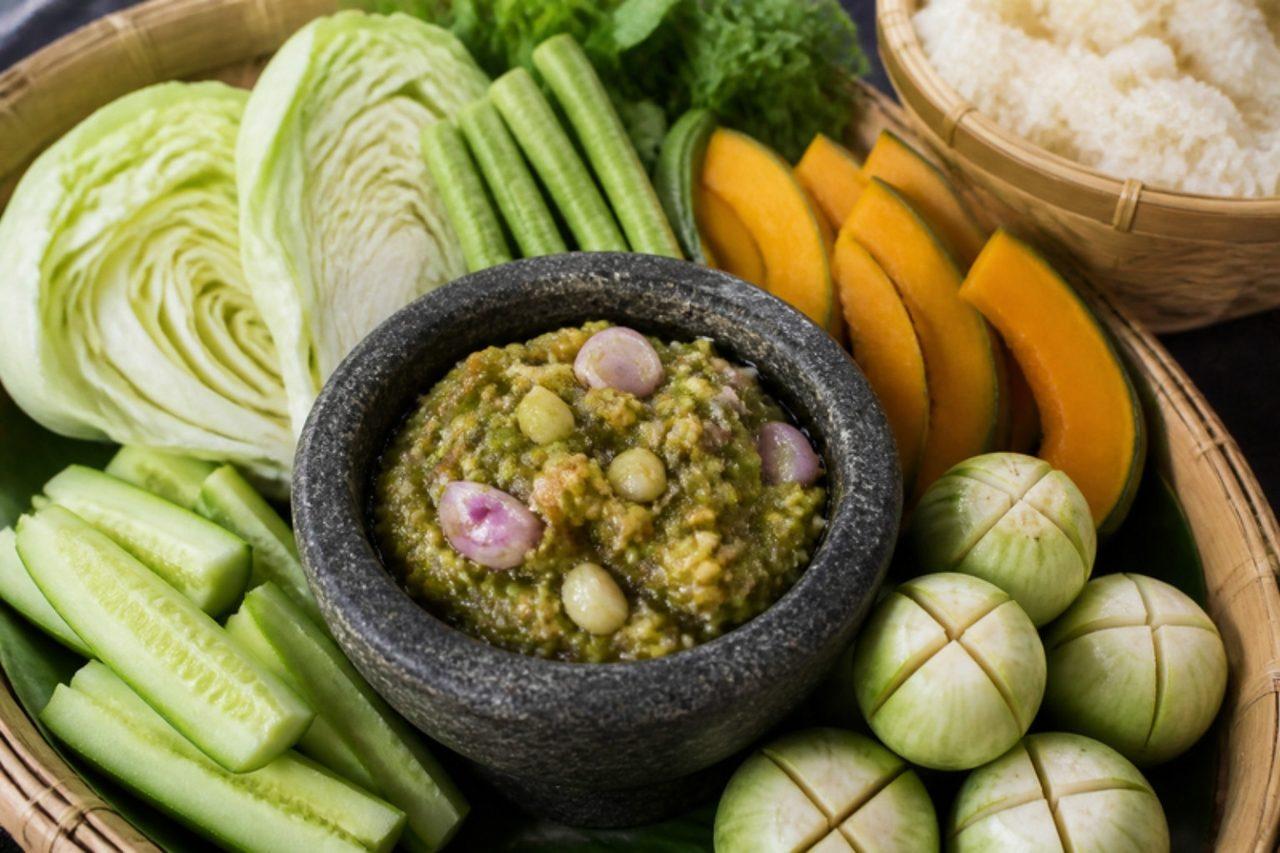
Nam prik noom is the relish Chiang Mai is proud of: long green chillies, shallots and garlic charred over coals until blistered and soft, then pounded into a rough, smoky, gently hot dip. At Warorot Market and the morning markets of the north it is sold by the bagful next to crunchy pork rinds and baskets of steamed vegetables, and it sits on almost every Lanna family table with sticky rice. Most versions are salted with fish sauce or pla ra; this one uses salt and a dash of soy, and the smokiness carries it just as well. Eat it with blanched cabbage, long beans, cucumber and sticky rice. Chef's tip: roast the vegetables until their skins are black in patches and they collapse when pressed; undercooked chillies taste raw and sharp.

by KrazyBadal 0 views

Yam woon sen (vegetarian glass noodle salad)

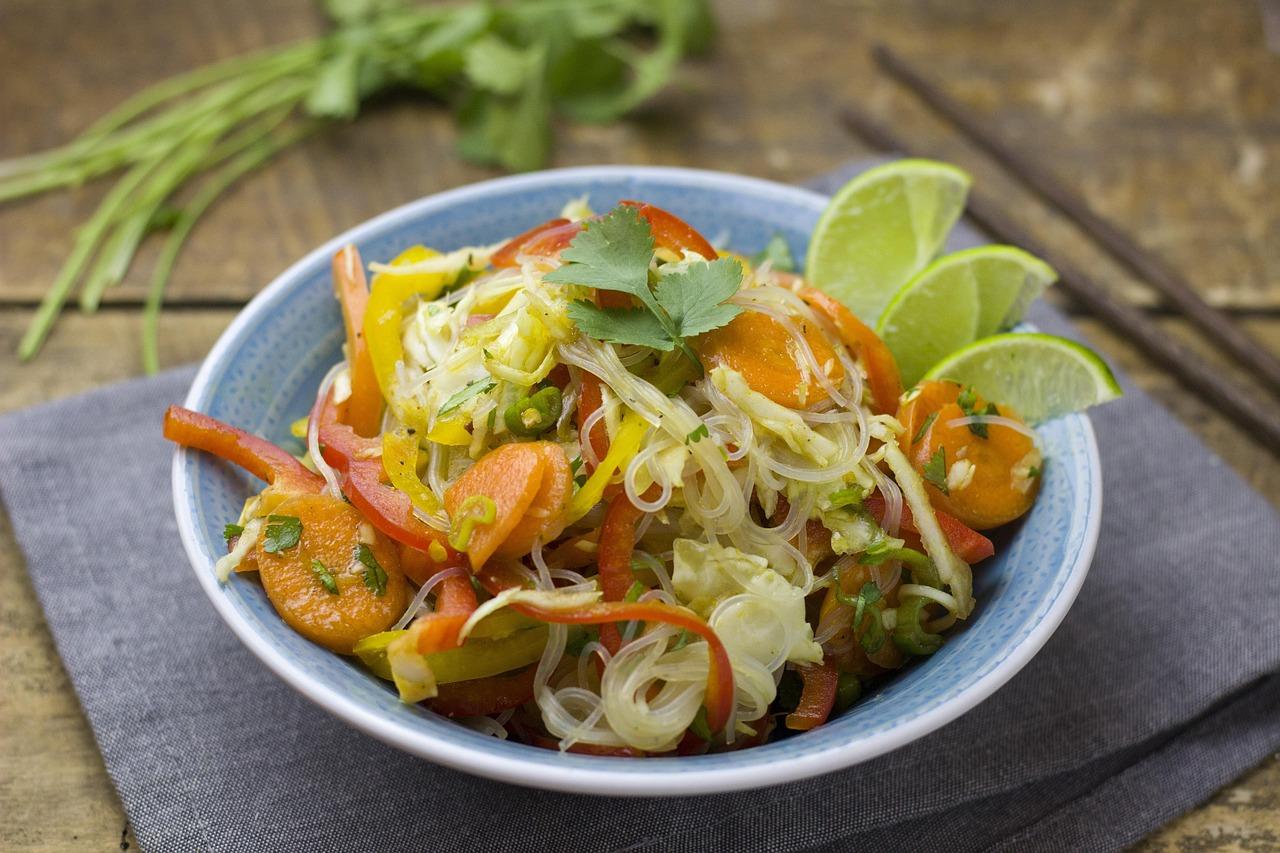
Yam woon sen is the glass-noodle salad sold from the trays of 'yam' vendors in Bangkok's evening markets and served alongside beer at Central Thai gatherings. The street version is tossed with minced pork and prawns; this vegetarian one swaps them for crumbled firm tofu and crunchy wood ear mushrooms, which give the same mix of soft and bite. The noodles are dressed while still warm so they drink up the sour, salty, sweet and hot dressing, then finished with celery leaves, coriander and peanuts. Eat it at room temperature as a light lunch or as one dish in a shared spread. Chef's tip: celery leaves are not a garnish here; Thai cooks use Chinese celery as a main herb, so be generous.

25 minThaiSaladsVeganGluten free
by KrazyBadal 0 views

Khao tom (vegetable rice soup)

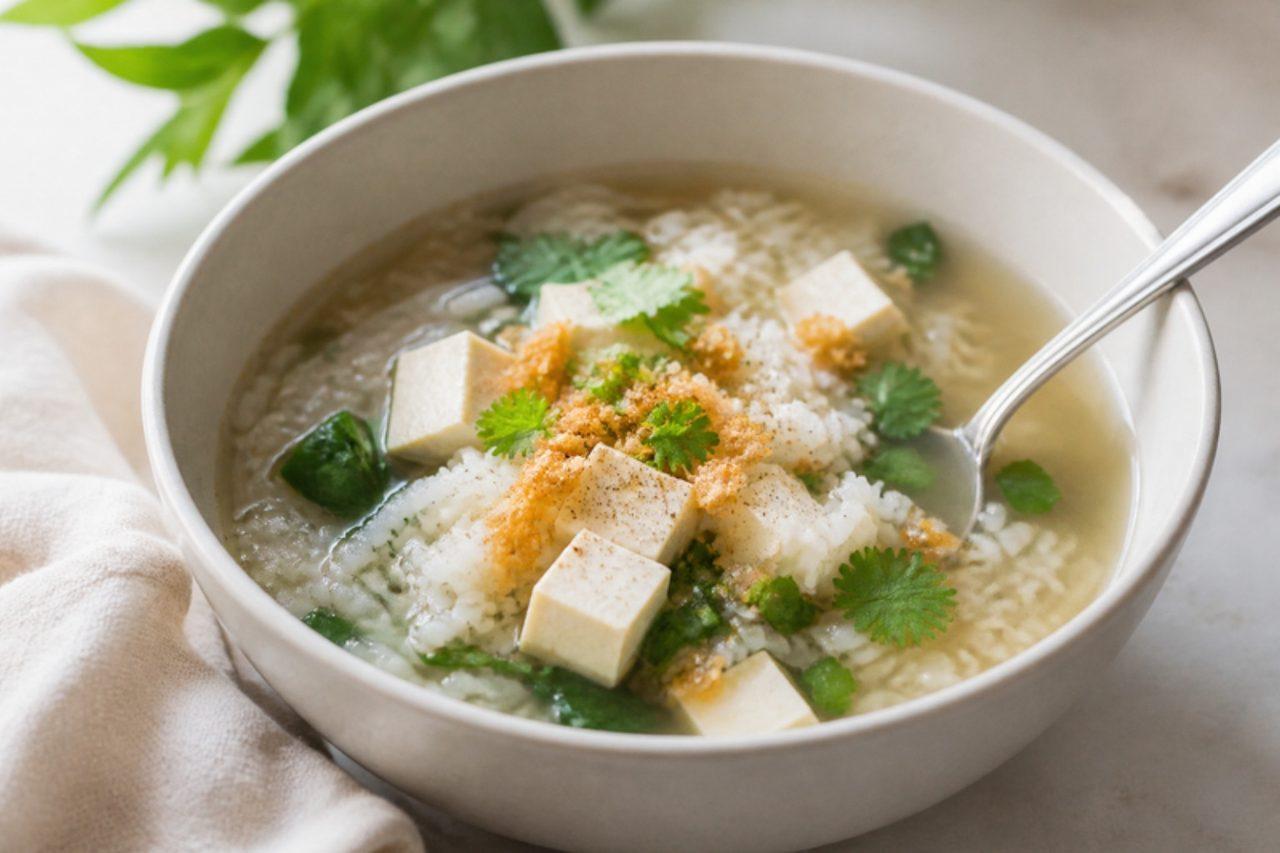
Khao tom is what Thais eat at the start of the day and, just as often, at two in the morning, when the 'khao tom kui' shops of Bangkok's Yaowarat and night-market stalls stay open for hungry people heading home. Unlike rice porridge (jok), the grains stay whole and separate in a light, clear broth, so it feels more like a soup than a congee. This vegan bowl uses a ginger and white pepper stock with soft tofu, Chinese cabbage and a spoon of golden garlic oil on top. It is gentle food, also what Thai families cook when someone is unwell. Chef's tip: use leftover cooked jasmine rice, rinsed under the tap; fresh rice turns the broth cloudy and starchy.

by KrazyBadal 0 views

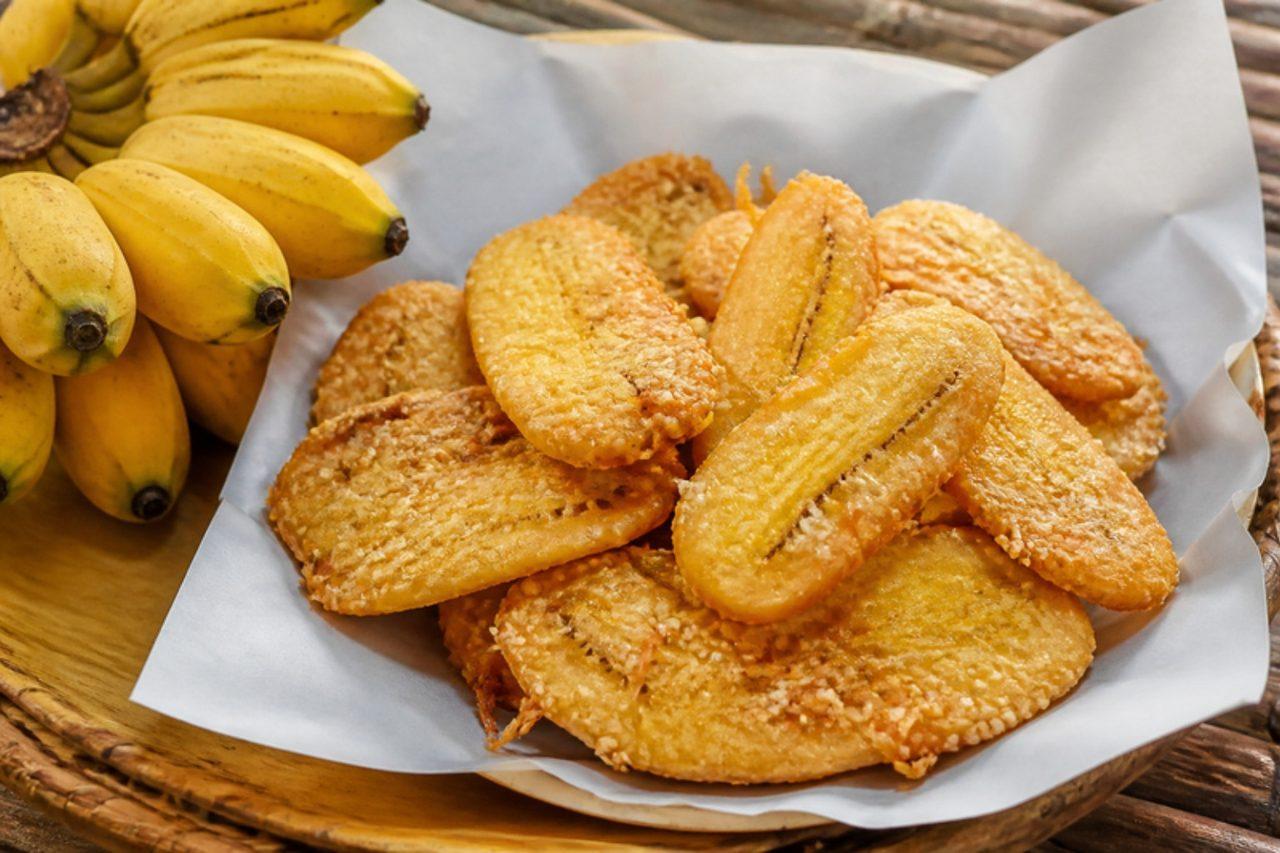
Kluay tod (Thai fried bananas)

In the afternoons, Bangkok's street-corner woks switch from noodles to snacks, and kluay tod is the one you smell from down the soi: wedges of small, firm bananas in a coconut and sesame batter, fried until bronze and sold in paper bags. The batter is made with rice flour and a little lime water, so it shatters rather than turning bready, while the banana inside goes soft and jammy. Thais use kluay nam wa, a short, tart banana; firm, just-ripe ordinary bananas work too. Eat them warm, on their own or with a scoop of coconut ice cream. Chef's tip: overripe bananas fall apart and soak up oil; choose ones that are yellow with no brown spots.

by KrazyBadal 0 views

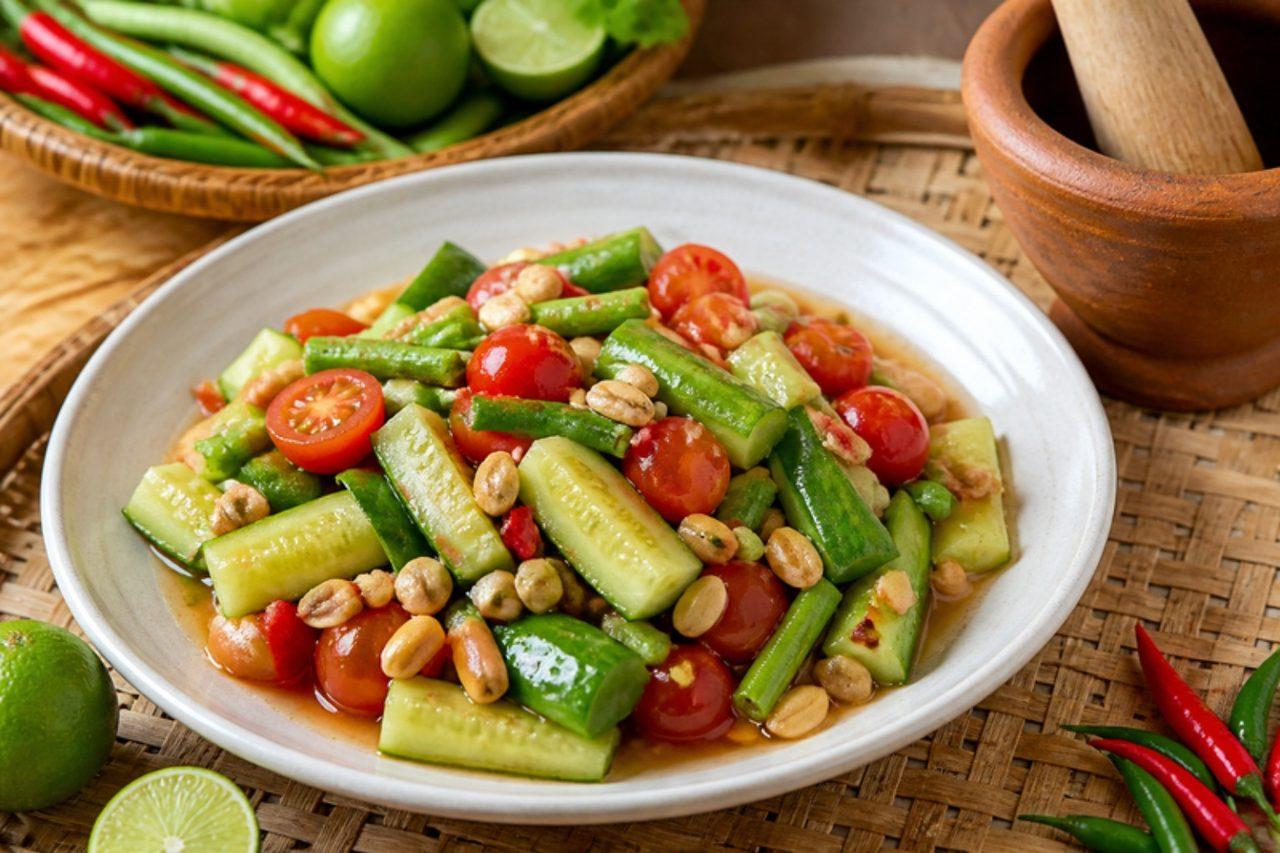
Tam taeng (Isan pounded cucumber salad)

In Khon Kaen, Udon Thani and the rest of Isan, the somtam stall always offers a cucumber version alongside the papaya one, and many locals prefer it on hot afternoons: tam taeng is juicier, cooler and crunchier. Thick batons of cucumber are bruised, not smashed, with garlic, chillies, lime and palm sugar, so they soak up the dressing but keep their snap. Sellers add fermented fish or dried shrimp; this vegan bowl leans on soy and toasted peanuts for depth instead. It is eaten with sticky rice and grilled food, picked up with your fingers. Chef's tip: use firm cucumbers with small seeds and scoop out a watery core, or the salad floods within minutes.

15 minThaiSaladsVeganGluten freeSpicy
by KrazyBadal 0 views

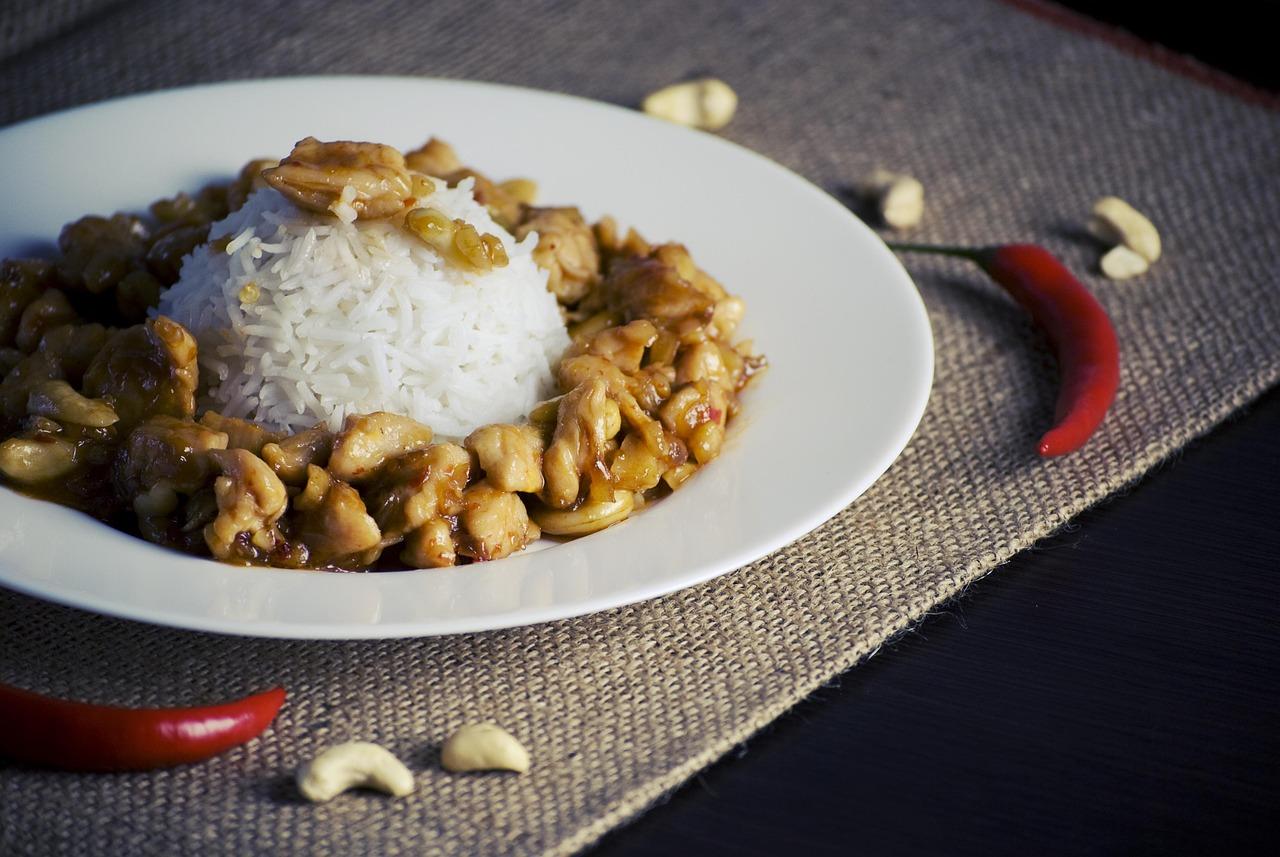
Cashew chicken

Crunchy, mild and gently sweet, this stir-fry is what central Thai families order for the table when children or chilli-shy guests are eating too. Strips of chicken are dusted in cornflour and fried golden, then tossed with roasted cashews, onion, spring onion and whole dried chillies that are crisped in the oil for smoky colour rather than fierce heat. Restaurants from Bangkok to Hua Hin serve it as one dish of a shared meal, with steamed rice and a sour soup such as tom yum. The sauce is glossy and savoury from oyster sauce, with a spoonful of roasted chilli paste for depth. Chef's tip: toast the cashews slowly in the oil before anything else goes into the wok; they stay crunchy far longer than nuts thrown in raw.

by KrazyBadal 0 views

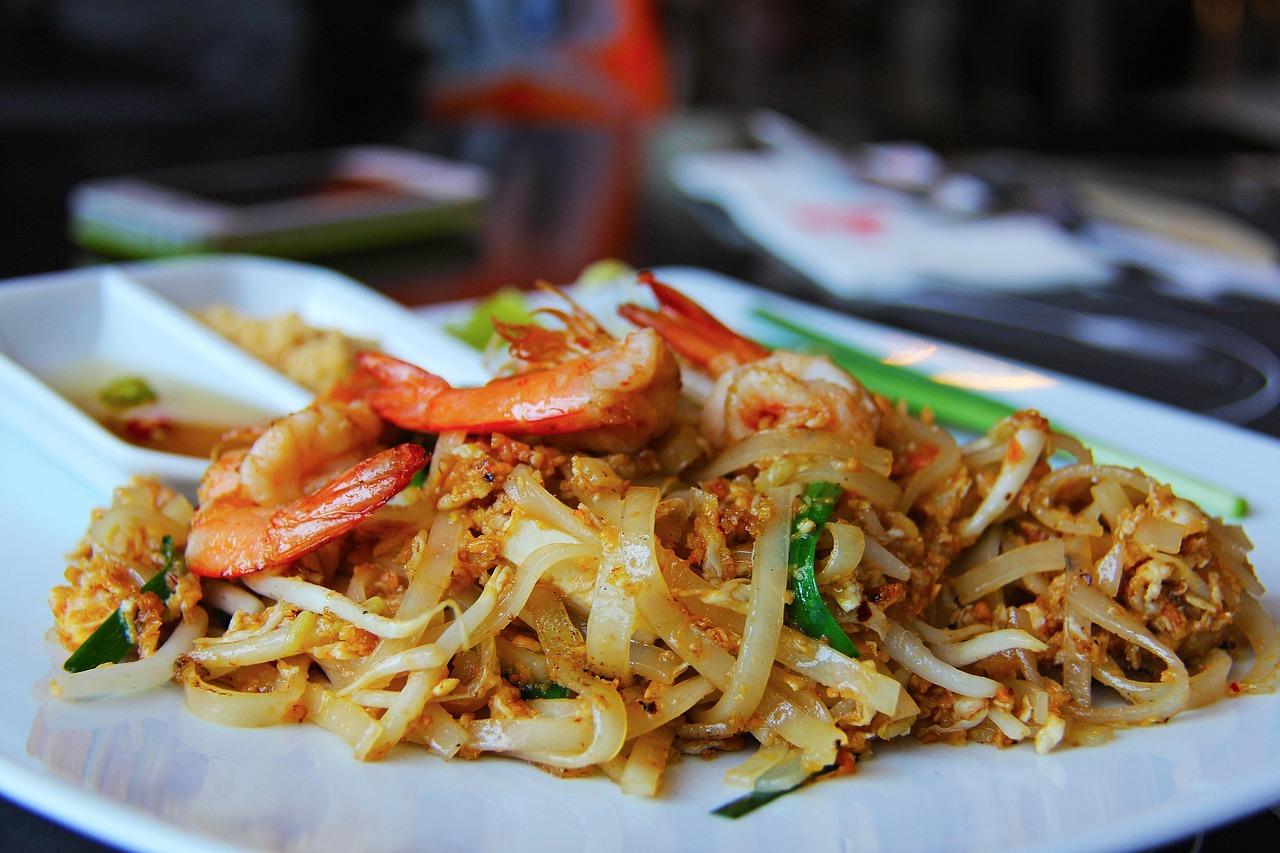
Pad thai with prawns

On Mahachai Road near Bangkok's Golden Mount, pad thai cooks work charcoal-fired woks late into the night, and their style is the model here: chewy rice sticks tossed with a dark, sweet-sour tamarind sauce, scrambled egg, cubes of firm tofu, sweet preserved radish, garlic chives and plump fresh prawns. It should taste tangy first, then sweet and salty, never like ketchup. Everyone finishes their own plate at the table with crushed peanuts, chilli flakes, a squeeze of lime and a handful of raw bean sprouts and chives for crunch, and children usually love it with the chilli left off. Chef's tip: make the tamarind sauce a day ahead; it keeps for a week in the fridge and the noodles then take ten minutes.

by KrazyBadal 0 views

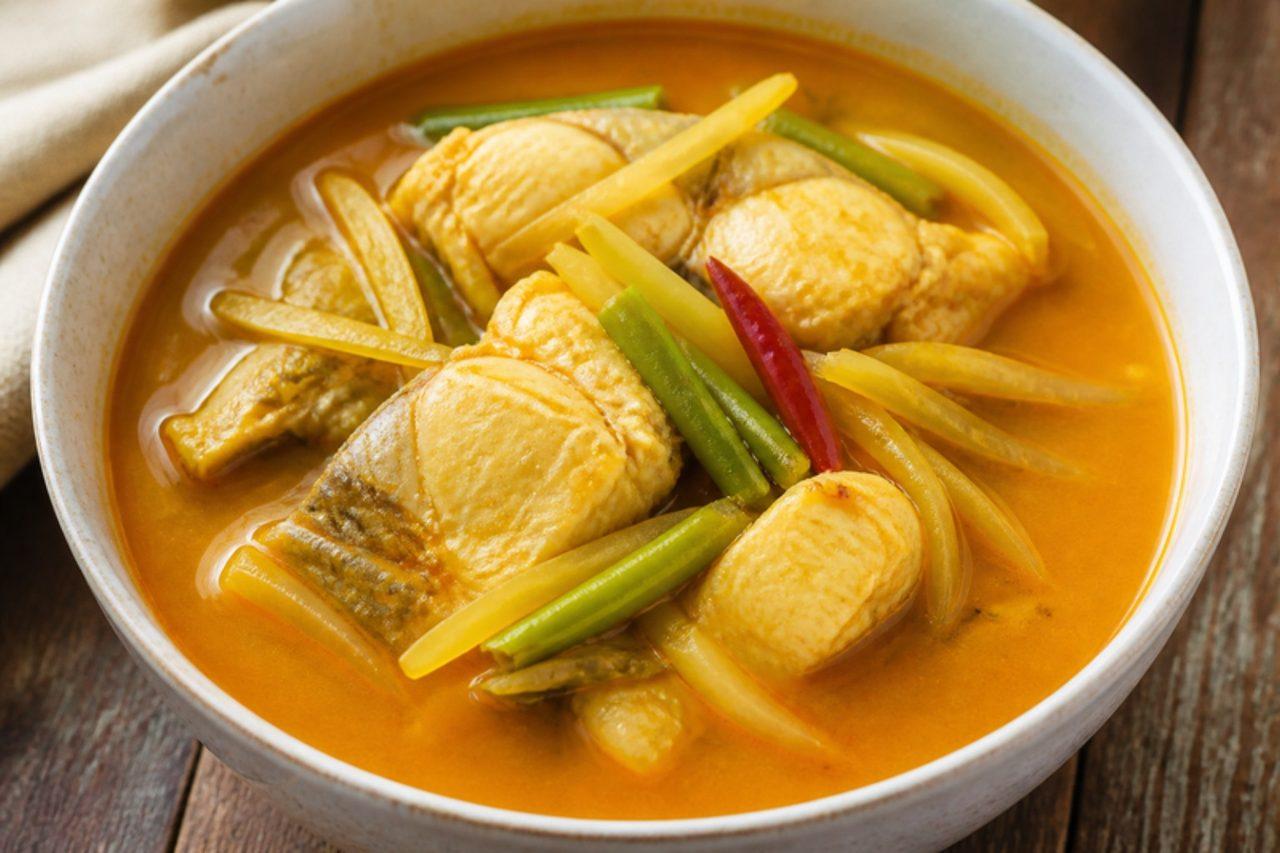
Gaeng som plaSour fish curry

Down the Andaman coast and in Surat Thani and Nakhon Si Thammarat, this is everyday home food, the curry that turns up at lunch alongside rice, fried egg and a plate of raw vegetables. It is thin, brothy and startlingly bright: fresh turmeric turns it orange, tamarind makes it sour, and a pounded paste of chillies and shrimp paste gives it real heat, all without any coconut milk. Chunks of firm white fish poach gently in the soup with green papaya and long beans. Eat it with plenty of jasmine rice to soak up the broth. Chef's tip: pound a little of the poached fish into the curry paste; it thickens the broth slightly and makes it taste of the sea.

by KrazyBadal 0 views

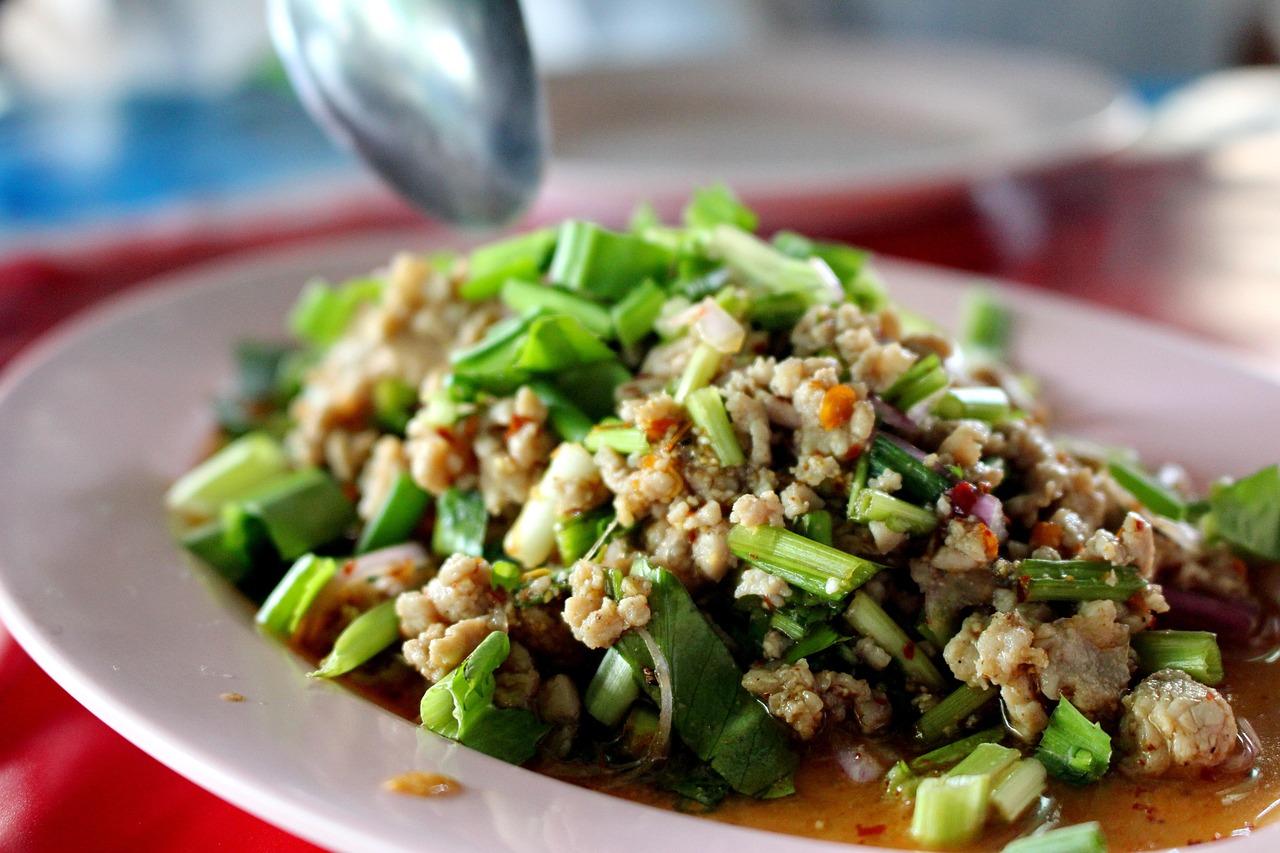
Larb gaiSpicy chicken salad

Out in the rice-farming provinces of Isan, a plate of larb turns up at almost every family meal and roadside som tam shack, always with a basket of sticky rice and a pile of raw greens. Warm minced chicken is tossed with fish sauce, plenty of lime, dried chilli and a fistful of mint, then finished with nutty, crunchy toasted rice powder. The result is bright, sour, salty and hot all at once, with a pleasing coarse texture. Wrap spoonfuls in lettuce, or eat it with sticky rice, cucumber and long beans. Chef's tip: toast your own rice powder; shop-bought tastes flat, and freshly ground grains smell like popcorn.

25 minThaiSaladsGluten freeSpicy
by KrazyBadal 0 views

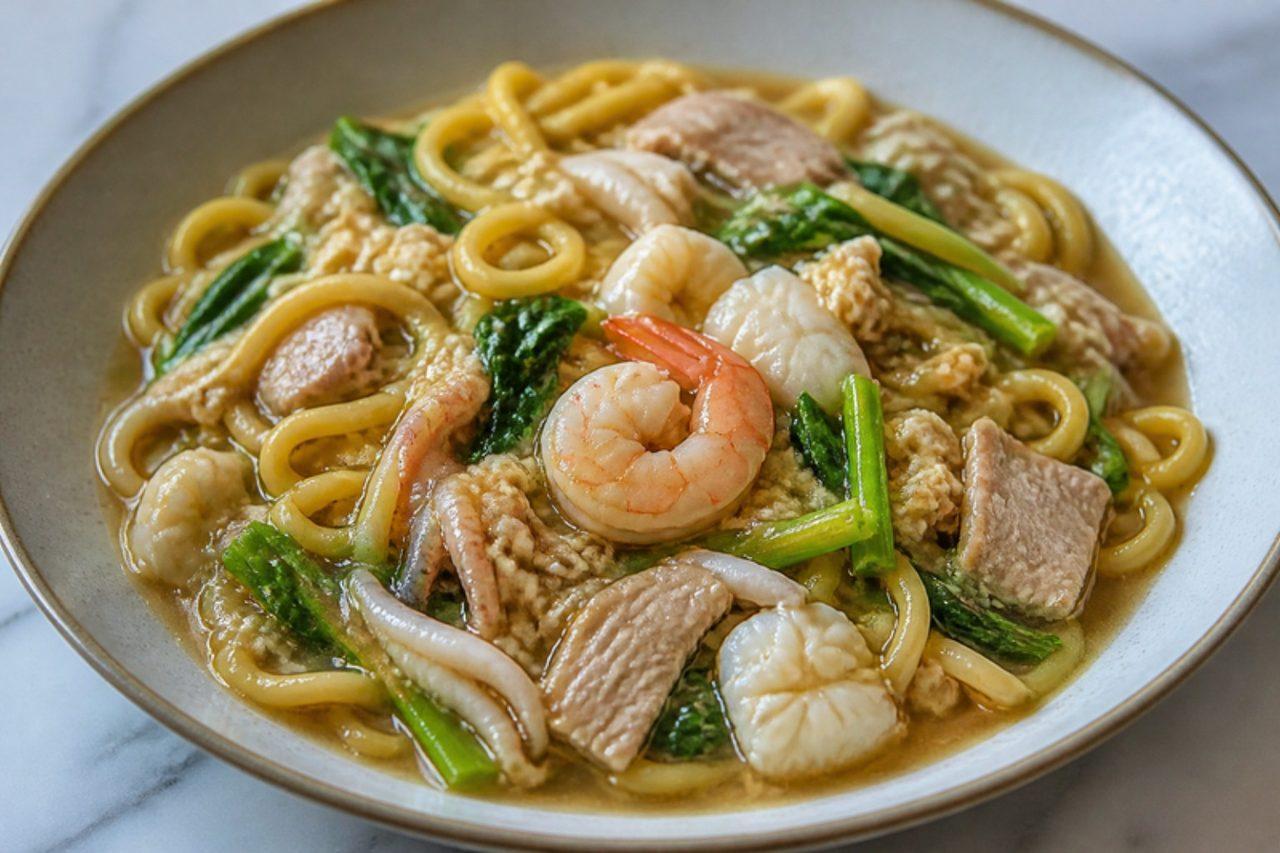
Mee hokkien PhuketThick yellow noodle stir-fry

In the Sino-Portuguese shophouses of Phuket Town, descendants of Hokkien tin miners still begin the day with this: fat, chewy yellow egg noodles fried with pork, prawns and squid, then simmered in a little stock until the sauce becomes a savoury gravy that coats every strand, with an egg stirred through at the end. It is the island's signature noodle, ordered in old coffee shops with a glass of strong local coffee or a bowl of clear pork soup. The texture is slippery and thick, the flavour mellow and peppery rather than hot, so chilli vinegar goes on the table. Chef's tip: loosen the fresh noodles under hot water before they go in the wok; cold, stuck-together noodles snap into short pieces when tossed.

by KrazyBadal 0 views

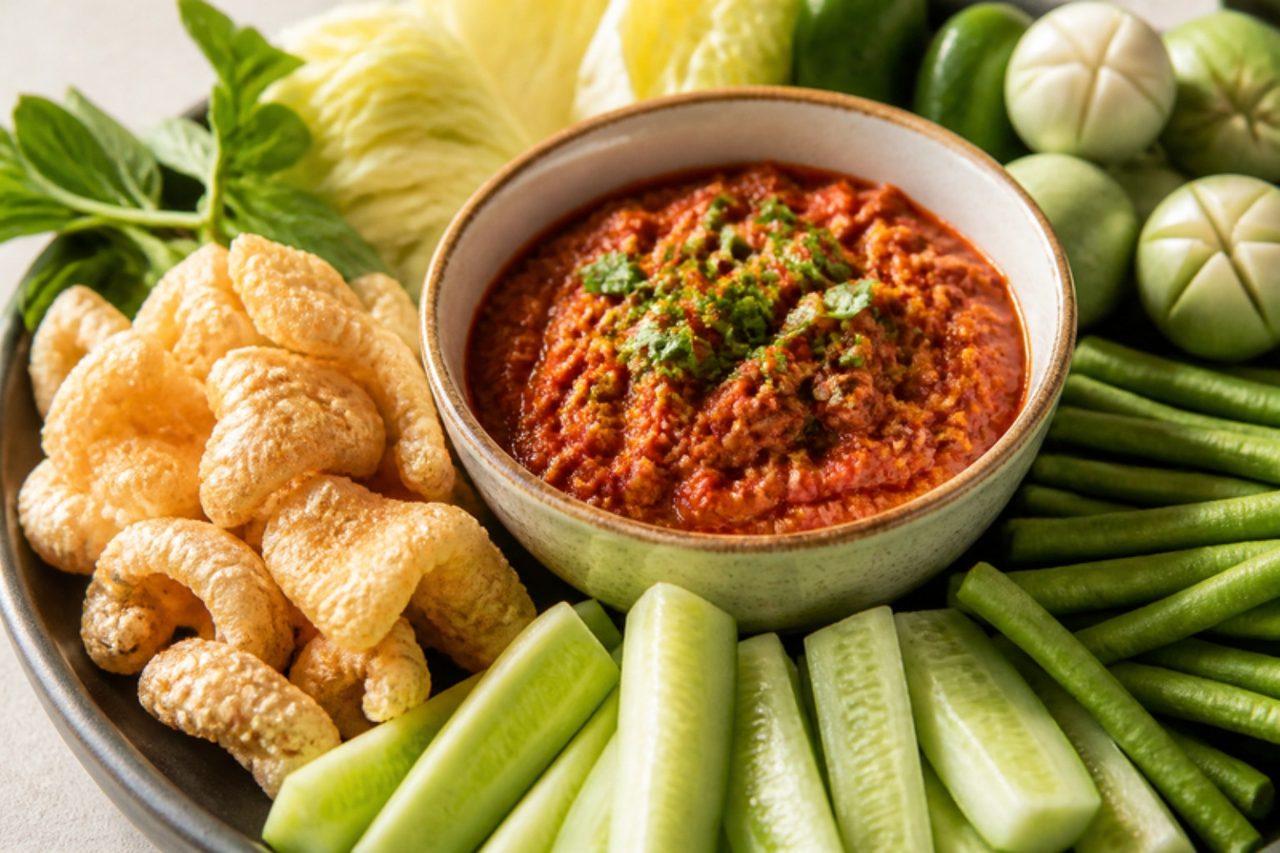
Nam prik ongTomato and pork chilli dip

Every khantoke dinner in Chiang Mai sets out a bowl of this brick-red relish beside the sticky rice baskets, and morning markets sell it by the scoop in little plastic bags. It sits somewhere between a chunky meat sauce and a dip: sweet-sour from slow-cooked cherry tomatoes, savoury from shrimp paste and pork, with a gentle chilli warmth rather than a blast. Scoop it up with cucumber, blanched long beans, cabbage wedges and crisp pork crackling, or press a ball of sticky rice into it. Chef's tip: fry the pounded paste in the oil until it darkens and smells toasty before the pork goes in; that is where the deep, roasted flavour comes from.

by KrazyBadal 0 views

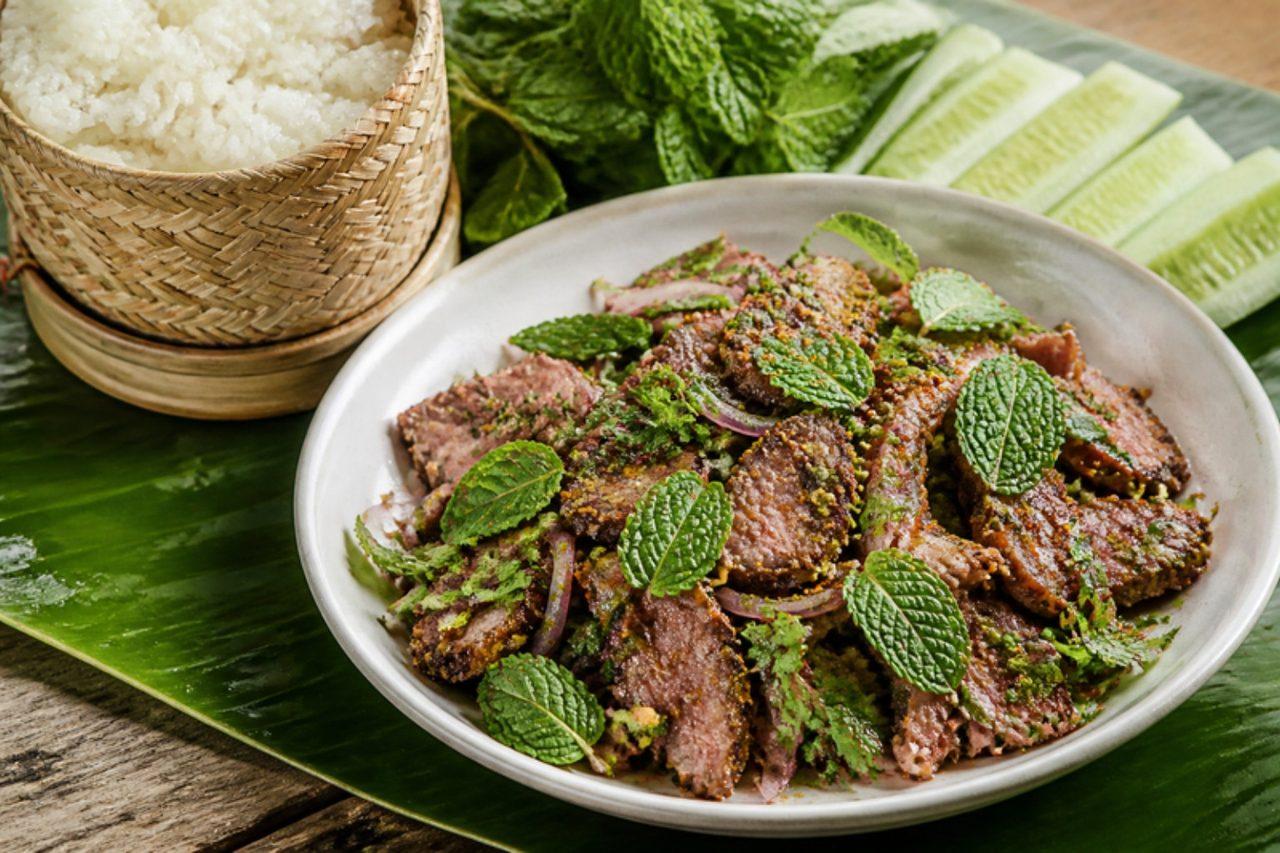
Nam tok neuaGrilled beef salad

The name means 'waterfall', after the juices that drip from the beef onto the coals, and this salad is what Isan drinking spots and family barbecues serve when there is good meat on the grill. Smoky slices of pink steak are tossed while still warm with lime, fish sauce, chilli flakes, shallots and mint, then dusted with toasted rice powder for crunch. The meat soaks up the dressing like a sponge, so every bite is juicy, sour and hot. Pile it on a plate with sticky rice, cabbage, cucumber and long beans. Chef's tip: choose a steak with some marbling, such as sirloin or rump; very lean cuts turn dry and chewy once sliced thin.

30 minThaiSaladsGluten freeSpicy
by KrazyBadal 0 views

Showing 24 of 42 recipes

Show more recipes

Page 1 of 2