Skip to content
Recipes

All recipes

Vegetarian, or something you can't eat? Set your diet once and we'll hide recipes that don't fit.

Pan chutaAniseed round bread

The small town of Oropesa, half an hour from Cusco, calls itself Peru's bread capital, and its wood-fired bakeries are famous for chuta: big, flat, round loaves as wide as a dinner plate, glossy on top, with a faint sweetness and the warmth of aniseed. Travellers on the road to Puno and Bolivia stop to buy them by the bagful, and families bring them home for All Saints' Day and for sharing with hot coca tea or coffee, fresh cheese and butter. The bakeries traditionally use lard; this version uses vegetable shortening and butter, so it is vegetarian. The make-or-break moment is the proof: chuta is large and flat, and if it goes in under-risen it bakes dense and splits at the rim. Chef's tip: toast the aniseed for a minute in a dry pan and crush it lightly before adding, for a rounder, sweeter perfume.

by KrazyBadal 0 views

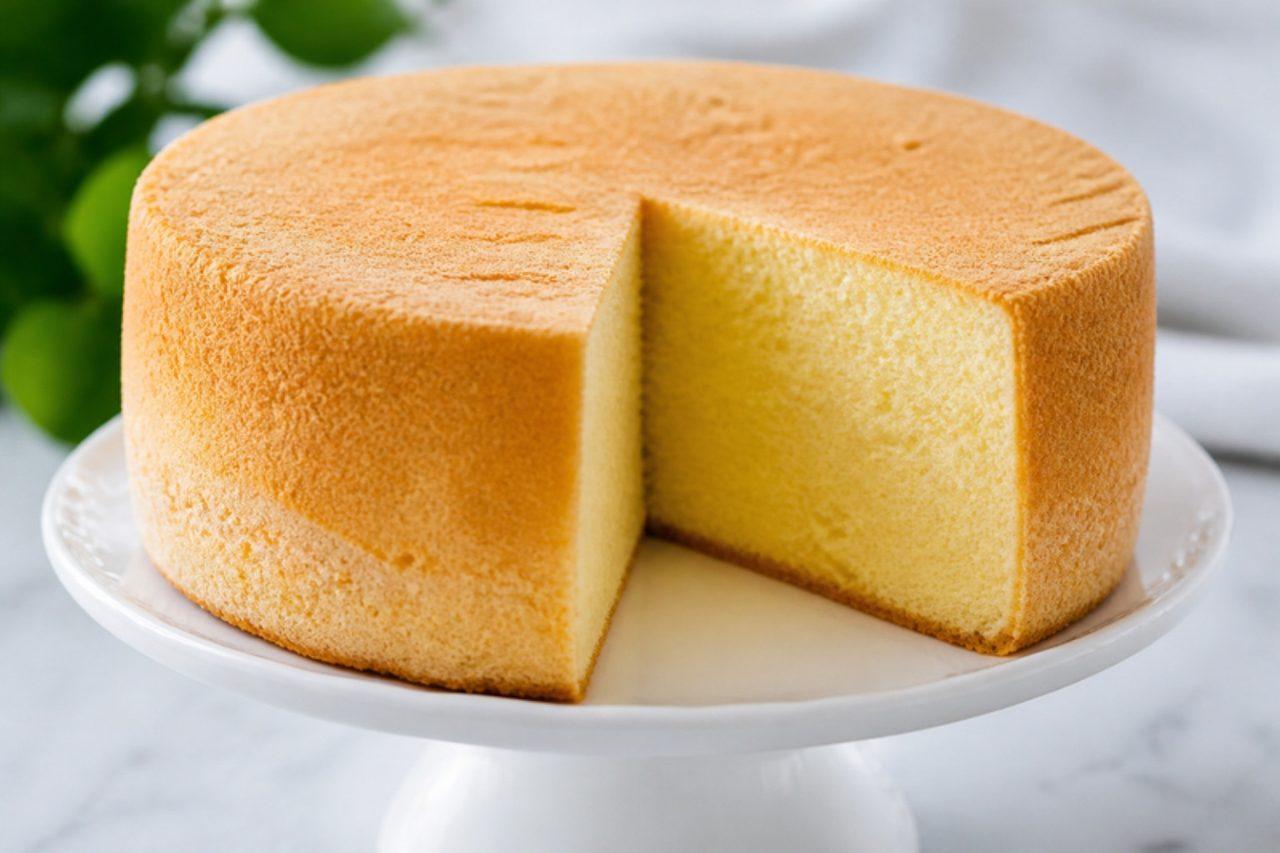
Bánh bông lan (Vietnamese sponge cake)

Bánh bông lan is the soft, golden sponge sold in every Vietnamese bakery, eaten with coffee or as an after-school snack, and it is also the cake under the cream and fruit at most children's birthdays from Hanoi to Saigon. Made with oil instead of butter, it stays moist and springy for days and is free of milk. It contains egg and gluten. Chef's tip: whisk the whites in a spotlessly clean bowl; a trace of yolk or grease stops them rising.

by KrazyBadal 0 views

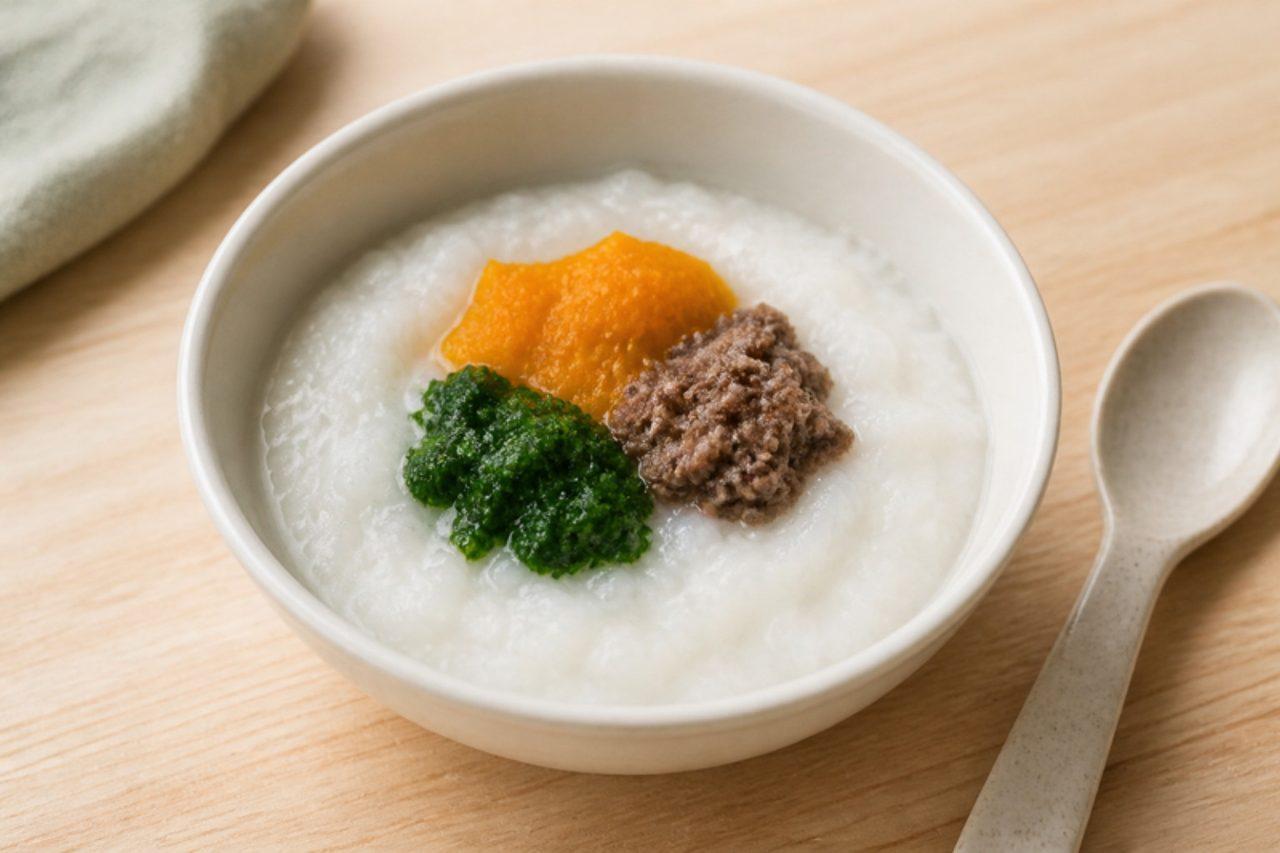
Khao bod tap gai (mashed rice with chicken liver)

Khao bod, mashed soft rice, is how Thai babies start eating with the family, and steamed chicken liver is a favourite addition because it is so rich in iron. Here it is mashed with sweet pumpkin and a few morning glory or spinach leaves, so the flavour is mellow rather than strong. Liver is very high in vitamin A, so keep it to a small portion about once a week. It contains none of the common allergens (milk, egg, gluten, peanut, tree nuts, soya, sesame, fish). Chef's tip: trim every white sinew from the livers, and the mash will be silky rather than stringy.

by KrazyBadal 0 views

Kärntner ReindlingCinnamon raisin yeast cake

Carinthia's Easter loaf takes its name from the Reindl, the round, deep pan it is baked in, and in southern Austria no Easter basket goes to church without one. Inside the golden yeast crust is a spiral of butter, cinnamon sugar and plump raisins, so every slice shows a dark swirl. Locals eat it two ways: sweet with coffee on Easter morning, or alongside the savoury Easter platter with horseradish. Many bakers soak the raisins in rum overnight; warm water or tea works just as well and keeps it alcohol-free. A dry, crumbly Reindling usually means too much flour went in during kneading, so keep the dough soft and only lightly floured. Chef's tip: butter the pan well and dust it with sugar, which caramelises into a thin crunchy shell.

by KrazyBadal 0 views

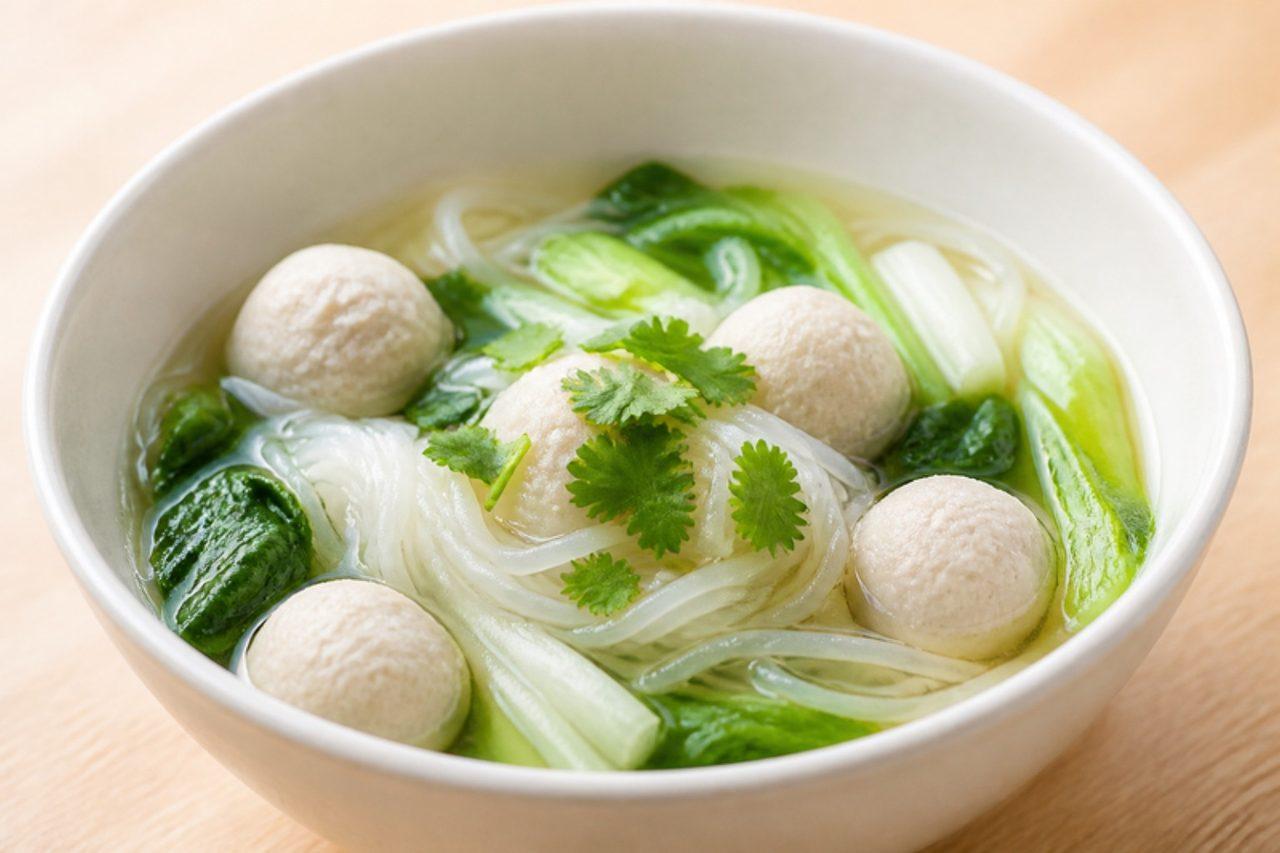
Kuay teow nam sai (clear rice noodle soup for toddlers)

Kuay teow nam sai, clear noodle soup, is ordered for Thai children at noodle shops everywhere because it comes without chilli, sugar or vinegar: thin rice noodles in a light broth with minced pork and blanched greens. At home it is easy to make it even gentler, with no-salt stock fragrant with garlic and coriander root, so that toddlers can have it from a year old and adults season their bowls at the table. It contains none of the common allergens (milk, egg, gluten, peanut, tree nuts, soya, sesame, fish) unless the family adds fish sauce. Chef's tip: soak the noodles in warm water rather than boiling them, then dip in the broth just before serving, so they stay silky.

by KrazyBadal 0 views

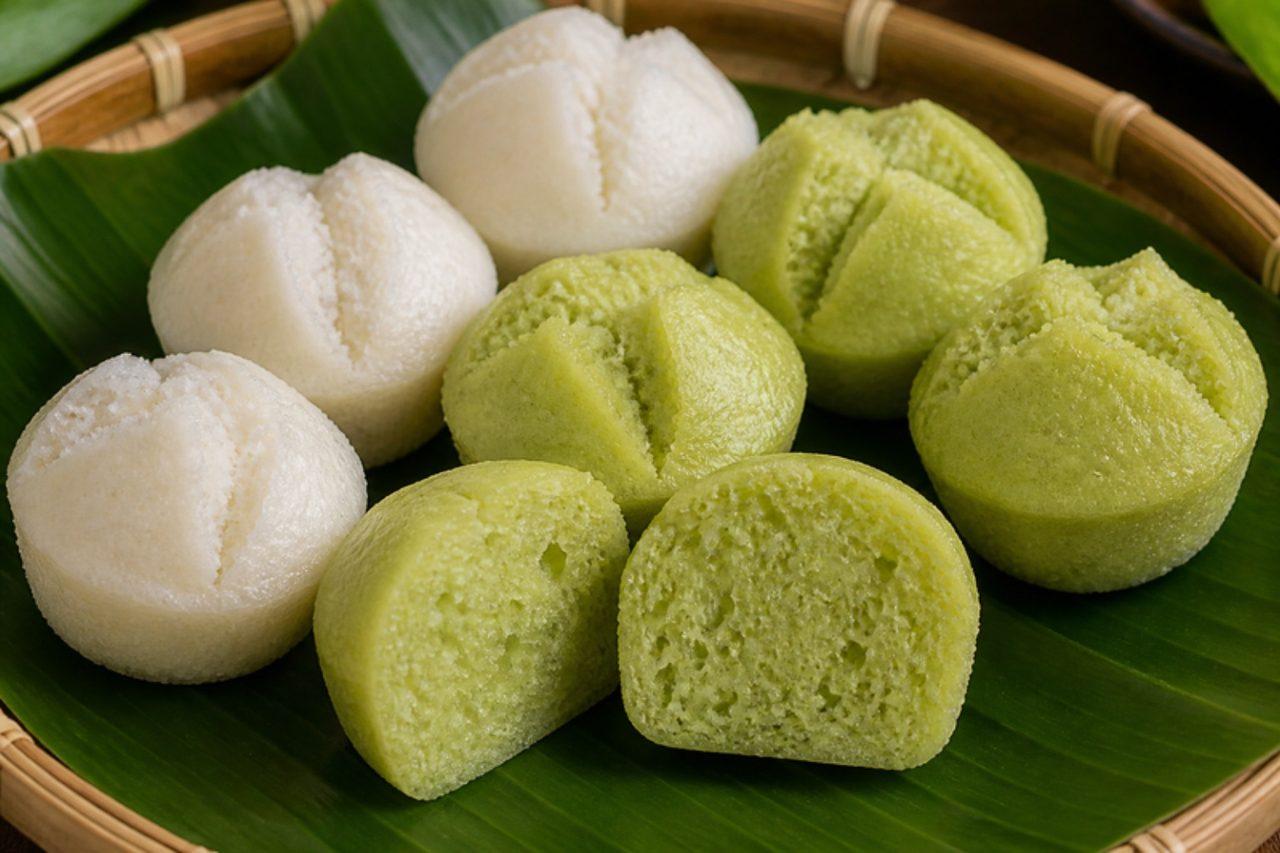
Bánh bò hấp (steamed honeycomb rice cake)

Bánh bò hấp are the soft, puffed rice cakes sold from glass-fronted carts in southern Vietnam, and children in the Mekong Delta pick them up in white, pink or pandan green on the way home from school. The yeasted rice-flour batter is steamed in small cups, so each cake splits open on top like a flower and is chewy and bouncy inside, with a gentle coconut flavour. The sugar here is a little lower than in market versions. None of the common allergens are in it. Chef's tip: steam over fierce, rolling boiling water; a gentle simmer gives flat, dense cakes that don't open.

by KrazyBadal 0 views

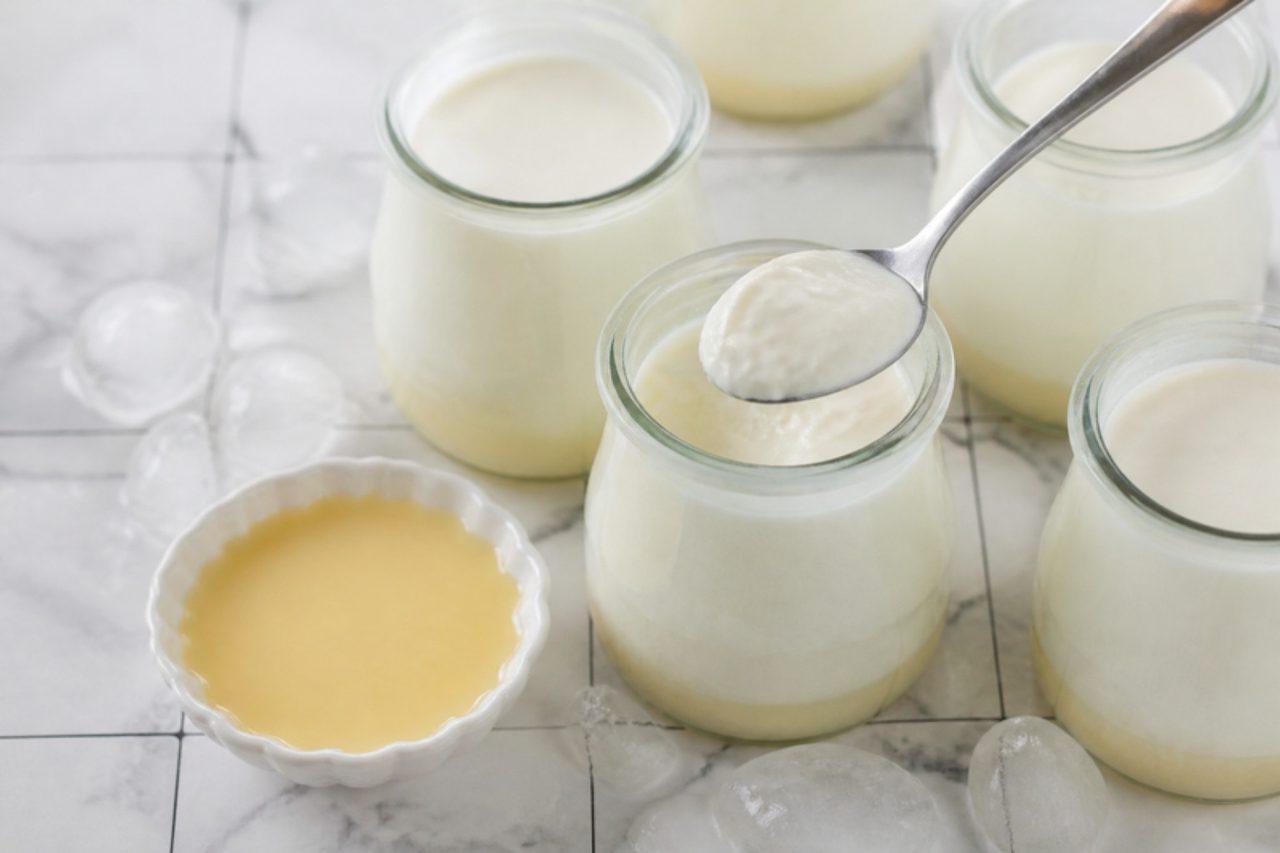
Sữa chua (Vietnamese set yogurt)

In Vietnamese homes, sữa chua is made in a row of small jars and kept in the fridge or freezer, and children in Hanoi and Saigon eat it after school straight from the cup, sometimes frozen hard like ice cream. The condensed milk gives it a mild caramel sweetness and a smooth, firm set that is less sharp than plain yogurt. It is sweetened, so this version uses less condensed milk than the street-stall kind. It contains milk. Chef's tip: keep the milk at blood heat, about 43 °C; hotter kills the yogurt culture and cooler sets slowly and sour.

by KrazyBadal 0 views

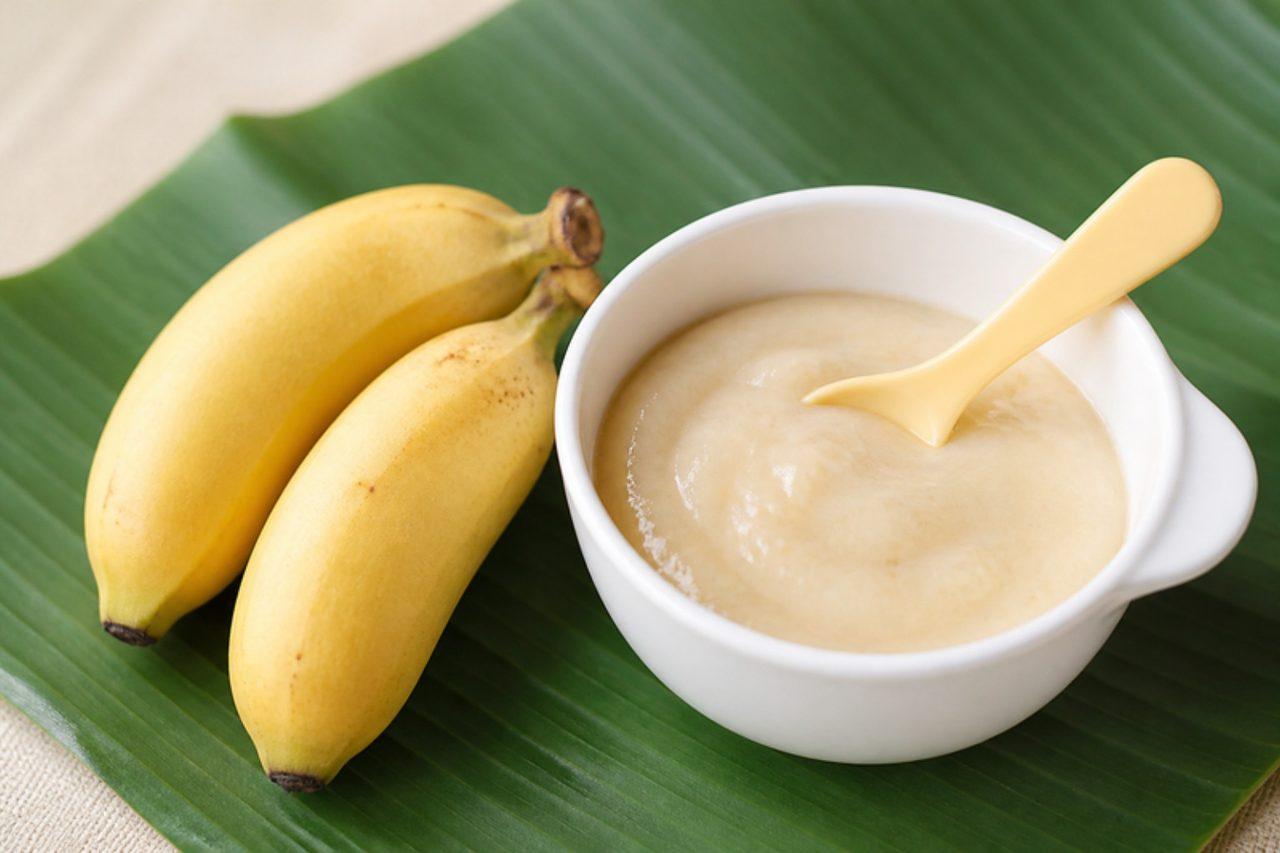
Mashed nam wa banana (kluay nam wa bod)

Ask a Thai grandmother about first foods and she will talk about kluay nam wa, the short, plump banana that grows in nearly every garden in Thailand. Ripe ones are steamed, which softens the slightly astringent edge, then scraped and mashed for a baby's first taste, often in the afternoon. It is sweet, creamy and needs nothing added. There are no common allergens (milk, egg, gluten, peanut, tree nuts, soya, sesame, fish). If you can't find nam wa, use a small, very ripe ordinary banana. Chef's tip: steam the banana in its skin; it keeps the flesh moist and stops it browning.

by KrazyBadal 0 views

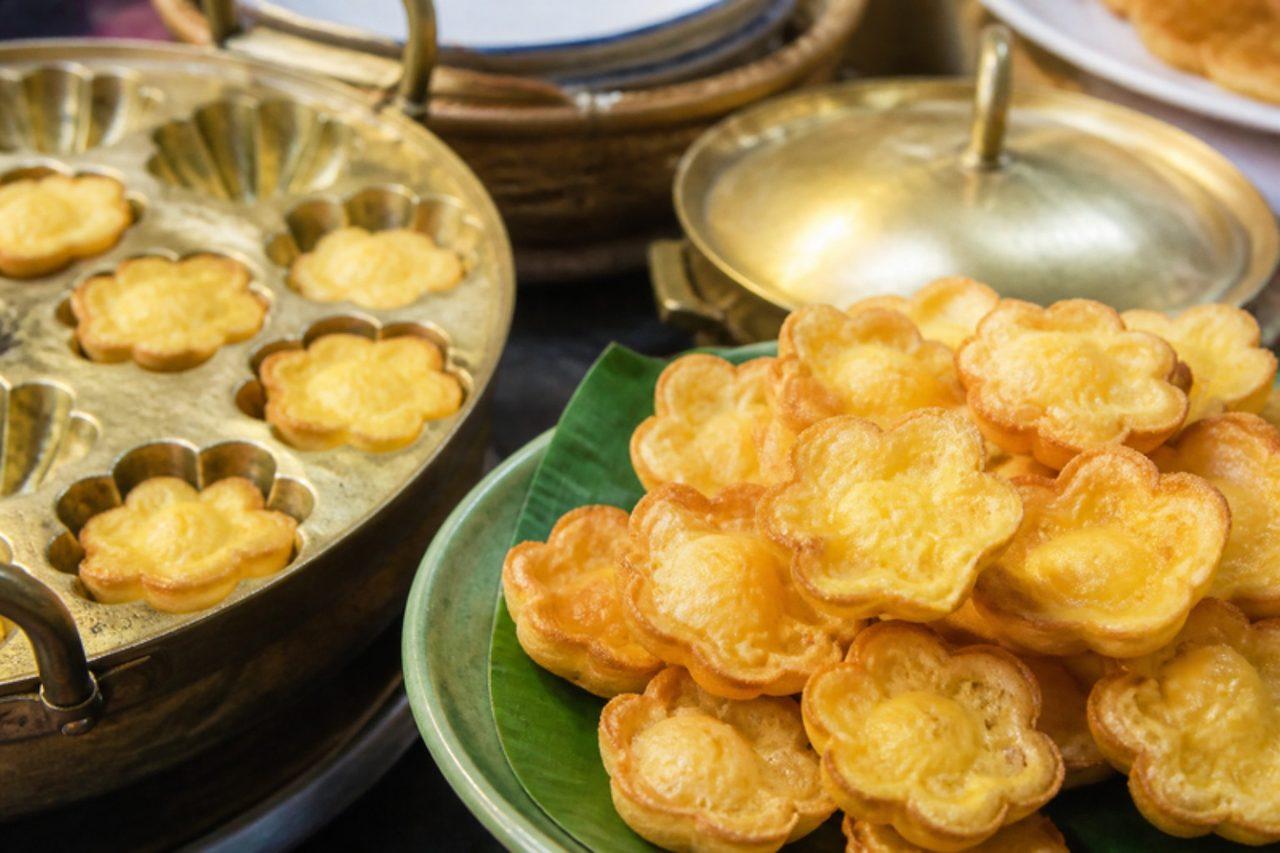
Khanom khai (Thai egg cakes)

Khanom khai are the tiny golden sponge cakes that Thai market vendors bake in heavy brass moulds, filling the air with a sweet, eggy smell, and Bangkok children buy a paper bag of them after school. They are light and spongy inside with crisp, caramelised edges, and taste of egg and vanilla. They're made with oil rather than butter. They contain egg and gluten. Without a traditional mould, a mini-muffin or madeleine tin works well. Chef's tip: beat the eggs and sugar until really thick and pale; all the lift comes from that air.

30 minThaiBaking
by KrazyBadal 0 views

ChaplasHollow puffed Andean bread

Walk through Ayacucho's central market at seven in the morning and you will see women selling stacks of chaplas from cloth-lined baskets, still warm from the wood-fired ovens of the Andes. These round wheat breads puff up like pita in the fierce heat, leaving a hollow pocket inside a thin, soft, lightly floury crust. In Ayacucho and Huancavelica they are eaten with sweet coffee or hot emoliente for breakfast, or split and filled with queso fresco, avocado or a spoonful of rocoto sauce. Highland bakers traditionally work in a little lard; vegetable shortening gives the same tenderness and keeps the bread vegan. A cool baking tray is the reason chaplas stay flat, so preheat it thoroughly. Chef's tip: let the rolled rounds rest before baking and flip them upside down onto the tray, so the smooth, dry side meets the heat first and the pocket opens evenly.

by KrazyBadal 0 views

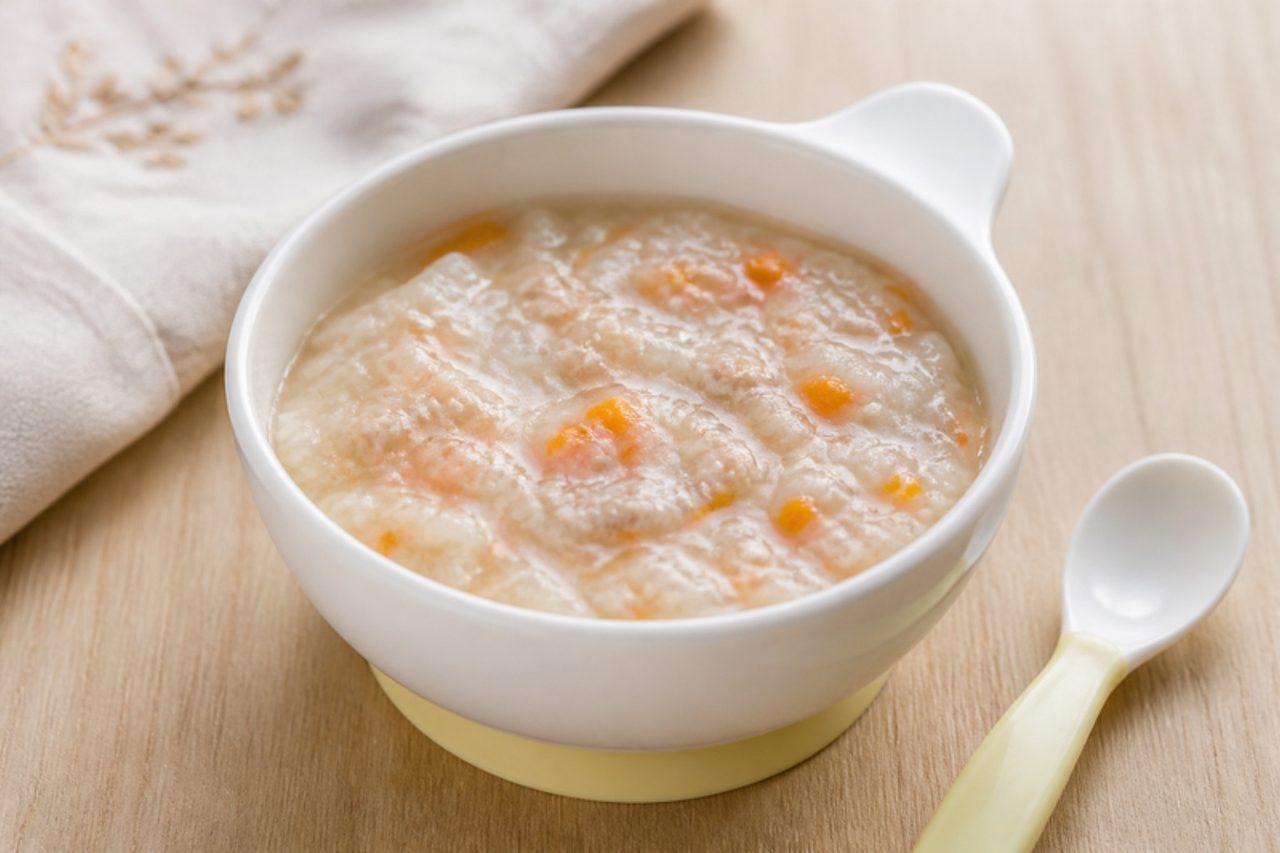
Cháo thịt bằm cà rốt (pork and carrot congee)

Cháo thịt bằm, rice congee with minced pork, is the dish Vietnamese grandmothers cook when a baby starts on 'real' food, and carrot is the most common vegetable added, for colour and sweetness. For babies from about nine months it is cooked thick and mashed to soft lumps, without the fish sauce and pepper the rest of the family would stir in. It contains none of the common allergens (milk, egg, gluten, peanut, tree nuts, soya, sesame, fish). Chef's tip: toast the dry rice in the pan for a minute before adding water; Vietnamese cooks swear it gives a fragrant, creamier congee.

by KrazyBadal 0 views

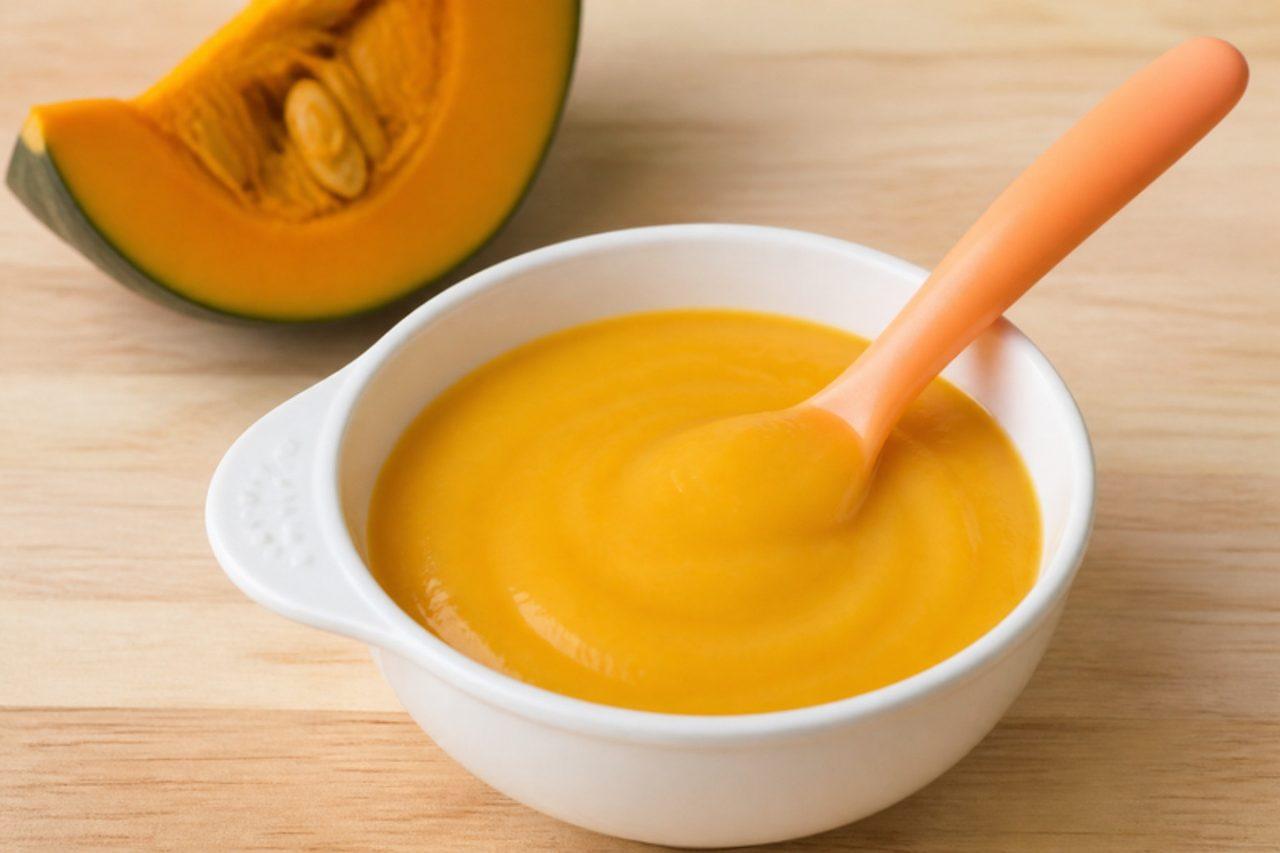
Pumpkin congee for babies (cháo bí đỏ)

Vietnamese grandmothers often make a baby's early bowls of cháo with bí đỏ, the dense orange pumpkin sold in every market from Hà Nội to Cần Thơ. The rice is lightly toasted before simmering, a Vietnamese habit that gives the congee a faint nutty smell, and the pumpkin melts into it, turning it bright gold and naturally sweet. It is a weekday lunch for babies from six months, made without the fish sauce the rest of the family would add. No common allergens are in it (milk, egg, gluten, peanut, tree nuts, soya, sesame, fish). Chef's tip: choose a dry, dense pumpkin such as kabocha; watery squash makes a thin, bland congee.

by KrazyBadal 0 views

ErdäpfelstrudelSavoury potato strudel

Austrians, especially in the Mühlviertel of Upper Austria and the Waldviertel, make savoury strudels as often as sweet ones, and Erdäpfelstrudel is a farmhouse favourite for a meatless Friday or a cold evening. Thin pastry wraps a filling of potatoes, fried onion, sour cream, marjoram and parsley, baked until crisp and golden and sliced with a green salad or a dill and sour-cream dip. Bought filo makes it easy at home. The mistake to avoid is a wet filling, which turns the pastry soggy underneath. Chef's tip: cool the filling completely before rolling; warm filling makes the layers stick and tear.

by KrazyBadal 0 views

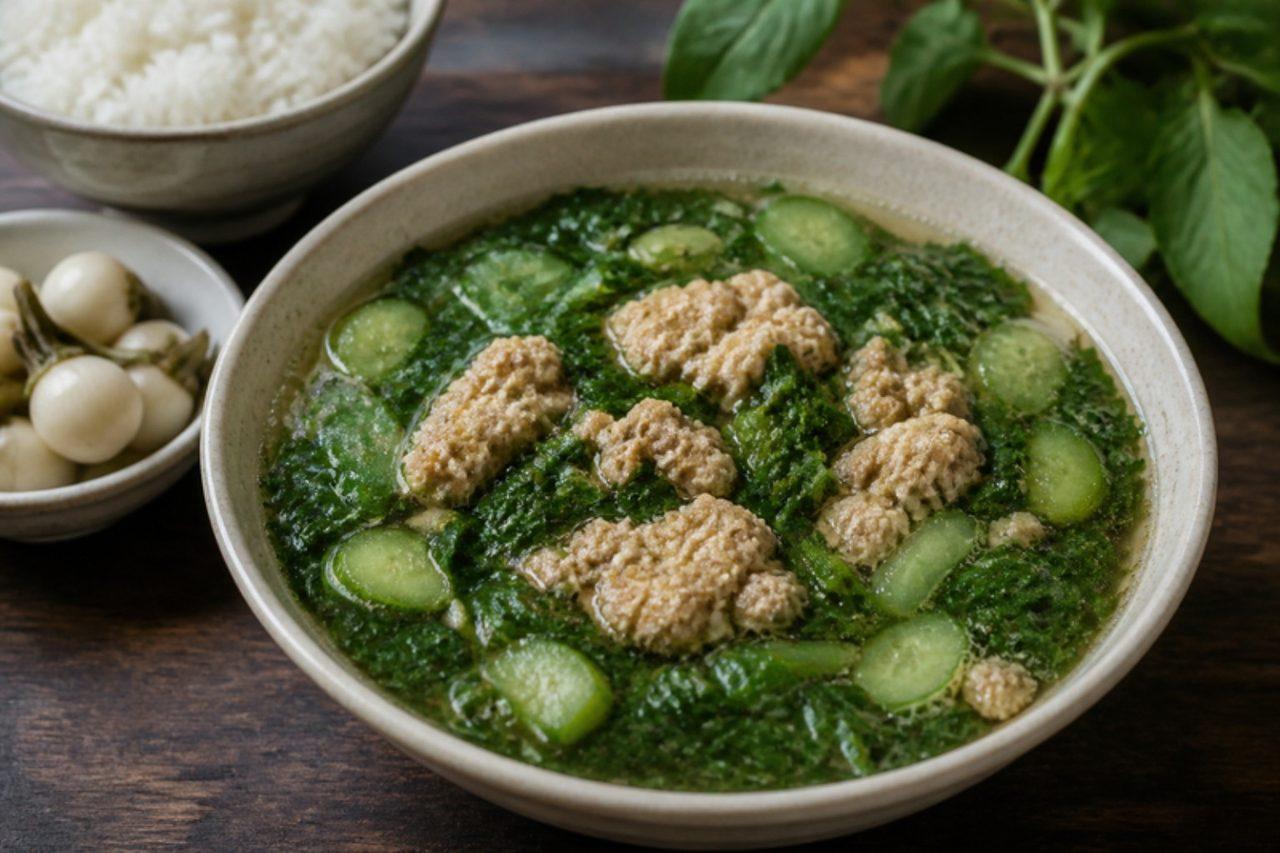
Canh cua rau đayCrab and jute leaf soup

Through the sticky Hanoi summer, the cheapest and most loved soup is canh cua: tiny rice-field crabs pounded and strained so the sweet crab 'curds' float to the top of a broth of slippery jute leaves (rau đay) and luffa, eaten with rice and crunchy pickled aubergines. Away from the paddies, fresh crab meat gives the same soft curds; if you buy live crabs, cook only lively ones and discard any that are dead. Chef's tip: stir the broth only until it comes to a simmer, then leave it; keep stirring and the crab curds break into a cloudy mush.

by KrazyBadal 0 views

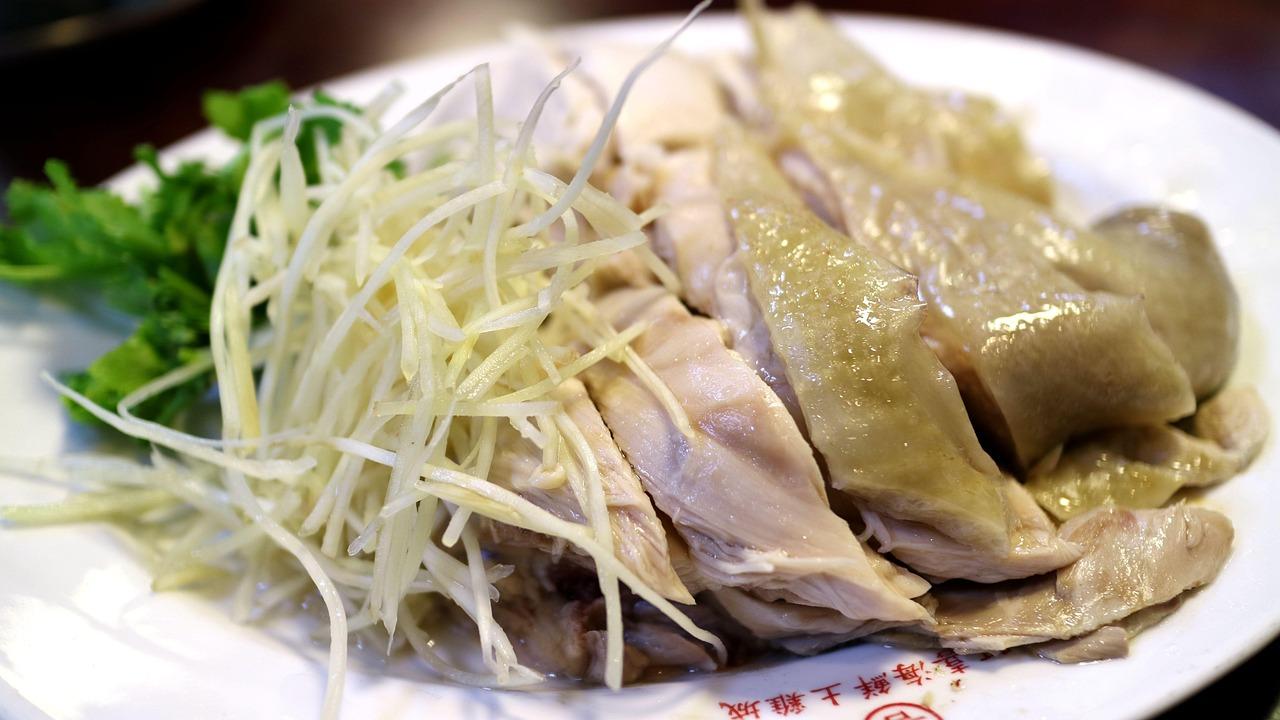
Gà luộc lá chanhPoached chicken with lime leaves

No northern Vietnamese ancestor altar at Tết or on a death anniversary is complete without a whole golden poached chicken, and once it comes down from the altar it is chopped and eaten with hair-thin shreds of lime leaf and a dip of salt, pepper and lime. The skin is taut and yellow, the meat juicy, and the broth goes on to make miến or cháo. Buy a chicken without its head and feet. Chef's tip: plunge the bird into iced water as soon as it is cooked; skip the ice bath and the skin wrinkles, loosens and loses its shine.

by KrazyBadal 0 views

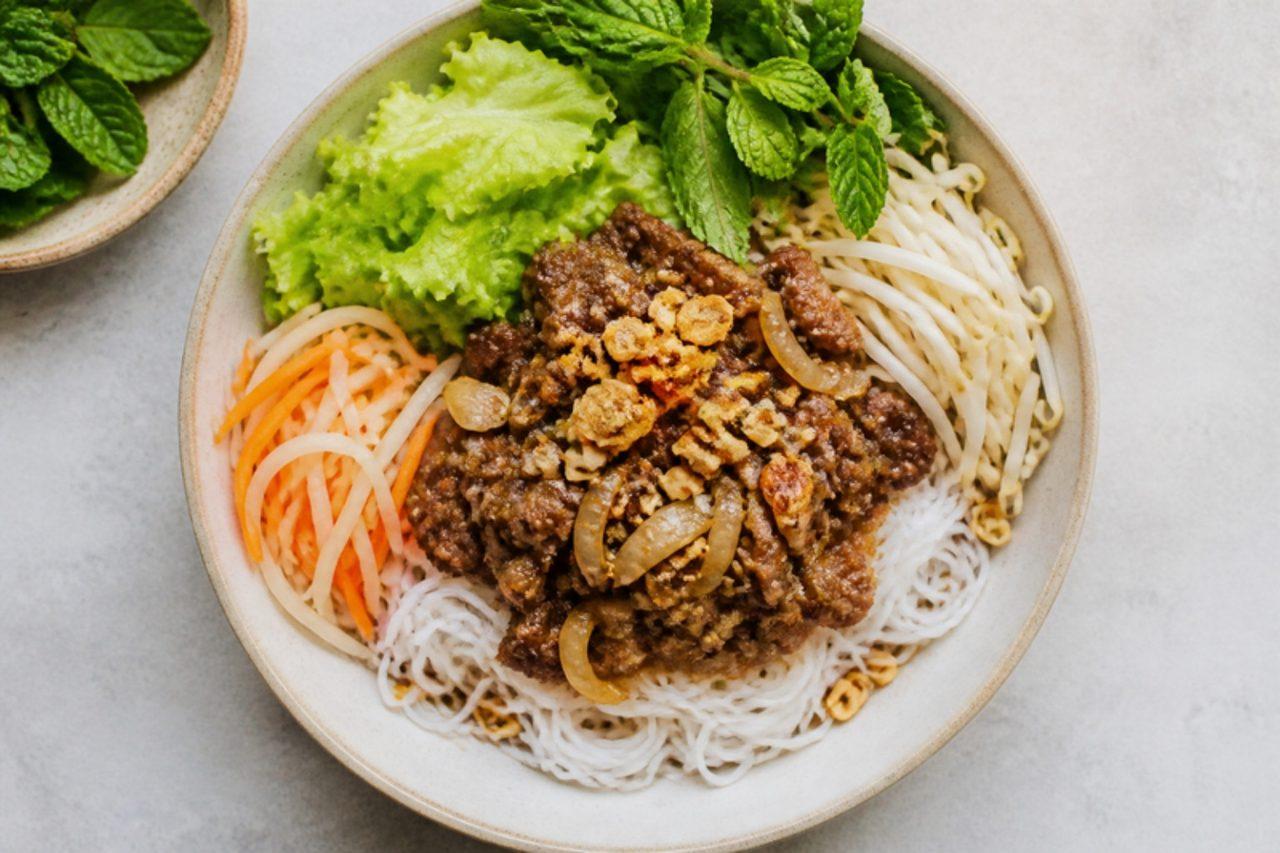
Bún bò Nam BộLemongrass beef noodle bowl

Despite the name, which means 'southern beef noodles', this dish belongs to Hanoi, where a stall on Hàng Điếu made it famous: a deep bowl of cool rice vermicelli, herbs and bean sprouts, topped with beef stir-fried hot with lemongrass, then peanuts, fried shallots and a few spoonfuls of sweet fish-sauce dressing, all tossed together at the table. It is a lunch dish, eaten fast and in summer. Chef's tip: cook the beef in small batches in a very hot pan; crowd it and the slices stew grey in their juices instead of searing.

by KrazyBadal 0 views

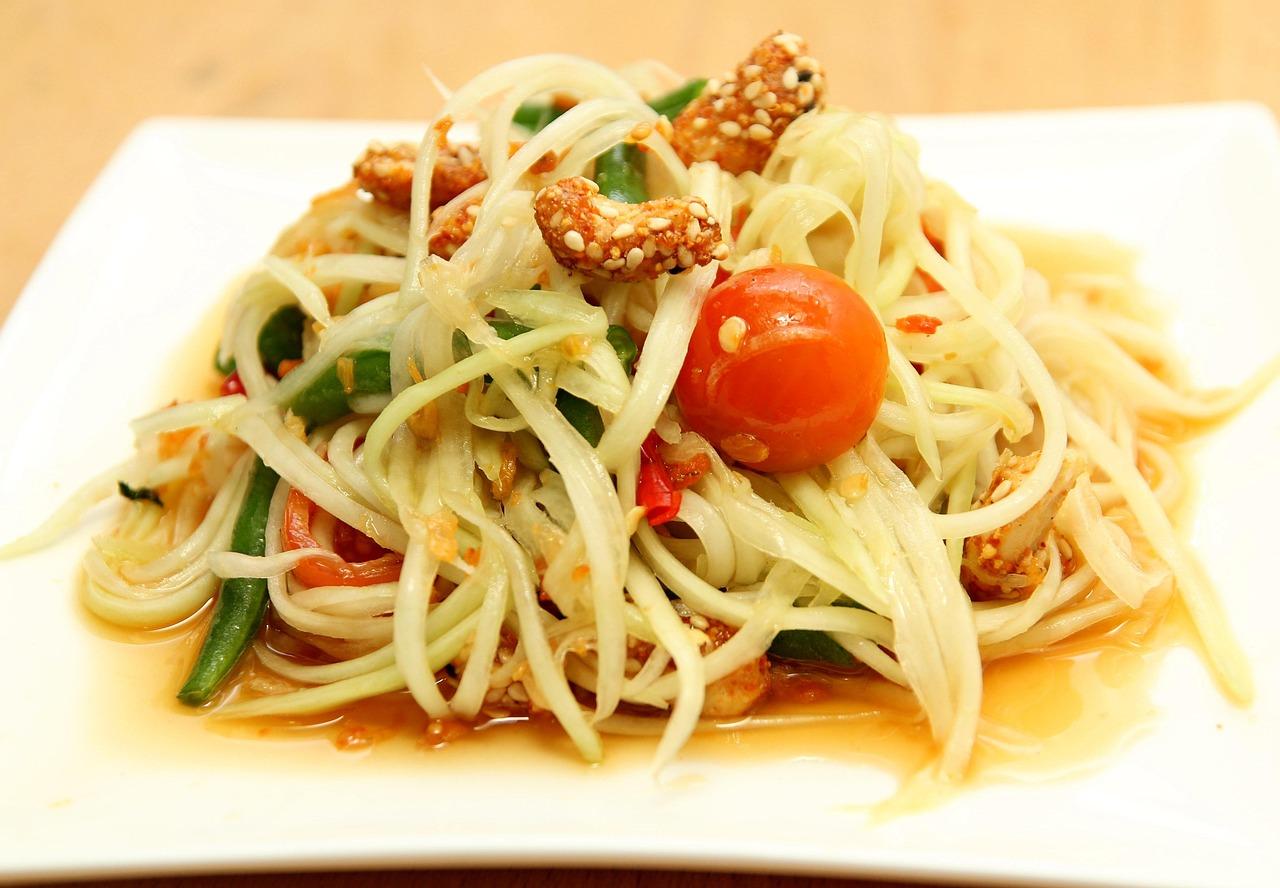
Gỏi đu đủ khô bòGreen papaya salad with beef jerky

Outside Saigon's schools and in the alleys off Hồ Con Rùa, carts piled with shredded green papaya sell gỏi đu đủ khô bò by the plate as an after-school or after-work snack. The papaya is crisp and cool, tossed with strips of sweet-spicy beef jerky, Thai basil and rau răm, then drowned in a thin, sweet fish-sauce dressing and finished with peanuts and a squirt of chilli sauce. It is lighter and sweeter than Thai som tam and never pounded. Chef's tip: soak the shredded papaya in iced salted water and dry it well; skip this and the salad is limp and the dressing tastes watery.

by KrazyBadal 0 views

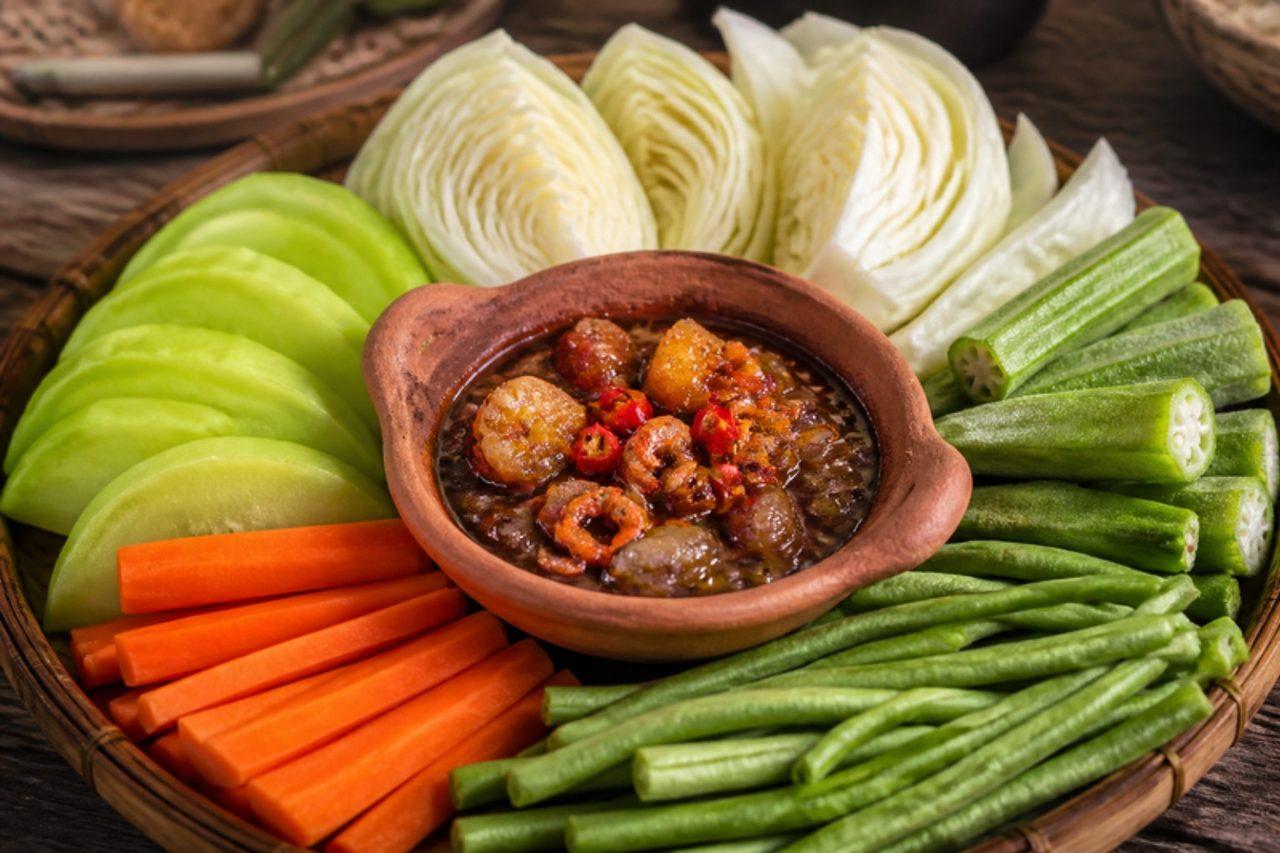
Rau luộc chấm kho quẹtBoiled vegetables with dipping sauce

Farm families in the Mekong Delta, in Đồng Tháp and Cần Thơ, used to stretch a few spoonfuls of salty kho quẹt across a whole basket of boiled garden vegetables, and it is now a nostalgic favourite in Saigon restaurants. The dip is pork fat rendered into crisp cracklings, then fish sauce, sugar, shallot, dried shrimp and black pepper bubbled down until thick and sticky enough to 'scrape' (quẹt) with a vegetable. The vegetables do most of the work, so the plate stays light. Chef's tip: take the dip off the heat while it still looks a little loose; it sets as it cools and, cooked too far, it burns bitter and turns rock-hard.

by KrazyBadal 0 views

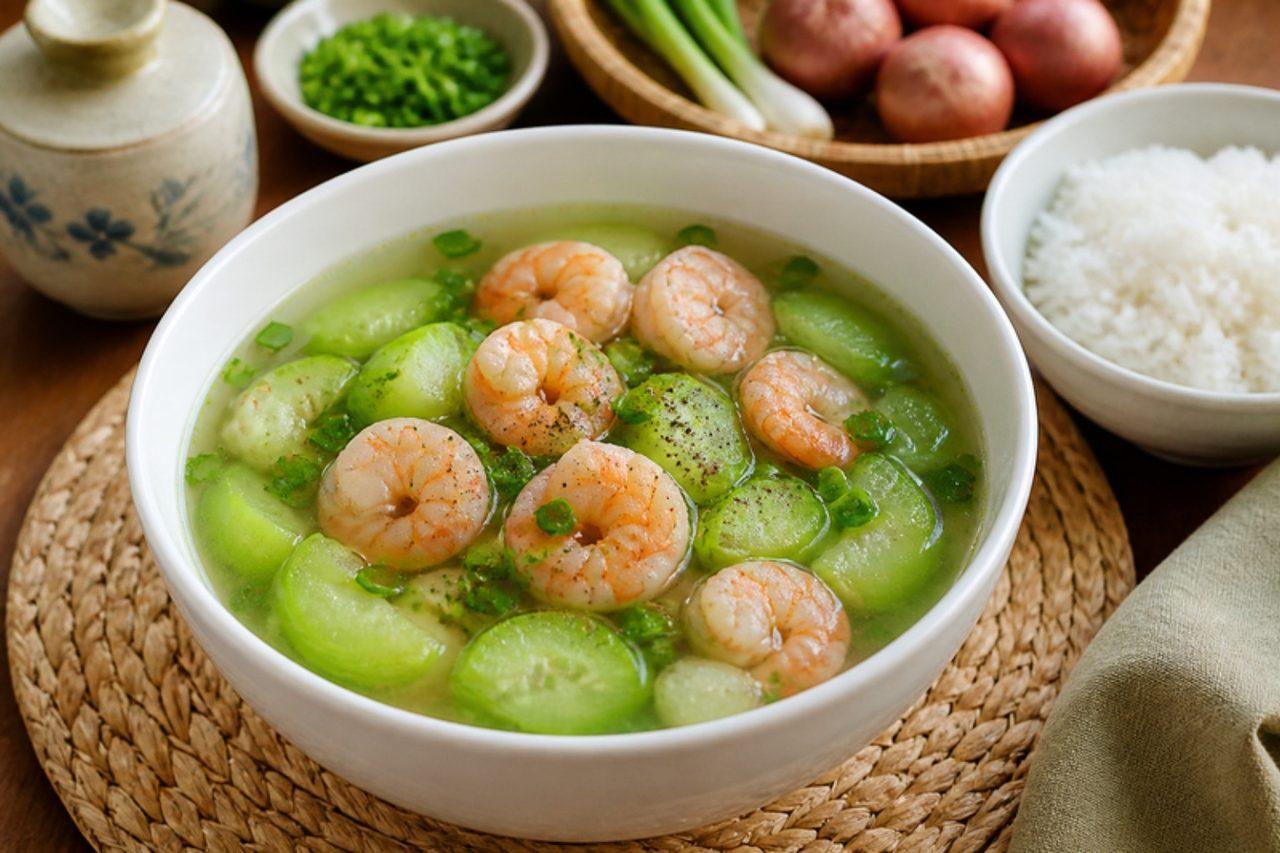
Canh mướp tômLuffa and prawn soup

In summer the trellises of Vietnamese gardens hang heavy with luffa, and canh mướp is what goes on the table most evenings from Hanoi to Huế: a clear, barely salted broth with soft, sweet gourd and a little chopped prawn, ladled over rice through the meal. It takes 20 minutes and very little oil, which is why mothers make it for anyone feeling the heat. Chef's tip: add the luffa last and pull the pot off as soon as it turns translucent; overcooked luffa goes slimy and the soup turns grey.

by KrazyBadal 0 views

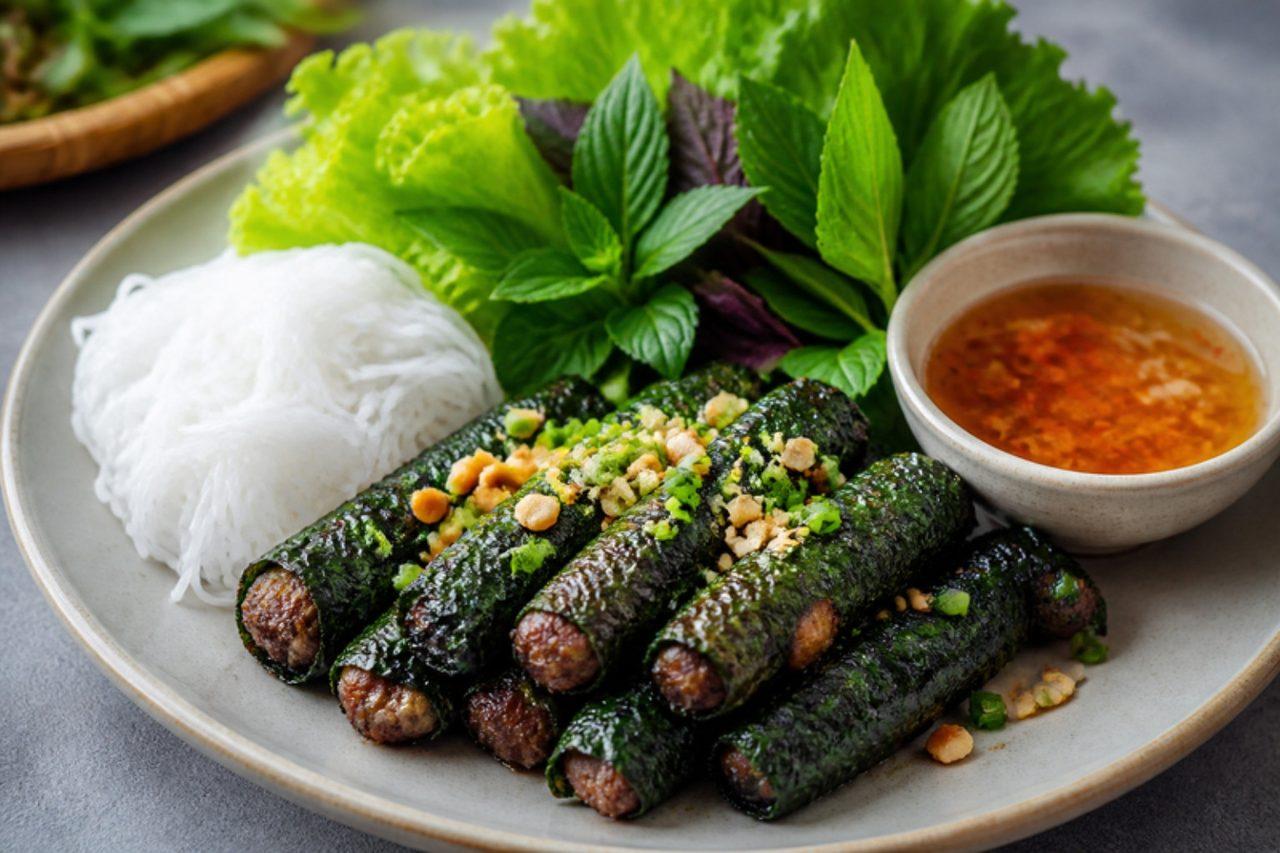
Bò lá lốtBeef in betel leaves

Saigon's evening grill stalls fan charcoal under racks of bò lá lốt, little cigars of garlicky, lemongrass-scented minced beef wrapped in wild betel leaves that char and turn smoky, almost tea-like. They are eaten rolled in rice paper or lettuce with vermicelli and herbs, dipped in nước chấm or the funkier mắm nêm anchovy sauce. Look for lá lốt (Piper sarmentosum) in Vietnamese and Thai grocers; it is not the same as the betel leaf chewed with areca nut. Chef's tip: wrap with the shiny side of the leaf outward and keep the rolls snug; loose rolls unravel on the grill and the filling dries out.

by KrazyBadal 0 views

Cà phê trứngEgg coffee

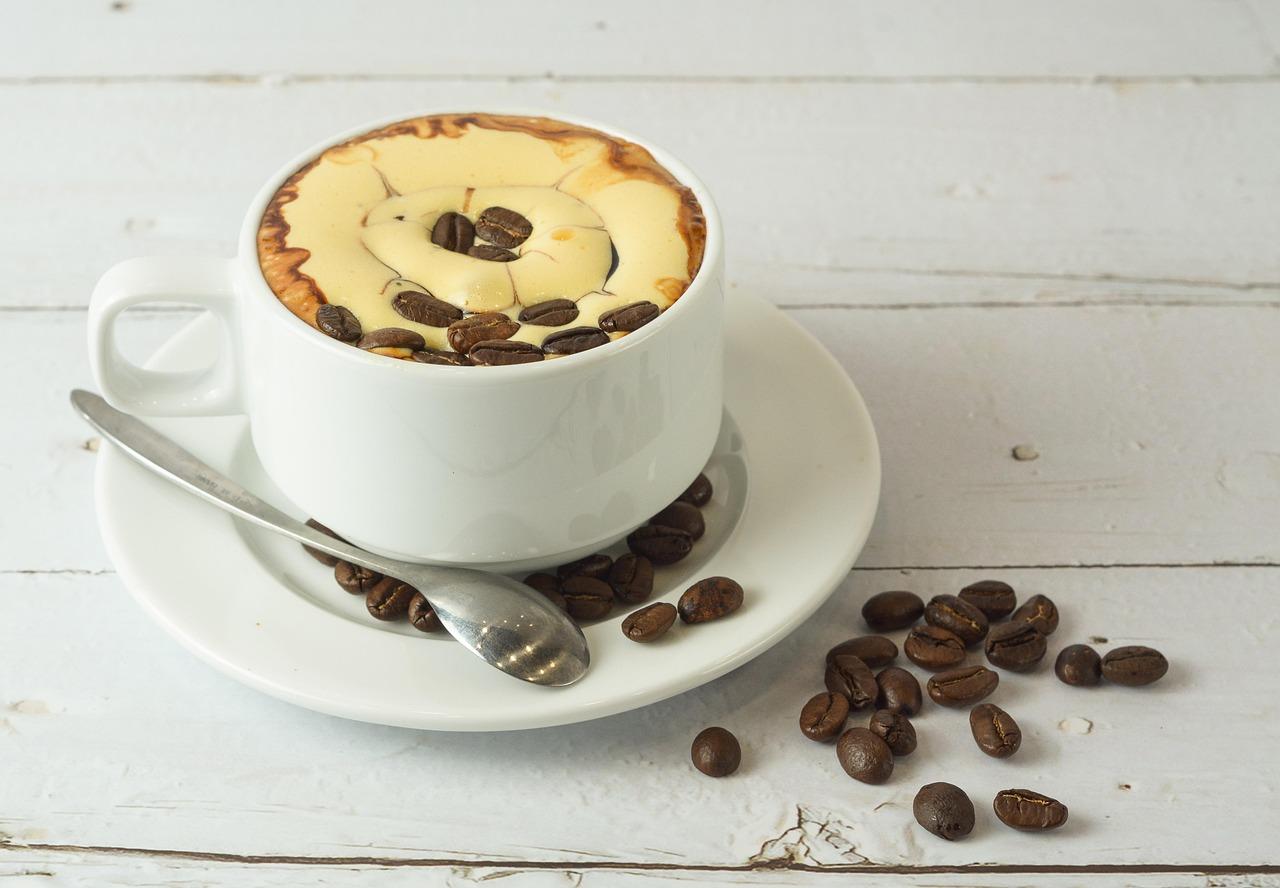
Hanoi's old-quarter cafés, up narrow stairs and in tiny back rooms, serve cà phê trứng in a small cup set in a bowl of hot water so it stays warm while you spoon through the custardy foam into bitter coffee below. The topping is egg yolk whisked with condensed milk until pale and thick, a trick that began when fresh milk was scarce in the 1940s. Because the yolk is not cooked, use pasteurised eggs for pregnant women, young children, older people or anyone with a weakened immune system. Chef's tip: whisk longer than you think; under-beaten yolk tastes eggy and sinks straight into the coffee instead of sitting on top.

by KrazyBadal 0 views

Nước sâmCooling herbal drink

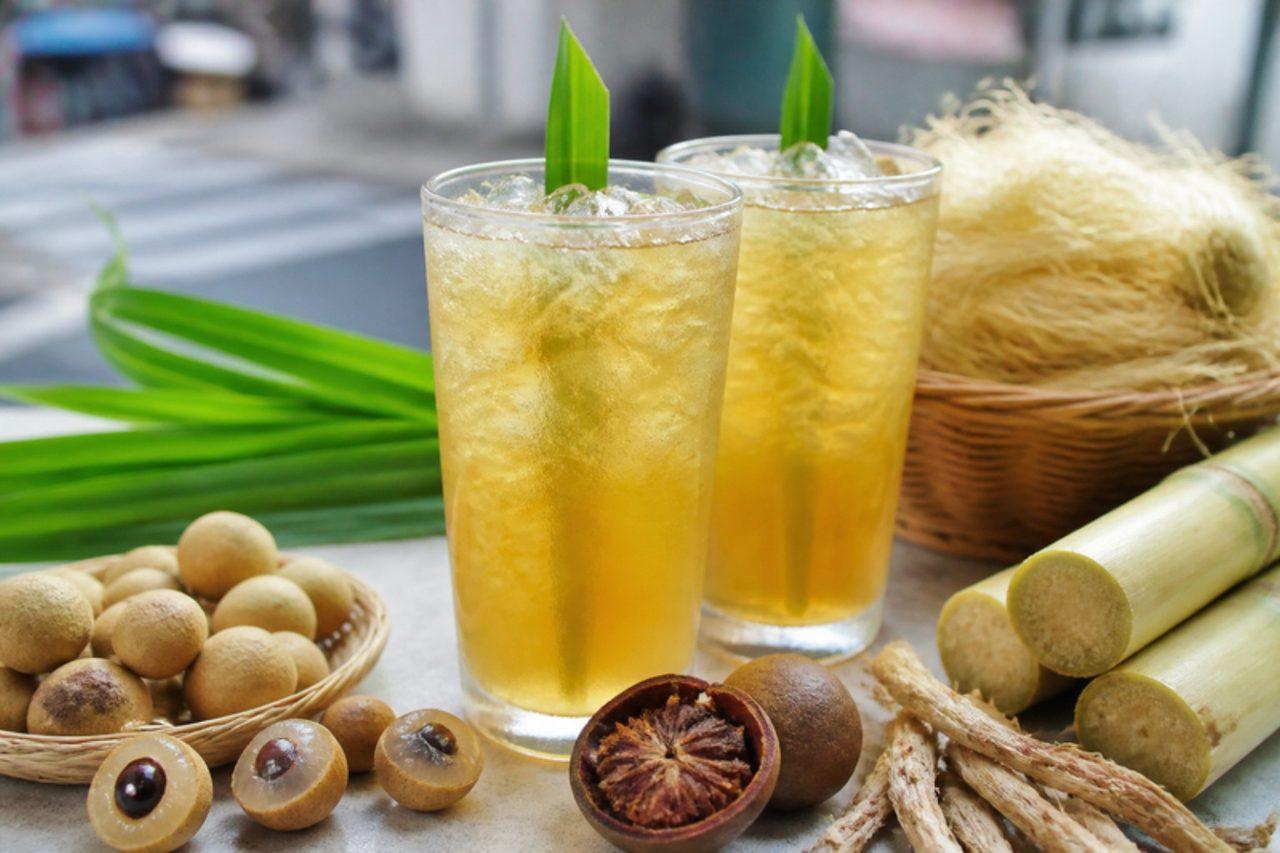
Big glass jars of amber nước sâm sit on pavement stalls all over Hồ Chí Minh City, ladled over ice for anyone who has eaten too much fried food or spent too long in the sun. The brew is gently sweet and earthy, with honeyed dried longan, the liquorice note of monk fruit and fresh sugarcane, and Chinese-Vietnamese herbalists sell ready-mixed bags of the dried roots. Make a big pot: it keeps for four days in the fridge. Chef's tip: simmer, never boil hard; a rolling boil pulls bitterness out of the roots and turns the drink cloudy.

by KrazyBadal 0 views

Cà phê muốiSalt coffee

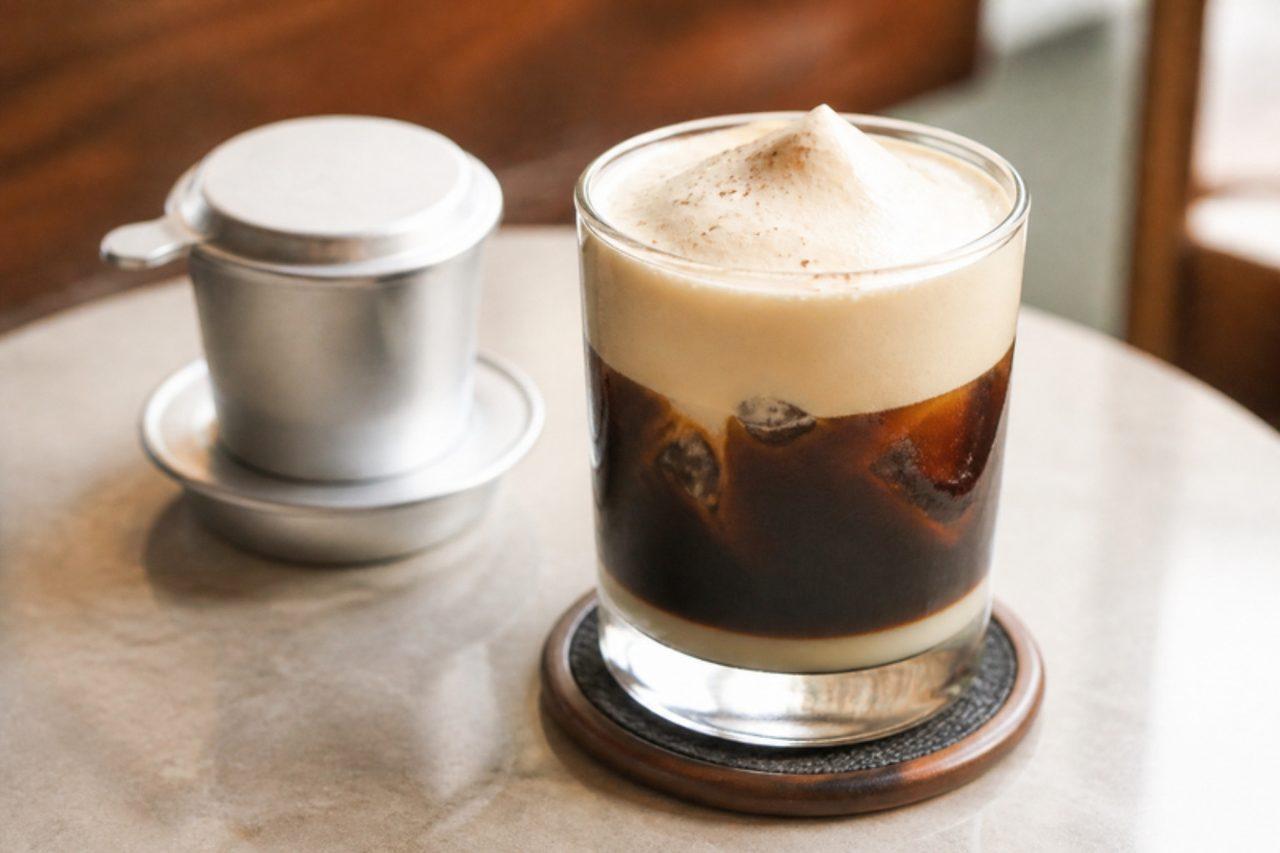
A family café in Huế's citadel quarter began topping its coffee with salted cream, and now cà phê muối is served across central Vietnam and in trendy cafés in Saigon and Hanoi. Sip it without stirring: first the cool, faintly salty cream, then sweet condensed milk and strong phin coffee, the salt rounding off the bitterness much like a pinch in caramel. It is good hot or poured over ice. Chef's tip: use only a small pinch of salt per glass; too much and the drink tastes like seawater rather than salted caramel.

by KrazyBadal 0 views

Cháo gàChicken rice porridge

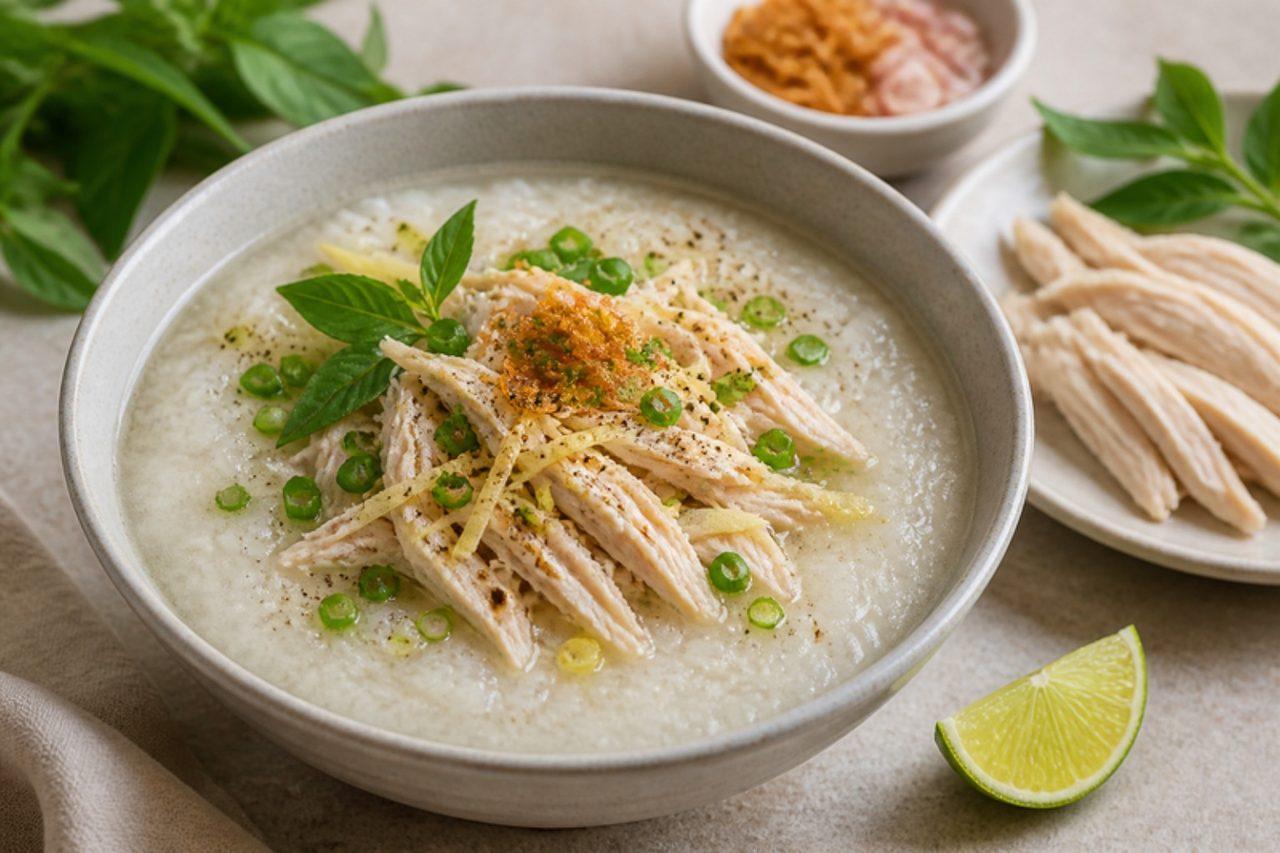
Cháo gà is what Vietnamese mothers cook for anyone with a cold, and what late-night stalls in Hanoi and Saigon ladle out after midnight to people heading home. Toasted rice is simmered in chicken broth until it breaks into a loose, silky porridge, then topped with shredded chicken, lots of ginger and black pepper, spring onion and rau răm, with a side of gỏi gà if you are feeding a crowd. Chef's tip: toast the raw rice in a dry pan before simmering; untoasted rice gives a gluey, bland porridge instead of a nutty, loose one.

by KrazyBadal 0 views

Showing 24 of 547 recipes

Show more recipes

Page 1 of 23