Skip to content
Recipes

All recipes

Vegetarian, or something you can't eat? Set your diet once and we'll hide recipes that don't fit.

Kaygana

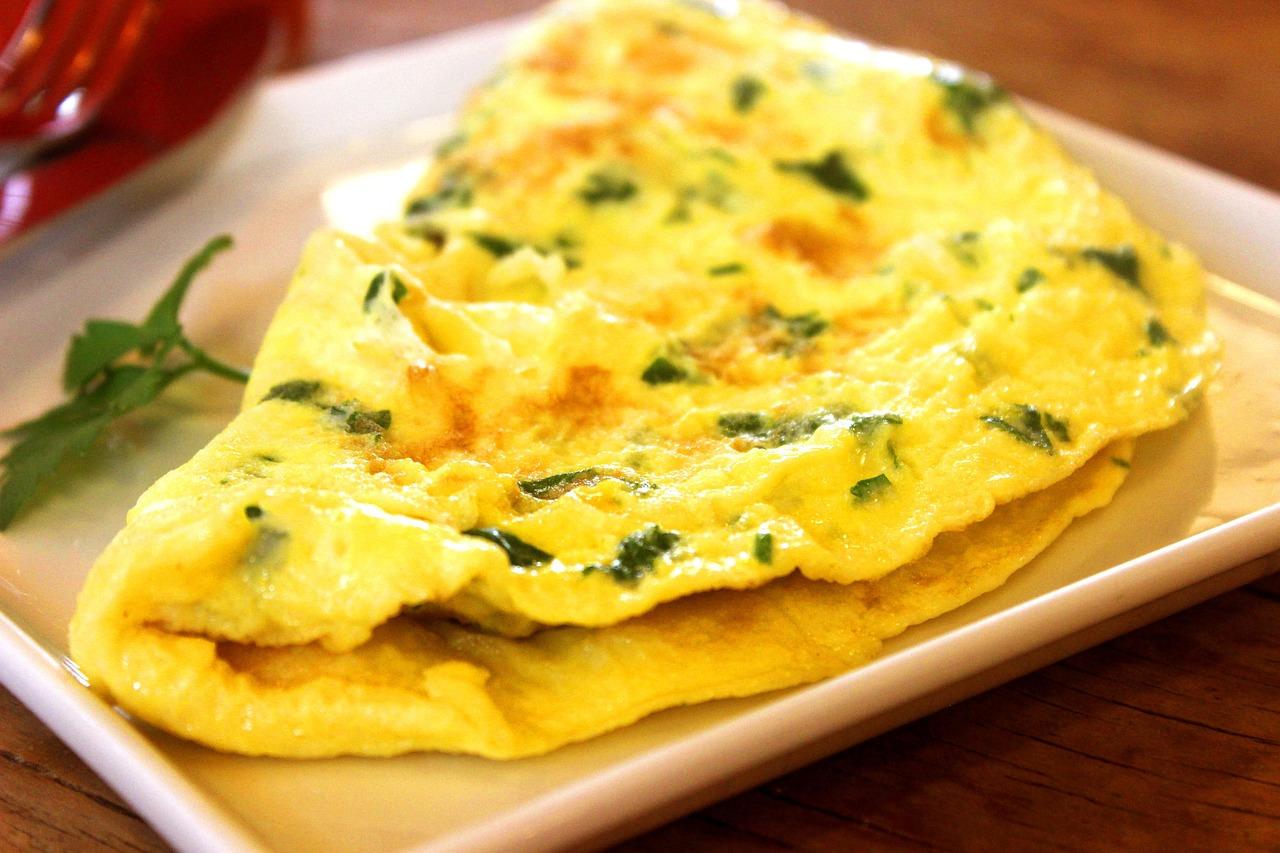
In Trabzon and Rize homes, kaygana is what appears when breakfast needs stretching: eggs beaten with a little flour and milk and a big handful of spring onion, dill and parsley, then poured thin into a buttered pan. It sits halfway between an omelette and a crêpe, soft in the middle with lacy, browned edges. Fold it onto a plate with cheese, olives, tomatoes and tea, or roll it up for a packed lunch. Common mistake: a pan that isn't hot enough, so the batter soaks up butter and turns leathery instead of puffing. Chef's tip: let the batter rest for 10 minutes; the flour hydrates and the kaygana flips without tearing.

by KrazyBadal 0 views

Islak burger

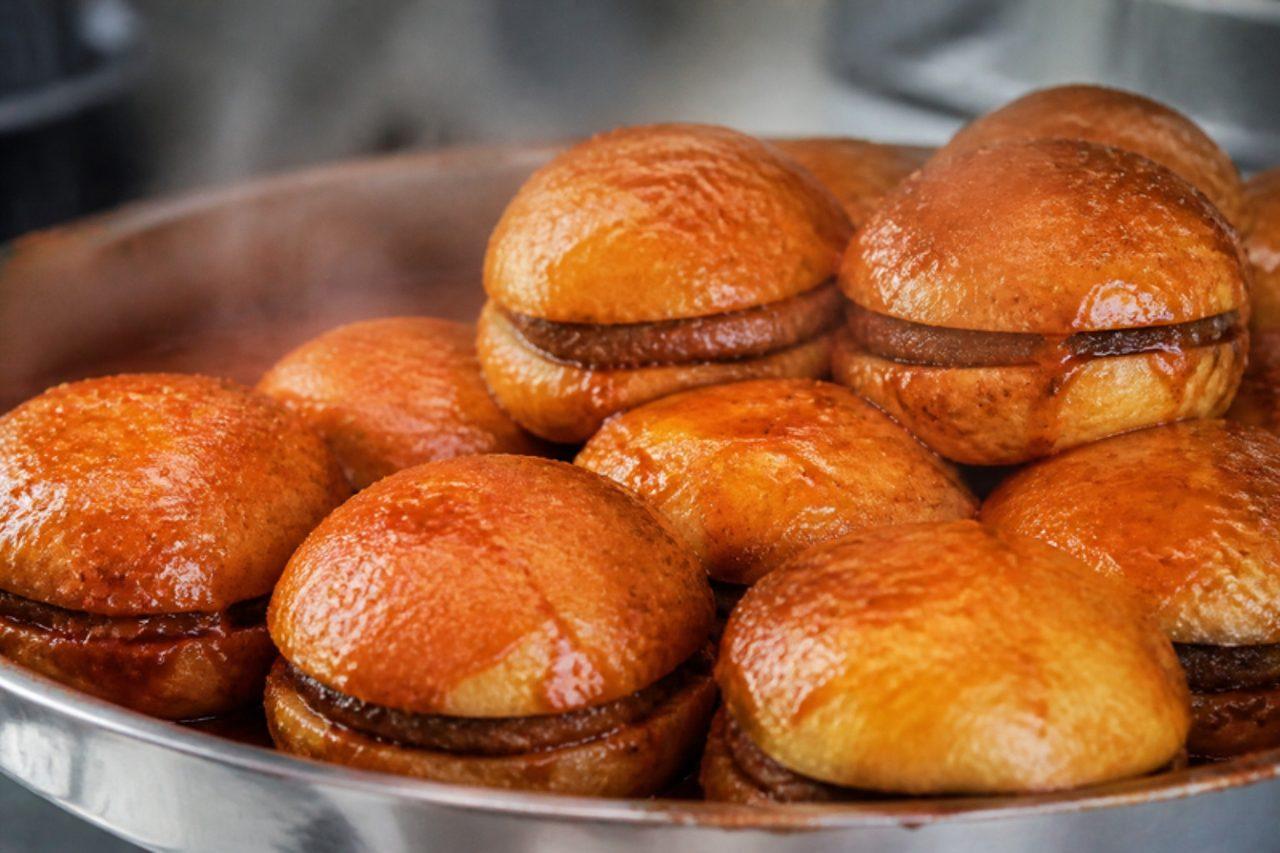
In the windows of the snack bars on Taksim Square, little burgers sit in a steaming glass box, their buns soaked in a garlic and tomato sauce: the ıslak, or 'wet', burger, eaten by the half-dozen at 3 a.m. after a night out on İstiklal. The beef patty is thin and spiced, the bun turns soft and juicy, and the whole thing is gone in four bites. At home a covered pan does the job of the steam box. Chef's tip: use a soft, slightly sweet bun; crusty rolls stay hard and just get soggy at the edges.

by KrazyBadal 0 views

Sardalya sarma

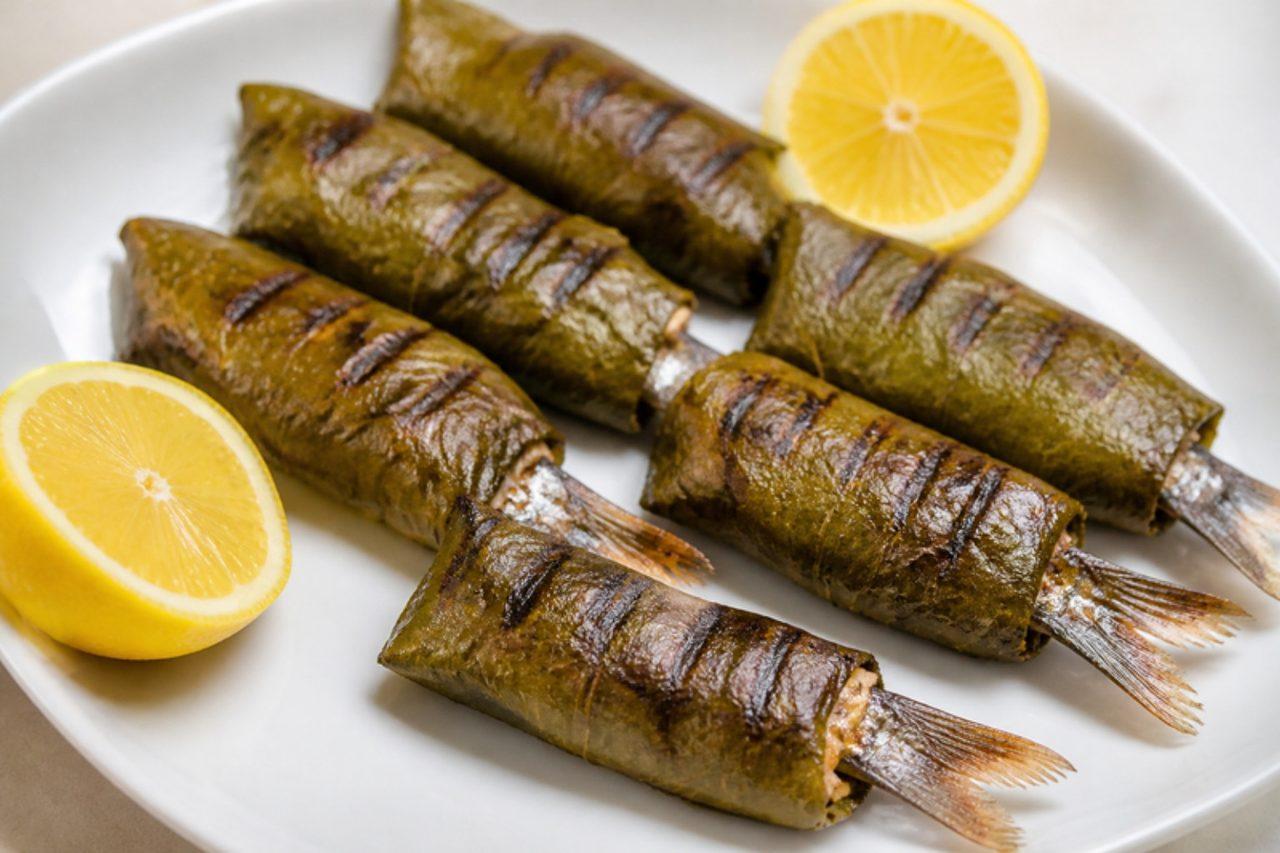
In Ayvalık and on Cunda island, early autumn sardines are wrapped in salted vine leaves and grilled over charcoal, a trick that keeps the oily little fish moist and lets the leaves char and crackle. You peel back the leaf, or eat it too, and finish each with lemon and a drop of olive oil. Serve with a tomato and onion salad and bread. Chef's tip: rinse brined vine leaves well; they already carry salt, so the sardines need only a pinch.

by KrazyBadal 0 views

Pirpirim çorbası

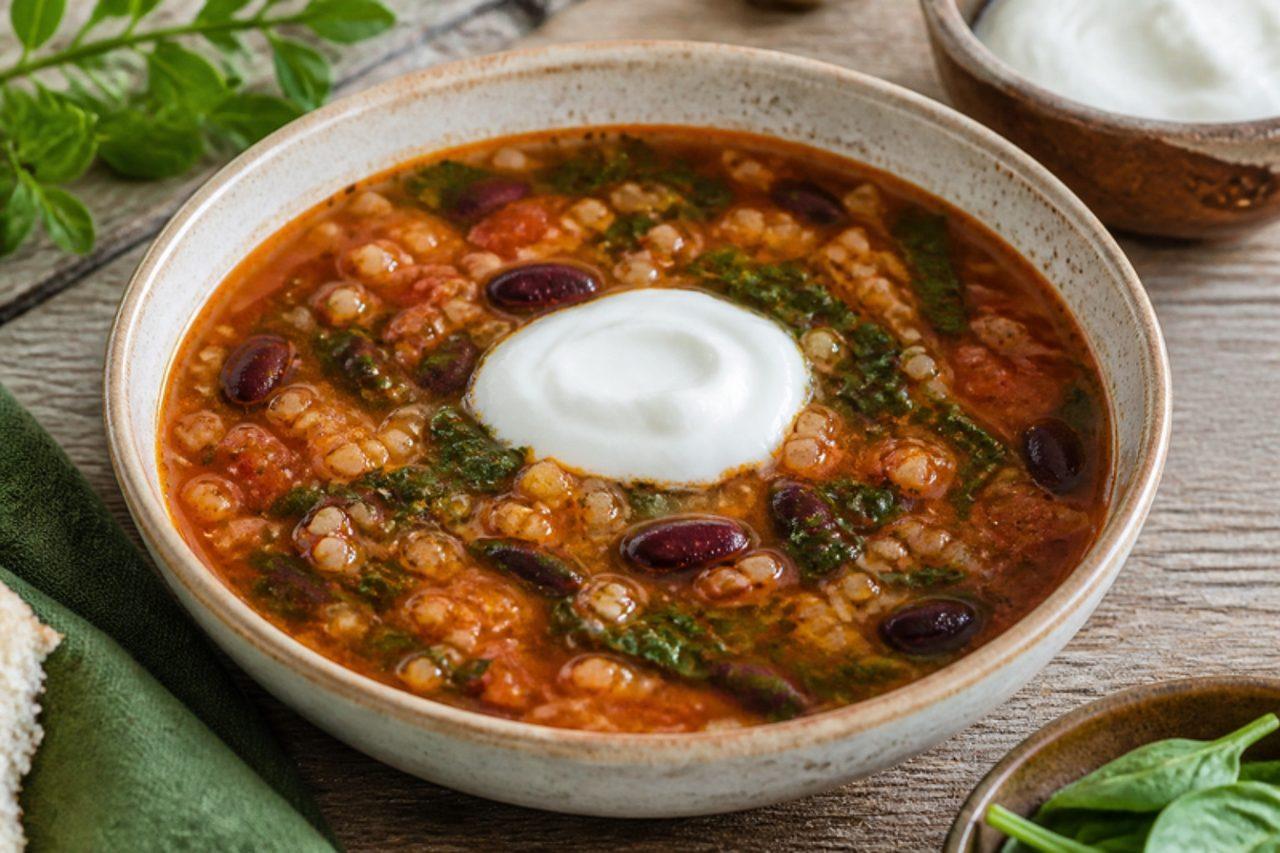
Purslane grows wild between the tea rows and maize fields of Giresun and Ordu, and in high summer it ends up in pirpirim çorbası, a lemony, slightly tangy soup thickened with cracked wheat and soft white beans. Families make it in big pots on hot days because it is just as good served lukewarm as piping hot. The fleshy leaves turn silky, the bulgur gives a gentle chew and a spoon of yoghurt on top makes it a full lunch. Common mistake: adding the purslane too early so it turns slimy and grey; it needs only 10 minutes. Chef's tip: keep a few raw sprigs back and stir them in at the end for crunch and a fresh green colour.

by KrazyBadal 0 views

Gavurdağı salatası

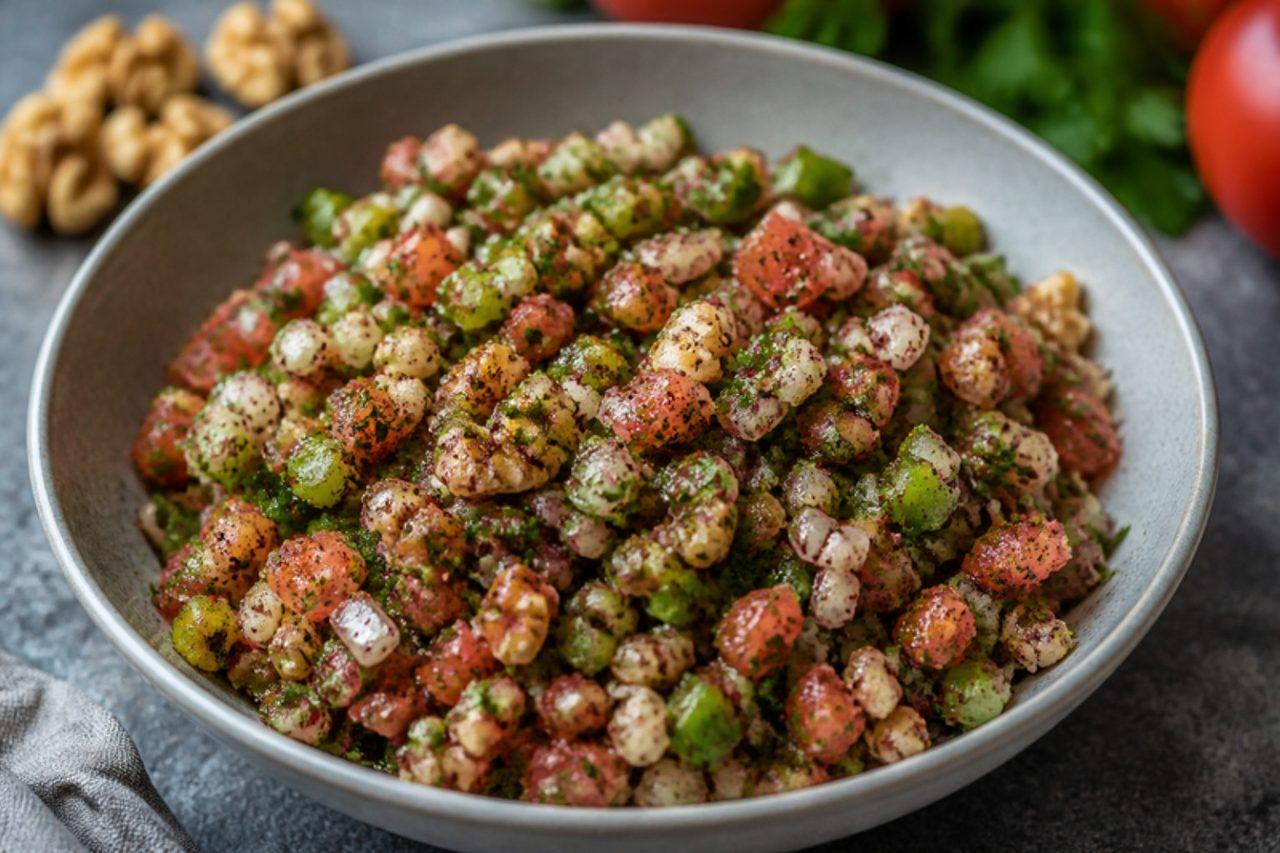
Named after the mountains east of Gaziantep, this is the salad that lands on every kebab-house table in the city, chopped so fine it is almost a relish. Tomatoes, onion, green pepper and parsley meet toasted walnuts, sumac and a sour-sweet dressing of pomegranate molasses and olive oil. It cuts through rich grilled meat or bulgur, and is just as good scooped up with flatbread as a meze. Dress it just before serving; if it sits, the salt pulls water from the tomatoes and it swims. Chef's tip: deseed the tomatoes and dice everything to the size of a lentil so each spoonful has a bit of all of it.

by KrazyBadal 0 views

Midye dolma

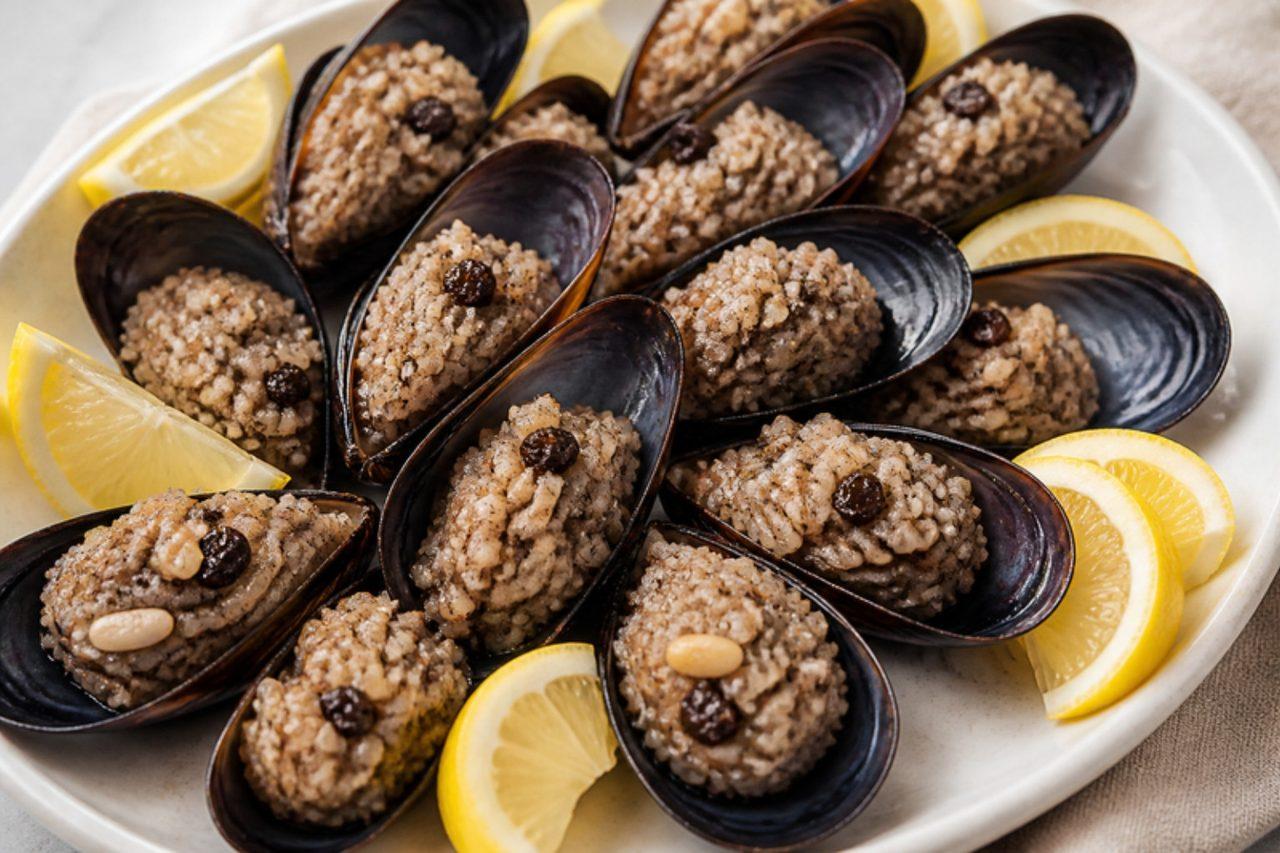
Late at night along Istanbul's Beşiktaş and Kadıköy streets, vendors walk with trays of shiny black mussels stuffed with fragrant rice, cracking one open, squeezing lemon on it and handing it over until you say stop. The rice is cooked with onion, tomato paste, cinnamon, allspice, currants and pine nuts, then steamed back inside the shells. Make them at home for a meze table and they are safer and fresher than any street tray. Chef's tip: soak the closed mussels in cold salted water first; the shells relax slightly and are much easier to prise open with a small knife.

105 minTurkishFish
by KrazyBadal 0 views
Kayısı tatlısı

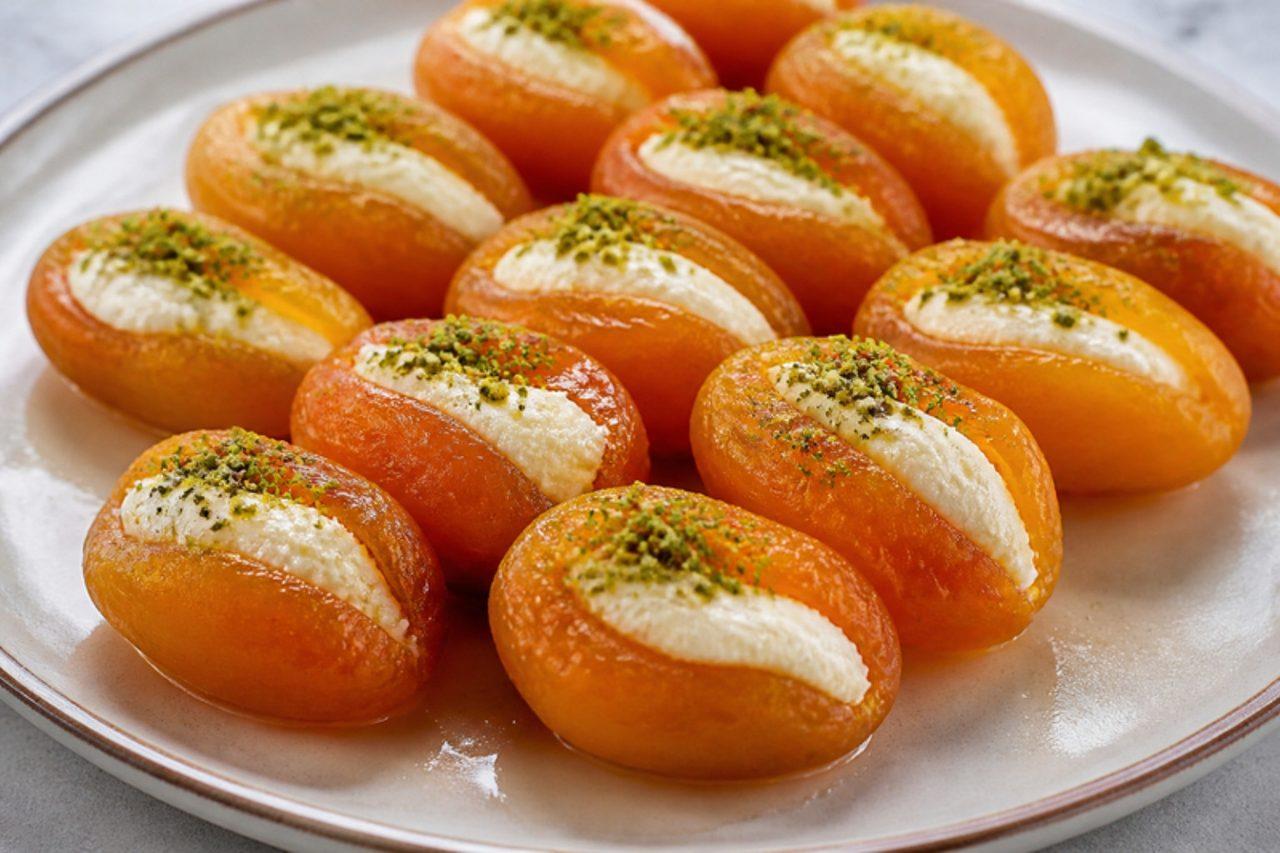
Malatya grows more apricots than anywhere else on earth, and its sweet shops make the most of the sun-dried fruit with kayısı tatlısı: plump dried apricots soaked, poached in a light syrup until glossy, then split and filled with thick kaymak and topped with bright green pistachio. They're served chilled in small dishes at the end of a meal or with coffee. Common mistake: boiling them hard, which bursts the skins; they need only a gentle simmer. Chef's tip: choose the soft, pale, whole dried apricots rather than the sulphured orange halves; they fill neatly and taste of honey.

by KrazyBadal 0 views
Kalamar tava

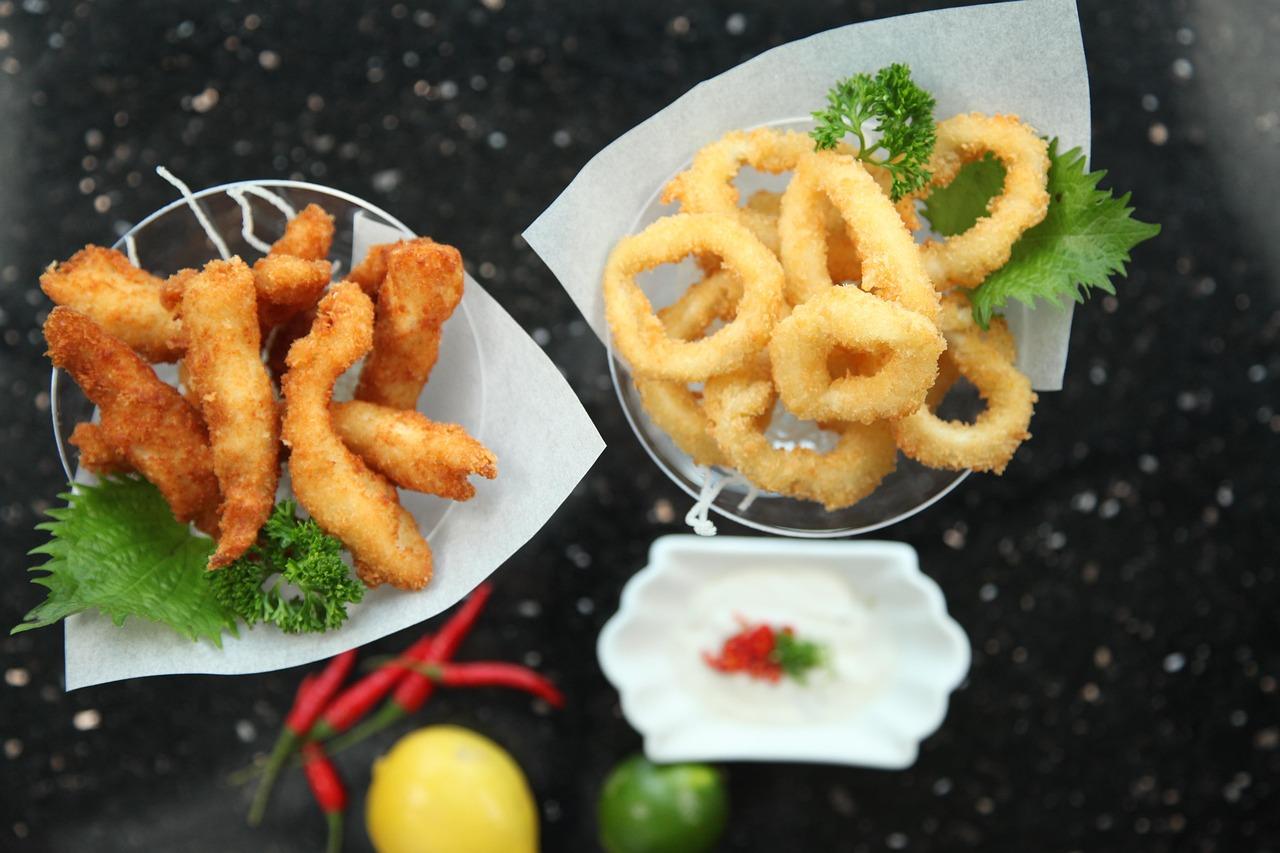
On the waterfront in Bodrum and in every Aegean fish meyhane, a plate of kalamar tava arrives hot among the cold meze: tender rings of squid in a light, crisp coat, with a bowl of tarator, a thick sauce of walnuts, bread, garlic and lemon, for dipping. The trick is speed; squid is tender after a minute or two in the oil and rubbery after five. Chef's tip: soak the rings in milk or fizzy mineral water for half an hour in the fridge; it tenderises them and helps the coating cling.

by KrazyBadal 0 views
Karalahana çorbası

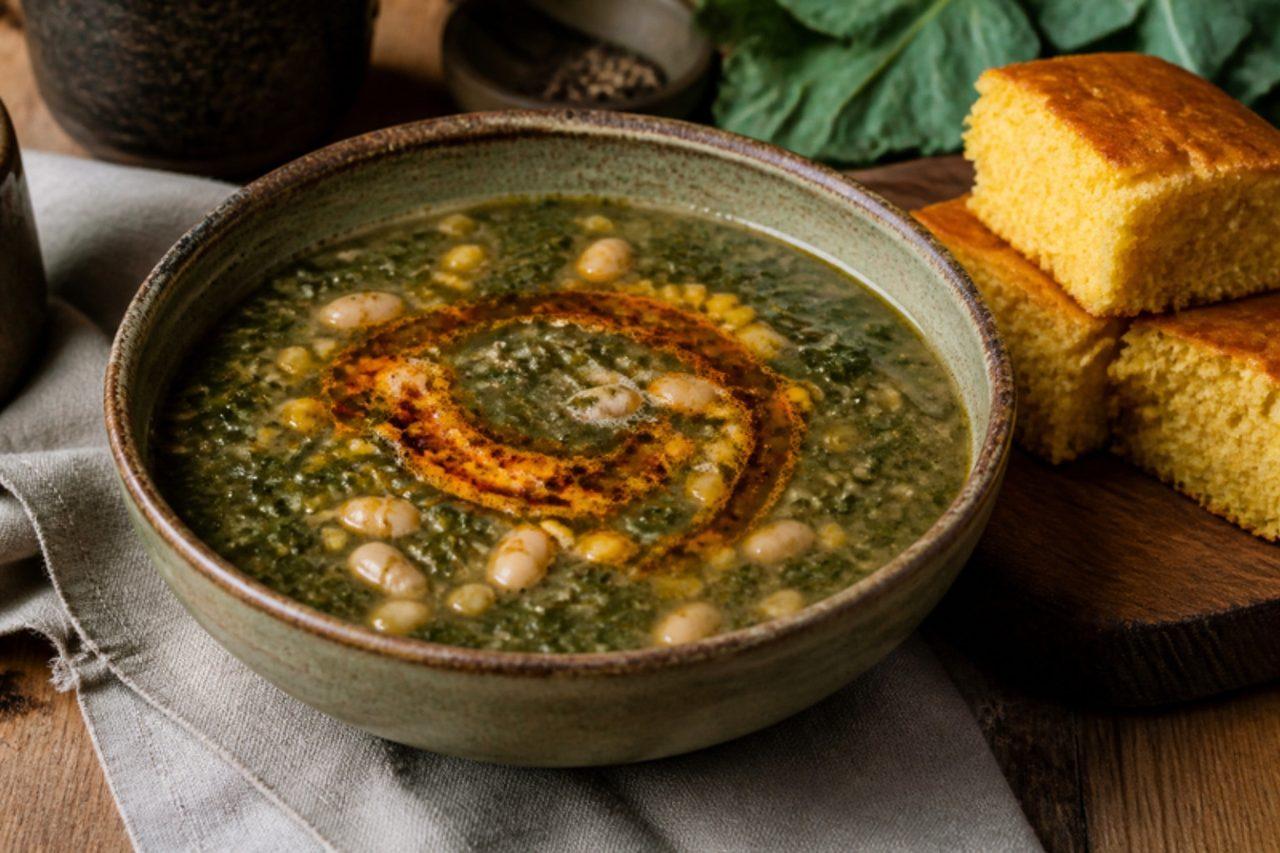
Dark, ribbed karalahana is the cabbage of the eastern Black Sea, and in Trabzon and Rize winter kitchens it goes into a thick soup that is somewhere between a broth and a stew. Shredded leaves simmer with borlotti beans, onion and a spoon of pepper paste, then a handful of cornmeal is whisked in at the end to give the soup body and a gentle sweetness. It is served with cornbread, a wedge of onion and a few chilli pickles. Common mistake: leaving the tough central ribs in; they never soften and make the soup stringy. Chef's tip: the soup is noticeably better the next day, so make it ahead and loosen it with a little hot water when you reheat.

by KrazyBadal 0 views
Laz böreği

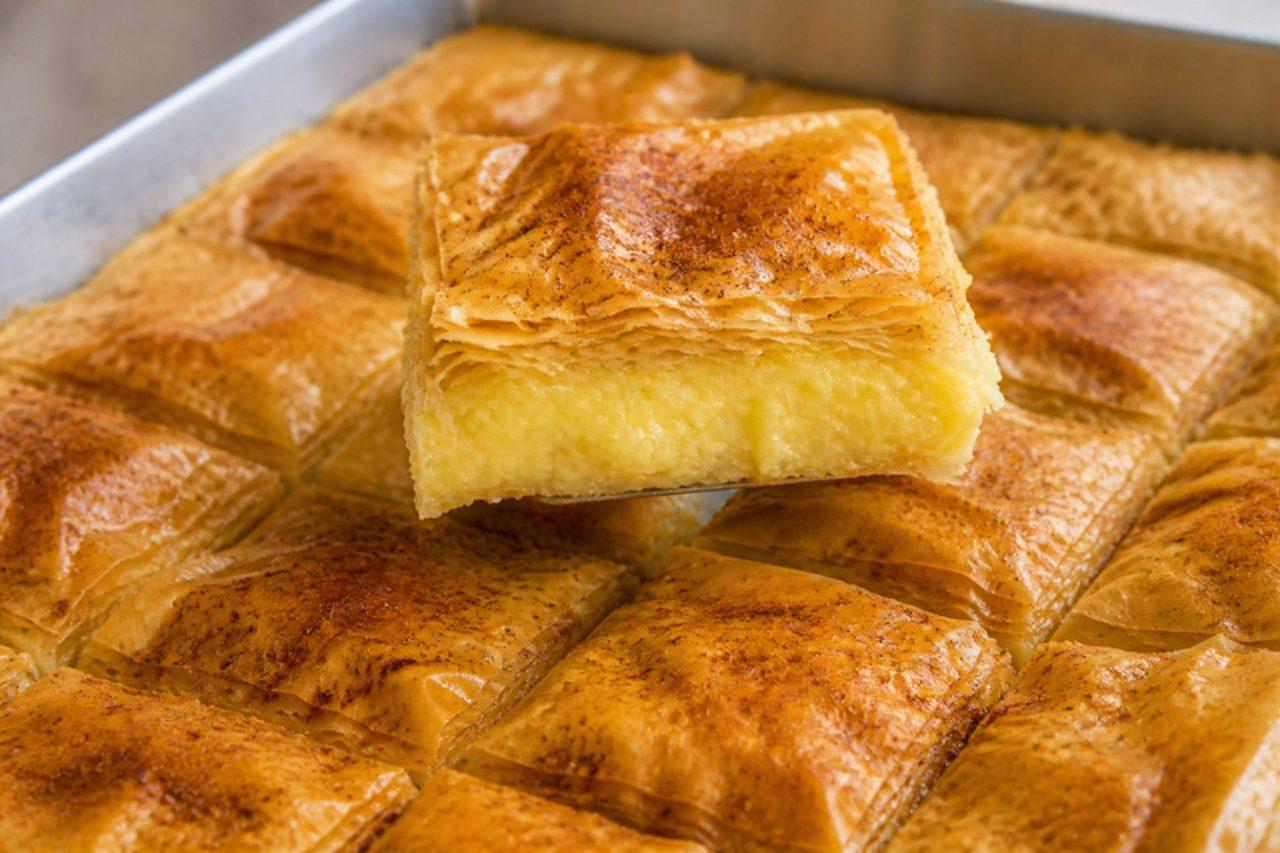
Ask for something sweet in a Rize pastry shop and you are likely to be handed a square of Laz böreği, a crisp filo pie layered with butter and filled with a thick, vanilla-scented milk custard, then drenched in cool syrup as it leaves the oven. It is a wedding and holiday dessert in Laz villages, and an everyday treat with tea in town. The top shatters, the middle is soft and creamy, and the syrup keeps it fresh for a couple of days. Common mistake: pouring hot syrup on a hot pie, which makes the pastry soggy; one of the two must be cool. Chef's tip: cook the custard until it holds a trail for a few seconds, then cover the surface with cling film so no skin forms before you layer it.

by KrazyBadal 0 views
Kumpir

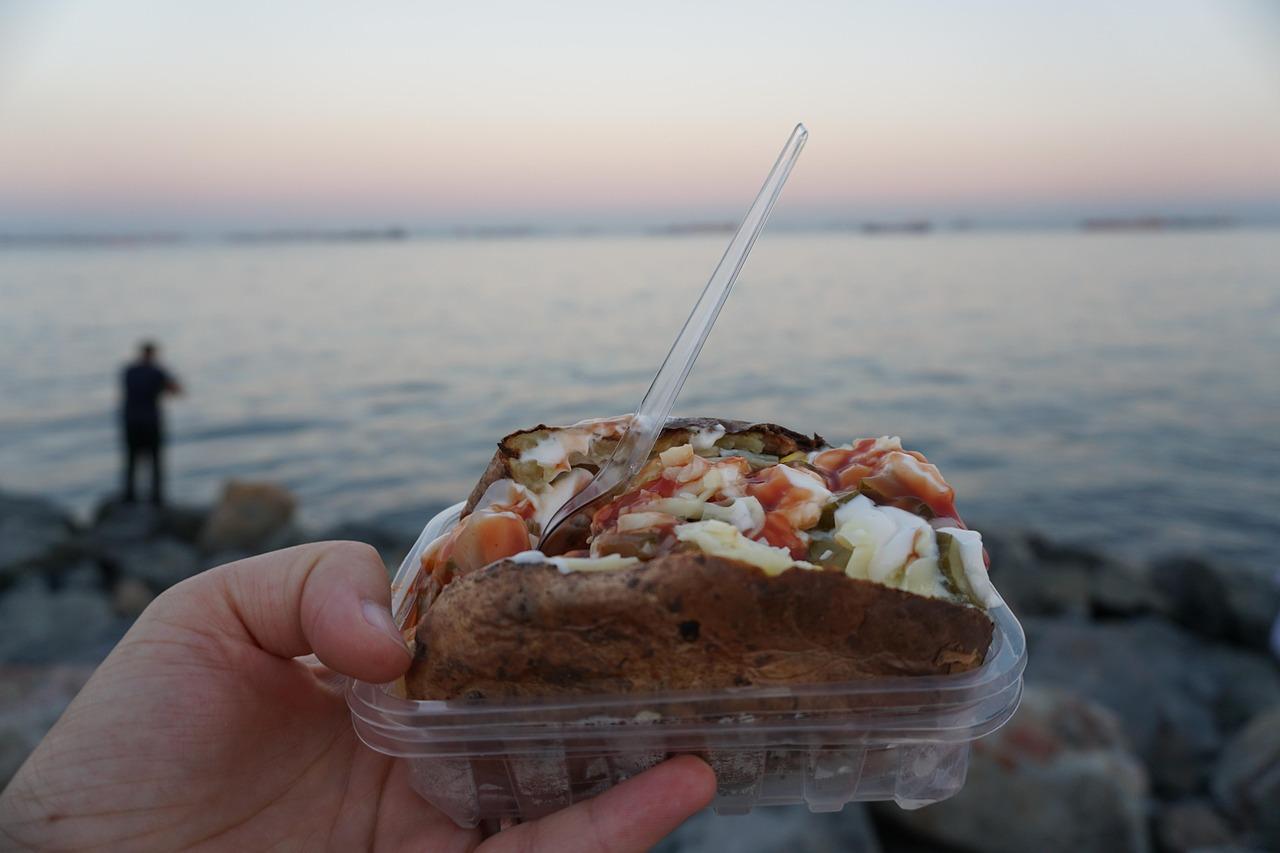
On a warm evening in Ortaköy, under the Bosphorus Bridge, the kumpir stalls line up with trays of toppings and queues of students waiting for a potato the size of a fist and a half. The vendor splits it, beats butter and grated kaşar into the hot flesh right in the skin until it turns stretchy, then piles on whatever you point at: corn, olives, pickles, peppers, Russian salad. At home it makes a filling supper that everyone builds for themselves. Kaşar is usually made with animal rennet, so pick a vegetarian mild melting cheese if that matters to you. Chef's tip: bake the potatoes on a bed of coarse salt; the skins dry and crisp while the inside goes floury, which is what lets the cheese melt into it.

by KrazyBadal 0 views
Kazandibi

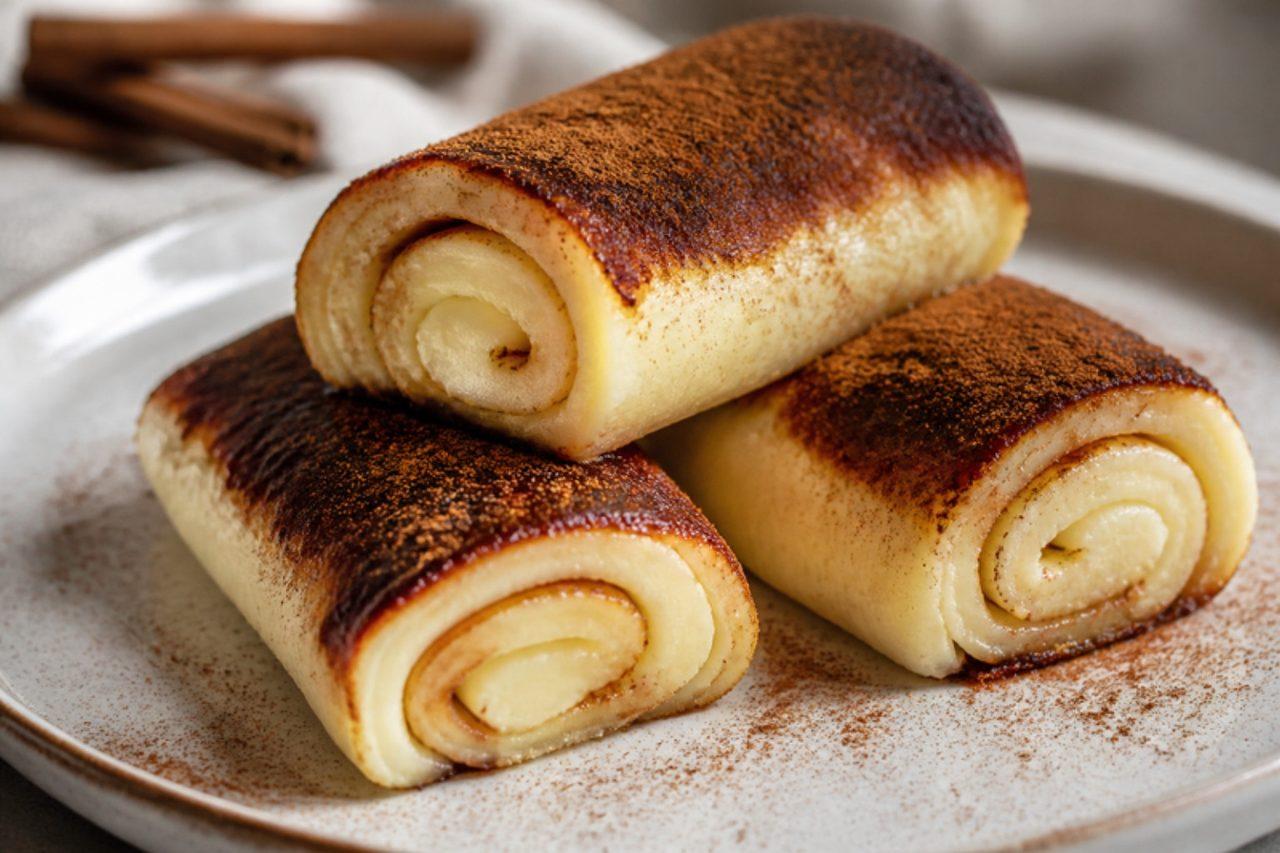
Kazandibi means 'bottom of the cauldron', and in the old pudding shops of Istanbul's Beyoğlu and Fatih it is cut from a big tray whose base was caramelised on purpose over a flame. The square is rolled up so the burnished, faintly bitter top hides a soft, cool vanilla pudding inside. Serve it chilled with a dusting of cinnamon and a glass of tea. The traditional palace version had shredded chicken in it; this everyday version is purely milk, rice flour and sugar. Chef's tip: use a heavy-based, non-stick pan or tin and give the sugar a full deep amber before the pudding goes in, because pale caramel just tastes sweet rather than toasty.

by KrazyBadal 0 views
Biber salçası

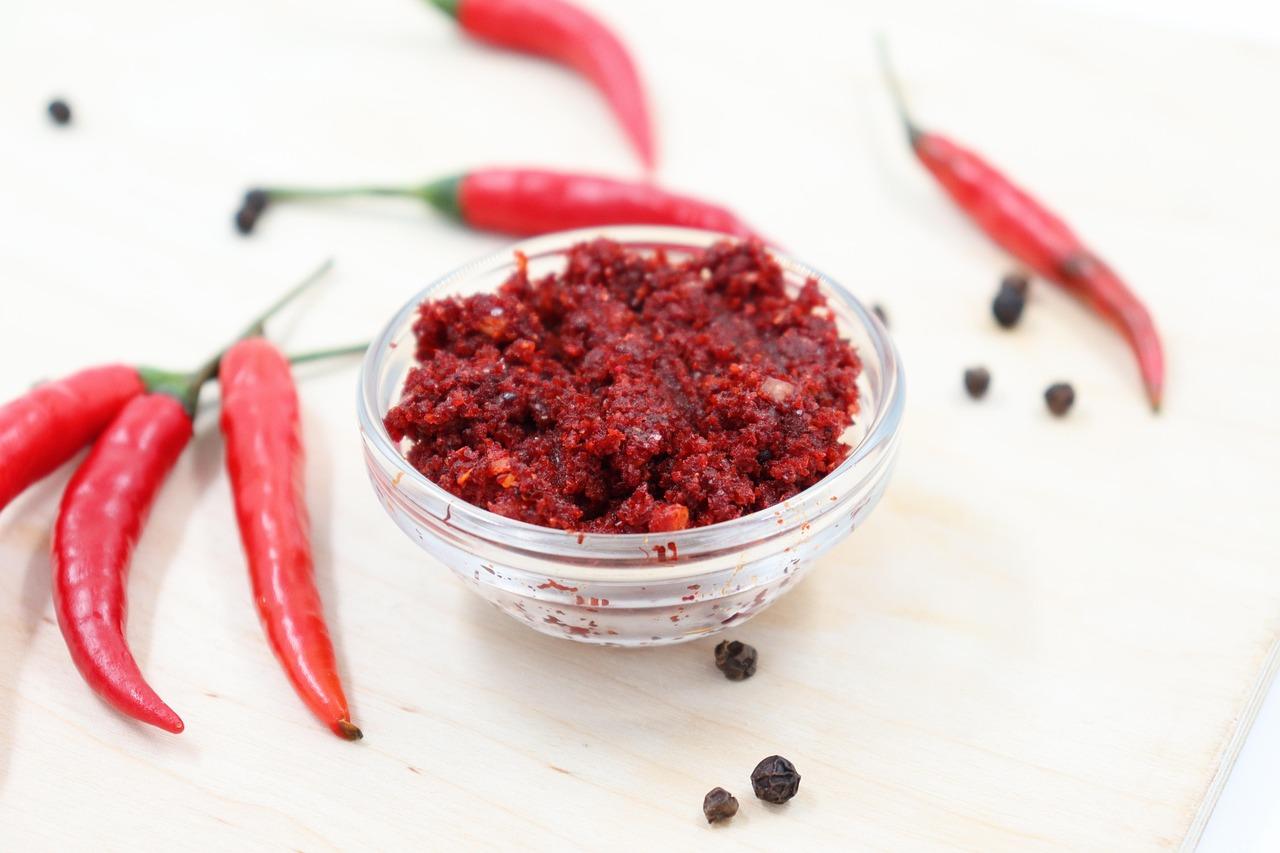
Late every summer, rooftops in Gaziantep, Kilis and Hatay turn red with trays of puréed peppers drying in the sun, and families fill jars that will season soups, köfte, bulgur and lahmacun through the winter. This oven method makes a smaller batch with the same deep, sweet and slightly smoky flavour; use some hot peppers if you like it acı (spicy). Store it under a film of oil in the fridge. The common mistake is a too-hot oven: the edges scorch and turn bitter before the middle thickens. Chef's tip: stir every 20 minutes and scrape the dried rim back in; the paste is ready when a spoon drawn through it leaves a clean trench.

by KrazyBadal 0 views
Balık ekmek

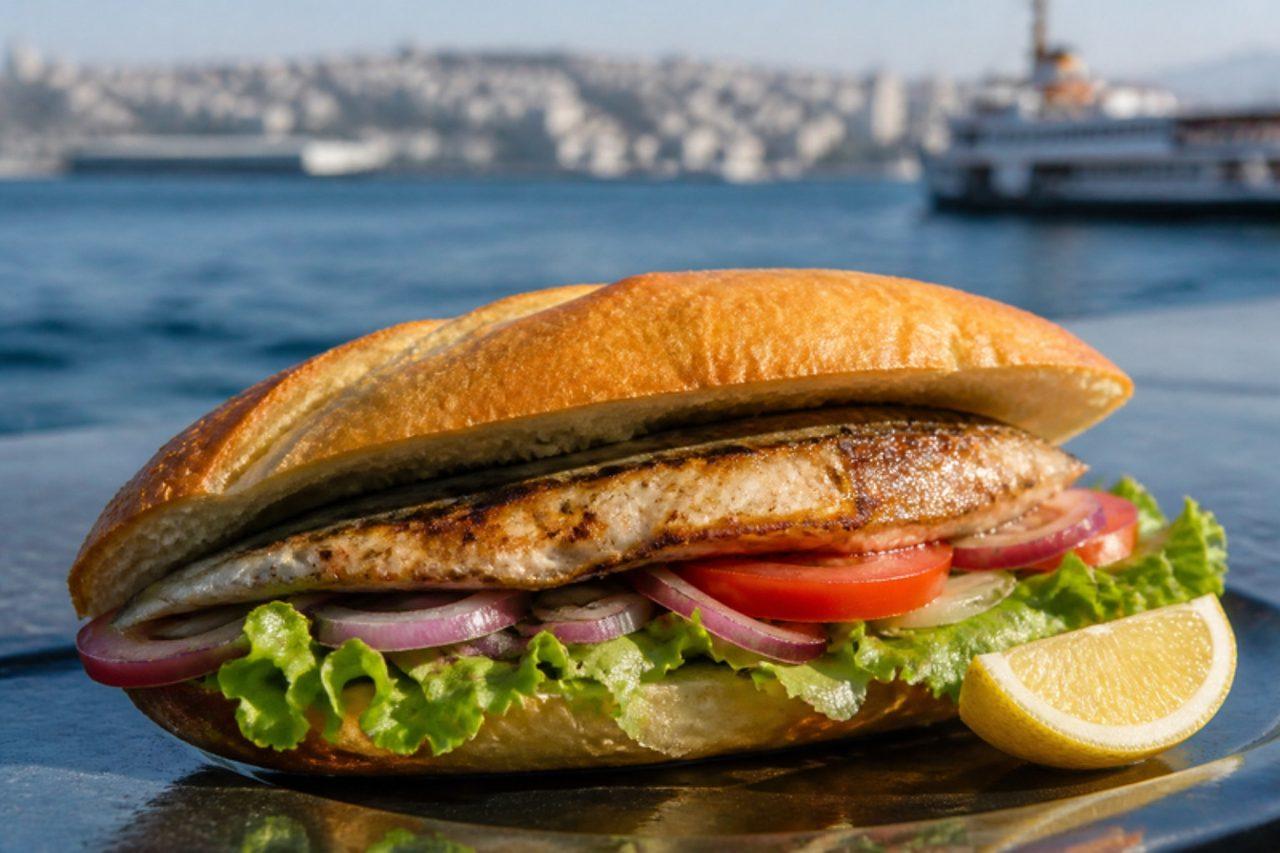
At Eminönü, by the Galata Bridge, boats rocking at the quay grill mackerel fillets over charcoal and pass them up in half a loaf with raw onion, lettuce and a squeeze of lemon; you eat it on a low stool with a cup of pickle juice. It is the simplest fish sandwich imaginable and depends entirely on fresh, oily fish and a hot pan. Serve with turşu (pickles) and a salgam or ayran. Chef's tip: grill the fillets skin side down for most of the cooking time; the skin crisps and protects the soft flesh so it doesn't stick and tear.

by KrazyBadal 0 views
Şöbiyet

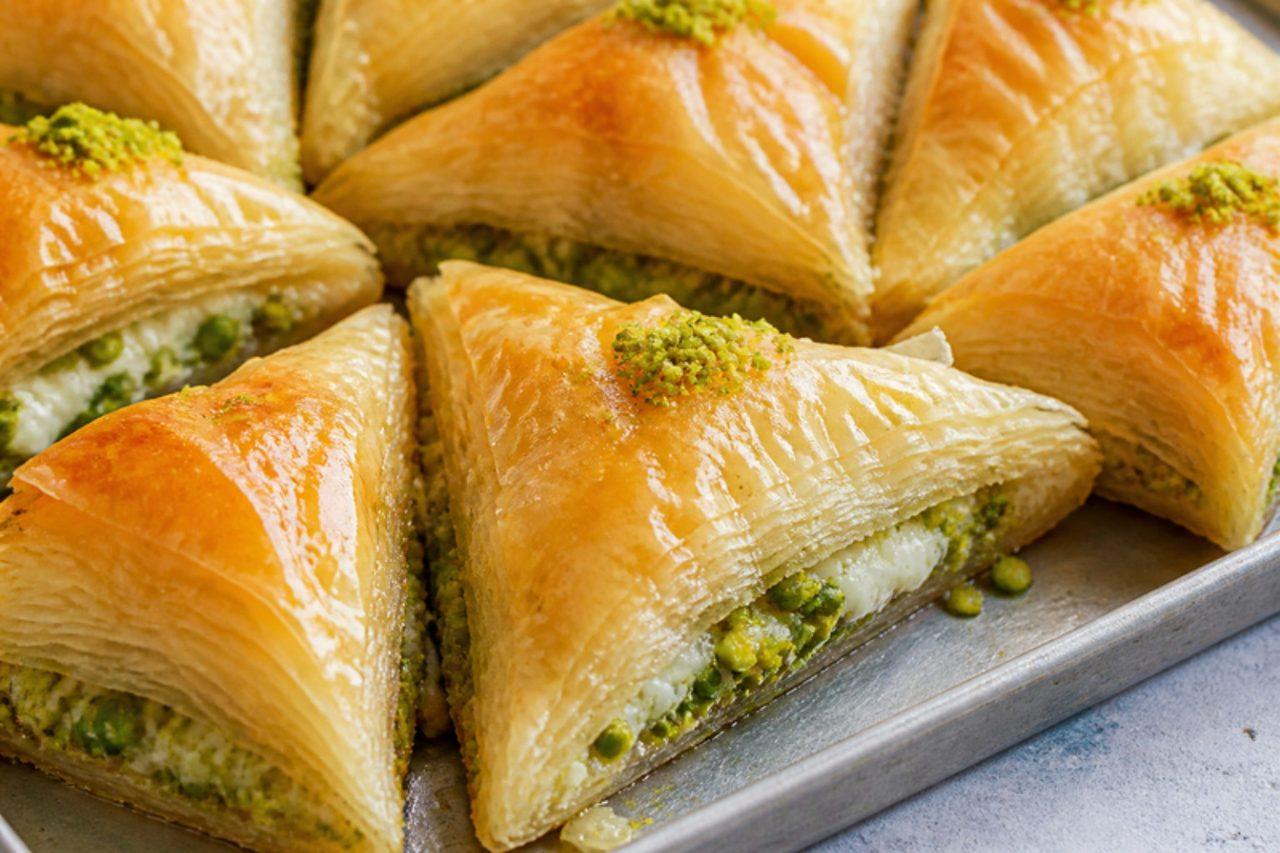
Gaziantep's baklava shops lay out trays of şöbiyet beside the classic squares: buttery filo triangles hiding a soft semolina cream and a thick seam of pistachio, soaked in cool syrup. Families buy them by the kilo for bayram visits and engagement days, and they are best eaten the day they are made, while the top layers still crackle. Home versions use shop filo and a quick milk cream instead of the clotted cream the masters fold in. Pour cold syrup over hot pastry, never hot over hot, or the layers turn soggy. Chef's tip: chill the cream until it is firm enough to slice; a soft filling oozes out as you fold the triangles.

by KrazyBadal 0 views

Murtuğa

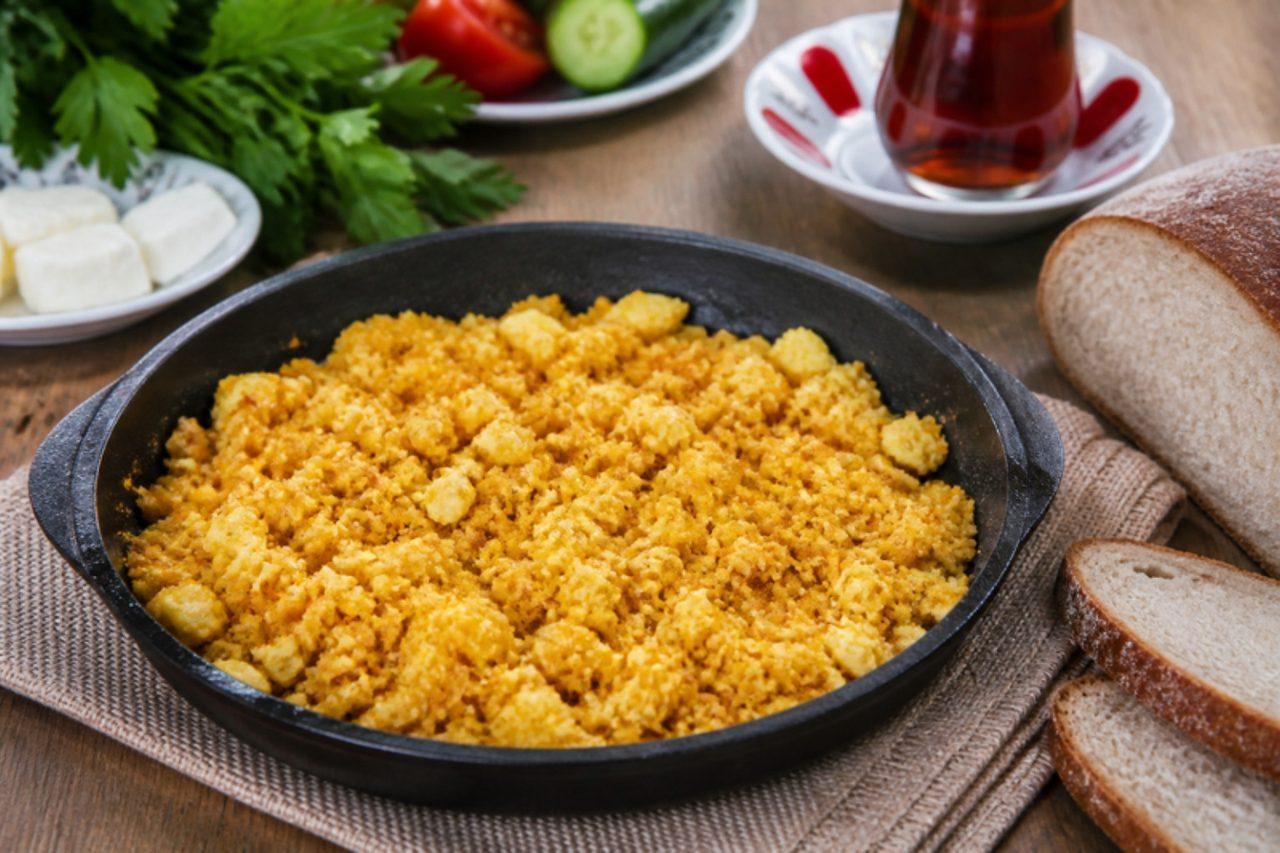
A Van breakfast is famously huge, with herb cheese, honey, kaymak and olives, and in winter it often includes a pan of murtuğa: flour slowly toasted in plenty of butter until golden, then scrambled together with eggs into rich, crumbly nuggets. It's a dish from cold mountain homes where a filling breakfast had to last until evening, eaten hot with bread or on its own with tea. Common mistake: rushing the flour on a high heat so it scorches before it cooks through; keep it low and keep stirring. Chef's tip: beat the eggs with a splash of water before adding them; they spread through the flour more evenly and stay softer.

by KrazyBadal 0 views

Hingel

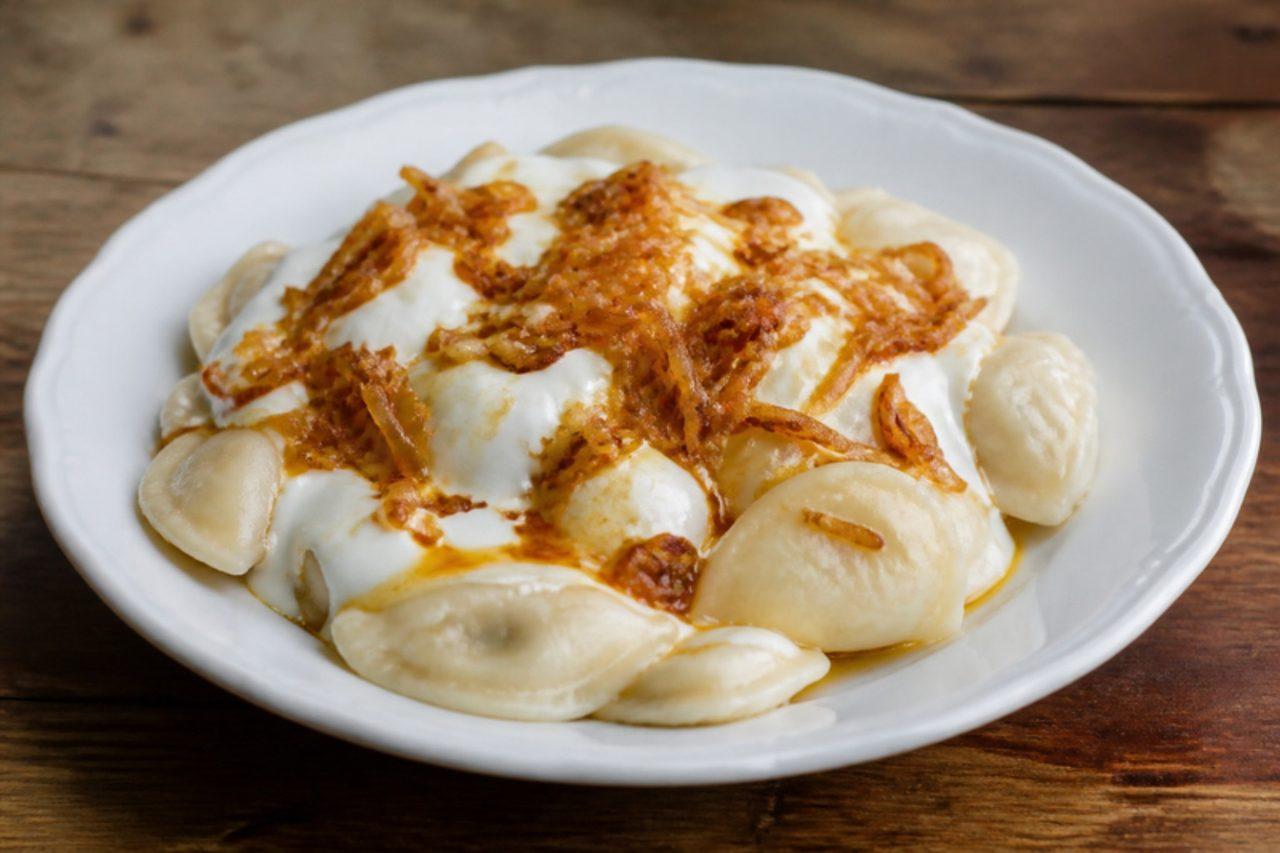
Hingel is the comfort food of Kars and Ardahan, on Turkey's high north-eastern border, where long winters made potatoes and butter everyday staples. Half-moon dumplings are filled with mashed potato and onion, boiled, then smothered in caramelised onions, garlic yoghurt and plenty of browned butter, much like manti but larger and softer. Common mistake: a wet potato filling that leaks through the seams; dry the boiled potatoes in the pan for a minute before mashing. Chef's tip: fry the onions slowly in the same butter you pour over at the end; it picks up their sweetness.

by KrazyBadal 0 views

Ayran aşı

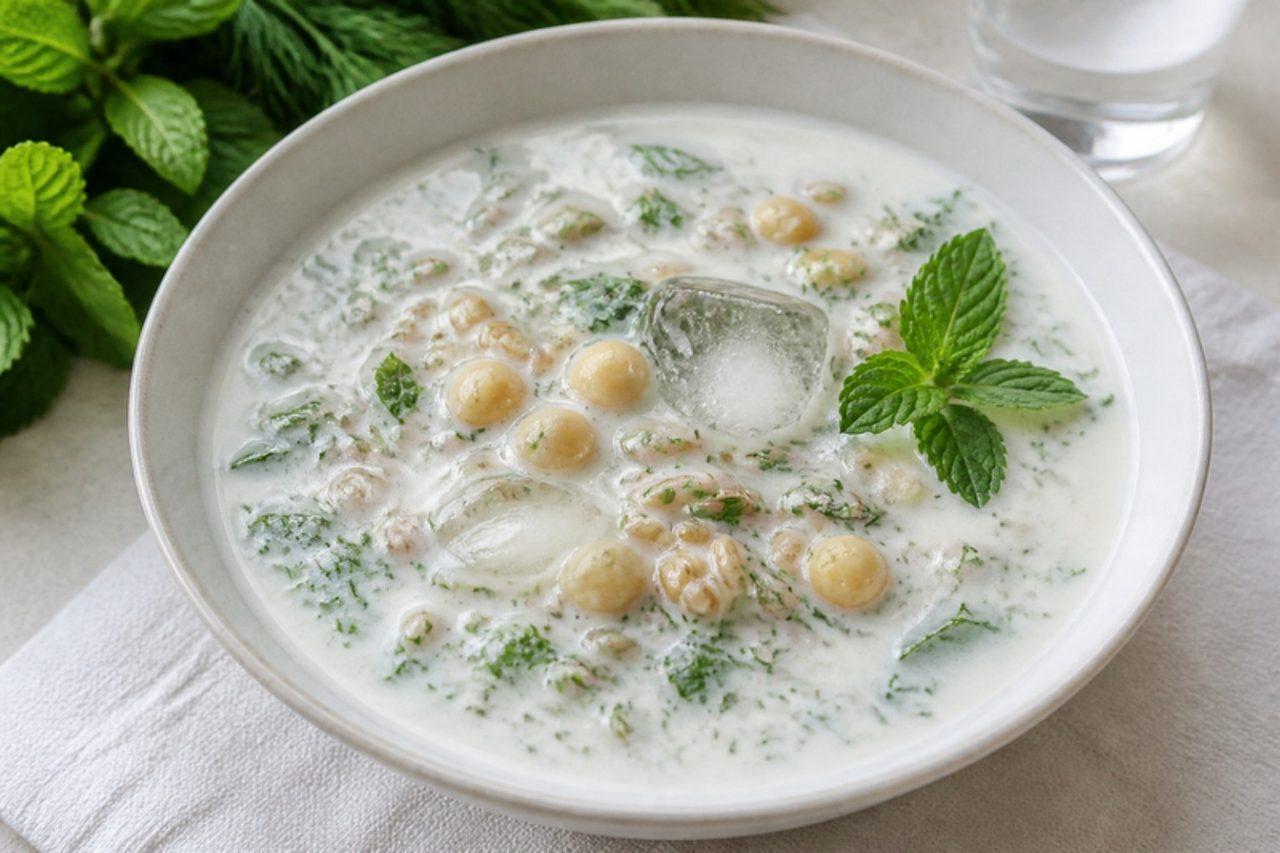
When the summer heat hits the eastern plateau around Erzurum, Erzincan and Sivas, families switch from hot soups to ayran aşı, a cold soup of thinned yoghurt with cooked whole wheat, chickpeas and handfuls of mint, dill and purslane or cucumber. It's ladled from a big bowl at lunch with flatbread, and it's as refreshing as a drink but filling as a meal. Common mistake: adding the grains while still hot, which makes the yoghurt split and turn sour-tasting; cool them completely first. Chef's tip: make it a few hours before serving and chill; the wheat soaks up the yoghurt and the herbs perfume the whole bowl.

by KrazyBadal 0 views

Patlıcan kebabı

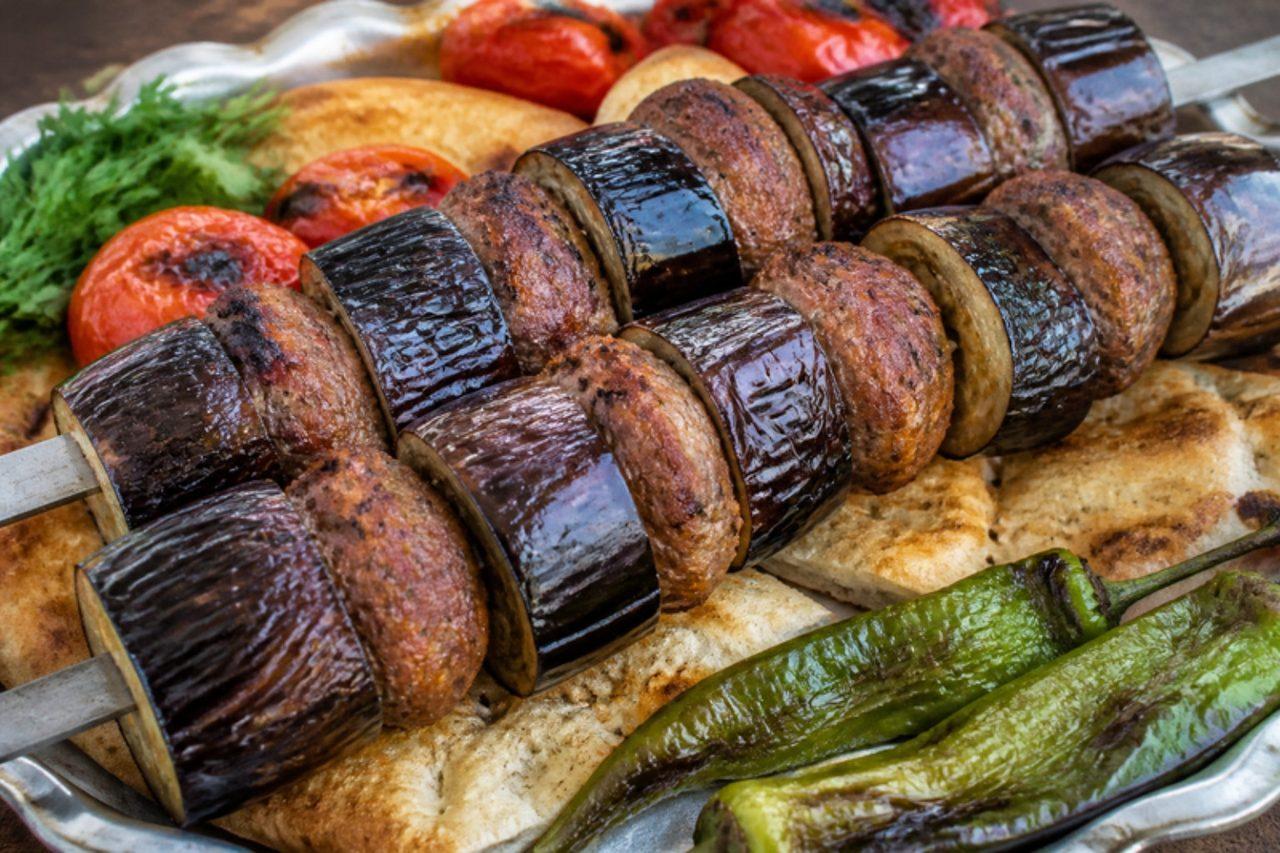
Late summer in southeastern Turkey, from Urfa to Gaziantep, means patlıcan kebabı: thick rounds of unpeeled aubergine threaded between small patties of spiced lamb, so the fat from the meat bastes the aubergine as it chars. Served on lavaş, the aubergine is pressed with a spoon into the bread and the whole thing is eaten with onions and green chillies. Use small, firm aubergines that won't split on the skewer. Common mistake: cutting the aubergine thinner than the meat; it burns before the köfte is cooked. Chef's tip: peel the charred aubergine skin off on the plate, but leave it on while grilling.

by KrazyBadal 0 views

Muhlama

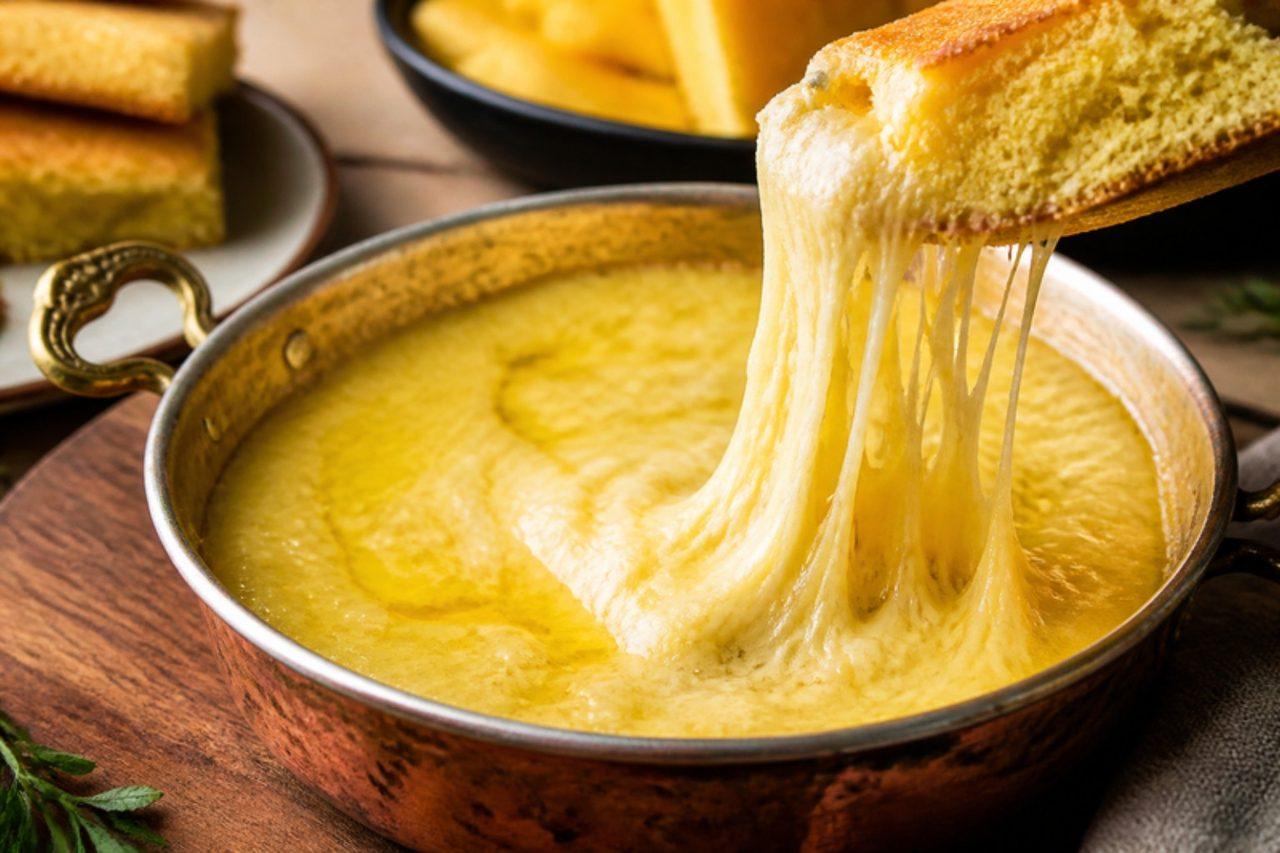
Up in the yayla summer pastures above Trabzon and Rize, breakfast often arrives as one blackened pan set in the middle of the table, with everyone tearing bread and dragging it through. Muhlama is butter, coarse cornmeal and a young stringy cheese stirred together until the cheese melts into long, glossy threads and a pool of golden butter rises to the top. Eat it straight from the pan with cornbread or crusty bread, black tea and a plate of tomatoes and cucumbers. Common mistake: adding the cheese before the cornmeal has toasted in the butter, which leaves a raw, gritty taste and stops the oil separating. The Black Sea cheese (Trabzon or Kolot) and kaşar are usually made with animal rennet; a vegetarian mozzarella-style cheese works well. Chef's tip: don't stir once the cheese has gone in until it has fully melted, then stir in one direction only; that is what gives the long, elastic strands.

by KrazyBadal 0 views

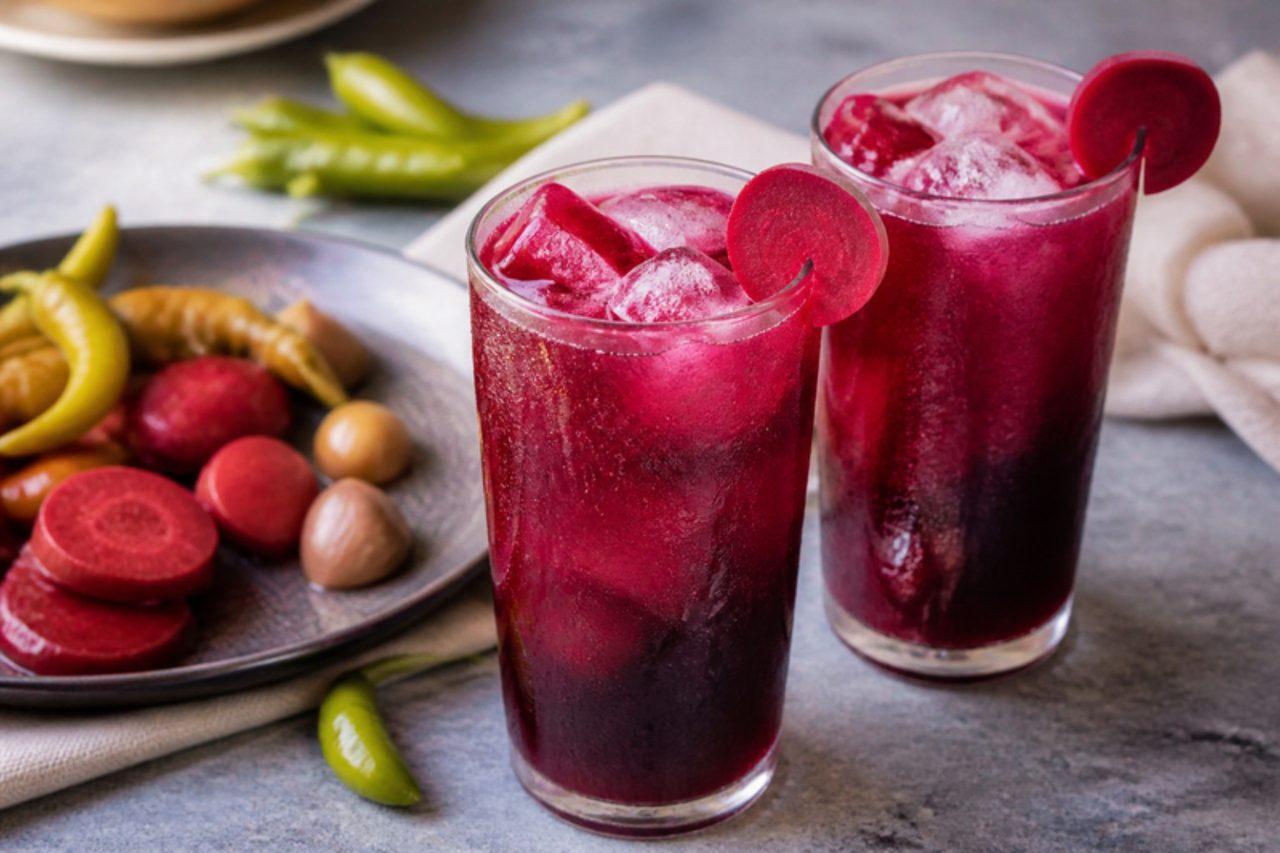
Şalgam

Order an Adana kebab in its home city and a tall glass of şalgam arrives with it, deep purple, salty, sour and often fiery. It is made by fermenting black carrots with a little bulgur and salt for a week or more, and the sharpness clears the palate between bites of lamb and grilled onion. Street carts in Adana sell it by the glass in summer. This home version skips the separate bulgur-sour-dough stage the big producers use. Use non-iodised salt: iodised salt can stall the ferment. Chef's tip: taste from day 5; when it is sour enough to make you blink, strain and chill it, because it keeps fermenting at room temperature.

by KrazyBadal 0 views

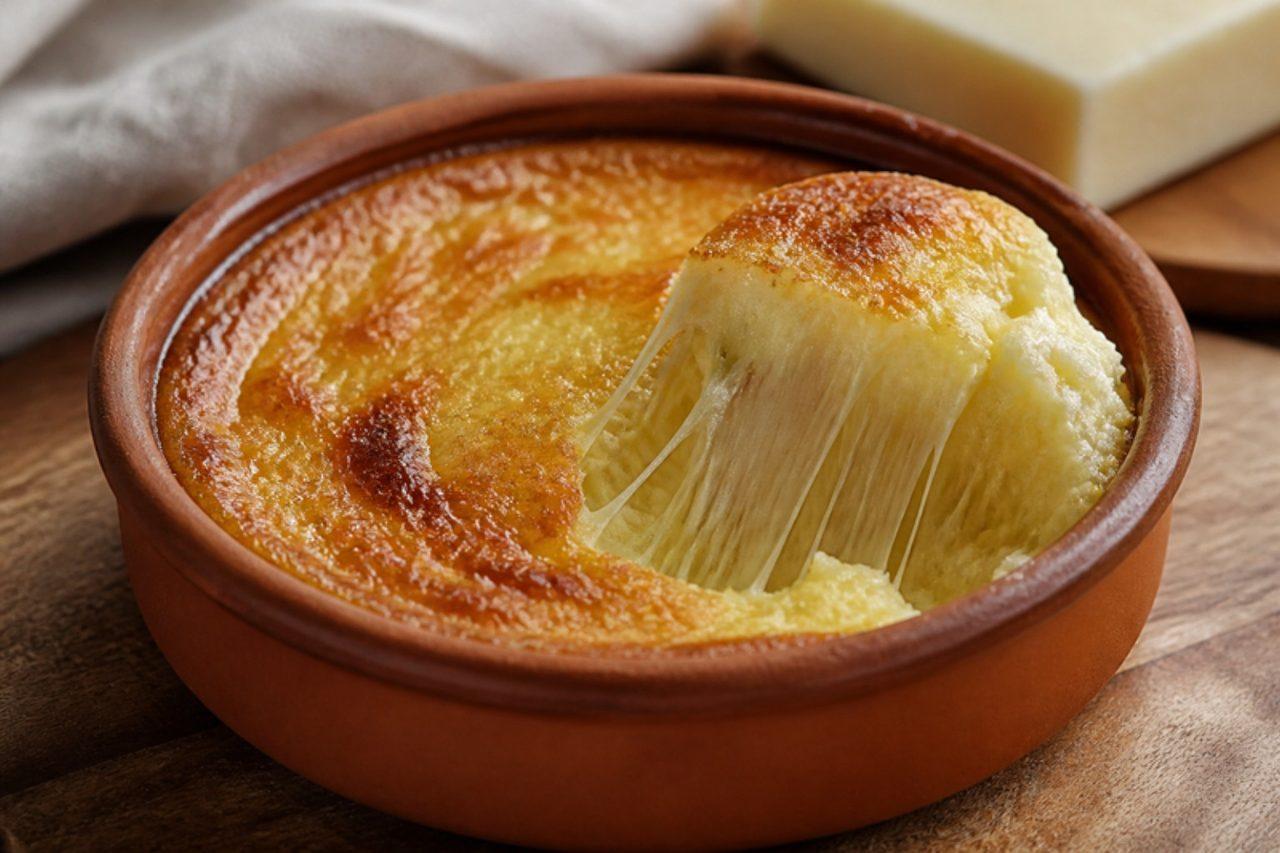
Peynir helvası

Around Çanakkale and the Dardanelles, peynir helvası is a soft, oven-browned halva made with fresh unsalted cheese, semolina, butter and sugar, sold warm in clay dishes at the market cafés. The top caramelises in spots, the inside stays creamy and stretchy, and the flavour sits somewhere between cheesecake and halva. Eat it warm on its own or with a glass of tea after a fish lunch. Chef's tip: use a mild, fresh, unsalted cheese and squeeze it well; salty or wet cheese gives a sour, runny halva.

by KrazyBadal 0 views

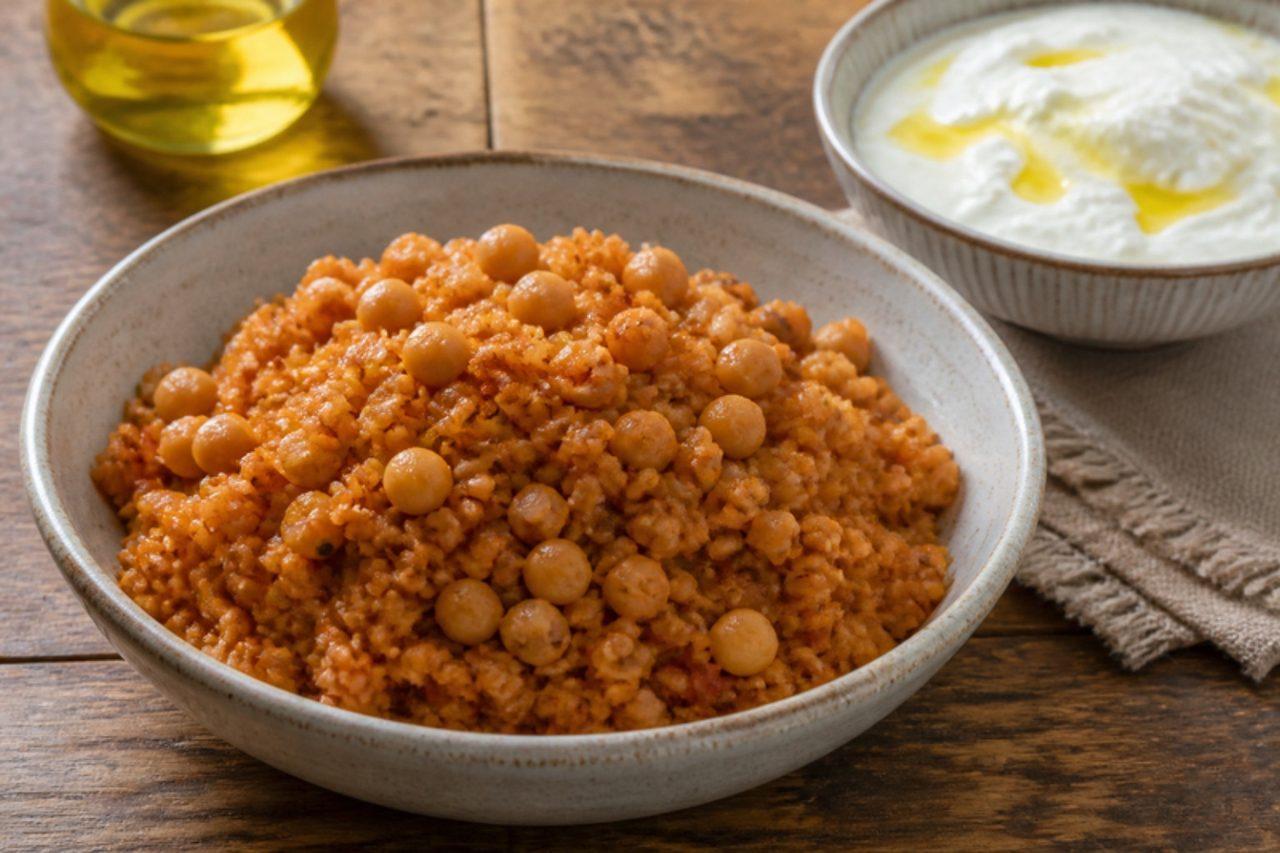
Firik pilavı

Each June farmers around Gaziantep cut wheat while it is still green and burn off the husks in the field, which gives firik its gentle campfire smell. Cooked as a pilaf with onion, pepper paste and a handful of chickpeas, it has a chewy, nutty bite that sits well beside grilled kebabs or simply a bowl of ayran and a tomato salad. It is the everyday grain of the region's home kitchens, cheaper than rice and more filling. Rinse the grains well: grit and bits of chaff are common in firik. Chef's tip: let it rest under a tea towel for ten minutes after cooking; the steam finishes the grains and they separate beautifully.

by KrazyBadal 0 views

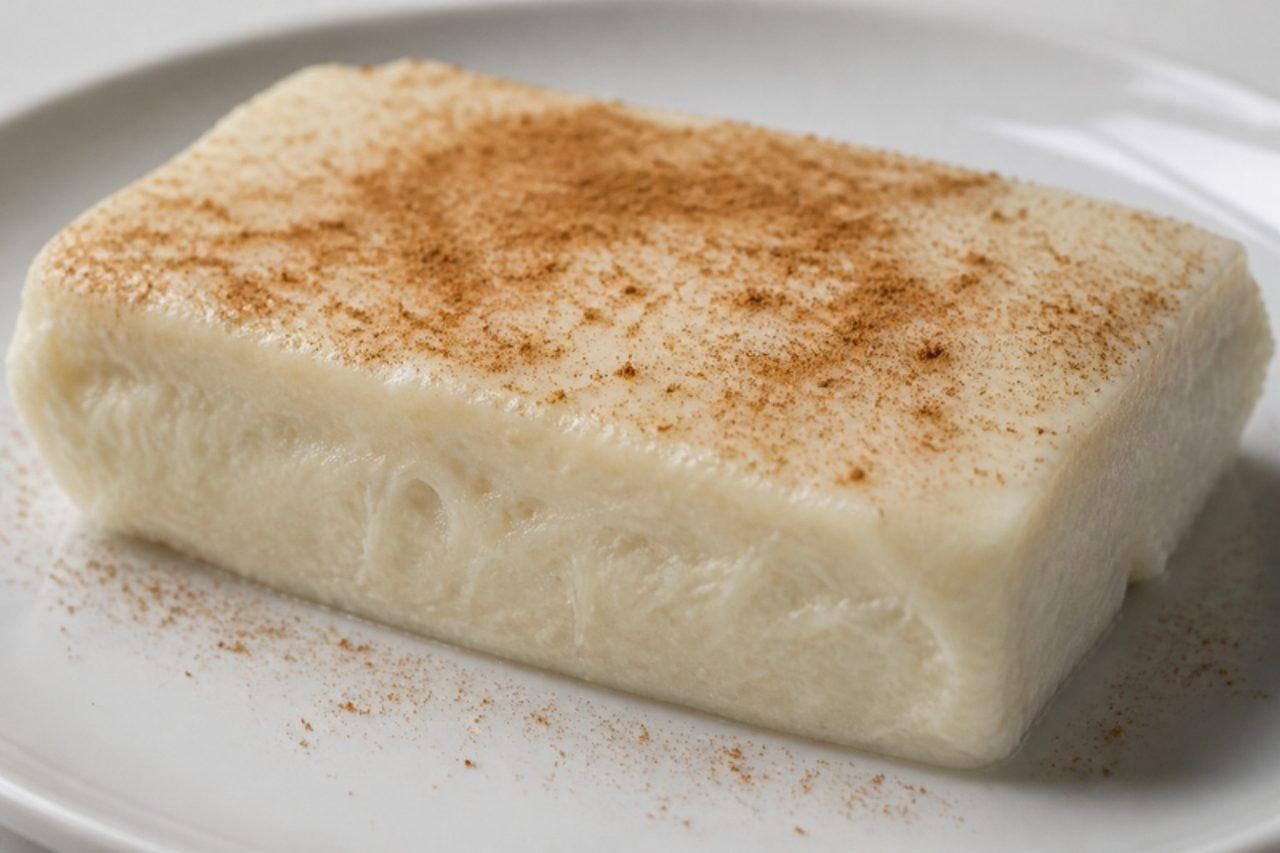
Tavuk göğsü

It surprises everyone the first time, but Istanbul's old muhallebici shops still make this silky milk pudding with chicken breast pounded into fine threads, a recipe from the Ottoman palace kitchens. You cannot taste the chicken; it gives the pudding a stretchy, almost chewy body and a pearly look. Serve it cold with a heavy dusting of cinnamon. This dessert contains meat, so it is not vegetarian. Chef's tip: boil the chicken without salt and rinse the shreds several times in cold water; any savoury taste left behind will show in the finished pudding.

by KrazyBadal 0 views

Showing 24 of 174 recipes

Show more recipes

Page 1 of 8