Skip to content
WhatToEat.Today

All recipes

246

Vegetarian, or something you can't eat? Set your diet once and we'll hide recipes that don't fit.

CanoasPlantain boats with beef

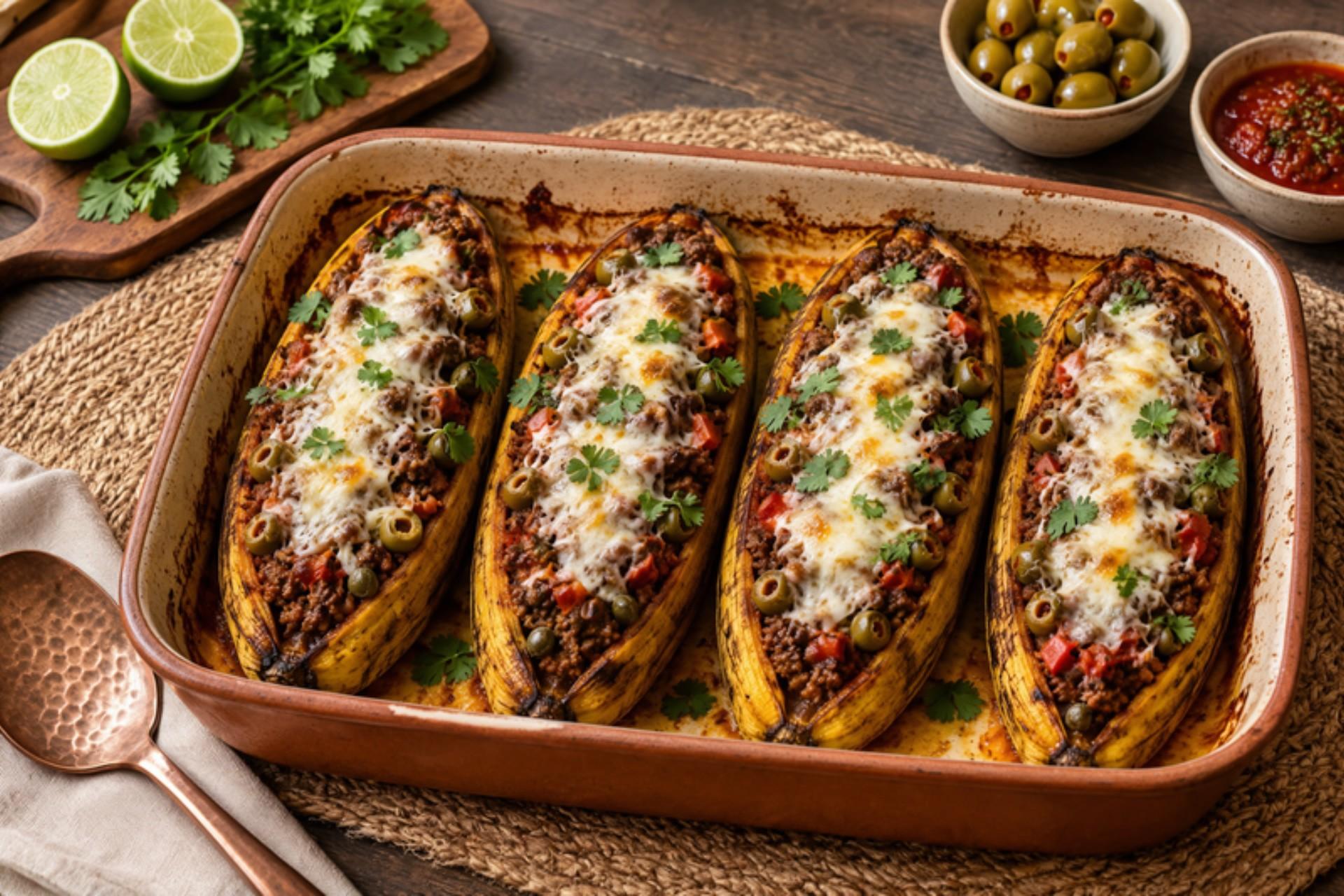
Canoas, or canoas de plátano maduro, are a Puerto Rican family dinner and party dish from Arecibo to Caguas: whole ripe plantains are baked until soft, slit along the top like a canoe and stuffed with savoury picadillo, then topped with cheese and baked again. Sweet plantain and salty, olive-studded beef is the whole point. The common mistake is using plantains that are too green, which never turn sweet or soft; choose them yellow with plenty of black. The beef must reach 71 °C, and the canoas are ready when the cheese bubbles. Use a cheese made without animal rennet if you avoid it. Chef's tip: brush the plantain skins with oil before the first bake, so they stay supple and don't split.

by KrazyBadal 0 views

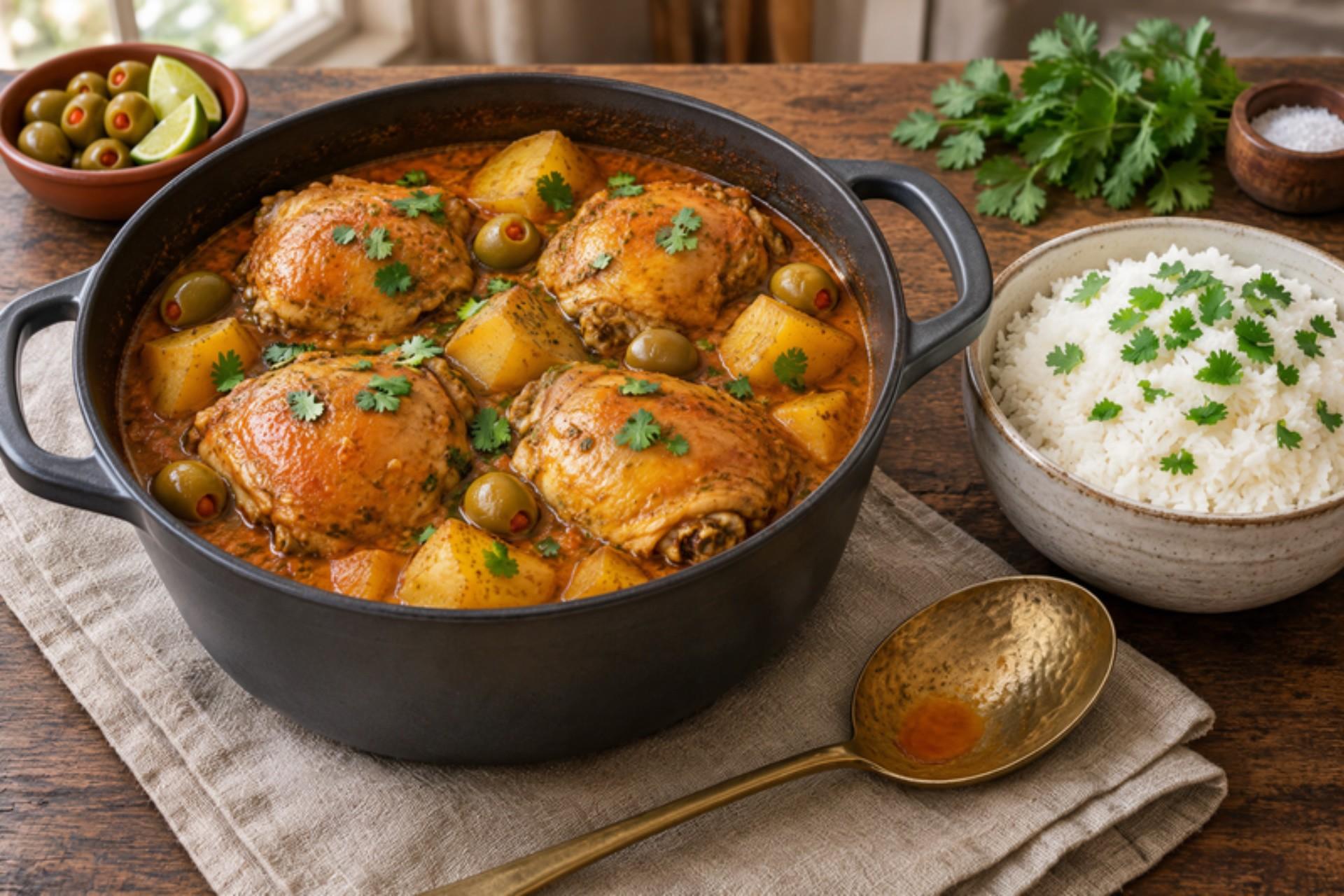
Pollo guisado puertorriqueñoBraised chicken with sofrito

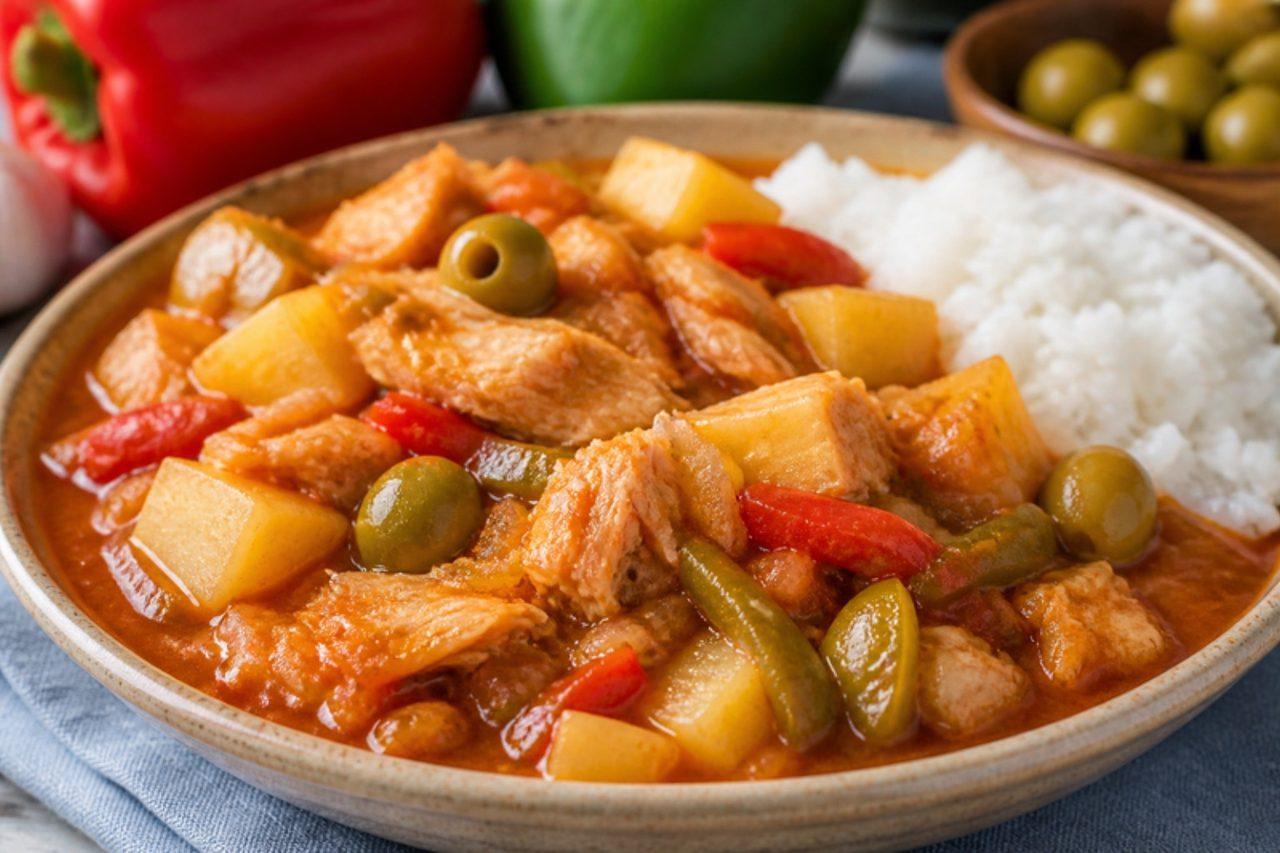
Pollo guisado is everyday comfort in Puerto Rican homes, the weeknight pot from Mayagüez to Orlando that turns a few chicken thighs into a rich, saucy stew for rice and beans. The chicken is seasoned with adobo-style garlic and oregano, browned, then braised in sofrito and tomato with potatoes, peppers and olives until the sauce is thick and orange from achiote. The common mistake is using skinless breast, which dries out and turns stringy in a long braise; bone-in thighs and drumsticks stay juicy. It is done when the thickest piece reaches 74 °C and the meat starts to pull away from the bone. Chef's tip: leave the browned skin on for flavour and spoon off the extra fat before serving.

by KrazyBadal 0 views

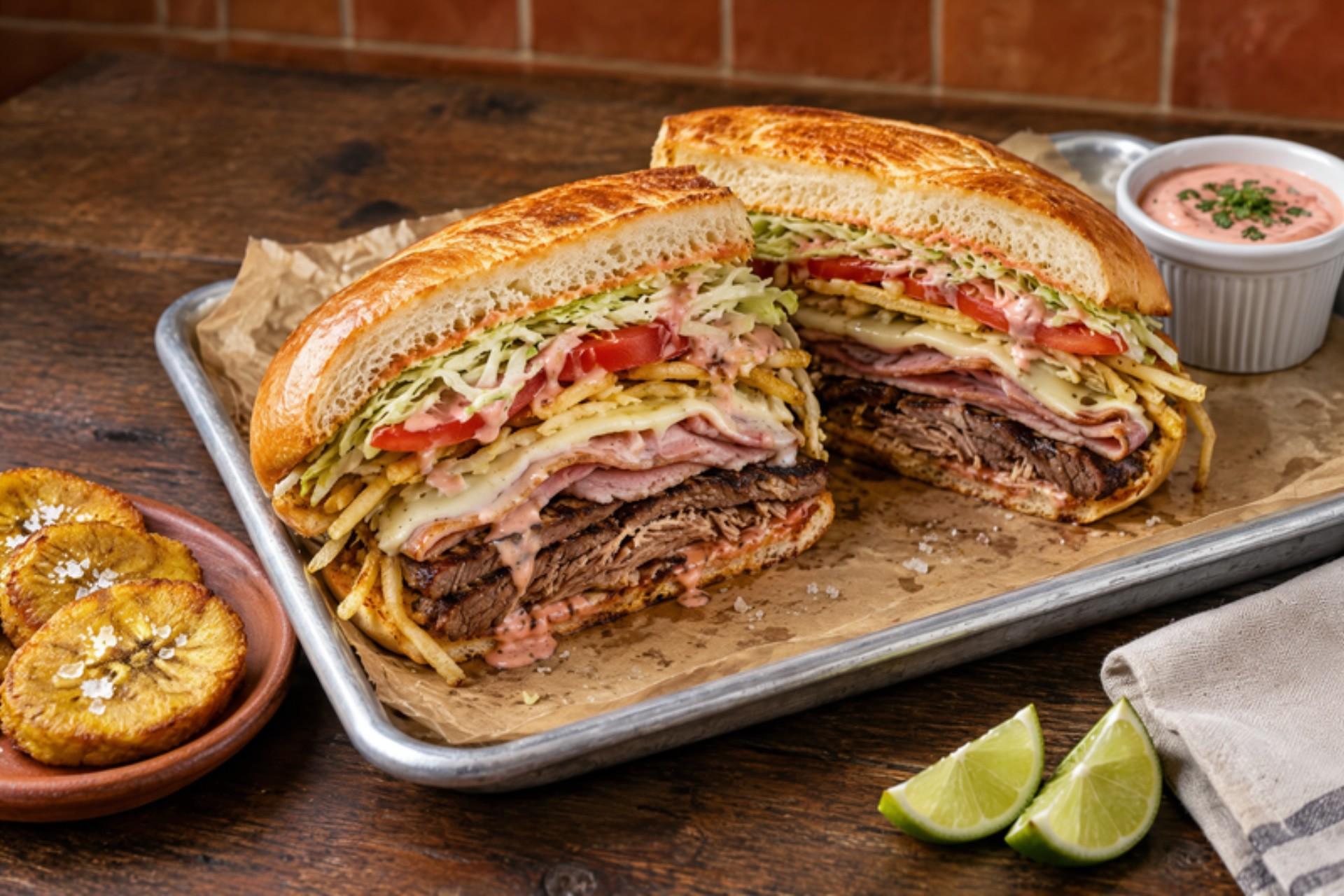
TripletaThree-meat sandwich

The tripleta is the late-night star of Puerto Rico's food trucks and roadside chinchorros, especially around Piñones and the San Juan nightlife. A soft, long pan sobao roll is stuffed with three meats: thin marinated beef steak, chicken and ham, with melted cheese, shredded cabbage, tomato, crunchy potato sticks and a ketchup-mayo pink sauce. This version contains pork (ham). It contains wheat, milk and egg. The usual mistake is piling cold meats in, which leaves the sandwich lukewarm and the cheese unmelted; griddle the meats and ham hot and close the roll on the griddle. The chicken is done at 74 °C. Chef's tip: press the closed sandwich on the griddle under a heavy pan for a minute, so the outside crisps and everything melds.

by KrazyBadal 0 views

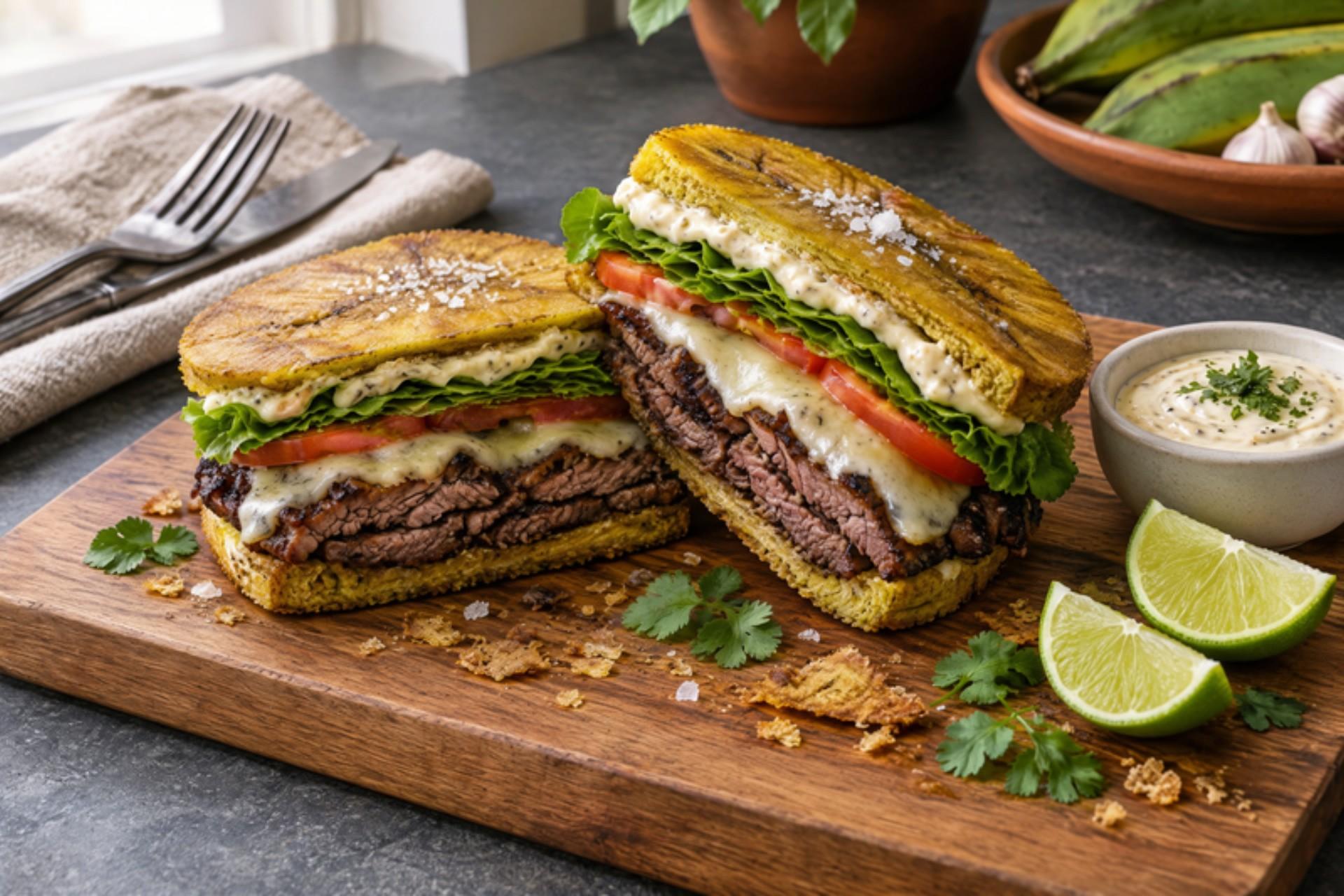
JibaritoPlantain steak sandwich

The jibarito was created in the 1990s at a Puerto Rican restaurant in Chicago's Humboldt Park and is now on menus across the city and back on the island. Instead of bread, two flattened, twice-fried green plantains hold thin garlicky steak, melted cheese, lettuce, tomato and garlic mayonnaise. It contains egg (mayonnaise) and milk. The mistake is using ripe yellow plantains, which are sweet and too soft to hold the filling; you need hard green ones. The plantain is ready when golden and crisp on the outside but still pliable, and the steak needs only a minute a side. Choose a cheese made without animal rennet if you avoid it. Chef's tip: flatten the plantain halves between a folded freezer bag with a heavy pan, so they spread wide and don't stick.

by KrazyBadal 0 views

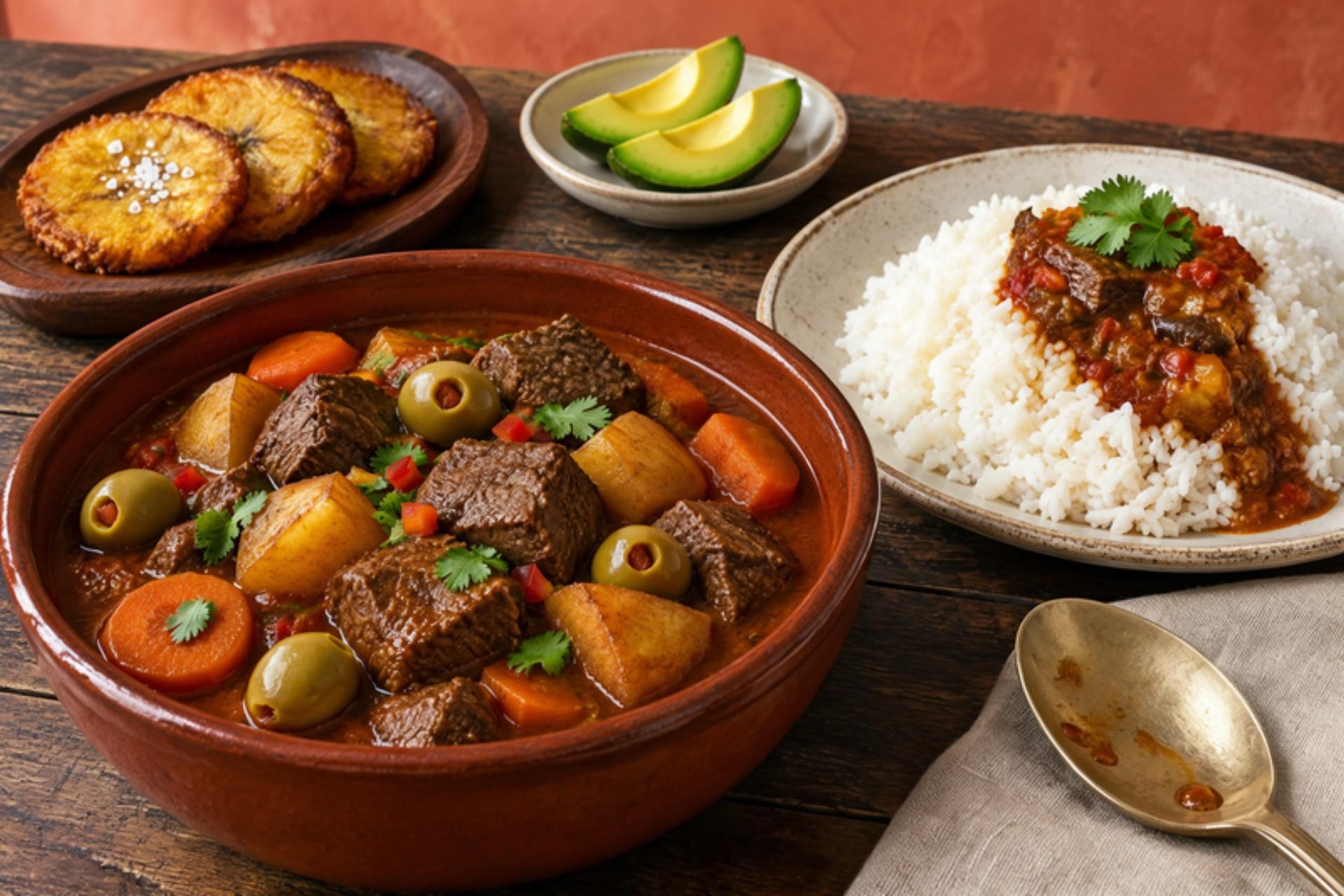
Carne guisada puertorriqueñaBeef stew with sofrito

Carne guisada is the Puerto Rican stew that simmers on Sunday stoves from Bayamón to the Bronx, served over white rice with habichuelas and a few tostones. Chunks of beef are browned, then braised in sofrito, tomato sauce and a little achiote with potatoes, carrots and briny alcaparrado until the meat falls apart and the sauce turns thick and glossy. The usual mistake is crowding the pan when browning, which steams the beef grey and loses the deep flavour; brown it in batches. It is done when a piece of beef breaks apart easily with a spoon. Chef's tip: make your own sofrito by blending onion, green pepper, garlic, culantro and coriander; a big batch freezes in ice-cube trays for months.

by KrazyBadal 0 views

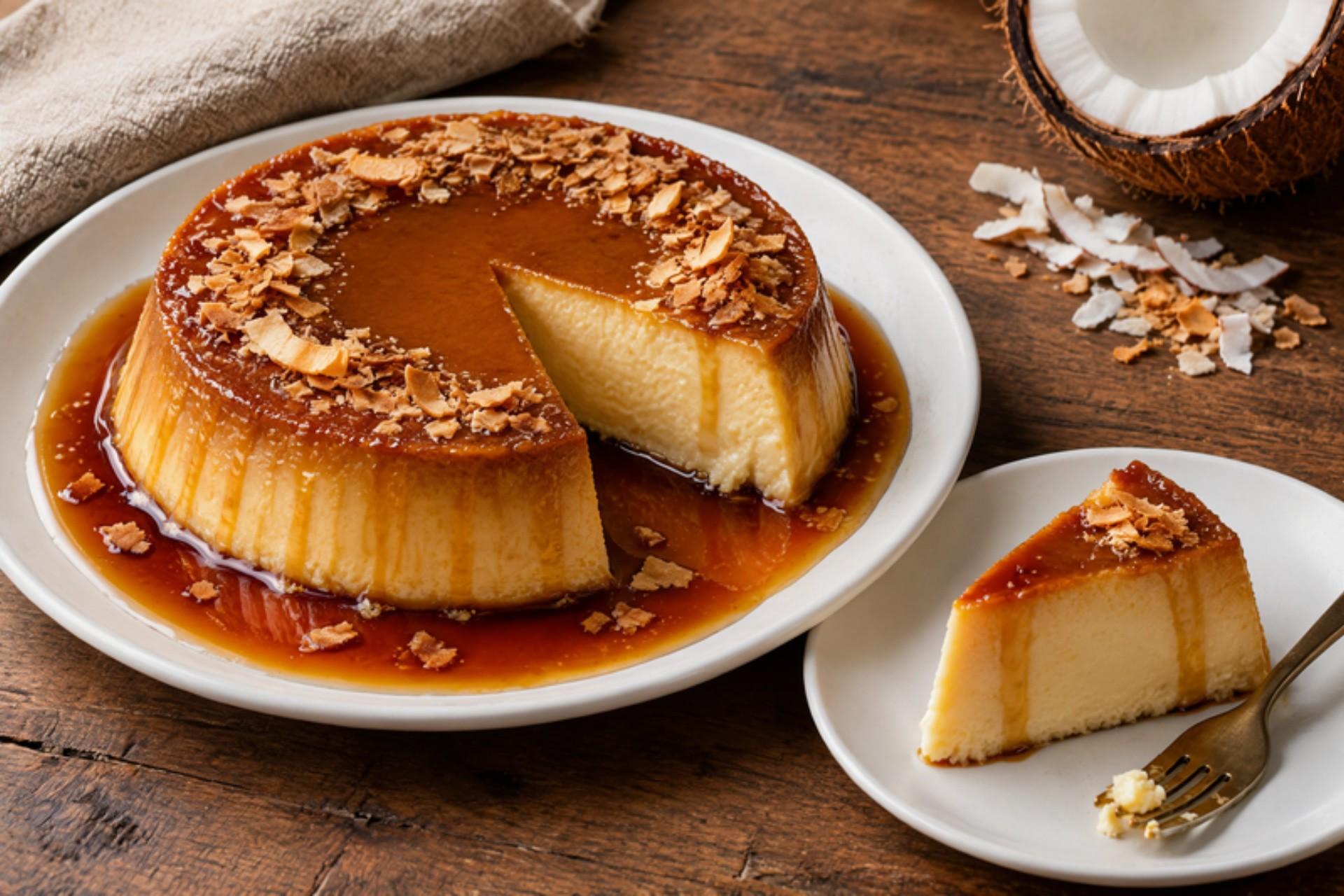
Flan de cocoCoconut caramel custard

In Puerto Rico flan de coco is the dessert of Nochebuena, Three Kings' Day and every family birthday from San Juan to Ponce, usually sharing the table with tembleque and arroz con dulce. Eggs, coconut milk, condensed and evaporated milk and grated coconut are baked over a dark caramel in a water bath, then turned out so the caramel runs down the sides and the coconut settles into a chewy top layer. It contains milk and egg. The usual mistake is a hot oven without a water bath, which leaves the flan full of holes and weeping; bake it low and slow in hot water. It is done when the edges are set and the centre wobbles like jelly when nudged. Chef's tip: chill it overnight before turning it out; a warm flan cracks and sticks.

by KrazyBadal 0 views

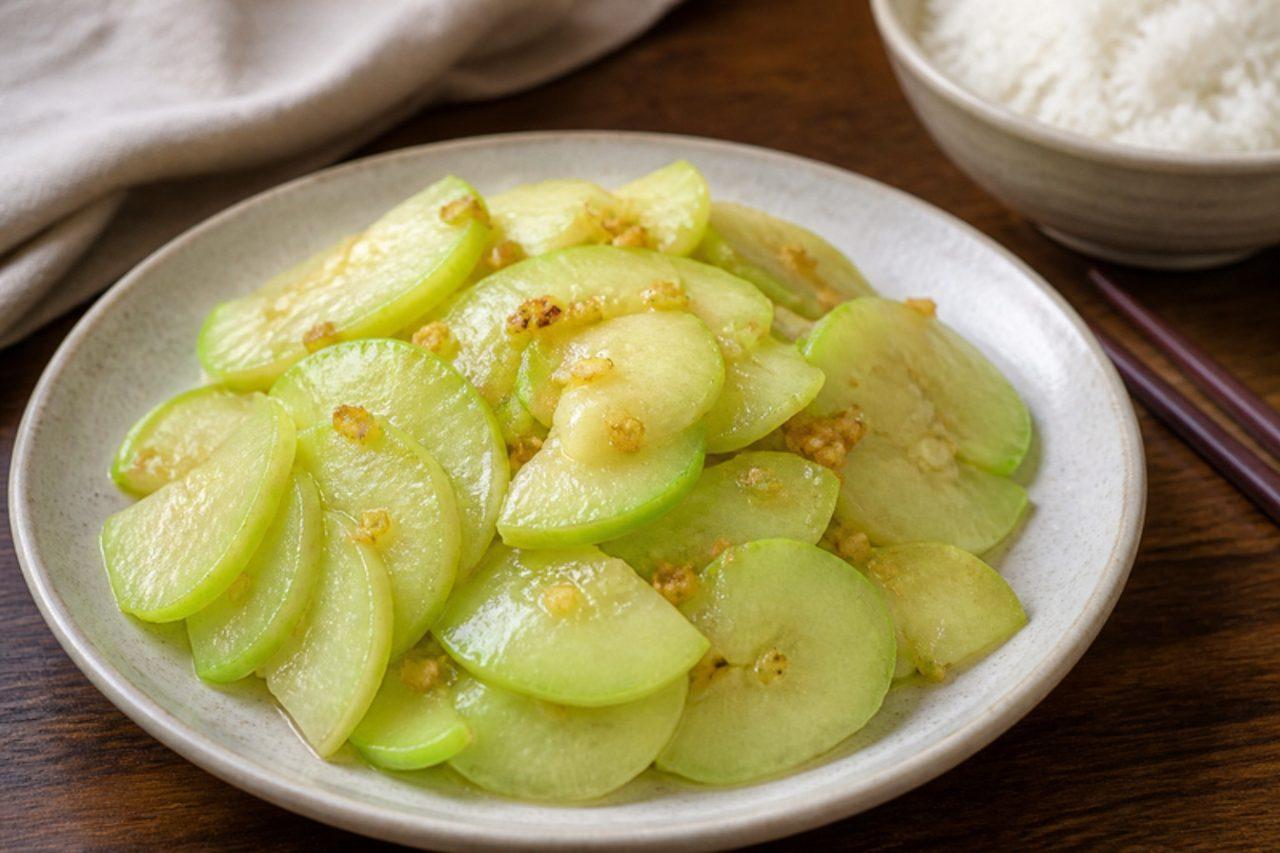
Su su xào tỏiGarlic stir-fried chayote

Su su xào tỏi is one of the cheapest, quickest vegetable dishes on the Vietnamese family table, especially in Hanoi and the cool highlands around Đà Lạt where chayote grows on every fence. Thin slices of the pale-green squash are stir-fried with crushed garlic until glossy and just tender, keeping a fresh crunch, and eaten with rice, a soup and a braised dish. Some cooks season it with fish sauce; salt and a pinch of sugar keep it vegan. The common mistake is cutting thick slices, which stay raw in the middle by the time the outside softens; slice no thicker than 3 mm. Chef's tip: peel chayote under running water or with gloves, because the sap makes hands sticky and tingly.

by KrazyBadal 0 views

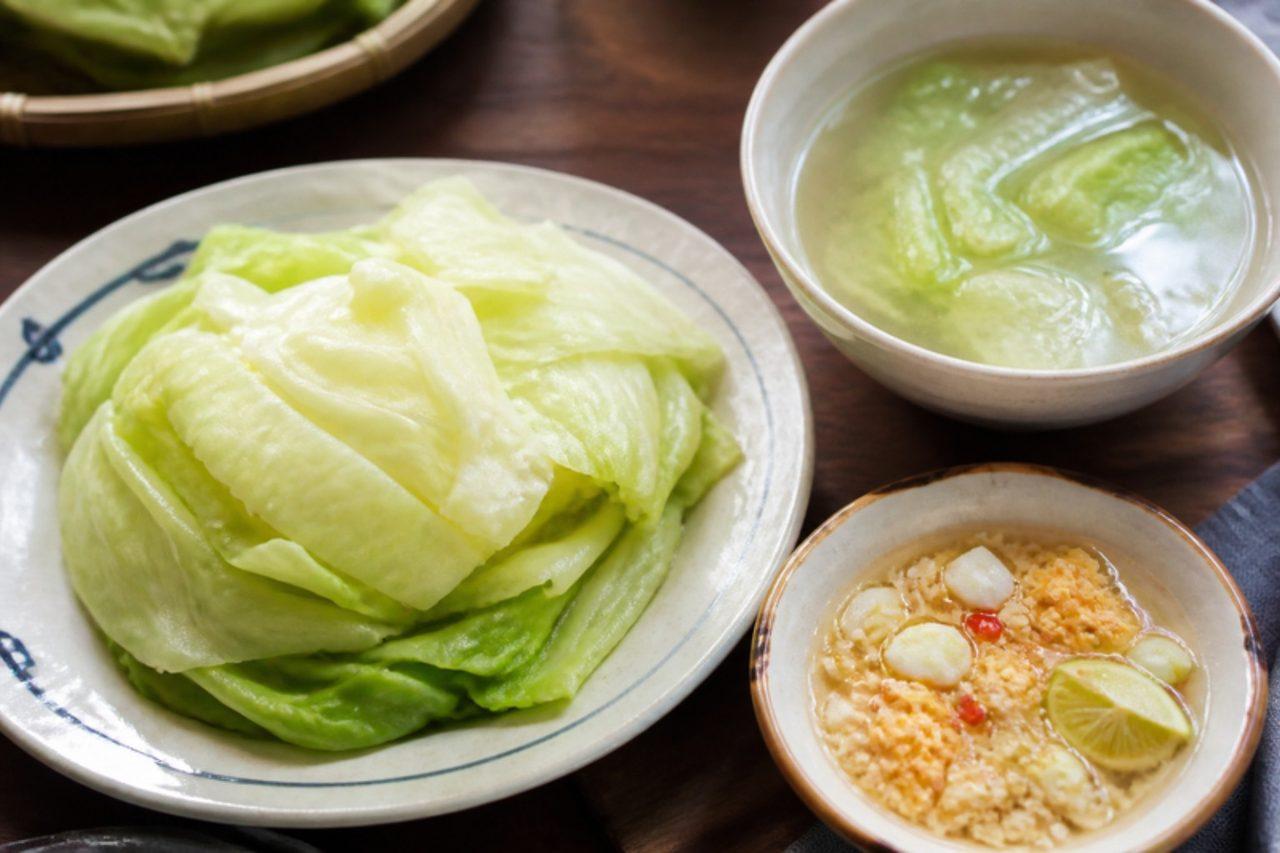
Bắp cải luộc chấm trứngBoiled cabbage with egg dip

In northern Vietnam, especially in Hanoi family homes, boiled cabbage with egg-mashed fish sauce turns up on the everyday dinner tray, most of all in the cooler months when cabbage is sweet. The cabbage is boiled until just tender, the cooking water becomes a light soup to drink with rice, and hard-boiled egg is crushed into fish sauce with lime and chilli for dipping. It contains fish sauce, so it isn't vegetarian. The common mistake is boiling the cabbage too long, until it goes limp and smells of sulphur; take it out while the ribs still have a little bite. Chef's tip: mash the yolks into the fish sauce first so they dissolve into a creamy dip, then stir in the chopped whites.

by KrazyBadal 0 views

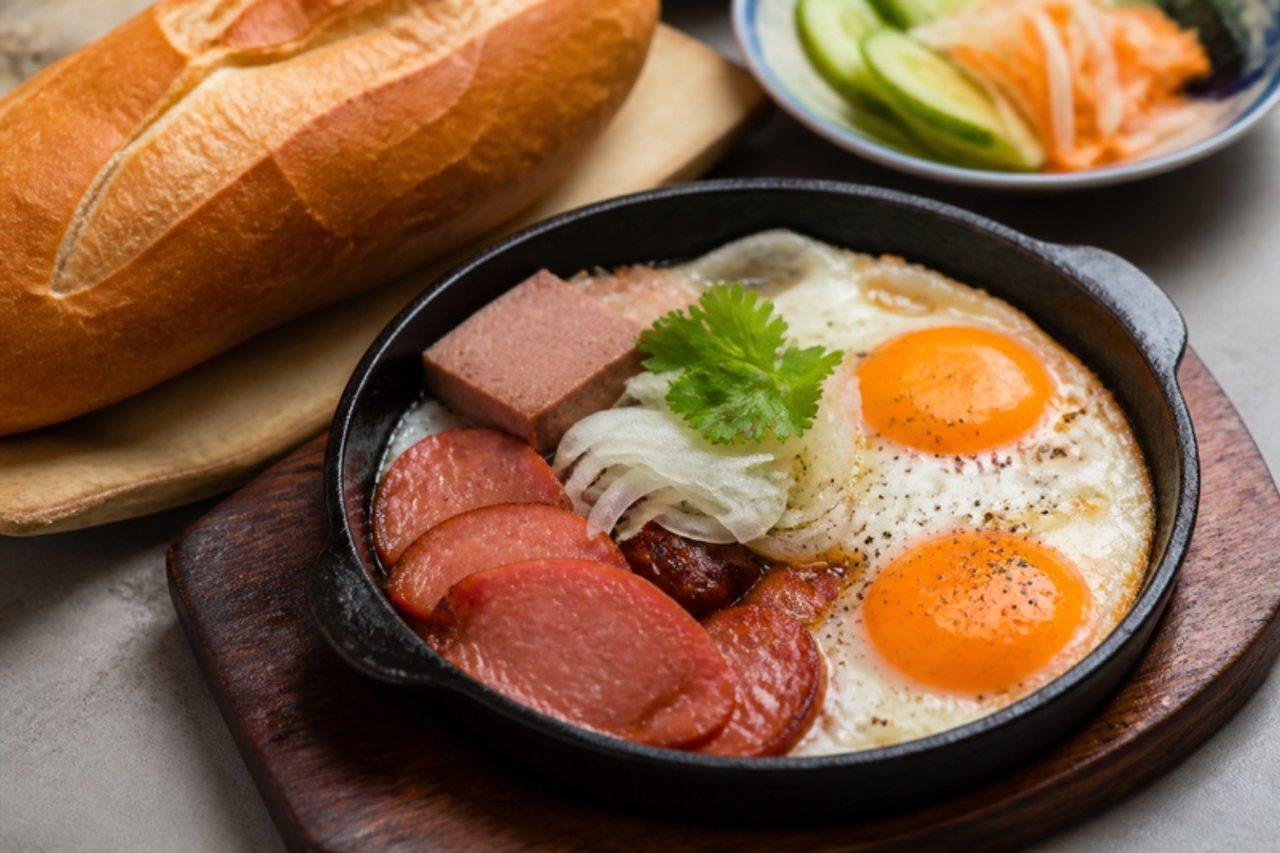
Bánh mì chảoSkillet eggs, pâté and baguette

Bánh mì chảo, 'pan bread', is served at Saigon breakfast stalls in small black skillets still spitting from the stove, and more and more people eat it for a quick dinner too. Eggs are fried with sliced onion beside pork liver pâté and pork sausages, then you tear a crisp baguette and mop everything up with chilli sauce and a little soy. It's rich, so serve cucumber and tomato beside it. This dish contains pork. The common mistake is crowding the pan, so the eggs steam instead of frying with crisp, lacy edges. Chef's tip: get the pan really hot before the eggs go in, and warm the baguette in the oven so the crust shatters.

by KrazyBadal 0 views

Dowina (Kurdish yogurt soup)

Dowina, called ash-e doogh in Persian, is warming spring food in Kurdish homes around Newroz, when yogurt is plentiful and the first herbs are cut from the garden. Rice and chickpeas simmer in a tangy, lightly thickened yogurt broth, finished with fresh dill, coriander and a sizzle of dried mint in oil. It is eaten warm, never boiling hot, with flatbread. The common mistake is to heat the yogurt too fast without stirring, which makes it split into grainy curds. Chef's tip: whisk an egg yolk and a spoonful of rice flour into the yogurt before it goes on the heat; it holds the soup smooth all the way to the simmer.

by KrazyBadal 0 views

KalanehWild leek stuffed flatbread

In Kurdistan and Kermanshah, Newroz arrives with the first spring greens on the hillsides, and families gather wild leeks to fold into kalaneh, thin griddle breads cooked over a fire or a hot pan and soaked in melted butter. The dough is plain and soft, rolled very thin around a pile of chopped leek or chives with a little salt and pepper, so the greens steam inside as the bread blisters. Eat it hot, torn into strips, with yogurt and tea at a Newroz picnic. The common mistake is wet greens, which turn the dough soggy and make it tear; dry them well after washing. Chef's tip: brush the butter on the moment the bread leaves the pan so it soaks right in.

by KrazyBadal 0 views

Bacalao guisadoStewed salt cod

In Puerto Rico, bacalao guisado is the dish of Lent and above all Good Friday, when meat is not eaten. Soaked salt cod is stewed with sofrito, tomato sauce, potatoes, olives, capers and peppers until thick and fragrant, and served with white rice, boiled root vegetables (viandas) or avocado. It is homely, salty-sweet and very comforting. Chef's tip: soak the cod in the fridge for a day and a half and taste it before seasoning; most of the salt in the stew comes from the fish.

by KrazyBadal 0 views

Chè kho (mung bean fudge pudding)

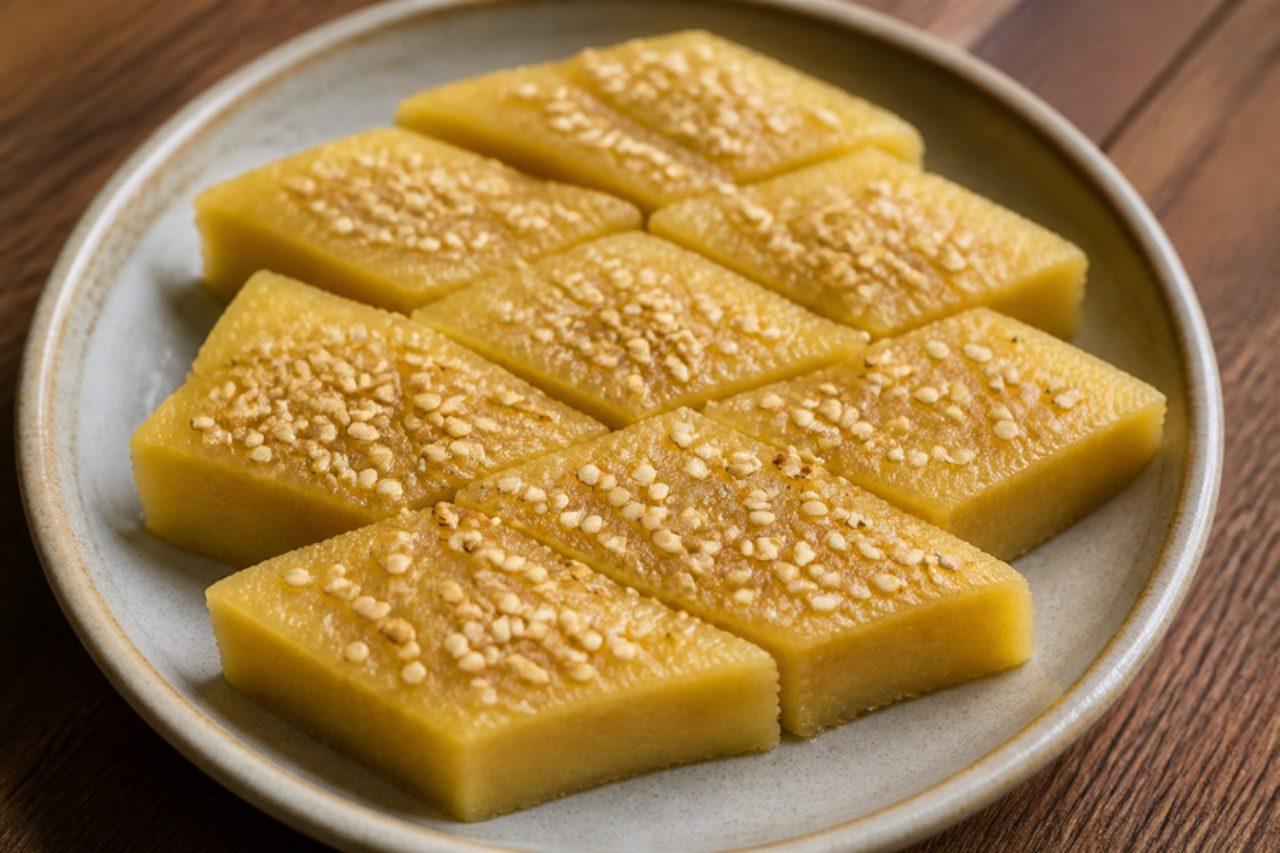
On New Year's Eve and the last days of Tết, Hanoi families place a plate of chè kho on the ancestors' altar: a smooth, golden mung bean fudge whose sweetness asks for a gentle, prosperous year. 'Kho' means cooked down dry, and that is the whole technique, stirring the bean purée with sugar until it becomes a thick, glossy paste that can be cut. It tastes nutty and delicately floral from grapefruit-blossom water, with a crunch of sesame on top. Serve small slices with lotus or green tea. Chef's tip: use a heavy non-stick pan and a wooden spoon, and never leave it; the paste catches in seconds once it thickens.

by KrazyBadal 0 views

Mứt sen (candied lotus seeds)

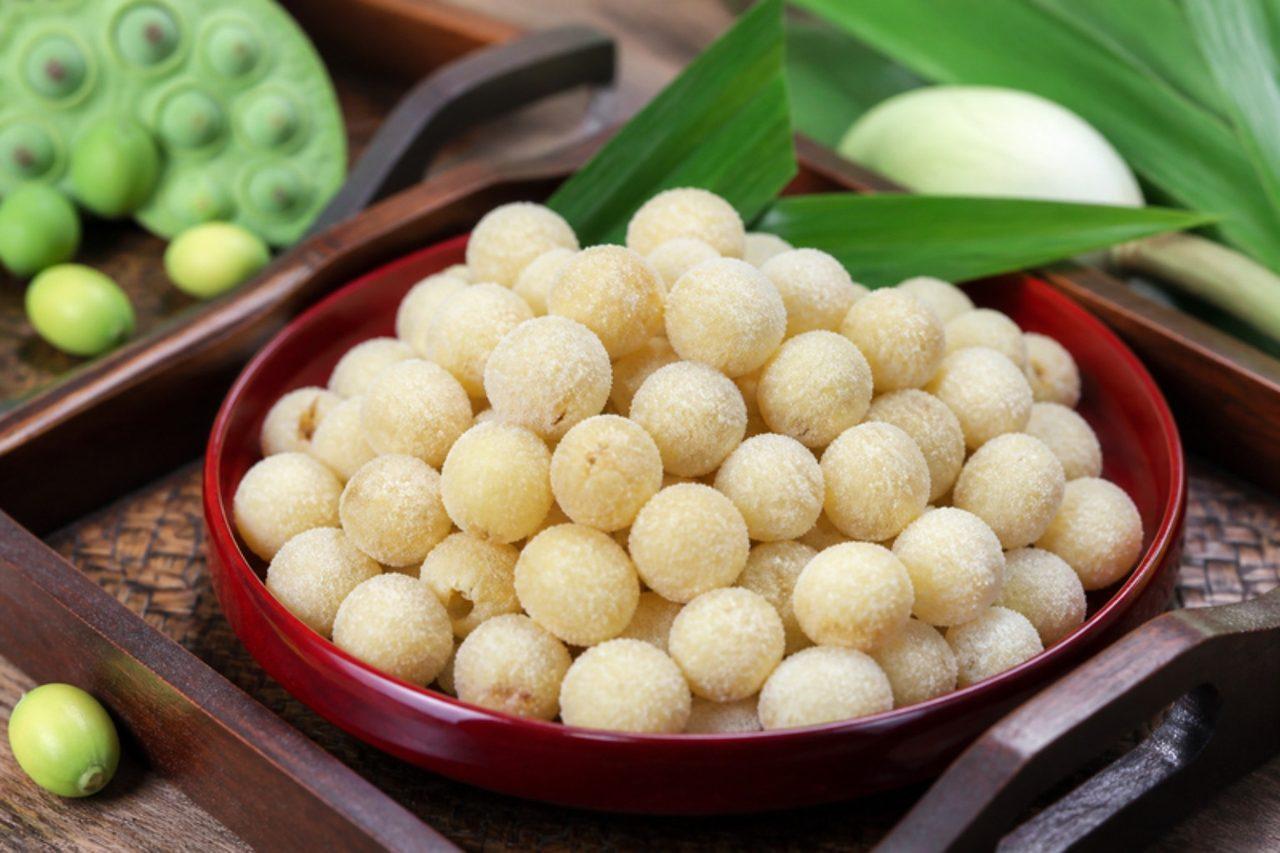
No Tết candy tray in Hanoi or Huế looks complete without a mound of mứt sen, the ivory lotus seeds that stand for purity and, because a lotus pod holds so many seeds, for a family blessed with many descendants. Done well, each seed is soft and floury inside, almost like chestnut, under a dry, sparkling shell of sugar. Guests nibble them with a pot of hot green or lotus tea while they swap New Year wishes. Fresh seeds are best; dried ones from Asian grocers work if soaked overnight first. Chef's tip: pull out every green germ in the centre, because a single bitter heart spoils the sweet mouthful.

by KrazyBadal 0 views

Giò thủ (pressed pork roll)

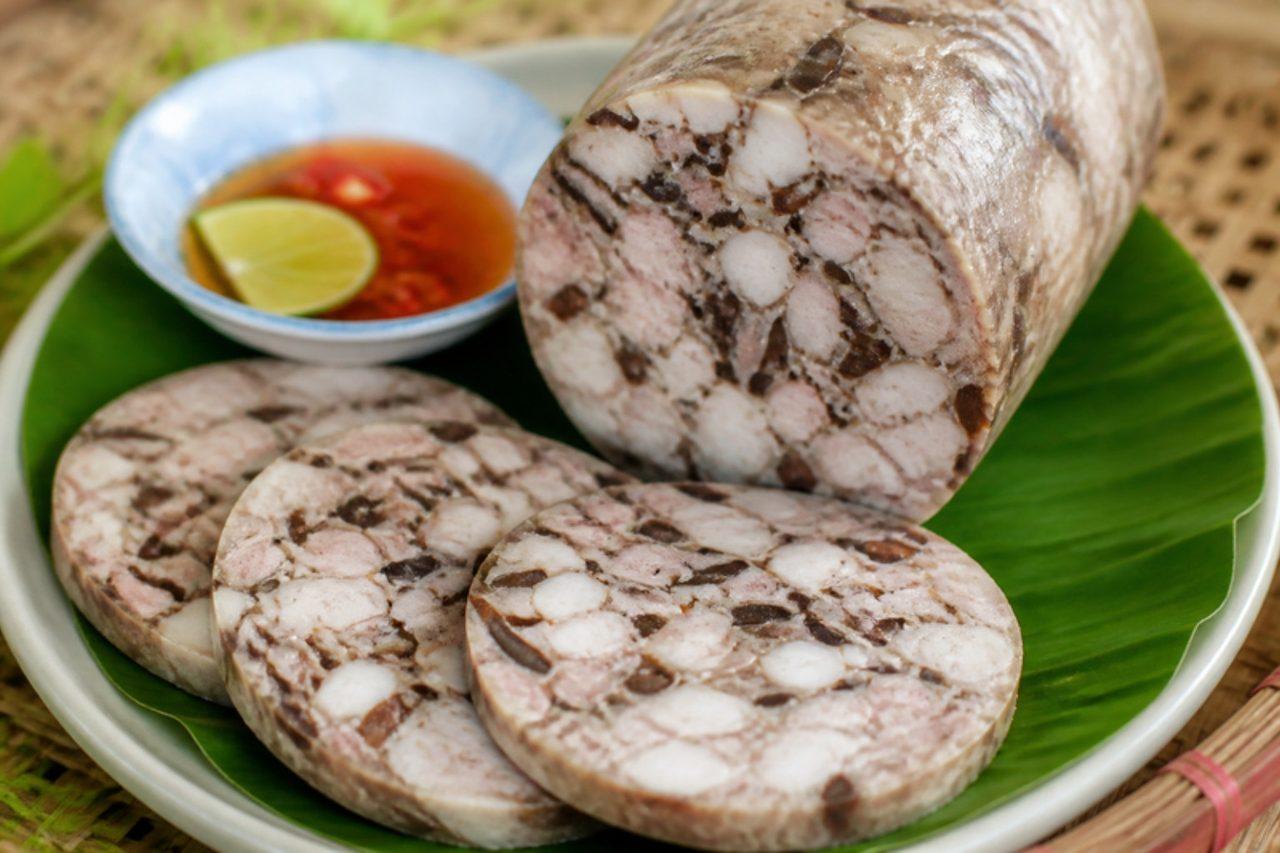
Giò thủ is a northern Tết classic, a mosaic roll made from pork ear, pork tongue and boneless pork cheek meat with crunchy wood ear mushrooms and plenty of black pepper. Using these cuts is an old way of honouring the whole animal at the year's biggest feast, and the roll's neat round slices are a wish for a complete, well-ordered year. The pieces are boiled, sliced, stir-fried with fish sauce and packed hot into banana leaf, where their natural gelatine binds them as they cool. Every slice is crunchy, chewy and peppery; serve with pickled shallots, fish sauce with lime and chilli, and bánh chưng. Chef's tip: pack and press the filling while it is still very hot; once it cools the gelatine sets and the roll will not hold together.

by KrazyBadal 0 views

Mứt bí (candied winter melon)

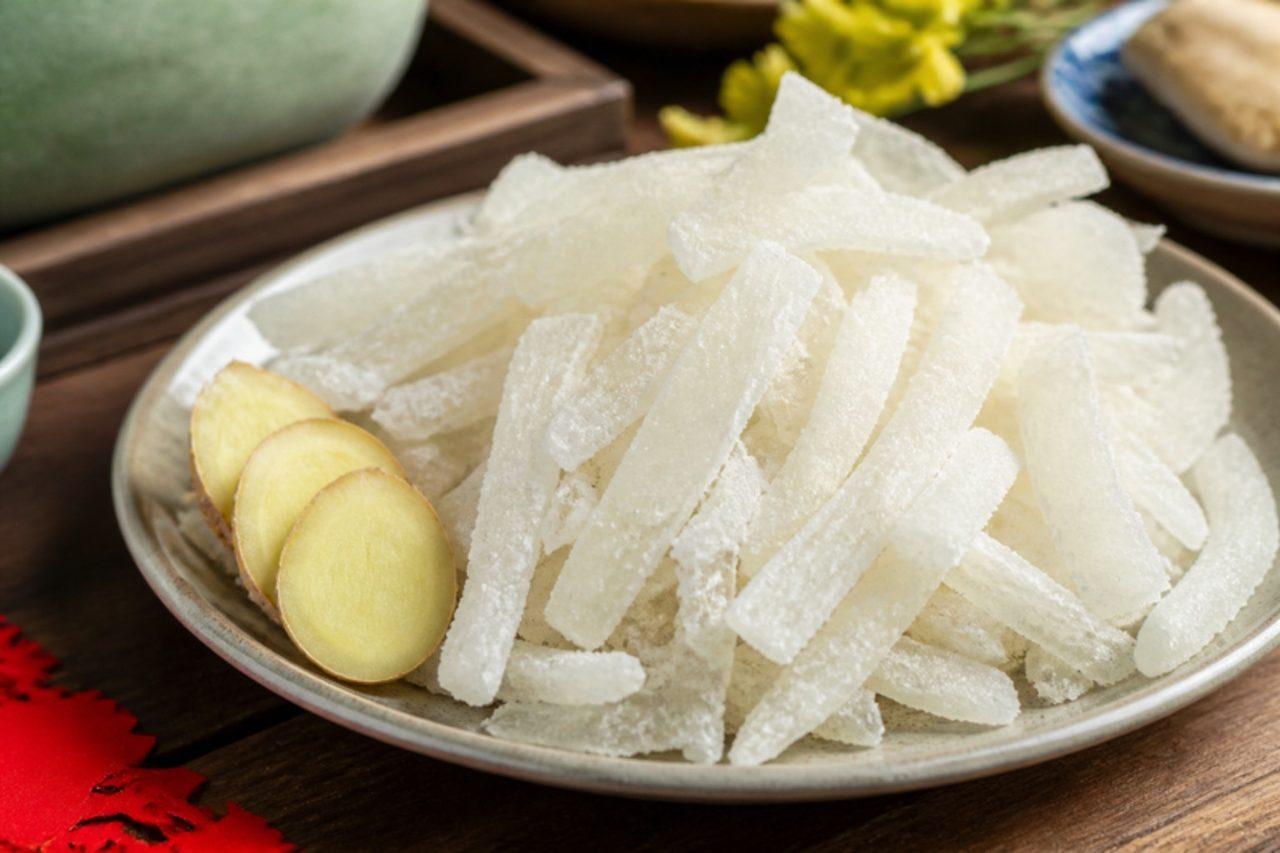
Pale as rice paper and crunchy at the edge, mứt bí is one of the cheapest and best-loved sweets on the Tết candy tray all over Vietnam; its white colour stands for a clean, bright start to the year. The melon is first firmed in clear lime water made with food-grade slaked lime (vôi ăn, calcium hydroxide, sold for pickling), which sets the outside so the batons stay crisp while the sugar soaks in. If you would rather not use lime, a quick blanch and longer drying gives a softer but still delicious result. Serve with green tea, or with candied ginger and coconut. Chef's tip: choose an old, heavy winter melon with a dusty white skin; young ones are watery and collapse in the syrup.

by KrazyBadal 0 views

Nộm su hào (kohlrabi and carrot salad)

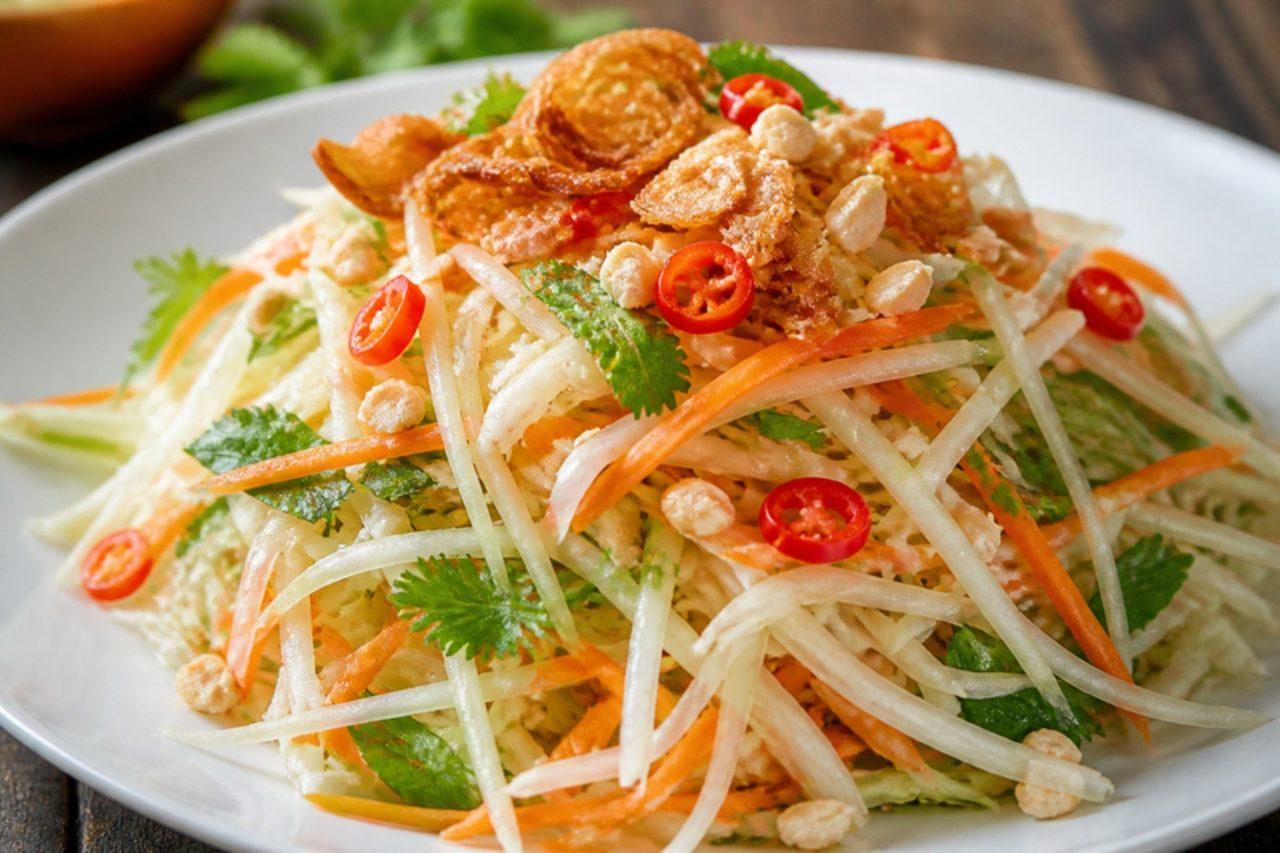
When the Tết table in northern Vietnam fills with sticky rice cakes, pork in aspic and boiled chicken, a plate of nộm su hào brings freshness and balance, and its bright colours are a cheerful sign for the new year. Kohlrabi is at its sweetest in the northern winter, so it is shredded with carrot, salted to draw out water and dressed with fish sauce, lime, sugar, garlic and chilli, then finished with roasted peanuts and Vietnamese herbs. It is crisp, juicy and tangy; serve it beside rich meats or bánh chưng. For a vegetarian version, a soy dressing is given in the last step. Chef's tip: squeeze the salted vegetables really dry, or the dressing turns watery and dull.

by KrazyBadal 0 views

Bánh in (pressed rice-flour cakes)

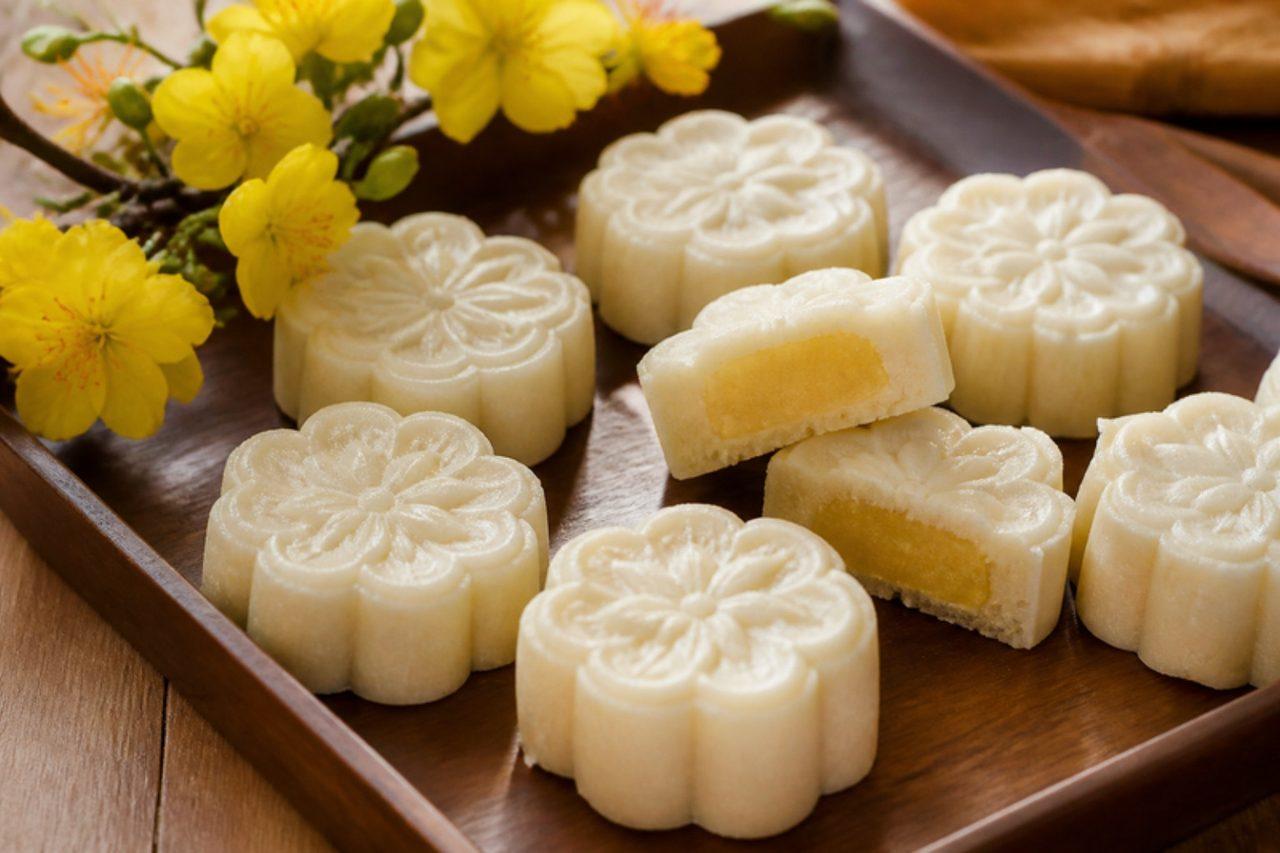
Bánh in, literally 'printed cakes', come from Huế and central Vietnam, where they are stacked on the Tết altar for the ancestors and later shared with guests; the moulds stamp flowers or the characters for luck and longevity into each cake. The dough is just toasted glutinous rice flour bound with fragrant syrup, so the cakes are crumbly-soft, melt in the mouth and taste nutty, with a smooth mung bean heart. Serve them with jasmine or artichoke tea. Any wooden or plastic mooncake mould of about 40 g works. Chef's tip: let the pressed cakes rest overnight in a closed tin; they firm up and the flavour of the toasted flour deepens.

by KrazyBadal 0 views

Kẹo cu đơ (Hà Tĩnh peanut and ginger candy)

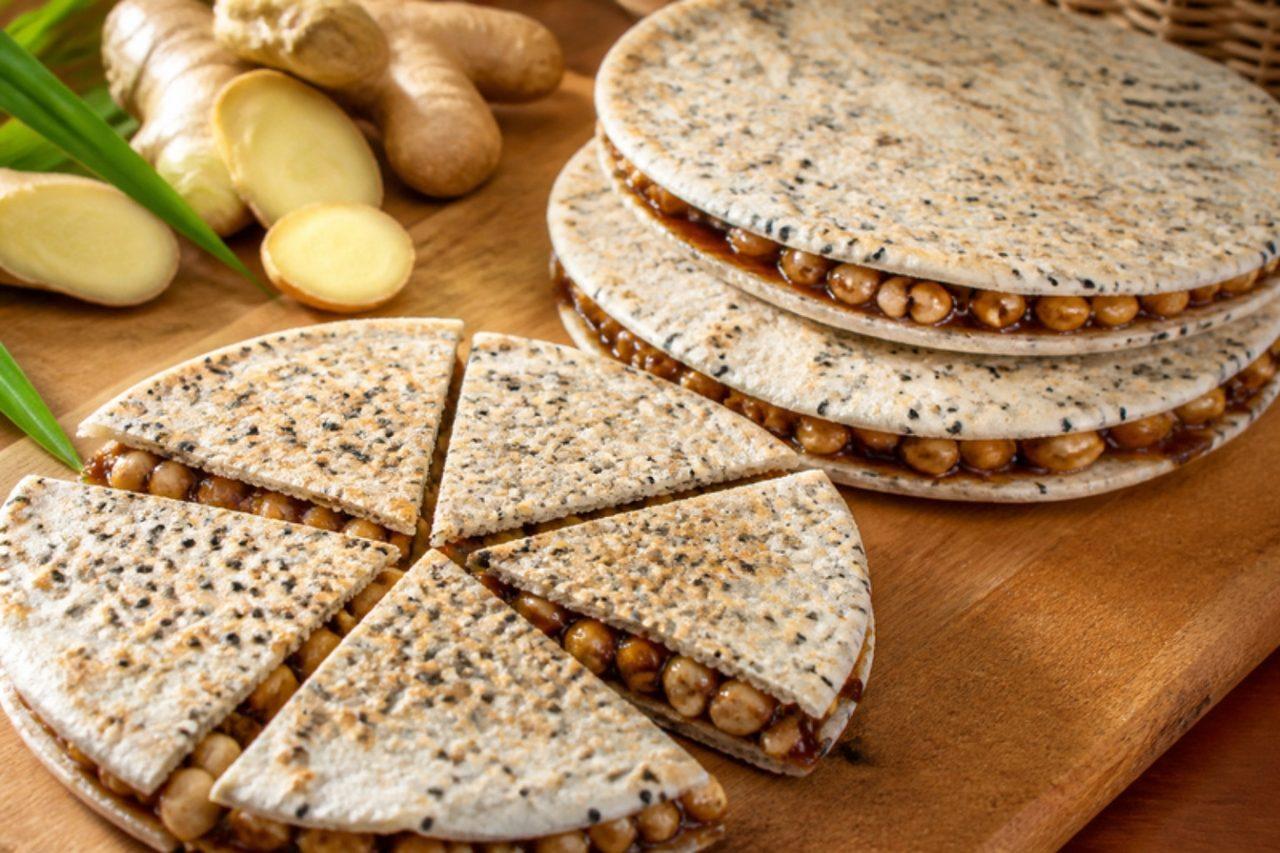
Kẹo cu đơ belongs to Hà Tĩnh province in north-central Vietnam, where it is chewed slowly with a cup of strong green tea, especially on cold mornings and during Tết visits. Roasted peanuts are folded into a dark, sticky toffee of sugarcane molasses and malt syrup, sharpened with fresh ginger, and the hot mass is sandwiched between two crisp, toasted sesame rice papers. Every bite gives a crackle of rice paper, then a chewy, slightly smoky sweetness and a warm ginger finish. Cut it into wedges and serve it with tea rather than as a pudding. It is naturally egg-free: the molasses and malt syrup are cooked to the hard-ball stage, which is what sets the candy and binds the nuts. Chef's tip: toast the rice papers until they are completely puffed and blistered; the common mistake is under-toasting them, which leaves them leathery once the hot toffee goes on.

by KrazyBadal 0 views

Bánh thuẫn (Tết sponge cakes)

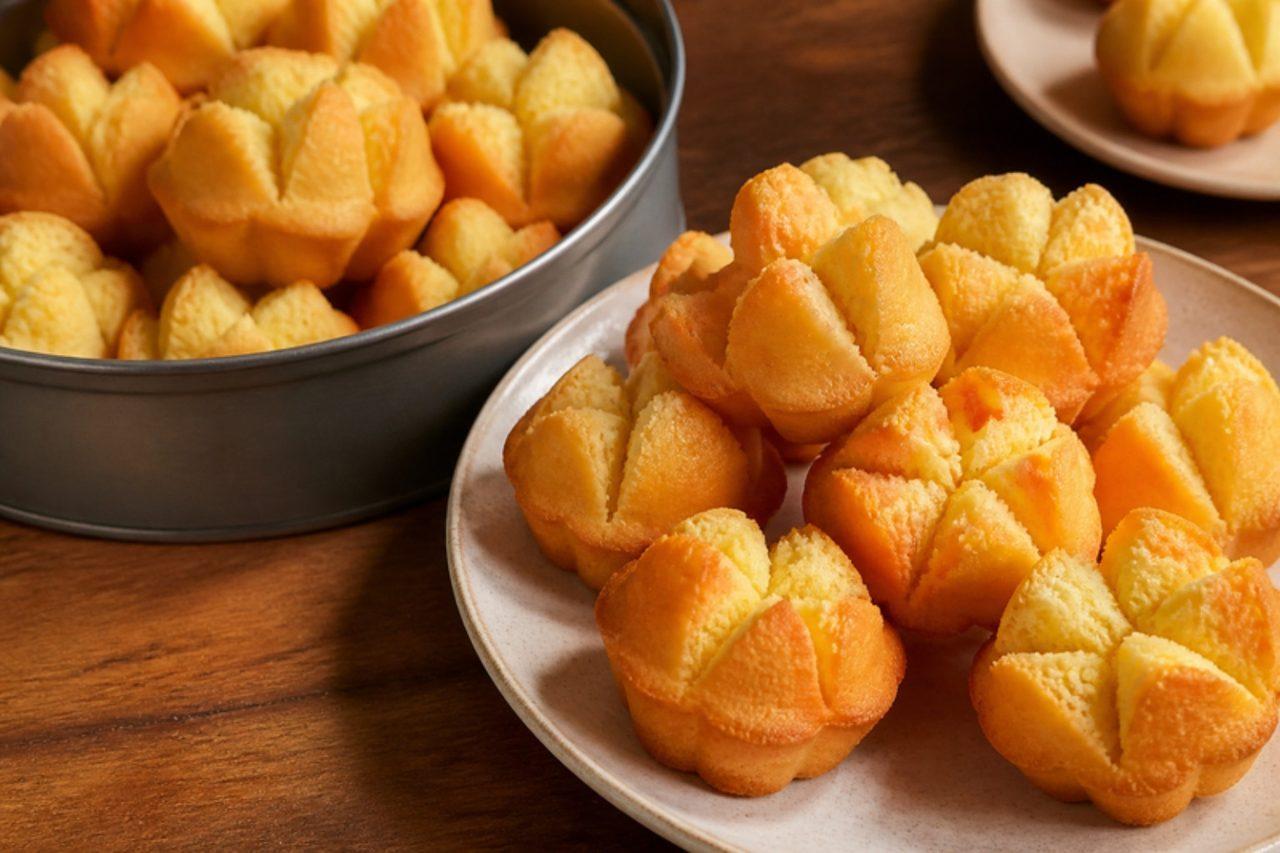
In Huế and across the south, bánh thuẫn are baked in small flower-shaped moulds for the Tết table and ancestor offerings; the top splits open like a blossom as it bakes, and a well-cracked cake is said to bring a year that blooms. They are dairy-free, made only of eggs, sugar and flour, so the texture is springy inside with a golden, crisp rim, a little like a madeleine but airier. Children love them, and they keep in a tin for days, ready for visitors with tea. Chef's tip: heat the oiled moulds in the oven before filling; the batter hitting hot metal is what makes the tops crack into petals.

by KrazyBadal 0 views

Kẹo mè xửng (Huế sesame peanut chews)

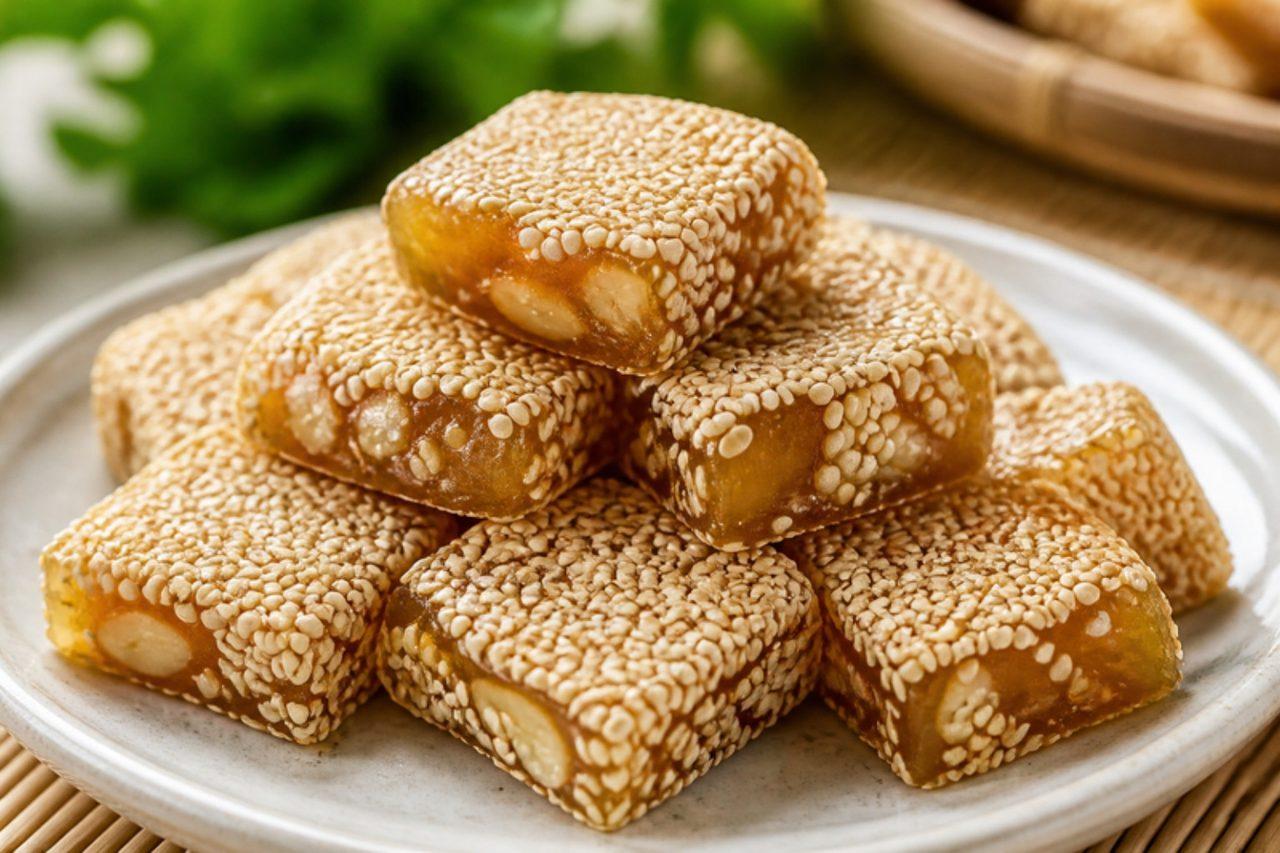
No one leaves the old imperial city of Huế without a box of kẹo mè xửng, the soft sesame chew sold on Đông Ba market stalls and handed out at Tết and on family visits. Rice malt syrup and sugar are cooked with a little tapioca starch into a glossy, stretchy mass, chopped peanuts are folded in, and the slab is pressed between layers of toasted sesame. It chews like a soft toffee, nutty and gently sweet, and the sesame gives every square a roasted fragrance. Serve squares with hot lotus or green tea after dinner. The candy is naturally egg-free: tapioca starch gives it its springy chew and the malt syrup binds it, so nothing else is needed. Chef's tip: oil your knife and cut while the slab is just warm. The common mistake is adding the starch slurry without stirring hard, which leaves white lumps through the candy.

by KrazyBadal 0 views

Xôi vò (mung bean coated sticky rice)

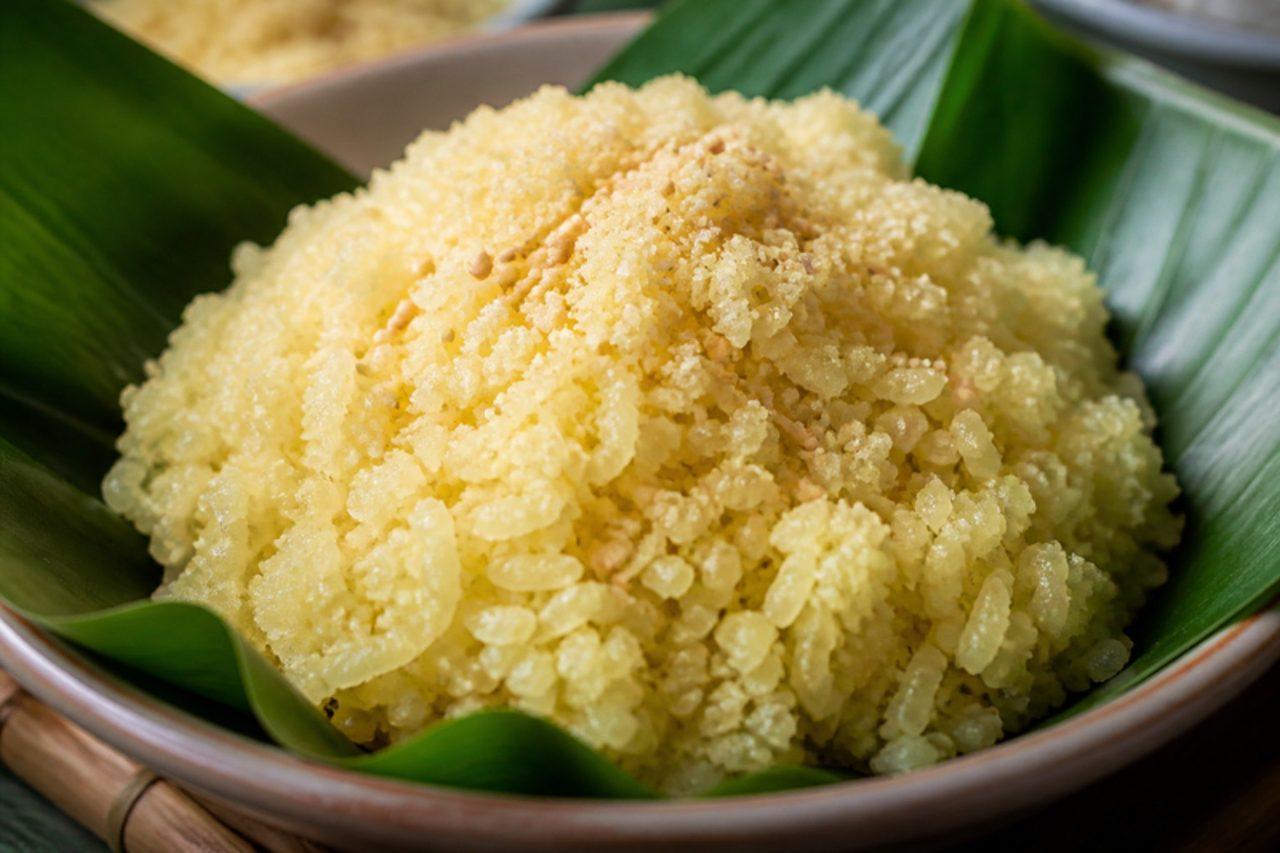
Xôi vò is a Hanoi sticky rice offered at the altar for Vu Lan, the Buddhist full moon of the seventh lunar month when people honour their parents and ancestors, and again on the first days of Tết. Unlike most xôi, it is not a sticky mass: 'vò' means rubbed, and the soaked rice is rubbed with crumbled mung bean so each grain steams up separate, glossy and pale gold. It tastes mild, nutty and lightly salty, and is eaten with chè (sweet soup), a little sugar, or toasted sesame salt. Chef's tip: crumble the warm mung bean paste through a coarse sieve; fine, dry crumbs are what keep the grains apart.

by KrazyBadal 0 views

Thịt đông (pork in aspic)

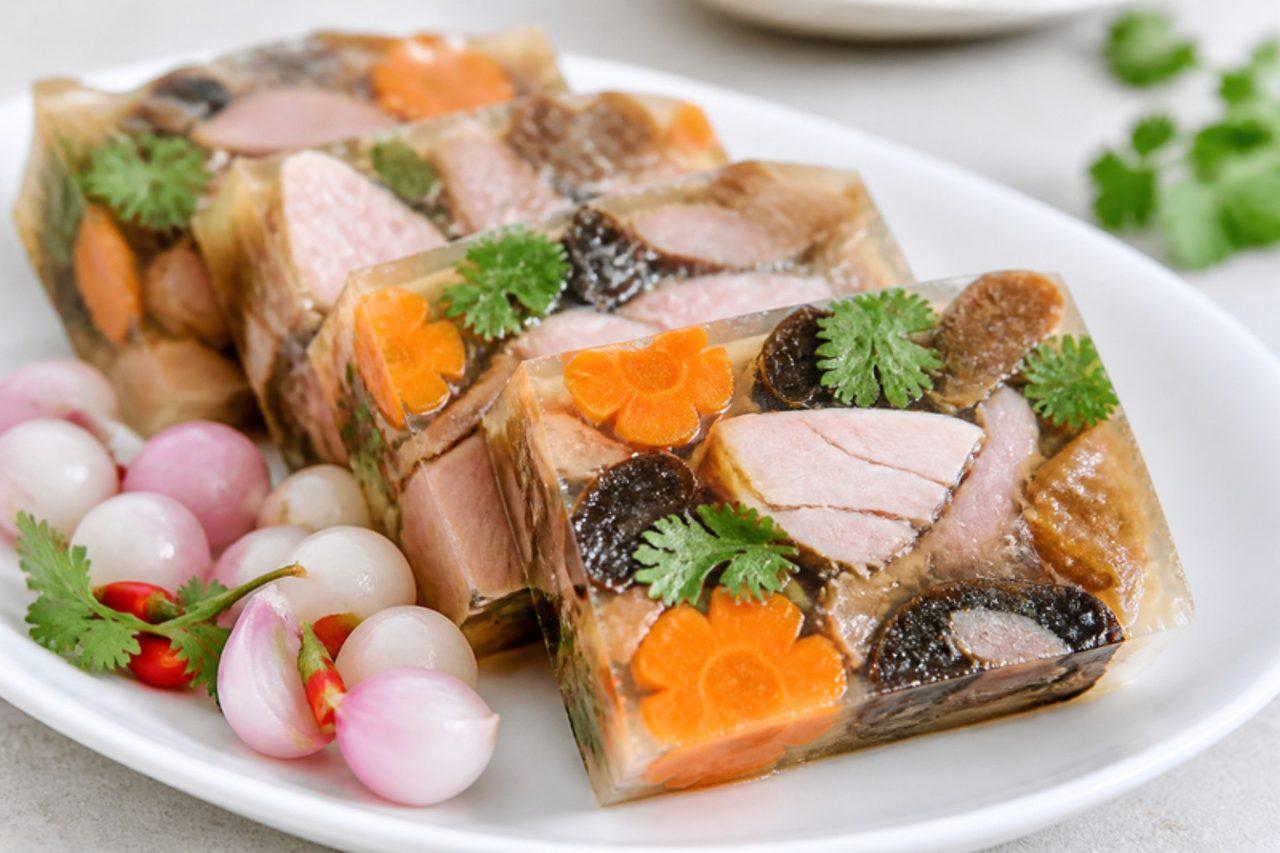
Thịt đông is a dish of the cold northern Tết, when families once left bowls of simmered pork outside overnight to set; today the fridge does the job. Pork hock and pork skin are cooked gently with shallots, fish sauce and black pepper until the meat is tender and the broth is rich in natural gelatine, then wood ear mushrooms are added for crunch and everything sets into a clear, wobbly jelly. It is eaten cold, cut into wedges, with hot rice, bánh chưng and a bowl of pickled shallots to cut the richness. No gelatine powder is needed. Chef's tip: keep the pot at a bare simmer and skim often; a rolling boil clouds the jelly.

by KrazyBadal 0 views

Bánh tổ (Hội An New Year cake)

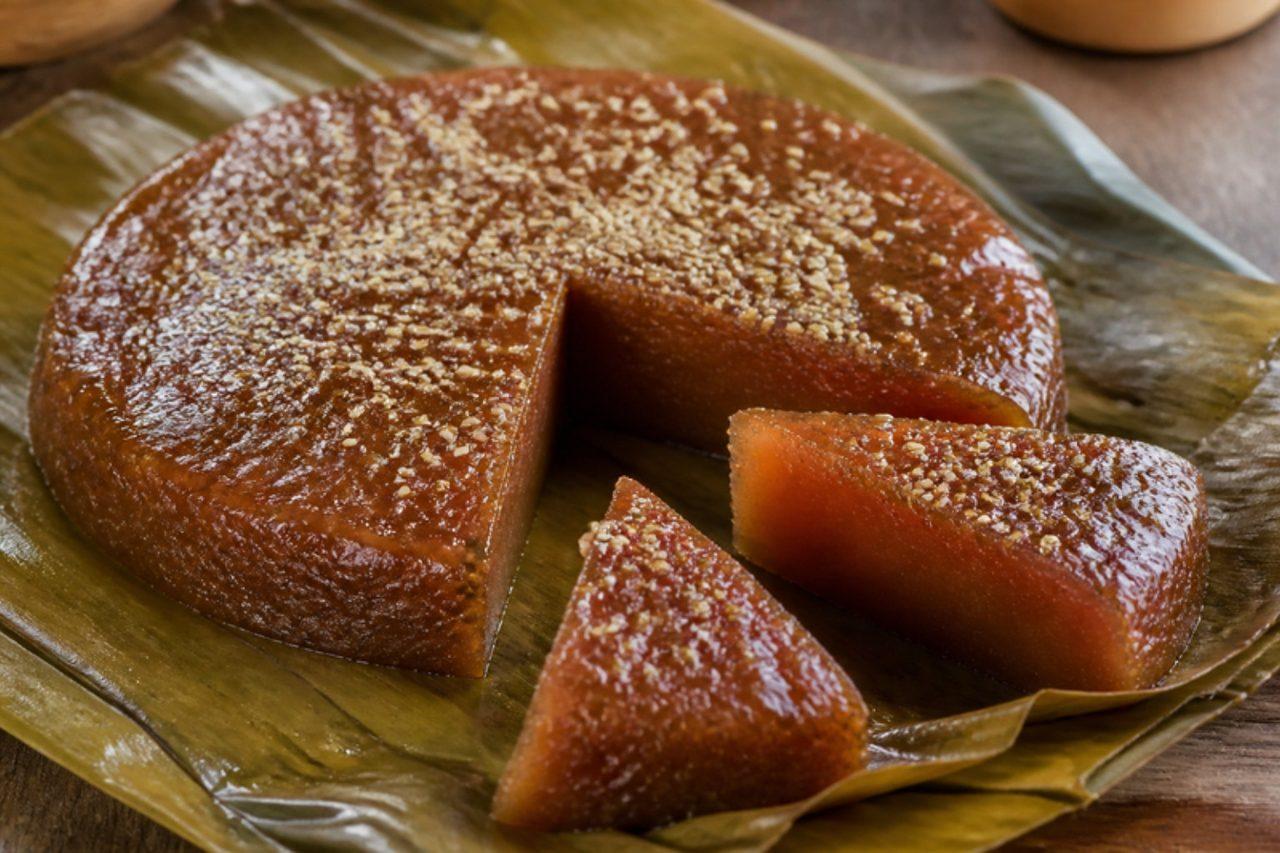
In Hội An and the rest of Quảng Nam, families steam bánh tổ for Tết and place it on the ancestors' altar; its name echoes 'tổ', the ancestors, and its slow-cooked sweetness is a wish for a smooth, sweet year. The cake is like a darker, ginger-scented cousin of Chinese nian gao: dense, chewy and glossy, with toasted sesame on top. Eat it in thin slices at room temperature, or fry slices until crisp outside and molten within, and serve with tea or sandwiched in rice crackers as locals do. Chef's tip: keep the water at a steady simmer and top it up with boiling water; a steamer that boils dry is the only real way to ruin this cake.

by KrazyBadal 0 views

Showing 24 of 246 recipes

Show more recipes

Page 1 of 11