
AI-generated image
Arrufadas de Coimbra
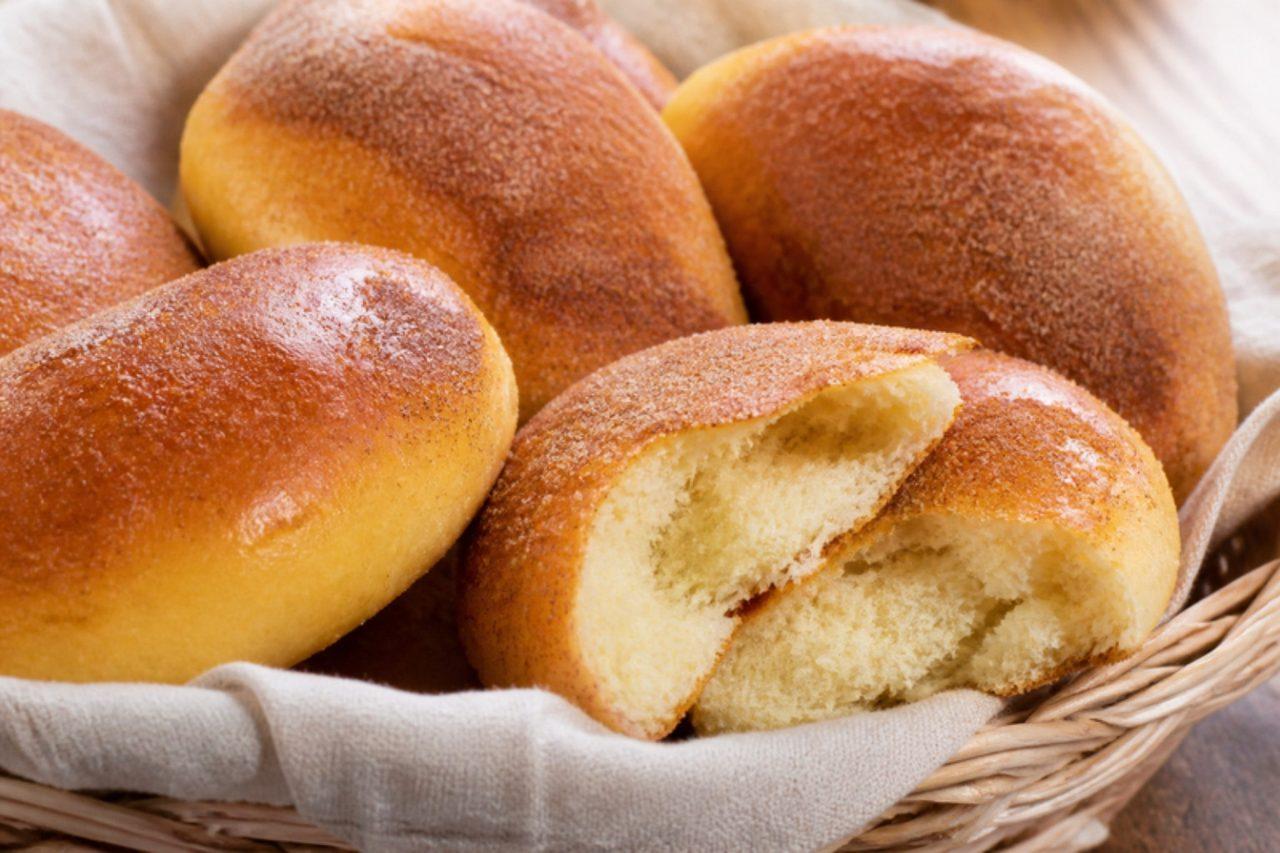
Arrufadas de Coimbra: soft cinnamon-scented sweet rolls from the university city

Coimbra's bakeries have sold arrufadas since convent times, and generations of university students have taken them to class wrapped in paper. They are small, pillowy sweet breads enriched with eggs and butter, flavoured with lemon and cinnamon and shaped into neat rounds with a sugary top. They are best on the day, torn open with coffee or a glass of milk. A common mistake is adding too much flour to a sticky dough, which gives dry, tight rolls instead of soft ones. Chef's tip: the dough should feel very soft and tacky; resist adding extra flour, or the rolls turn dense.
- Total time
- 50 min
- Difficulty
- medium
- Serves
- 12
Ingredients
For the dough
To finish
Shop this recipe on Amazon
Spices & pantry
Fresh ingredients (5)
Links open Amazon in a new tab. As an Amazon Associate, WhatToEat.Today earns from qualifying purchases.
Method
0/6 doneStep 1: Mix the 1 ⅛ lb strong white bread flour, 3 ½ oz caster sugar, ¼ oz fast-action dried yeast, ½ tsp salt, 1 ½ tsp ground cinnamon and 1 finely grated lemon zest in a large bowl. Add the 3 eggs and ¾ cup lukewarm milk and knead for 8 minutes, until smooth.
10 minStep 2: Add the 2 ⅞ oz unsalted butter a piece at a time and knead for 5 minutes more, until the dough is glossy, soft and stretches thinly without tearing.
5 minStep 3: Cover and leave to rise in a warm place for 1½ hours, until doubled.
90 minStep 4: Divide into 12 pieces of about 80 g. Shape each into a tight ball, then flatten slightly and set on lined trays, 5 cm apart.
10 minStep 5: Cover loosely and leave to rise for 40 minutes, until puffy and a fingertip pressed in leaves a slow dent. Heat the oven to 375°F.
40 minStep 6: Brush with the 1 egg yolk and sprinkle with the 2 tbsp granulated sugar mixed with the ½ tsp ground cinnamon. Bake for 15–18 minutes, until deep golden and the bases sound hollow. Cool on a rack.
18 min
Nutrition per serving
- Calories
- 250 kcal
- Protein
- 7 g
- Carbs
- 38 g
- Fat
- 8 g
- Fibre
- 1 g
Nutrition values are estimates.
KrazyBadal
Good to know
- How long does arrufadas de Coimbra take?
- About 50 minutes in total: 30 minutes to prepare and 20 minutes to cook.
- How many people does it serve?
- 12 as written. Change the servings above the ingredients and every amount scales to match.
- Is it vegetarian?
- Yes. It has no meat or fish.
- What can I use instead of strong white bread flour?
- Plain flour, same amount (the dough will be softer and rise a little less).
- What can I use instead of caster sugar?
- Caster sugar, same amount.
Reviews
No reviews yet. Be the first to cook it.
Rate this recipe
Sign in to rate and review this recipe.
You might also like
Sopa da pedra
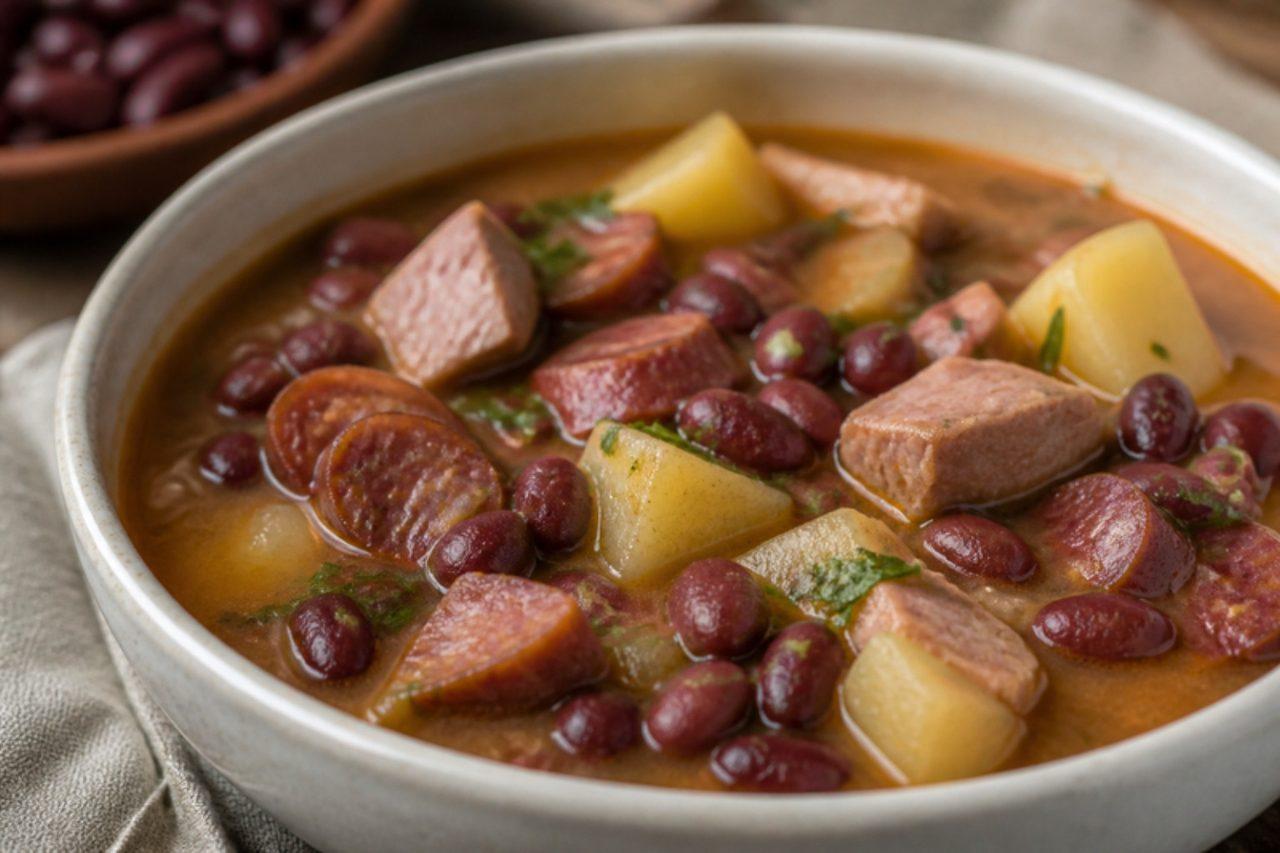
Almeirim, a market town in the Ribatejo, is the capital of this soup; its restaurants serve it every day, and each bowl arrives with a clean stone at the bottom, after the folk tale of a friar who 'made soup from a stone' by talking villagers into giving him everything else. This is a pork soup: red kidney beans simmer with chouriço, morcela blood sausage and a piece of pork belly, then potatoes, carrots and coriander finish it into a thick, hearty bowl. Chef's tip: cook the sausages whole and slice them at the end, so they stay juicy and don't turn the broth greasy.

Moist banana bread
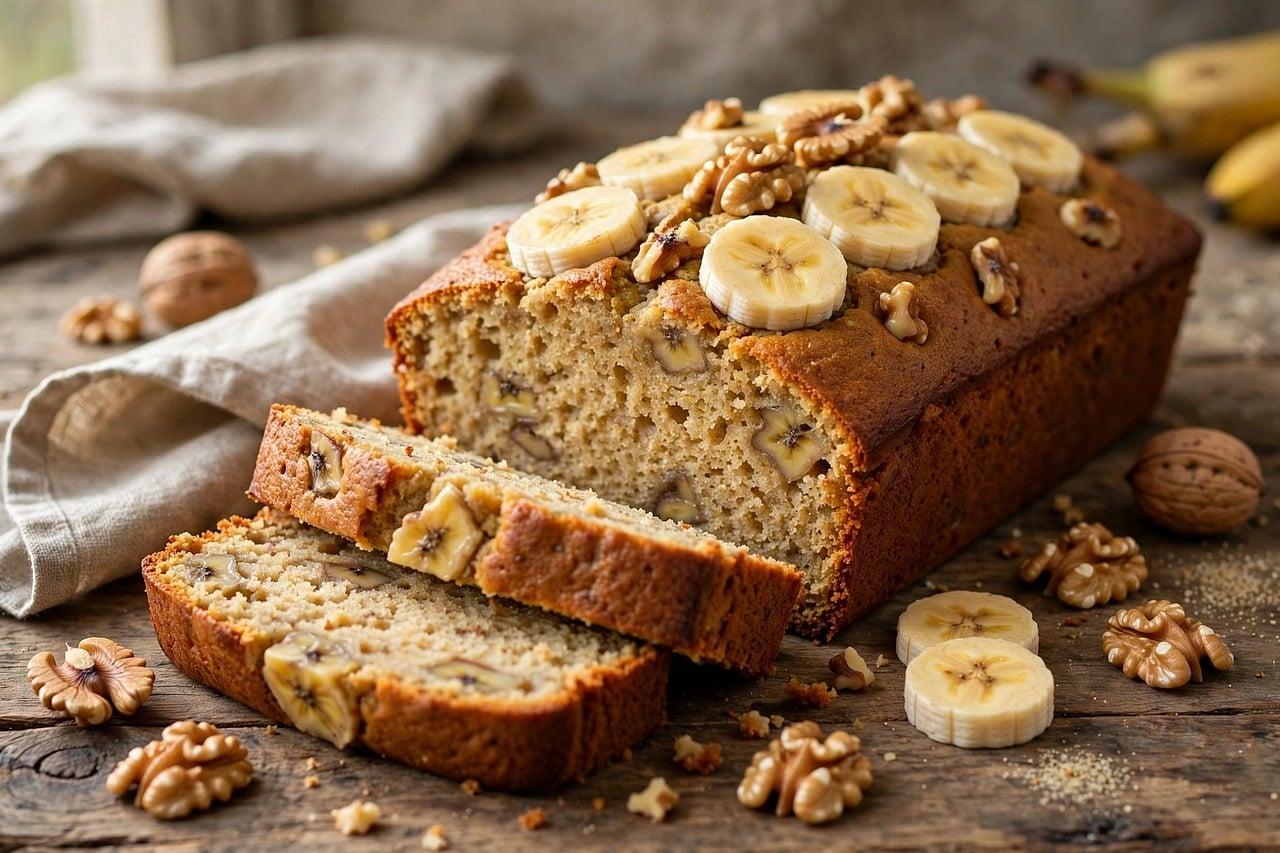
The blacker the bananas, the better the loaf. This one is mixed in a single bowl with melted butter and a little brown sugar, so it's soft, deeply banana-y and keeps well for days.
 American
Tarte au sucre lilloise
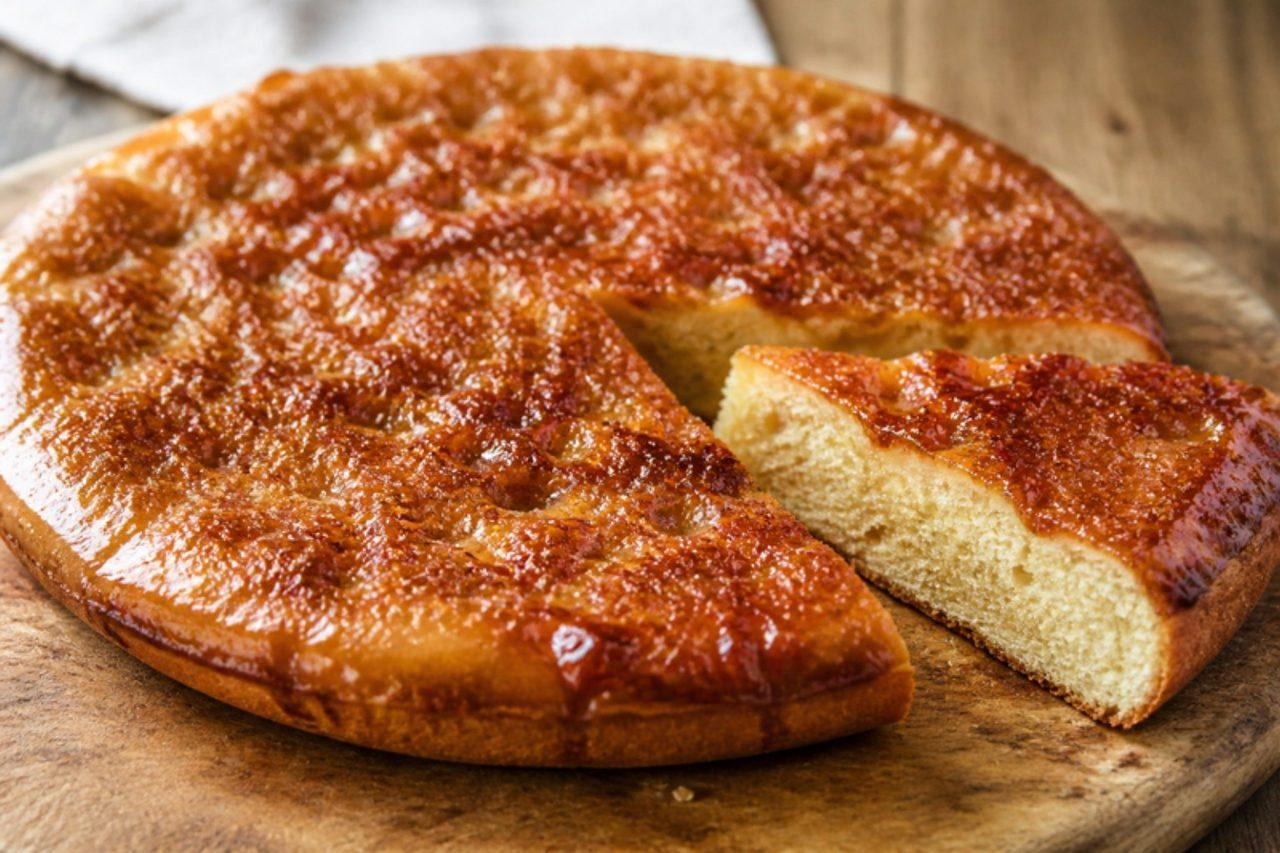
In Lille and across the Nord, a sugar tart is not pastry at all but a flat round of soft brioche dough, dimpled and covered with brown cassonade sugar, butter and a little egg and cream, which bakes into a sticky, caramelised top over a fluffy base. Families buy it from the boulangerie for Sunday breakfast and goûter, or bake one when guests come for coffee. The Nord's own beet sugar, vergeoise, gives it a deep, almost molasses flavour; soft dark brown sugar is the closest swap. Chef's tip: press deep dimples into the risen dough with your fingertips before adding the topping; the sugar and cream collect in them and bake into little pools of caramel.
 French