
 Haitian
 Vegan
 Gluten free
Banann peze
Twice-fried green plantain
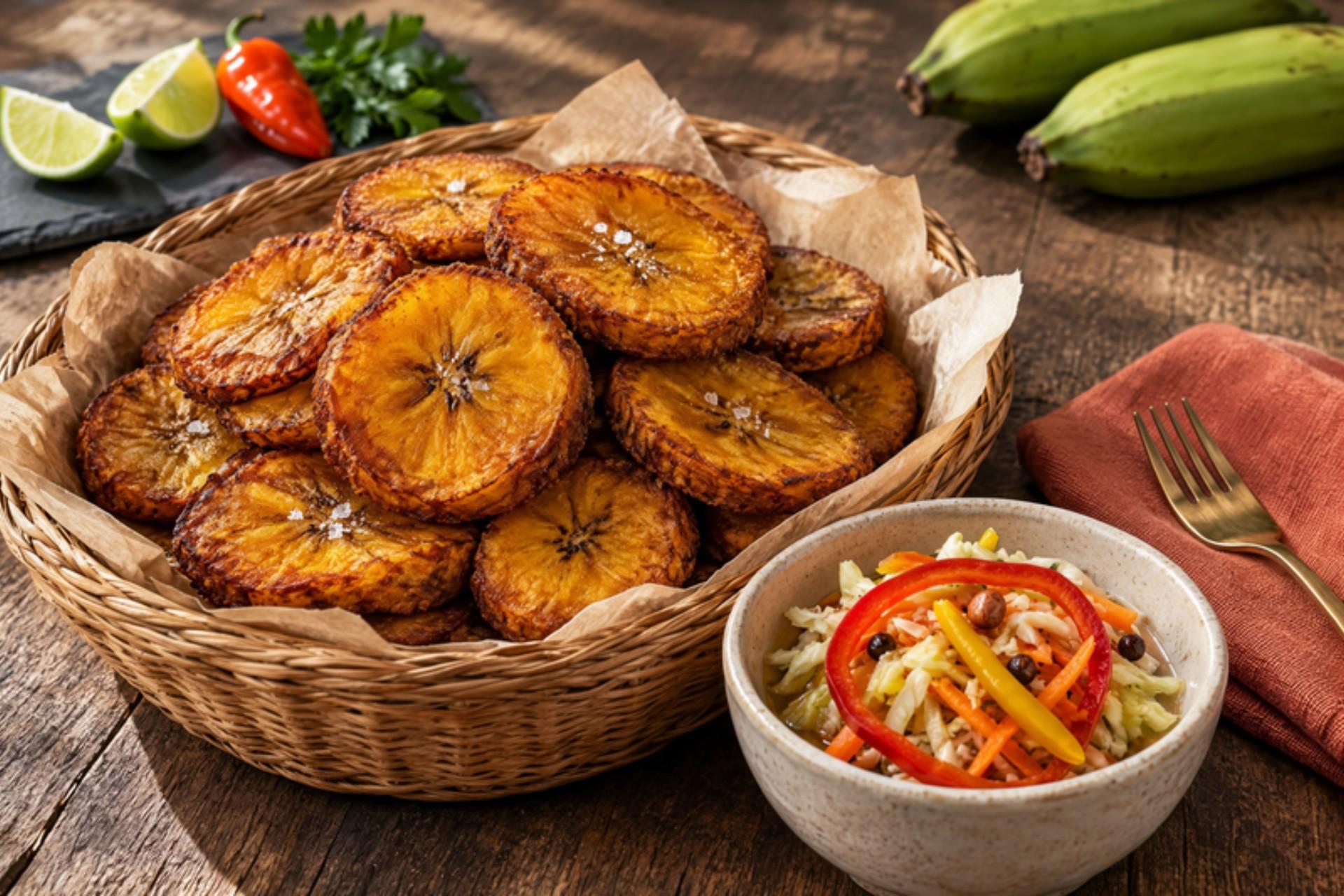
Bannann peze: Haitian twice-fried green plantain slices, the crunchy side for griot and pikliz
Banann peze, pressed plantain, is the crunchy side that comes with griot and fried fish in every Port-au-Prince restaurant and at Haitian family parties from Cap-Haïtien to Miami. Thick slices of green plantain are fried until just soft, smashed flat, dipped in garlicky salted water and fried again until golden and crackling at the edges. Pile them beside the vinegary cabbage relish pikliz. The usual mistake is frying them hot the first time, which browns the outside before the inside cooks, so the smashed slices crack and stay hard in the centre. They are done when deep golden, crisp at the edges and tender inside. Chef's tip: the quick dip in garlic-lime salt water between fries is the Haitian secret; it seasons them right through and makes them extra crisp.
- Prep
- 10 min
- Cook
- 15 min
- Difficulty
- Easy
- Serves
- 4
- Per serving
- 230 kcal
Ingredients
- 2 green plantainshard and green
- 2 cups sunflower oil for frying
- 1 cup warm water
- 2 cloves garliccrushed
- 1 tbsp lime juice
- 1 tsp salt
Shop this recipe on Amazon
Search Amazon for the rest
Fresh ingredients (3)
Links open Amazon in a new tab. As an Amazon Associate we earn from qualifying purchases.
Method
0/6 doneStep 1: Cut the ends off 2 green plantains, score the skin lengthwise and prise it off. Cut on the diagonal into pieces about 2.5 cm thick.
Step 2: Mix 1 cup warm water, 2 cloves garlic, 1 tbsp lime juice and 1 tsp salt in a bowl.
Step 3: Heat 2 cups sunflower oil for frying in a deep frying pan to 325°F. Fry the plantain for 4–5 minutes, turning, until pale gold and soft enough for a knife to slide in.
5 minStep 4: Drain, then press each piece flat to about 1 cm with the bottom of a glass or a tostonera.
Step 5: Dip each flattened piece in the garlic water for a few seconds and shake off well (careful: wet plantain spits in hot oil).
Step 6: Raise the oil to 350°F and fry again for 2–3 minutes until deep golden and crisp at the edges. Drain on kitchen paper and serve hot.
6 min
Nutrition per serving
- Calories
- 230 kcal
- Protein
- 1 g
- Carbs
- 38 g
- Fat
- 9 g
- Fibre
- 3 g
Nutrition values are estimates.
KrazyBadal
Good to know
- How long does banann peze take?
- About 25 minutes in total: 10 minutes to prepare and 15 minutes to cook.
- How many people does it serve?
- 4 as written. Change the servings above the ingredients and every amount scales to match.
- Is it vegan?
- Yes. It has no meat, fish, dairy or eggs.
- Is it gluten free?
- Yes, as written. Check the labels on stock, sauces and spice mixes, which sometimes contain gluten.
- What can I use instead of garlic?
- ½ tsp garlic paste or ⅛ tsp garlic powder per clove.
- What can I use instead of lime juice?
- Lemon juice, same amount.
Reviews
No reviews yet. Be the first to cook it.
Rate this recipe
Sign in to rate and review this recipe.
You might also like

TacachoMashed roasted green plantain balls
Tacacho is the breakfast of the Peruvian Amazon, from Tarapoto to Iquitos: green plantains roasted over coals, mashed with fat and salt and shaped into balls. There it comes with cecina (smoked pork) and is mashed with lard and crackling; this vegan tacacho uses good oil and a pinch of smoked paprika for the same savoury, smoky depth. The balls are dense, chewy and starchy, crisp at the edges where the plantain charred, and they are eaten hot with a fiery chilli sauce or alongside stews. Use plantains that are fully green and firm. Chef's tip: mash the plantains while they are still very hot; as green plantain cools its starch sets and it won't bind into a smooth ball.
 Peruvian
Soup joumouPumpkin soup
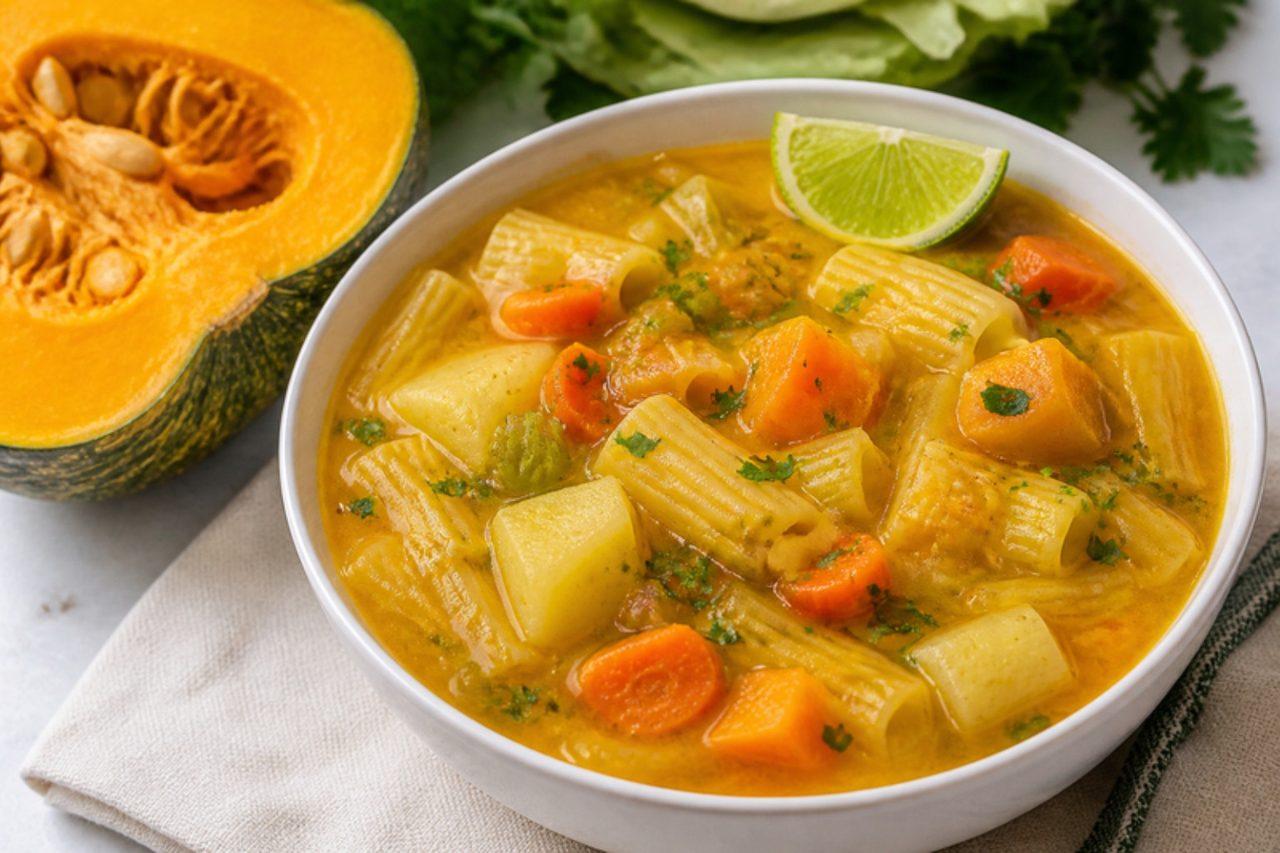
Every 1 January, Haitian families from Port-au-Prince to Brooklyn wake up to soup joumou. It marks independence from France on 1 January 1804: under French rule, enslaved Haitians cooked this pumpkin soup but were forbidden to eat it, so the free people of the new nation made it their own as a dish of freedom. In 2021 it was added to UNESCO's list of the intangible cultural heritage of humanity. The base is a velvety purée of joumou (Caribbean pumpkin) with epis, and in it simmer chunks of carrot, potato, cabbage, celery and turnip, with pasta and a squeeze of lime. It's usually made with beef; this vegetable version is full and golden, rich enough for the day. Chef's tip: roast half the pumpkin before puréeing it; the caramelised edges give the soup the depth that slow-cooked meat usually provides.
TashmijabiMashed potatoes with stretchy cheese
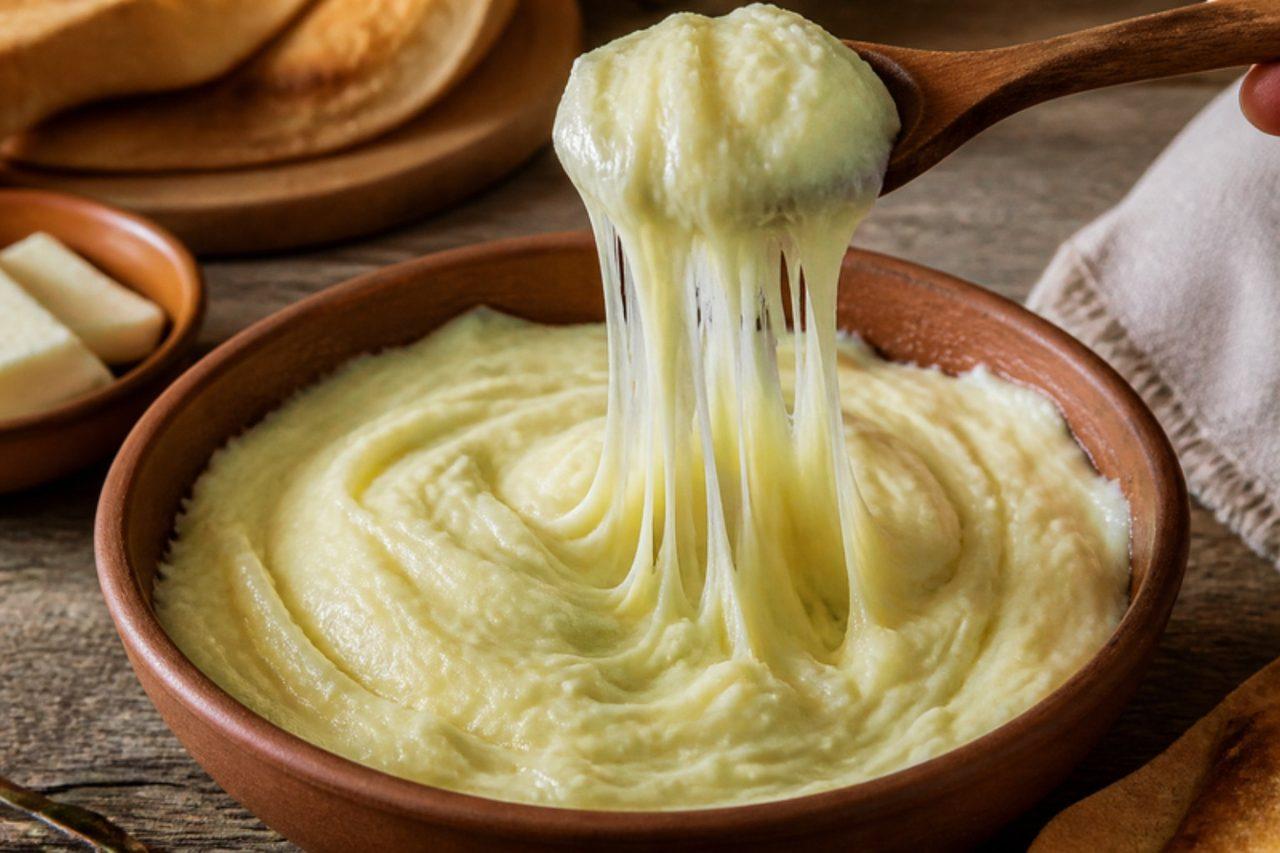
Potatoes grow well in the cold valleys of Svaneti, and tashmijabi is how families around Mestia turn them into a feast dish: they are mashed hot, then beaten with handfuls of young sulguni until the purée becomes glossy and stretches from the spoon in long strands. It is served with grilled meat, kubdari or simply with pickles and Svan salt. A common mistake is letting the potatoes cool before adding the cheese; they must be piping hot for the cheese to melt and stretch. Chef's tip: keep the pan on a low heat while you beat, and use a firm wooden spoon. Most sulguni uses animal rennet; choose a vegetarian one or use mozzarella.
 Georgian