
AI-generated image
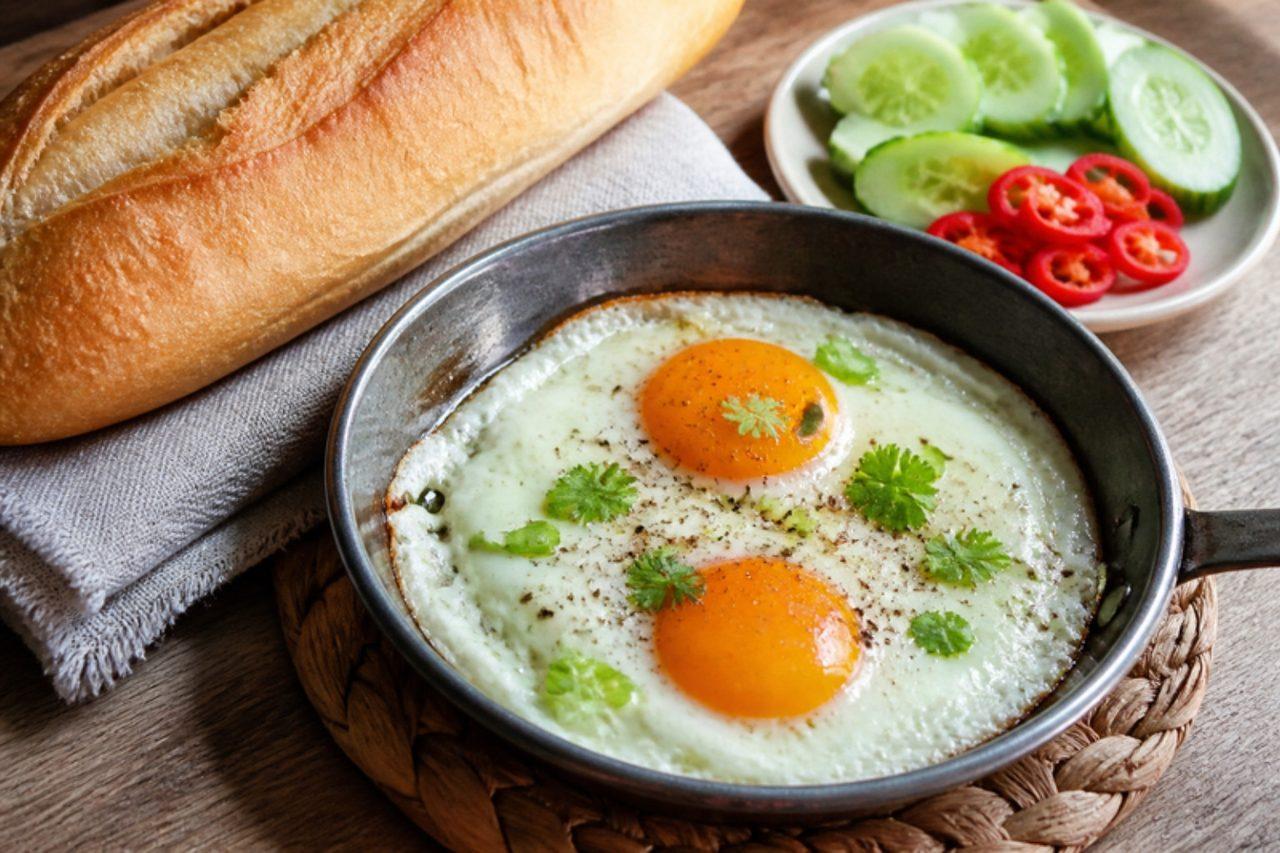
Bánh mì ốp la (Vietnamese fried eggs with baguette)
Eggs fried in a small pan and eaten straight from it with a crusty roll

All over Saigon and Hanoi, street stalls serve bánh mì ốp la for breakfast: two or three eggs fried in a little iron pan, brought to the table sizzling, with a split baguette for scooping and a splash of dark seasoning sauce on top. The whites go lacy and crisp at the edges while the yolks stay soft, and the cucumber and chilli on the side keep it fresh. The usual mistake is frying the eggs on a fierce heat until the bottoms burn before the whites on top have set; a medium heat and a lid fix that. For pregnant people, young children, older or vulnerable people, cook the yolks until fully set. Chef's tip: warm the baguette in a hot oven for 3 minutes first so the crust shatters the way it does at the stall.
- Total time
- 10 min
- Difficulty
- easy
- Serves
- 2
Ingredients
- 2 Vietnamese-style baguettes or short crusty rollslight, airy rolls
- 1 tbsp vegetable oil
- 1 shallot (optional)thinly sliced
- 4 eggslarge; yolks fully set for pregnant people, young children, older or vulnerable people
- 2 tsp liquid seasoning sauce or light soy saucethe dark, savoury kind sold for eggs
- ¼ tsp ground black pepper
To serve
- ½ cucumbersliced into sticks
- 1 red chilli (optional)sliced
- 4 coriander sprigs (optional)
Shop this recipe on Amazon
Spices & pantry
Fresh ingredients (5)
Links open Amazon in a new tab. As an Amazon Associate, WhatToEat.Today earns from qualifying purchases.
Method
0/5 doneStep 1: Heat the oven to 400°F and warm 2 Vietnamese-style baguettes or short crusty rolls for 3–4 minutes, until the crust crackles when pressed.
4 minStep 2: Heat 1 tbsp vegetable oil in a small frying pan over a medium heat. Add 1 shallot if using and fry for 1 minute, until just golden.
1 minStep 3: Crack in 4 eggs. Cook for 2–3 minutes, until the edges are lacy and golden and the whites have set halfway up. Cover with a lid for the last 30 seconds so the top of the whites turns opaque; keep the lid on 2 minutes longer if you want firm yolks.
3 minStep 4: Take the pan off the heat, drizzle over 2 tsp liquid seasoning sauce or light soy sauce and sprinkle with ¼ tsp ground black pepper.
Step 5: Bring the pan to the table with the bread, ½ cucumber, 1 red chilli and 4 coriander sprigs. Tear the bread and use it to mop up the yolks and seasoning.
Nutrition per serving
- Calories
- 430 kcal
- Protein
- 19 g
- Carbs
- 45 g
- Fat
- 19 g
- Fibre
- 3 g
Nutrition values are estimates.
KrazyBadal
Good to know
- How long does bánh mì ốp la (Vietnamese fried eggs with baguette) take?
- About 10 minutes in total: 3 minutes to prepare and 7 minutes to cook.
- How many people does it serve?
- 2 as written. Change the servings above the ingredients and every amount scales to match.
- Is it vegetarian?
- Yes. It has no meat or fish.
- What can I use instead of eggs?
- 1 tbsp ground flaxseed + 3 tbsp water per egg, left for 5 minutes (baking only; vegan).
- What can I use instead of liquid seasoning sauce or light soy sauce?
- Tamari, same amount (gluten free).
Reviews
No reviews yet. Be the first to cook it.
Rate this recipe
Sign in to rate and review this recipe.
You might also like

Caramelised clay-pot tofu and mushroomsBraised tofu and mushrooms
Kho is the slow braise of the Mekong Delta: food simmered in a little clay pot (nồi đất) with dark caramel and seasoning until the sauce is sticky and the flavours go deep. This vegetarian cousin of cá kho tộ (braised fish) uses golden tofu and meaty mushrooms in place of fish, cooked in coconut water, as cooks do in the south, and finished with plenty of black pepper. Serve it bubbling in its pot with steamed rice and a sour soup or plain boiled vegetables. Chef's tip: take the caramel (nước màu) to a deep mahogany, darker than you think, just before it smokes; pale caramel only tastes sweet, while dark caramel gives the bittersweet, smoky flavour of a real kho.


Sabudana khichdiSago with peanuts and potato
Sabudana khichdi is the dish that sees Maharashtra through every vrat (fast), from Navratri to Ekadashi, but it's so good that people eat it any day of the week. Soaked sago pearls are tossed in a pan with crushed roasted peanuts, cubes of potato, cumin and green chilli until each pearl turns glassy and separate, then finished with lemon and coriander. It's soft, chewy, nutty and gently hot. Fasting rules vary from family to family, so check yours; this version uses rock salt and no asafoetida, onion or garlic. Traditionally it's cooked in ghee; use ghee instead of oil if you aren't keeping it vegan. Chef's tip: soak the sago in just enough water to cover by the height of the pearls themselves, no more; too much water is the reason khichdi turns into one sticky lump.
 Indian

Doi chiraFlattened rice with curd
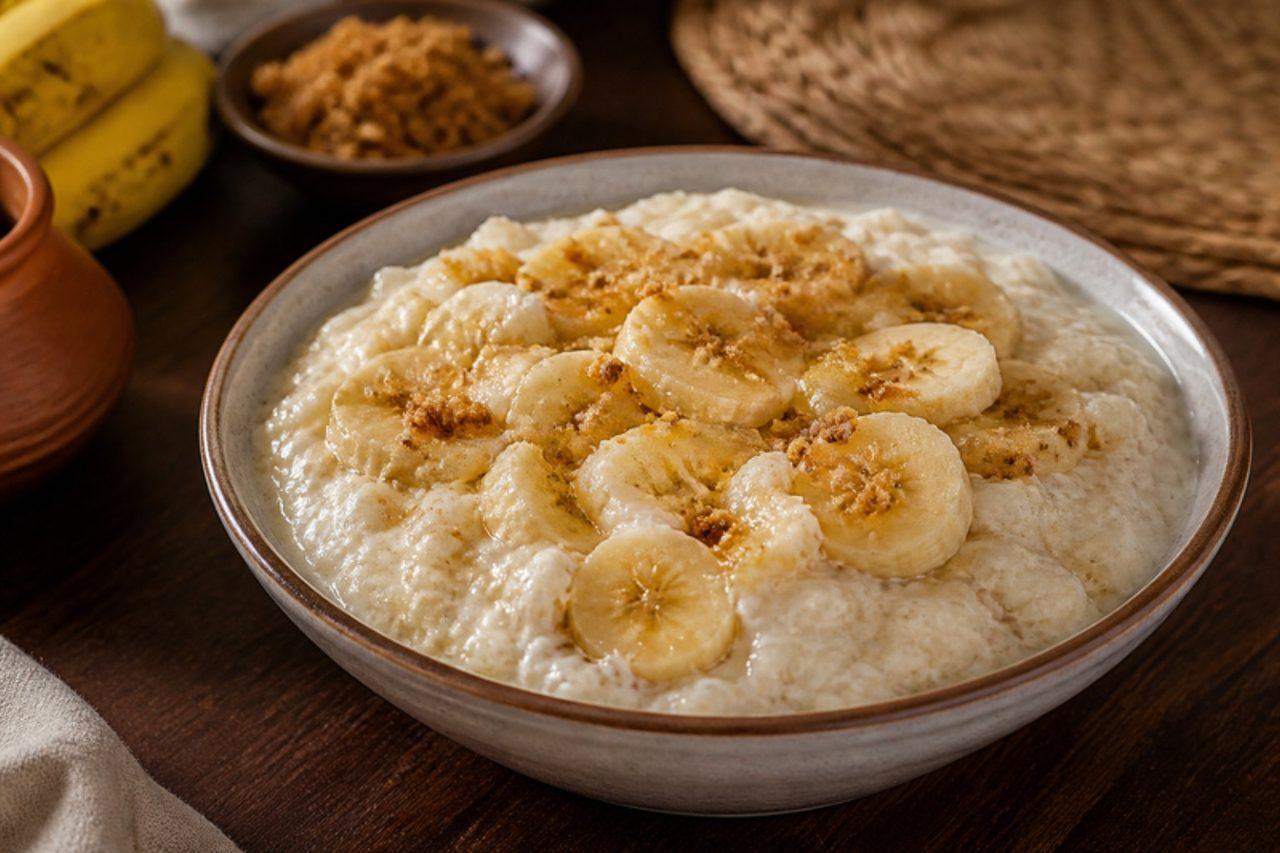
Nothing is cooked for doi chira, which is why it has been the breakfast of farmers and fishermen in Barisal for generations: flattened rice is rinsed, softened in thick, slightly sour curd and sweetened with jaggery or sugar, then mashed together with a ripe banana. The texture is soft and creamy with a little chew from the rice flakes, and the taste is cool, sweet and tangy. It is eaten on hot summer mornings, at village fairs and as part of the Pohela Boishakh spread, and it is a favourite of children and of anyone fasting who wants something gentle. The usual misstep is soaking the chira for too long, which turns it to paste; a quick rinse is all it needs before the curd does the rest. Chef's tip: use thick-cut chira, not the thin kind for frying, so the flakes hold their shape.
 Bangladeshi