
 Indian
 Gluten free
Bhure chawal
Rice with ghee and sugar
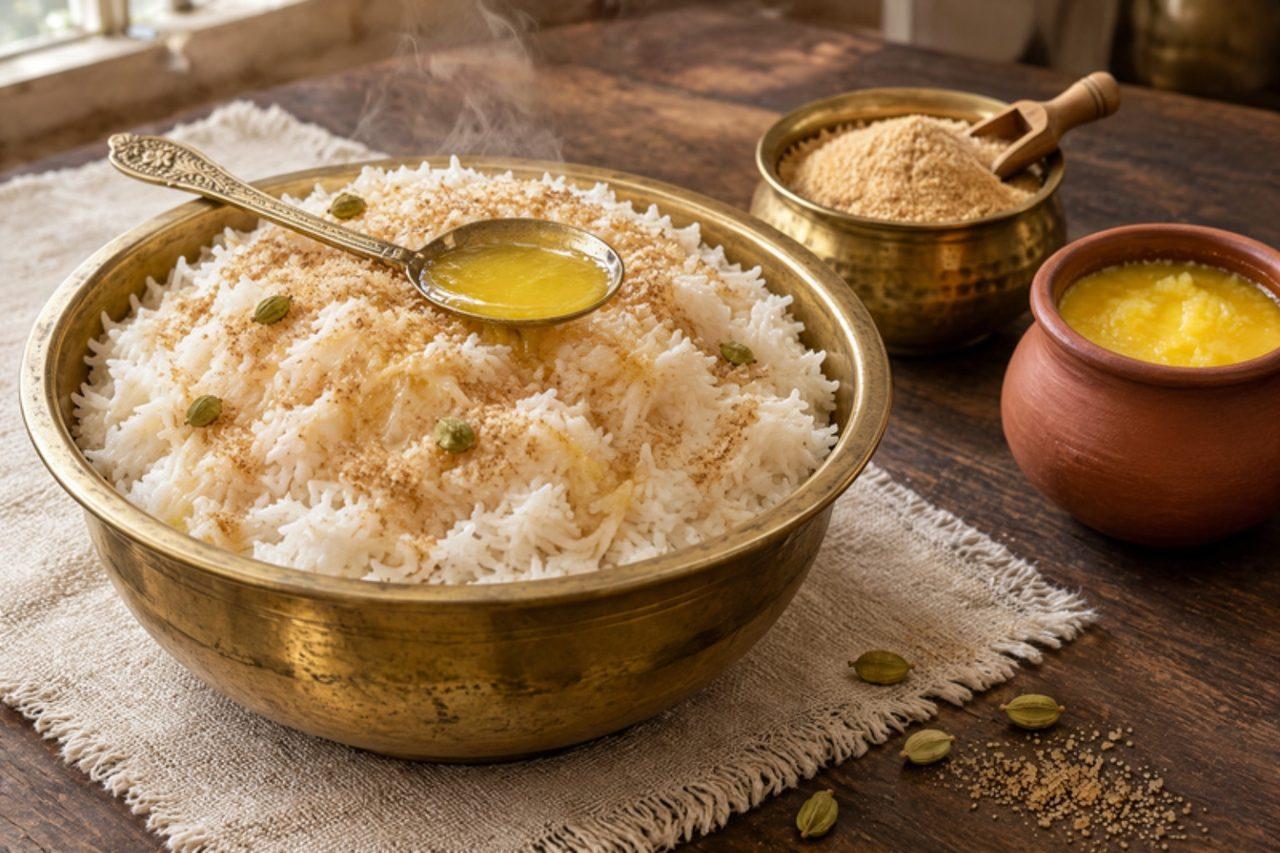
भूरे चावल: hot rice mixed with ghee and bura sugar, a Haryanvi village comfort
Bhure chawal is about as simple as Haryanvi village cooking gets: steaming rice tossed with plenty of desi ghee and bura, the fine, fluffy sugar sold in Haryana, and sometimes a few chopped nuts. It is the treat grandmothers make after the evening milking, at a new daughter-in-law's first meal, or on cold nights when something sweet is needed fast. Use fragrant, well-cooked rice and good ghee, as there is nothing to hide behind. The common mistake is adding the sugar to lukewarm rice, so it stays gritty instead of melting into the ghee. Chef's tip: no bura? Blitz ordinary sugar to a powder and add a pinch of cardamom.
- Prep
- 5 min
- Cook
- 20 min
- Difficulty
- Easy
- Serves
- 4
- Per serving
- 390 kcal
Ingredients
For the rice
- 7 oz basmati or sona masoori ricerinsed
- 2 cups water
- 2 ⅛ oz ghee
- 2 ⅞ oz bura or powdered sugar
- ¼ tsp ground cardamom
- 2 tbsp almonds or cashews (optional)chopped
Tick what you have; the rest goes in the basket.
Method
0/4 doneStep 1: Soak 7 oz basmati or sona masoori rice for 15 minutes, drain and put in a pan with 2 cups water. Bring to a boil.
5 minStep 2: Cover and cook on the lowest heat for 12 minutes until the water is gone and the grains are soft. Rest 5 minutes.
17 minStep 3: Warm 2 ⅛ oz ghee until just melted and pour over the hot rice.
1 minStep 4: Sprinkle 2 ⅞ oz bura or powdered sugar and ¼ tsp ground cardamom over and fold gently with a fork until the sugar melts and every grain glistens. Top with 2 tbsp almonds or cashews and eat hot.
2 min
KrazyBadal
Reviews
No reviews yet. Be the first to cook it.
Rate this recipe
Sign in to rate and review this recipe.
You might also like
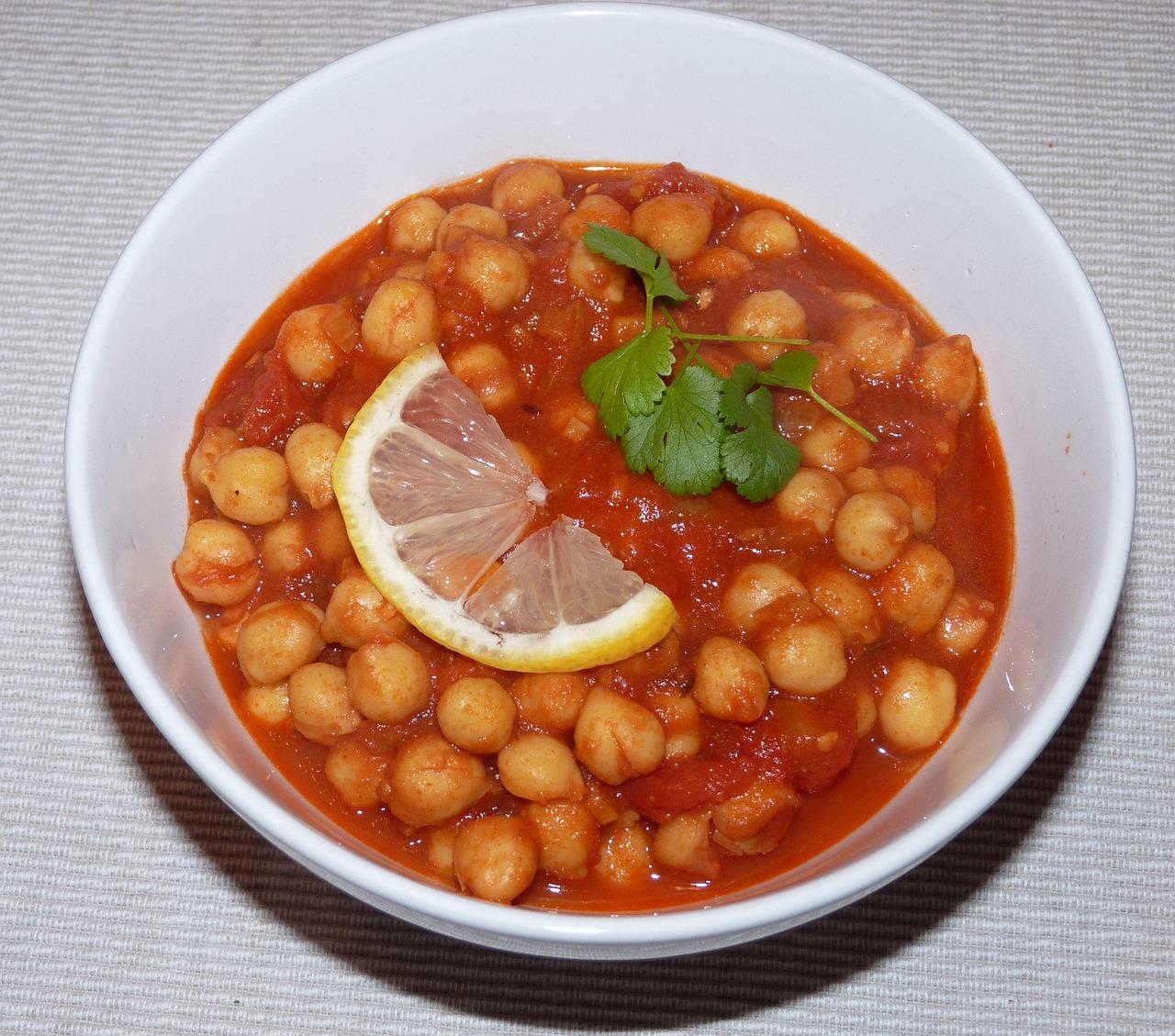
Chana masala
A North Indian staple that comes together from the store cupboard. Toasted cumin, slow-softened onion and a good spoonful of garam masala give tinned chickpeas real depth. Serve with rice, naan or a stack of warm rotis.

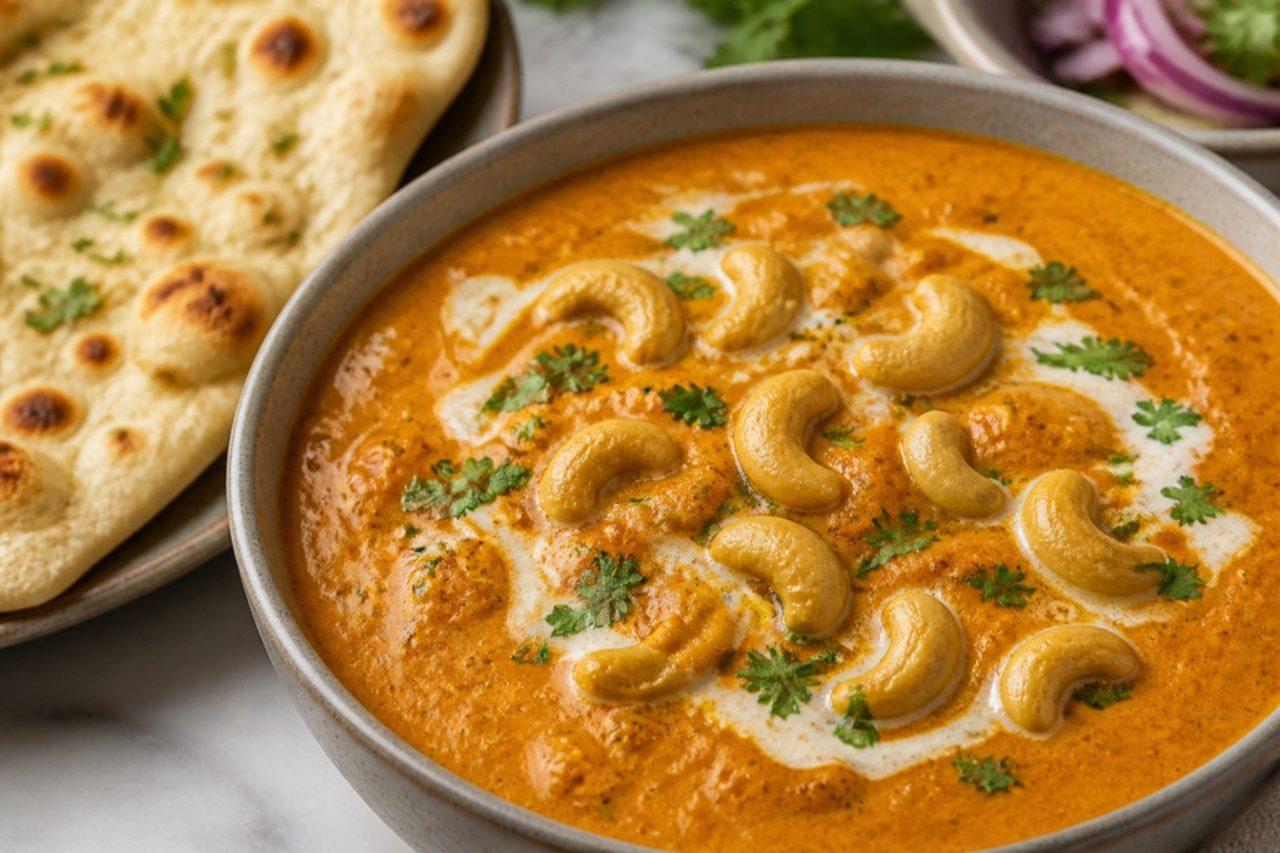
Kaju curryCashew curry
Walk along any wedding buffet in Pune, Mumbai or Ahmedabad and there is usually a chafing dish of kaju curry near the paneer, with guests going back for seconds. Whole cashews are fried in ghee until golden, which makes them crunchy outside and buttery inside, then folded into a rich onion and tomato gravy thickened with more cashews, finished with cream and kasuri methi. The gravy is orange, smooth and rounded with a touch of sweetness; it should taste of roasted nuts and gentle spice, not fire. Gujarati restaurants often serve a spicier Kathiyawadi version, but the wedding style here is the mild one. Eat it with butter naan, tandoori roti or jeera rice. Common mistake: adding the fried cashews too early; they soak up the gravy and turn soft, so fold them in just before serving. Chef's tip: keep a few fried cashews back and scatter them on top at the table so every spoonful has some crunch.

Sabudana khichdiSago with peanuts and potato
Sabudana khichdi is the dish that sees Maharashtra through every vrat (fast), from Navratri to Ekadashi, but it's so good that people eat it any day of the week. Soaked sago pearls are tossed in a pan with crushed roasted peanuts, cubes of potato, cumin and green chilli until each pearl turns glassy and separate, then finished with lemon and coriander. It's soft, chewy, nutty and gently hot. Fasting rules vary from family to family, so check yours; this version uses rock salt and no asafoetida, onion or garlic. Traditionally it's cooked in ghee; use ghee instead of oil if you aren't keeping it vegan. Chef's tip: soak the sago in just enough water to cover by the height of the pearls themselves, no more; too much water is the reason khichdi turns into one sticky lump.