

Buna (Ethiopian coffee ceremony)
Roasted and brewed Ethiopian coffee
Green coffee beans pan-roasted, ground and brewed three times in a clay jebena



Coffee was born in Ethiopia's south-western forests around Kaffa and Jimma, and buna is still a ceremony as much as a drink: in homes from Jimma to Addis Ababa, a woman of the house roasts green beans in a pan over charcoal, carries the smoking pan around so guests can breathe in the aroma, grinds them, and brews the coffee in a clay pot called a jebena. It is served in small handleless cups with sugar (or salt or butter in the countryside), alongside popcorn or dabo kolo, and poured three times: abol, tona and baraka. The ceremony takes the best part of an hour and is about conversation. Chef's tip: let the jebena stand for a few minutes before pouring so the grounds settle, and pour in one steady stream without stopping.
- Total time
- 30 min
- Difficulty
- easy
- Serves
- 6
Ingredients
- 3 ¾ cups water300 ml per round
- 1 cardamom pod (optional)crushed
- 6 tsp sugar (optional)to serve
- 1 small piece frankincense (optional)to burn alongside
Shop this recipe on Amazon
What you'll need
Spices & pantry
Links open Amazon in a new tab. As an Amazon Associate, WhatToEat.Today earns from qualifying purchases.
Method
0/7 doneStep 1: Rinse 2 ⅛ oz green (unroasted) coffee beans in cold water and pick out any discoloured ones. Pat dry.
Step 2: Roast the beans in a heavy pan (or the traditional flat pan) over a medium heat, stirring constantly with a spoon, for 10–12 minutes. They turn yellow, then brown, start to crackle and give off oily smoke. Stop when they are dark brown and glossy. Uneven, too-fast roasting is the common mistake; keep them moving and lower the heat if they scorch.
11 minStep 3: Carry the pan around so everyone can smell the smoke, as is the custom, then let the beans cool for a few minutes.
Step 4: Grind the beans finely in a mortar or grinder. Bring 300 ml of 1 ¼ cups water to the boil in the jebena or a small saucepan, stir in the coffee and 1 cardamom pod, and let it rise to the boil twice.
5 minStep 5: Take off the heat and leave for 3–4 minutes until the grounds settle. Pour into small cups in one steady stream, leaving the grounds behind. Offer 6 tsp sugar. This first round is abol, the strongest.
Step 6: Add another 300 ml of 1 ¼ cups water to the same grounds, bring to the boil, settle and pour the second round, tona.
5 minStep 7: Repeat with the last of 1 ¼ cups water for the third, lightest round, baraka, which is said to bless the guests. Burn 1 small piece frankincense alongside if you like, as is the tradition.
5 min
Nutrition per serving
- Calories
- 5 kcal
- Protein
- 0 g
- Carbs
- 1 g
- Fat
- 0 g
- Fibre
- 0 g
Nutrition values are estimates.
KrazyBadal
Good to know
- How long does buna (Ethiopian coffee ceremony) take?
- About 30 minutes in total: 5 minutes to prepare and 25 minutes to cook.
- How many people does it serve?
- 6 as written. Change the servings above the ingredients and every amount scales to match.
- Is it vegan?
- Yes. It has no meat, fish, dairy or eggs.
- Is it gluten free?
- Yes, as written. Check the labels on stock, sauces and spice mixes, which sometimes contain gluten.
Reviews
No reviews yet. Be the first to cook it.
Rate this recipe
Sign in to rate and review this recipe.
You might also like
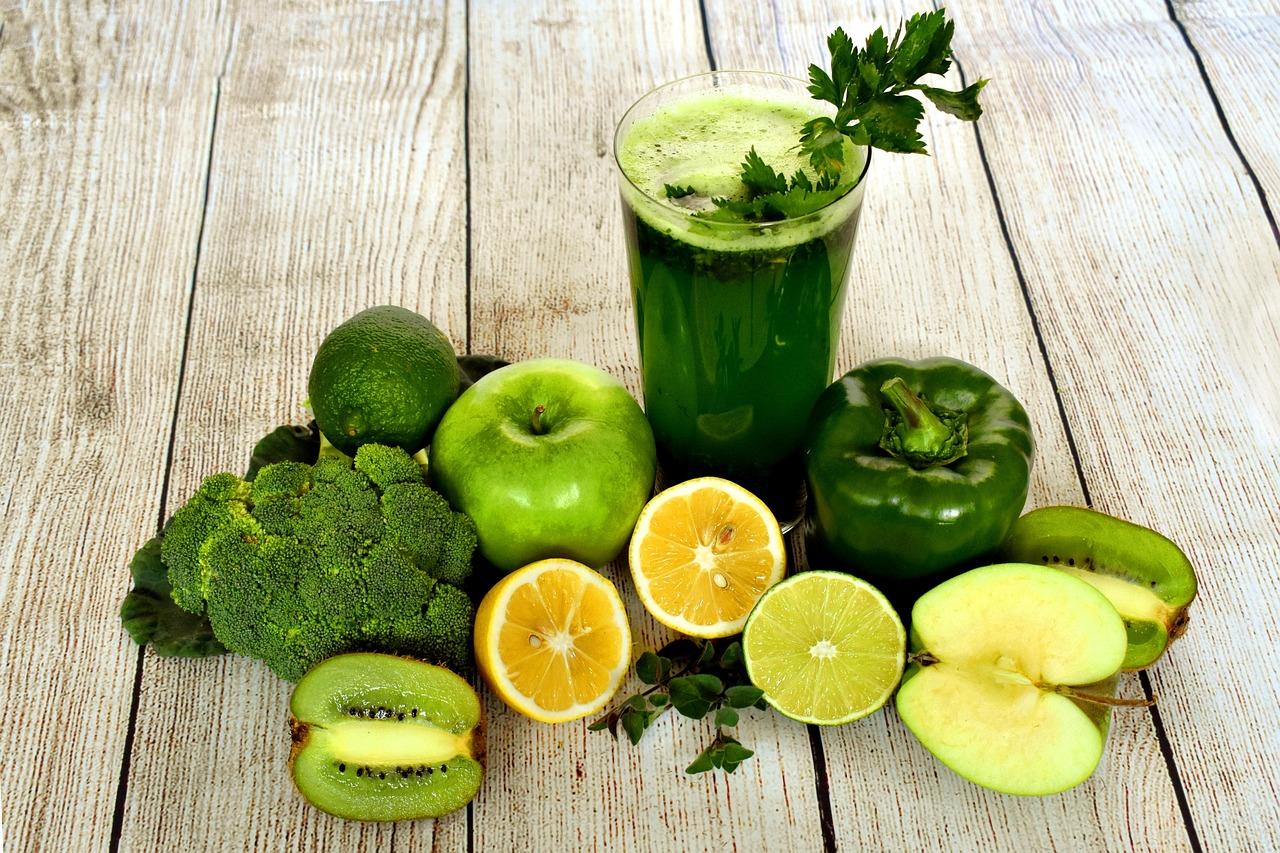
Power packApple, pear, kiwi and celery juice
A sweet, energising juice of apples, pears and kiwi fruit with a stick of celery, all used unpeeled for extra goodness. It's naturally sweet, so it needs no sugar. Serve well chilled.


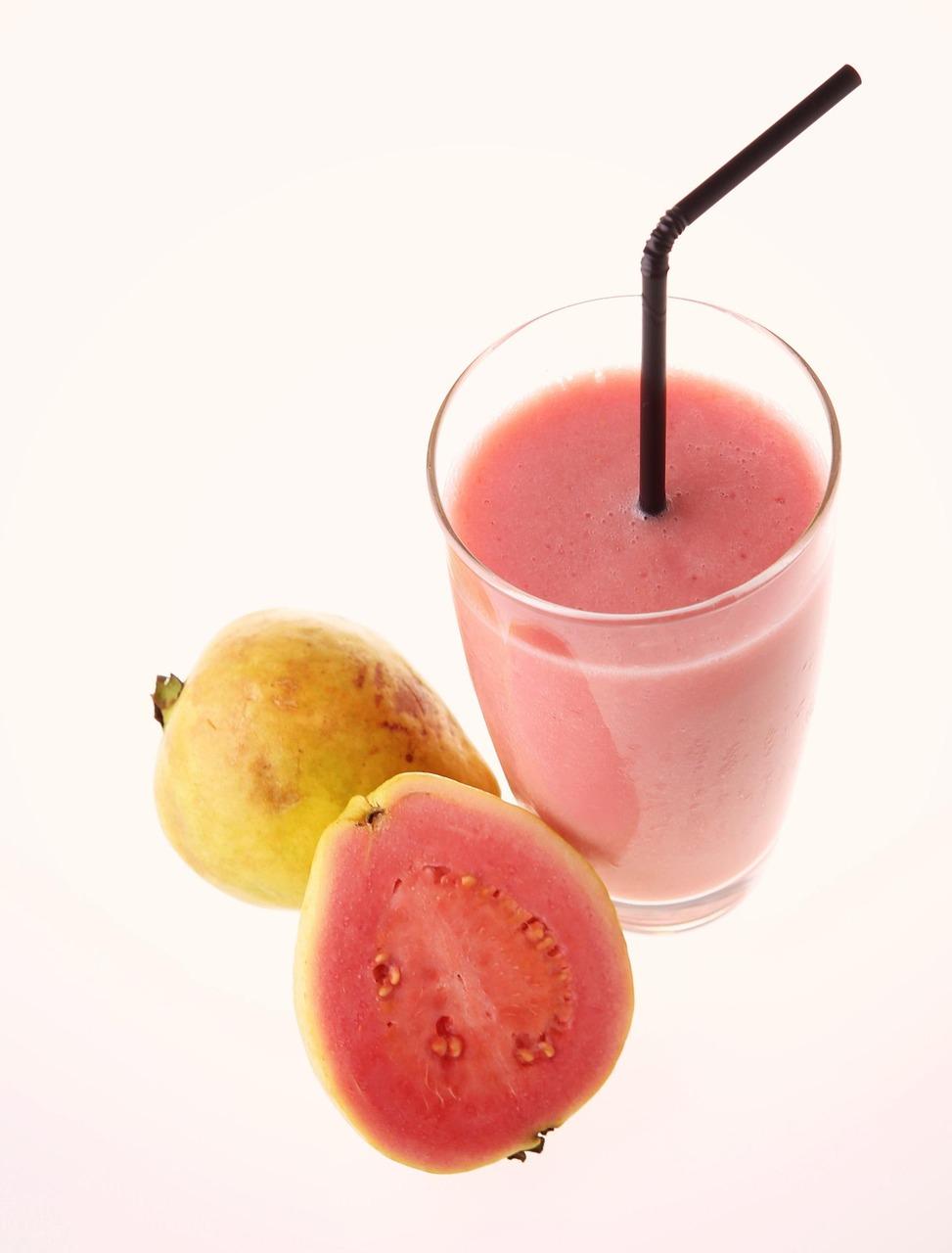
Guava delightGuava, mango and banana drink
A thick, fragrant blend of ripe guava, mango and banana, boosted with a spoonful of guava powder from the health shop. The book calls it a modern-day vitality drink, drawing on guava's long use in traditional Indian medicine. Serve it well chilled; sieve it if you don't like the little guava seeds.
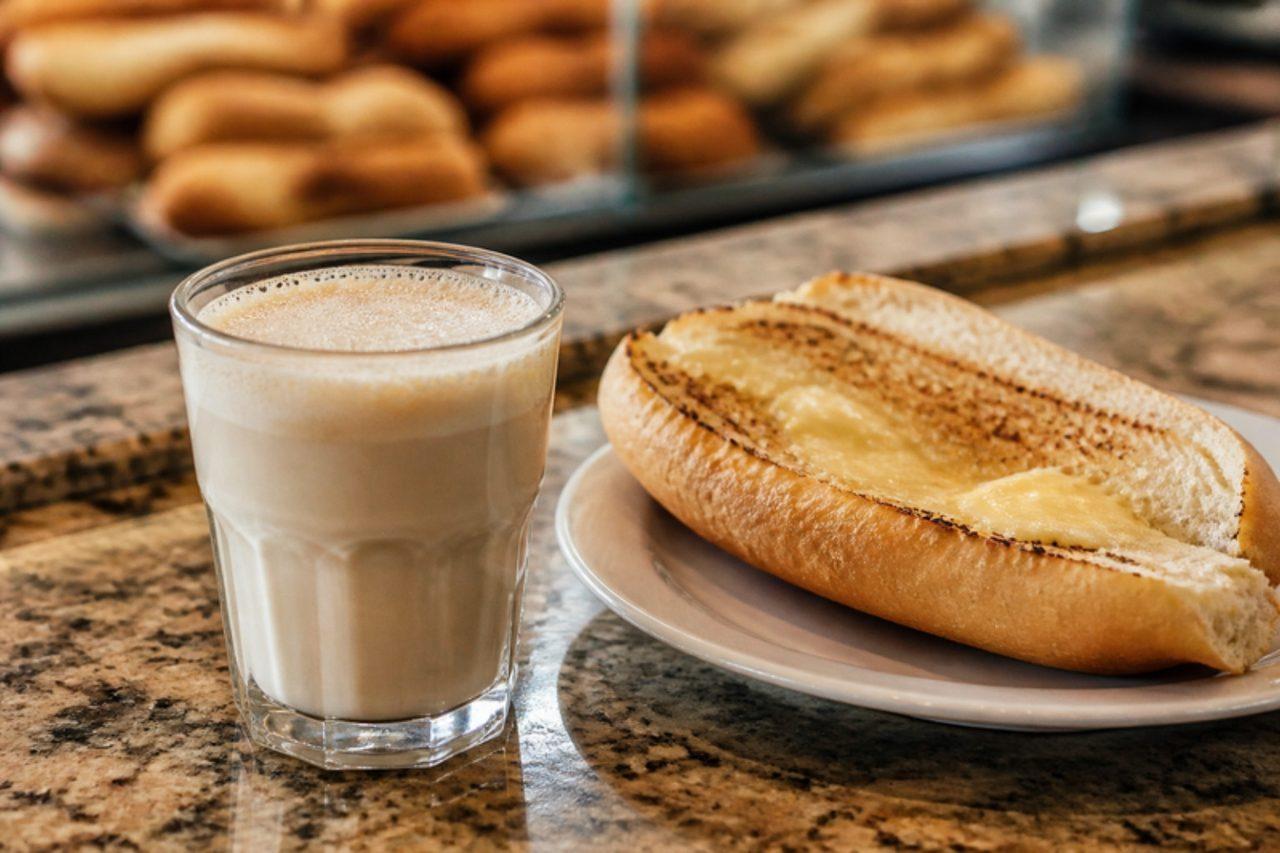
PingadoHot milk with coffee
Order 'um pingado' at the balcão of any São Paulo padaria at 7 in the morning and the attendant pours hot milk into a ridged glass tumbler (the copo americano) and 'drips' in a splash of strong coffee, hence the name. It is milkier and gentler than a média (half coffee, half milk), creamy and lightly sweet, usually drunk standing up with a pão na chapa, a toasted buttered roll. At home you need strong filter coffee and milk heated until steaming. Scalding the milk is the frequent mistake, as boiled milk tastes flat and forms a skin. Chef's tip: froth the hot milk for a few seconds with a whisk or by pouring it back and forth between two jugs before adding the coffee, as padaria machines do.
 Brazilian