Skip to content

Brazilian recipes

28 Brazilian recipes to cook at home, each with photos, step-by-step instructions and cook times. The quickest, Limonada suíça, takes 5 minutes. Most take around 45 minutes.

Filter these by time, diet or cuisine

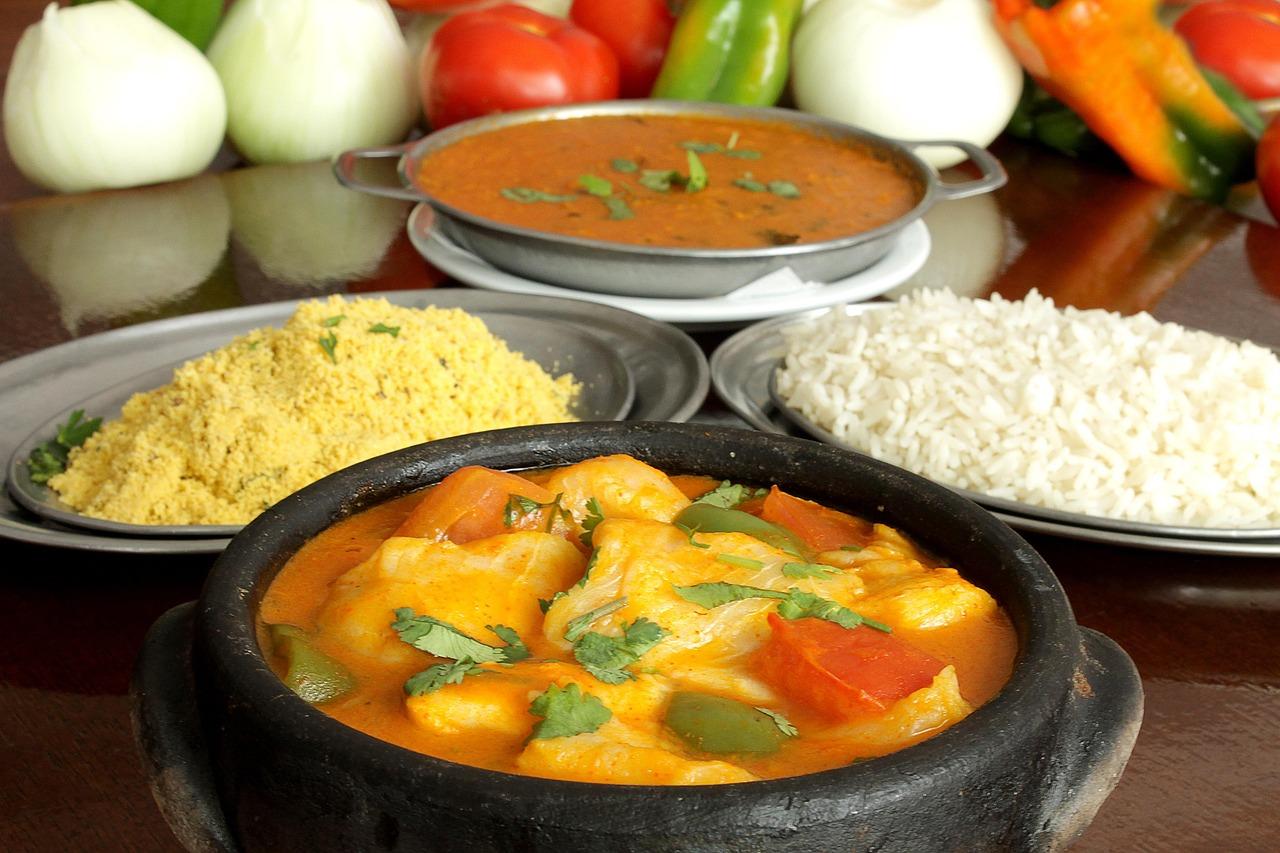
Moqueca baiana

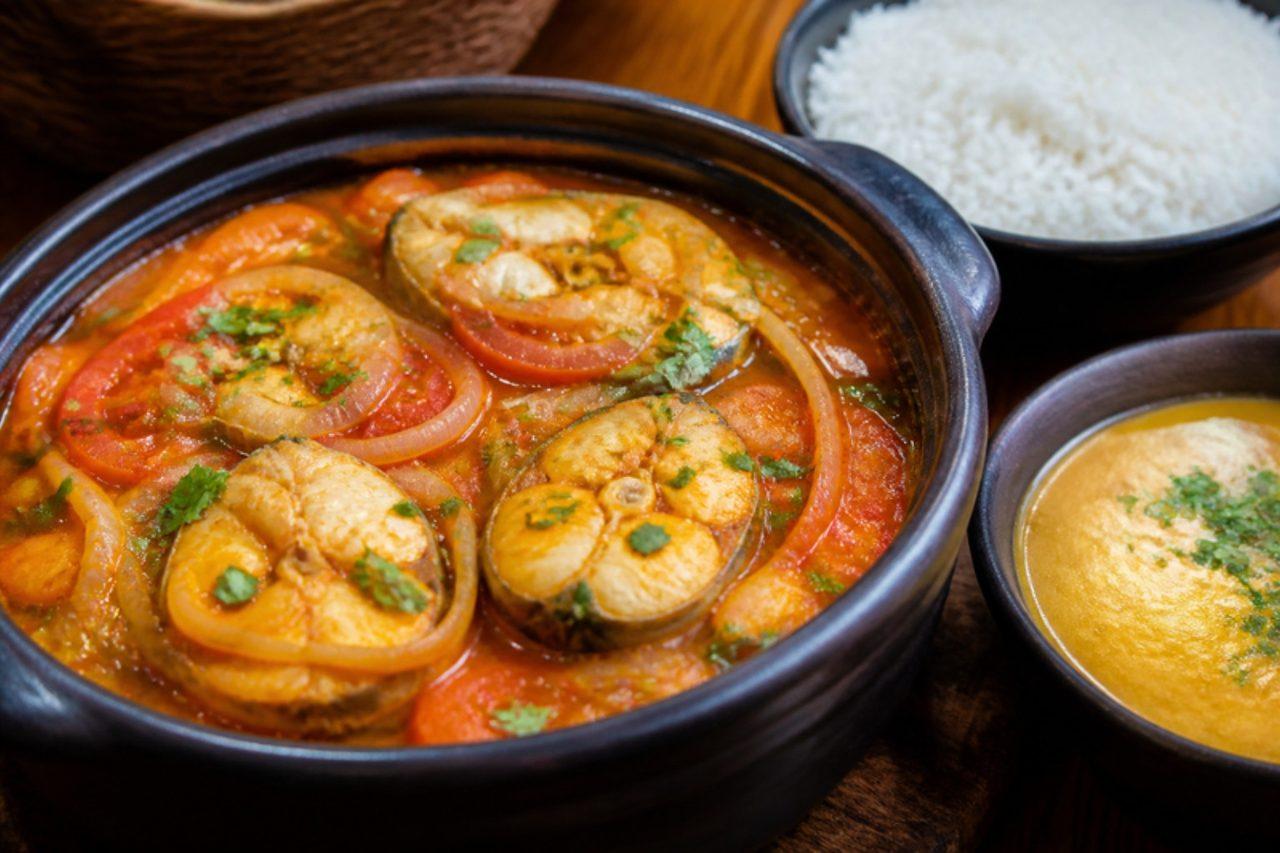
Salvador's moqueca baiana is the richer, sunnier cousin of the capixaba one, and the contrast is worth knowing: where Espírito Santo uses only tomato, annatto and olive oil, Bahia adds coconut milk, sweet peppers and dendê, the orange-red palm oil that came to Bahia with enslaved West Africans and runs through its Afro-Brazilian cooking. The result is creamy, golden and fragrant with coriander. In Salvador it is a weekend lunch at the seafront restaurants and at home, served with white rice, a yellow farofa fried in dendê and pirão. Look for dendê (red palm oil) in Brazilian, African or Caribbean shops. Chef's tip: add the dendê near the end; its flavour is strong and fades with long cooking, so a little stirred in late goes much further.

45 minFishGluten freeBrazilian
by KrazyBadal 0 views

Feijoada

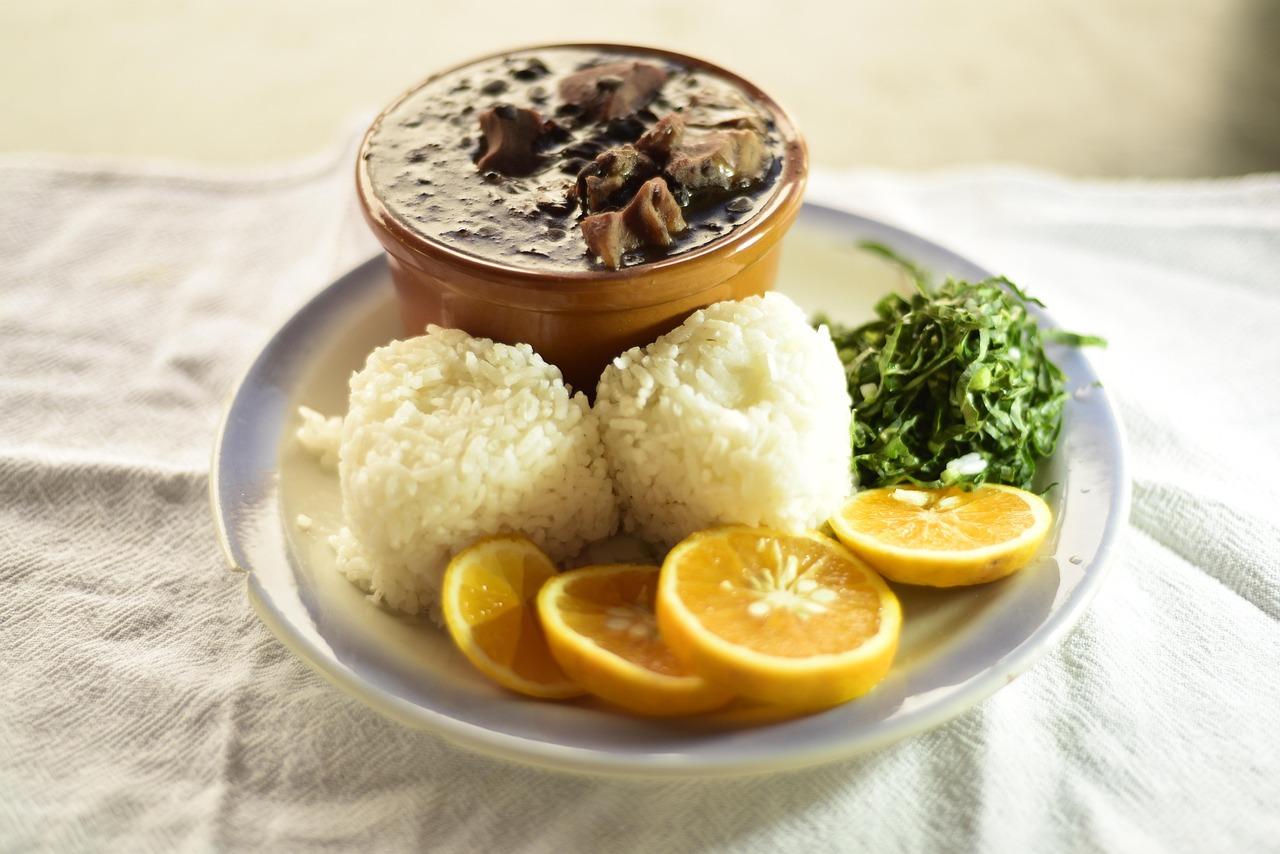
In Rio de Janeiro, feijoada has its own days: Wednesdays and Saturdays, when botecos and restaurants put the big pots on and lunch stretches into the afternoon. Black beans simmer slowly with carne seca (salt-dried beef), salted pork ribs, smoky sausages and bacon until the broth is thick, dark and glossy. The full spread, feijoada completa, comes with white rice, garlicky shredded couve, crunchy farofa and slices of orange to freshen the palate. Our vegetarian feijoada covers the meat-free version; this is the classic. Start a day ahead, because the salted meats must soak. Chef's tip: mash a ladleful of cooked beans with the fried onion and garlic and stir it back in; it thickens the broth naturally.

180 minMeatBrazilian
by KrazyBadal 0 views

Moqueca capixaba

In Vitória, capital of Espírito Santo, people like to say that moqueca is capixaba and everything else is just fish stew. Their version contains no coconut milk and no palm oil: firm white fish is layered with onion, tomato and plenty of fresh coriander, coloured red with annatto (urucum) and olive oil, and cooked in its own juices. It is always made and served in a black clay pot, the panela de barro handmade by the potters (paneleiras) of the Goiabeiras district, whose craft is protected as Brazilian heritage. Families eat it at weekend lunches with white rice and pirão, a porridge made from the fish broth and manioc flour. Chef's tip: no clay pot? Use a heavy cast-iron casserole with a lid; a thin pan heats unevenly and the bottom layer scorches.

50 minFishGluten freeBrazilian
by KrazyBadal 0 views

Arroz carreteiro

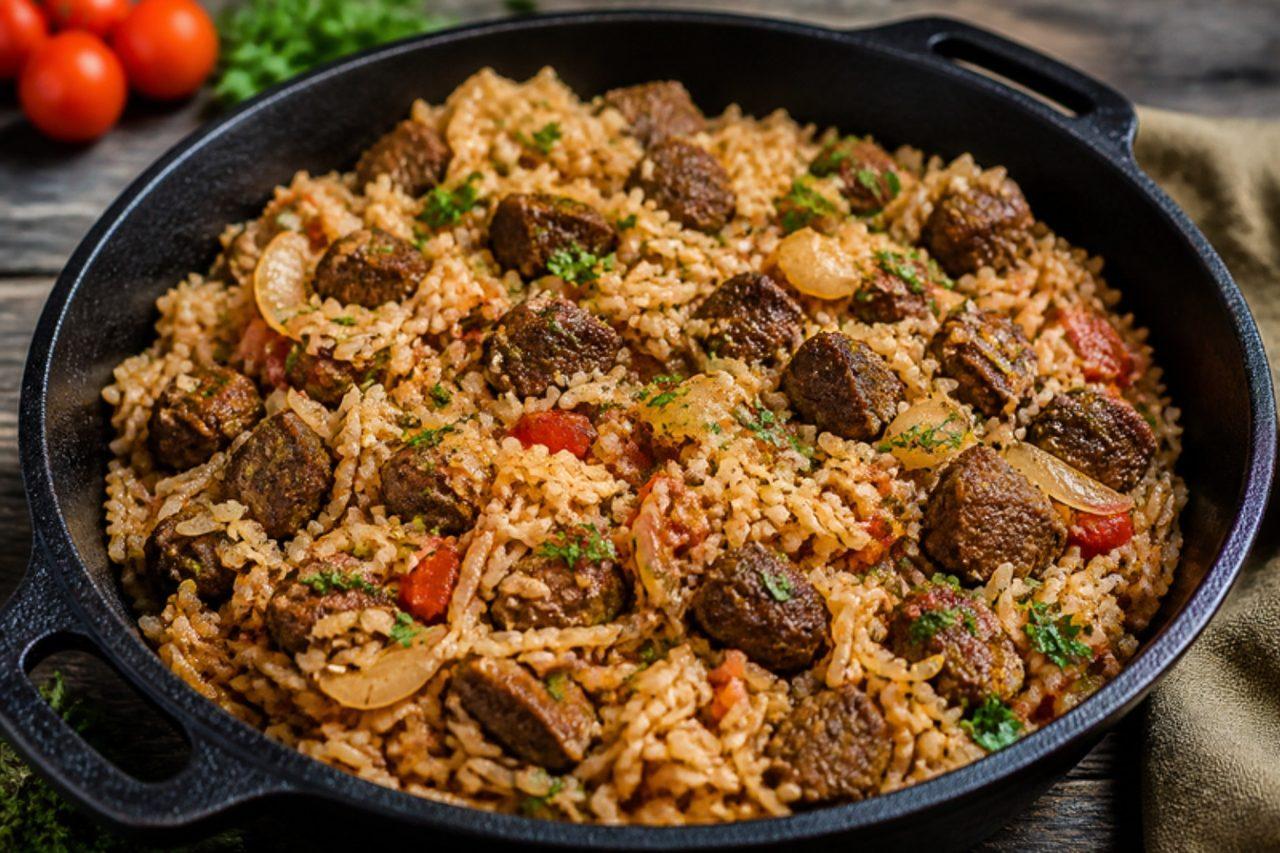
Arroz carreteiro is named after the carreteiros, the ox-cart drivers who crossed the pampas of Rio Grande do Sul with charque (dried salted beef) that kept for weeks, cooking it with rice in one iron pot at camp. In southern homes today it is often the Monday dish, made with whatever is left from Sunday's churrasco, though some cooks still use carne seca. It's quick, filling and savoury, with tomato, onion, garlic and plenty of fresh herbs. Chef's tip: dice the leftover beef small, about 1 cm, and brown it hard before the rice goes in; those crispy edges flavour the whole pot.

by KrazyBadal 0 views

Tacacá

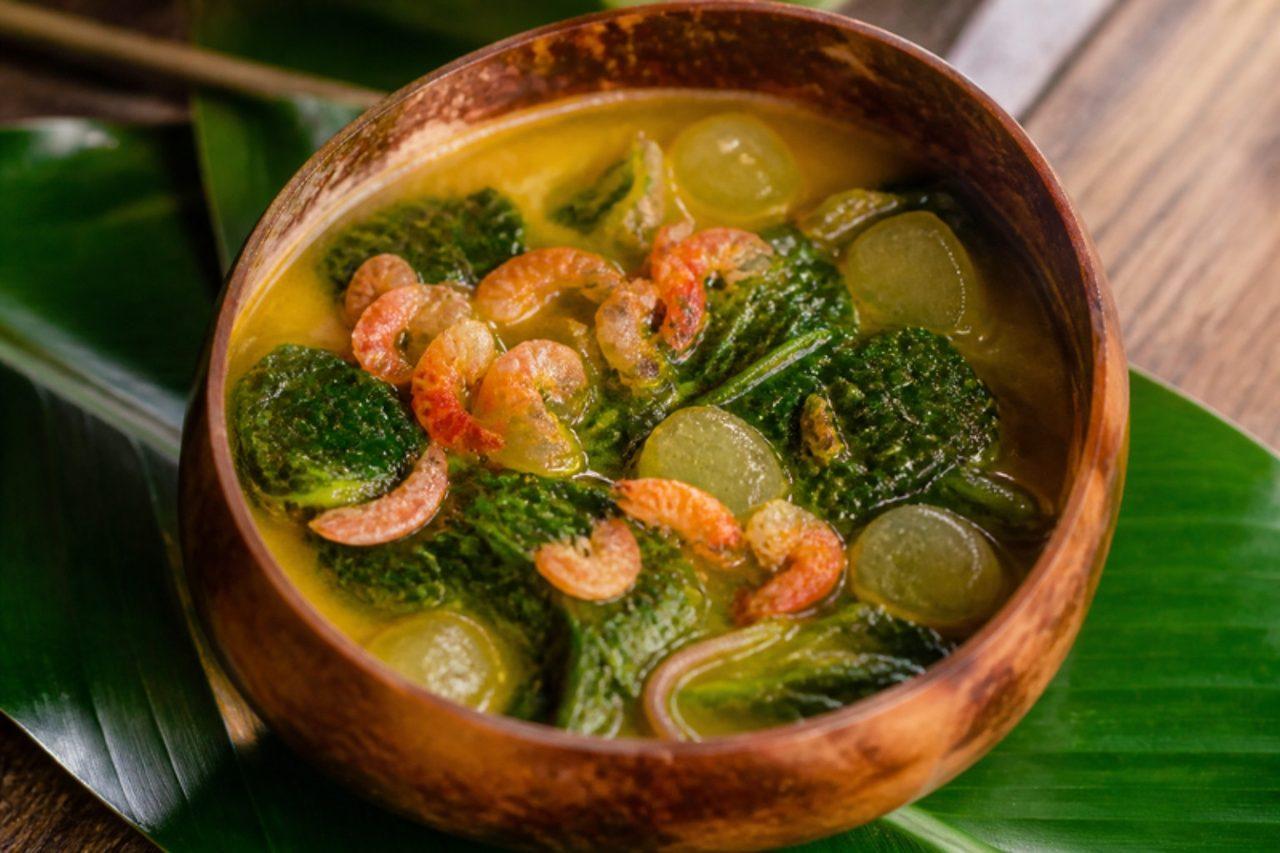
Around four in the afternoon in Belém, capital of Pará, the tacacazeiras open their street stalls and people queue for tacacá, served scalding hot in a cuia, a bowl made from a dried gourd. The broth is tucupi, the sour yellow juice of wild manioc, with a spoonful of tapioca gum, dried shrimp and jambu, an Amazon herb whose leaves make your lips and tongue tingle and go pleasantly numb. You drink the broth straight from the bowl and pick out the rest. Tucupi is sold cooked and bottled (or frozen) in Brazilian shops; it must be properly boiled before eating, which is explained in the steps. Chef's tip: soak and briefly boil the dried shrimp before they go in; straight from the bag they make the broth far too salty.

60 minSoupsGluten freeBrazilian
by KrazyBadal 0 views

Picanha churrasco

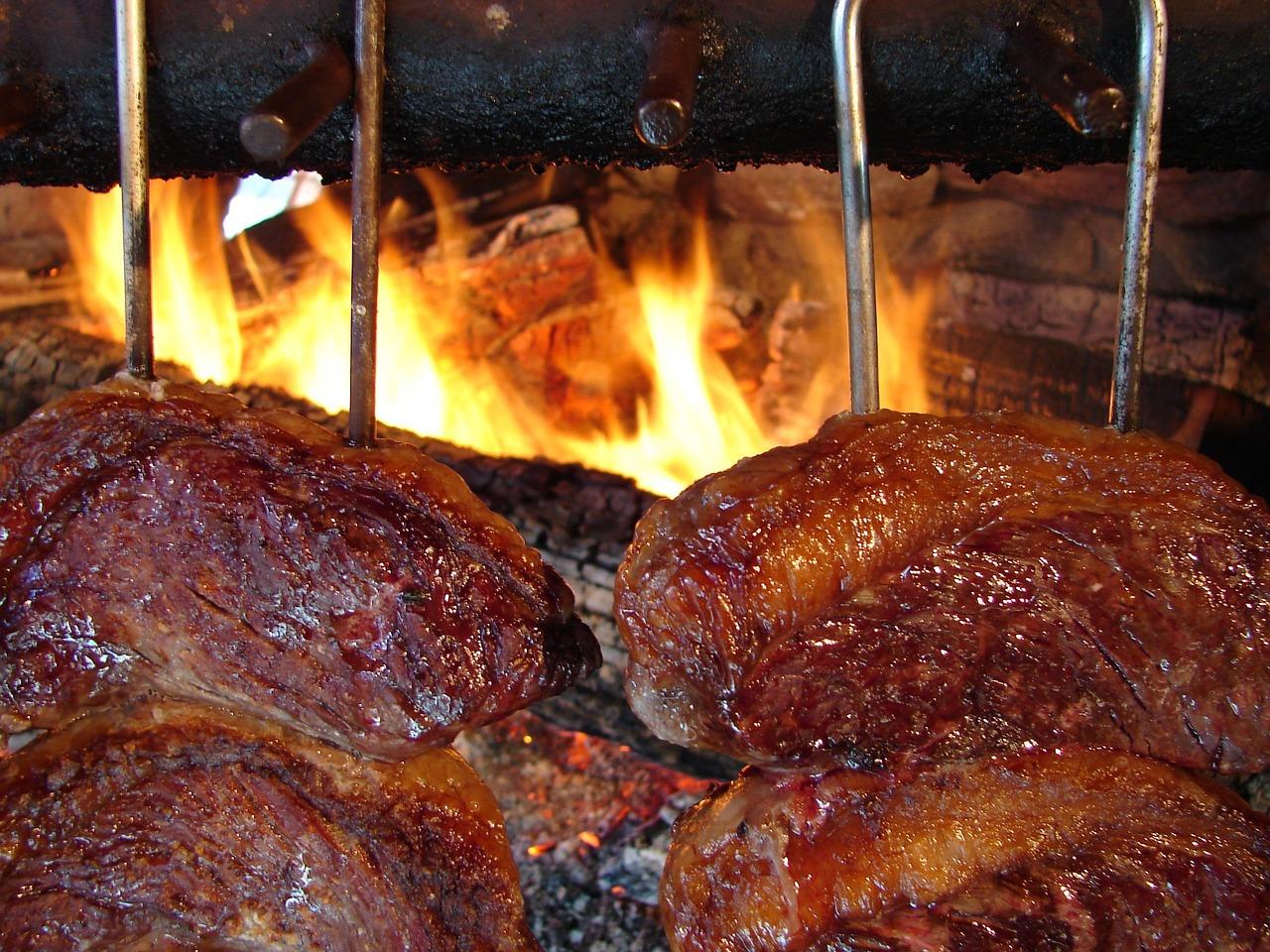
Picanha, the rump cap with its thick white fat layer, is the cut Brazilians prize most at a churrasco. The tradition comes from the gaúchos, the cattle herders of Rio Grande do Sul, and lives on in Sunday family barbecues in the south and in churrascarias across the country, where waiters carry the meat from table to table on long skewers. It is seasoned with nothing but coarse rock salt (sal grosso) and cooked over charcoal with the fat left on, so it bastes the meat. You can fold thick steaks into a C shape on skewers, as in the churrascarias, or grill them flat. Chef's tip: before slicing, knock the excess salt off with the back of a knife; the crust keeps just enough.

40 minMeatGluten freeBrazilian
by KrazyBadal 0 views

Vegetarian feijoada

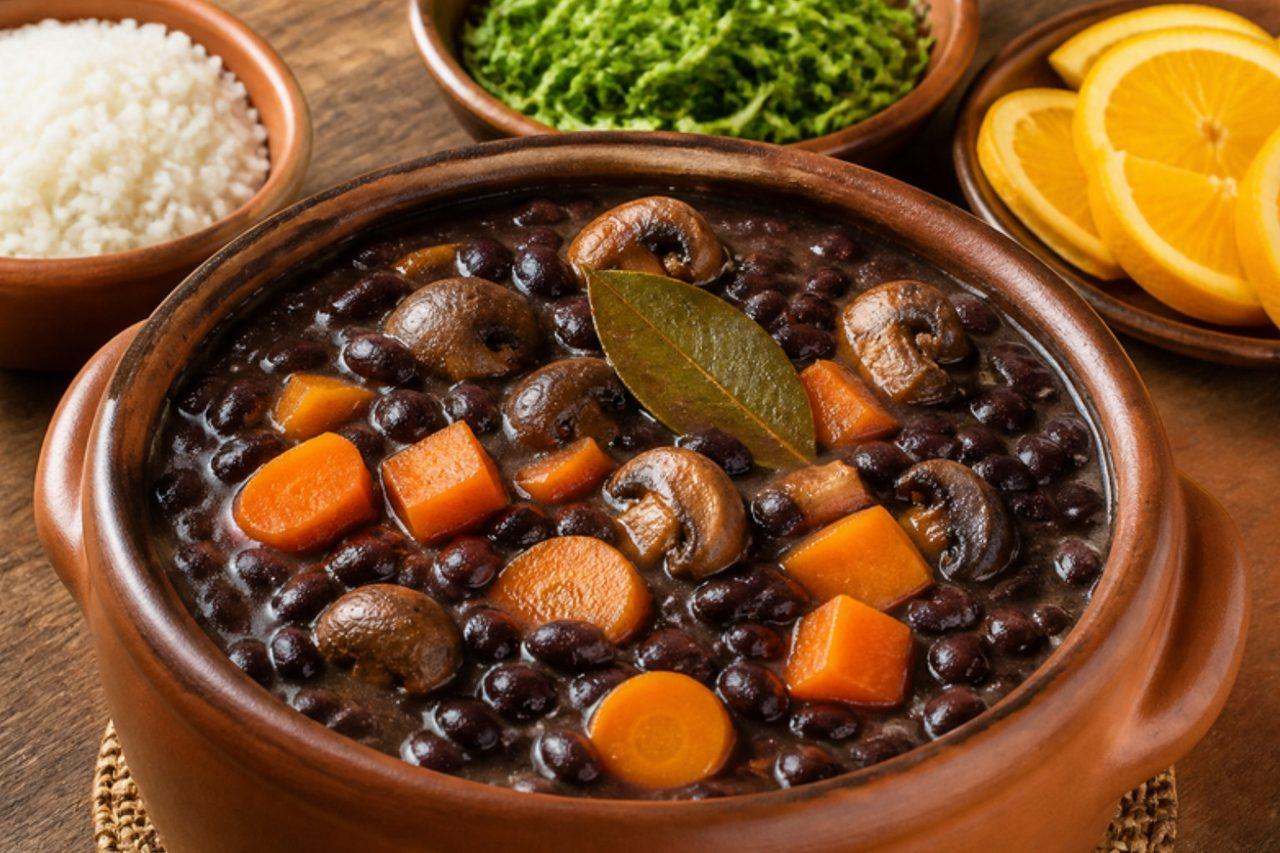
Feijoada is Brazil's national dish, the slow black bean stew that Rio de Janeiro and the rest of the country eat for long Saturday lunches. The classic version is loaded with smoked pork; this feijoada vegetariana gets its depth from well-browned mushrooms, smoked paprika and bay instead, with sweet potato melting into the dark, glossy broth. Serve it the proper way: white rice, couve à mineira, farofa and slices of orange to cut the richness. Chef's tip: once the beans are tender, mash a ladleful against the side of the pot and stir it back in. That's how Brazilian cooks get the thick, velvety caldo that coats the rice, rather than a thin soup.

105 minCurriesVeganGluten freeBrazilian
by KrazyBadal 0 views

Baião de dois

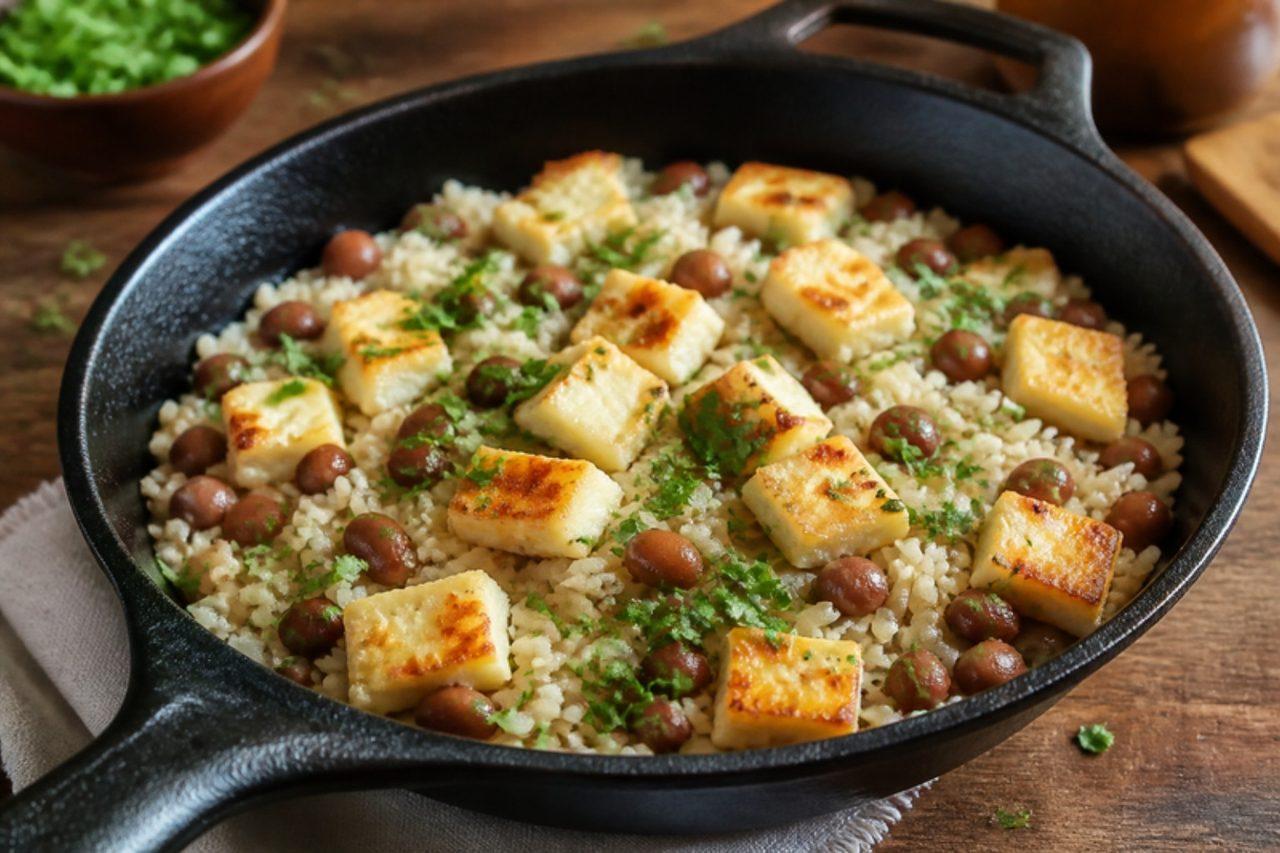
Baião de dois ('a dance for two') is the pride of Ceará and the Northeast sertão: rice cooked in the broth of feijão-de-corda (a small cowpea; black-eyed peas are the closest match), then folded with cubes of squeaky queijo coalho until they just start to melt. It's usually made with dried beef and bacon; this version keeps the smoky note with paprika and finishes with nutty clarified butter (manteiga de garrafa). It's a one-pot meal on its own, or great with vinagrete. Chef's tip: cook the rice in the bean cooking water, not fresh water. That's what gives baião its brownish colour and deep bean flavour.

by KrazyBadal 0 views

Tapioca crêpe

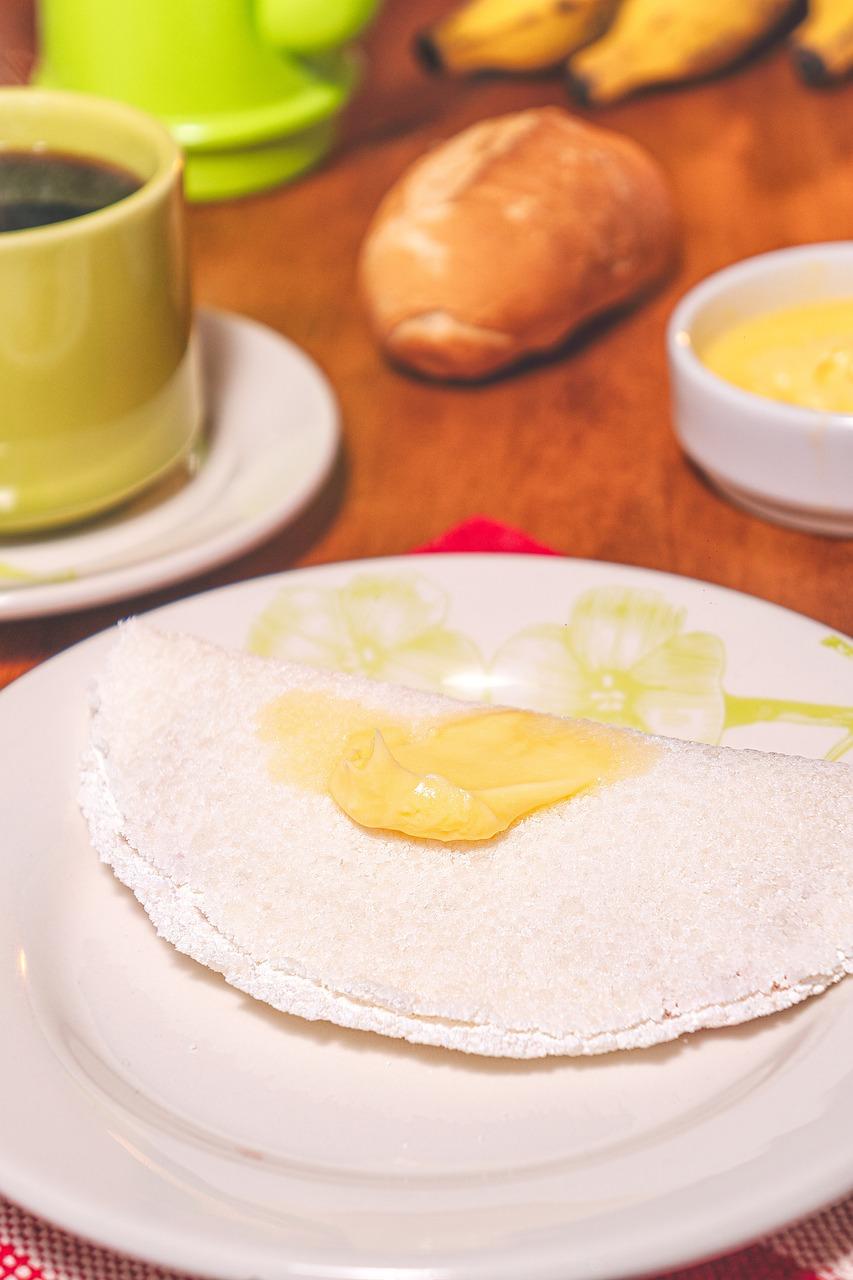
Tapioca is the Northeast's favourite breakfast, cooked on griddles at beach stalls from Recife to Fortaleza and now loved all over Brazil. Damp cassava starch (goma) is sieved into a hot dry pan, where it fuses into a thin white disc that's soft, chewy and slightly crisp. This recipe gives two classic fillings: melting cheese with butter, and coconut with condensed milk. Chef's tip: hydrate the starch until it feels like damp sand that holds when squeezed, then sieve it into the pan and never press it down. A loose, even layer is what makes the starch melt into one lacy, flexible sheet.

by KrazyBadal 0 views

Cuscuz nordestino

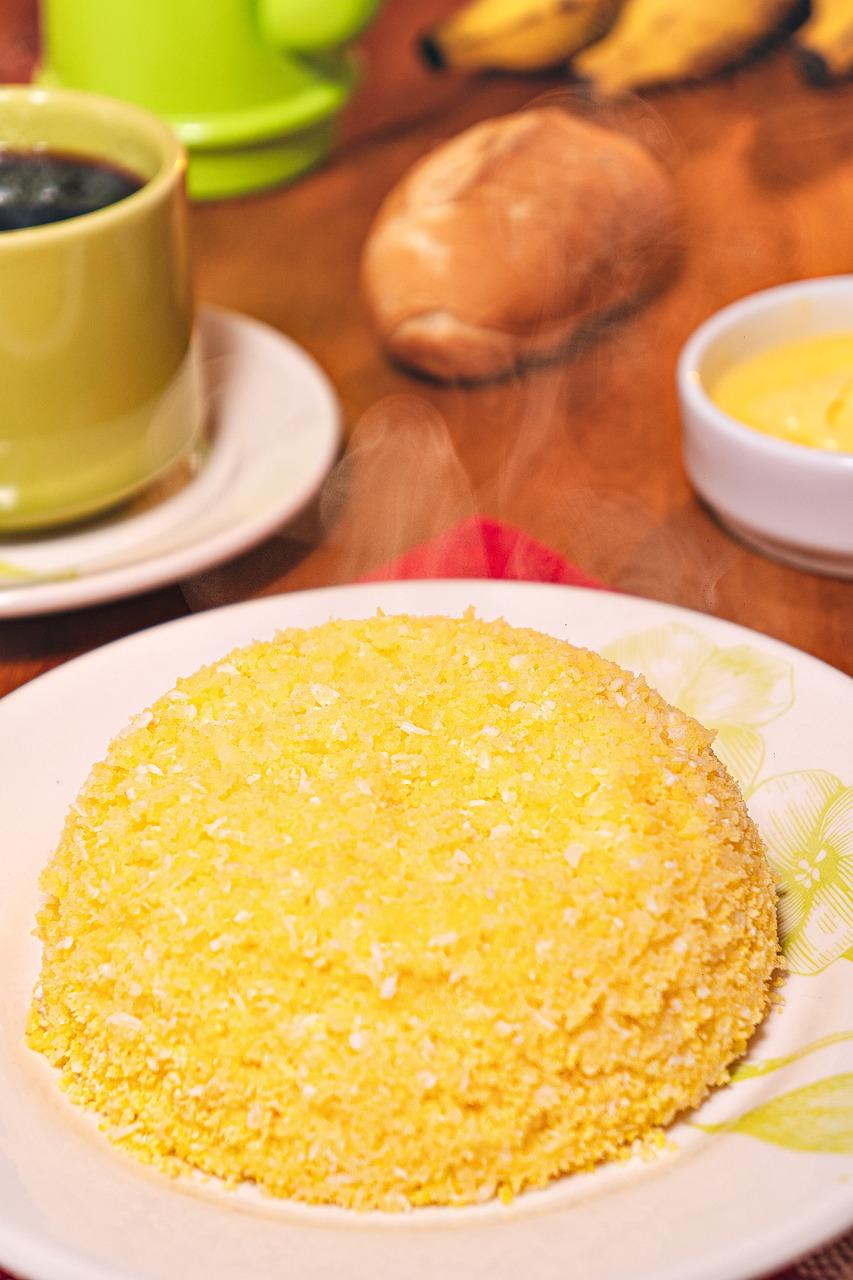
Cuscuz nordestino has nothing to do with North African couscous: it's a soft, fluffy cake of steamed flaked maize (flocão), eaten every morning across the Northeast, from Pernambuco to Bahia. It's served hot in wedges with a melting slab of butter, often with fried egg, cheese or coconut milk poured over. It's traditionally steamed in a cuscuzeira, a two-tier steamer, but a steamer basket lined with a cloth works too. Chef's tip: let the corn soak up the salted water for 10 minutes, then pack it into the steamer loosely. Pressed down, it turns dense and heavy; loose, it steams into a light cake that still holds together.

by KrazyBadal 0 views
Arroz e feijão

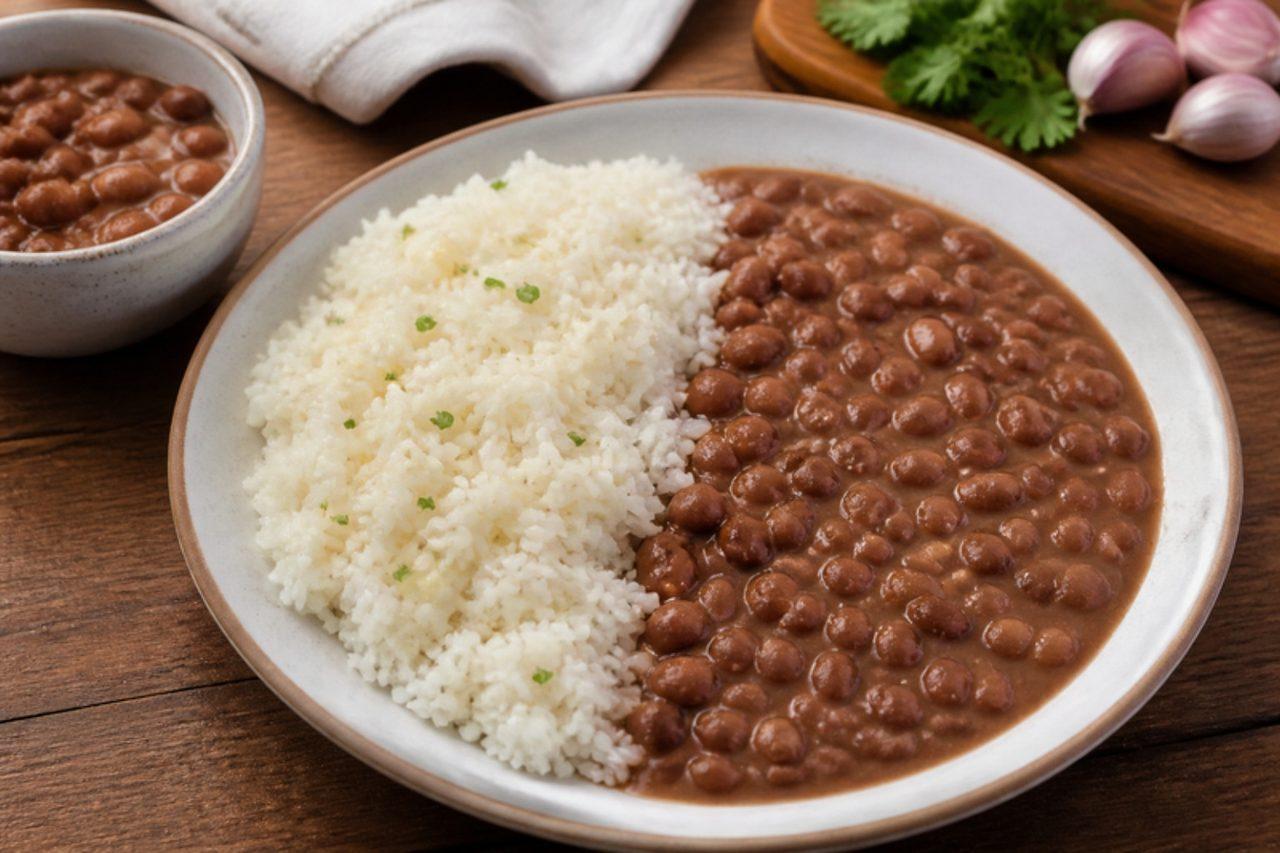
Arroz e feijão is the heart of the Brazilian table, eaten at lunch nearly every day from Porto Alegre to Manaus. Each half is simple but made with care: the rice is fried with garlic before simmering so the grains stay loose (soltinho), and the beans are finished with a refogado of onion and garlic that thickens their broth. In the South and Rio black beans are the norm; elsewhere it's the beige carioca bean. Chef's tip: when the beans are tender, fry the garlic and onion, add a ladle of beans and mash them in the pan, then stir it all back into the pot. This tempero is the step that makes Brazilian beans taste like home.

by KrazyBadal 0 views

Farofa

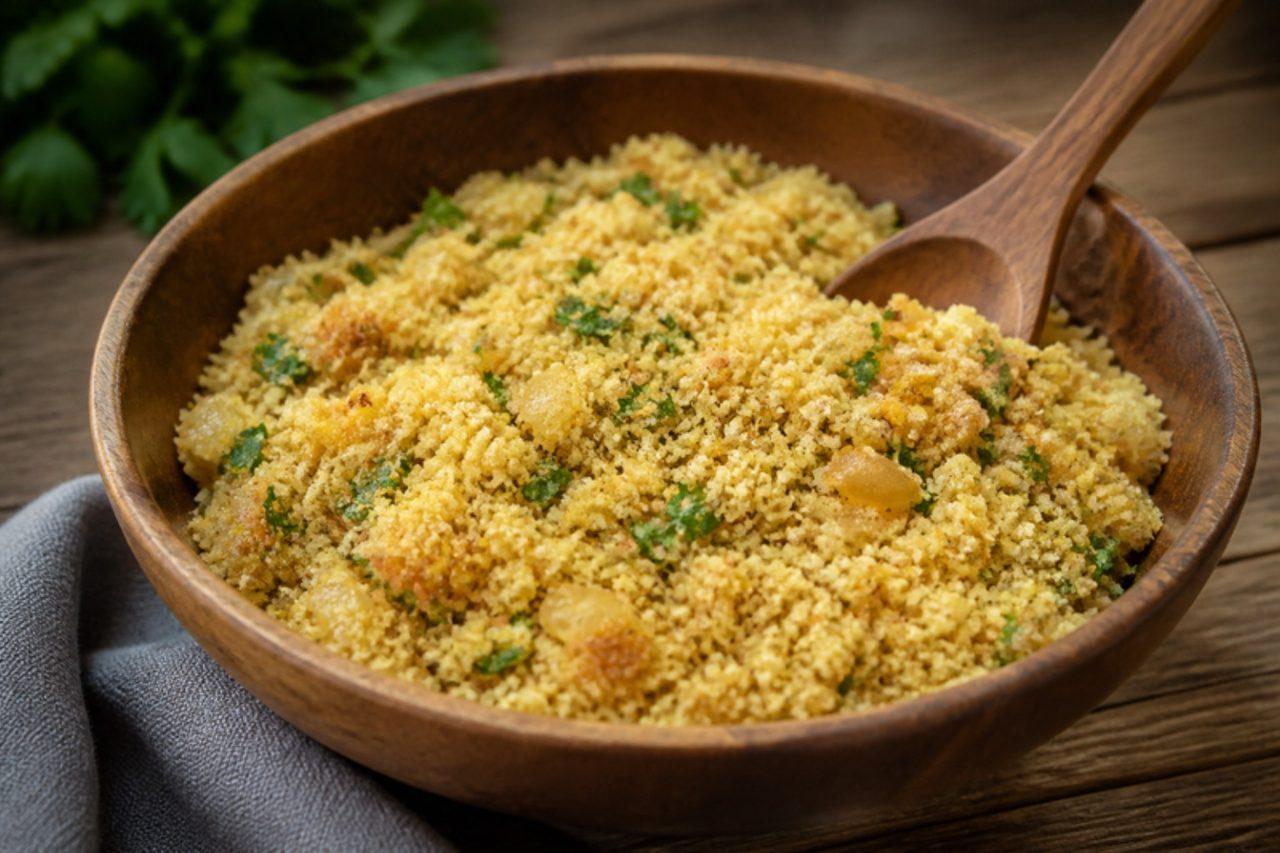
Farofa is on the table at almost every Brazilian meal, from feijoada to Sunday barbecue: coarse manioc (cassava) meal toasted in butter or olive oil with onion and garlic until golden, sandy and nutty. Sprinkle it over beans, stews and moqueca to soak up the juices and add crunch. Bacon is common in the South-East; this butter version is the classic everyday one (use olive oil for a vegan farofa). Chef's tip: toast the manioc over a medium-low heat, stirring constantly, and go by smell and sound. It's ready when it smells like toasted hazelnuts and sounds dry and sandy against the spoon; high heat scorches it in seconds.

17 minSidesGluten freeBrazilian
by KrazyBadal 0 views

Vinagrete

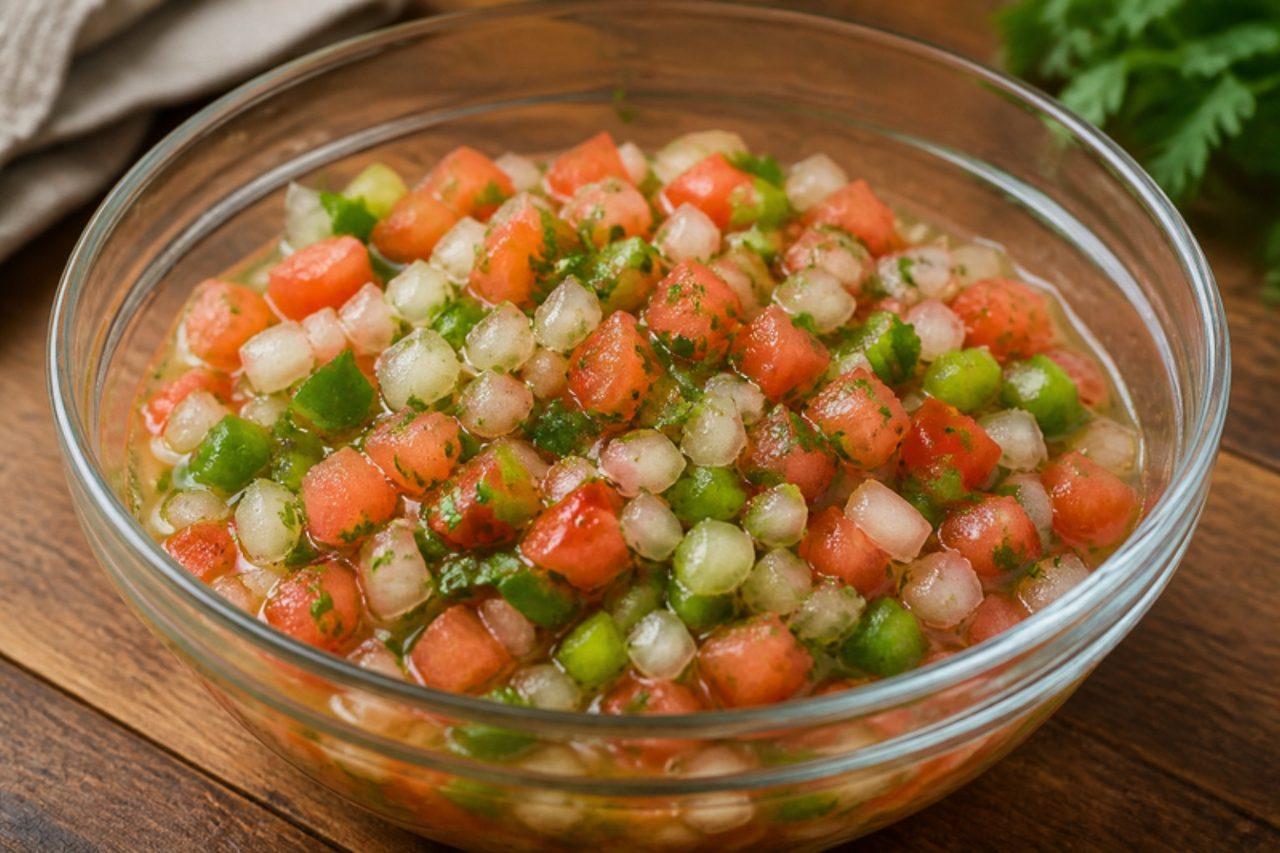
Vinagrete, also called molho à campanha in the South, is the fresh, tangy salsa that goes on every Brazilian barbecue table and next to feijoada, acarajé and grilled cheese. Finely diced tomato, onion and green pepper are bathed in vinegar, olive oil and a little water, so it's halfway between a salad and a sauce. Chef's tip: soak the chopped onion in cold water for 5 minutes and drain. It takes away the harsh bite while keeping the crunch, so the salsa tastes clean and bright instead of raw.

by KrazyBadal 0 views

Cheese and heart of palm pastel

Pastel is the taste of the São Paulo street market: big rectangles of thin dough fried to order until they blister and puff, eaten hot from paper with a glass of caldo de cana (sugar-cane juice). Cheese and palmito (heart of palm) are two of the most popular meat-free fillings. Chef's tip: add a spoon of cachaça (or vodka) to the dough and fry in properly hot oil. The alcohol evaporates fast and makes the crust puff into the light, bubbly blisters that market pastel is famous for.

by KrazyBadal 0 views

Limonada suíça

Limonada suíça is the creamy, frothy limeade served in juice bars and lunch counters all over Brazil. Despite the name ('Swiss lemonade'), nobody knows of any Swiss link, and it's made with whole Tahiti limes, blended briefly, skin and all, then strained and sweetened with condensed milk. It's cold, zingy and pale green, perfect with a hot lunch. Chef's tip: blend for no more than 10–15 seconds. Lime peel gives the drink its wonderful perfume, but blended too long it releases bitterness from the pith; serve it straight away for the same reason.

5 minDrinksBrazilian
by KrazyBadal 0 views

Brigadeiro

Brigadeiro is Brazil's favourite sweet: no birthday party anywhere in the country is complete without trays of them in little paper cases. Condensed milk, cocoa and butter are stirred in a pan until thick, then rolled into soft, fudgy balls and coated in chocolate sprinkles. It's said to be named after Brigadeiro Eduardo Gomes, an air force officer who ran for president in 1945. Chef's tip: learn the ponto (the doneness point). Tilt the pan and drag your spatula through the mixture: when it slides as one mass and you can see the pan base for 2–3 seconds before it closes up, it's ready. Undercooked brigadeiros won't hold a shape; overcooked ones turn chewy.

32 minDessertsGluten freeBrazilian
by KrazyBadal 0 views

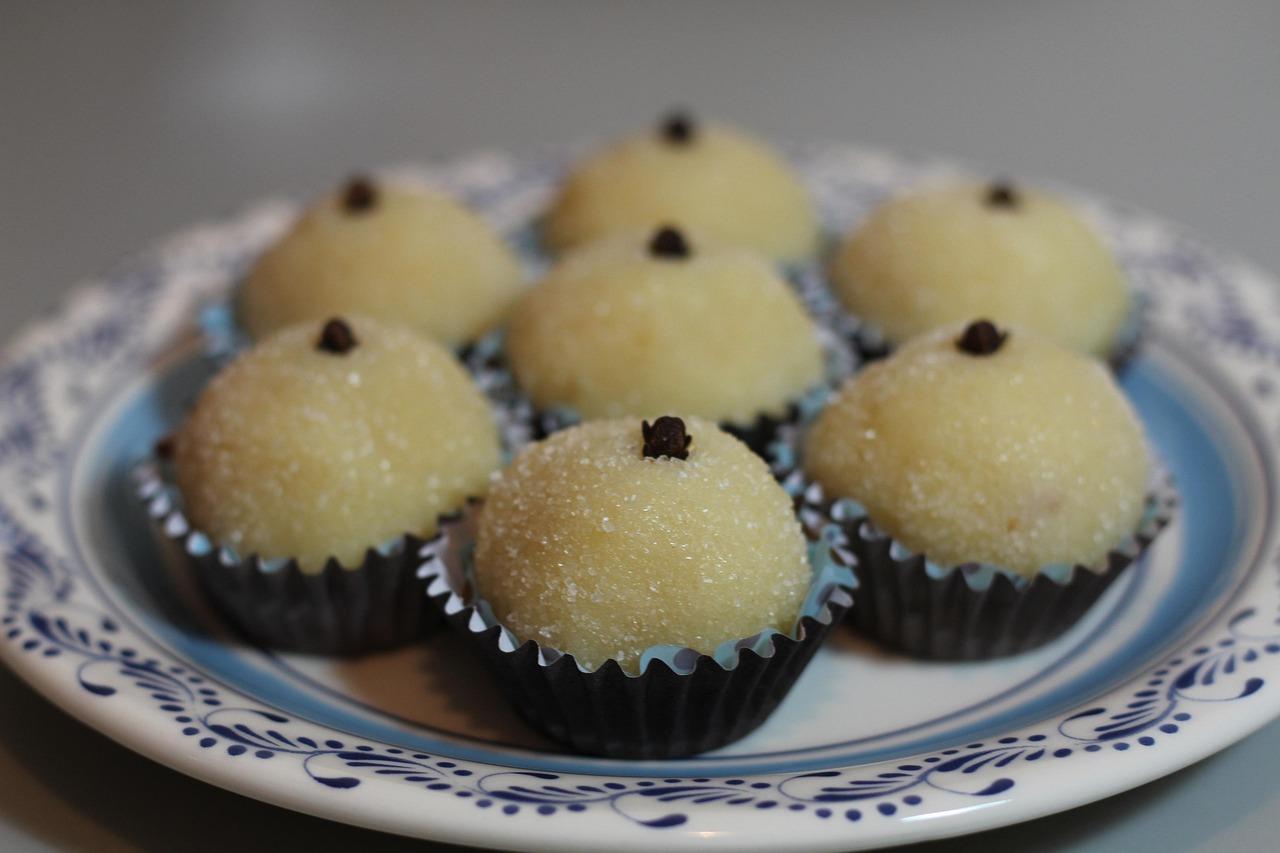
Beijinho

Beijinho ('little kiss') is the white twin of brigadeiro, and the two always appear side by side at Brazilian birthday parties all over the country. Condensed milk is cooked with butter and coconut until thick, then rolled into small balls, coated in sugar or coconut and topped with a single clove. Chef's tip: don't skip the clove. It's the signature of a proper beijinho, giving a little warm, spicy perfume that balances all that sweetness (it's for decoration and aroma; take it out before eating).

32 minDessertsGluten freeBrazilian
by KrazyBadal 0 views

Pudim de leite condensado

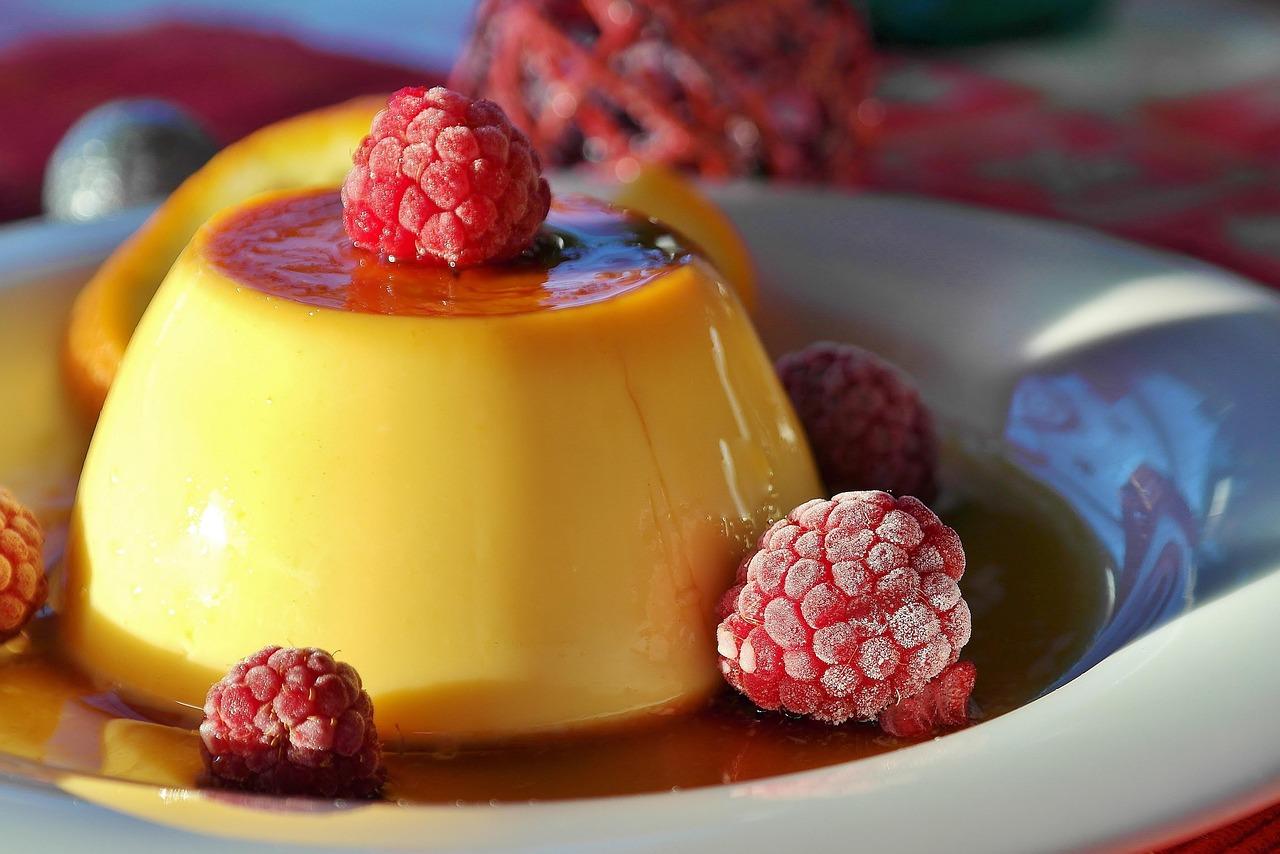
Pudim de leite condensado is the dessert of Brazilian Sunday lunch, served in every home and por-quilo restaurant from north to south. It's richer and denser than a French crème caramel: condensed milk, milk and eggs baked in a water bath in a ring tin, then turned out under a glossy layer of dark caramel. Chef's tip: bake it gently in a water bath and keep the water just below a simmer. Too much heat makes the bubbles that leave the pudim full of little holes; Brazilians prize a smooth, silky pudim lisinho.

75 minDessertsGluten freeBrazilian
by KrazyBadal 0 views

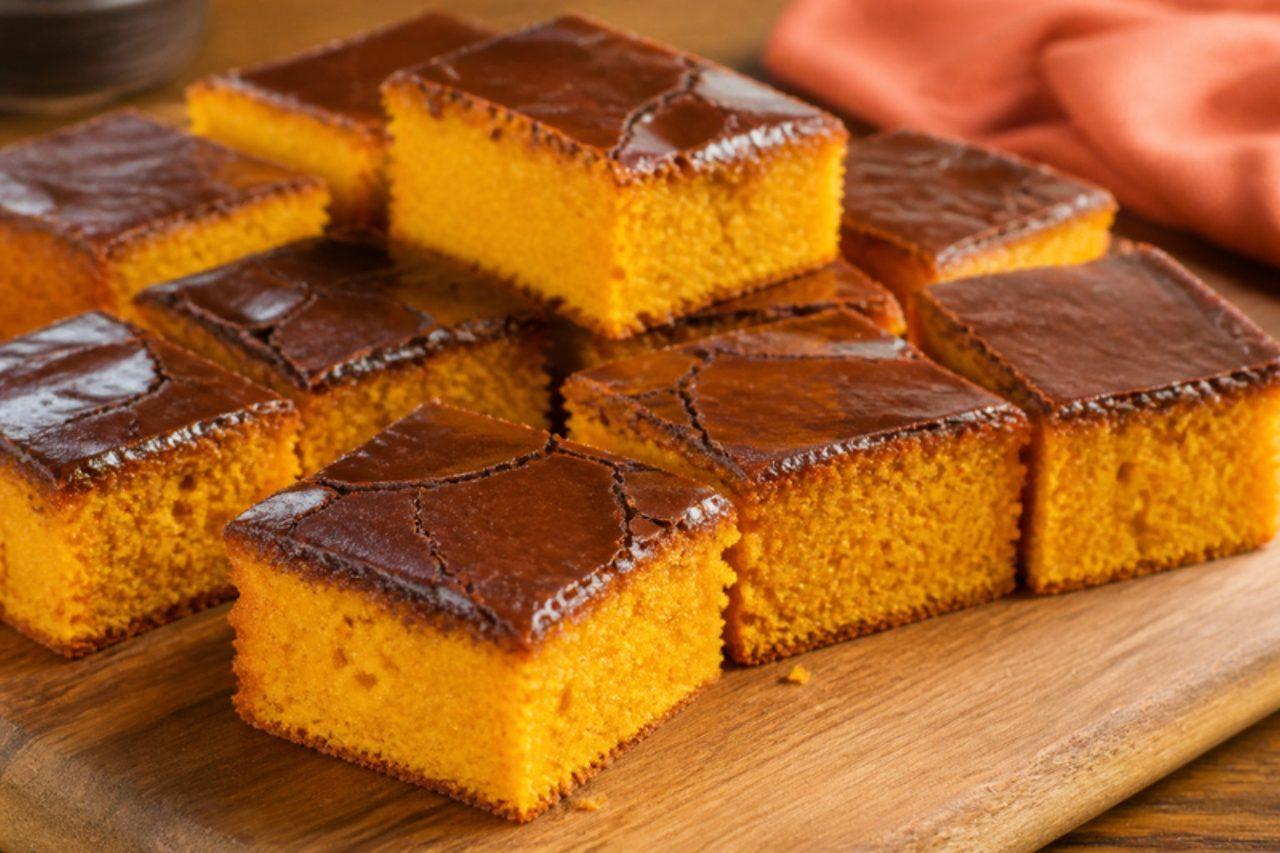
Bolo de cenoura com cobertura de chocolate

Bolo de cenoura is the most loved homemade cake in Brazil, served with coffee at the afternoon lanche all over the country. It's nothing like the spiced, nutty carrot cake of the UK and US: raw carrots are blended smooth with eggs and oil, giving a bright orange, light and moist sponge, finished with a thick chocolate topping that sets with a thin crust. Chef's tip: blend the carrots with the eggs and oil until completely smooth, with no visible bits, and pour the chocolate topping over while the cake is still warm. The topping soaks in a little and sets with the shiny, crackly casquinha (crust) Brazilians love.

60 minBakingBrazilian
by KrazyBadal 0 views

Quindim

Quindim is a jewel of Bahian sweets: small, shiny, intensely yellow custards made from egg yolks, sugar and grated coconut. It goes back to Portugal's convent sweets, rich in yolks, which cooks in colonial Bahia combined with the coconut of the Brazilian coast. When baked, the coconut sinks to form a chewy base and the yolks set into a silky, translucent top that becomes the shining crown when unmoulded. Chef's tip: strain the yolks so there are no traces of white or the chalazae (the stringy bits). Egg white makes quindim pale and rubbery instead of glossy, deep gold and smooth.

60 minDessertsGluten freeBrazilian
by KrazyBadal 0 views

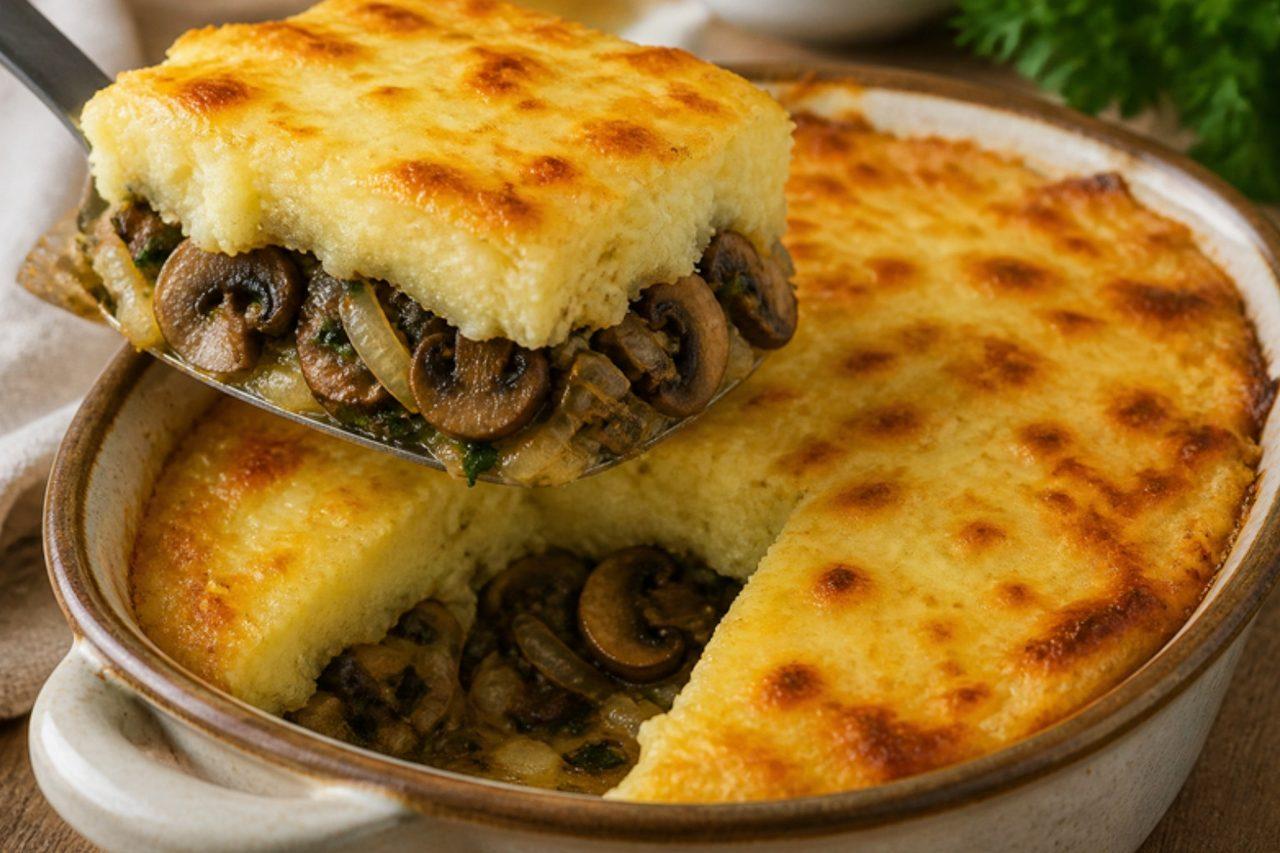
Mushroom and cassava escondidinho

Escondidinho ('little hidden one') is a homely baked dish from the Northeast: a savoury filling hidden under a layer of creamy mashed cassava (mandioca or aipim), topped with cheese and baked until golden. The classic is made with carne de sol, the Northeast's sun-dried beef; this vegetarian escondidinho uses mushrooms browned hard with onion, tomato and smoked paprika for the same savoury depth. Serve it with a green salad or couve à mineira. Chef's tip: mash the cassava while it's piping hot and remove the woody core first. Cold cassava turns gluey, and the stringy core spoils the silky texture.

75 minVegetarianGluten freeBrazilian
by KrazyBadal 0 views

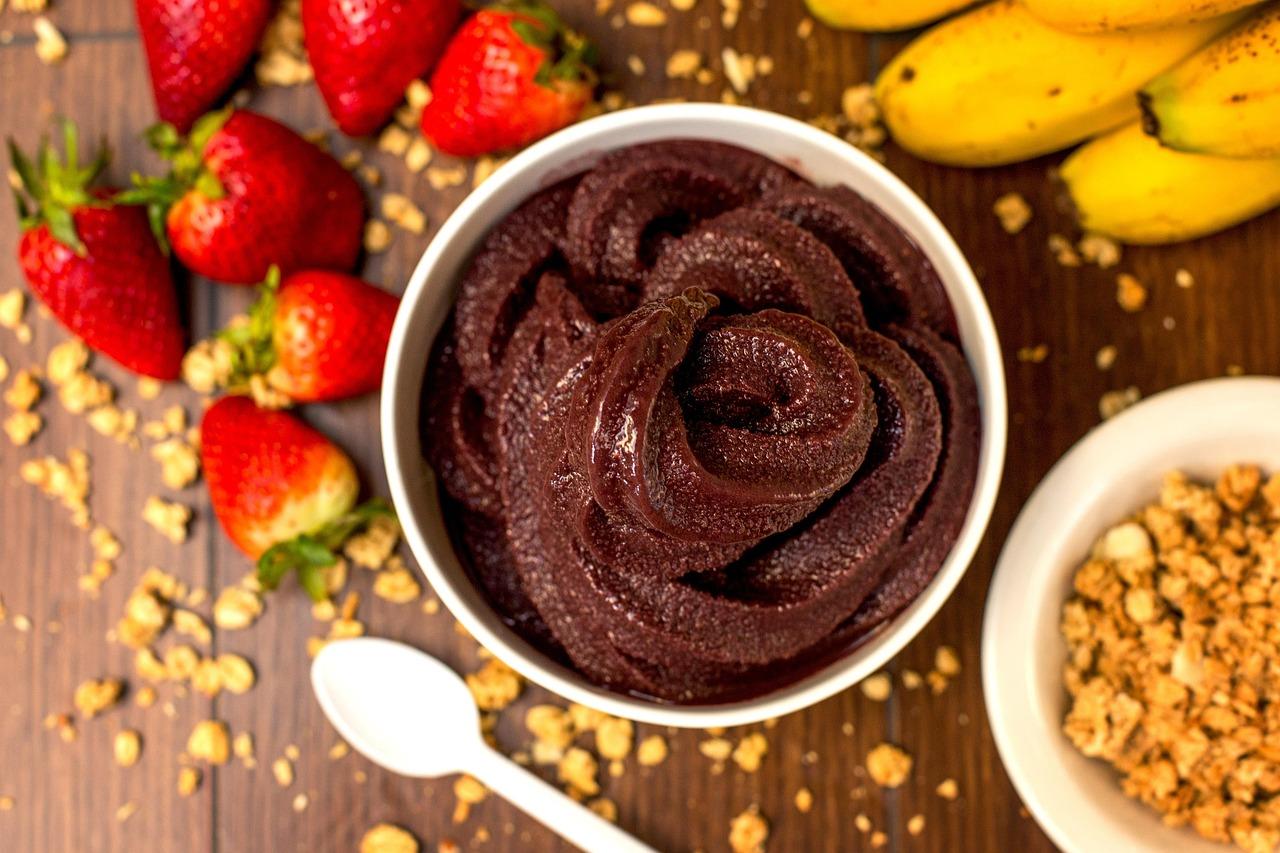
Açaí bowl

Açaí is a deep purple palm berry from Pará, in the Amazon, where people in Belém eat it as a thick, unsweetened purée with manioc meal alongside savoury food. The sweet, frozen açaí na tigela ('açaí in a bowl') was born on the beaches of Rio de Janeiro and became a Brazilian breakfast and post-surf favourite: thick as soft-serve ice cream, topped with crunchy granola, banana and strawberries. Chef's tip: use as little liquid as possible and blend in short pulses, scraping down the sides. Real açaí na tigela is spooned, not drunk; too much juice turns it into a smoothie.

by KrazyBadal 0 views

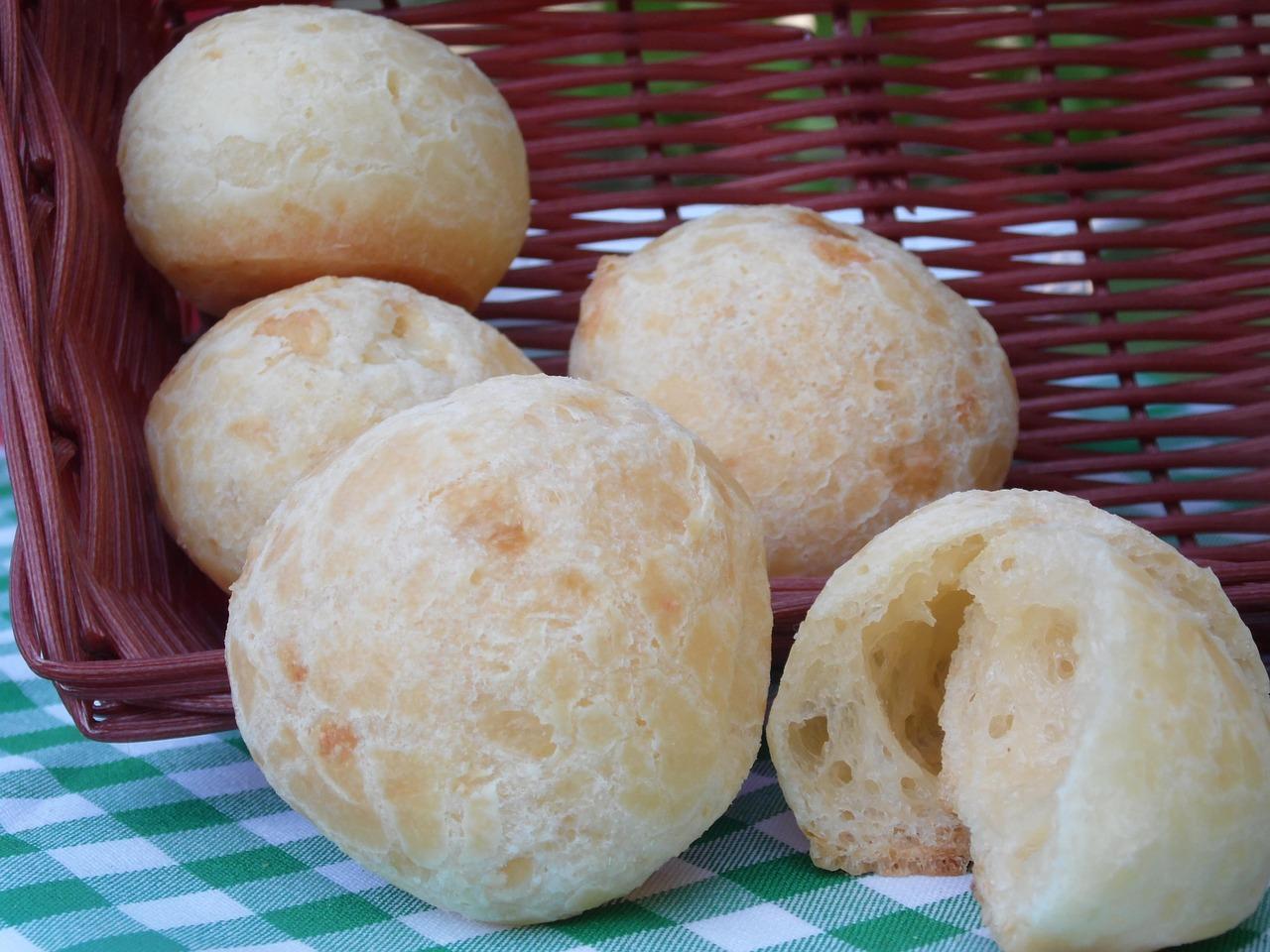
Pão de queijo

Pão de queijo comes from Minas Gerais, where every café and grandmother's kitchen has a tray in the oven for breakfast or afternoon coffee. Made with cassava starch (polvilho) instead of wheat flour, the little rolls are crisp and golden outside and stretchy, cheesy and almost hollow inside. Mineiros use queijo minas meia-cura; a mix of Parmesan-style cheese and mozzarella is the closest match elsewhere. Chef's tip: pour the boiling milk and oil over the starch (escaldar). Scalding cooks part of the starch, and that's what gives the chewy, elastic inside; and use some sour starch (polvilho azedo), which makes them puff up tall.

45 minBakingGluten freeBrazilian
by KrazyBadal 0 views

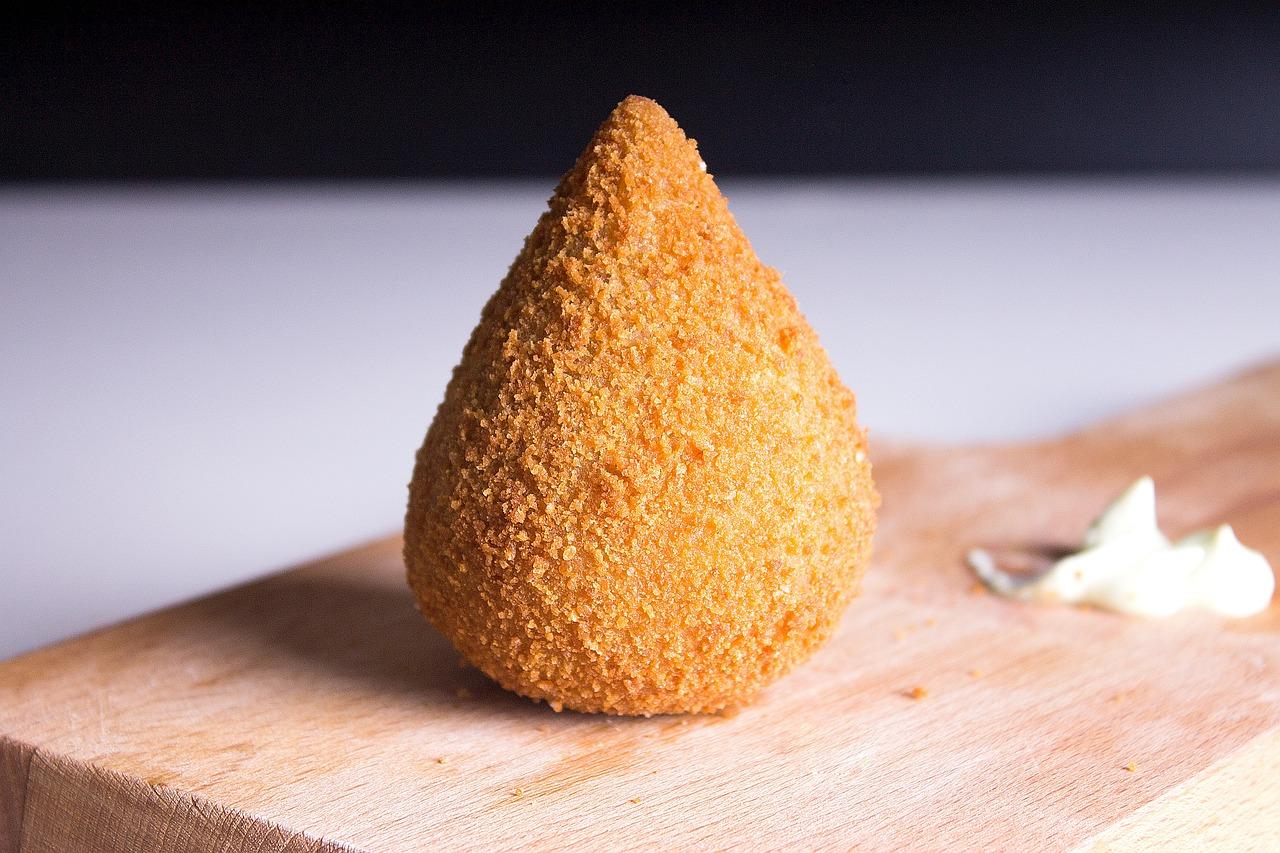
Heart of palm coxinha

Coxinha is the king of Brazilian salgados, sold in every padaria and served at every birthday party, especially in São Paulo. The teardrop shape copies a chicken thigh, but coxinha de palmito, filled with soft heart of palm, tomato and creamy cheese, is a much-loved meat-free version. The dough is a cooked, savoury choux-like paste, rolled in breadcrumbs and fried until shatteringly crisp. Chef's tip: cook the dough until it comes away from the pan in one smooth ball, then knead it while still warm with oiled hands. Lumpy or under-cooked dough cracks in the fryer and lets the filling leak.

by KrazyBadal 0 views
Showing 24 of 28 recipes

Show more recipes

Page 1 of 2

More Brazilian ideas

Other cuisines