Skip to content

Spanish recipes

31 Spanish recipes to cook at home, each with photos, step-by-step instructions and cook times. The quickest, Pimientos de Padrón, takes 8 minutes. Most take around 45 minutes.

Filter these by time, diet or cuisine

Horchata de chufa

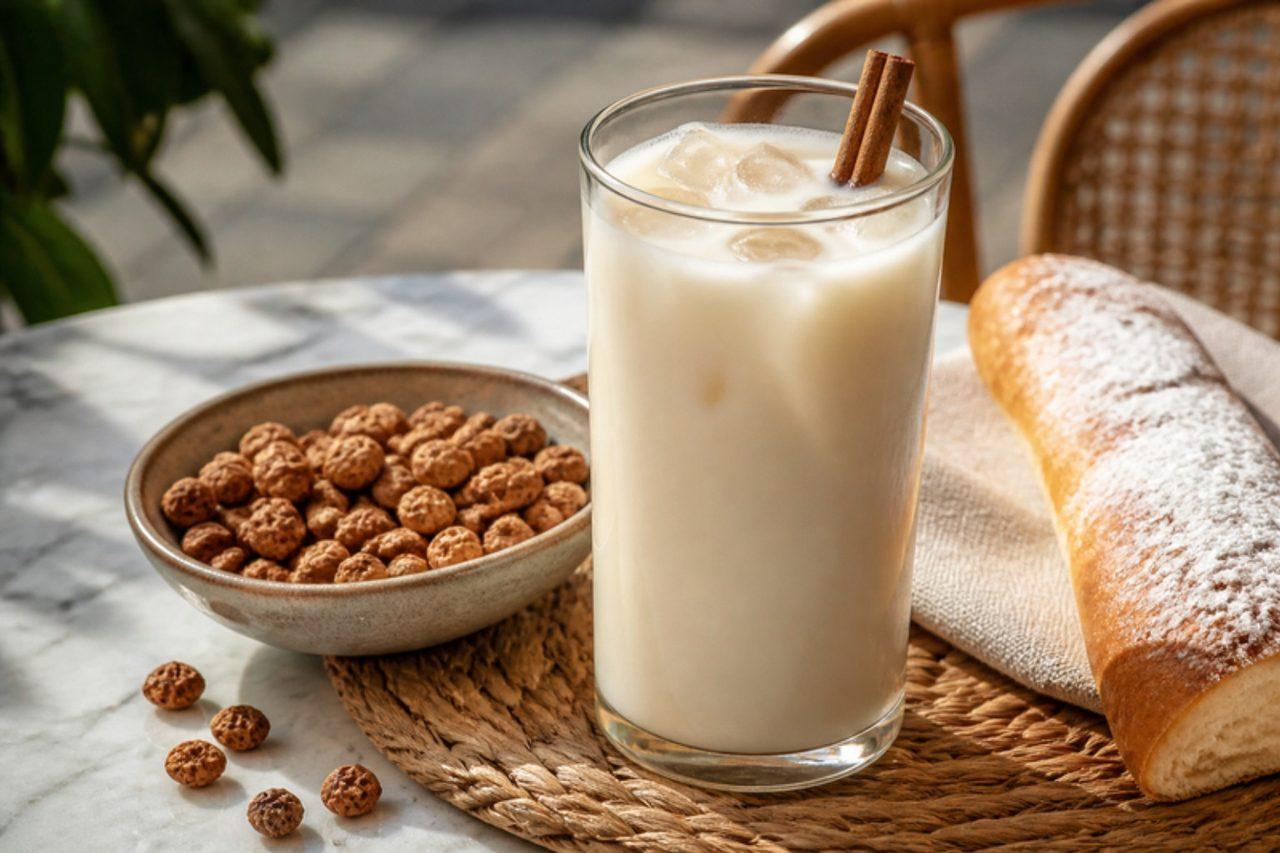
Horchata de chufa is the drink of Valencia's summer, sold ice-cold in the city's horchaterías with long, soft fartons pastries for dipping. It is made from chufas, or tiger nuts: small wrinkled tubers grown around the village of Alboraya just north of Valencia, which have their own protected designation of origin. Soaked, ground with water, strained and sweetened, they give a creamy, nutty, naturally dairy-free milk with a hint of cinnamon. Valencians drink it very cold, or half-frozen as 'granizada'. Chef's tip: soak the tiger nuts for a full 24 hours and change the water once; they must be plump and soft enough to blend into a fine pulp, or the horchata will be thin and taste of raw starch.

15 minDrinksVeganGluten free
by KrazyBadal 1 views
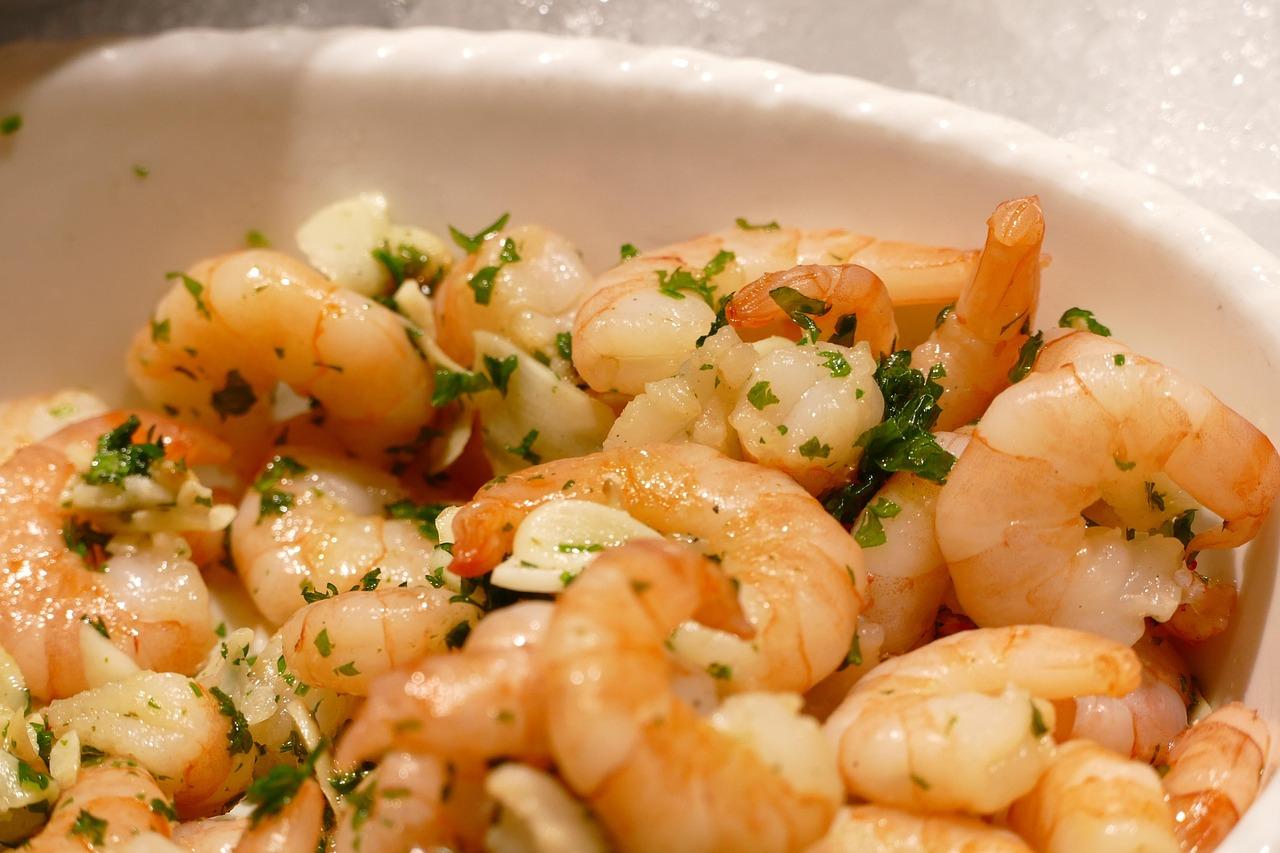
Gambas al ajillo

Walk into a bar near Madrid's Plaza Mayor or Puerta del Sol and you will hear gambas al ajillo before you see them: peeled prawns still spitting in a small terracotta cazuela of olive oil, sliced garlic and dried chilli. They arrive at the table bubbling, with a basket of bread for mopping up the golden oil, which many people think is the best part. At home it takes ten minutes and works as a tapa for four or a quick supper for two. Chef's tip: pat the prawns completely dry with kitchen paper before they go in, so they sizzle in the oil instead of stewing in their own water.

15 minFishGluten free
by KrazyBadal 0 views

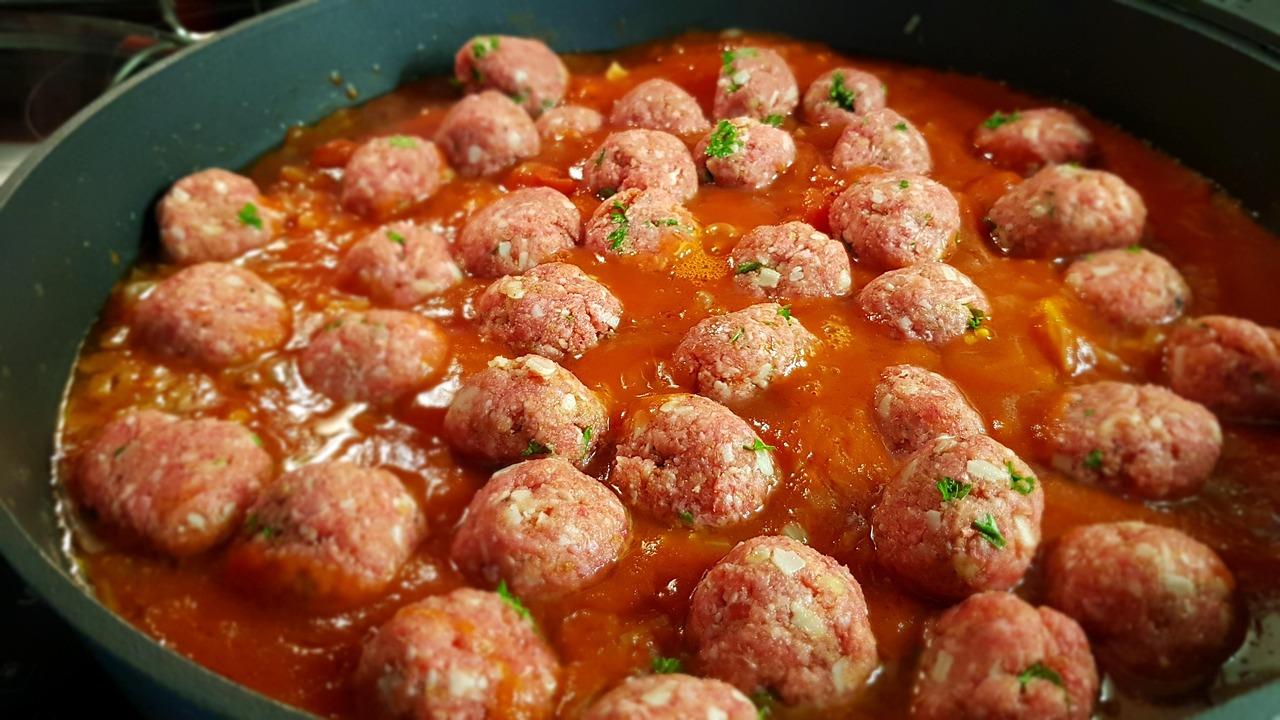
Albóndigas en salsa

Albóndigas turn up all over Spain: in a cazuelita on a tapas bar counter, as the second course of a weekday menú del día, and in home kitchens on a Sunday when there is time to roll them. These are made with pork and beef, softened with milk-soaked bread, browned and then simmered in a tomato sauce thickened the old Spanish way with ground fried almonds, which gives it body and a gentle nutty sweetness. Serve them with chips, rice or plenty of bread. They taste even better the next day. Chef's tip: wet your hands with cold water before rolling each meatball; the mixture won't stick and the balls come out smooth and round.

60 minMeat
by KrazyBadal 0 views

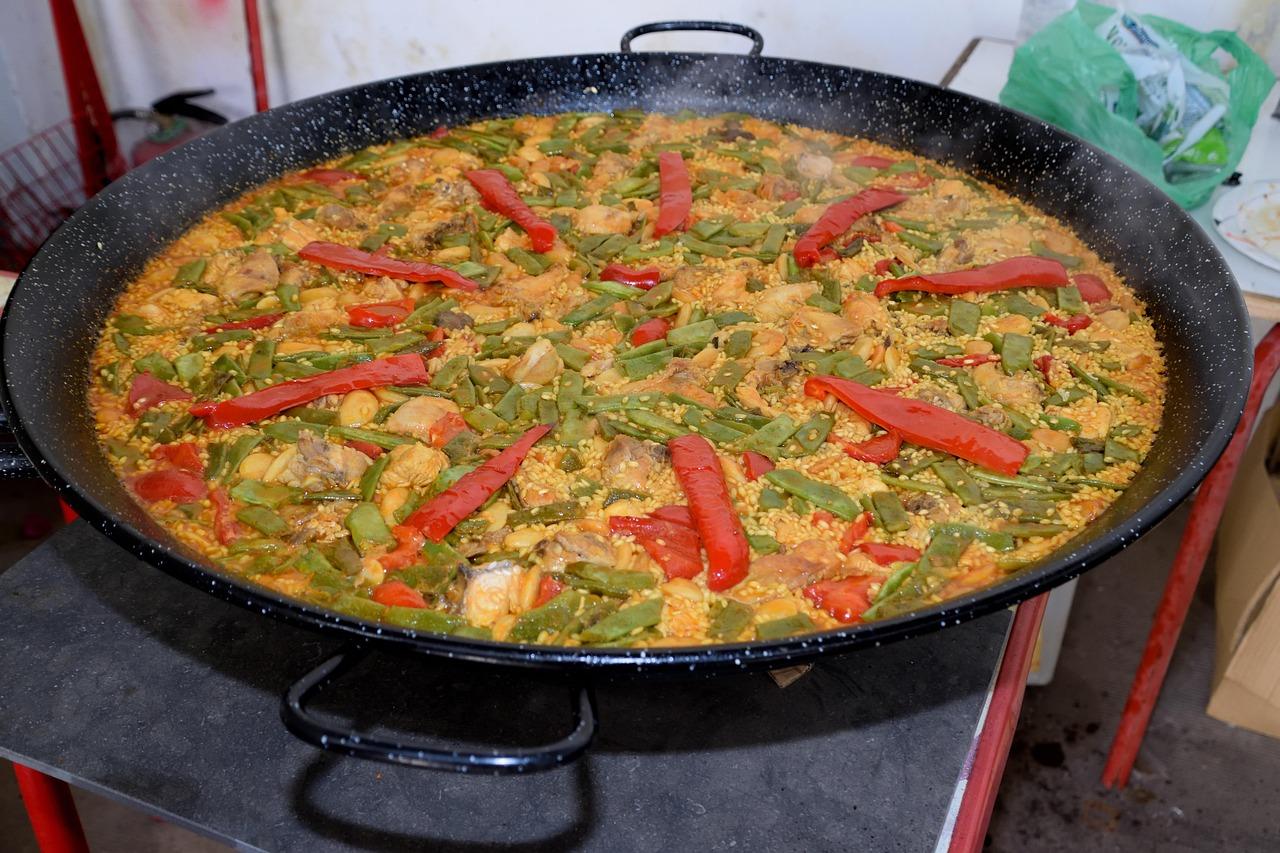
Paella valenciana

In the villages around Valencia, paella is a Sunday lunch dish, never a dinner one, cooked in the open air by whoever in the family has the steadiest hand and eaten straight from the pan with spoons. The Valencian original has no seafood, no chorizo and no peas: just chicken, rabbit, wide flat green beans (ferraura), big white garrofó beans, tomato, sweet pimentón, saffron and short round rice. If you can't get rabbit, use all chicken; it is still very good. This version is sized for a 38–40 cm paella pan on a large hob ring or a barbecue. Chef's tip: once the rice goes in, smooth it flat and then leave it alone; stirring releases starch and turns paella into risotto.

by KrazyBadal 0 views

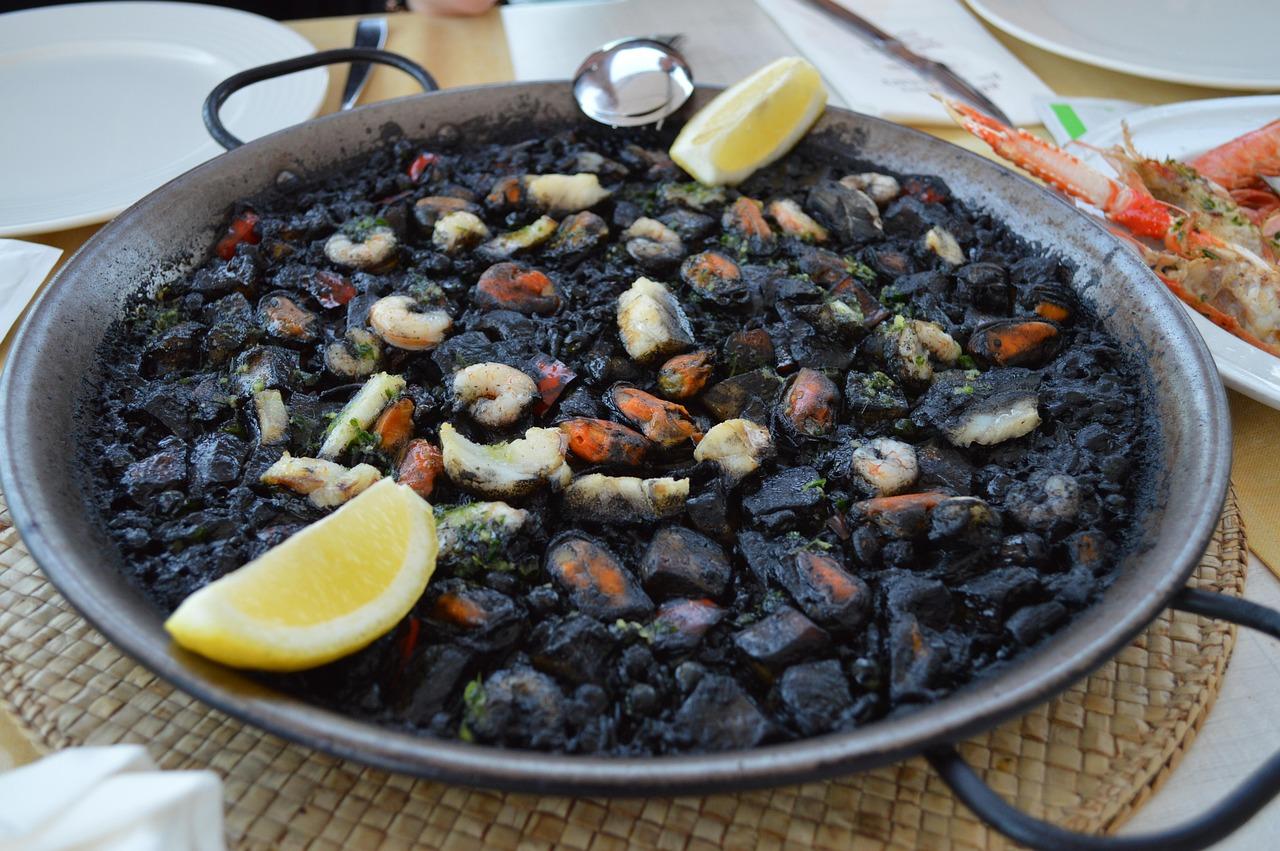
Arroz negro

Along the coast from Valencia up to the Costa Brava, arroz negro (arròs negre in Catalan and Valencian) is a seafront restaurant favourite, ordered for the table at lunchtime and brought out in its pan. Squid and its ink turn the rice glossy black and give it a deep taste of the sea, and every forkful gets a dab of garlicky all-i-oli. This version uses the traditional egg-free all-i-oli, just garlic, oil and salt pounded together; if you'd rather make the easier egg version, use a pasteurised egg, and note that raw egg is not suitable for pregnant women, young children, older people or anyone with a weakened immune system. Chef's tip: buy squid ink in sachets or small jars from a fishmonger or Spanish deli; the ink sac inside a whole squid is far too small to colour a whole pan.

by KrazyBadal 0 views

Arroz al horno

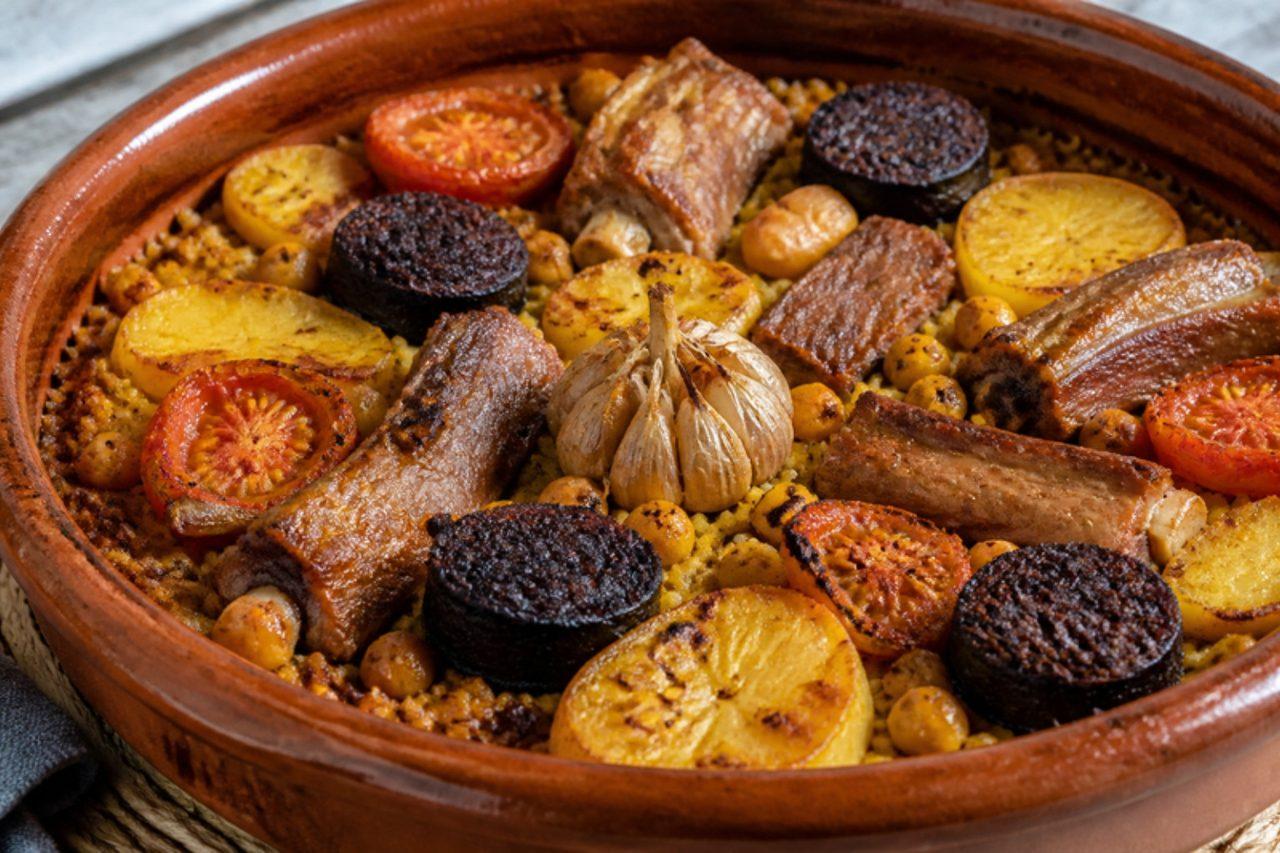
Arroz al horno (arròs al forn in Valencian) is the oven rice of Valencia and Xàtiva, traditionally made the day after a big pot of cocido, using its leftover chickpeas and broth. Families once carried the clay dish to the village baker's oven; today it is baked at home in a wide, shallow earthenware cazuela. Pork ribs, morcilla (Spanish onion blood sausage), slices of potato, chickpeas and a whole head of garlic sit on top of the rice, which bakes into a dry, tender layer full of flavour. Use any ovenproof dish about 30 cm across and 5 cm deep if you don't have a cazuela. Chef's tip: have the stock at a rolling boil when you pour it in, then get the dish into the hot oven within seconds; a lukewarm start leaves the rice chalky in the middle.

by KrazyBadal 0 views

Fabada asturiana

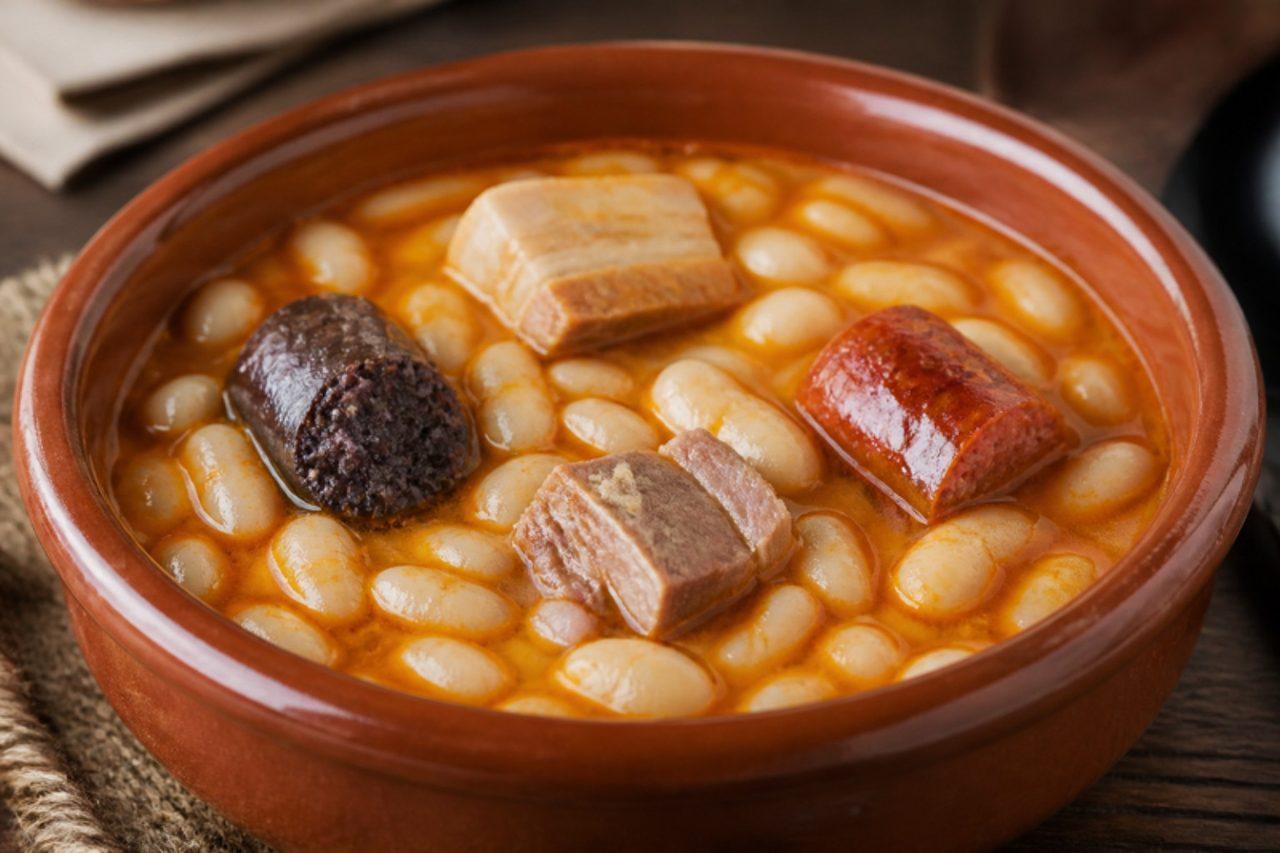
Fabada is the great midday stew of Asturias, on Spain's green, rainy north coast, eaten in winter at long lunches in village casas de comida and cider houses, usually followed by a quiet afternoon. Big, buttery fabes (Asturian white beans) cook slowly with the compango: smoked Asturian chorizo, morcilla, pork belly and lacón (cured pork shoulder). The beans should end up creamy inside and whole outside, in a thick, orange broth coloured by the chorizo. Large dried white beans such as judión or butter beans are the closest substitute if you can't find fabes. Chef's tip: make it the day before; it thickens and tastes better after a night in the fridge.

150 minMeat
by KrazyBadal 0 views

Cocido madrileño

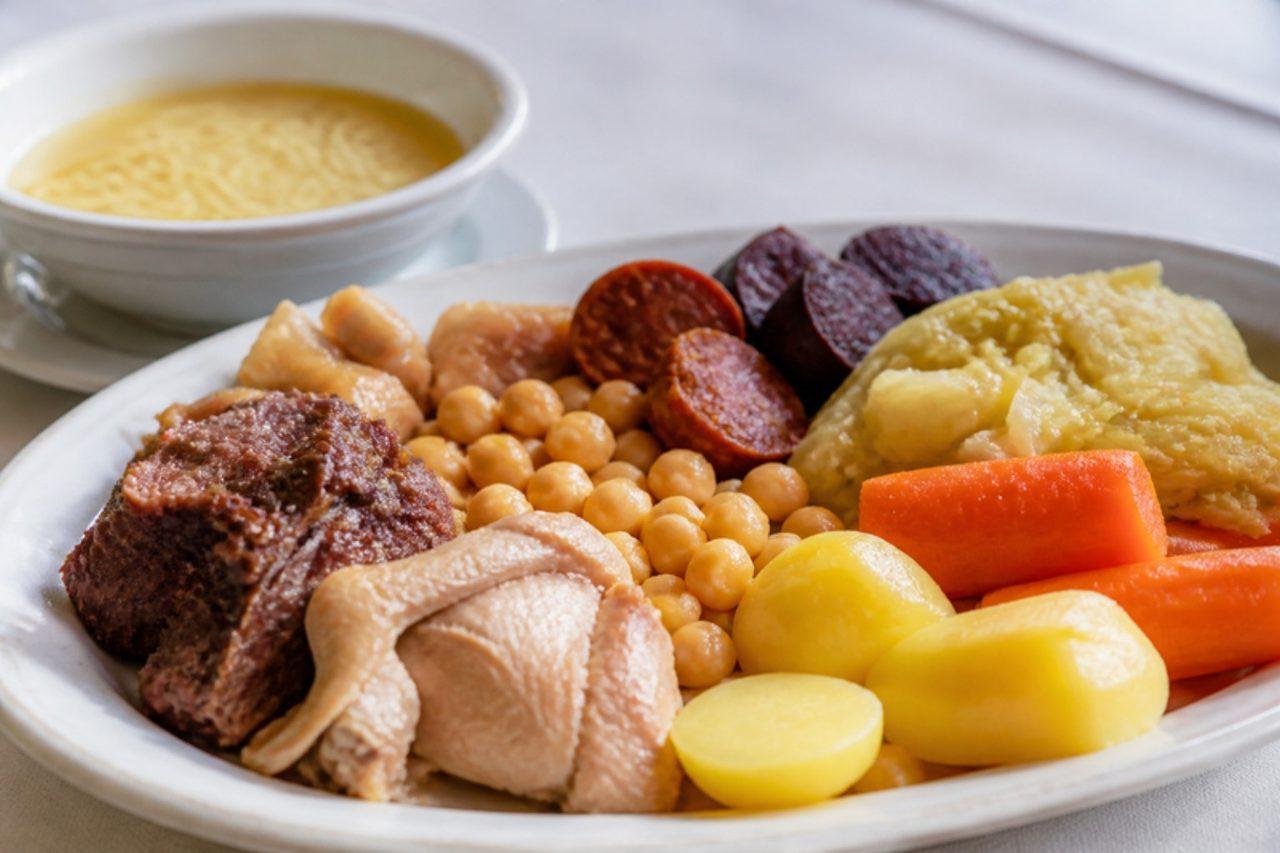
Cocido madrileño is the slow pot of the capital's winter, served at lunch in old Madrid taverns and at home on cold weekends. Everything simmers together for hours (chickpeas, beef shin, chicken, pork belly, ham bone, chorizo, carrots and potatoes) and then it comes to the table in three vuelcos, or 'tippings out': first the broth as a soup with thin noodles, then the chickpeas and vegetables, then the platter of meats. Cabbage and chorizo are cooked in a separate pan so they don't cloud or redden the broth. It is a big project, but most of the time the pot looks after itself. Chef's tip: put the soaked chickpeas into a mesh bag or a loose muslin bundle; they're easy to lift out whole at the end and don't break up in the long simmer.

180 minMeat
by KrazyBadal 0 views

Pulpo a la gallega

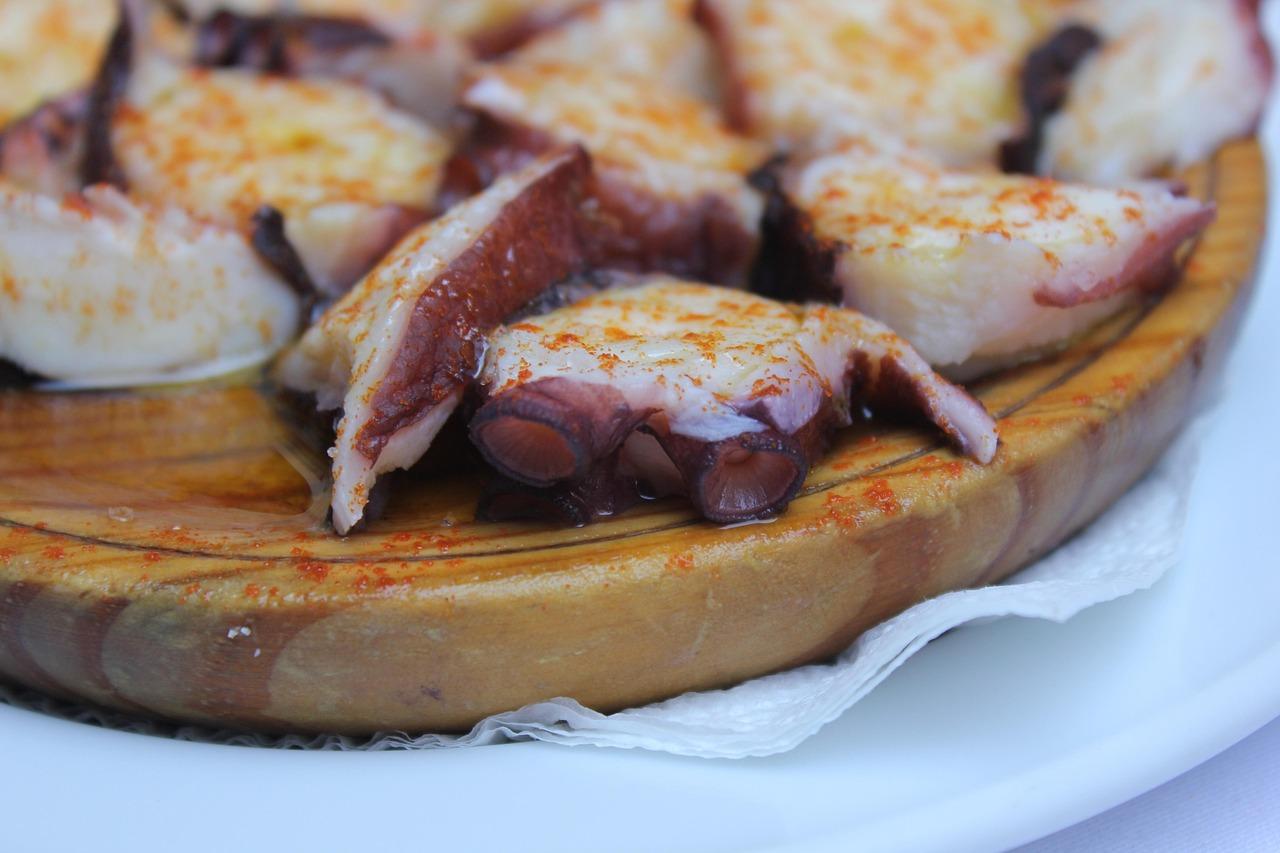
Pulpo a feira is fair-day food in Galicia: at markets and village fiestas, pulpeiras boil whole octopus in big copper pots, snip it with scissors onto round wooden plates and finish it with coarse salt, pimentón and olive oil. The town of O Carballiño in Ourense holds an octopus festival every August, and you'll find the dish in pulperías across the region all year. At home it is simpler than it looks; the secret is that a frozen octopus is a tender one, because freezing breaks down the tough fibres. Chef's tip: use the octopus cooking water to boil the potatoes, which picks up its flavour and pink colour.

60 minFishGluten free
by KrazyBadal 0 views

Bacalao al pil pil

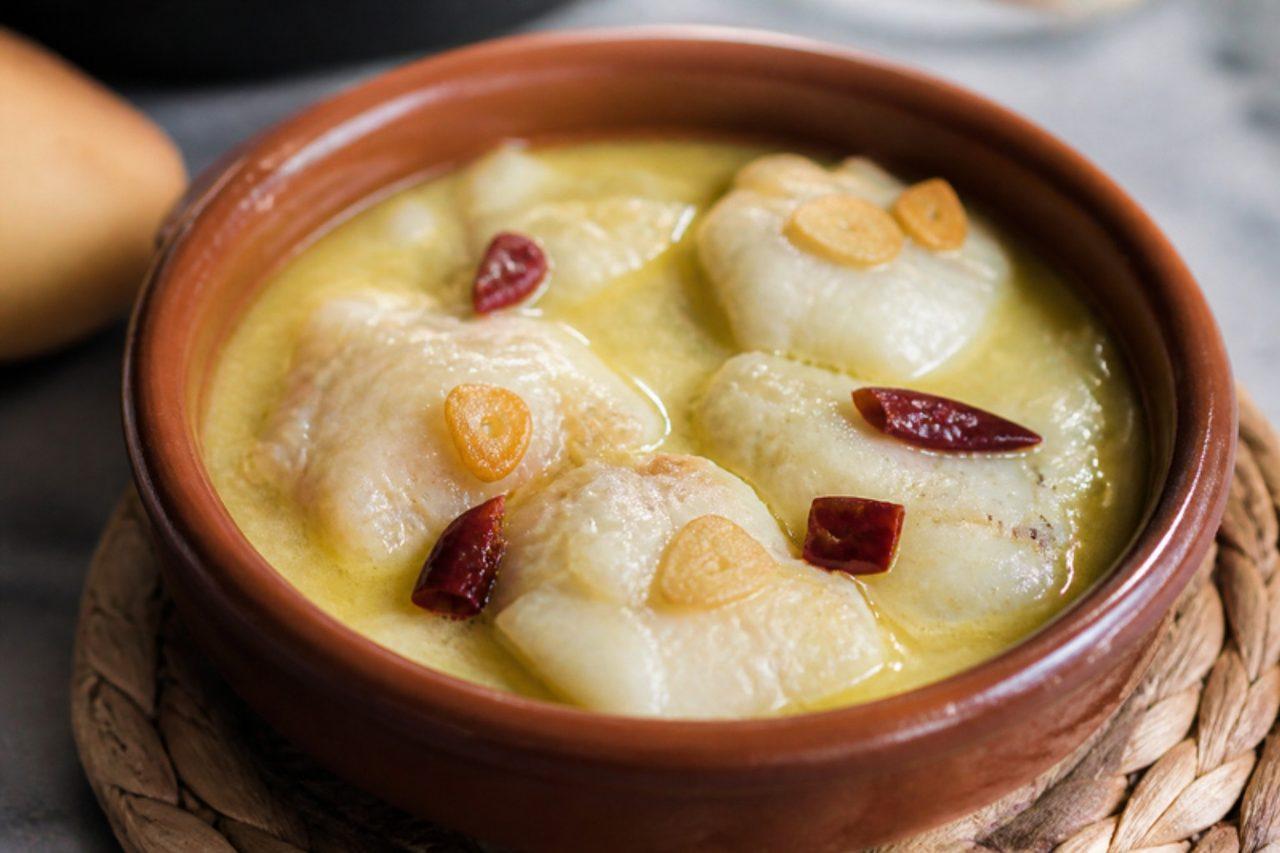
Bacalao al pil pil belongs to Bilbao and the rest of Bizkaia, where it fills restaurant menus in Lent and Holy Week and reappears on Christmas Eve tables. It is made from just four things: desalted salt cod, olive oil, garlic and a dried chilli. The trick is the sauce. The cod gives off gelatine as it cooks gently in warm oil, and swirling the clay dish round and round turns that oil into a thick, pale, mayonnaise-like emulsion; the name comes from the 'pil pil' sound of it bubbling. Plan ahead, because thick salt cod needs 24–48 hours of soaking in the fridge. Chef's tip: buy thick, skin-on loins (lomos); the gelatine that makes the sauce comes from the skin.

60 minFishGluten free
by KrazyBadal 0 views

Salmorejo cordobés

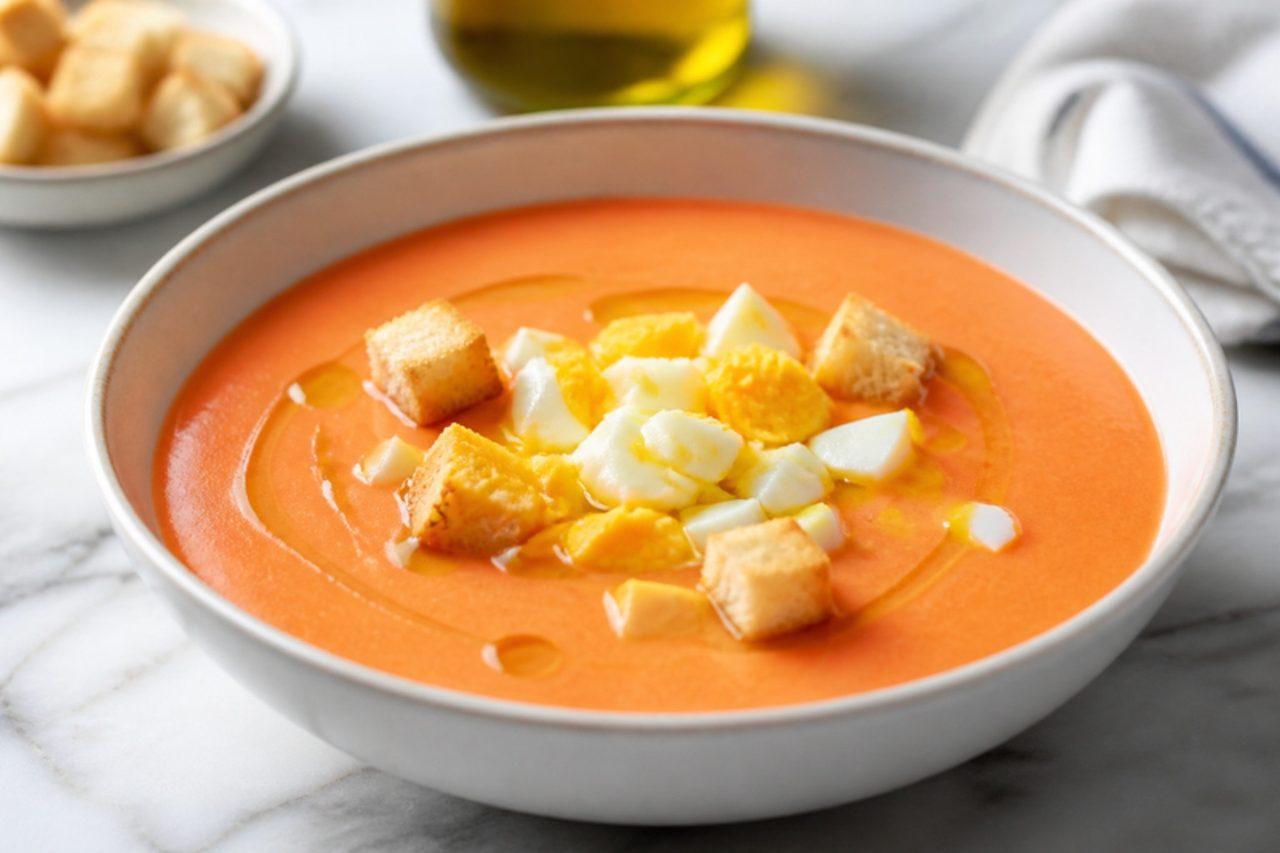
Salmorejo is Córdoba's answer to gazpacho: thicker, richer and simpler, made with just ripe tomatoes, bread, garlic, olive oil and salt, blended into a cream so dense a spoon almost stands up in it. In Córdoba it is served in a shallow earthenware bowl as a first course or tapa, topped with chopped hard-boiled egg and diced cured ham; this vegetarian version keeps the egg (leave it out for a vegan dish) and adds a few crunchy croutons and a thread of olive oil. Chef's tip: use bread with a dense, tight crumb, like a day-old Spanish 'pan de telera' or a firm white loaf; airy supermarket bread makes salmorejo thin and gluey.

15 minSoups
by KrazyBadal 0 views

Ajoblanco malagueño

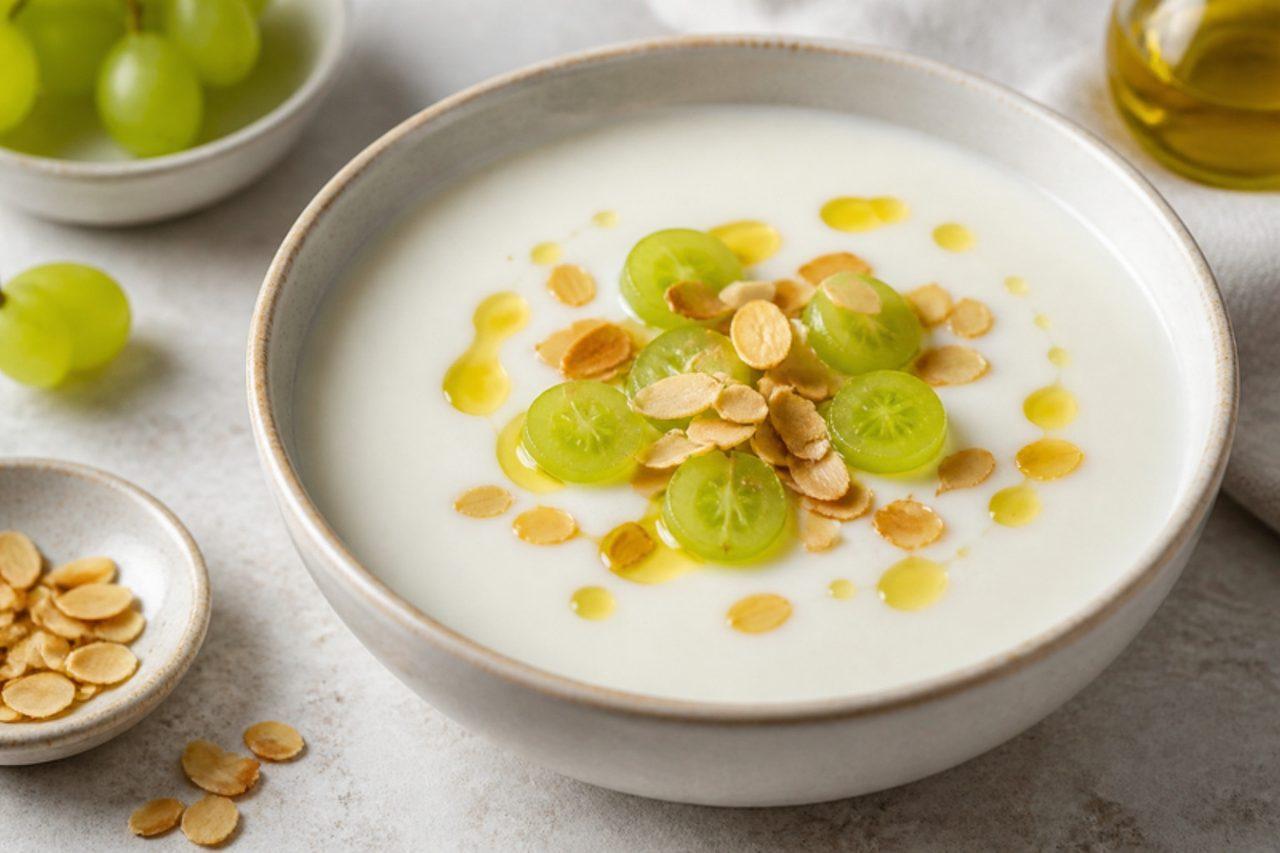
Ajoblanco is one of the oldest soups in Spain, a white gazpacho from Málaga that dates back to Moorish times, before tomatoes ever reached Europe. Blanched almonds, bread, garlic, olive oil, sherry vinegar and ice-cold water are blended into a silky, nutty and surprisingly refreshing cream, traditionally served with sweet green grapes or slices of melon floating on top. In Málaga it is the star of the Fiesta del Ajoblanco in the village of Almáchar each September. Chef's tip: let the blended soup rest in the fridge overnight before serving; the garlic mellows, the almond flavour deepens and the texture becomes smoother and creamier.

15 minSoupsVegan
by KrazyBadal 0 views

Sopa de ajo

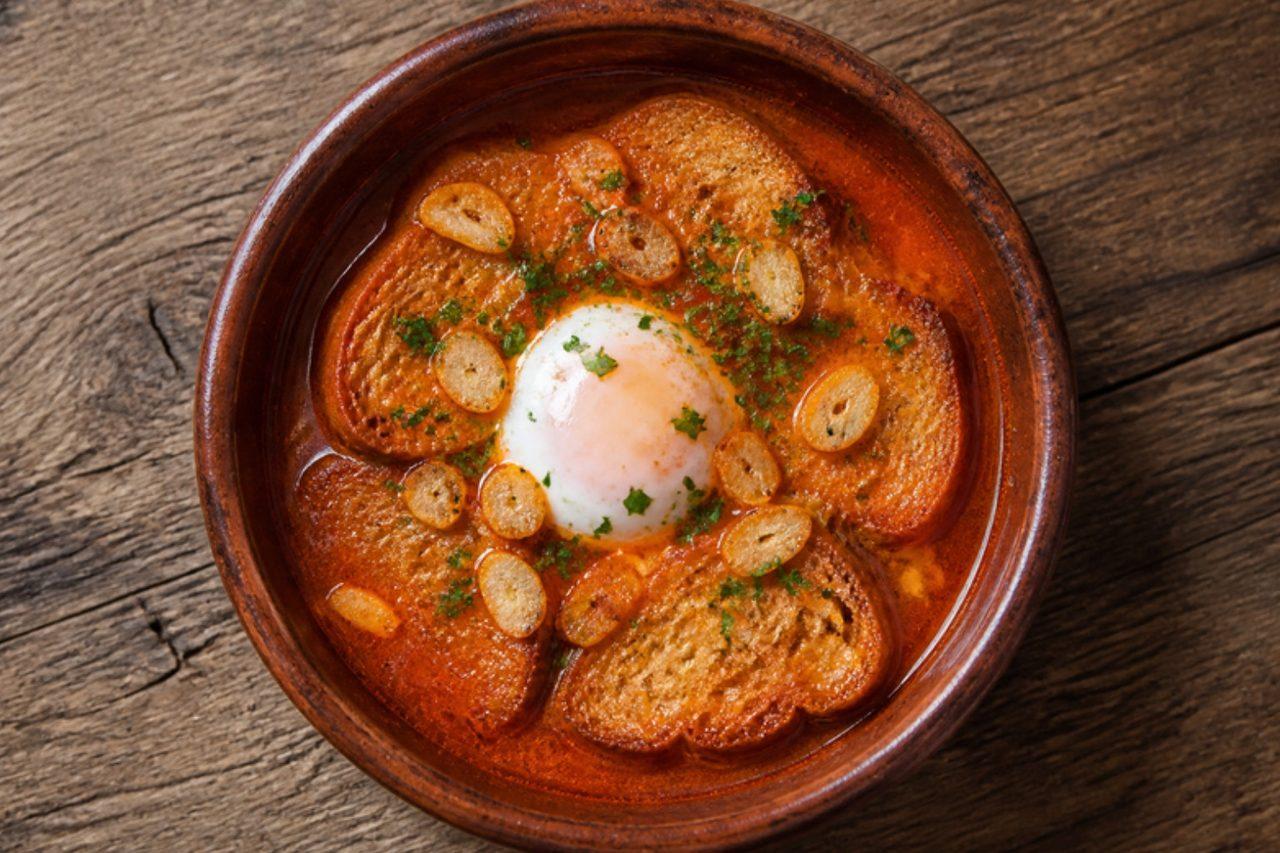
Sopa de ajo, also called sopa castellana, is the warming winter soup of Castile and León, from Segovia to Burgos: stale bread fried in olive oil with lots of garlic and smoky pimentón, simmered in stock and finished with eggs poached right in the soup. It was shepherds' and farmers' food, made from what was always in the kitchen, and is still eaten after a cold night out or on Ash Wednesday. Castilian cooks often add cured ham; this vegetarian version gets its depth from smoked pimentón and a good vegetable stock. Serve it in earthenware bowls, piping hot. Chef's tip: use bread that is truly stale and dry, and toast it in the garlicky oil until golden before adding the stock; fresh bread turns to mush, while toasted stale bread swells but keeps a little texture.

30 minSoups
by KrazyBadal 0 views

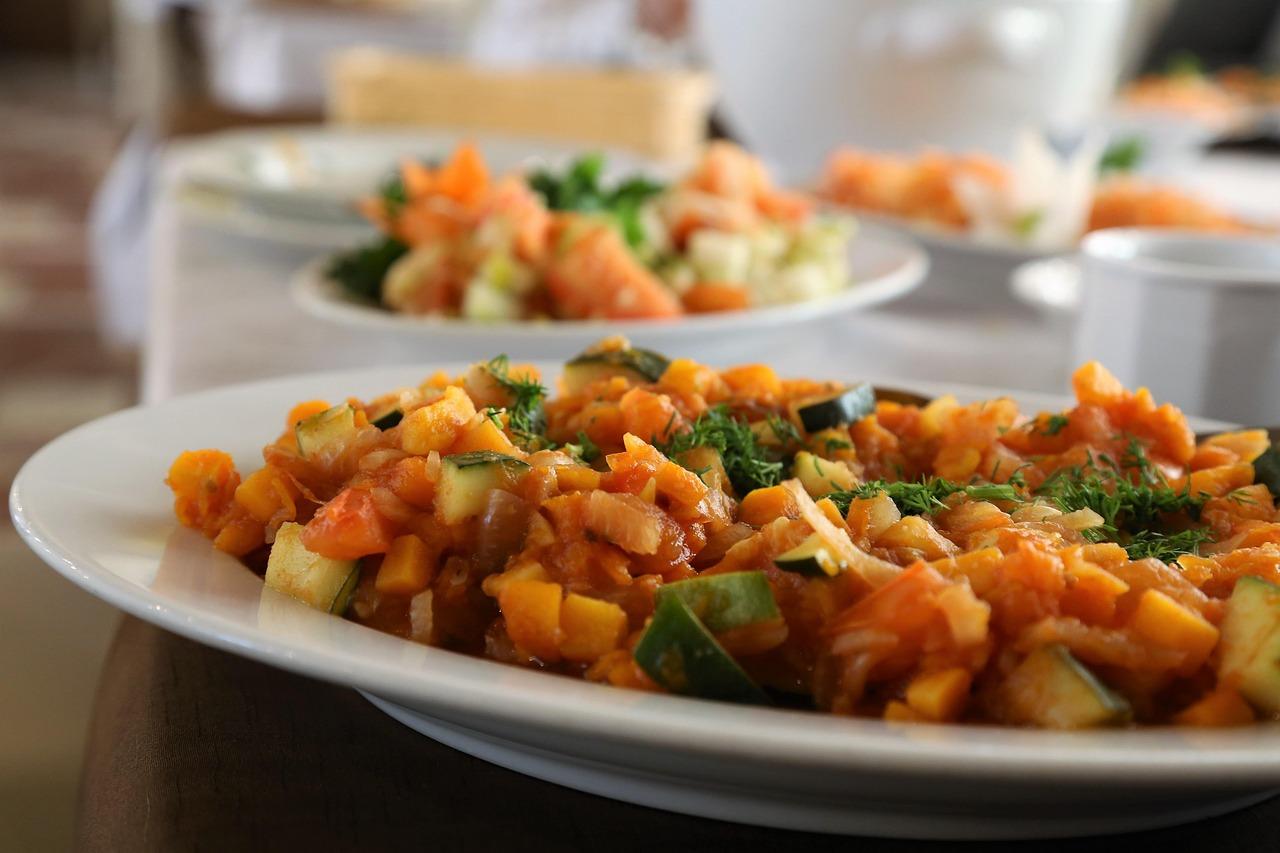
Pisto manchego

Pisto manchego is the summer vegetable stew of La Mancha, the high plains of Don Quixote country: onions, green and red peppers and courgette cooked slowly in olive oil, then simmered with fresh tomato until soft, sweet and jammy. Spain's answer to ratatouille is humbler and softer, with the vegetables cooked one after another rather than all at once. In La Mancha it is eaten with bread and very often topped with a fried egg; it is also served alongside rice or potatoes, or cold the next day as a tapa. Chef's tip: be patient with the onion and peppers; give them a full 15–20 minutes over a low heat until really soft and sweet before the tomato goes in, because that slow start is where pisto gets its deep, mellow flavour.

55 minVegetarianVeganGluten free
by KrazyBadal 0 views

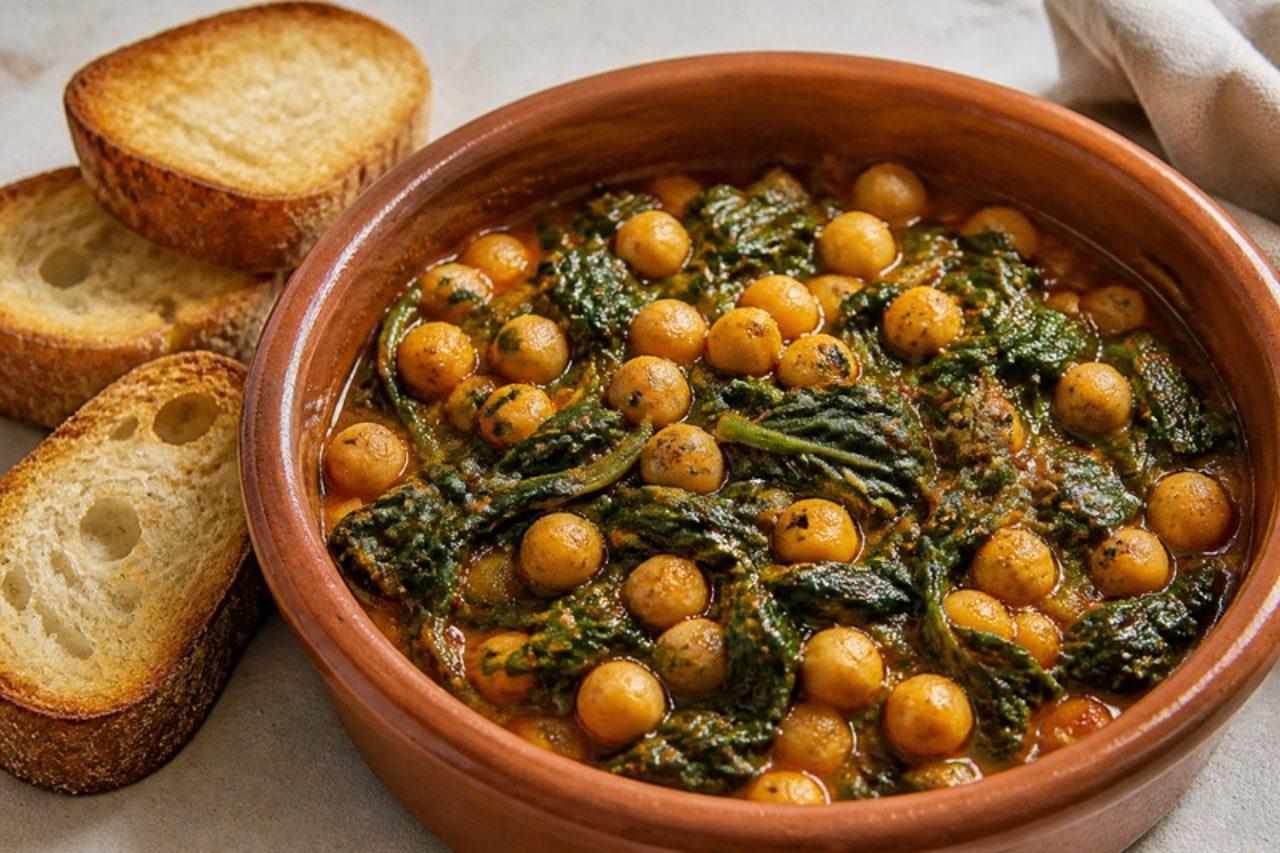
Espinacas con garbanzos

Espinacas con garbanzos is one of the great tapas of Seville, served in little earthenware dishes in the bars around the cathedral and the Triana market. It carries the city's Moorish past in its spices: cumin, smoked paprika and a little vinegar, with a sauce thickened by a paste of garlic and bread fried in olive oil, the old Andalusian trick called a majado. Earthy chickpeas, soft spinach and a sauce rich enough to mop up with bread make it a filling vegan supper too. It is traditional in Seville during Lent. Chef's tip: pound the fried bread and garlic with the spices and vinegar into a thick paste before it goes into the pan; this majado is what gives the dish its smoky, velvety sauce, so don't skip it.

30 minVegetarianVegan
by KrazyBadal 0 views

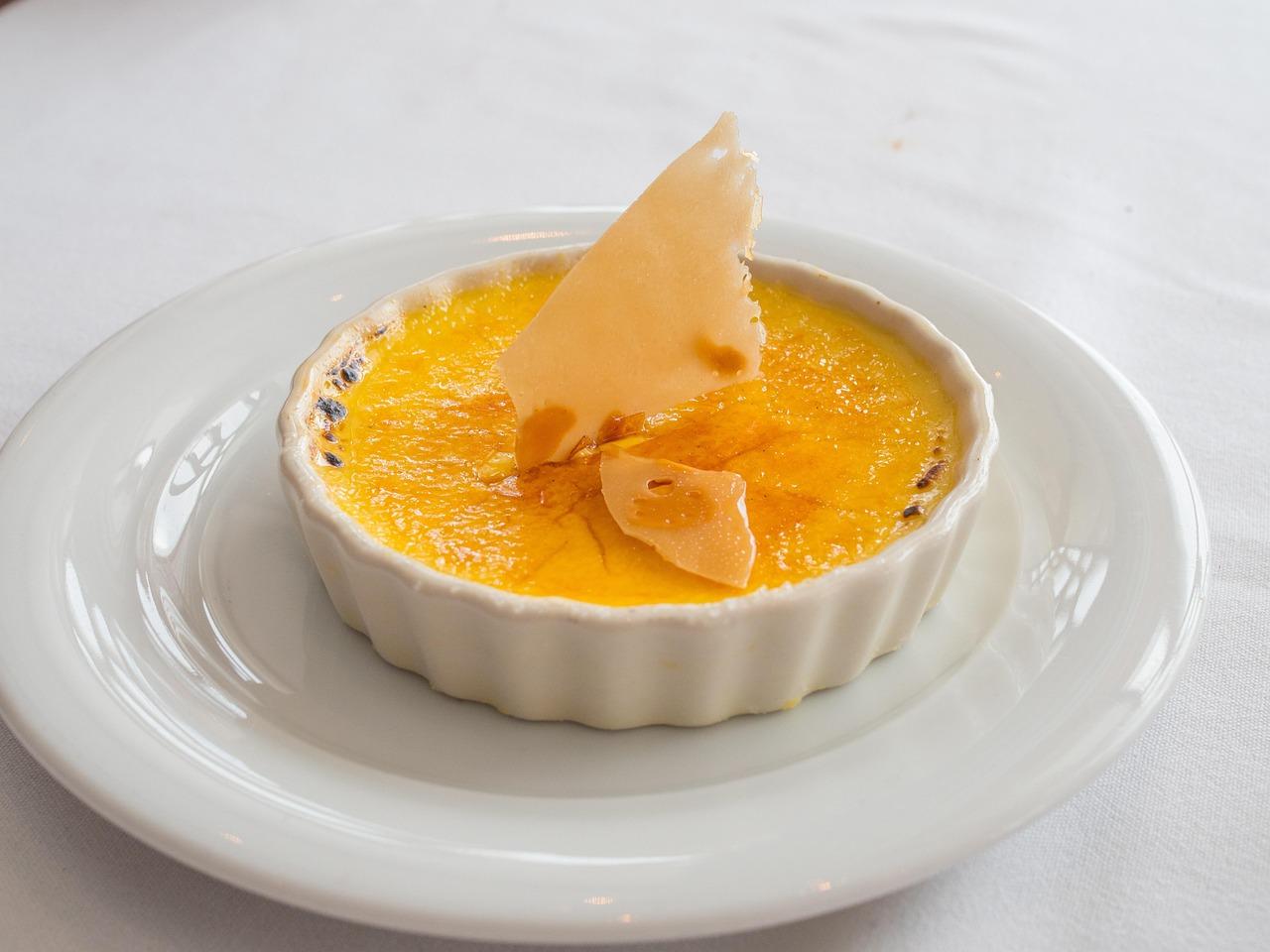
Crema catalana

Crema catalana is the classic dessert of Catalonia, served in shallow round earthenware dishes with a glassy layer of burnt sugar on top. Traditionally it was made for Saint Joseph's Day on 19 March, which is why it is also called crema de Sant Josep. It is older than French crème brûlée and different in style: made with milk rather than cream, lightly thickened with cornflour and flavoured with lemon zest and cinnamon, so it is lighter and fresher. Catalans caramelise the top with a hot iron disc called a 'cremador'; a cook's blowtorch does the same job. Chef's tip: burn the sugar just before serving, not earlier; the crust stays crisp only for about 20–30 minutes before the moisture of the custard softens it.

30 minDesserts
by KrazyBadal 0 views

Churros con chocolate

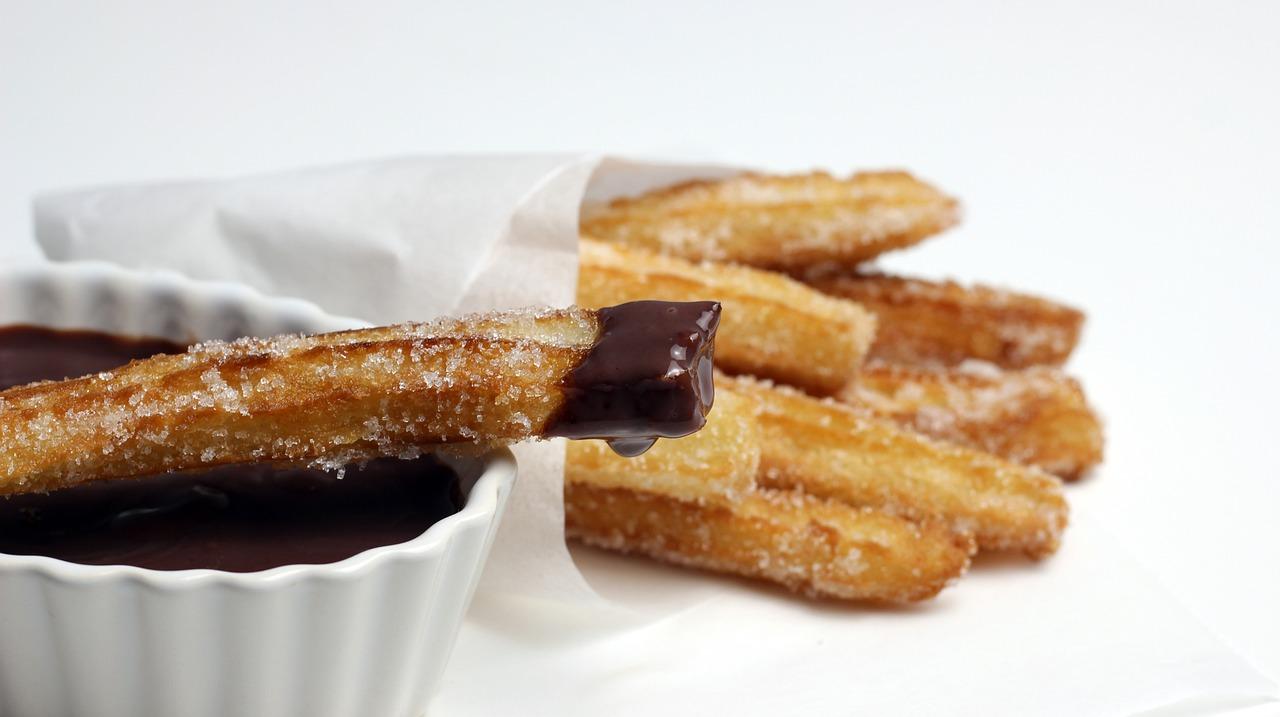
Churros con chocolate is Madrid's most famous treat, eaten at the city's historic chocolaterías for breakfast, as a late-afternoon merienda or at dawn after a night out. Churros are made from a simple dough of flour, water and salt piped straight into hot oil, fried until ridged and crisp, and dunked into a cup of hot chocolate so thick it almost holds the churro up. The dough has no egg or sugar, so the churros are light and crunchy; the sweetness comes from the chocolate and a dusting of sugar. Chef's tip: pipe through a star nozzle; the ridges let steam escape so the churros don't burst in the oil, and they create the extra crunch that makes a good churro.

40 minDesserts
by KrazyBadal 0 views

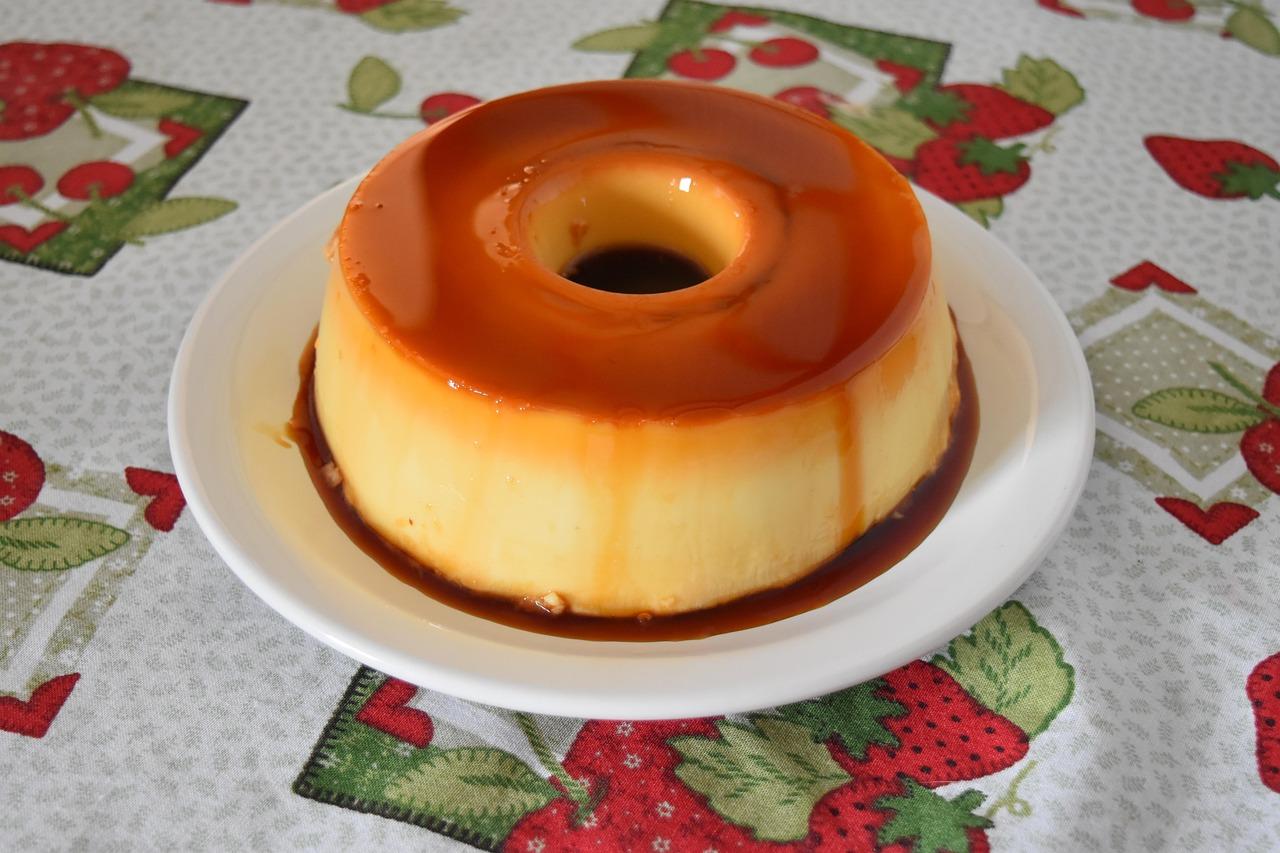
Flan de huevo

Flan de huevo is the most common dessert in Spain: on the menú del día in every town, from Galicia to the Canary Islands, and made at home for Sunday lunch. It is simply eggs, milk and sugar, flavoured with a little lemon zest and vanilla, baked gently in a water bath over a layer of dark caramel. When it's turned out, the caramel becomes a glossy sauce running down the sides. Spanish flan is firmer and more eggy than French crème caramel, and it slices cleanly. Chef's tip: bake it slowly in a water bath and stop when the centre still wobbles slightly like jelly; overbaking leaves little holes and a grainy texture, the sign of a flan cooked too hot or too long.

60 minDessertsGluten free
by KrazyBadal 0 views

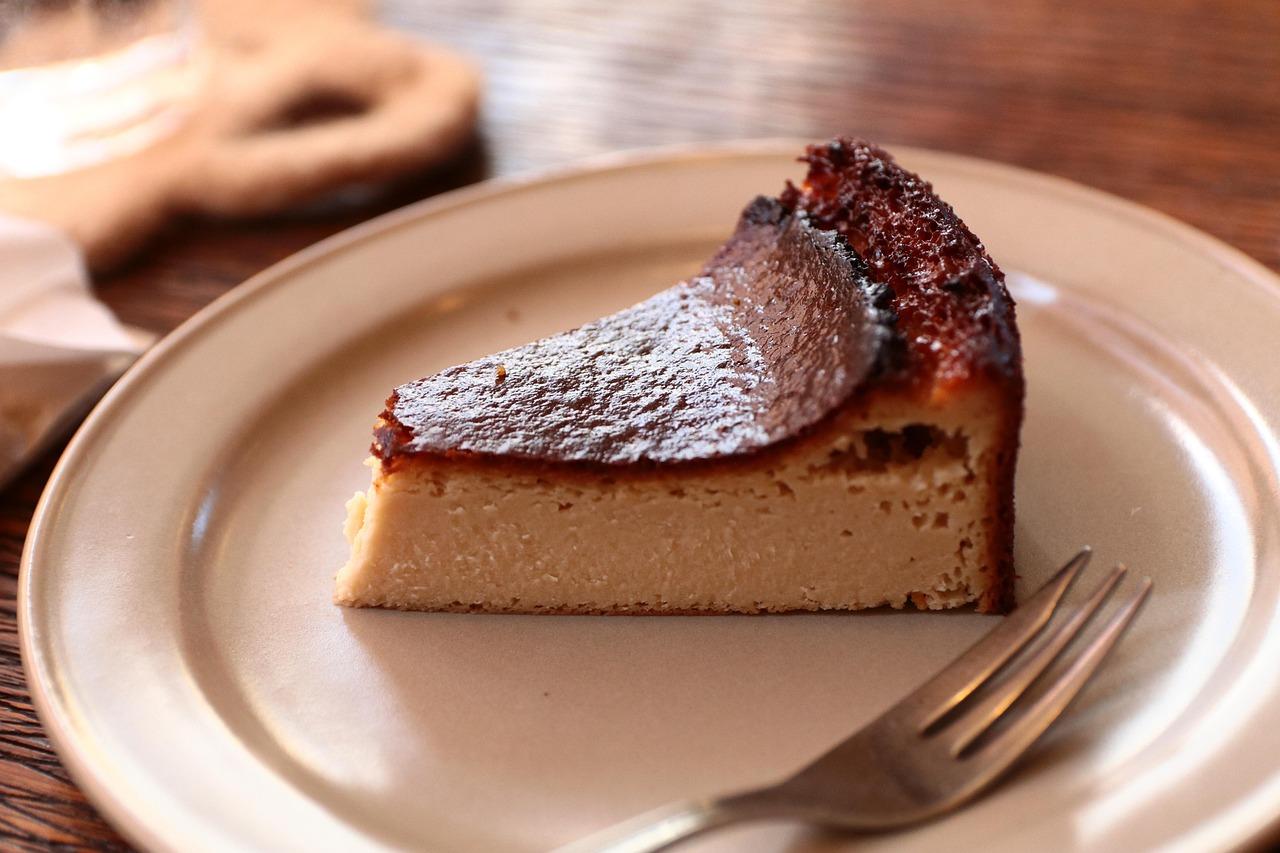
Basque burnt cheesecake

This crustless cheesecake was created in the early 1990s at La Viña, a pintxos bar in the old town of San Sebastián (Donostia) in the Basque Country, and is now famous around the world. It's baked very hot so the top caramelises almost black and the sides rise and crack, while the middle stays soft and creamy, almost runny. There's no base and no water bath, and the rough, rustic look is the point: it's lined with crumpled baking paper. La Viña uses a spoonful of wheat flour; cornflour does the same job and keeps it gluten free. Chef's tip: take it out of the oven while the centre still wobbles like a soft set custard; it firms up as it cools, and if it looks set in the oven, the middle will be dry instead of creamy.

70 minBakingGluten free
by KrazyBadal 0 views

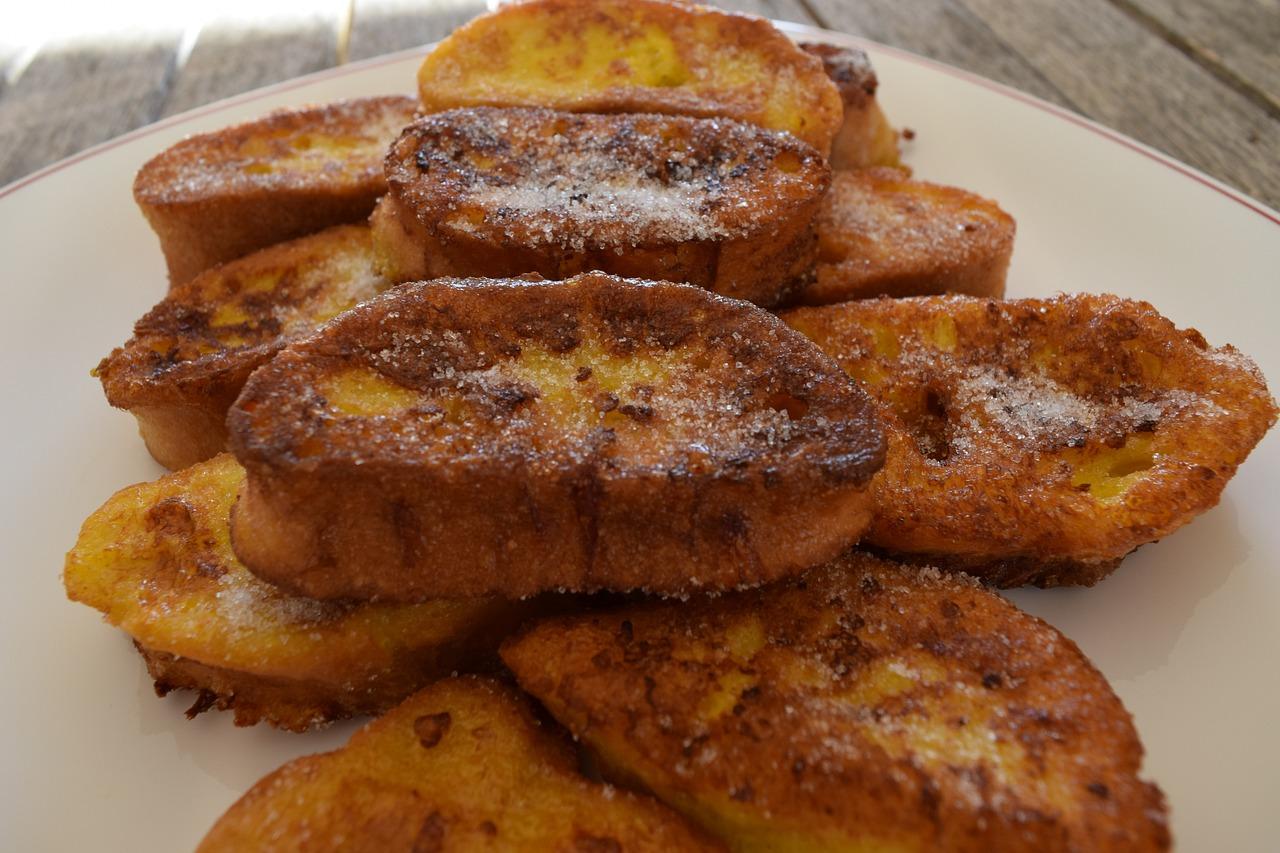
Torrijas

Torrijas are the Easter sweet of Spain, eaten all over the country during Semana Santa and especially in Madrid and Andalusia, where bakeries pile them in their windows. Thick slices of day-old bread are soaked in milk infused with cinnamon and lemon peel, dipped in beaten egg, fried in olive oil and rolled in cinnamon sugar. They were born as a way to use up stale bread during Lent, and they are crisp outside and soft and custardy inside, like a richer, crunchier French toast. Eat them warm or cold, the next day they are even more set and sweet. Chef's tip: use a dense day-old loaf (a Spanish 'pan de torrijas' or a firm baguette) cut 2–3 cm thick, and soak just until saturated; fresh, airy bread falls apart and fries greasy.

30 minDesserts
by KrazyBadal 0 views

Empanada gallega de verduras

Empanada gallega is the great pie of Galicia, baked in big trays and sold by the slice at every fiesta, market and bakery, and carried on picnics and pilgrimages to Santiago. A thin, crisp, bread-like crust (made with the olive oil from cooking the filling, so it's golden and full of flavour) encloses a moist filling based on a slow-cooked 'zaragallada' of onions and peppers with sweet pimentón. Tuna and pork are the usual fillings; this vegetarian version keeps the classic sofrito and adds hard-boiled eggs and green olives. Serve warm or cold, with a green salad. Chef's tip: drain the filling well and use some of its paprika-coloured oil in the dough; that is the Galician secret that makes the crust golden and savoury and ties the pie together.

90 minBaking
by KrazyBadal 0 views

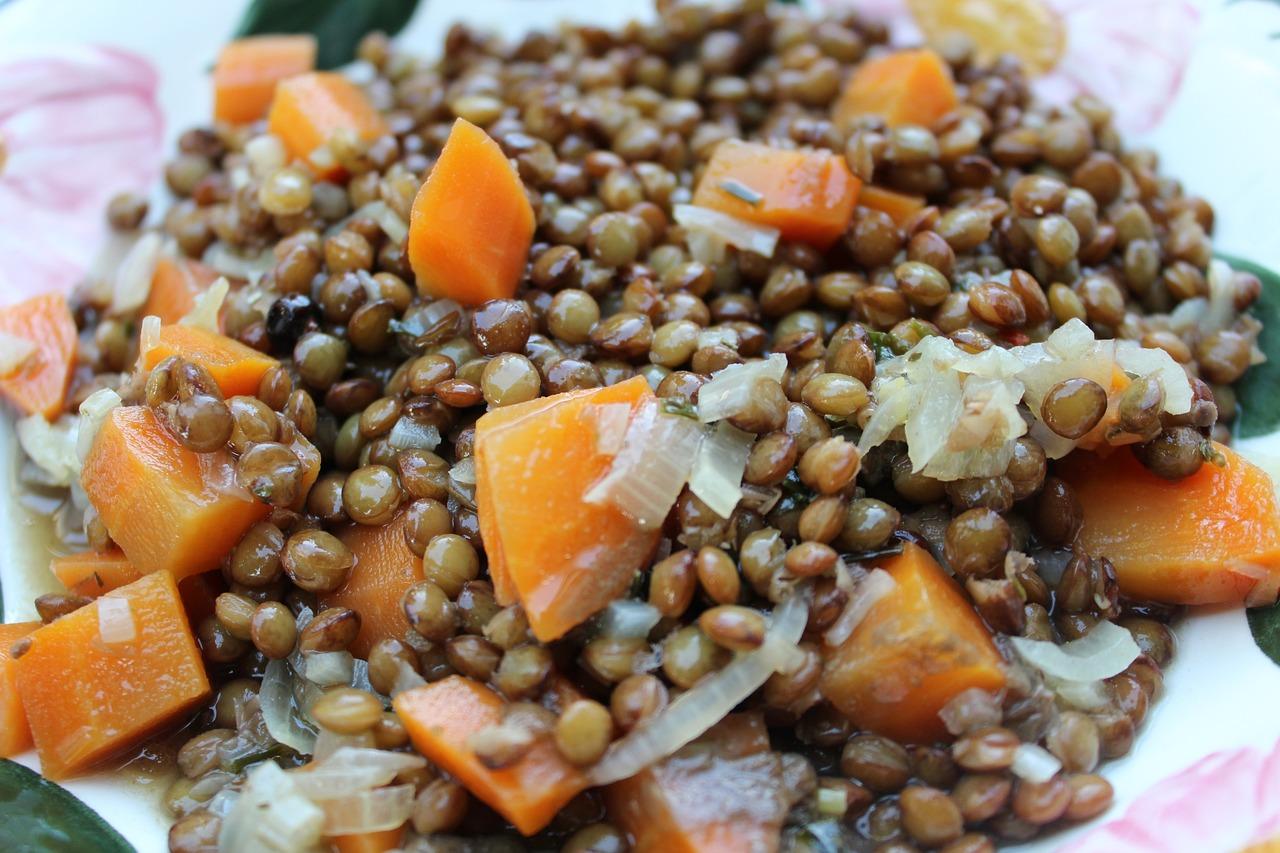
Lentejas estofadas

Lentejas estofadas, or lentejas a la española, is the stew that every Spanish household knows from childhood, cooked once a week from Castile to Andalusia. Small brown lentils (pardinas, ideally from Tierra de Campos in León) are simmered with a sofrito of onion, pepper, garlic and tomato, carrot, potato and bay until thick, savoury and soothing. Most families add chorizo; here smoked pimentón de la Vera brings the same smoky warmth. Serve in deep bowls with crusty bread and a few pickled guindilla peppers on the side. Chef's tip: add a splash of sherry vinegar right at the end; it lifts the earthy lentils and is what Spanish grandmothers do to make the stew taste finished.

45 minCurriesVegan
by KrazyBadal 0 views

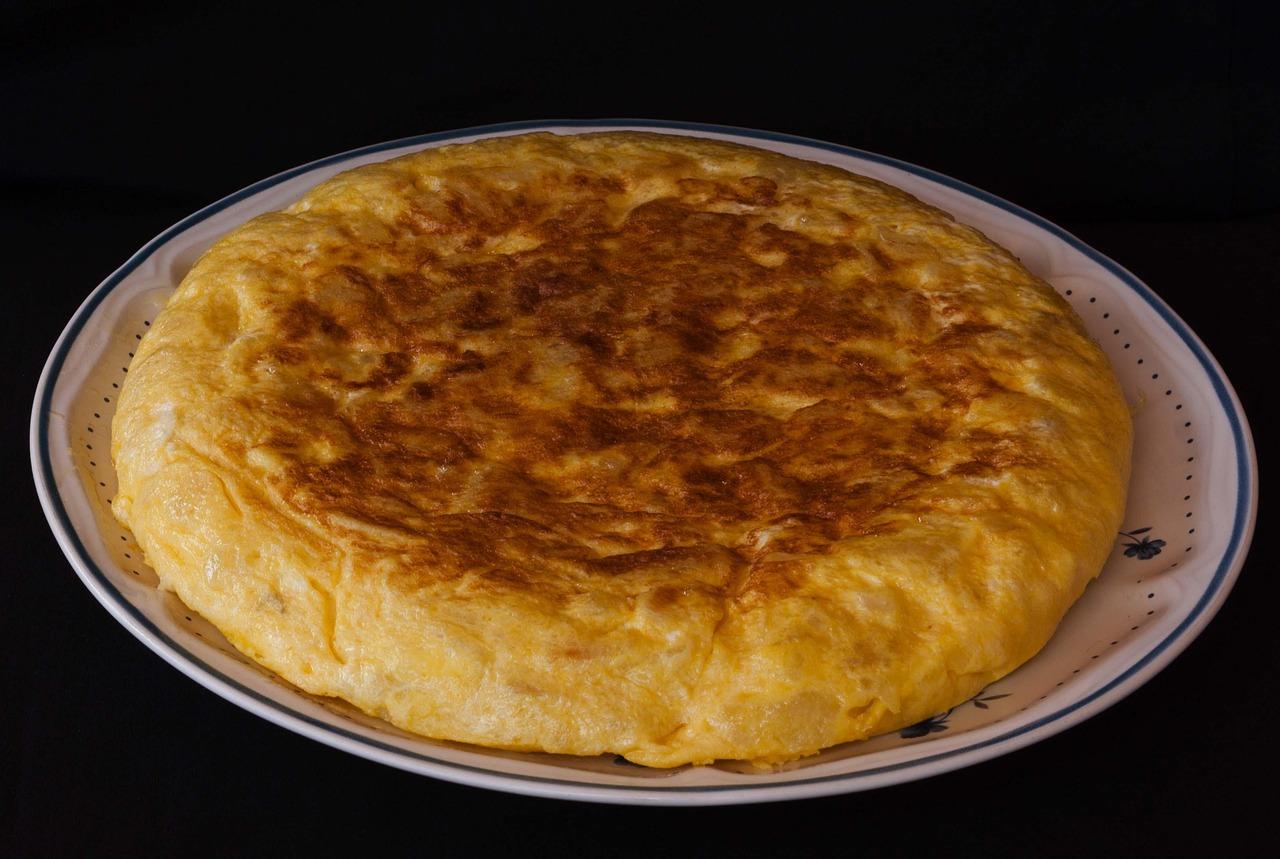
Tortilla española

Tortilla de patatas is the dish every Spanish bar keeps on the counter, from Madrid to Seville: a thick cake of soft potato and sweet onion bound with just-set egg, served warm or at room temperature in wedges or small squares (pinchos) with bread. The potatoes are not fried crisp but gently poached in plenty of olive oil until tender, then soaked in the beaten egg so every slice holds together. Spaniards argue about onion (con cebolla or sin) and about how runny the centre should be; this version has onion and a juicy middle, the way most bars in Madrid serve it. Eat it for breakfast, as a tapa or for a light supper with a tomato salad. Chef's tip: once the hot potatoes go into the beaten eggs, leave them to sit for 10 minutes before cooking; the egg starts to set around the potato and the tortilla turns out creamy and holds its shape.

by KrazyBadal 0 views

Patatas bravas

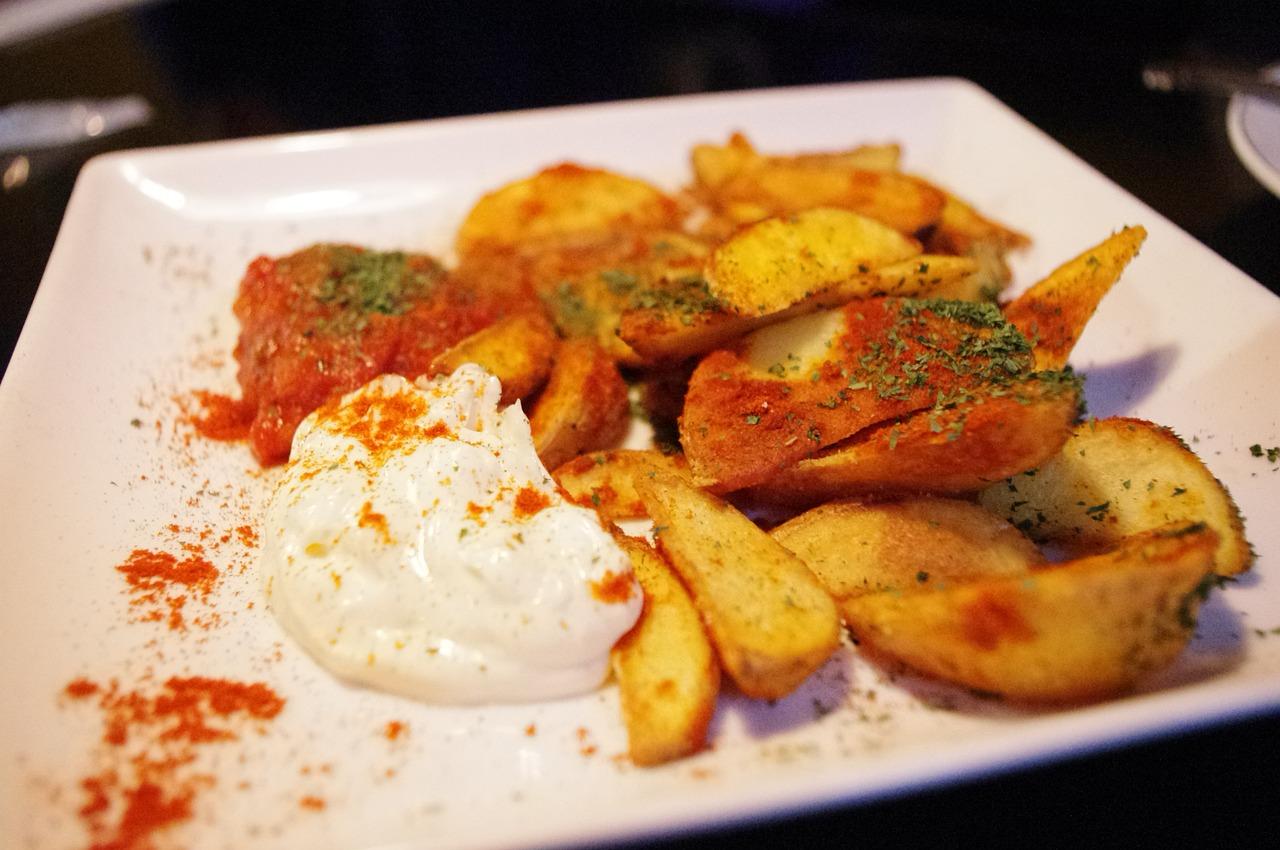
Patatas bravas are Madrid's favourite bar snack: chunky potatoes fried until crisp outside and fluffy inside, then splashed with a brick-red sauce of olive oil, pimentón and a little stock. In Madrid the sauce is not ketchup or tomato sauce but a smooth, smoky paprika sauce with a kick; in Barcelona and Valencia you often get it with a spoon of alioli as well. This home version is fried twice for crunch and keeps the heat moderate so children can join in; add more hot paprika for the grown-ups. Serve with cold drinks, tortilla and pimientos de Padrón for a tapas spread. Chef's tip: take the pan off the heat before adding the pimentón; paprika burns in seconds and turns bitter, and that bitterness is the most common reason homemade bravas sauce tastes wrong.

by KrazyBadal 0 views

Showing 24 of 31 recipes

Show more recipes

Page 1 of 2

More Spanish ideas

Other cuisines