Skip to content

Afghan recipes

7 Afghan recipes to cook at home, each with photos, step-by-step instructions and cook times. The quickest, Sheer yakh, takes 40 minutes. Most take around 65 minutes.

Filter these by time, diet or cuisine

Ashak

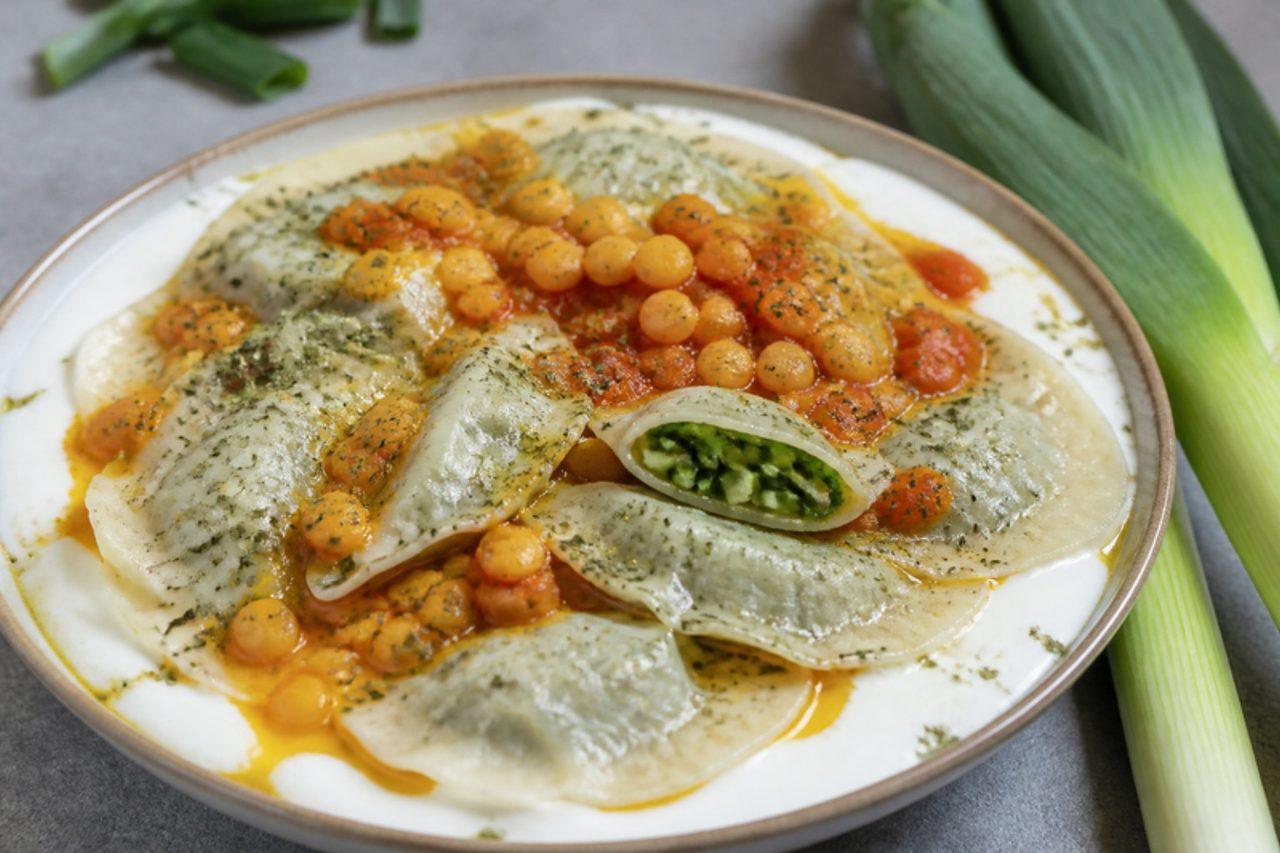
Ashak are the dumplings Kabul families fold together for Eid, Nowruz and weddings: thin wheat wrappers stuffed with gandana (Afghan garlic chives, here replaced with leeks and spring onions), boiled, then laid on a bed of garlicky strained yoghurt and topped with a tomato sauce and dried mint. Ashak usually come with a minced-meat sauce; this vegetarian version uses yellow split peas in a spiced tomato base, as many Afghan cooks do on meatless days. Making them is a sociable afternoon job, so rope in helpers. Chef's tip: squeeze the salted leeks hard in a cloth before filling; any water left in them soaks the wrappers and they split in the pot.

by KrazyBadal 0 views
Bolani

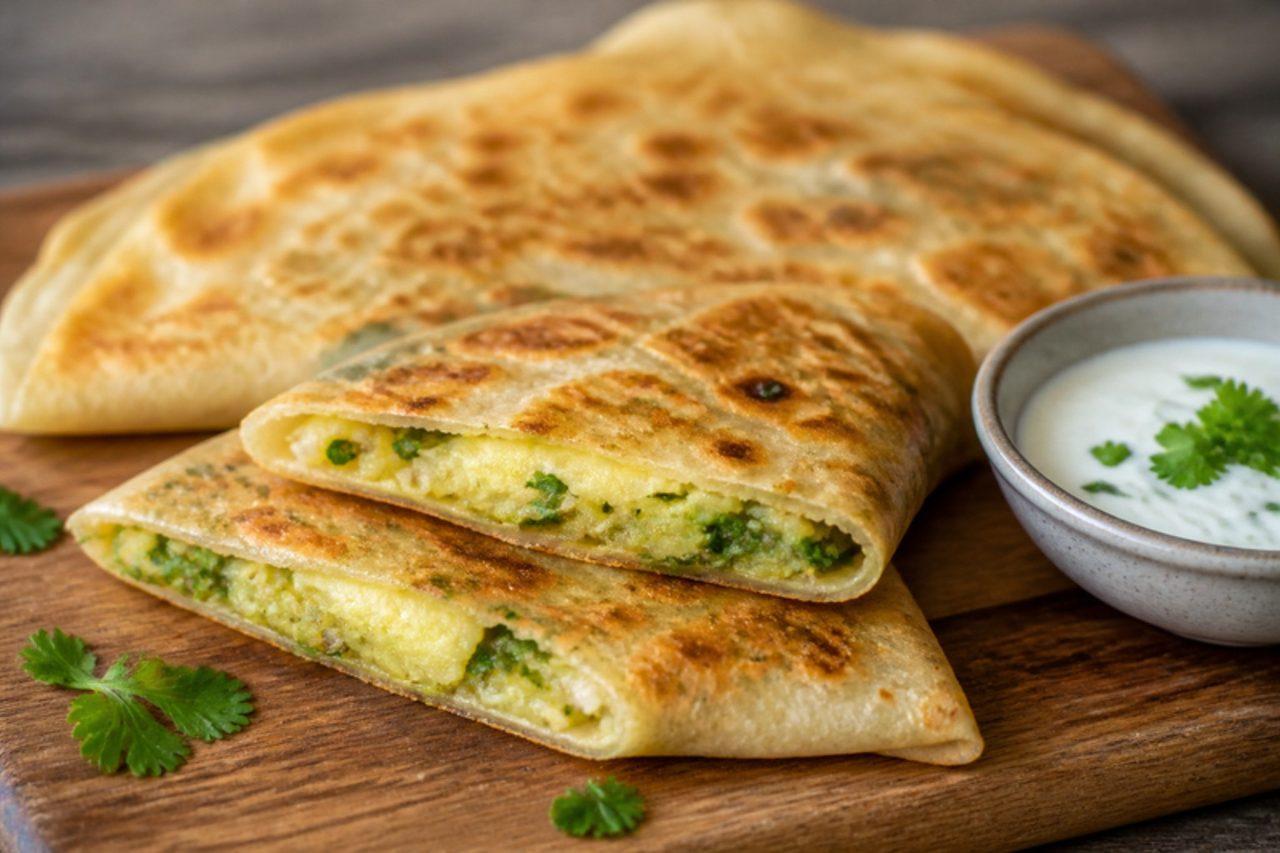
Bolani are thin, crisp half-moon flatbreads sold hot from griddles in Kabul's bazaars and made at home for Ramadan iftar, picnics and guests who drop in unannounced. The dough is rolled paper-thin, filled with mashed potato and spring onion (or with leeks or pumpkin), folded and fried in a little oil until blistered and golden. Cut them into wedges and serve with plain yoghurt or a green chutney. Chef's tip: spread the filling in a thin, even layer right to the edges; bolani should be flat and crackly, not puffy and doughy.

by KrazyBadal 0 views

Borani banjan

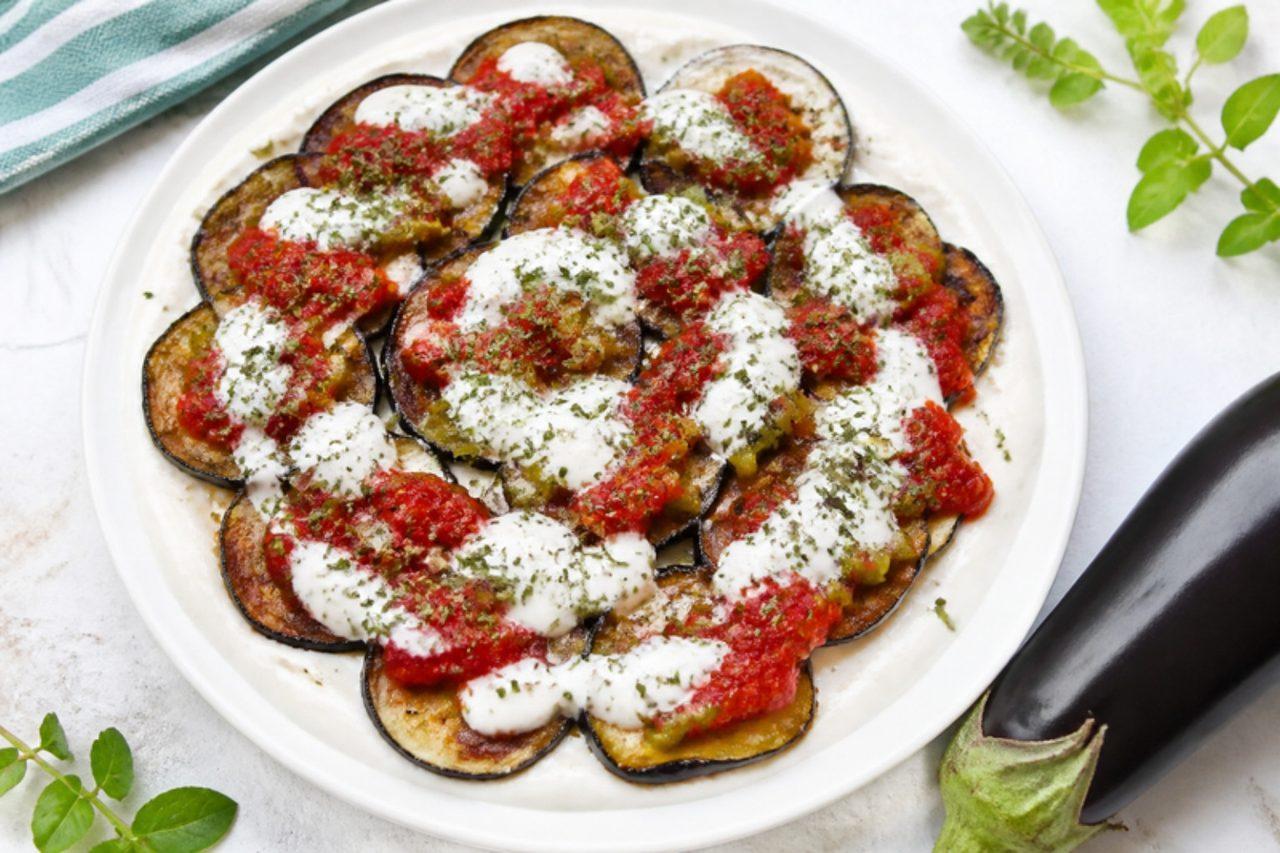
Borani banjan is the aubergine dish Afghan hosts set out at almost every dinner party and Eid meal, from Herat to Mazar-i-Sharif. Thick slices of aubergine are fried until golden, then simmered in a tomato and pepper sauce until meltingly soft and laid over a bed of garlic yoghurt, with dried mint on top. It's eaten warm with naan, or as a side to rice. Chef's tip: fry the aubergine slices in a hot pan and let them drain well before they go into the sauce; well-browned slices hold their shape and give the dish its deep, almost sweet flavour.

50 minVegetarianGluten free
by KrazyBadal 0 views

Kadu borani

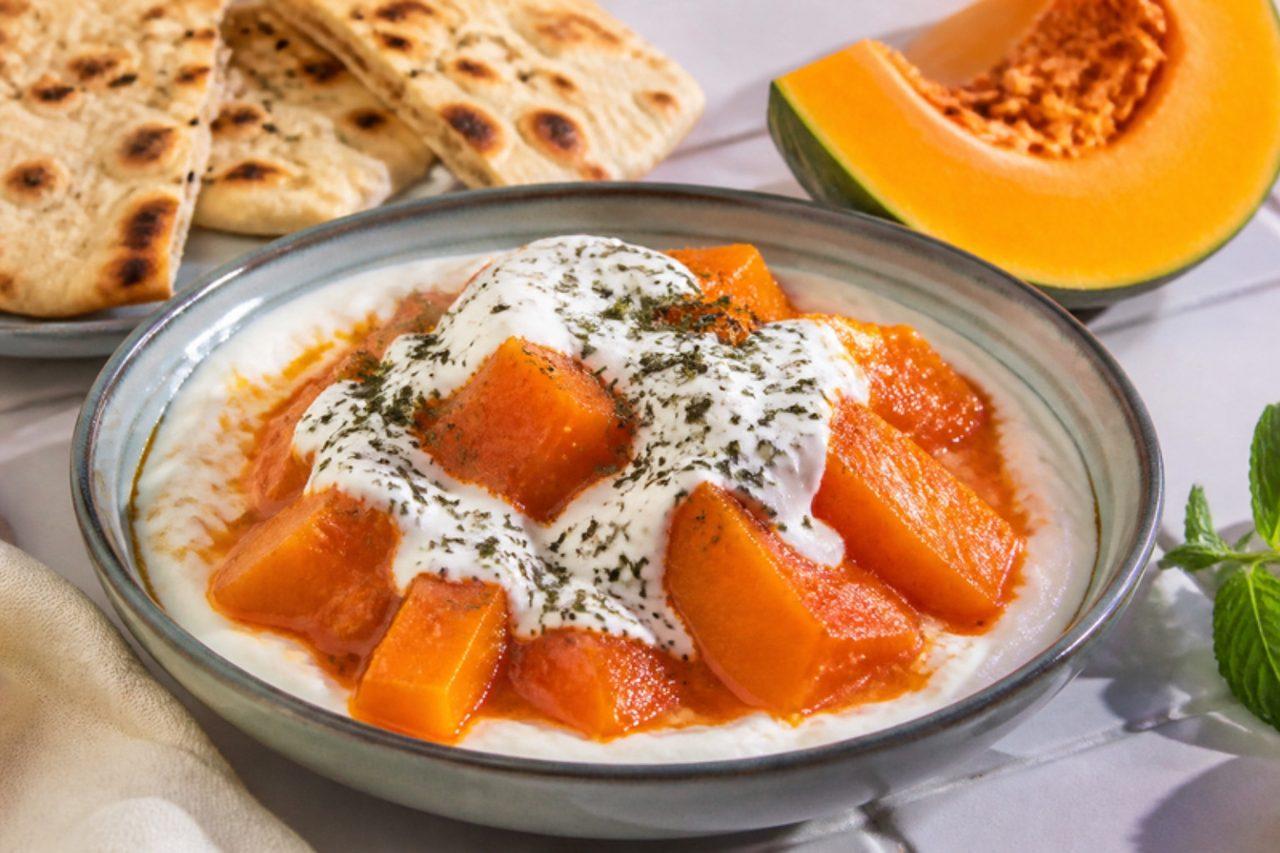
Kadu borani is the dish that wins over people who think they don't like pumpkin. In Afghan homes, especially in autumn around Kabul and Kandahar when the big orange squashes come in, wedges of pumpkin are browned, then braised with tomato, a little sugar and warm spices until sticky and caramelised, and served on garlic yoghurt with dried mint. The mix of sweet, savoury and sour is the point. Eat it with naan or as part of a spread with rice. Chef's tip: use a dense, deep-orange pumpkin or butternut squash; watery pumpkins fall apart and turn bland.

55 minVegetarianGluten free
by KrazyBadal 0 views

Sheer yakh

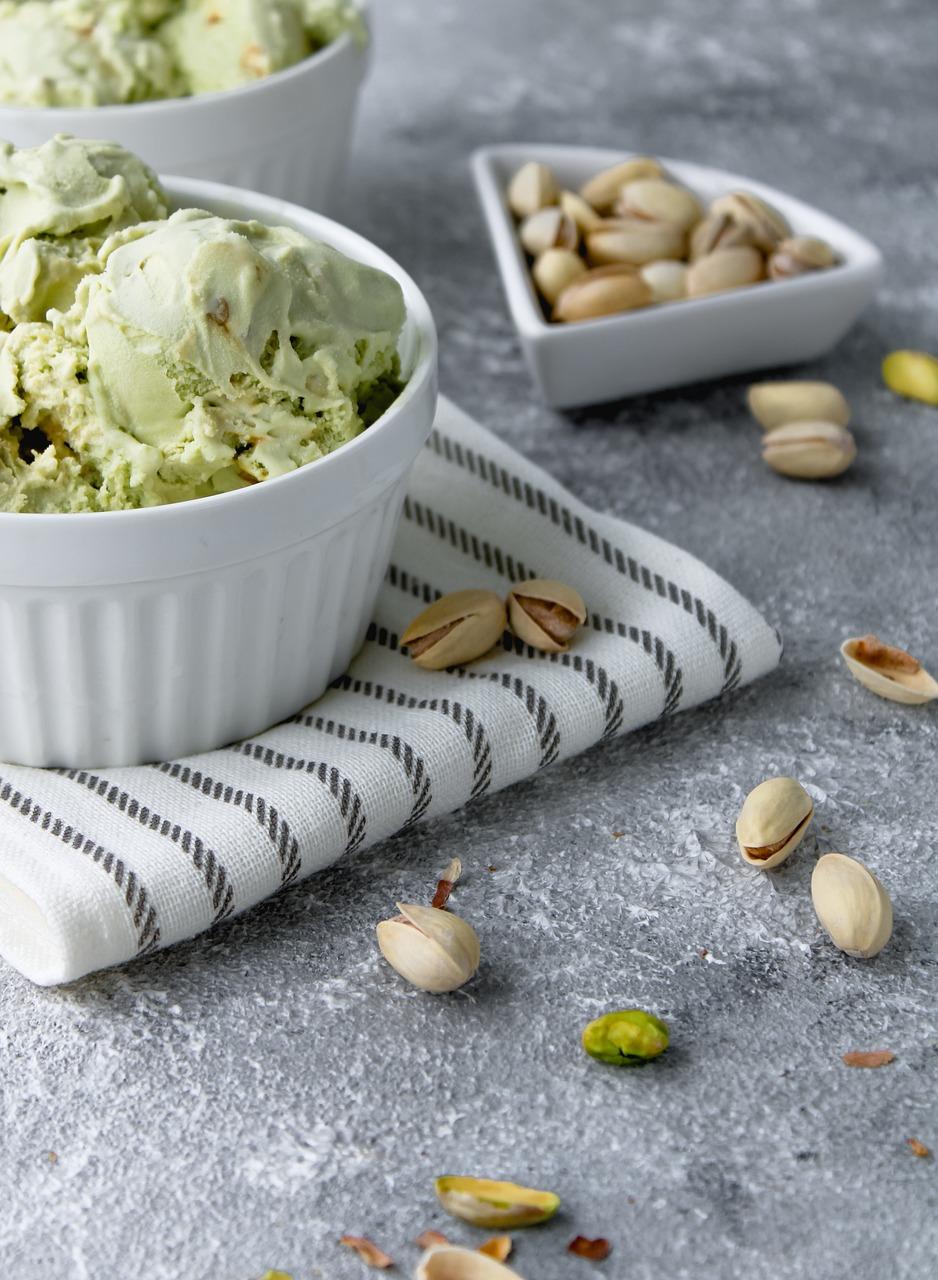
Sheer yakh, literally milk-ice, is the ice cream Kabul's street vendors once churned by hand in metal drums set in buckets of salted ice, and it's still the treat of choice on hot summer evenings and at Eid gatherings. It's dense and slightly stretchy, flavoured with cardamom and rose water and packed with chopped pistachios. Traditional sheer yakh is thickened with salep (orchid root); cornflour gives a similar body at home. Chef's tip: cook the custard until it thickly coats a spoon, then chill it overnight before freezing; a cold, aged base churns denser and smoother.

40 minDessertsGluten free
by KrazyBadal 0 views

Shorwa

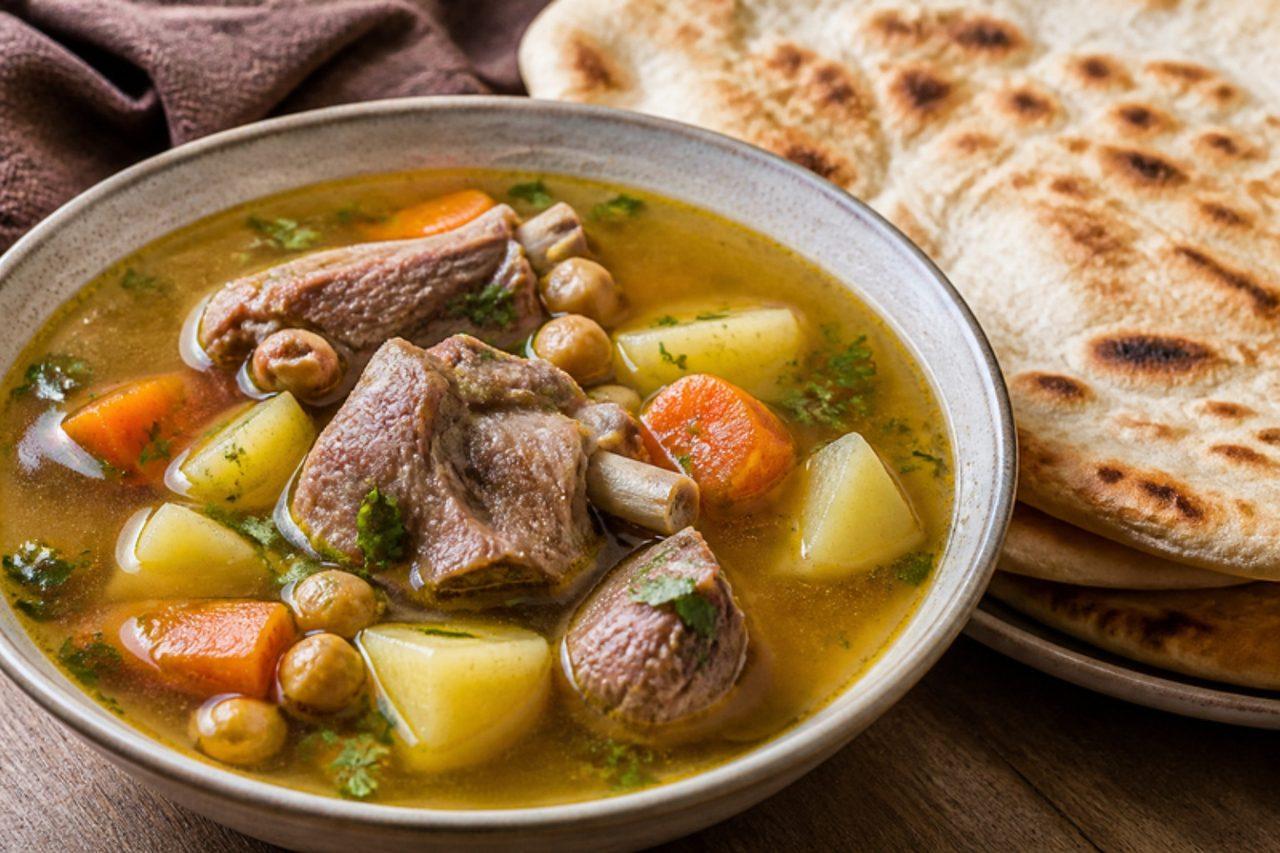
Shorwa is the everyday soup of Afghan homes from Kabul to Herat, simmered on winter evenings and during Ramadan, when a bowl of it breaks the fast. Lamb on the bone cooks slowly with onion, tomato, chickpeas and a little turmeric and coriander until the broth turns golden, then potatoes and carrots go in for the last half hour. The family tears naan into their bowls and eats it with fresh mint, onion and green chilli on the side. It is a gentle, clear soup rather than a thick stew. The common mistake is boiling it hard, which makes the broth cloudy and the lamb tough; keep it at a lazy simmer. Chef's tip: skim the broth carefully in the first 10 minutes, as soon as the grey foam rises, for a clean golden shorwa.

130 minSoupsGluten free
by KrazyBadal 0 views

Qorma-e sabzi

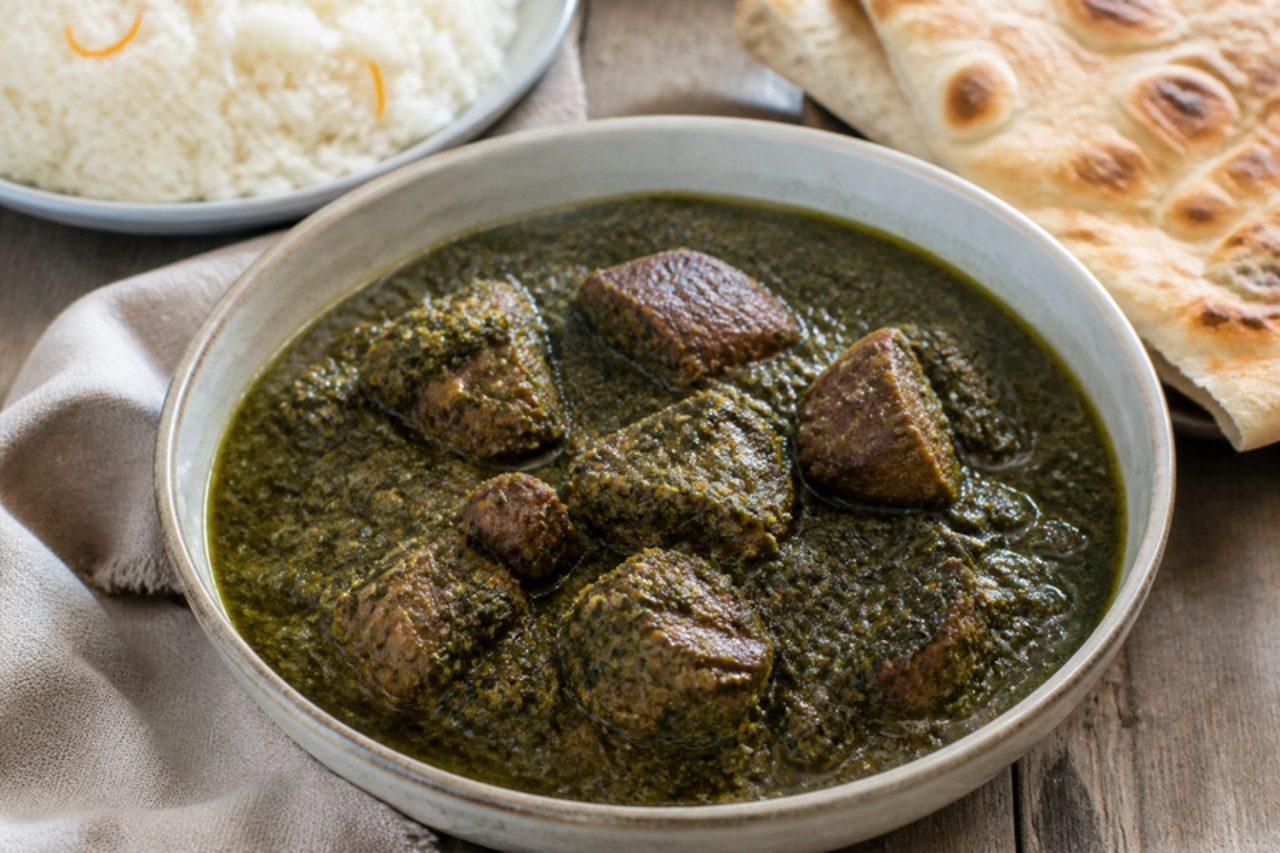
Qorma-e sabzi is the green qorma of Kabul: lamb slowly braised with a large amount of spinach, dill, coriander and spring onion until the greens collapse into a dark, silky sauce. Afghan cooks fry the onions slowly until deep brown first, so the stew tastes sweet and savoury against the slightly bitter greens, and a spoon of dried fenugreek leaves adds the typical bitter-sweet scent. It is served on Fridays and for guests with chalaw, plain white rice, or with naan. The common mistake is adding the greens raw and wet in one go, which stews them grey and watery; wilt and squeeze them first. Chef's tip: let the stew simmer uncovered for the last 15 minutes until the oil rises to the top; that is the sign of a well-cooked qorma.

135 minCurriesGluten free
by KrazyBadal 0 views

More Afghan ideas

Other cuisines