Skip to content

Spanish recipes

233 Spanish recipes to cook at home, each with photos, step-by-step instructions and cook times. The quickest, Kalimotxo, takes 5 minutes. Most take around 60 minutes.

Filter these by time, diet or cuisine

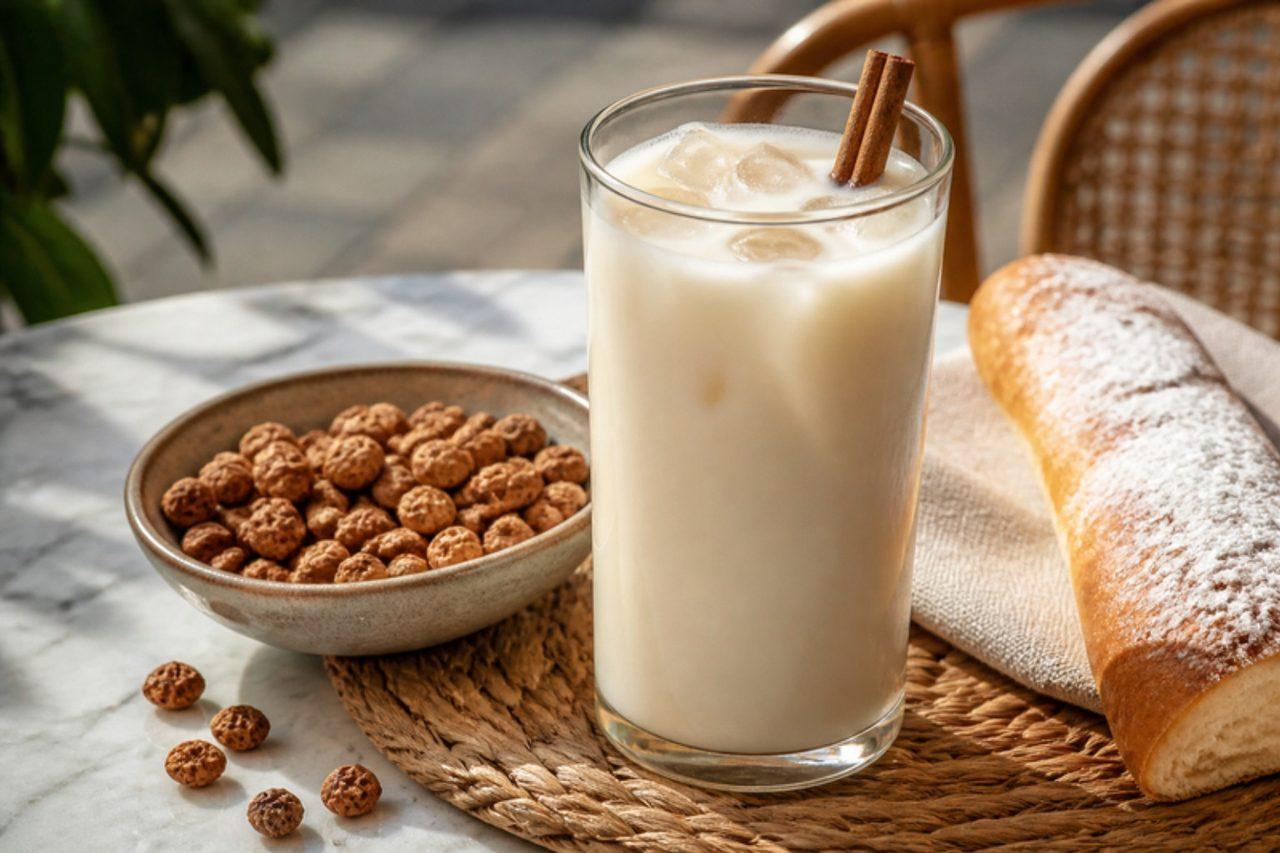
Horchata de chufa

Horchata de chufa is the drink of Valencia's summer, sold ice-cold in the city's horchaterías with long, soft fartons pastries for dipping. It is made from chufas, or tiger nuts: small wrinkled tubers grown around the village of Alboraya just north of Valencia, which have their own protected designation of origin. Soaked, ground with water, strained and sweetened, they give a creamy, nutty, naturally dairy-free milk with a hint of cinnamon. Valencians drink it very cold, or half-frozen as 'granizada'. Chef's tip: soak the tiger nuts for a full 24 hours and change the water once; they must be plump and soft enough to blend into a fine pulp, or the horchata will be thin and taste of raw starch.

by KrazyBadal 1 views
Fricandó

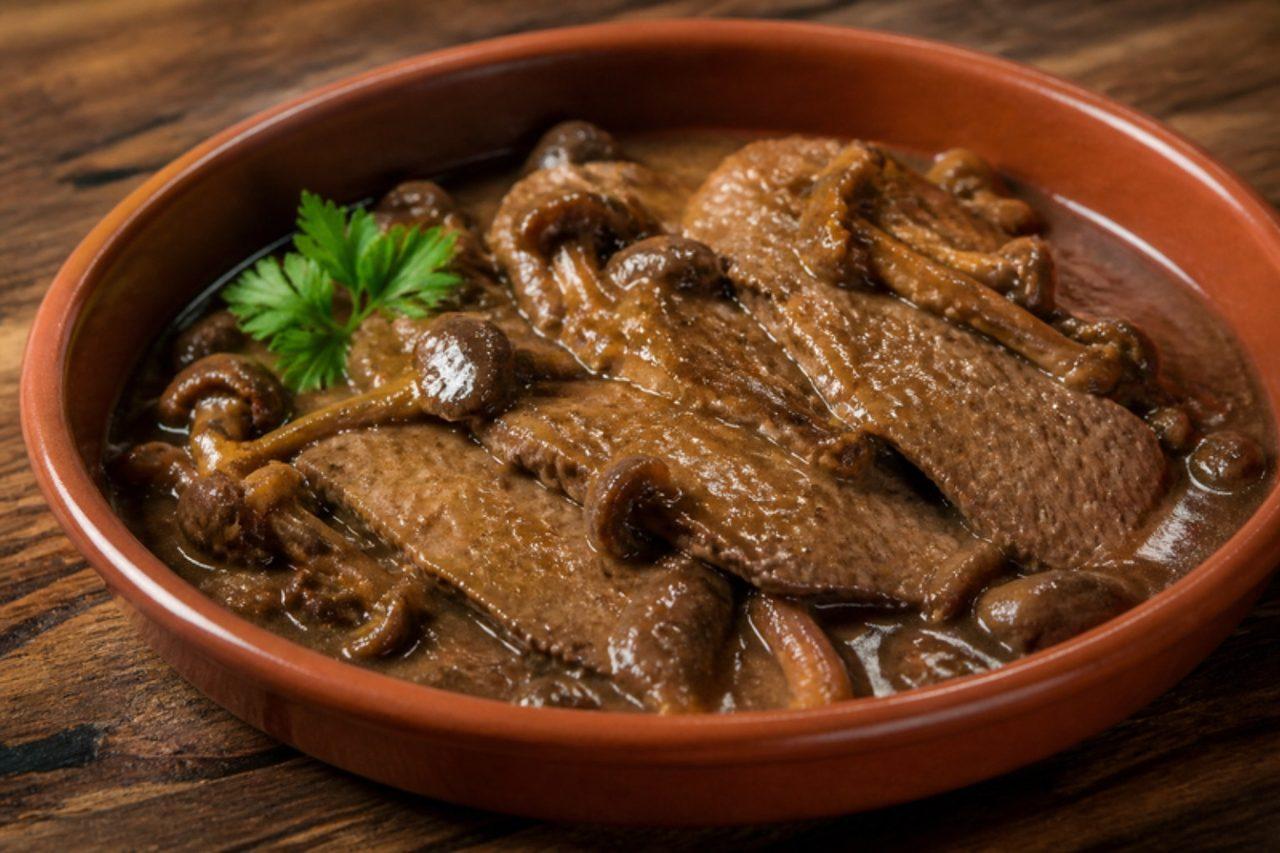
Fricandó is the dish that Barcelona grandmothers cook for a family Sunday or a saint's day: thin slices of veal, floured and browned, then braised slowly in a dark sofrito with dried moixernons, the spring St George's mushroom, and finished with a picada of almonds and hazelnuts. It is better reheated the next day. Dried porcini or mixed wild mushrooms work if you cannot find moixernons. The recipe uses wine; the alcohol-free option is in the ingredient list. Chef's tip: cook the onions until truly dark, almost jammy; that deep brown sofrito is where the sauce gets its colour and sweetness.

130 minSpanishMeat
by KrazyBadal 0 views
Gazpachuelo malagueño

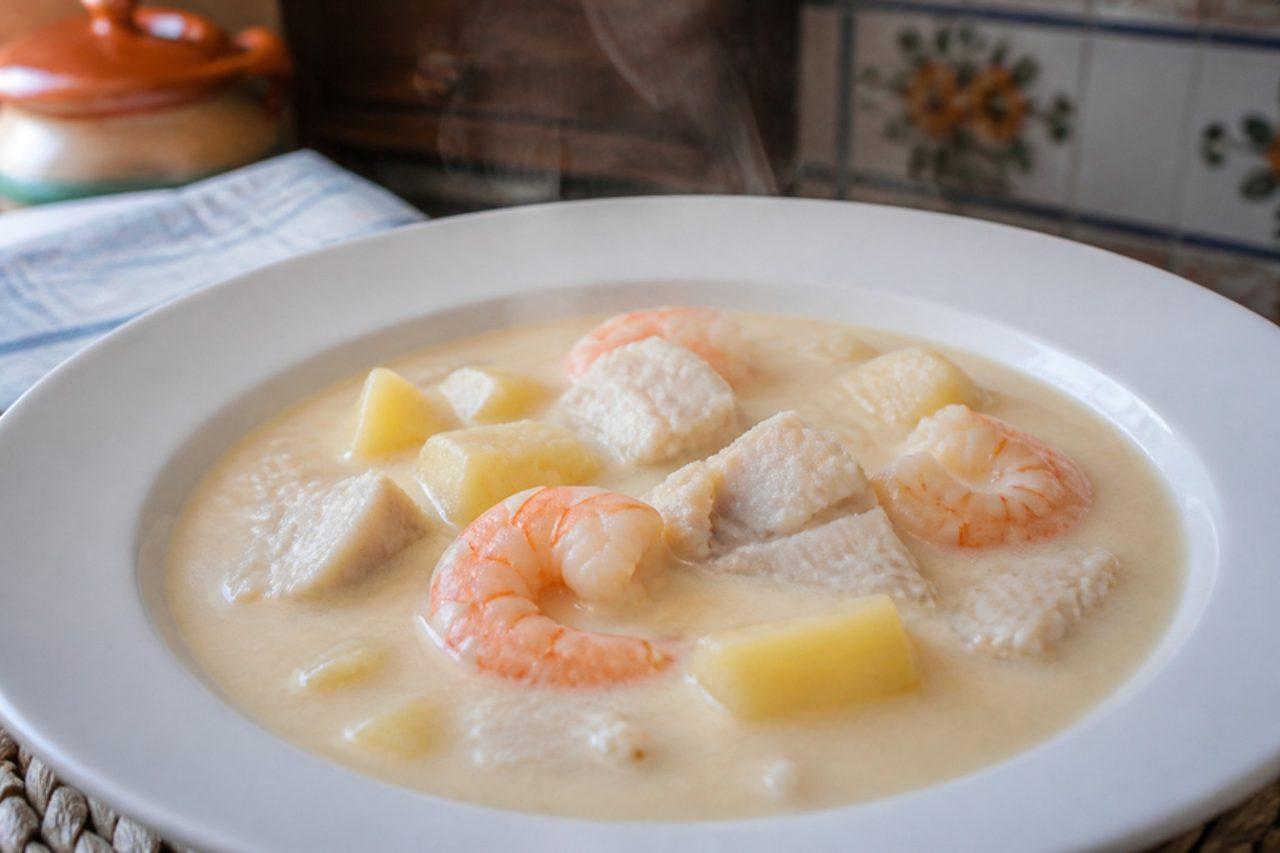
Málaga's fishermen once made gazpachuelo on the beach with whatever the nets brought in, and today it is a winter comfort soup in the city's homes and old-style taverns: a clear broth with potatoes, hake and prawns, slowly poured over a homemade mayonnaise until it turns pale and creamy. Done right it is silky, lemony and light. The eggs in the mayonnaise must be heated through properly, so this method brings the soup to 72 °C at the end without boiling it. Chef's tip: add the broth to the mayonnaise, never the other way round, and at first only a ladle at a time.

by KrazyBadal 0 views
Allioli

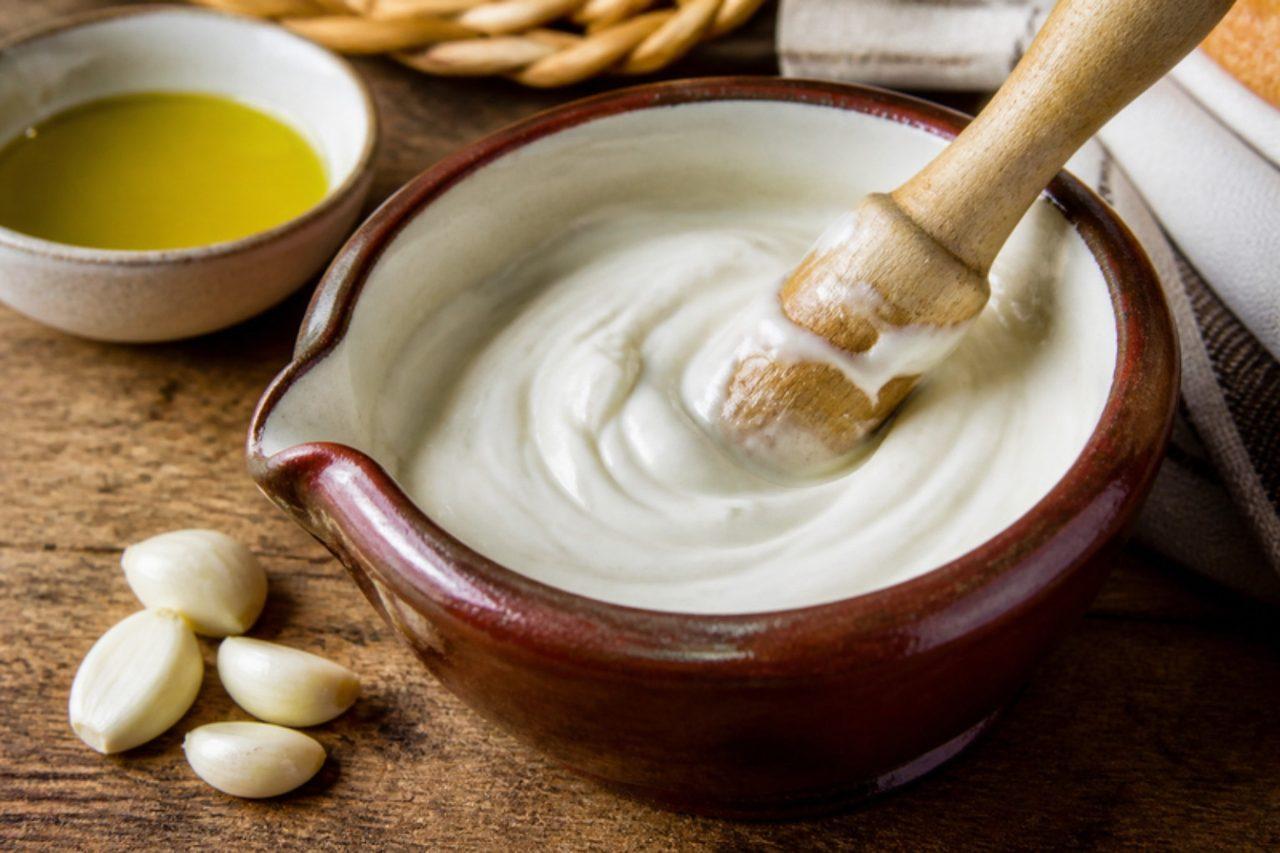
True Catalan allioli is just garlic, salt and oil, all ('garlic') i oli ('and oil'), worked slowly in a mortar until it becomes a stiff, pale emulsion with a fierce bite. Families serve it with grilled lamb, rice dishes, boiled potatoes and snails, and making it by hand is a small point of pride. It takes patience and steady arms, but no egg is needed. Chef's tip: if it splits, start a new paste with one crushed clove and a few drops of water, then work the broken sauce back in a spoonful at a time.

by KrazyBadal 0 views
Pestiños

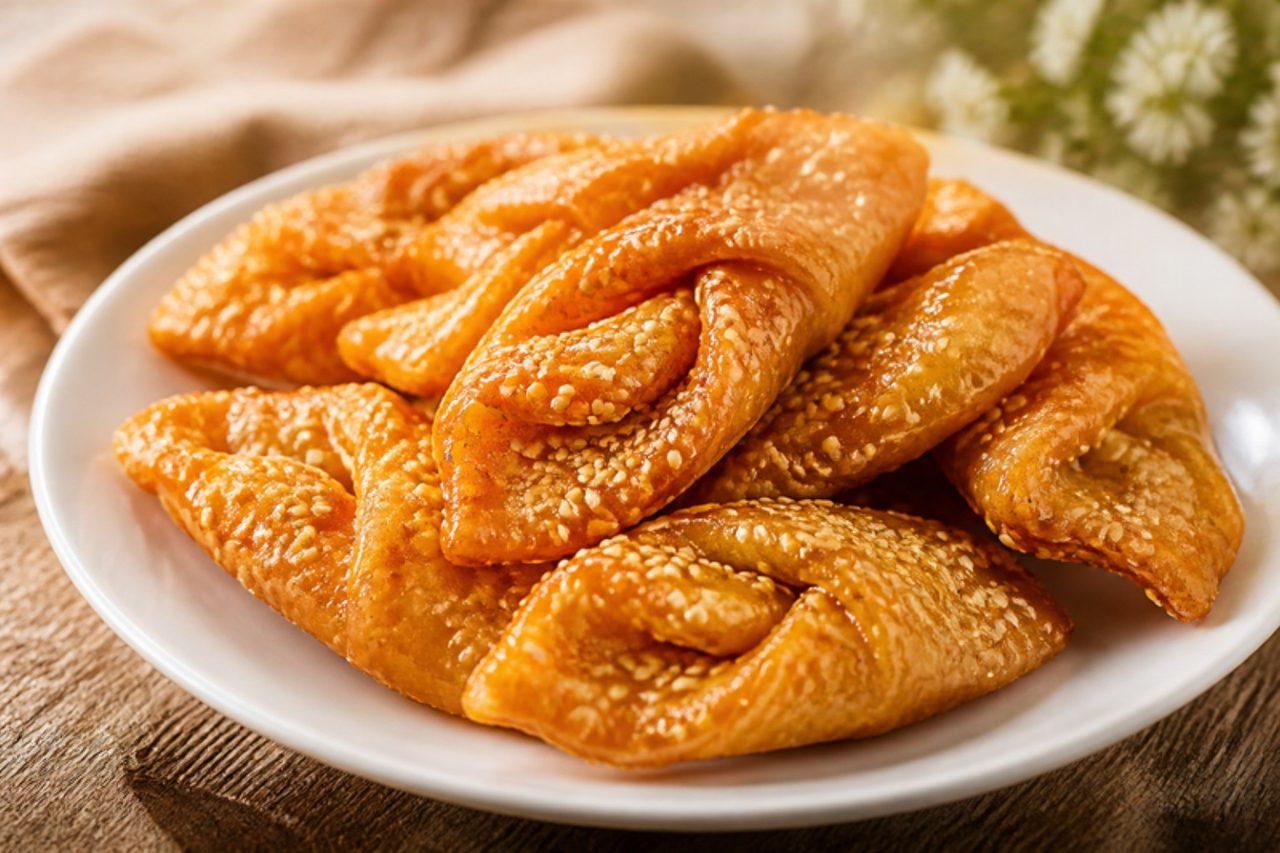
When Holy Week and Christmas come round, convent turnstiles and village kitchens from Cádiz to Granada fill trays with pestiños: little folded parcels of dough flavoured with sesame, anise and orange, fried until crisp and blistered and then dipped in honey. The dough traditionally takes a splash of white wine, which makes it bubble and crunch; orange juice works too, and is the alcohol-free option in the list. A common mistake is frying them in oil that is too hot, which browns the outside before the folds of dough cook through and crisp. Chef's tip: roll the dough really thin; thick pestiños stay doughy in the middle and soak up oil.

by KrazyBadal 0 views
Tortas de aceite sevillanas

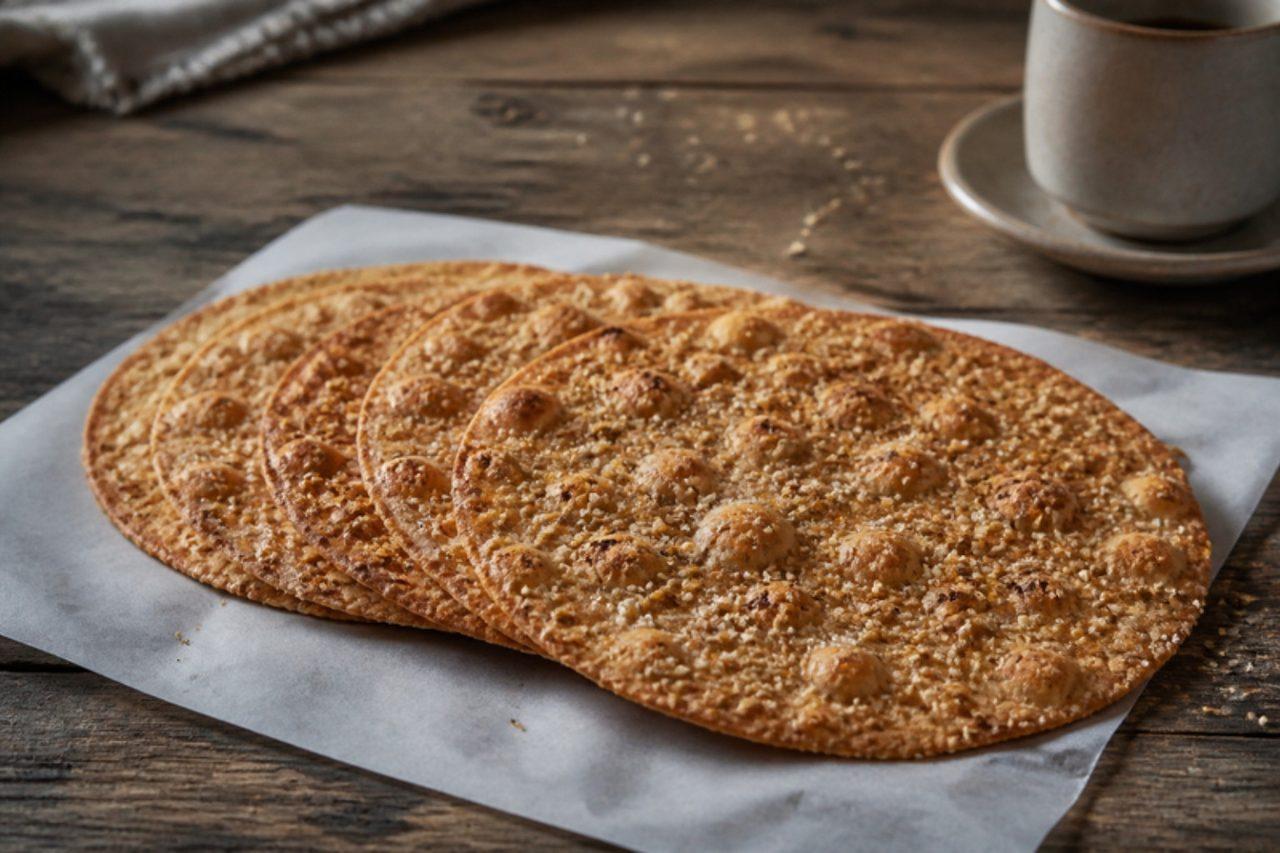
Castilleja de la Cuesta, just west of Seville, has made these hand-pressed tortas for well over a century, and across Andalusia they are dunked into morning coffee or eaten as an afternoon snack. The dough is little more than flour, olive oil infused with anise and sesame, and a pinch of yeast, rolled until you can almost see through it and baked with a crust of sugar. Chef's tip: roll each torta directly on the baking paper you will bake it on; the dough is too thin to lift without tearing.

by KrazyBadal 0 views
Bunyols de l'Empordà
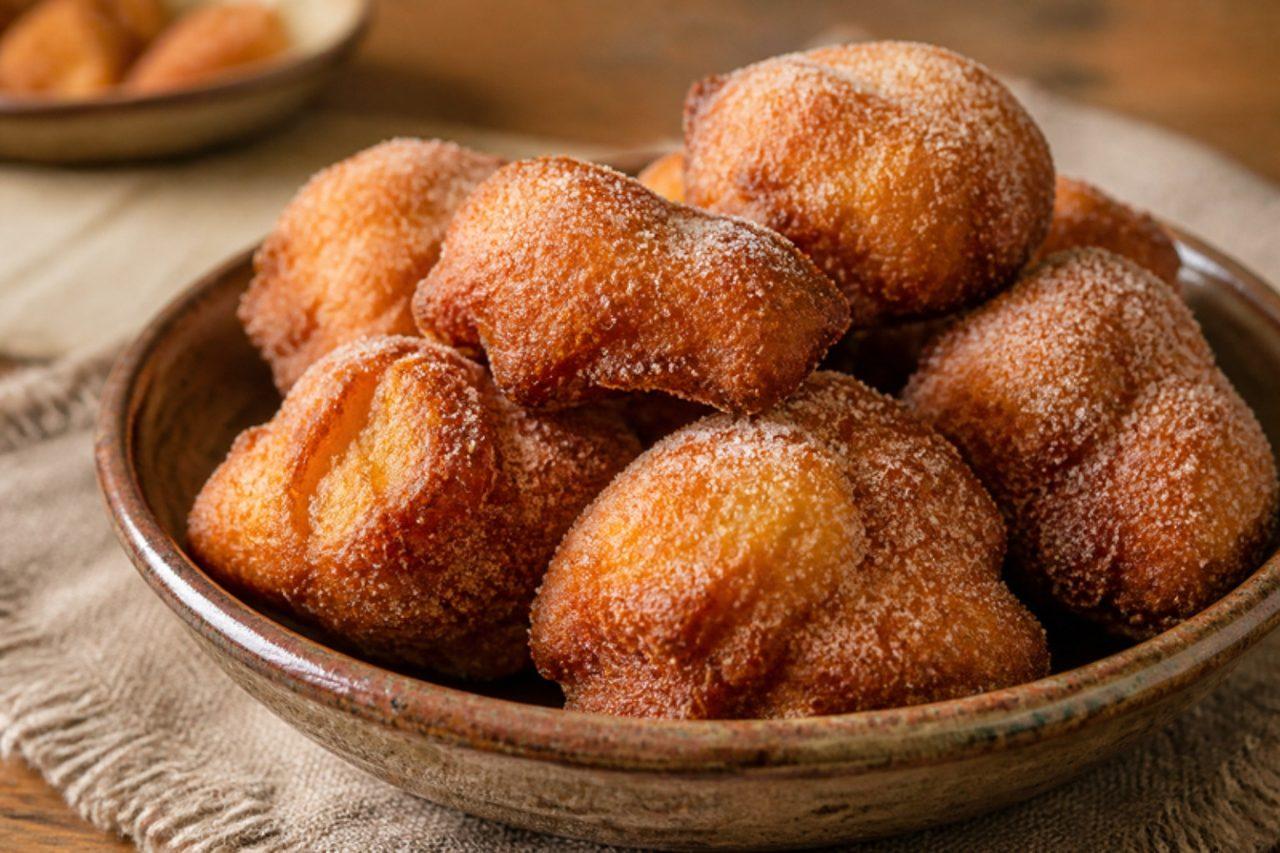
During Lent, bakeries and grandmothers across the Empordà in Girona fry bunyols: light, irregular rings of enriched yeast dough flavoured with anise and lemon, dusted with sugar while hot. Families make them together, poking a hole in each ball with wet fingers as it goes into the oil. The dough traditionally takes a splash of anise liqueur; the alcohol-free option, milk infused with aniseed, is in the ingredient list. Chef's tip: keep a bowl of water by the pan and wet your fingers before shaping each one; the dough then stretches cleanly instead of sticking.

by KrazyBadal 0 views

Porra antequerana

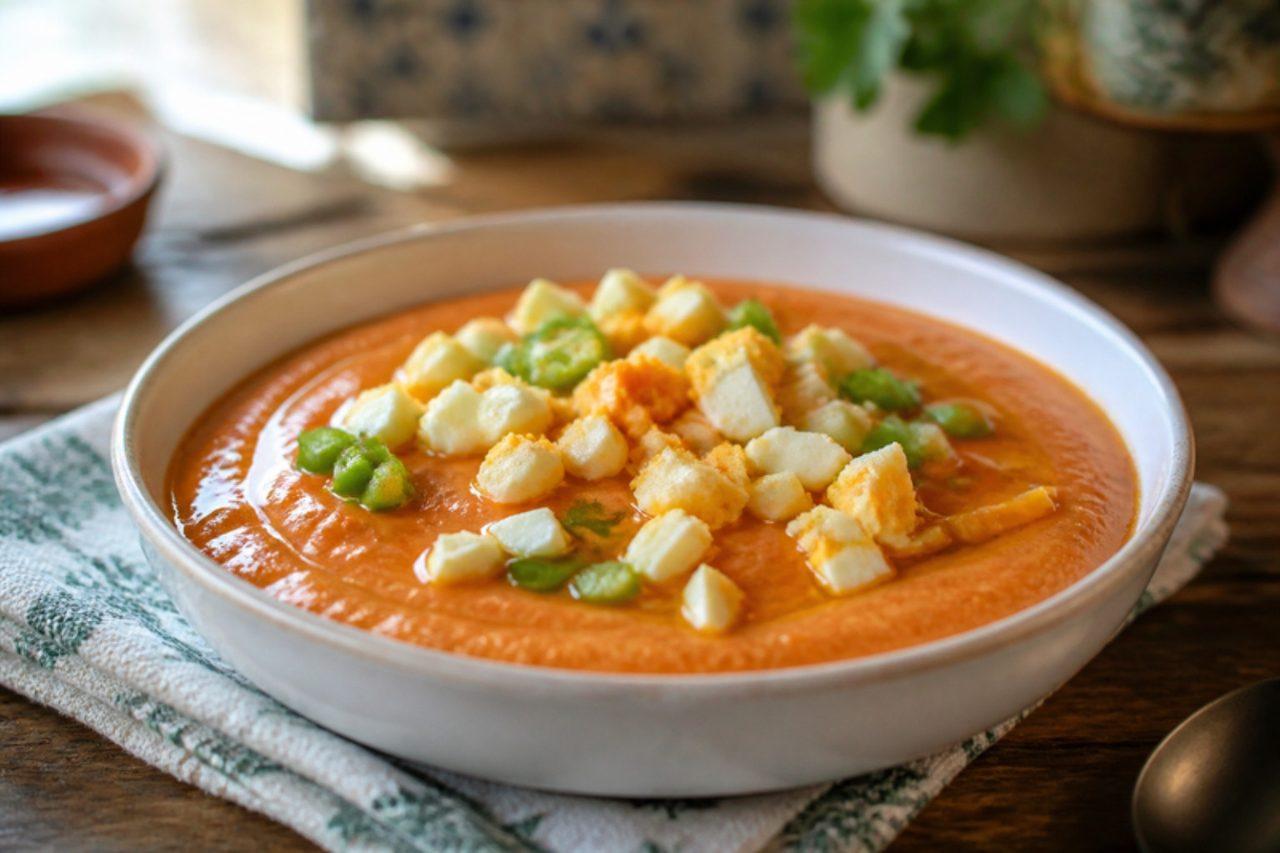
In Antequera, north of Málaga, porra comes to the table so thick that a spoon stands up in it, and bars in the old town serve it from May until the first autumn rains as a starter or a light supper. It is a cousin of salmorejo, but with green pepper and more garlic, and the town tops it with chopped egg and a thread of oil. Locally the garnish also includes tuna and cured ham; this version keeps it vegetarian with egg and diced pepper. A common mistake is thinning it with water to make it go further: porra should be spooned, never sipped. Chef's tip: use only the reddest, softest tomatoes of the summer, because a pale tomato makes a pink, flat-tasting porra however much oil you add.

by KrazyBadal 0 views

Flamenquín cordobés

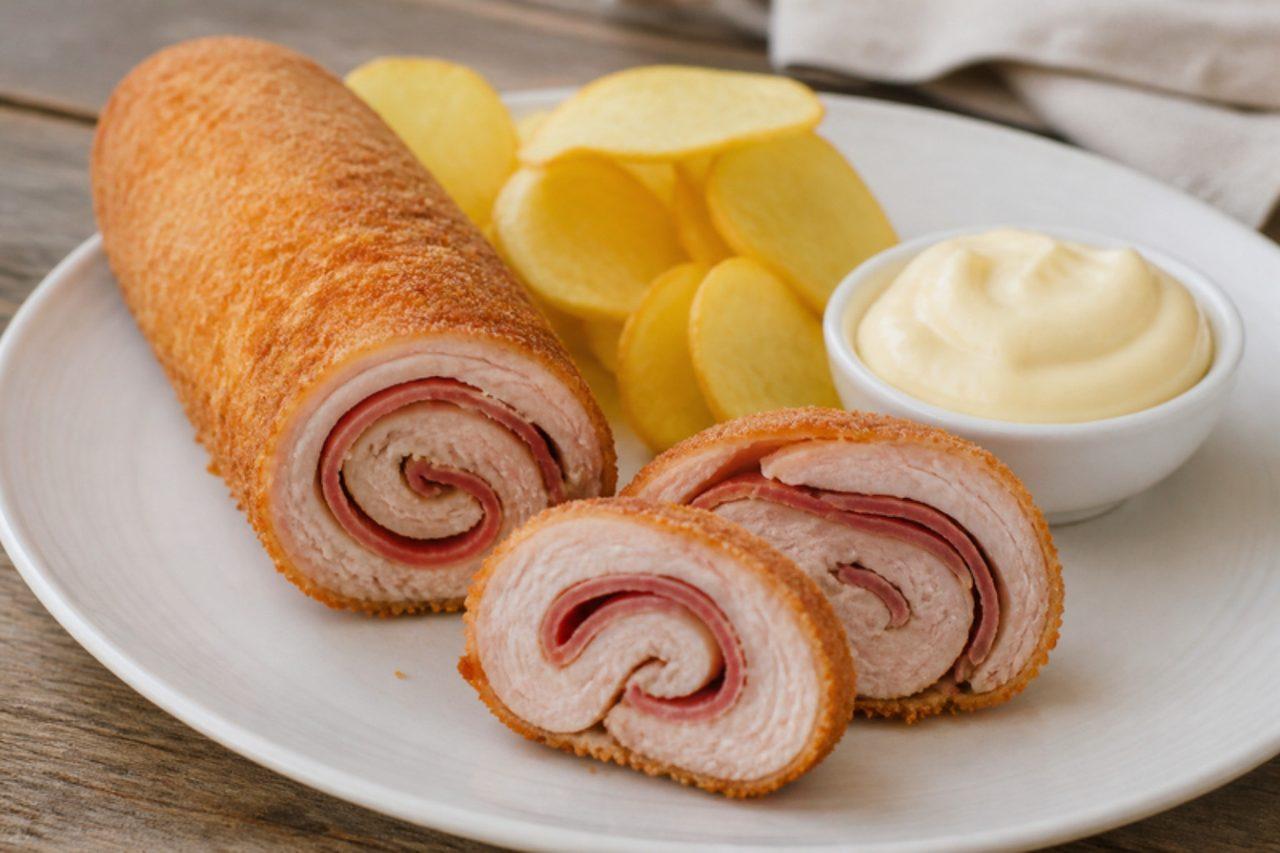
This contains pork (pork loin and serrano ham). In Córdoba, flamenquín is the bar food of choice: a long roll of thin pork loin wrapped around cured ham, crumbed and fried, then sliced and served with chips and mayonnaise. Locals argue over the name, but agree on the order: plenty of chips and something cold to drink, usually at lunch. Chef's tip: chill the crumbed rolls for 30 minutes before frying; the coating sets and stays on in the oil.

by KrazyBadal 0 views

Salsa romesco

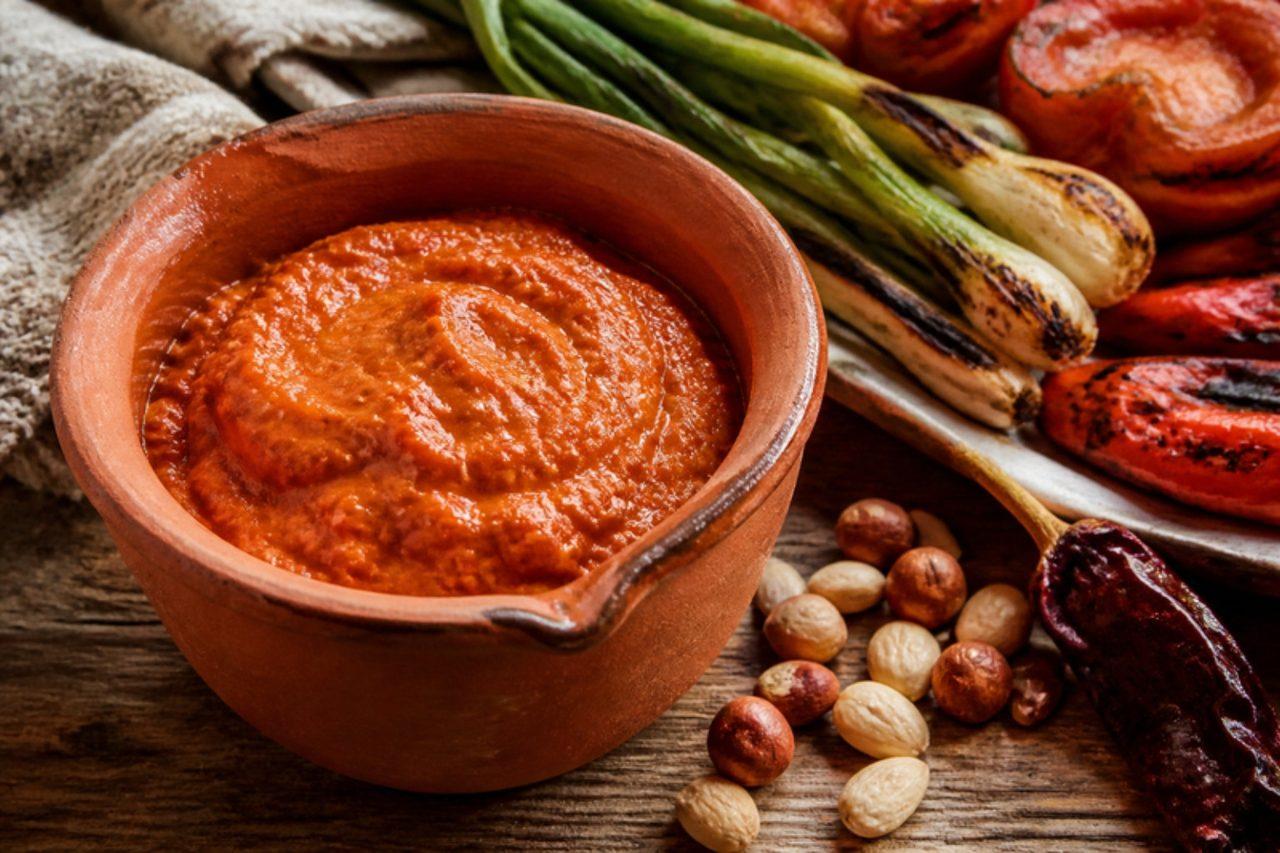
Romesco belongs to the fishing quarter of El Serrallo in Tarragona, where fishermen made it to eat with the day's catch, and where an annual contest still decides who pounds the best one. It is close kin to the salvitxada served with calçots, but deeper and hotter: the ñoras are fried, a small dried chilli goes in, and hazelnuts share the work with almonds. Serve it with grilled fish, prawns, potatoes, or any roasted vegetable. Chef's tip: fry the bread and nuts in the same oil you will use in the sauce; it carries their toasted flavour into every spoonful.

by KrazyBadal 0 views

Espárragos trigueros esparragados

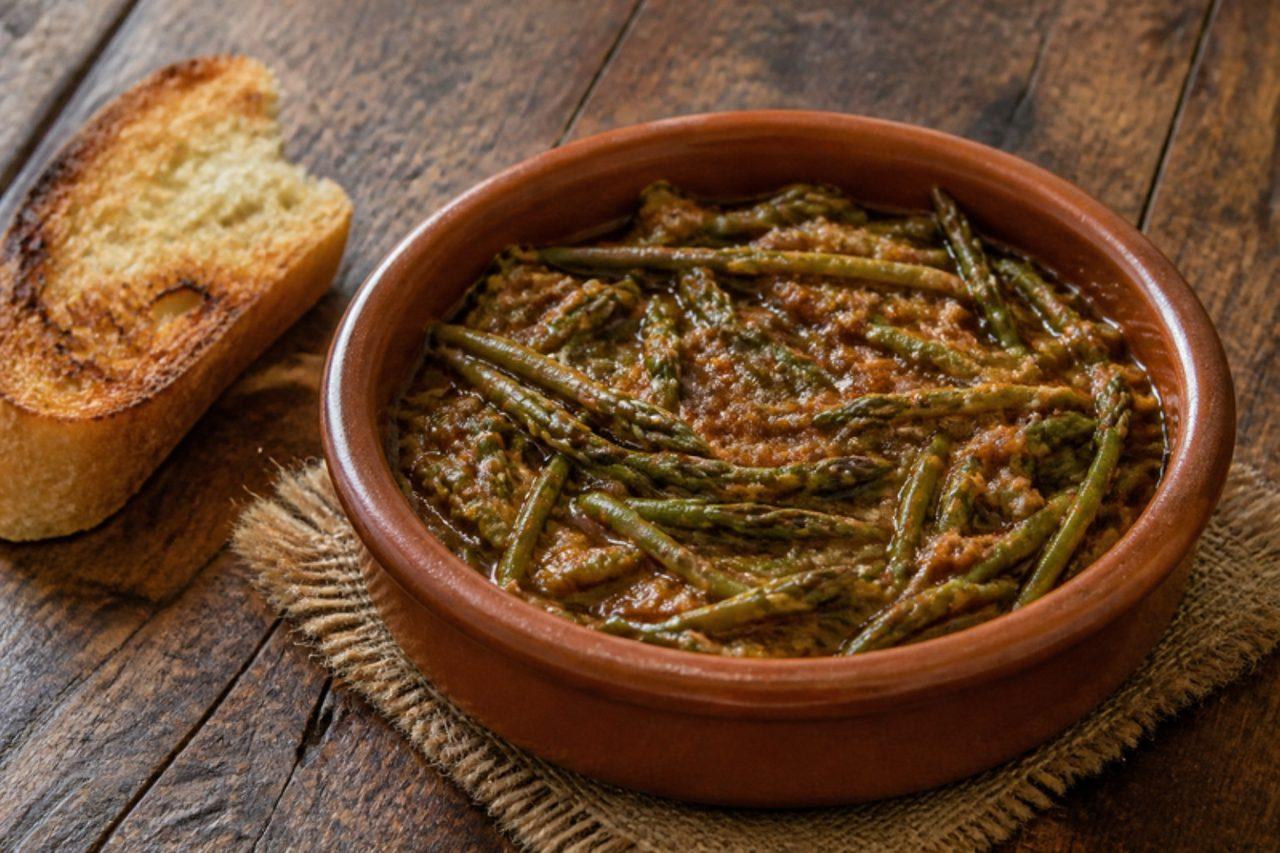
From March to May, families around Granada and Córdoba walk the field edges gathering thin, bitter wild asparagus, and the classic way to cook the haul is esparragados: simmered in a sauce of pounded fried bread, garlic, cumin and paprika, with an egg poached on top. Thin green asparagus from the shop works well too. The sauce should be thick enough to hold the egg. Chef's tip: pound the bread and garlic while still warm from the pan; they break down into a smooth paste far more easily.

by KrazyBadal 0 views

Alcachofas a la montillana

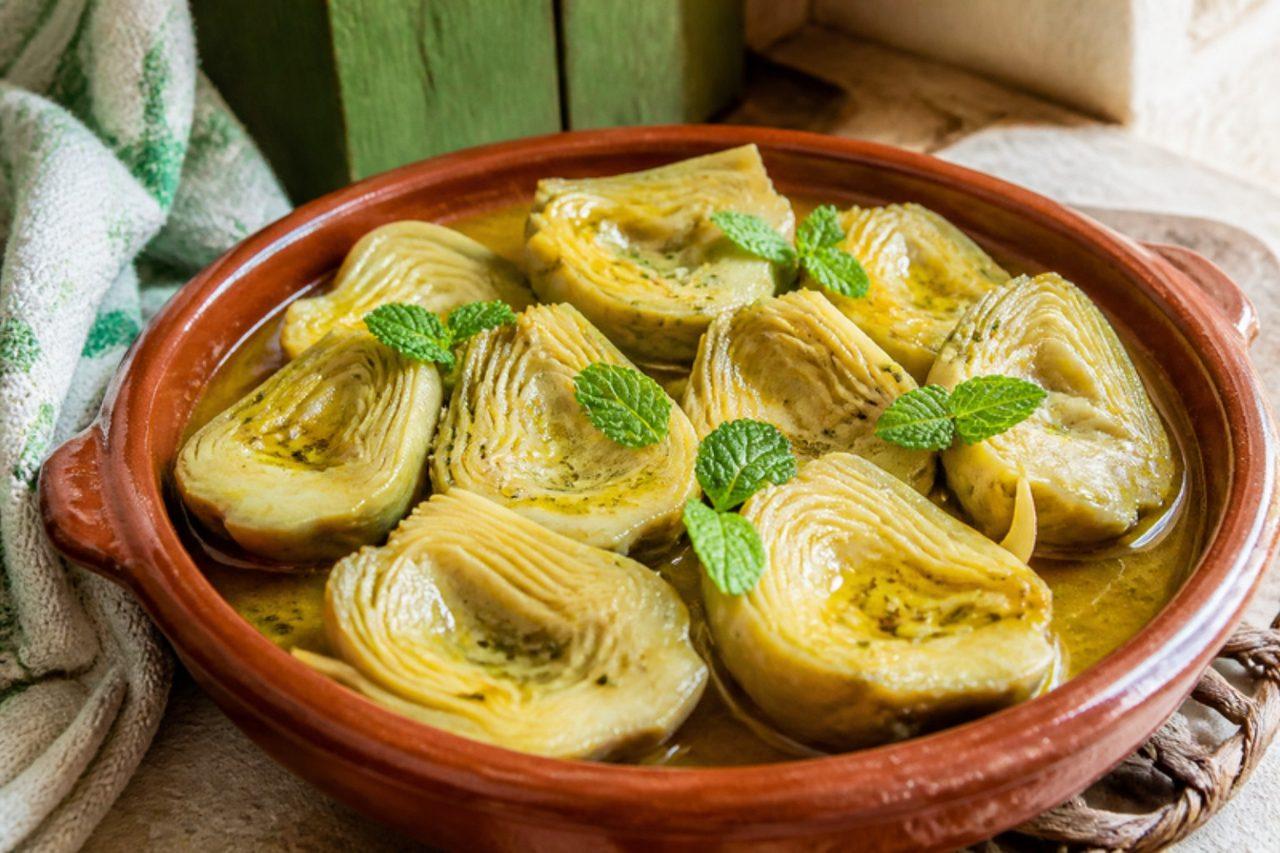
Montilla, south of Córdoba, makes a pale, dry wine from sun-dried Pedro Ximénez grapes, and in late winter and spring its kitchens braise young artichokes in it with a little saffron and fresh mint. Many cooks add cubes of cured ham; this version leaves it out and lets the artichokes, wine and mint carry the dish. It uses wine; the alcohol-free option is in the ingredient list. Serve it as a starter, or as a main with bread and a fried egg. A common mistake is trimming the artichokes without dropping them straight into lemon water, so they turn black before they reach the pan. Chef's tip: drop each trimmed artichoke straight into lemon water, because cut artichokes blacken within a minute in the air.

by KrazyBadal 0 views

Aceitunas aliñadas

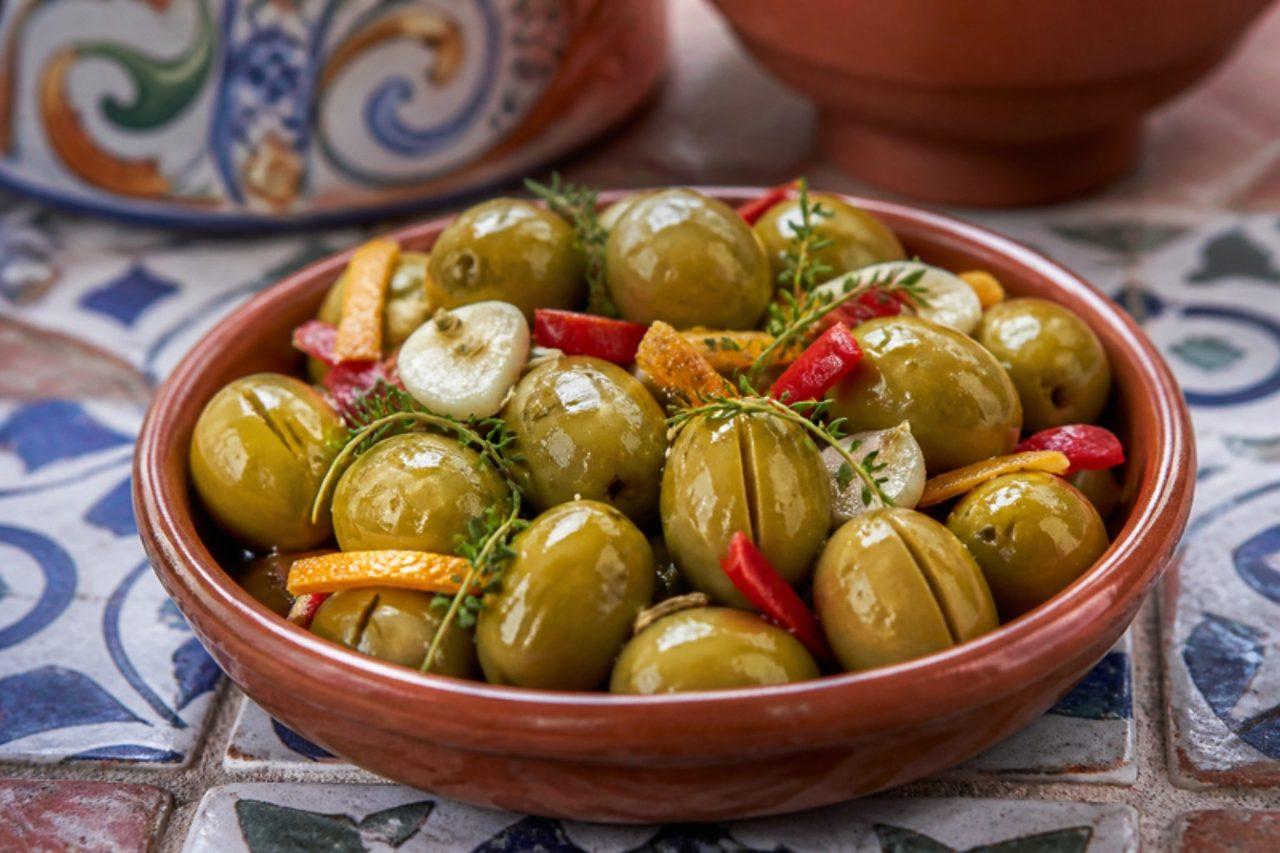
Before any tapa reaches the bar in Seville, a little dish of aliñadas usually does: cracked green manzanilla or gordal olives steeped in brine with garlic, wild thyme, fennel and a strip of orange peel. Markets like Triana sell them by the scoop, but they are simple to dress at home from plain olives in brine. Give them two days; the herbs need time to get into the flesh. A common mistake is serving them after a day; they need at least two days in the brine for the garlic and herbs to reach the stone. Chef's tip: crack each olive with the flat of a knife until it just splits; a crushed olive goes soft and cloudy in the jar.

by KrazyBadal 0 views

Molletes de Antequera

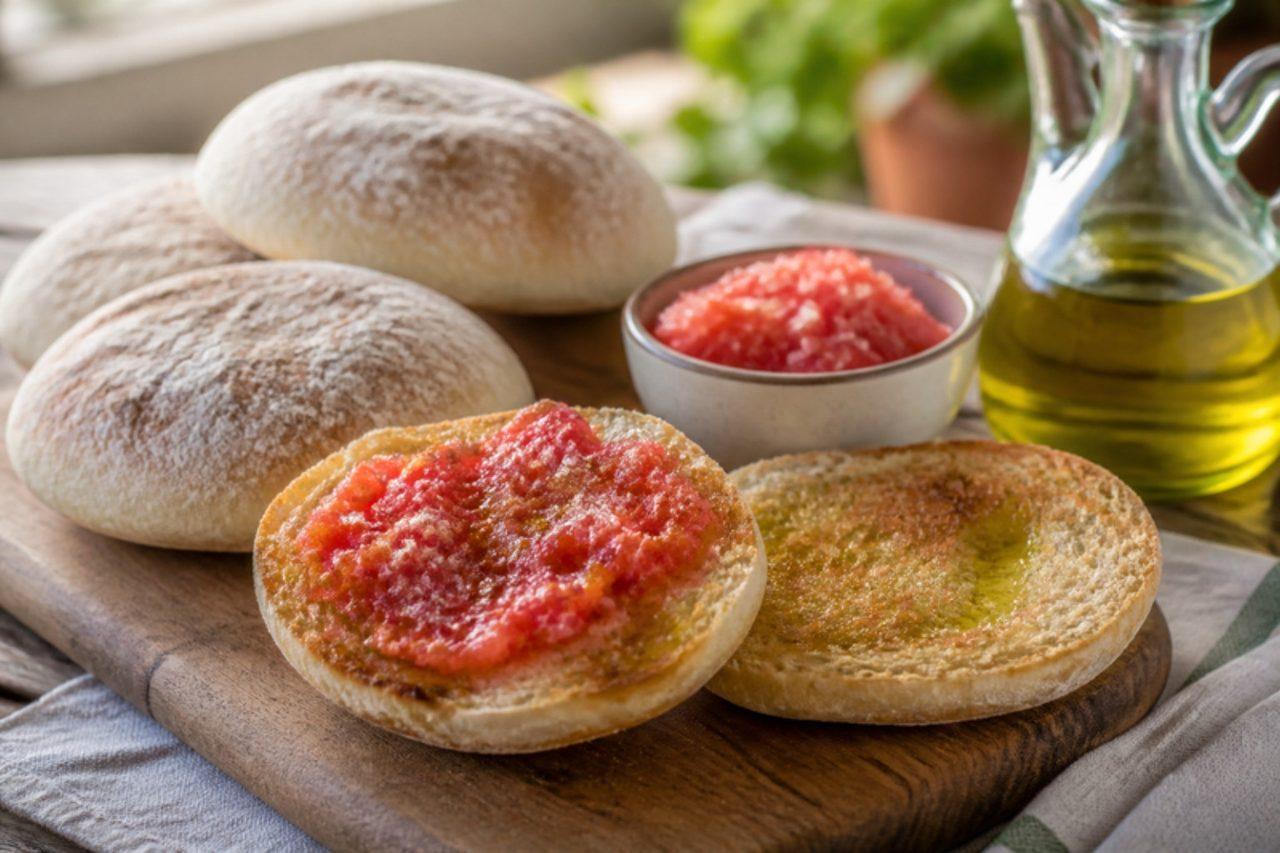
Ask for breakfast in any café between Málaga and Seville and someone will offer you a mollete: a flat, pale, floury roll from Antequera, split, toasted and spread with olive oil and crushed tomato. Bakers there bake them hot and fast so the crust stays thin and soft and the crumb is open and moist. They freeze well, so it is worth making a batch on a slow weekend morning. A common mistake is baking them until golden; molletes should come out pale and soft, with only a faint blush of colour. Chef's tip: bake them at the very top heat for only about 10 minutes; if they brown, they have gone too long and will be crusty rather than soft.

by KrazyBadal 0 views

Piononos de Santa Fe

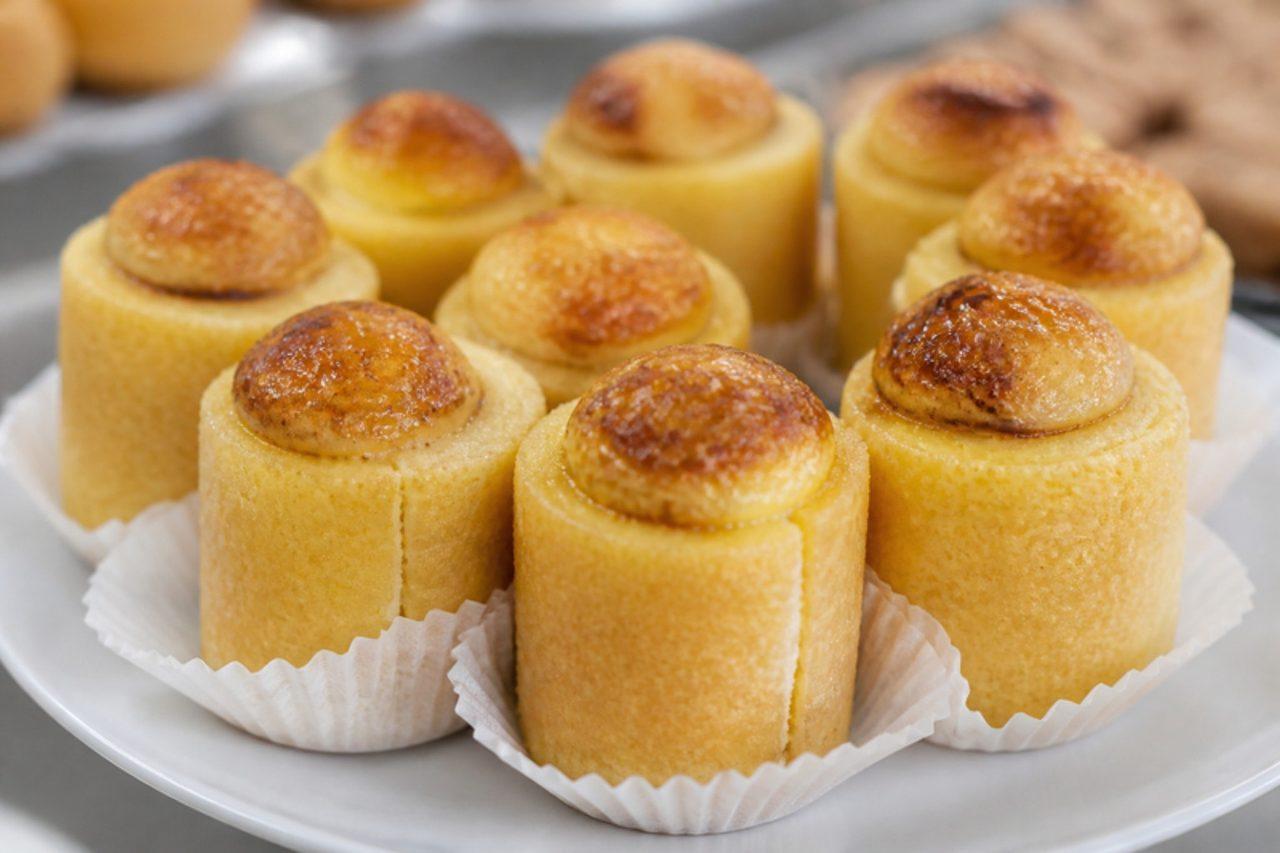
The pionono was invented in Santa Fe, on the plain outside Granada, in the late nineteenth century by a local pastry maker who named it after Pope Pius IX, Pío Nono in Spanish. The town still sells them by the dozen from its bakeries, and granadinos carry boxes home for Sunday coffee. Each one is a little standing roll of thin sponge soaked in cinnamon syrup, filled with custard and capped with a dome of custard burnt under a hot iron or torch. Chef's tip: roll the sponge while it is still warm and pliable; once cool it cracks instead of curling.

by KrazyBadal 0 views

Carquinyolis

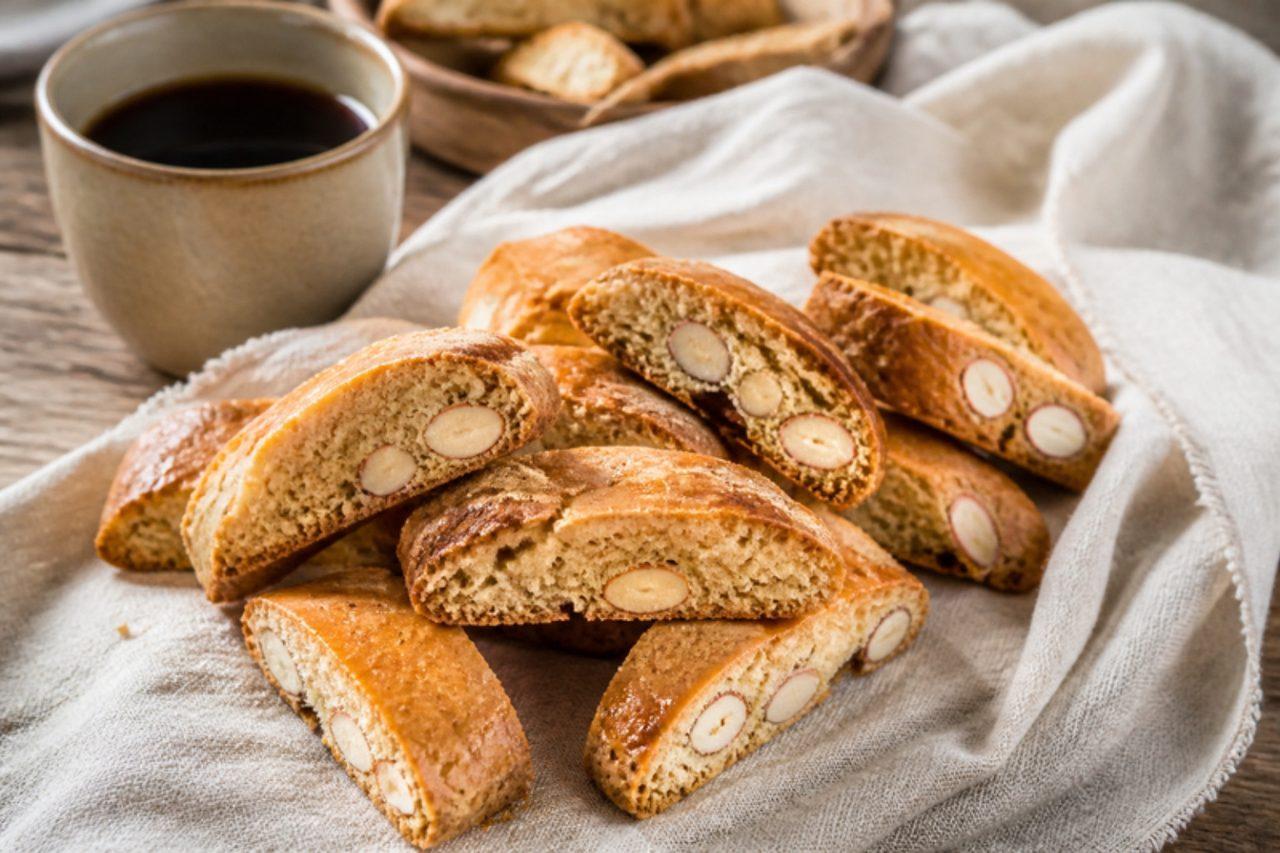
Catalan bakeries sell carquinyolis in paper bags, especially around Christmas and village festivals, and grandparents keep a tin of them to dunk in coffee, milk or, after a big lunch, a glass of sweet wine. They are cousins of Italian cantucci, but often rougher, with whole unpeeled almonds and a hint of lemon and cinnamon. Baked once as a log, sliced, then baked again, they keep for weeks. Chef's tip: slice the logs while still warm with a serrated knife and a single firm cut; cold logs crumble and the almonds shatter.

by KrazyBadal 0 views

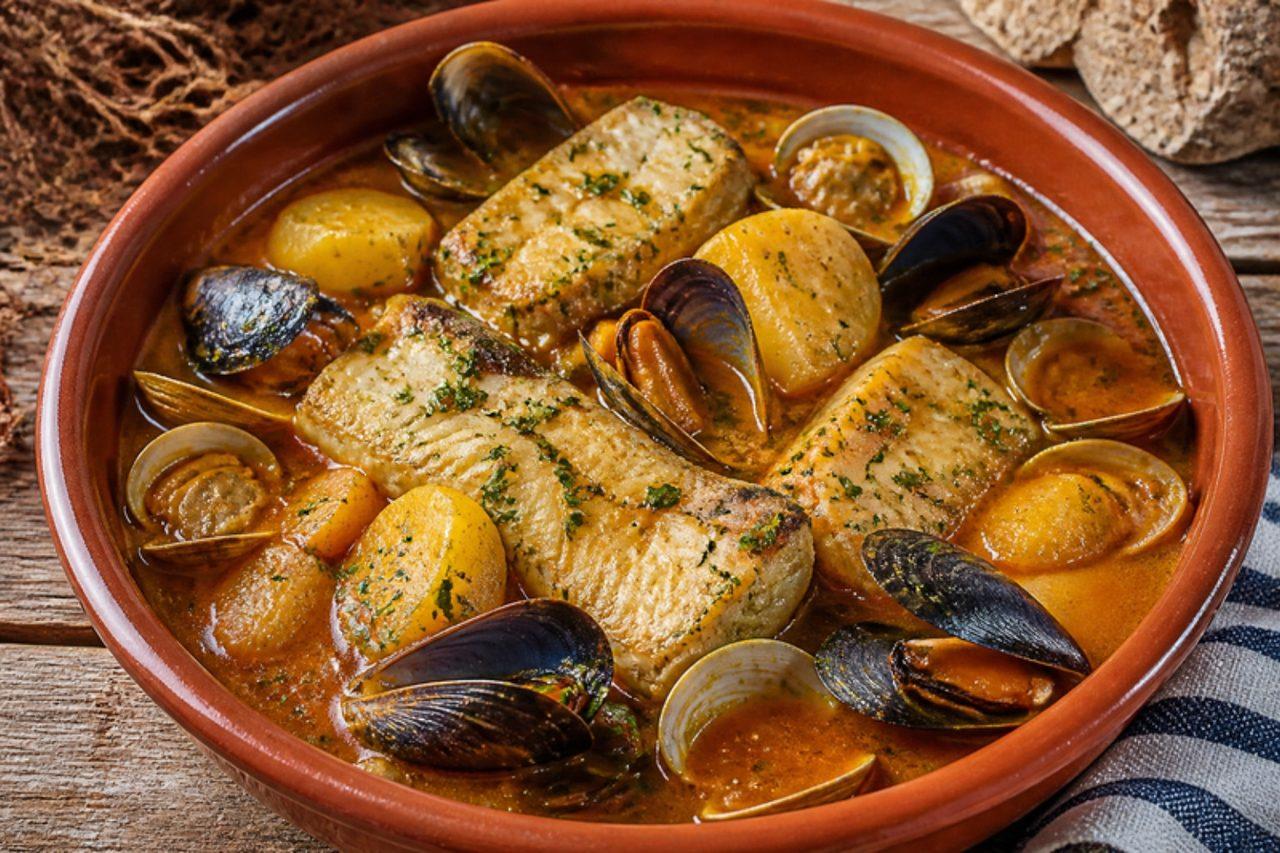
Suquet de peix

Fishermen from Cadaqués, Palamós and the other Costa Brava ports made suquet on board with the fish that would not sell: rockfish, monkfish, hake, a few prawns, simmered with potatoes in a sofrito and thickened at the end with a picada of garlic, almonds, parsley and fried bread. Now it is a weekend lunch in harbour restaurants, served straight from the pan. The potatoes must release their starch so the broth turns into a light, silky sauce. Chef's tip: 'crack' the potatoes rather than slicing them: cut part way, then snap off the pieces; the rough edges give up more starch.

by KrazyBadal 0 views

Botifarra amb mongetes

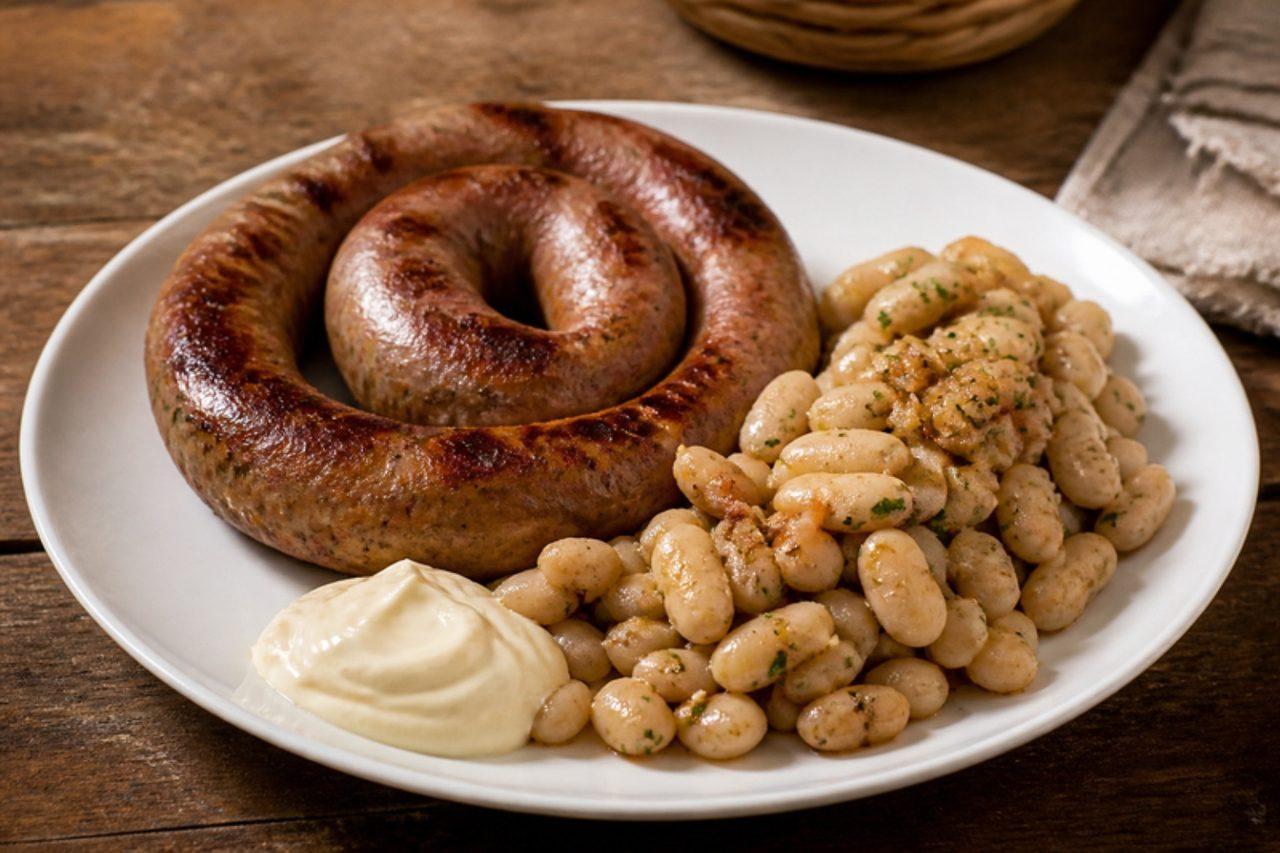
This contains pork (botifarra sausage). Ask in any Barcelona neighbourhood restaurant for the most Catalan plate on the menu and you will probably get this: a coil of grilled botifarra, a fresh pork sausage seasoned with little more than salt and pepper, beside white beans sautéed with garlic and parsley until crisp at the edges. It is everyday lunch food, and often comes with allioli. If you cannot find botifarra, use coarse, plain fresh pork sausages. Chef's tip: let the beans sit untouched in the hot pan for a minute between stirs, so some of them catch and crisp.

by KrazyBadal 0 views

Calçots amb salvitxada

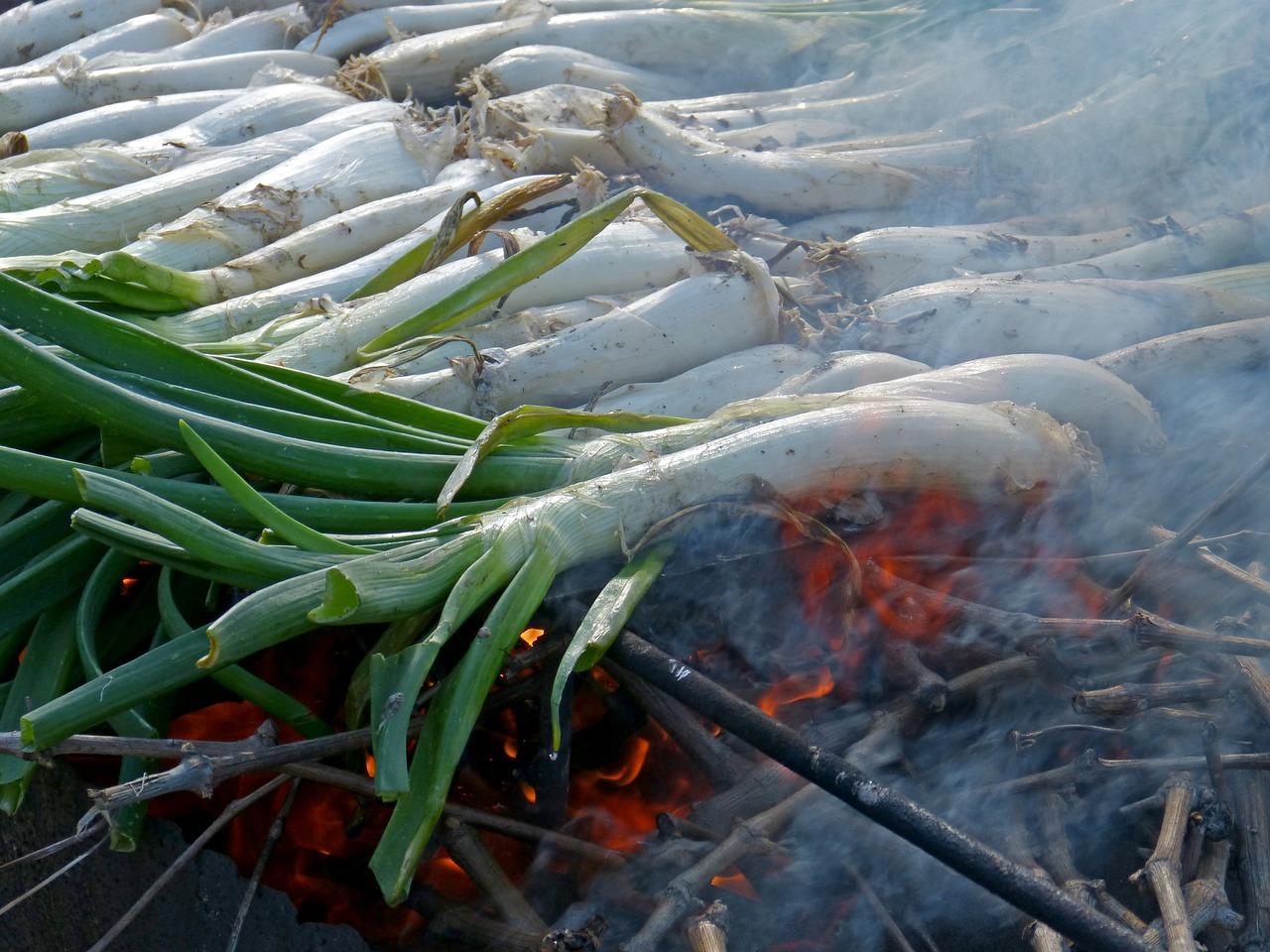
From January to April, the town of Valls near Tarragona and half of Catalonia go to calçotades: long country lunches where calçots, a tall, sweet onion grown banked up with earth, are flame-grilled until black, wrapped in newspaper to steam, then peeled by hand and dipped in salvitxada. Everyone wears a bib. This salvitxada leans on almonds, roasted tomato and garlic, with ñora peppers for colour and sweetness. If you cannot get calçots, use thick spring onions or slim young leeks. Chef's tip: hold a calçot by the green top, pull the charred outer layer off downwards in one go, then dip and lower it into your mouth from above.

by KrazyBadal 0 views

Tortillitas de camarones

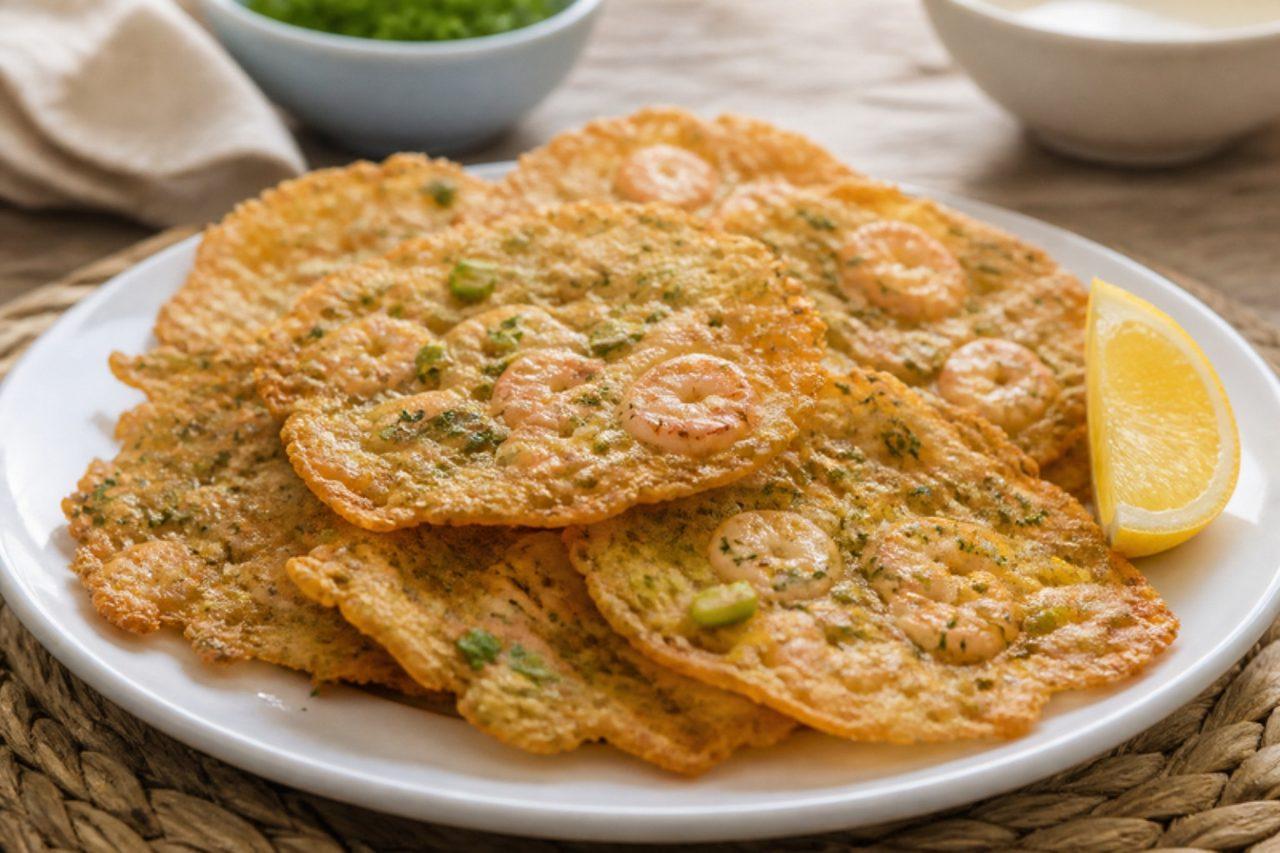
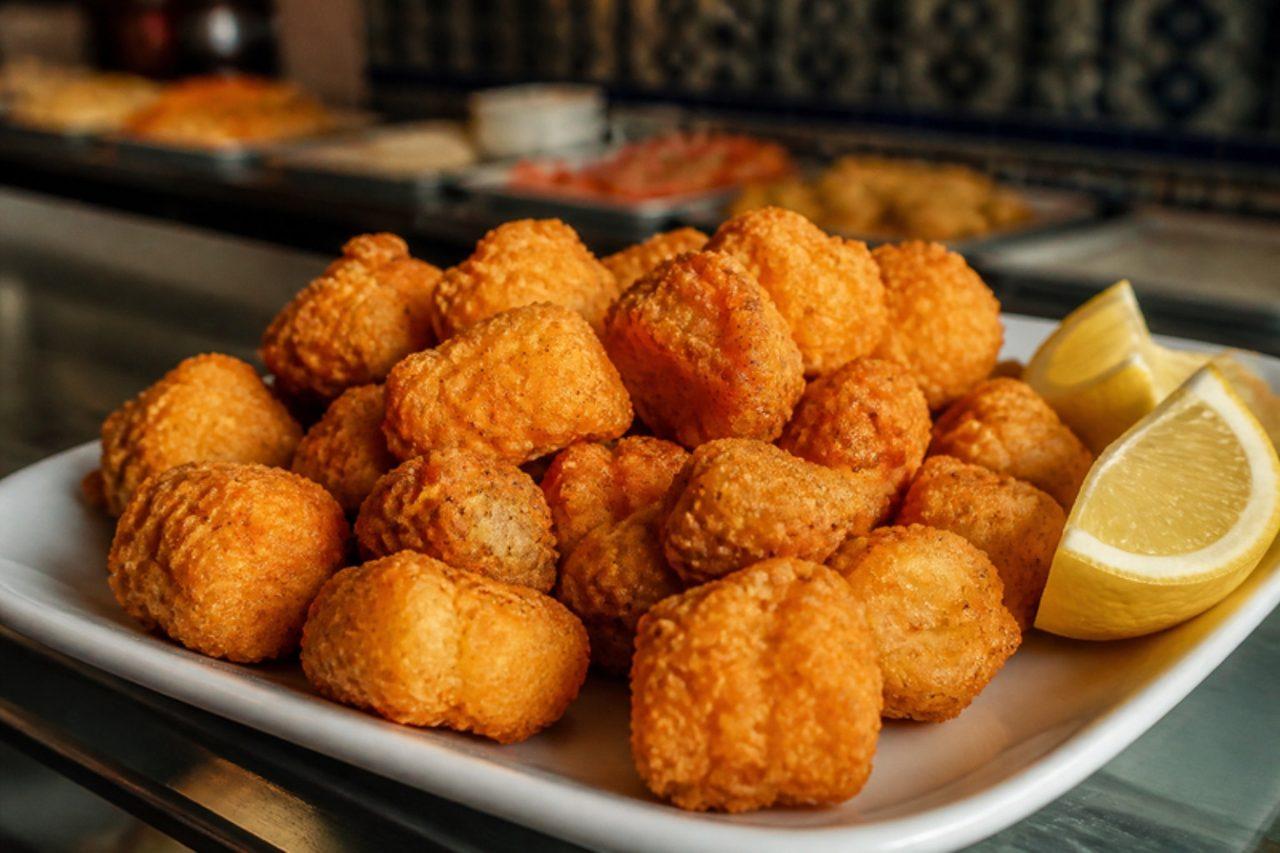
Around the Bay of Cádiz, especially in San Fernando and Sanlúcar de Barrameda, tortillitas de camarones are fried to order in bars and eaten with fingers: thin, lacy fritters of chickpea flour, spring onion and parsley studded with tiny whole shrimp. The local camarones are eaten shell and all; outside the bay, small raw peeled prawns, roughly chopped, work well. The batter must be as thin as single cream, so it spreads into a crisp lace in the oil. Chef's tip: keep the batter in the fridge until the last moment; cold batter hitting hot oil gives the most delicate lace.

by KrazyBadal 0 views

Huevos a la flamenca

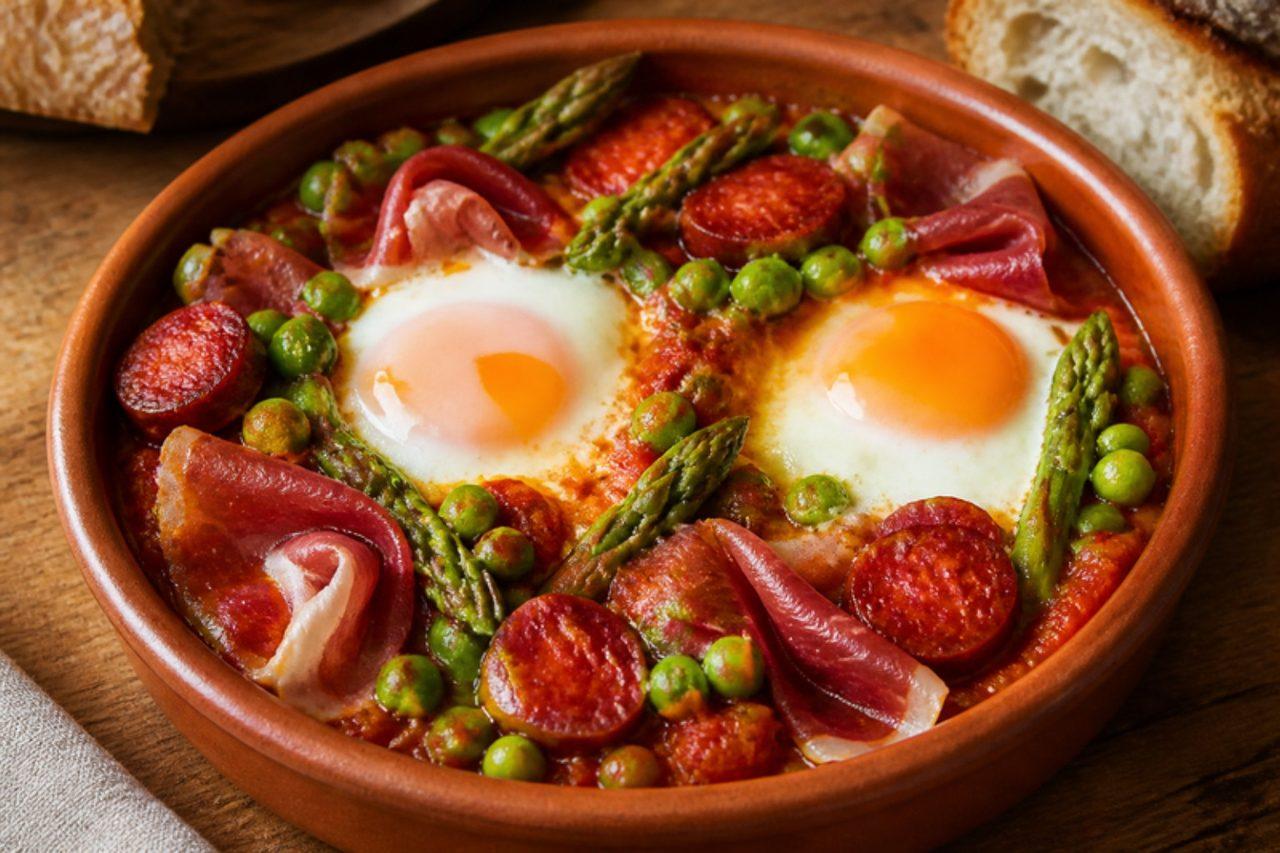
This contains pork (chorizo and serrano ham). Seville has served huevos a la flamenca since at least the nineteenth century, and its old taverns still bring it to the table in individual clay dishes: eggs baked on a tomato sofrito, ringed with peas, asparagus tips, slices of chorizo and ham and strips of red pepper, as colourful as a flamenco dress. It makes a fine lunch with crusty bread. Chef's tip: warm the dishes with the sofrito before adding the eggs, so the whites set quickly from below while the yolks stay soft.

by KrazyBadal 0 views

Escalivada

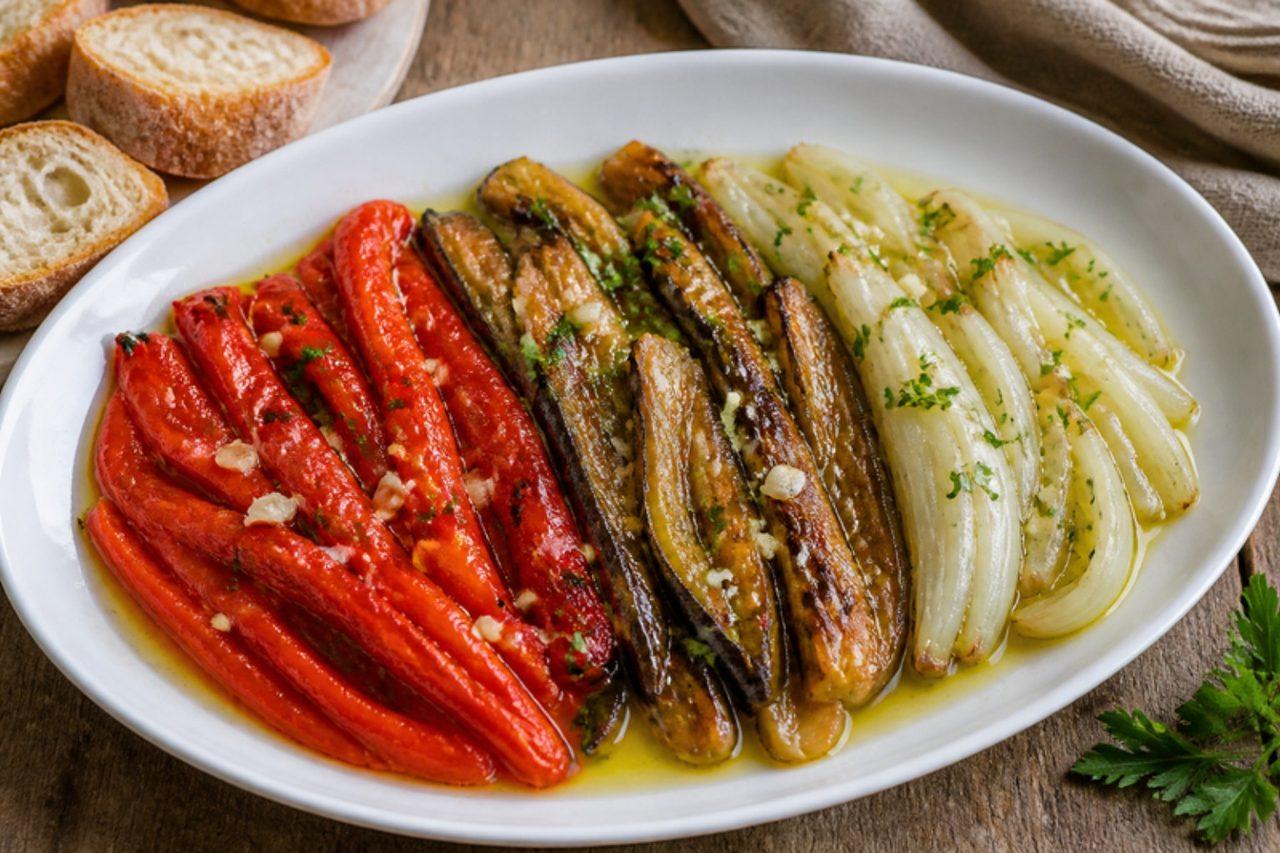
The name comes from the Catalan escalivar, to cook in the embers, and in country masies across Catalonia the vegetables still go straight into the dying fire after a Sunday grill. Aubergines, red peppers and onions char black outside and turn smoky and soft within, then are peeled, torn into strips and dressed with nothing but olive oil, salt and a little garlic. Serve it warm or at room temperature with bread, beside grilled meat, or on toast. Chef's tip: wrap the roasted vegetables in a cloth or put them in a covered bowl for 15 minutes; the steam lifts the skins clean off.

by KrazyBadal 0 views

Alboronía

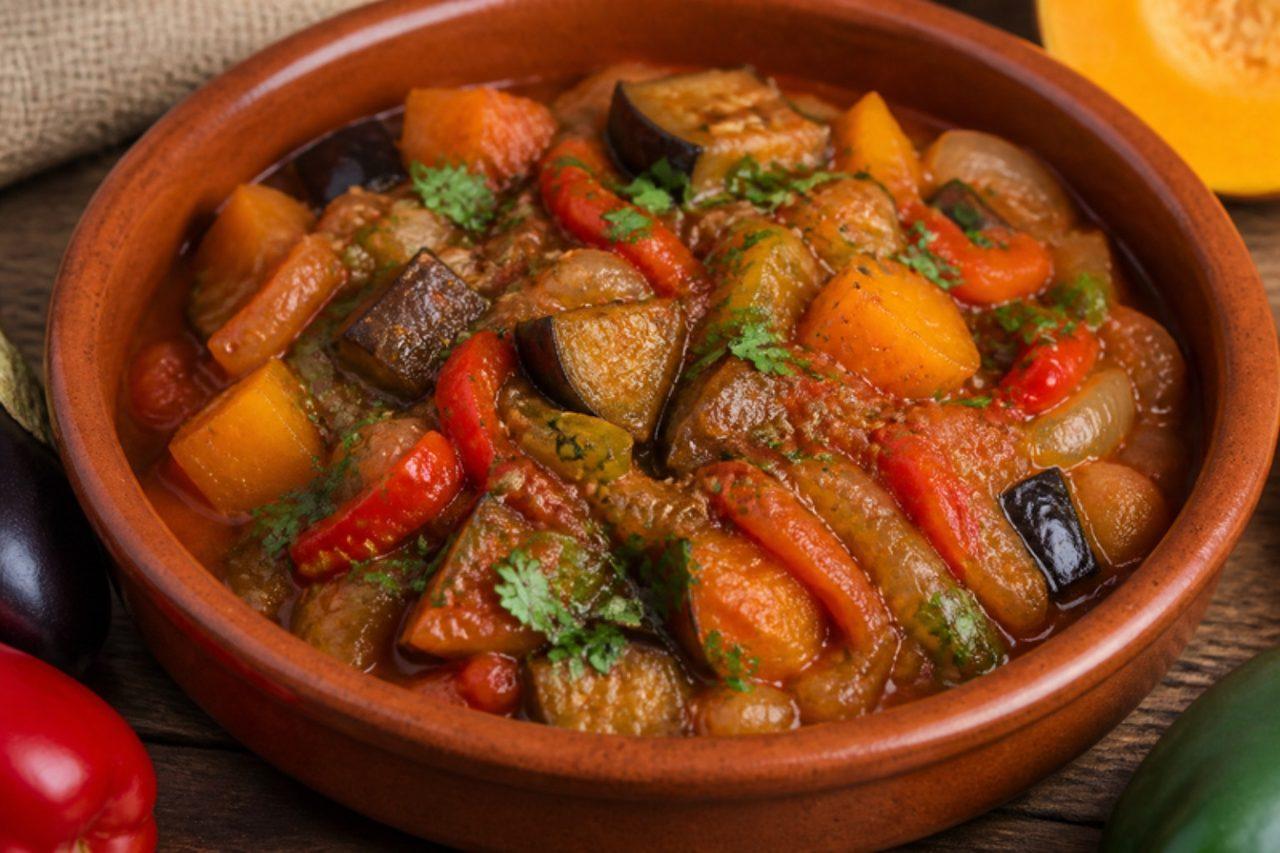
Alboronía is one of the oldest dishes in Andalusia; its name comes from the Arabic of al-Andalus, and cooks in Córdoba, Jaén and the villages of the Sierra Morena still make it in late summer, when aubergines, peppers and the first pumpkins share the market stalls. The vegetables cook down slowly with cumin, paprika and a little vinegar until they melt together into something between a stew and a jam-like sauté. Eat it warm with bread, or cold the next day as a tapa. A common mistake is stirring the pumpkin too often, which mashes it into the sauce instead of leaving soft chunks. Chef's tip: let the pumpkin go in only after the onion and peppers are soft, so it holds a few pieces among the purée instead of disappearing.

by KrazyBadal 0 views

Gachas dulces

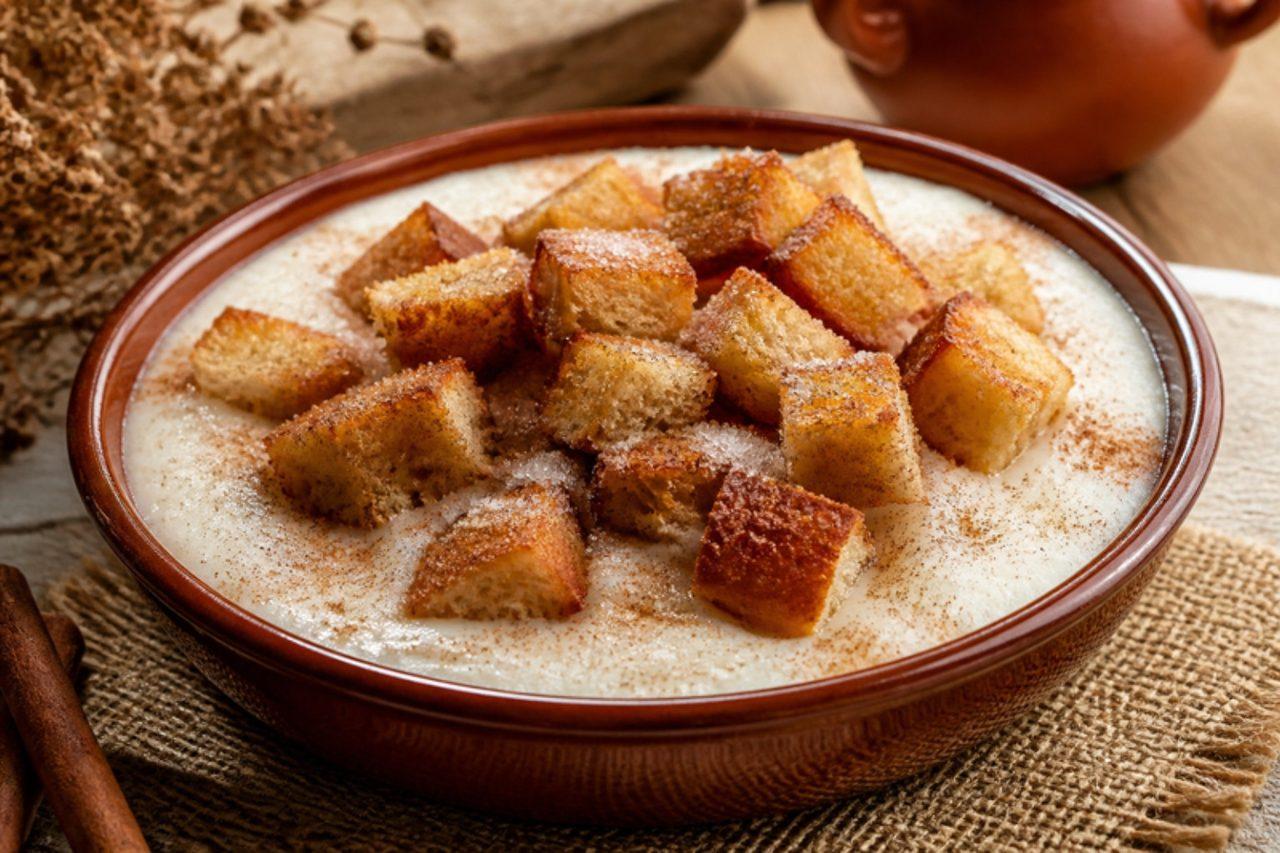
On the night of 31 October and on All Saints' Day, families across La Mancha make sweet gachas: flour toasted in olive oil with aniseed, loosened with milk and sugar into a soft cream, and topped with crisp cubes of fried bread. Each person dips a spoon into the communal dish while the season's first cold nights settle in. Chef's tip: toast the flour in the oil until it smells nutty before adding any milk; raw flour tastes pasty.

by KrazyBadal 0 views

Mar i muntanya

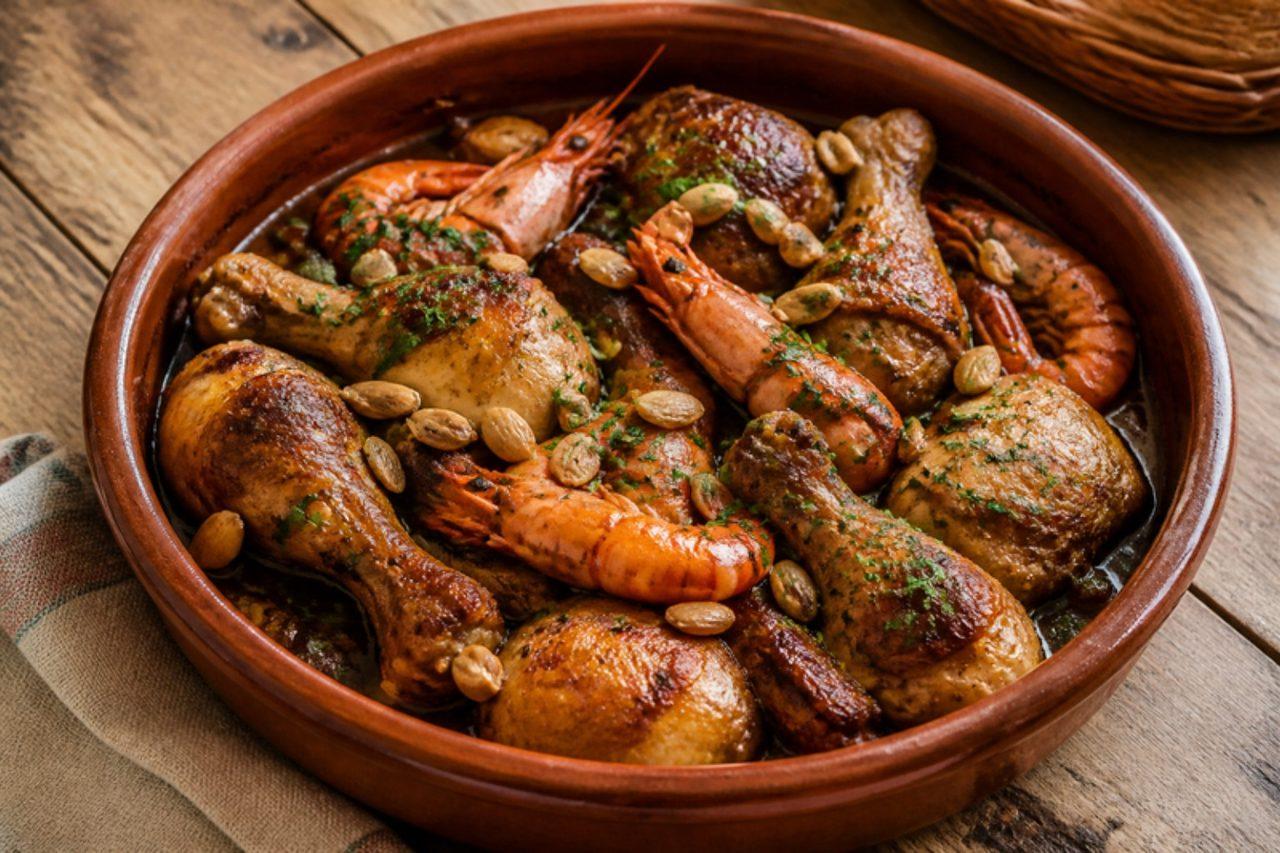
Sea and mountain: the cooks of the Empordà, between the Pyrenees and the Costa Brava, have long put chicken and seafood in one pot, and this version with prawns is the one most families make for a celebration lunch. The sauce is a dark sofrito finished with a picada of almonds, hazelnuts, garlic and a little dark chocolate, which adds depth rather than sweetness. It uses wine; the alcohol-free option is in the ingredient list. Chef's tip: cook the prawns only briefly at the start and return them at the end, so they stay juicy while the chicken braises.

by KrazyBadal 0 views

Chorizo a la sidra

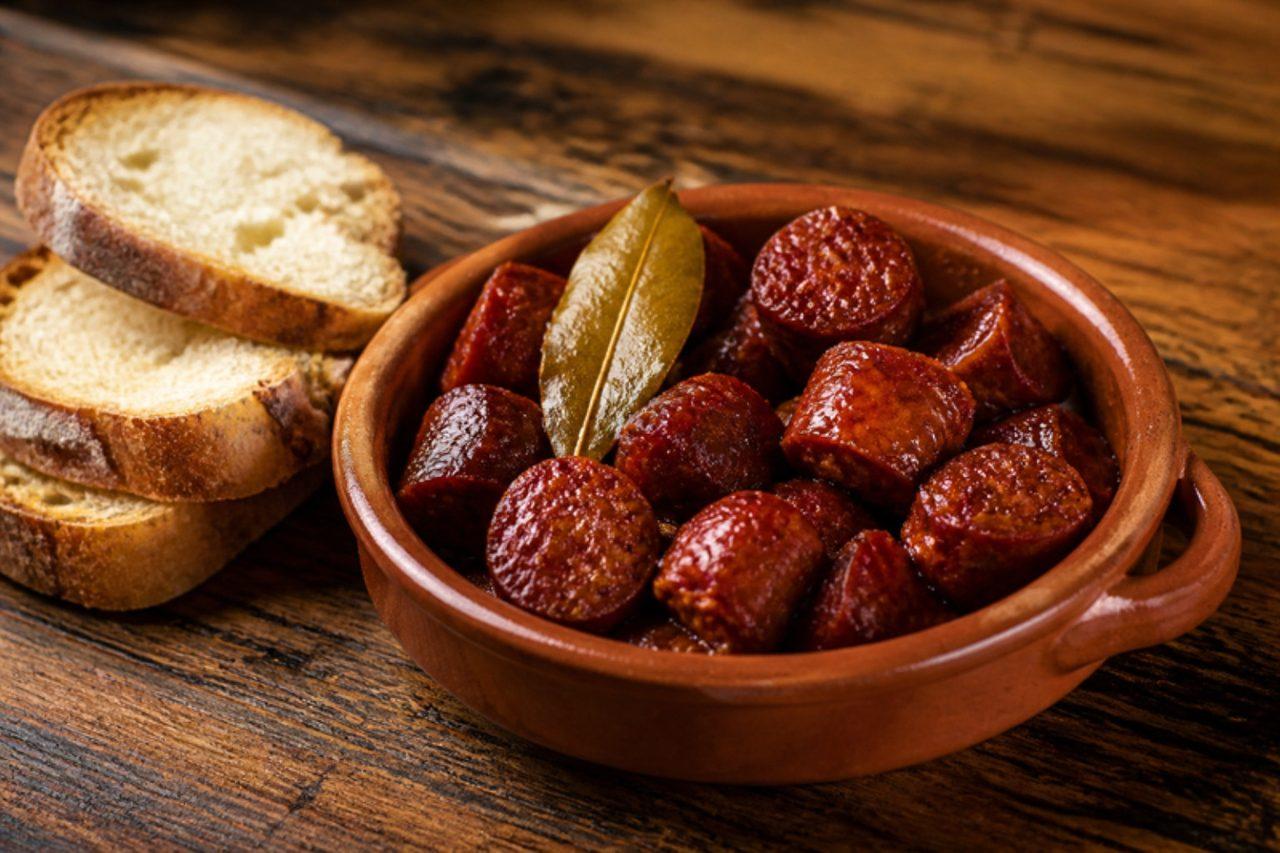
No sidrería in Oviedo's Calle Gascona is without a clay dish of chorizo bubbling in cider, served with bread to mop up the paprika-red juices. It takes minutes, is cheap, and is the first thing ordered while the waiter pours cider from shoulder height. This contains pork (chorizo) and uses dry Asturian cider, which is alcoholic; for an alcohol-free version use cloudy apple juice with a splash of cider vinegar, as noted below. Chef's tip: prick the chorizo all over first so it releases fat into the cider and drinks the cider back in.

by KrazyBadal 0 views

Fariñes

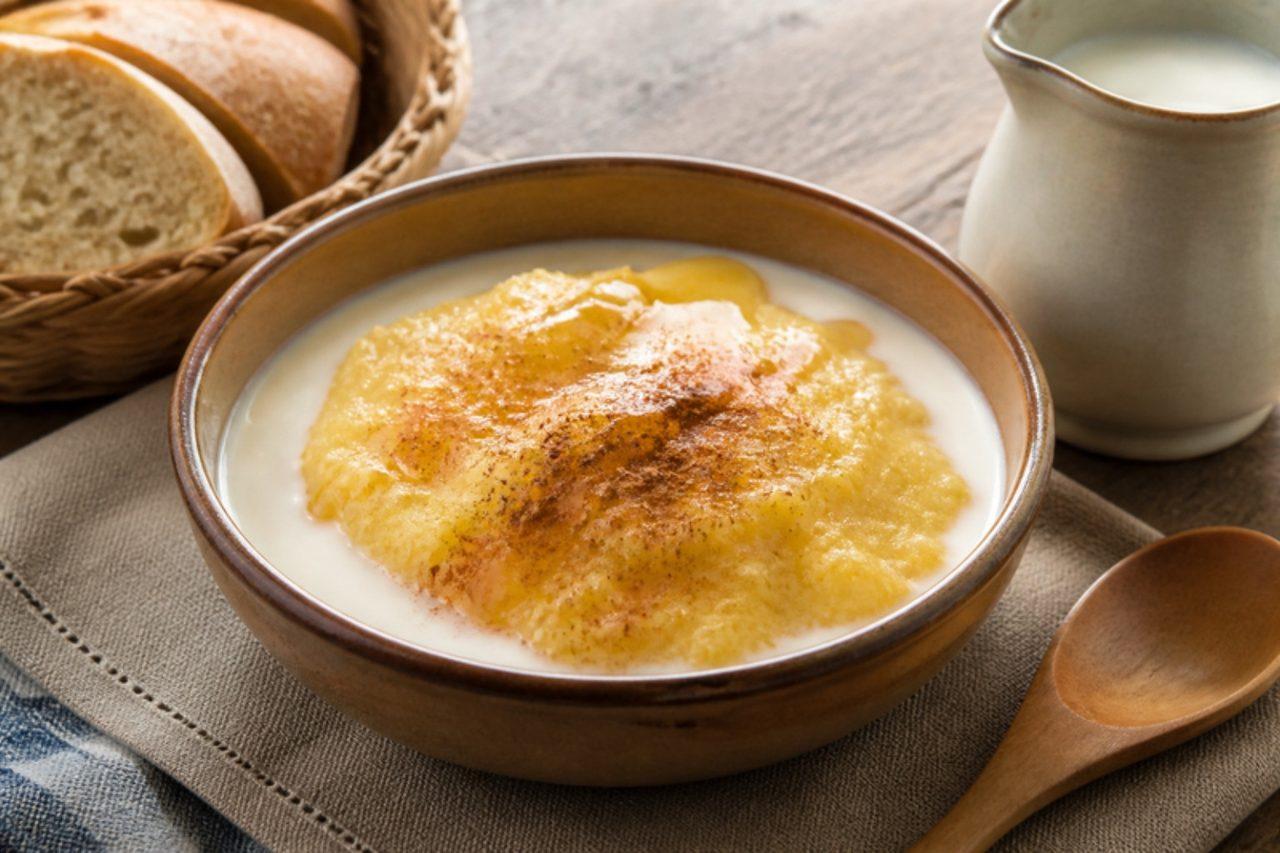
Fariñes, or farrapes in some valleys, fed Asturian farming families through the winter: a pot of maize meal stirred over the fire, eaten for breakfast or as a light supper with cold milk poured over the hot porridge. Today it is comfort food again, offered at rural guesthouses in the Oriente and made at home when the weather turns. The contrast of warm, soft porridge and cold milk is the whole point. Chef's tip: whisk the cornmeal into cold water before it heats so it never forms lumps.

by KrazyBadal 0 views

Merluza a la sidra

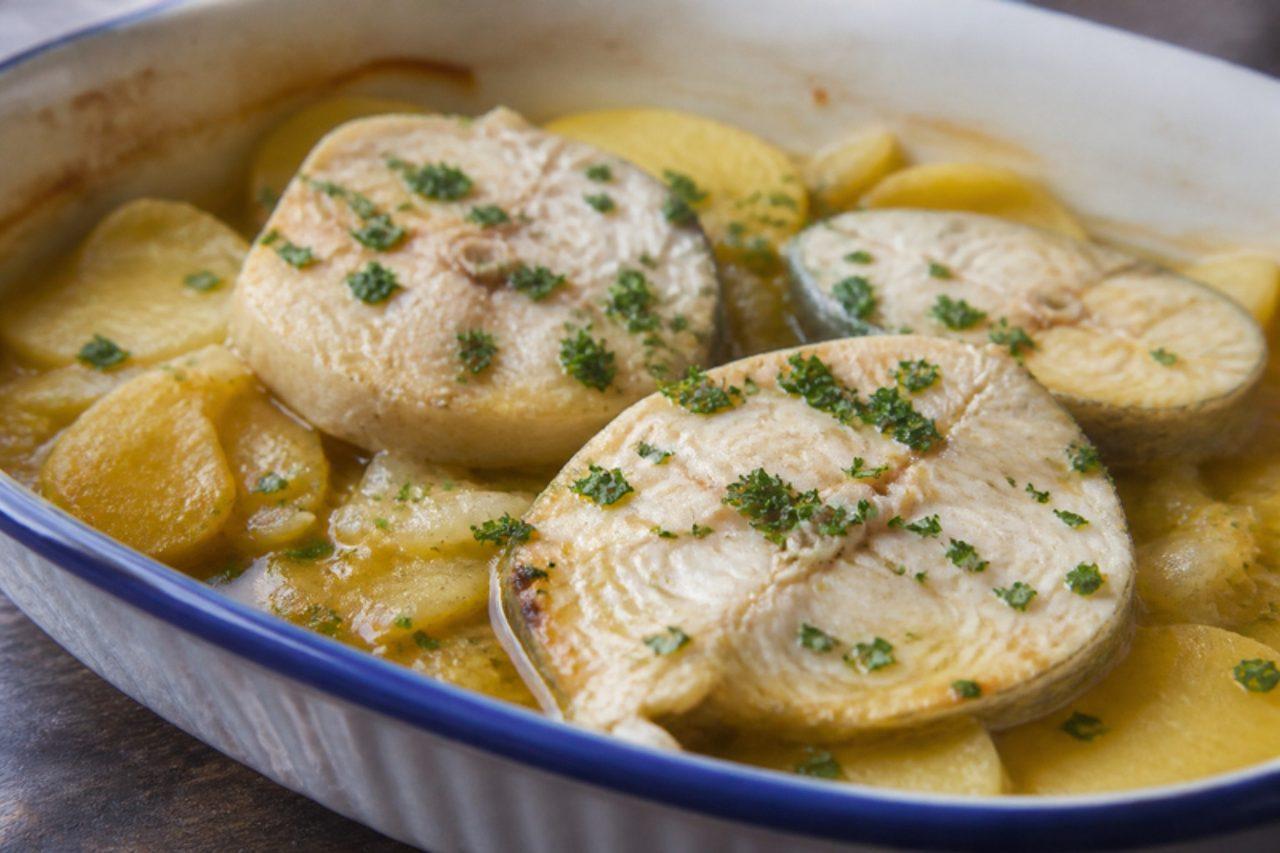
Asturias has two great loves at table, the fish landed at ports like Cudillero and Avilés and the cider pressed from its orchards, and merluza a la sidra brings them together. Families cook it for Sunday lunch, the hake settled on a bed of soft onion and potato with cider poured over, until the sauce turns sweet-sharp. The cider is alcoholic; cloudy apple juice with a little cider vinegar makes a good alcohol-free swap. Chef's tip: add the hake only when the potatoes are nearly tender, so the fish stays juicy.

by KrazyBadal 0 views

Bollos preñaos

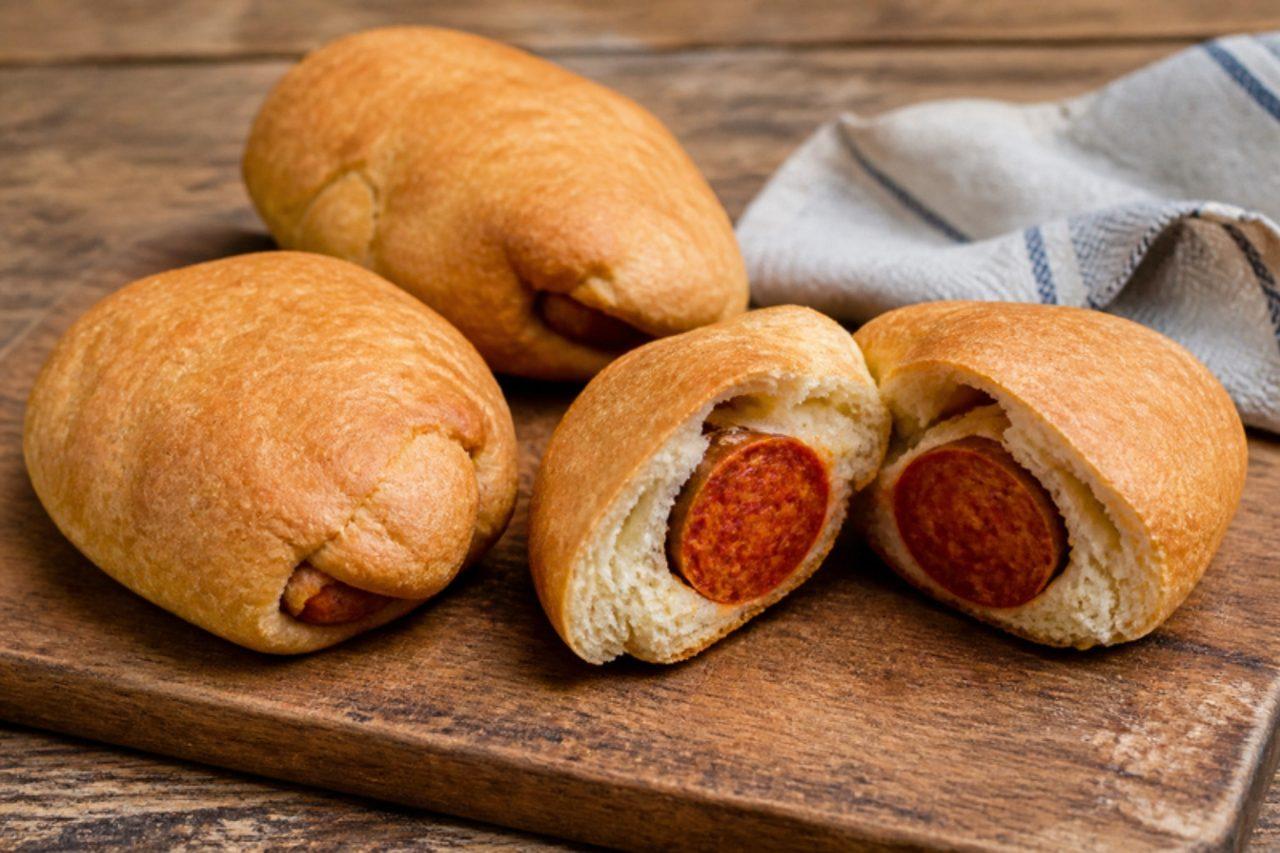
At every Asturian romería, the summer pilgrim fairs held in meadows from Llanes to Cangas del Narcea, stalls sell bollos preñaos by the dozen, warm from the oven, to eat with cider on the grass. The name means "pregnant buns": each soft roll carries a chorizo inside, and its paprika fat seeps into the crumb as it bakes. This contains pork (chorizo). Chef's tip: use semi-cured chorizo sausages that are already safe to eat; raw fresh chorizo may not cook through inside the dough.

by KrazyBadal 0 views

Bica de Trives

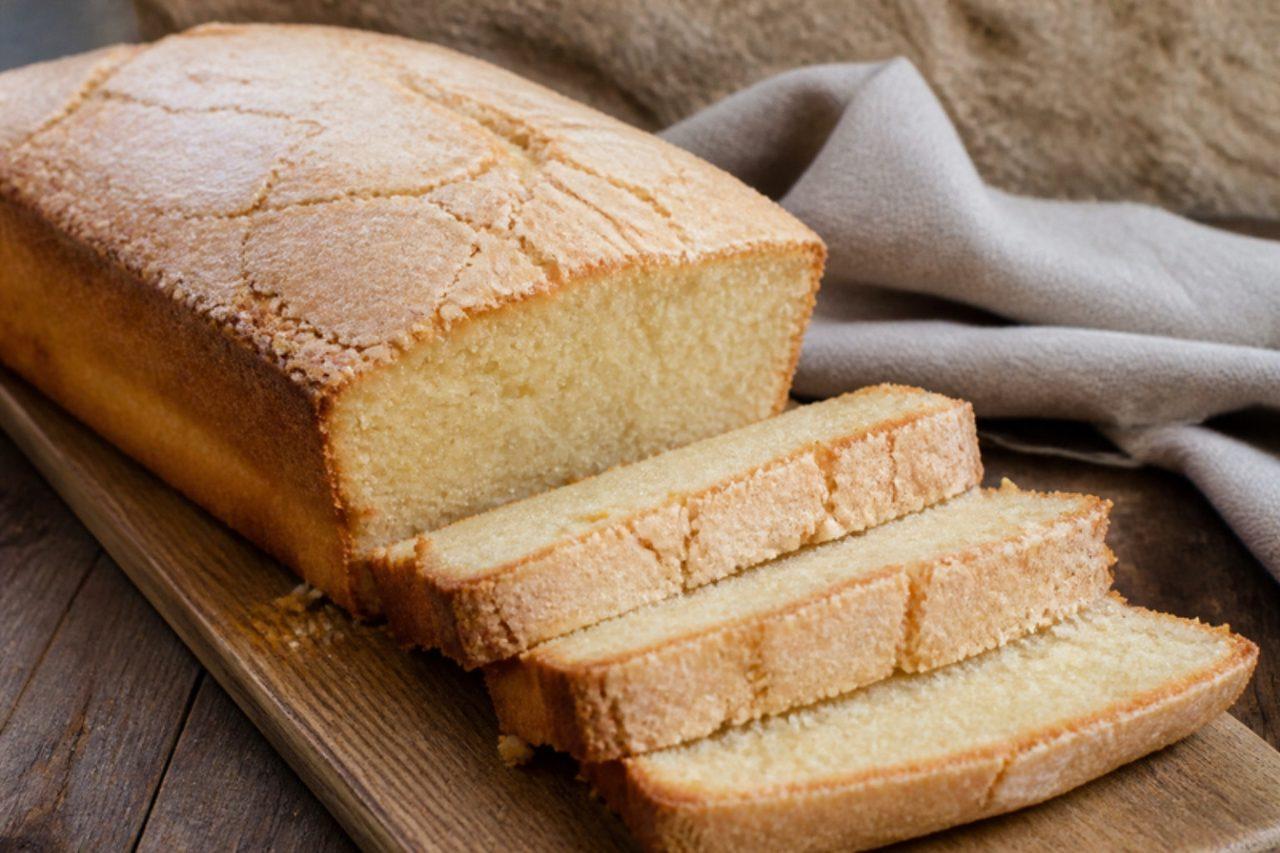
Pobra de Trives, a mountain town in Ourense, holds a festival every August in honour of its bica, a rich, close-textured cake made with fresh cream and butter from local dairies. It is baked in a rectangular tin, sold in paper and eaten in thick slices with coffee or a glass of milk. The sugar scattered on top bakes into a thin, crackly crust. A common mistake is overmixing once the flour goes in, which makes it tough; fold just until no streaks remain. Chef's tip: whip the egg whites separately and fold them in last for a lighter crumb.

by KrazyBadal 0 views

Cazón en adobo

In Cádiz, the tapa that sells out first in the fried-fish shops around La Viña is cazón en adobo: bite-sized cubes of dogfish soaked overnight in a sharp marinade of vinegar, garlic, cumin, oregano and paprika, then floured and fried. The marinade seasons the fish right through and gives it a tang that needs no sauce. If you cannot find dogfish, monkfish or any firm white fish works. A common mistake is a short marinade; the fish needs at least 8 hours in the fridge, for the vinegar and cumin to soak in. Chef's tip: marinate for at least 8 hours but no more than 24; past that, the vinegar starts to firm and 'cook' the fish and it goes dry.

by KrazyBadal 0 views

Pote asturiano

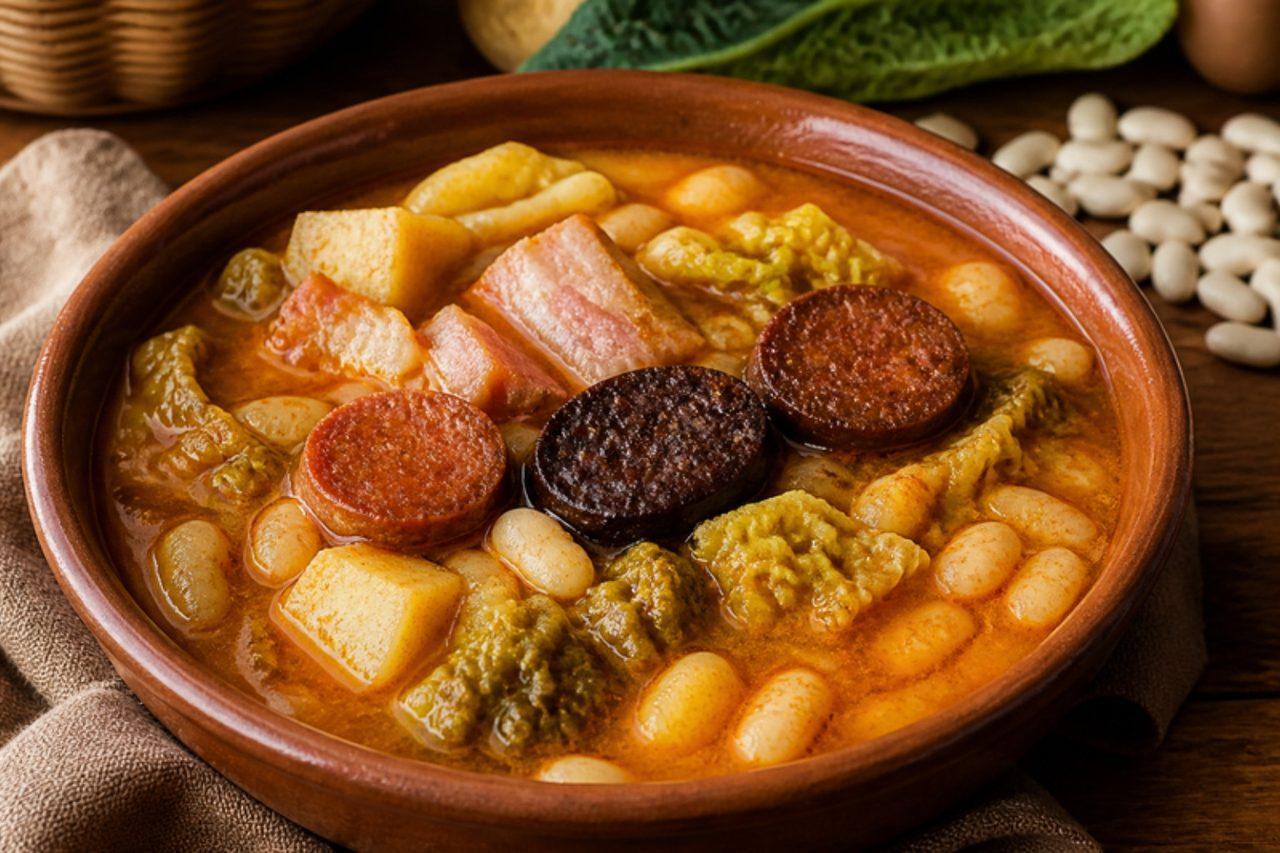
Before fabada became famous, pote was what simmered on every Asturian hearth: white beans, dark winter cabbage, potatoes and the cured pork mix the locals call compango. It is still the dish for a cold, wet weekday in the mining valleys around Mieres and Langreo, served from the pot with crusty bread. This contains pork (chorizo, morcilla, pork belly and ham hock). Chef's tip: add the morcilla only for the last 20 minutes and never stir hard after that, or it breaks up and clouds the broth.

185 minSpanishMeat
by KrazyBadal 0 views

Rabo de toro

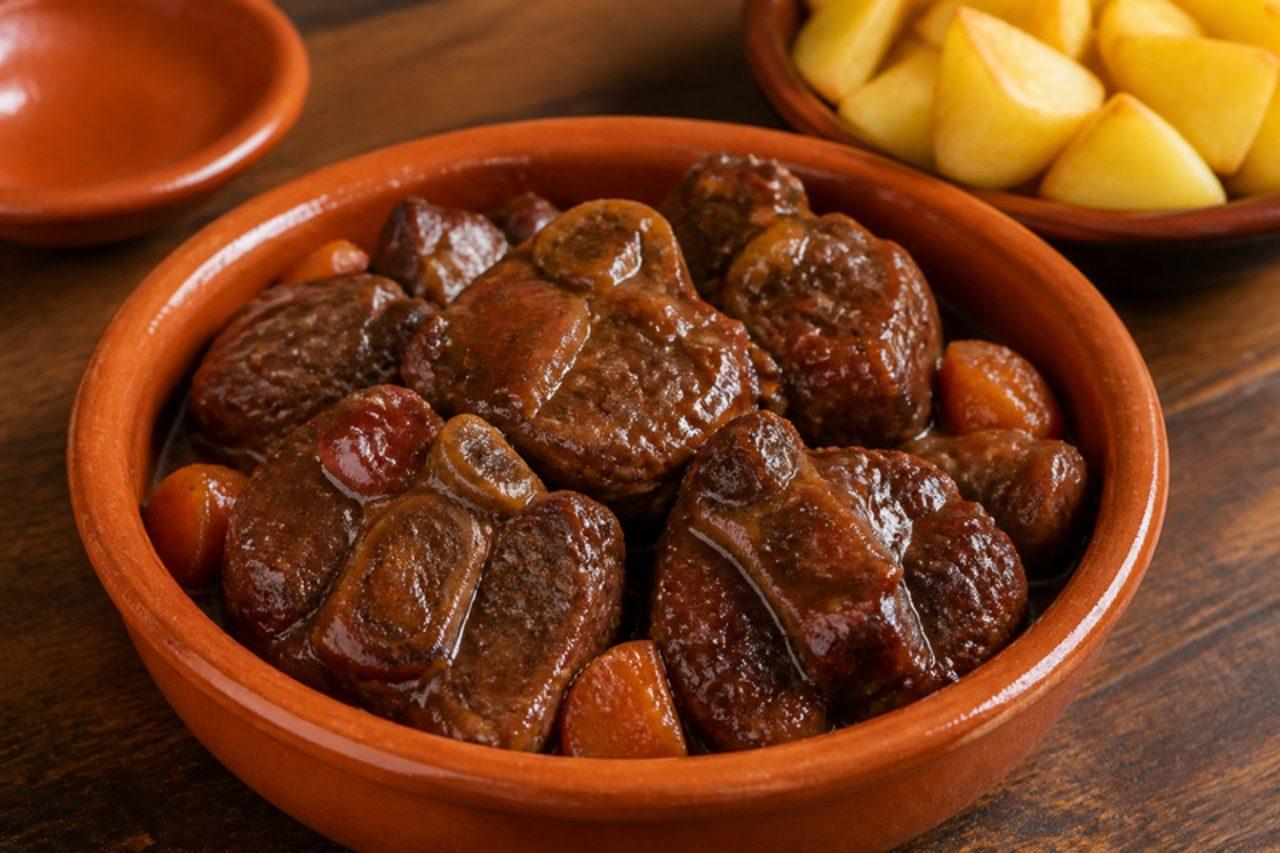
Córdoba claims rabo de toro as its own, and its taverns near the Mezquita serve it all year, though it is most at home on a cold winter Sunday. Once it was made with the tails of bulls from the ring; now it is beef or veal oxtail, browned and braised for hours in red wine with vegetables until the meat slips off the bone into a glossy, sticky sauce. This recipe uses wine; the alcohol-free option is in the ingredient list. Chef's tip: make it a day ahead, chill it and lift off the set fat; the sauce is cleaner and the flavour deeper.

240 minSpanishMeat
by KrazyBadal 0 views

Flores manchegas

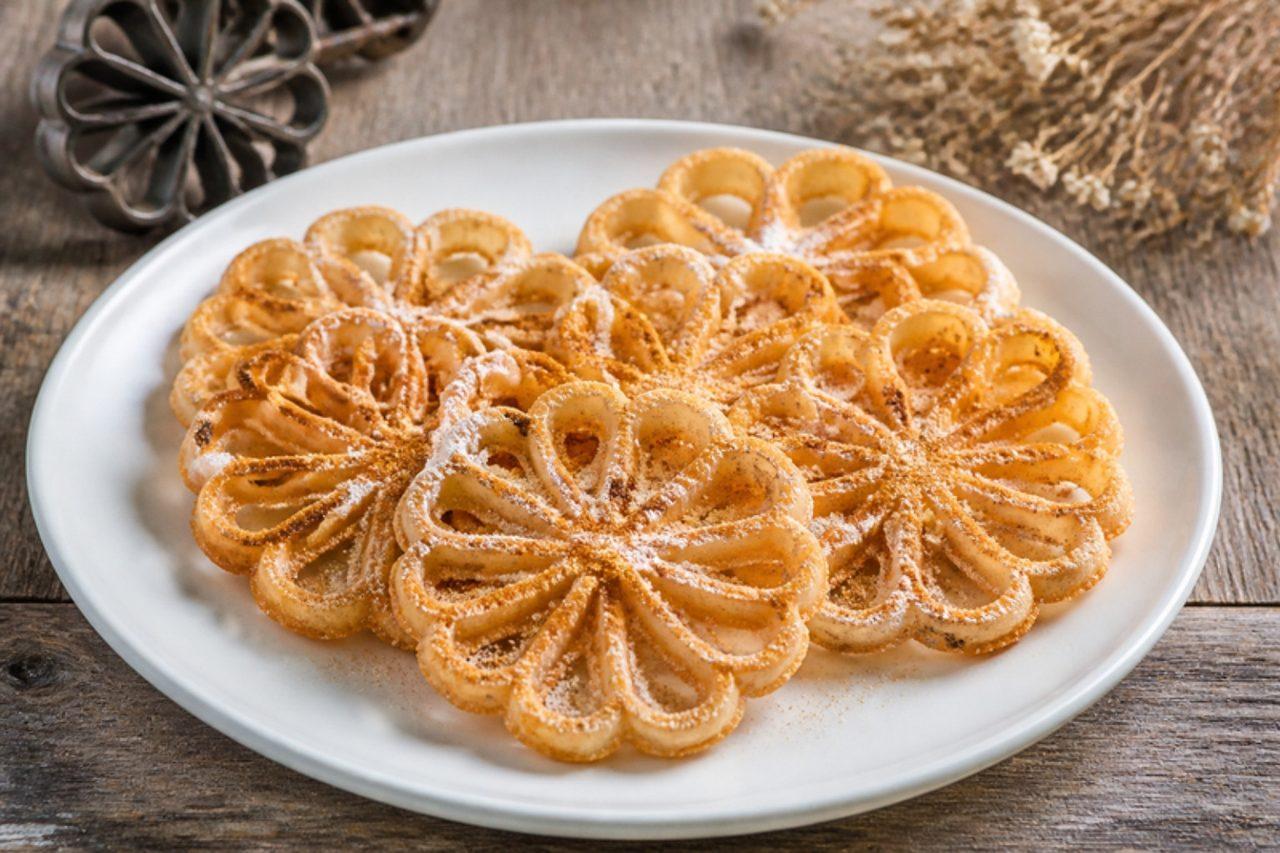
Every household in La Mancha seems to own a flower-shaped iron, a long-handled mould that is dipped in hot oil, then in batter, then back in the oil, where a lacy flower slides off as it sets. Grandmothers make towers of them for Holy Week and Carnival, and they are sold in bags at village fiestas from Cuenca to Tomelloso. You can buy the iron, sometimes called a rosette iron, in kitchen shops. Chef's tip: the iron must be very hot each time it goes into the batter, or the batter won't cling.

by KrazyBadal 0 views

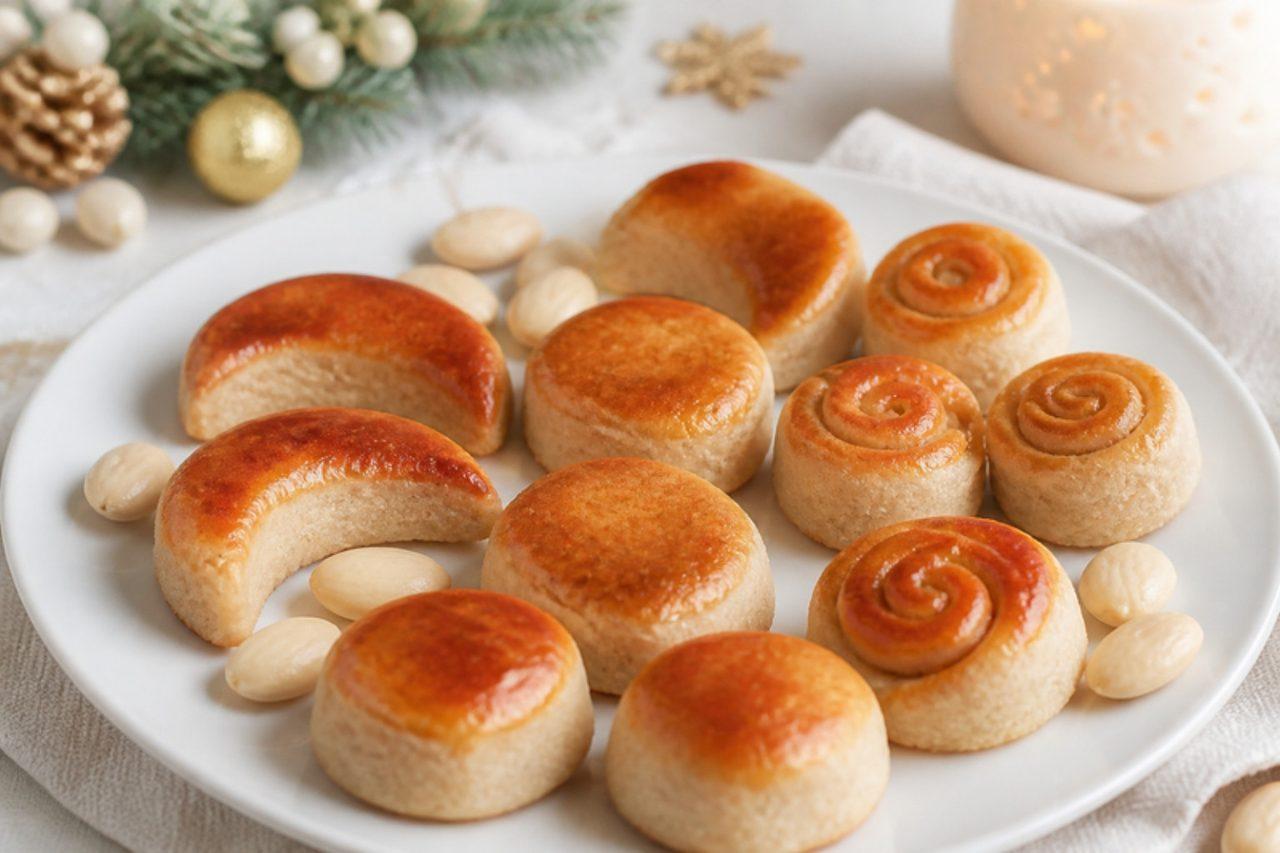
Mazapán de Toledo

Toledo's convents have shaped marzipan for centuries, and in December the city's pastry shops fill their windows with coiled eels, half-moons and little figures, glazed golden and sold by weight for Christmas. Toledo's version is firm and almond-rich, with less sugar than many, and the best is made with Marcona almonds. Chef's tip: let the shaped pieces dry, uncovered, overnight before glazing; they hold their shape and the glaze sets glossy instead of soaking in.

by KrazyBadal 0 views

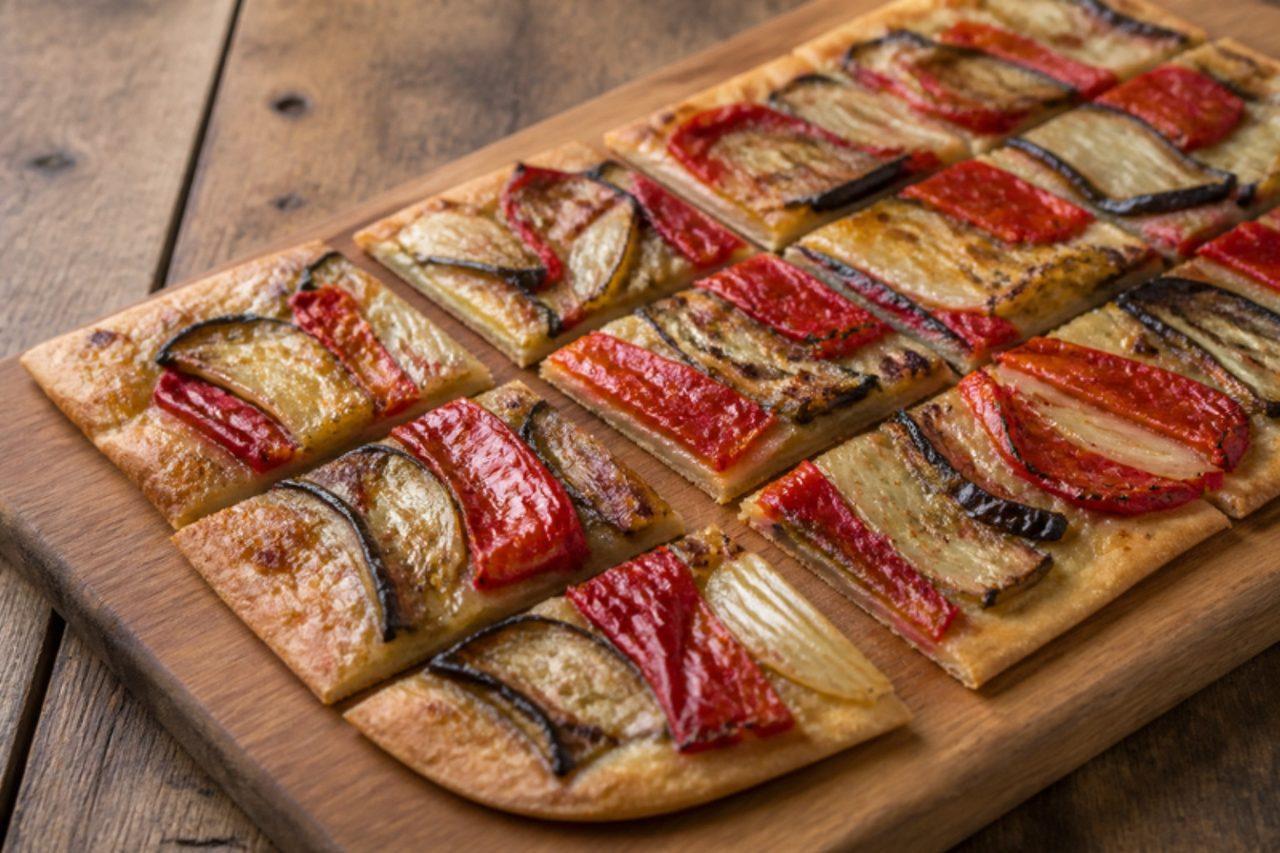
Coca de recapte

In Lleida and the farmland of inland Catalonia, the coca de recapte was once baked in the village oven on bread day, topped with whatever was in the larder; recapte means provisions. Today bakeries sell long trays of it, and families take slices on Sunday outings. The topping is essentially escalivada: aubergine, red pepper and onion, roasted then laid raw-side-up on the dough. Bakeries often add salted sardines or anchovies; this version is vegetarian. Chef's tip: roast the vegetables only until soft, not falling apart; they cook a second time on the coca.

by KrazyBadal 0 views

Coca de Sant Joan

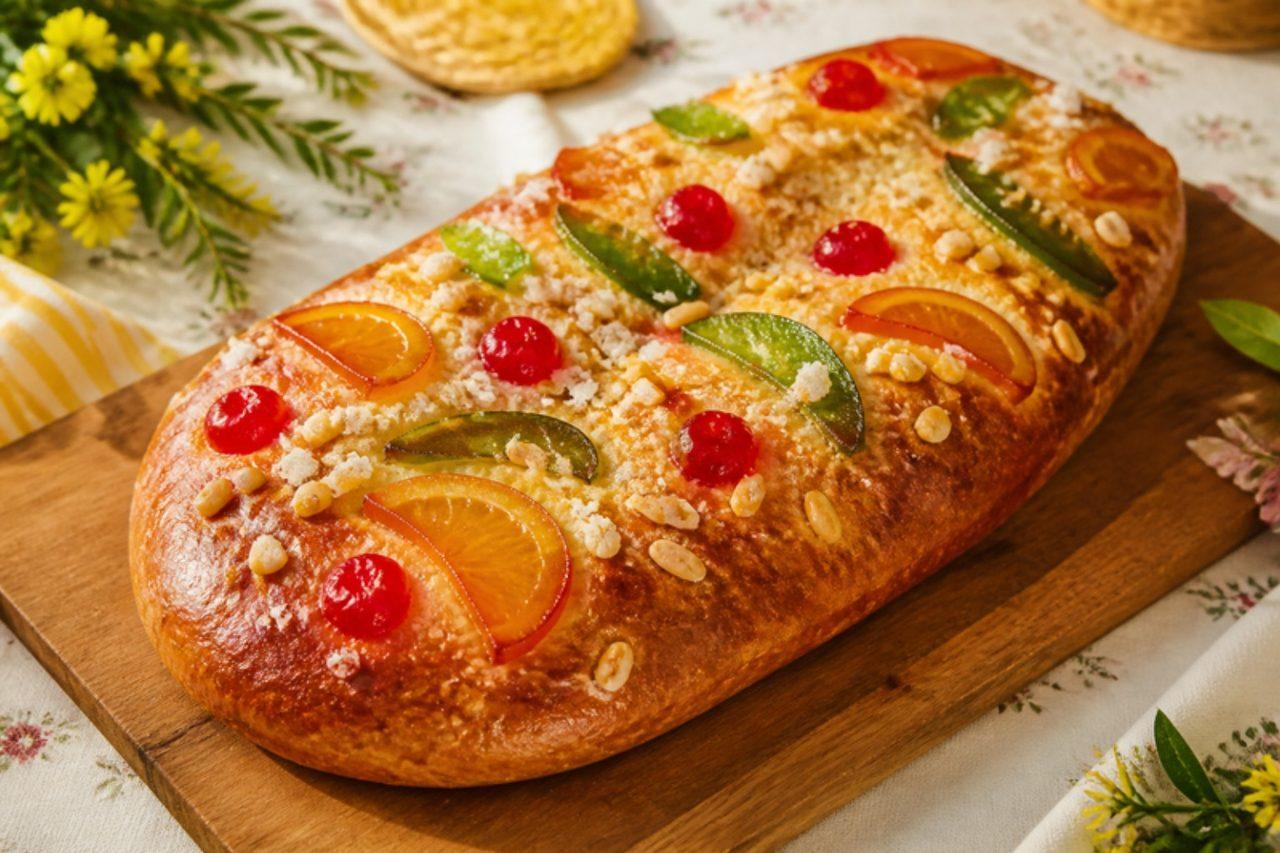
On the night of 23 June, the Revetlla de Sant Joan, Catalonia lights bonfires, sets off firecrackers on every beach and street, and shares a long oval coca: a soft, lemony brioche topped with candied fruit, pine nuts and crunchy sugar. Bakeries sell thousands, but a homemade one, still slightly warm, is something else. Some recipes add a splash of anise liqueur; this one uses aniseed instead. Chef's tip: give the shaped dough a long, slow second rise; a well-proved coca bakes up light, an under-proved one dense.

by KrazyBadal 0 views

Panellets

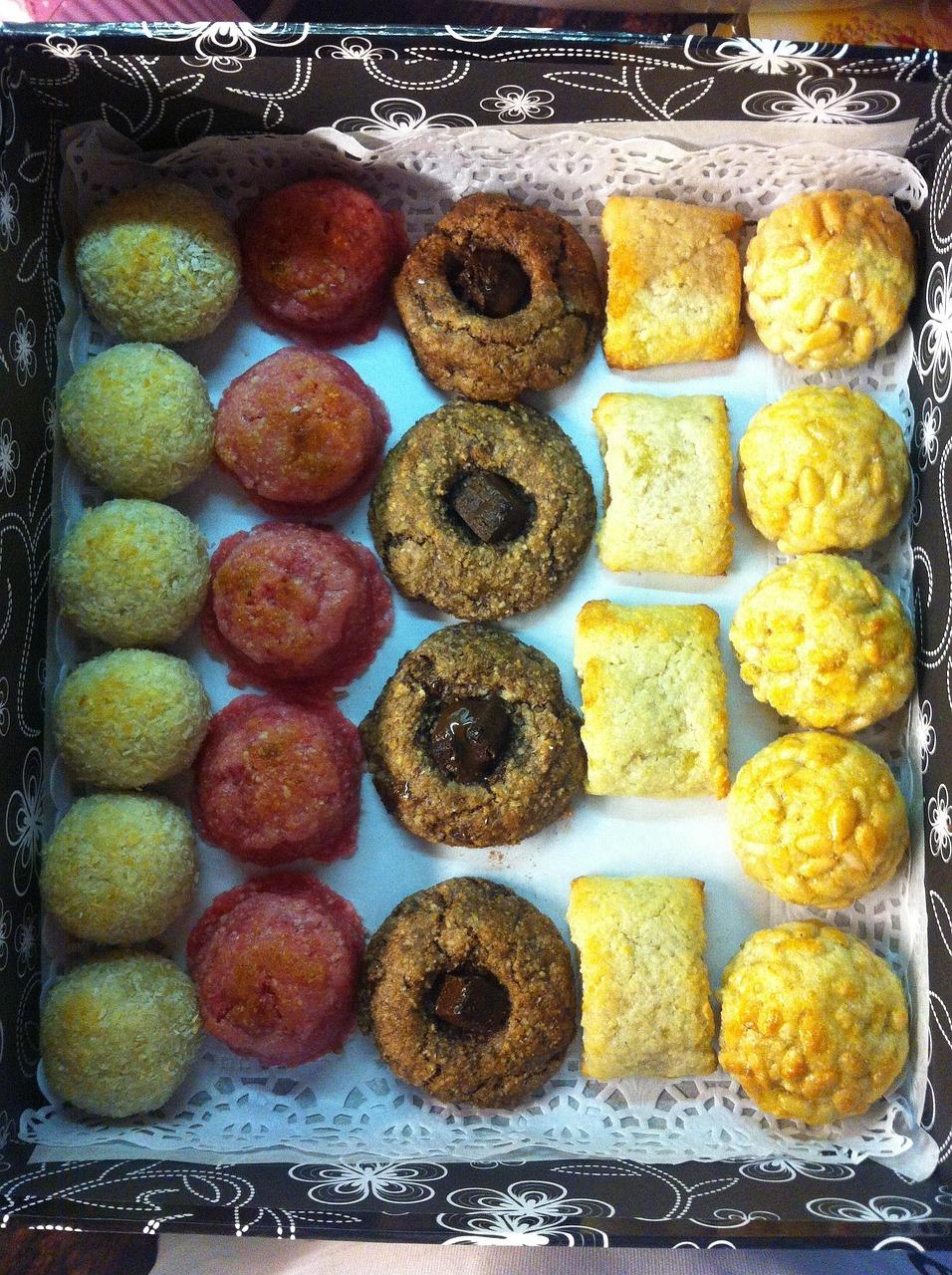
For the Castanyada on 31 October and All Saints' Day, Catalan families roast chestnuts, eat sweet potatoes and make panellets: little balls of almond marzipan, bound with a spoonful of cooked potato, then rolled in pine nuts, glazed with egg and baked until golden. The pine-nut ones are the classic, and children often help roll them. They are eaten with a glass of sweet wine or a cup of coffee. Chef's tip: wet the marzipan balls lightly with egg white before rolling; it is the glue that holds the pine nuts on.

by KrazyBadal 0 views

Mel i mató

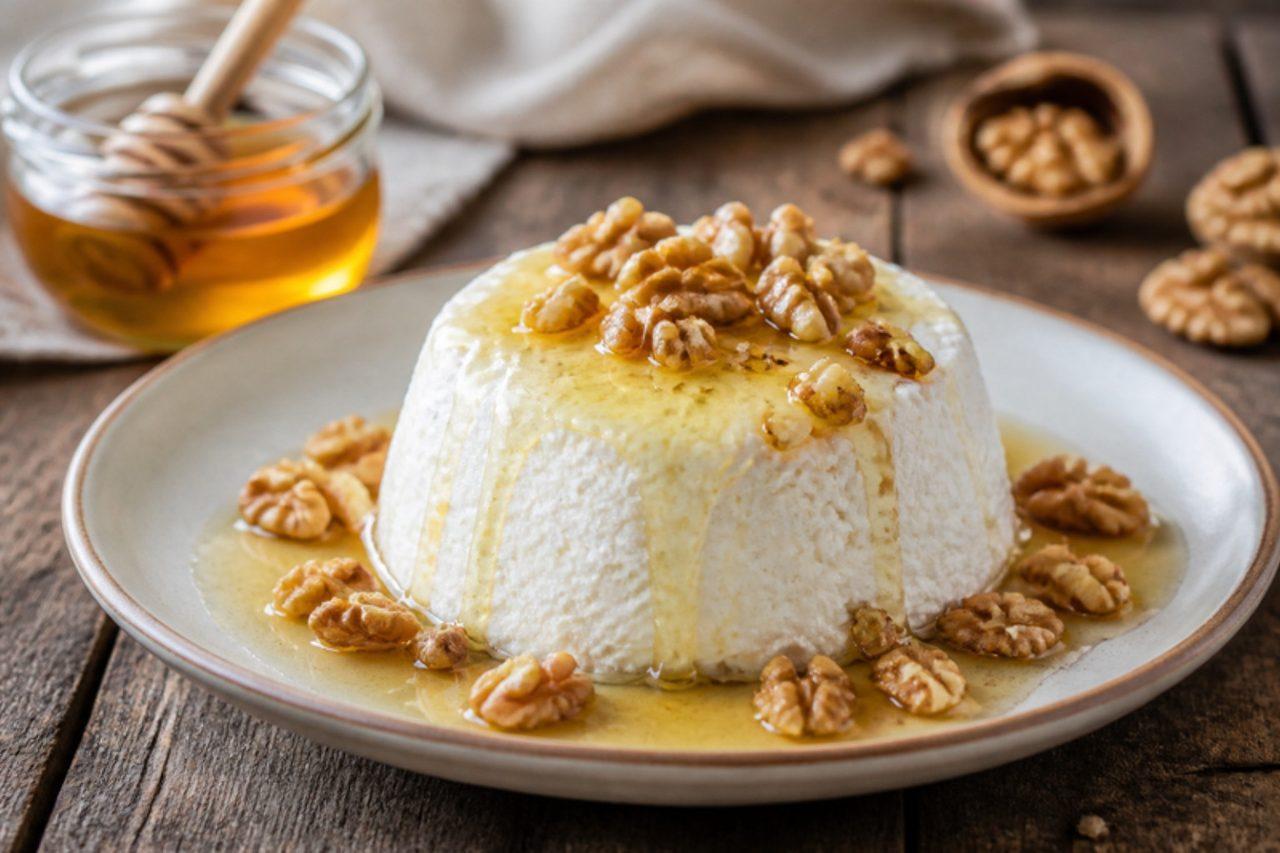
On the road up to Montserrat, farm women once sat at stalls selling fresh mató, a soft, mild, unsalted curd cheese, and the dessert of mató drizzled with honey became a fixture of Catalan restaurants. It is as simple as dessert gets, and best with the freshest cheese. Shop-bought mató and some ricottas are set with animal rennet; this home version is set with lemon juice instead, so it is vegetarian. If you buy cheese, check the label for a vegetarian or microbial rennet. Chef's tip: heat the milk gently and stop at 90 °C; boiling makes the curds tough and grainy.

by KrazyBadal 0 views

Tocino de cielo

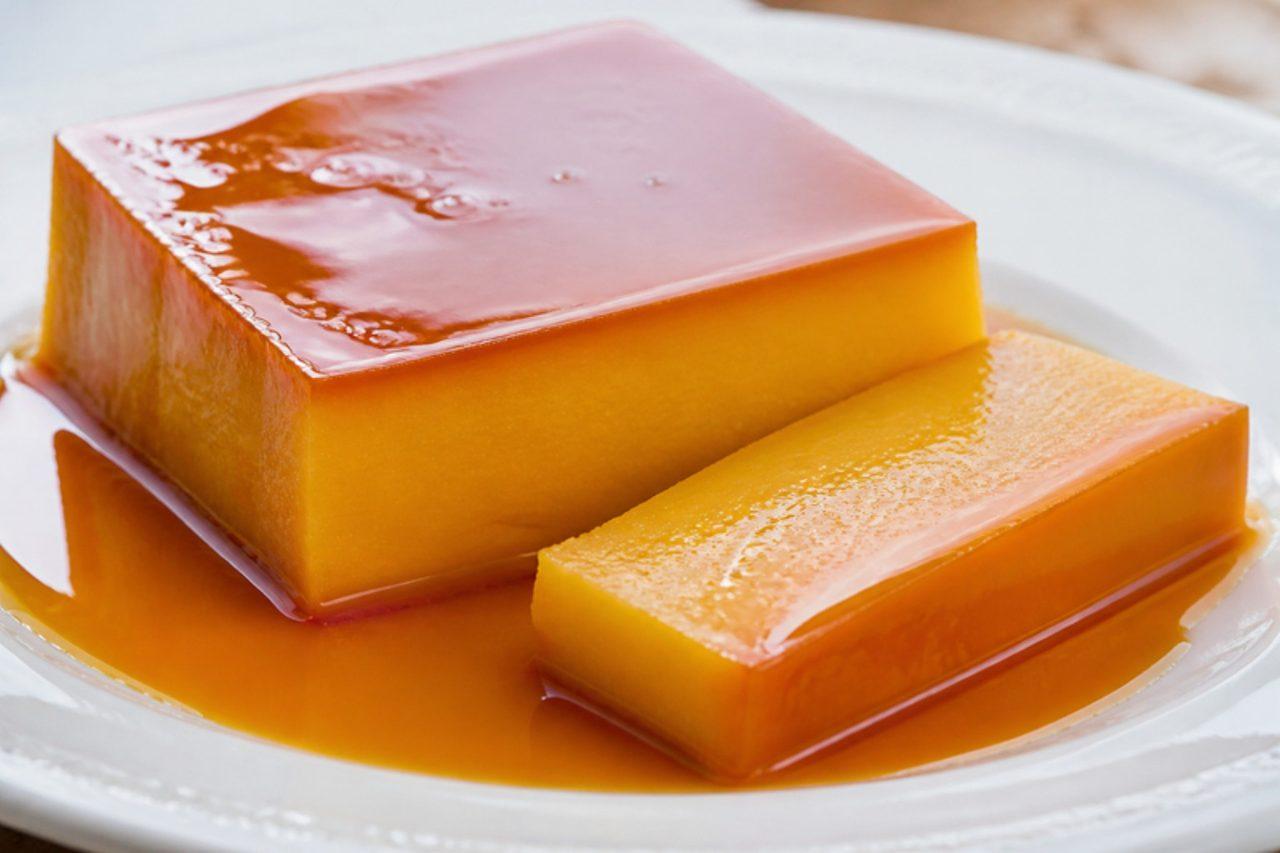
Tocino de cielo means 'bacon from heaven', but there is no pork in it at all: the name refers only to its rich, deep-yellow colour. The story told in Jerez de la Frontera is that the sherry bodegas used egg whites to clarify their wine and gave the leftover yolks to the convents, whose nuns turned them into this. It is denser and silkier than flan, with no milk, and a small square goes a long way after Sunday lunch. Chef's tip: strain the yolk mixture twice and skim off every bubble; that is what gives the glassy, pore-free finish.

by KrazyBadal 0 views

Pescaíto frito

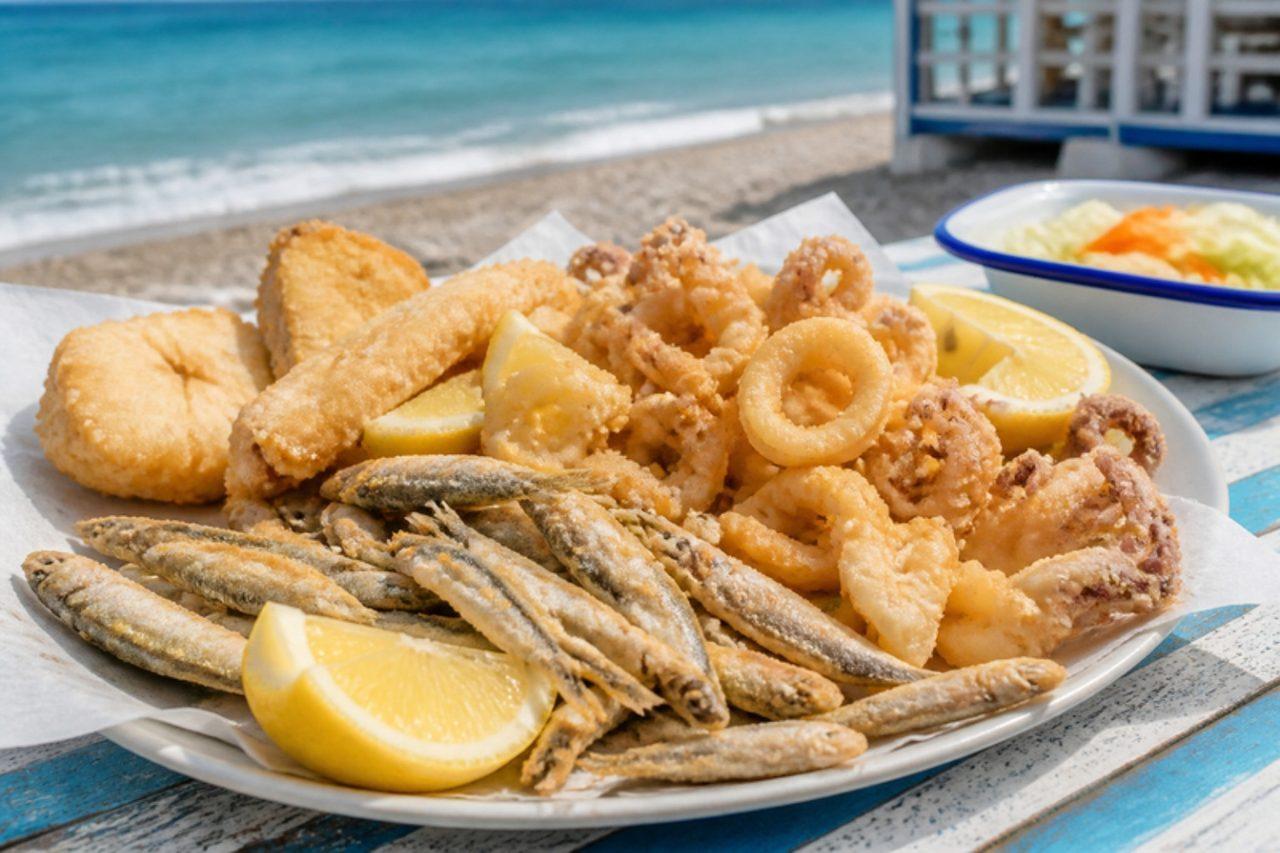
On the beaches of Pedregalejo and El Palo in Málaga, chiringuito cooks shake small fish in flour and fry them by the basketful: whole fresh anchovies (boquerones), rings of squid, strips of dogfish and little red mullet, served piled on paper with lemon. The secret is a coarse frying flour, partly durum semolina, and very clean, hot oil, so each piece comes out crisp and dry. Eat it at once, at the table, with a cold drink and a salad. Chef's tip: shake off every bit of loose flour in a sieve before frying; excess flour burns and makes the oil dark and bitter.

by KrazyBadal 0 views

Papas aliñás

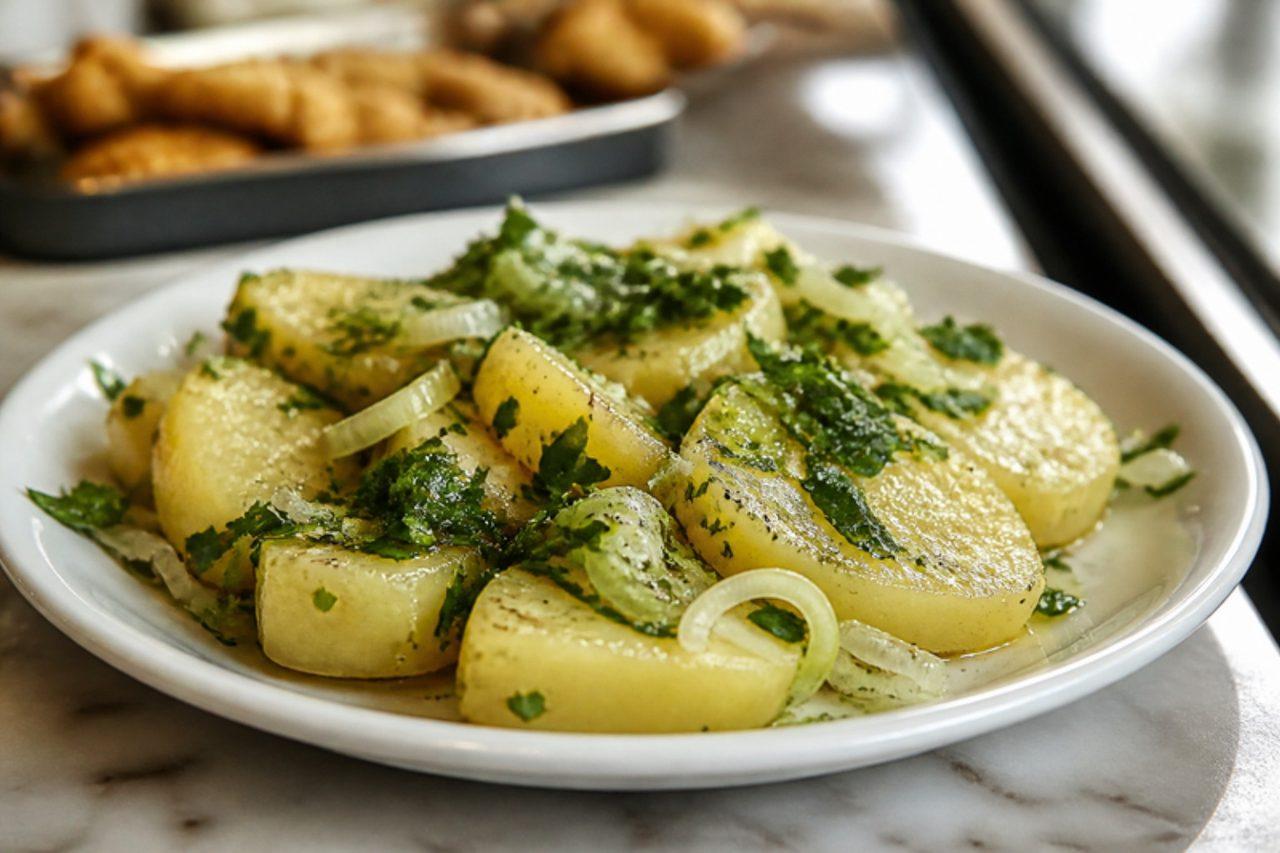
Every tapas bar around the Plaza de Abastos in Cádiz keeps a tray of papas aliñás on the counter, and gaditanos eat them as a cold tapa on summer evenings with a glass of something cold. The potatoes are dressed while still warm, so they drink up the sherry vinegar and oil, then rest until they taste sharp, green and soft. Bars usually lay tuna and boiled egg on top; this version is fully plant-based and keeps all the flavour in the dressing. Chef's tip: choose waxy potatoes and cut them only after cooking, so they keep their shape when you toss them.

by KrazyBadal 0 views

Samfaina

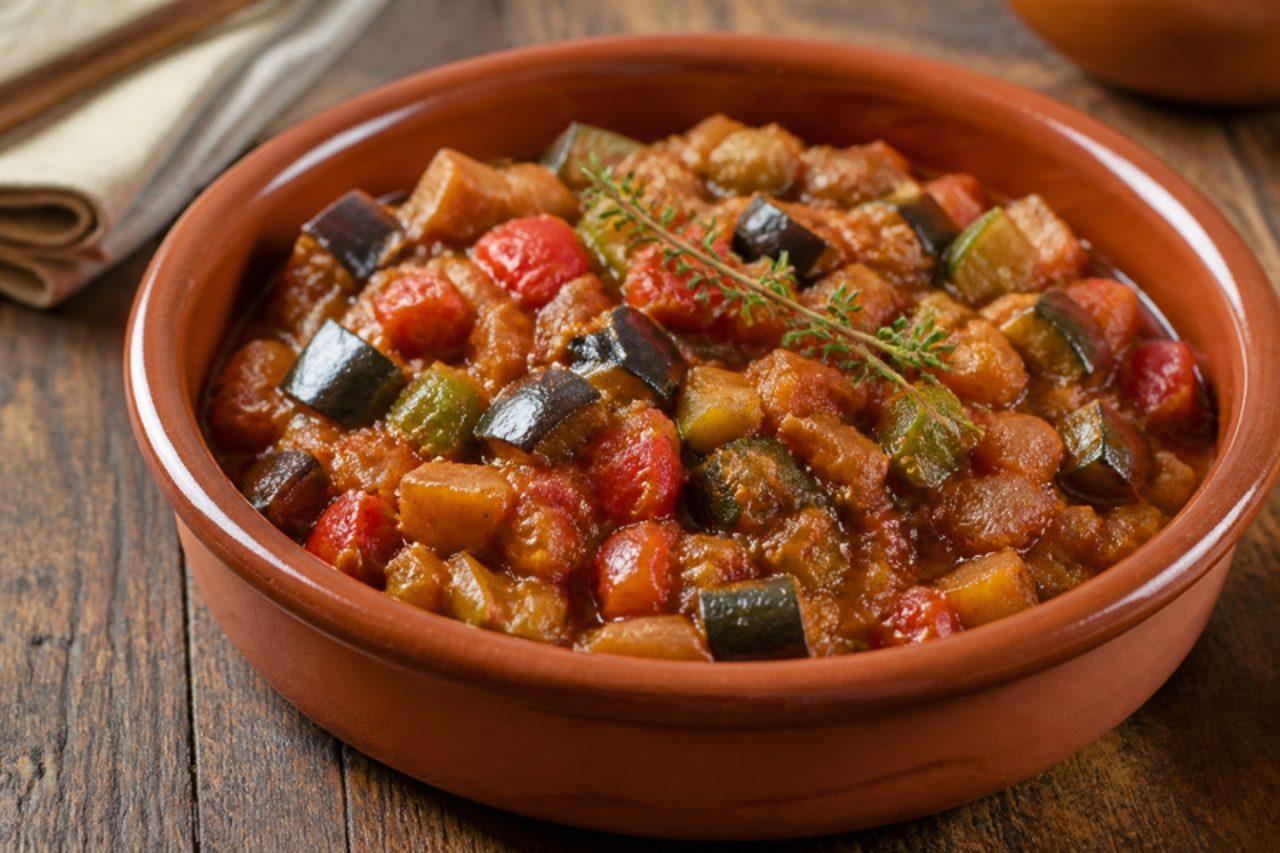
Samfaina is what Catalan kitchens do with a market bag full of late-summer vegetables: they go into the pan in order, each one softening before the next, until they melt into a sweet, glossy stew. It is eaten on its own with bread, spooned beside grilled fish or a fried egg, or used as a sauce for chicken or salt cod. It tastes better the next day. Chef's tip: cut everything to the same 1.5 cm dice, so it all cooks evenly and the finished dish has a soft, even texture.

by KrazyBadal 0 views

Pipirrana jaenera

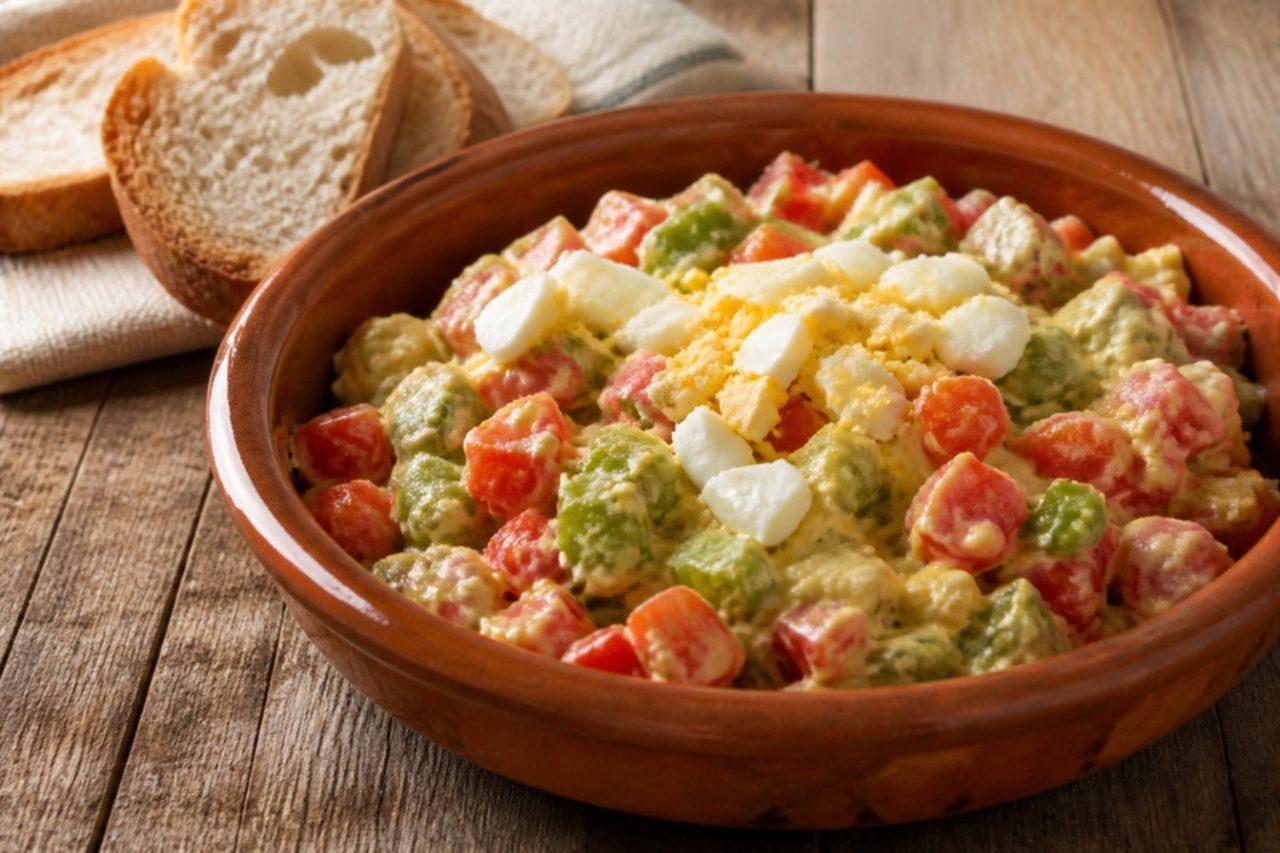
Olive pickers in the province of Jaén used to carry the makings of pipirrana into the groves, and in the city it is still the salad people set out on a hot July evening, with bread for the juices. What sets the Jaén version apart is the dressing: garlic, salt and boiled egg yolk are pounded together, then loosened with the province's own peppery oil until it turns creamy. Some cooks add tinned tuna; this one stays vegetarian. The usual mistake is chopping the vegetables in large chunks; everything should be cut small enough to fit a fork. Chef's tip: peel the tomatoes before dicing, so the dressing clings to soft flesh instead of slipping off tough skin.

by KrazyBadal 0 views

Espinacs a la catalana

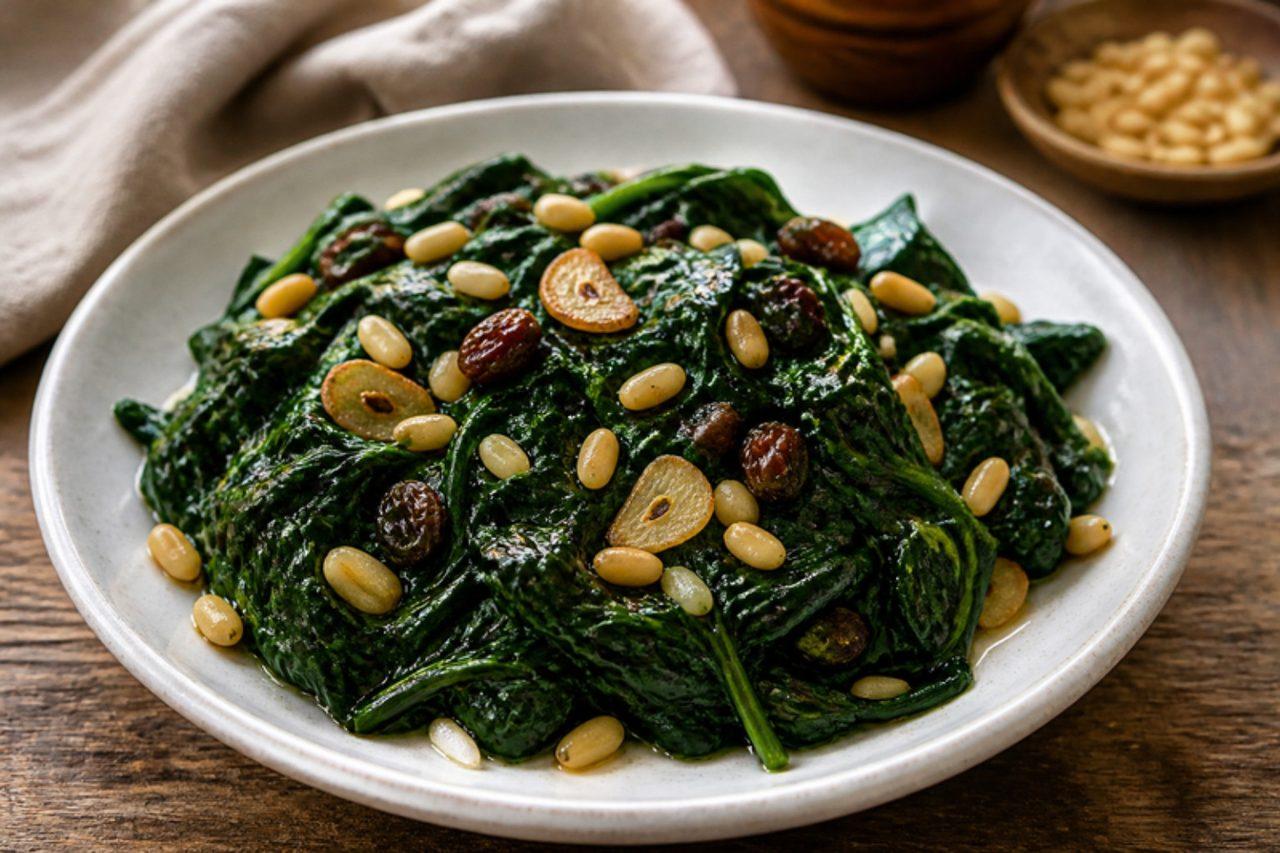
This dish carries the sweet-and-savoury taste of medieval Catalan cooking: spinach wilted with plump raisins and toasted pine nuts, sometimes with a little pork fat or anchovy, though olive oil is just as traditional. Families cook it in spring and autumn as a side for fish or chicken, or as a light first course before the main. It takes ten minutes. Chef's tip: soak the raisins in warm water first so they swell and burst sweetly, instead of turning hard in the hot pan.

by KrazyBadal 0 views

Atún encebollado

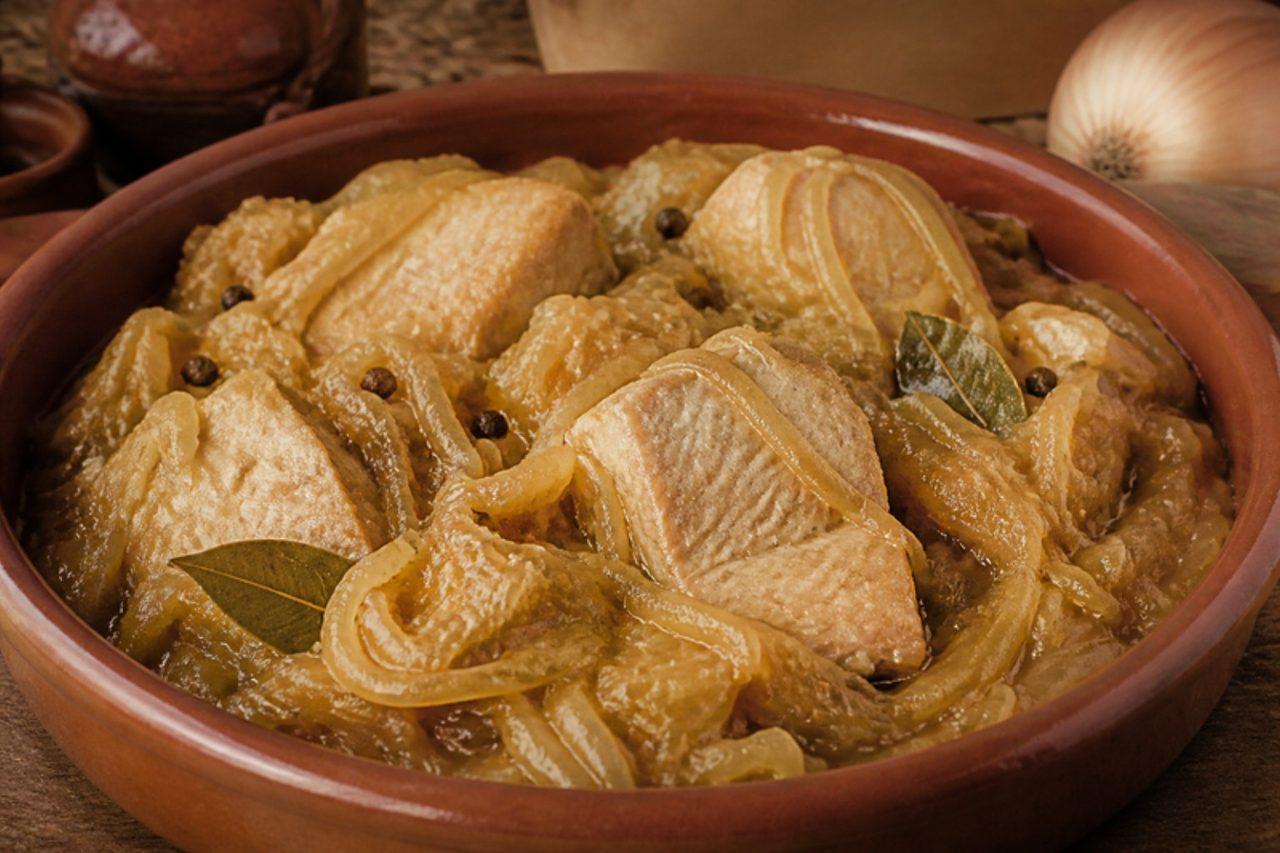
When the almadraba nets bring bluefin tuna ashore in Barbate and Zahara de los Atunes in May and June, households along the Cádiz coast make atún encebollado: chunks of tuna braised in a mountain of onions cooked down until sweet and golden, with bay, pepper and a splash of fino. Any good tuna steak works the rest of the year. This recipe uses wine; the alcohol-free option is in the ingredient note. Chef's tip: the onions take the time, the tuna does not; add it only for the last few minutes, or it turns dry and grey.

by KrazyBadal 0 views

Rosquillas de San Isidro

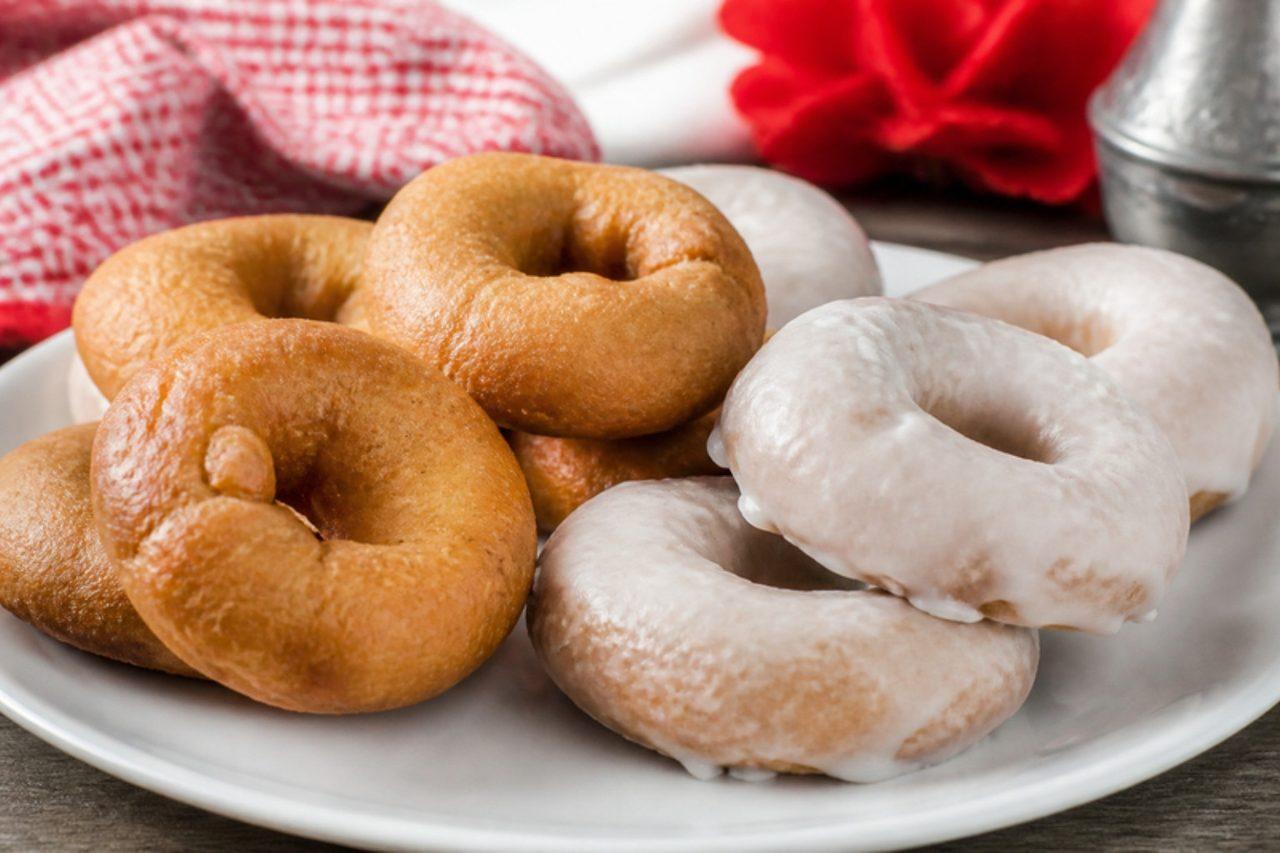
Every 15 May, crowds head to the Pradera de San Isidro on Madrid's southern edge for the patron saint's festival, and stalls sell rosquillas by the dozen: plain "tontas" (silly ones) and iced "listas" (clever ones). Many families now bake them at home that week. Old recipes ice the listas with raw egg white; this one uses a lemon and icing-sugar glaze, which is safer and sets just as white. Chef's tip: oil your hands to shape the rings; the dough is soft and sticky by design.

by KrazyBadal 0 views

Esqueixada

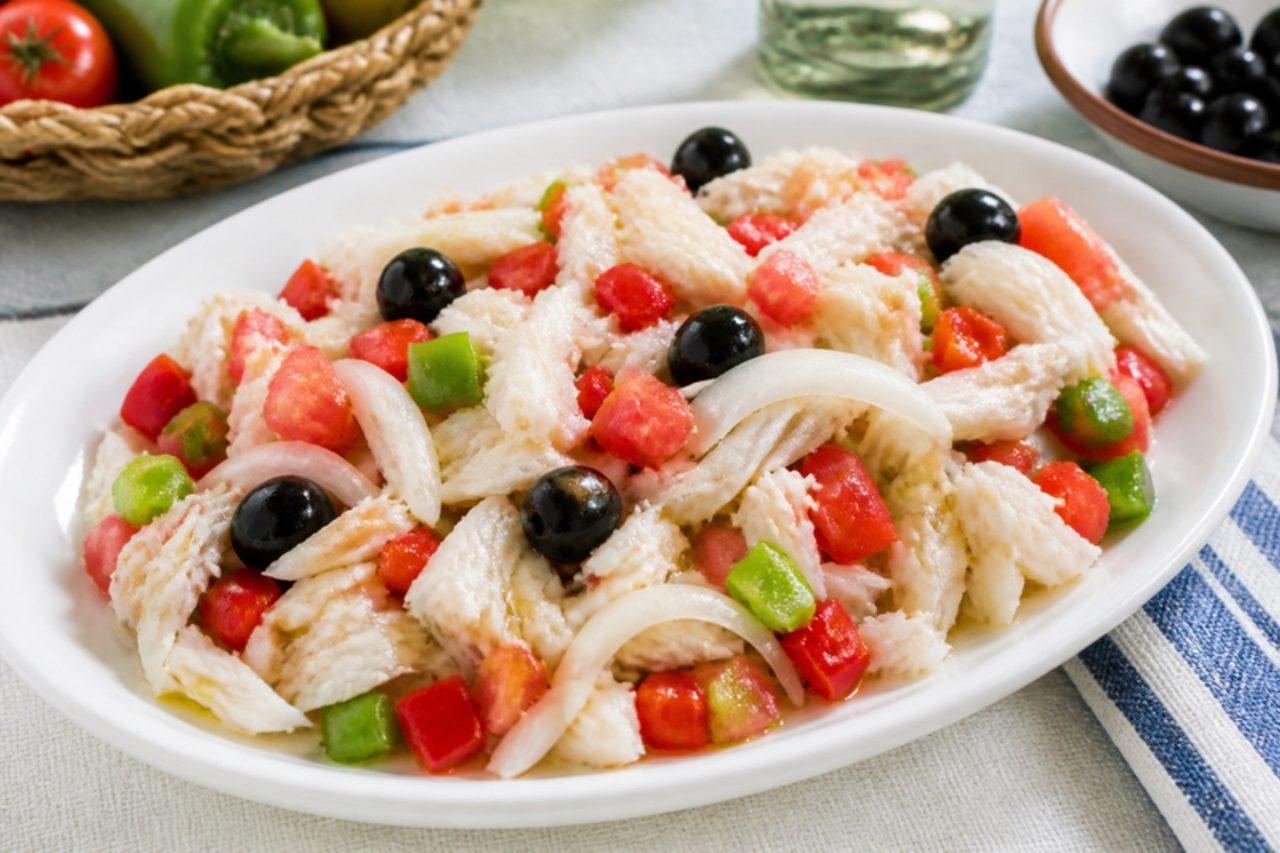
Esqueixada, from esqueixar, to tear, is the summer starter of Barcelona's old taverns: salt cod that has been soaked, shredded by hand and dressed with tomato, peppers, onion and black olives. Traditionally the cod is never cooked, only desalted, so it stays translucent and firm; raw cured fish is not for pregnant women, young children or anyone with a weakened immune system. The safer version, given in the steps, poaches the cod gently first, and this is the one to choose whenever in doubt. Chef's tip: tear the cod with your fingers along its natural flakes; a knife makes it mushy and you lose the pleasing chew.

by KrazyBadal 0 views

Showing 48 of 233 recipes

Show more recipes

Page 2 of 10

More Spanish ideas

Other by country