Skip to content

Low-calorie recipes

Lighter recipes that are still filling and full of flavour. (483 recipes)

Dominican berenjena guisada

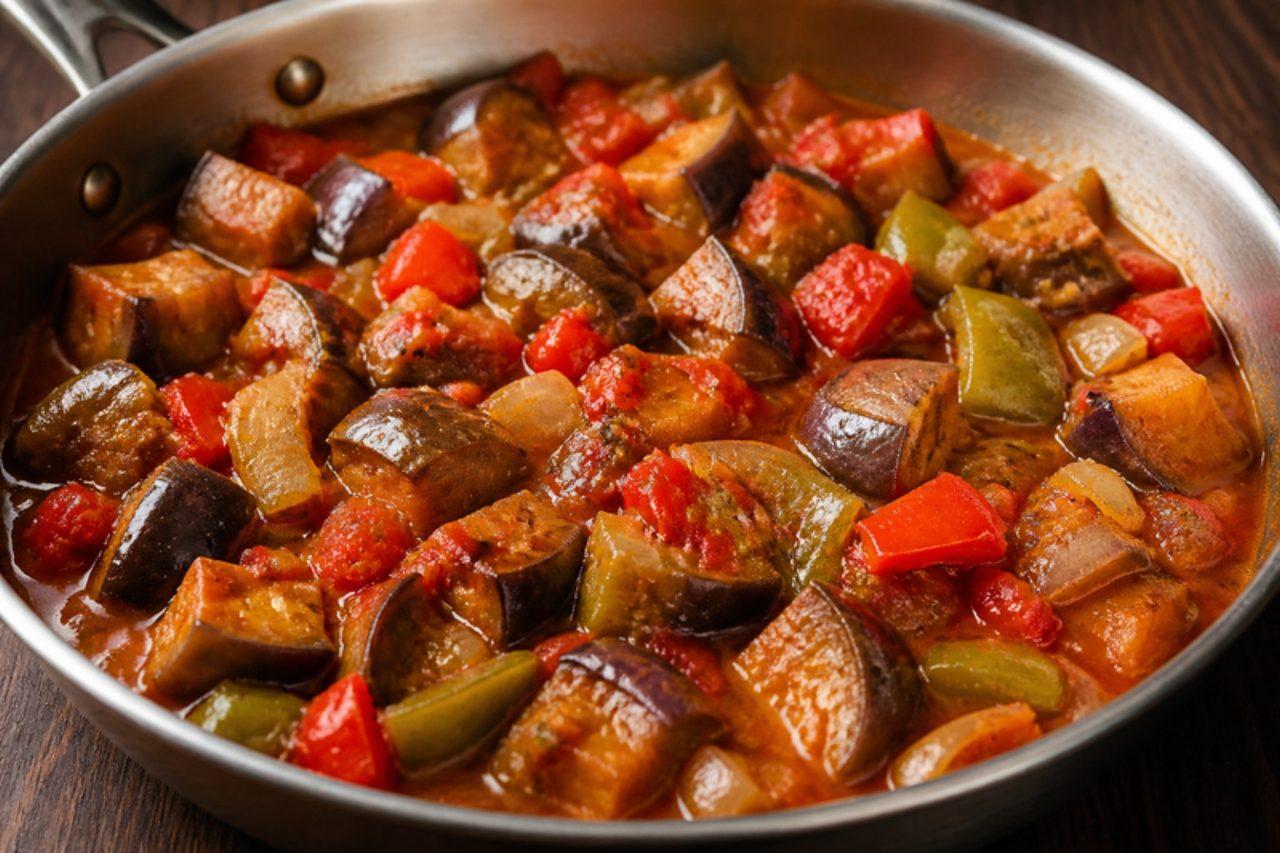
Dominican home cooks make berenjena guisada as a weekday side next to white rice and beans, the aubergine stewed down with tomato, sweet peppers and plenty of dried oregano into a soft, savoury guiso. It is light, quick and good hot or at room temperature. The common mistake is adding all the water at the start, which boils the aubergine grey; let it soak up the oil and sofrito first, then add liquid a little at a time. Chef's tip: rub the dried oregano between your palms as it goes in, to release the oils; Dominican cooks swear by it.

by KrazyBadal 1 views

Methi palak dhokra

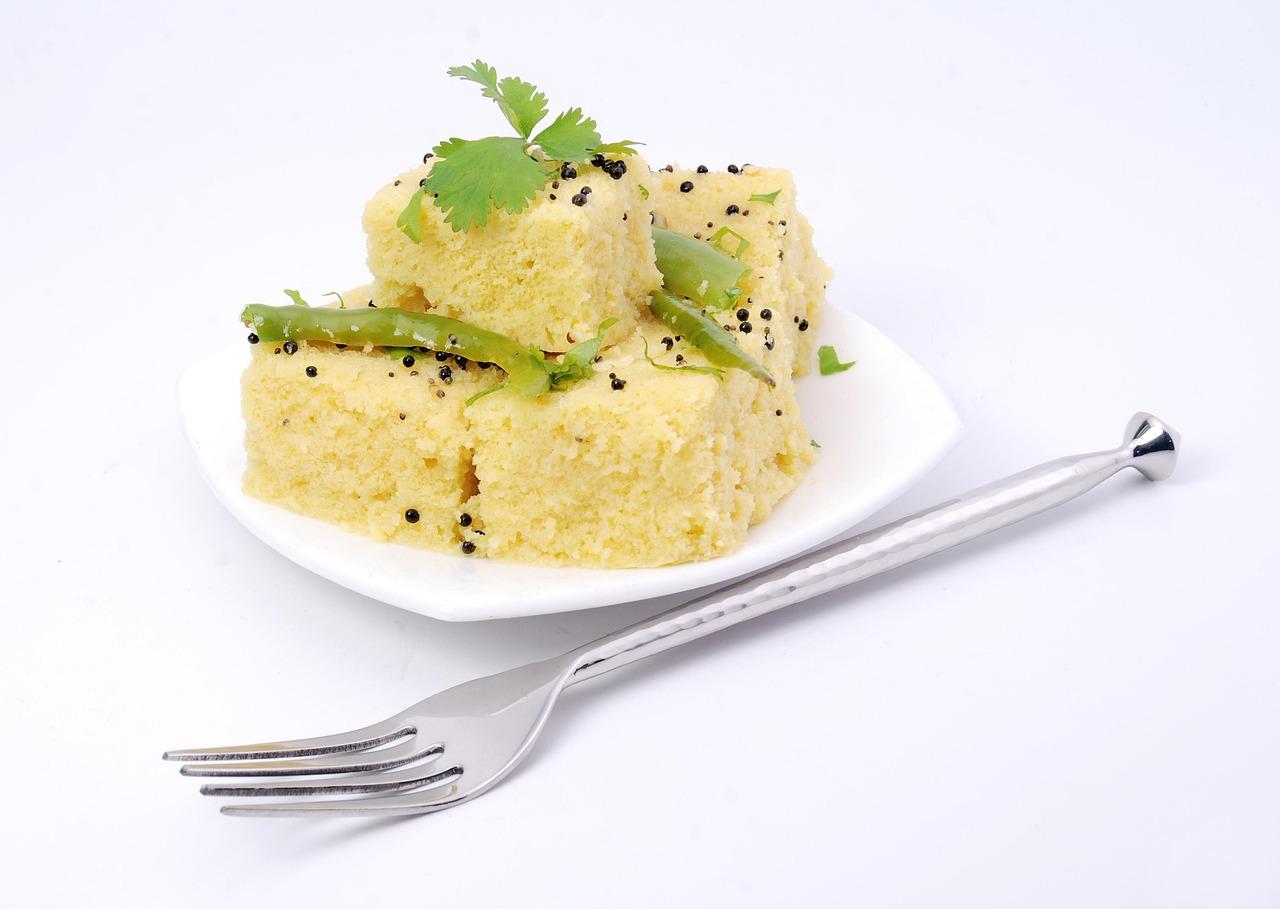
A soft, spongy, low-calorie dhokra made from soaked black-eyed beans blended to a batter with fresh fenugreek, spinach and green chilli-ginger paste, lifted with fruit salt and steamed. Cut into squares and serve with green chutney as a snack or light meal.

by KrazyBadal 1 views

Chirimoya alegre

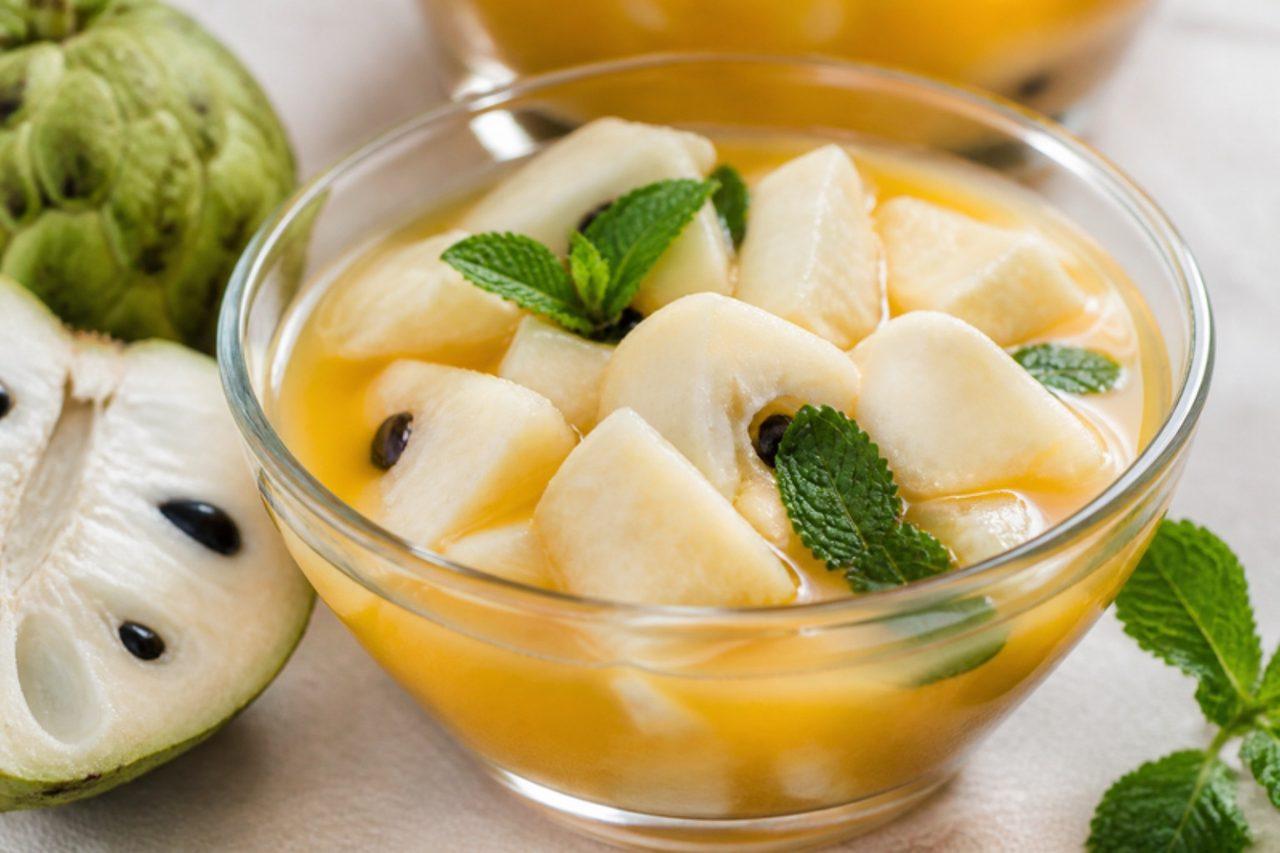
Chileans call it 'happy cherimoya': ripe custard-apple pulp dropped into fresh orange juice and served ice-cold. It turns up as the summer dessert after a big lunch in the Central Valley and in the Aconcagua valley, where much of Chile's cherimoya grows. The fruit should be soft like a ripe avocado; a hard one tastes starchy. The most common mistake is preparing the fruit ahead without juice, so it turns brown and loses its perfume: drop each piece straight into the orange juice. Remove every black seed, as the seeds must not be eaten or crushed. Chef's tip: squeeze the oranges yourself and taste before you sweeten; good juice often needs no sugar at all.

by KrazyBadal 0 views

Xaak bhaji

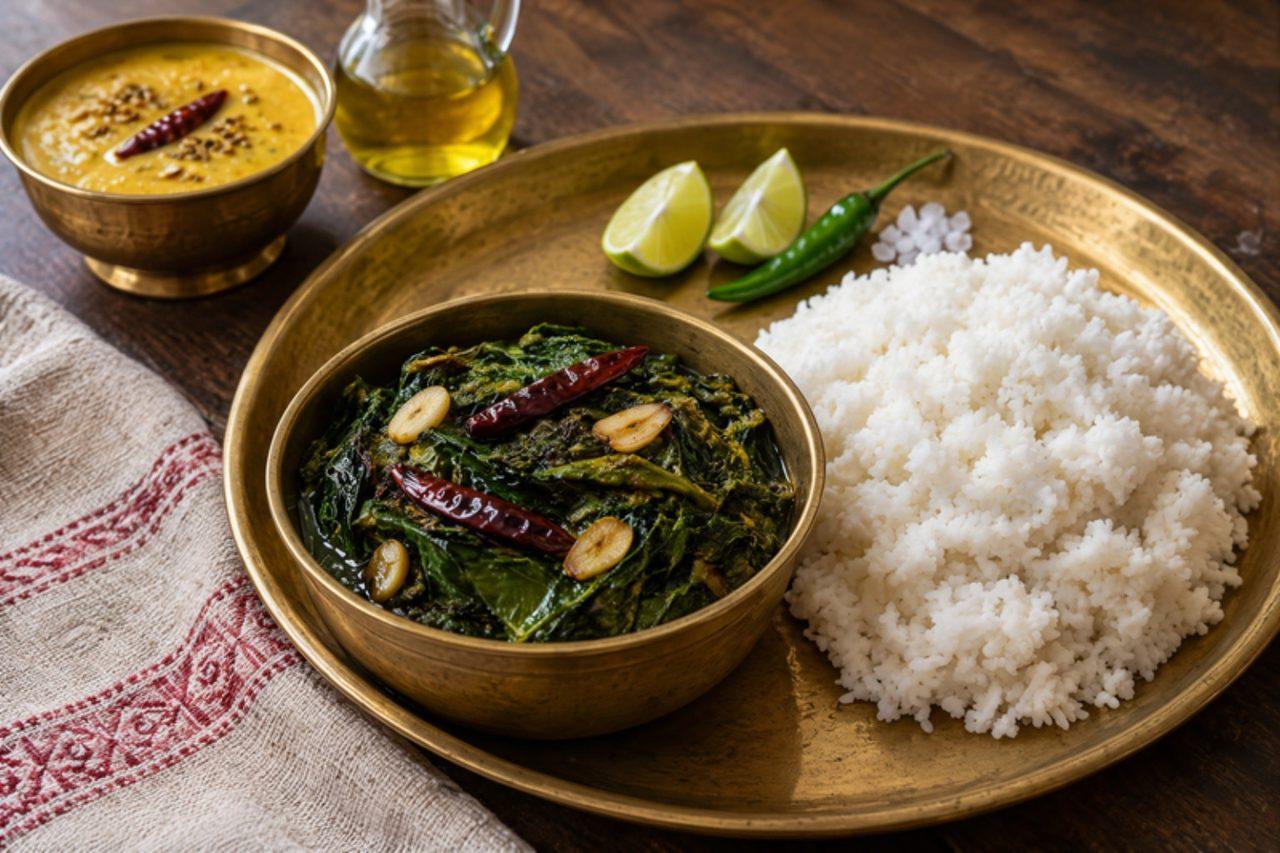
Xaak bhaji is the simplest dish on an Assamese table and one of the most loved: whatever greens are in season, mustard leaves in winter, red or green amaranth and dhekia fern in the monsoon, wilted in mustard oil with garlic and a dried chilli. It is eaten at the start of the meal with rice in homes from Sivasagar to Guwahati. People often add water and stew the greens; they should cook in their own moisture over brisk heat so they stay bright. Chef's tip: mix two or three greens together, as Assamese cooks do, for a fuller flavour.

by KrazyBadal 0 views

Hinkejvu

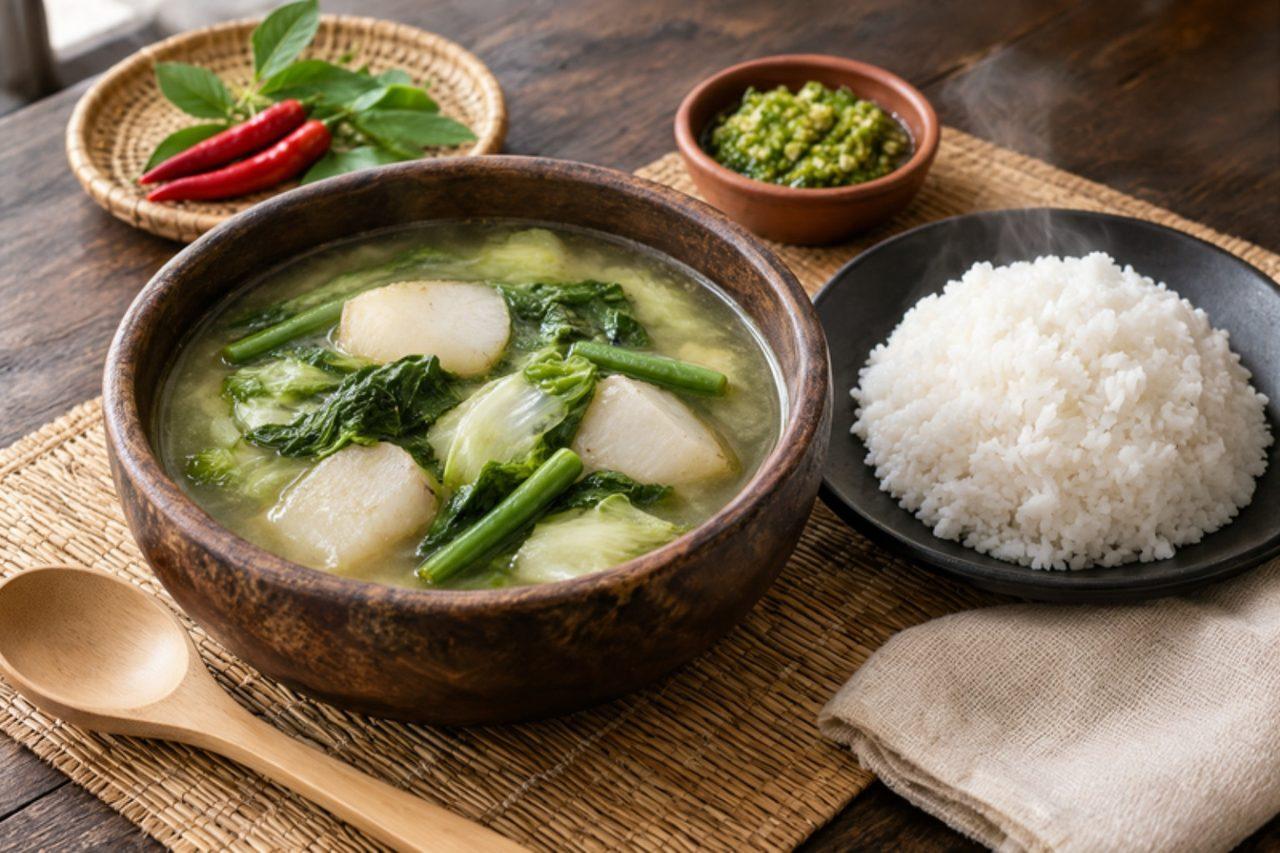
Hinkejvu is a light Sumi Naga everyday dish from Nagaland's Zunheboto district, where colocasia, cabbage, mustard leaves and beans are simmered together with only ginger, chilli and salt. It is eaten with plain rice and a smoky chutney, often after a heavier meat dish the day before. The common mistake is adding oil or spices, which hides the clean vegetable flavour; Naga home cooking relies on the produce. Chef's tip: cook the colocasia until it starts to break and thicken the broth slightly.

by KrazyBadal 0 views

Consomé de chipichipi

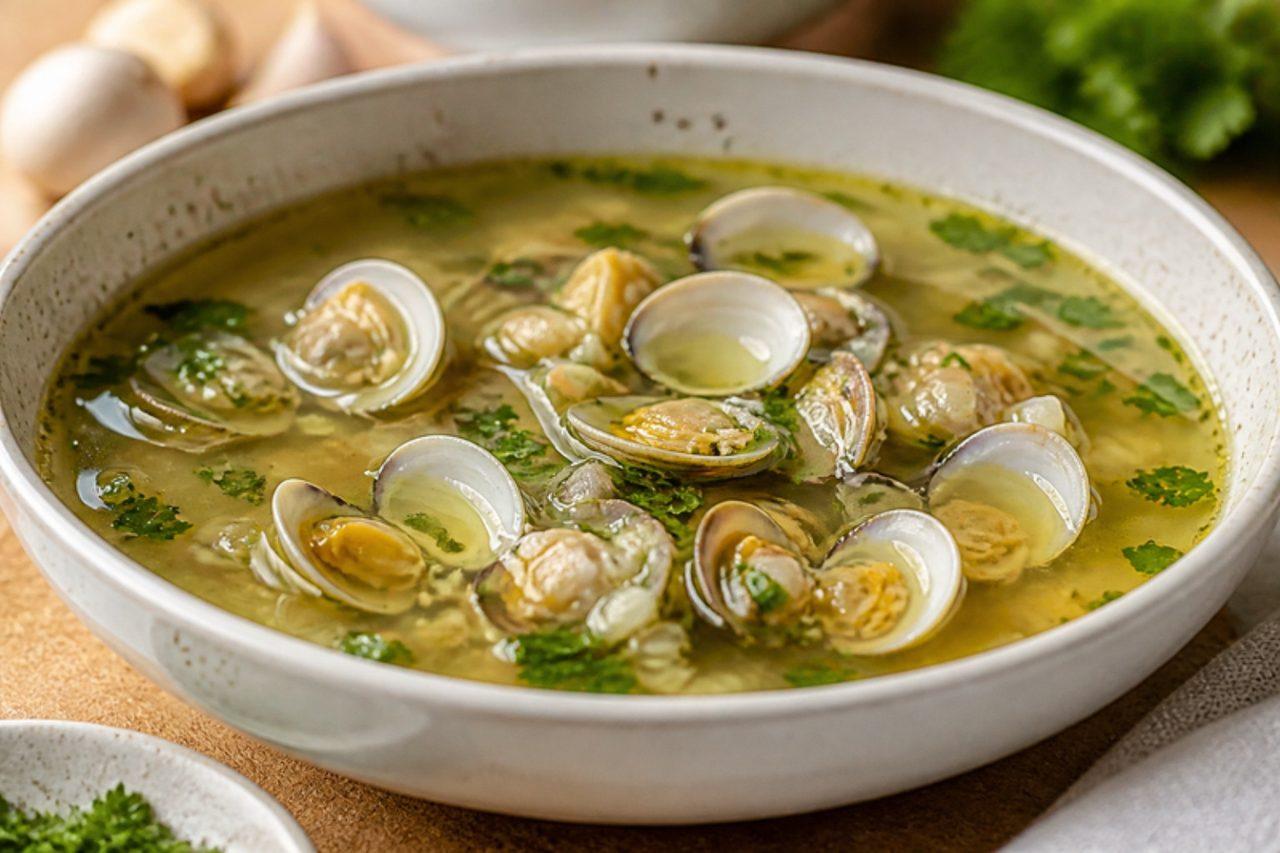
On the beaches of Margarita and the Sucre coast, vendors ladle steaming cups of consomé de chipichipi, a clear, salty broth of tiny clams with garlic, ají dulce and coriander, famous as a cure after a long night. Chipichipi are hard to find outside Venezuela; small clams such as palourdes or Manila clams are a good stand-in. The common mistake is boiling the clams too long, which makes them rubbery. Chef's tip: let the clams soak in salted water first so they spit out their sand.

by KrazyBadal 0 views

Koinar saag

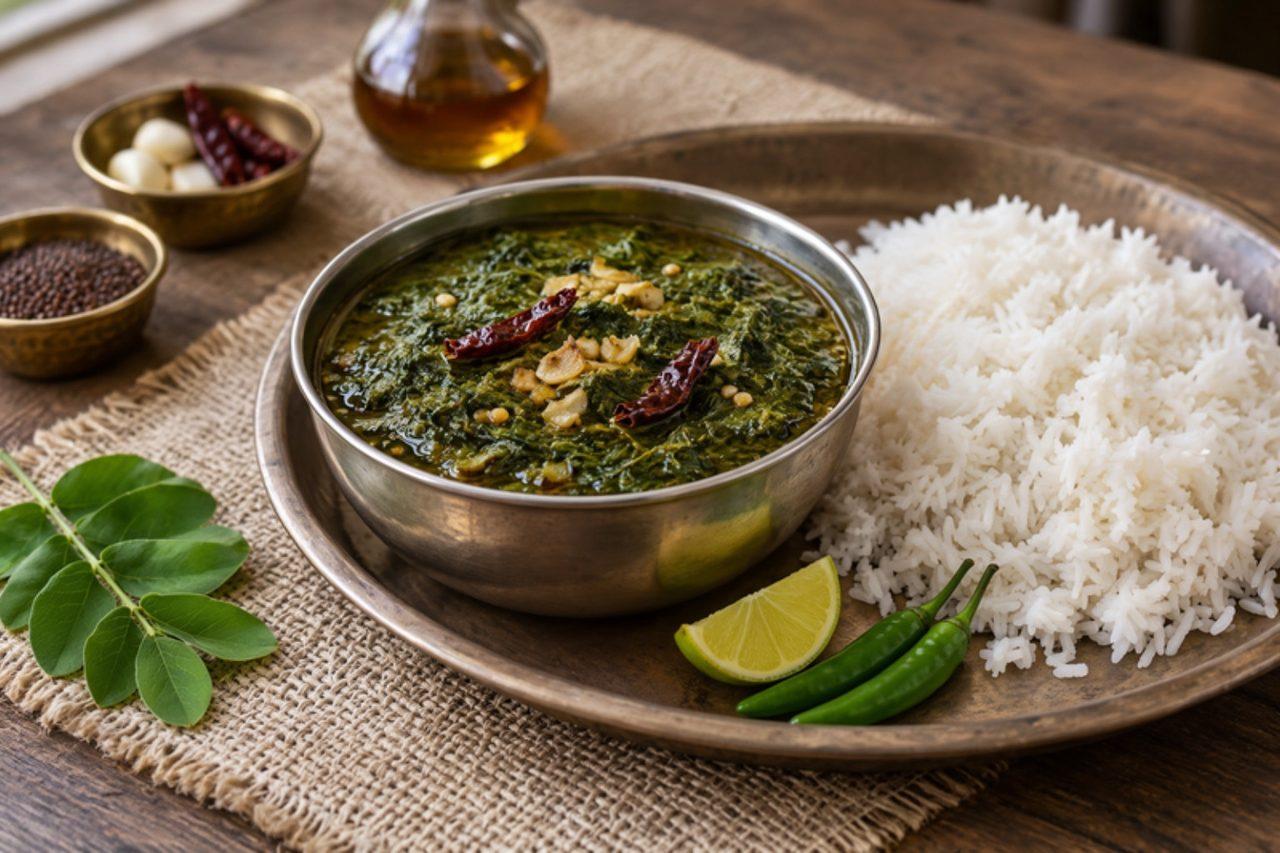
In Jharkhand's spring, as the kachnar (Bauhinia) trees put out pale tender leaves, Santhal, Munda and Oraon families gather them for koinar saag, a slightly tangy, earthy green cooked with lots of garlic in mustard oil and eaten with rice and dal or with madua roti. Some households dry the leaves to use through the summer. The usual mistake is using older, darker leaves, which stay tough and fibrous however long you cook them. Chef's tip: blanch the leaves first and squeeze them hard; it softens the faint astringency and the saag absorbs the garlic oil better.

by KrazyBadal 0 views

Kumaoni kheere ka raita

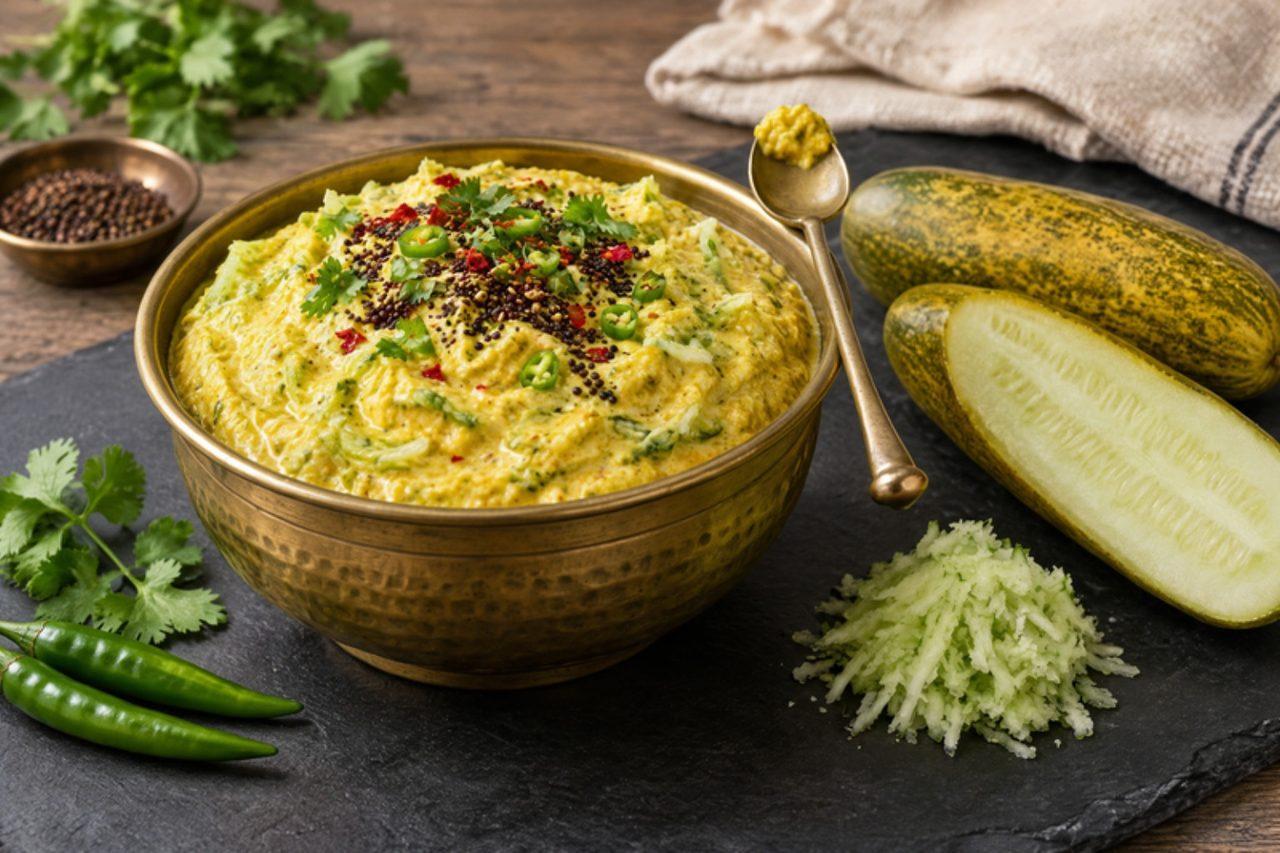
This yellow raita is the famous one of Kumaon, made from the fat, pale hill cucumbers of late summer and served at every wedding and Holi gathering. It gets its nose-tingling kick from freshly ground raw mustard seed, which is left to mellow in the curd for an hour, and its sunny colour from turmeric. It is eaten with rice, puris and pakodas. The common mistake is not squeezing the grated cucumber, which floods the raita and dulls the mustard. Chef's tip: make it at least an hour ahead and chill it; the mustard grows sharper and rounder as it rests.

by KrazyBadal 0 views

Hmarcha rawt

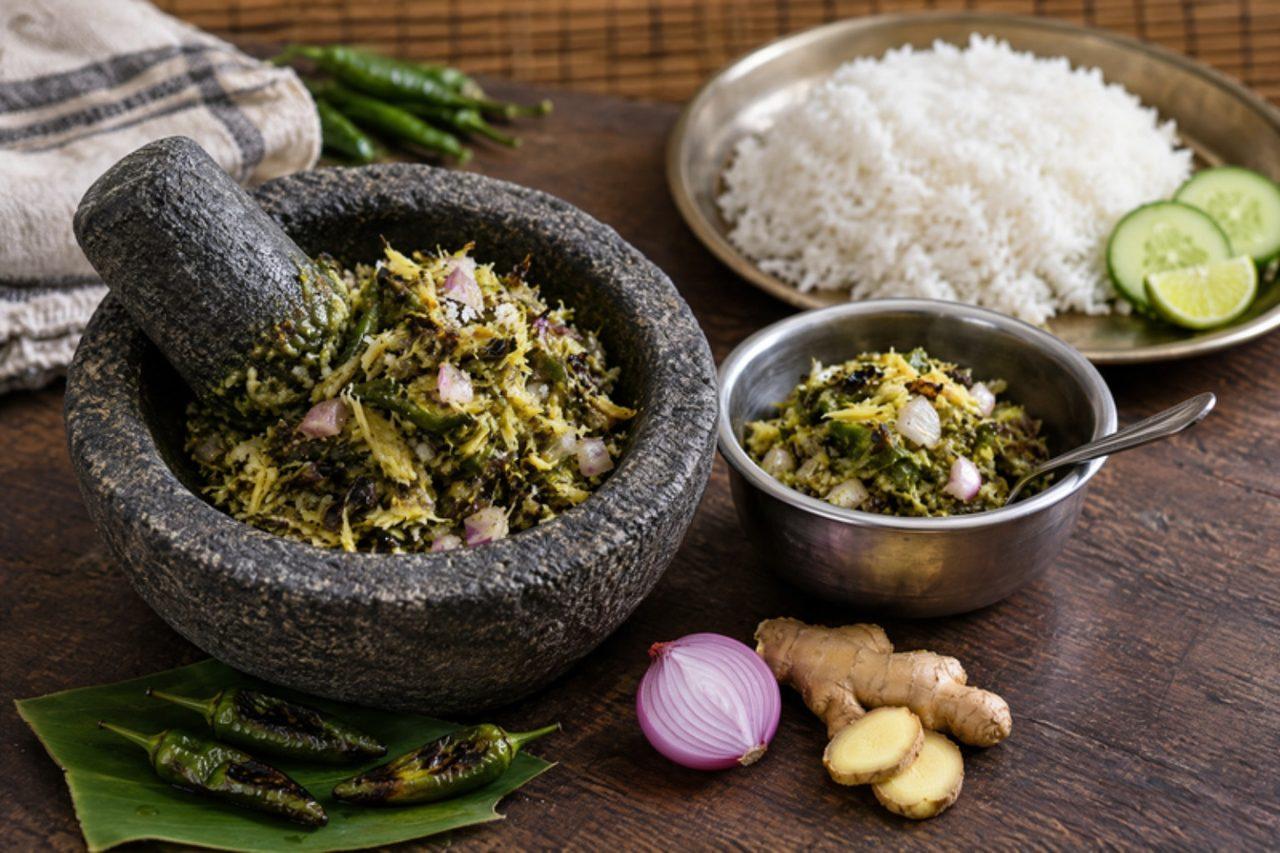
No Mizo table in Aizawl is complete without a small bowl of hmarcha rawt, the sharp relish that goes with plain rice, boiled vegetables and bai at almost every meal. Green chillies are charred over a flame or on a dry pan, then pounded with raw onion, ginger and salt. The mistake is to blend it smooth; it should be coarse and juicy, with bits of charred skin. Chef's tip: roast the chillies until blistered all over, not black, or the relish turns bitter.

by KrazyBadal 0 views

Lingdi ki sabzi

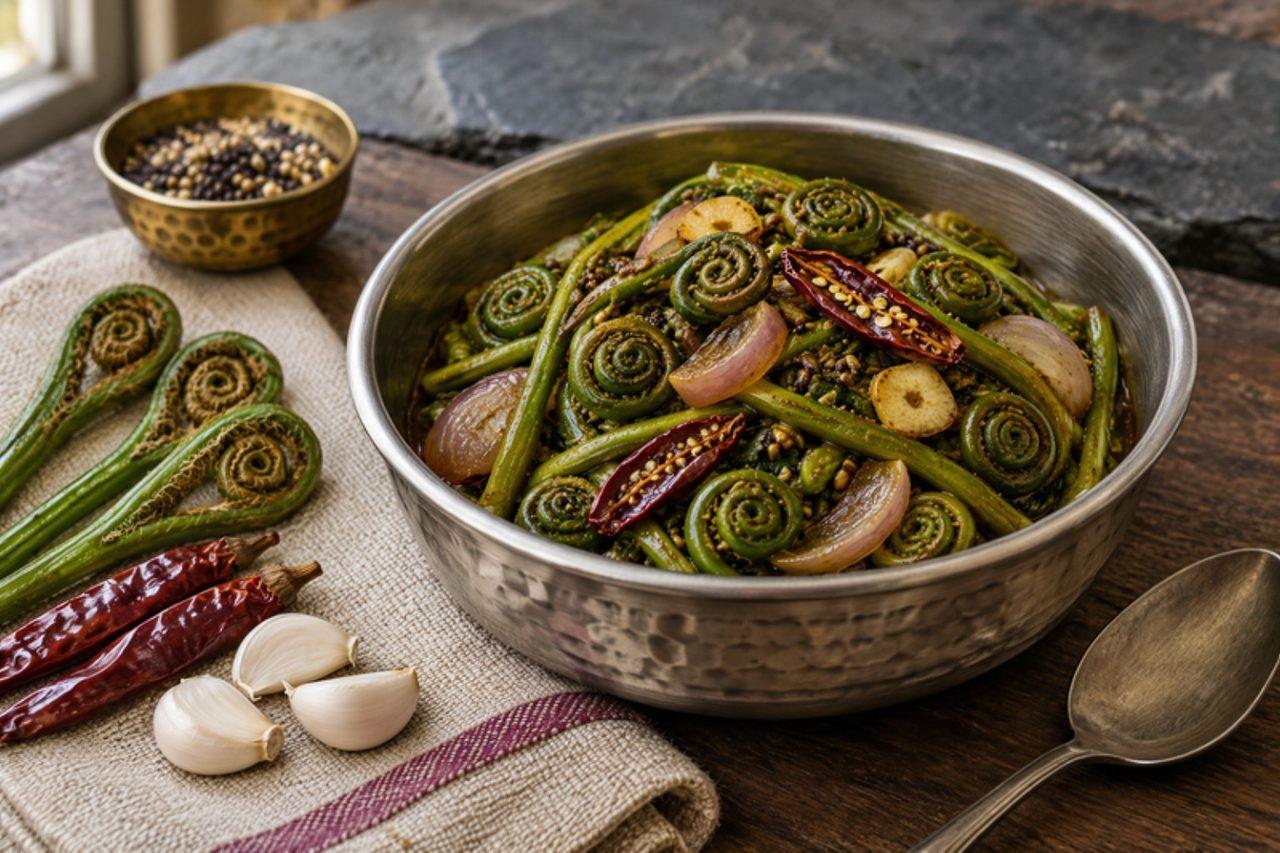
When the monsoon arrives in the Kullu and Mandi valleys, coiled fiddlehead ferns (lingdi) appear along streams and in village markets, and families cook them as a quick dry sabzi with onion, garlic and chilli, or pickle them for winter. The young fronds taste a little like asparagus and green beans, with a pleasant snap. Only eat edible fiddlehead species from a trusted seller, and always cook them well: undercooked ferns can upset the stomach. The common mistake is skipping the blanching, which leaves them bitter and unsafe; boil them first, then fry. Chef's tip: rub off the brown papery scales under running water before trimming; they hold grit.

by KrazyBadal 0 views

Chancho en piedra

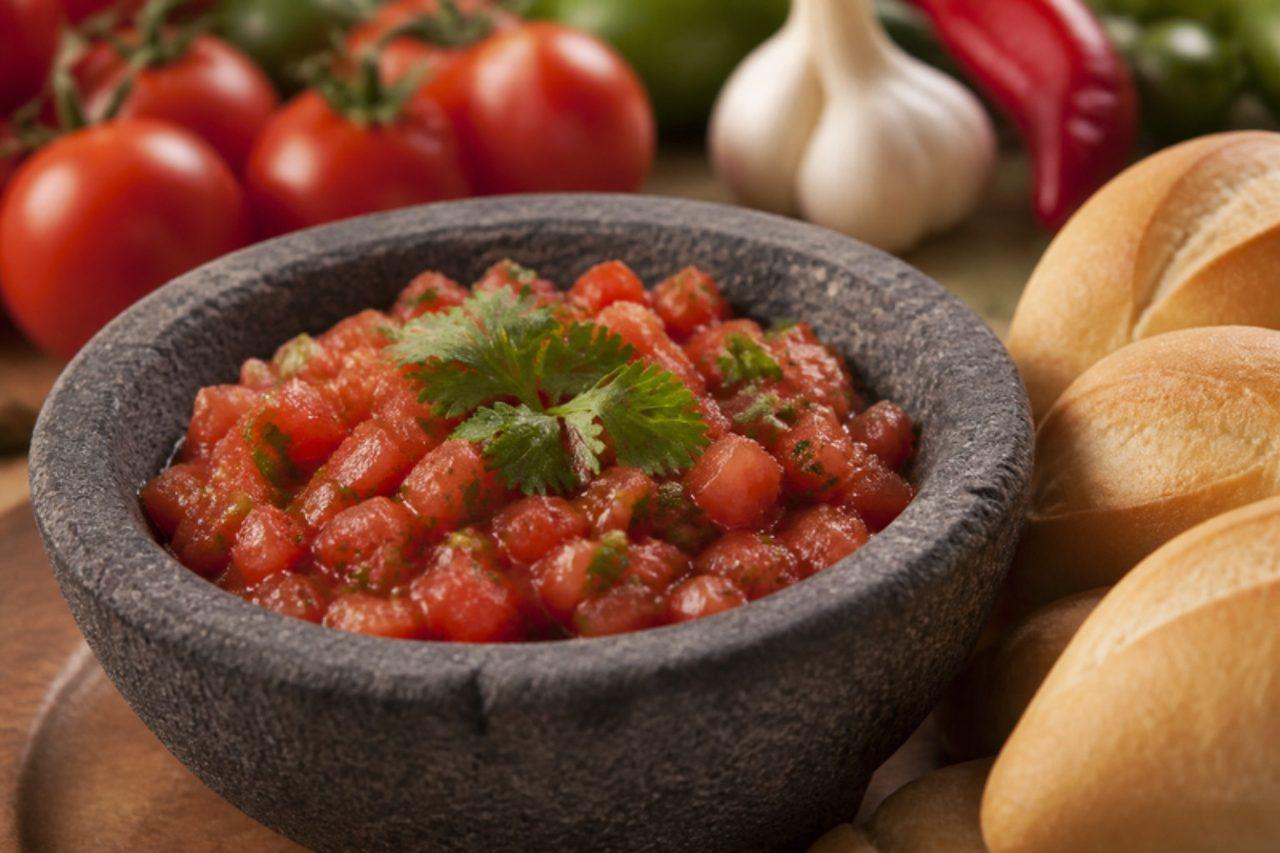
Despite the name, 'pig in stone' has no pork in it. It is a rough salsa of ripe tomato, garlic and chilli crushed in a stone mortar (piedra), and it is on the table at every September fonda during the Fiestas Patrias, with hot sopaipillas, bread straight from the oven or choripán. Blending it smooth in a machine is the classic mistake: it should be rustic and juicy, with small pieces. Chef's tip: pound the garlic, chilli and salt to a paste first, then add the tomatoes; the salt acts as grit and the flavour gets into every bit.

by KrazyBadal 0 views

Chech bhaji

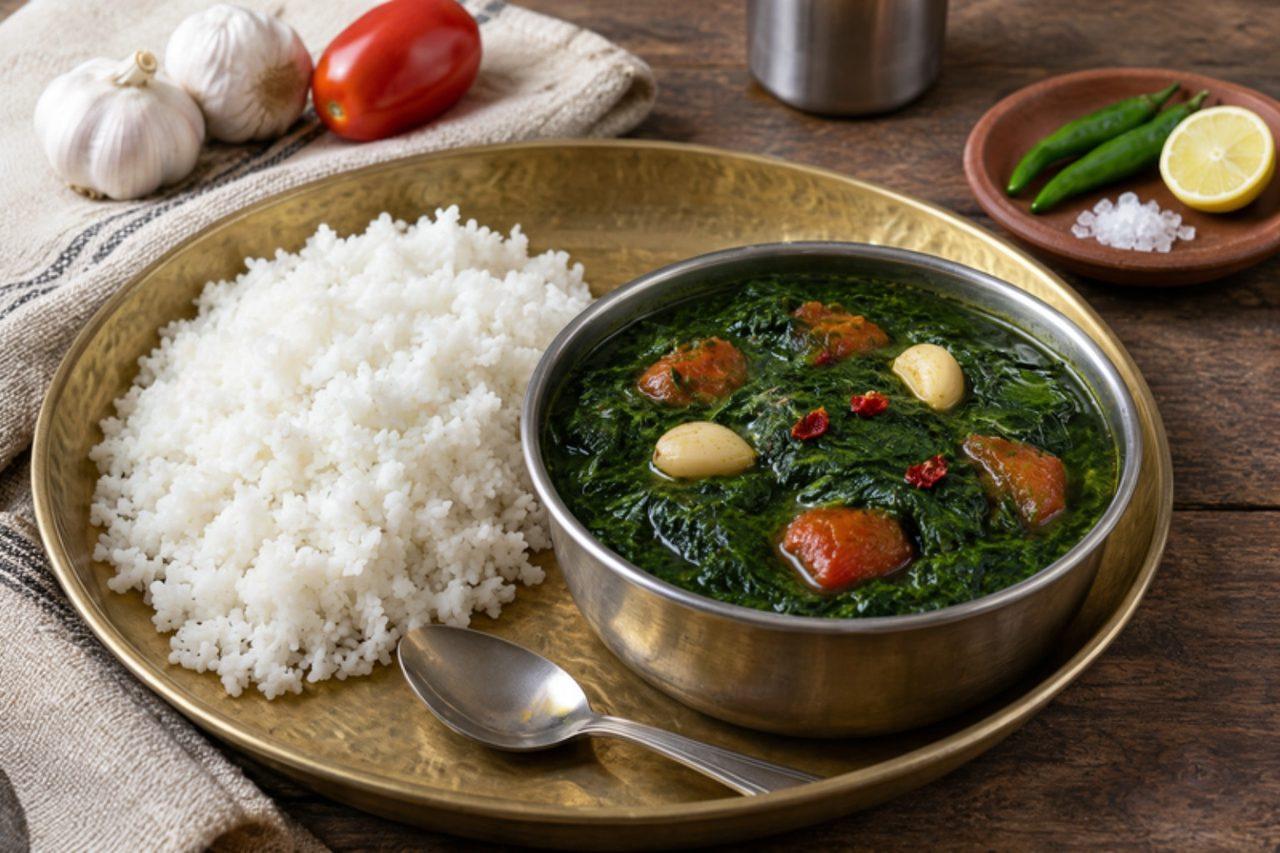
Chech bhaji is a monsoon green in Chhattisgarh, picked from the jute plants that come up in field edges and village gardens, and cooked almost every week during Sawan. The leaves turn slippery as they soften, a bit like okra, and the cook reins that in with tomato and a little rice water left from washing the rice. It is eaten with plain rice and dal or bore baasi. The mistake to avoid is stirring it endlessly; the leaves go stringy and gluey, so stir only now and then. Chef's tip: frozen or dried molokhia leaves from an Arab grocery are the same plant and work well outside India.

by KrazyBadal 0 views

Sayur bening bayam for toddlers

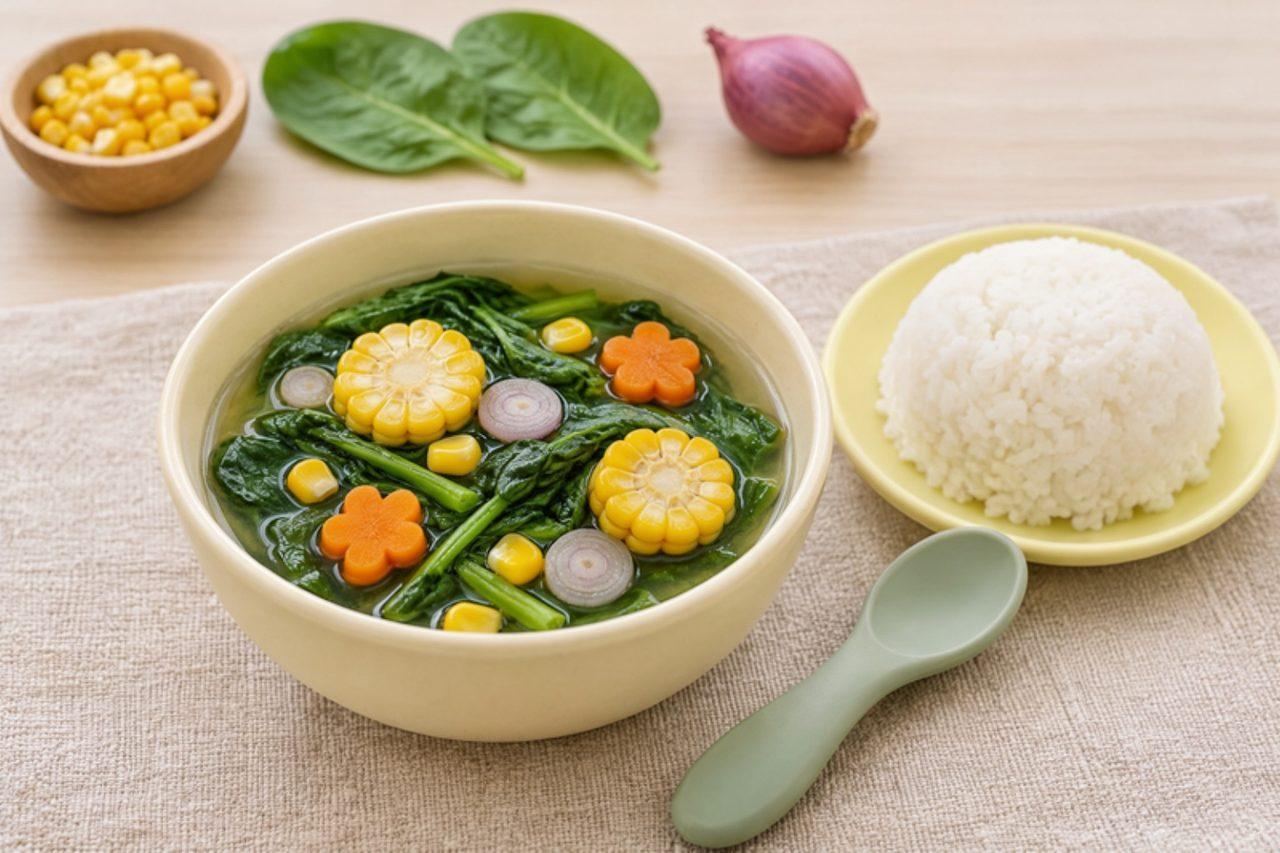
Sayur bening, 'clear vegetables', is the light soup that turns up at nearly every Javanese family lunch in Yogyakarta and Solo, and it is one of the first family dishes Indonesian children share. Spinach and sweet corn are simmered for just a few minutes in water scented with shallot and temu kunci (fingerroot), giving a sweet, fresh broth to spoon over rice. For toddlers from 12 months it is made with no salt or sugar, and the corn is chopped. It is vegan and free of the major allergens. Chef's tip: add the spinach at the very end; overcooked bayam turns grey and bitter.

by KrazyBadal 0 views

Kandalee ka saag

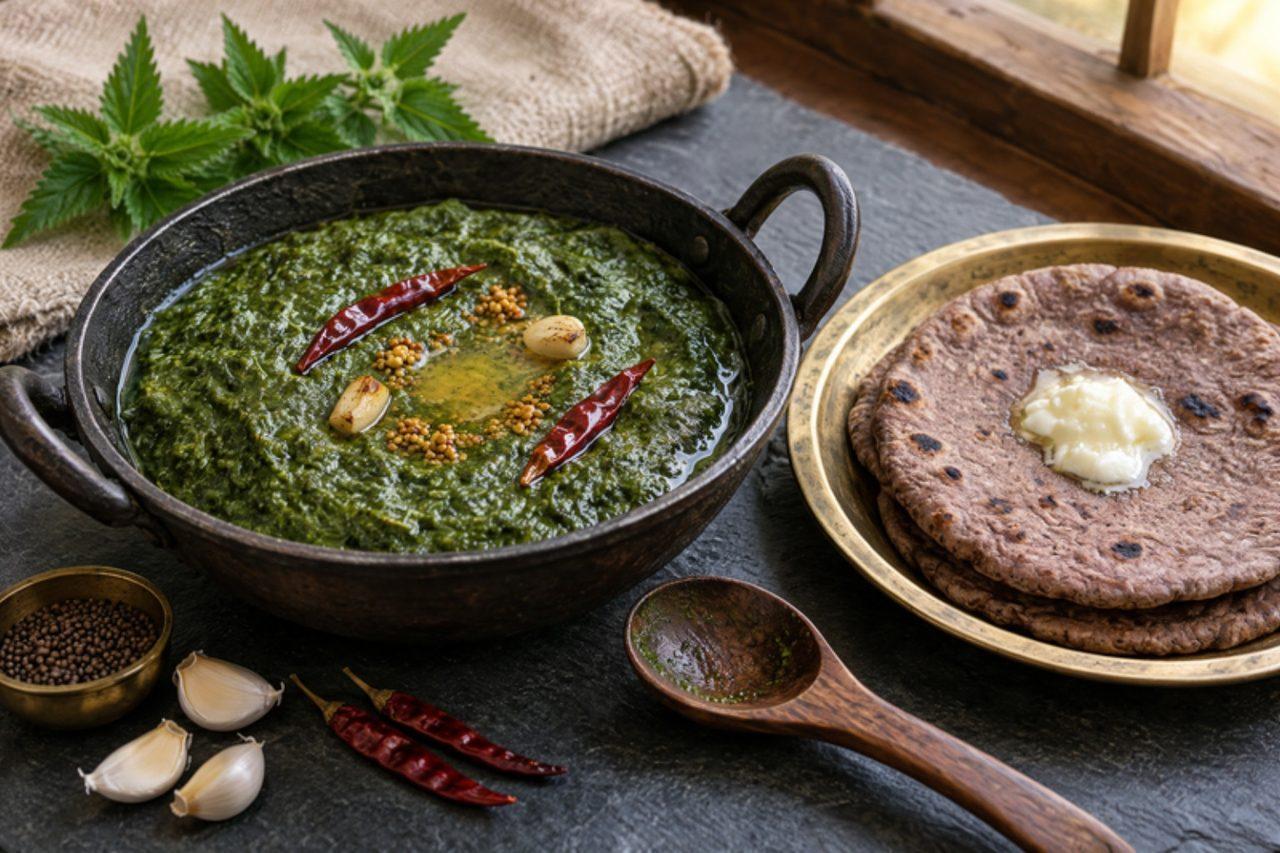
Every spring in Uttarakhand people pick the soft tips of kandalee (bichhu ghas, stinging nettle) from field edges and cook them into a deep green saag with garlic, chilli and a spoon of rice paste, eaten with mandua roti or rice. Nettles taste like a rich, mineral spinach and the sting disappears completely once they are blanched. Always wear gloves or use tongs when picking and washing them. The common mistake is skipping the blanch and going straight to the pan, which leaves stringy stems and some sting. Chef's tip: squeeze the blanched nettles well and chop fine before cooking; this is what gives the smooth, creamy texture hill cooks are proud of.

by KrazyBadal 0 views

Limonata a cosce aperte

On hot afternoons along the Lungomare and in Piazza Sannazaro, the old acquafrescai kiosks squeeze half a lemon into a glass of sparkling water, then add a pinch of bicarbonate of soda. The drink foams up and over the rim, so you have to lean forward with your legs apart to drink it without soaking your shoes, which is where the cheeky name comes from. It tastes sharp, salty-fresh and very fizzy, and Neapolitans swear by it after a heavy lunch. Chef's tip: have the glass at your lips before you stir in the bicarbonate; the foam rises in seconds.

by KrazyBadal 0 views

Sana hua nimbu

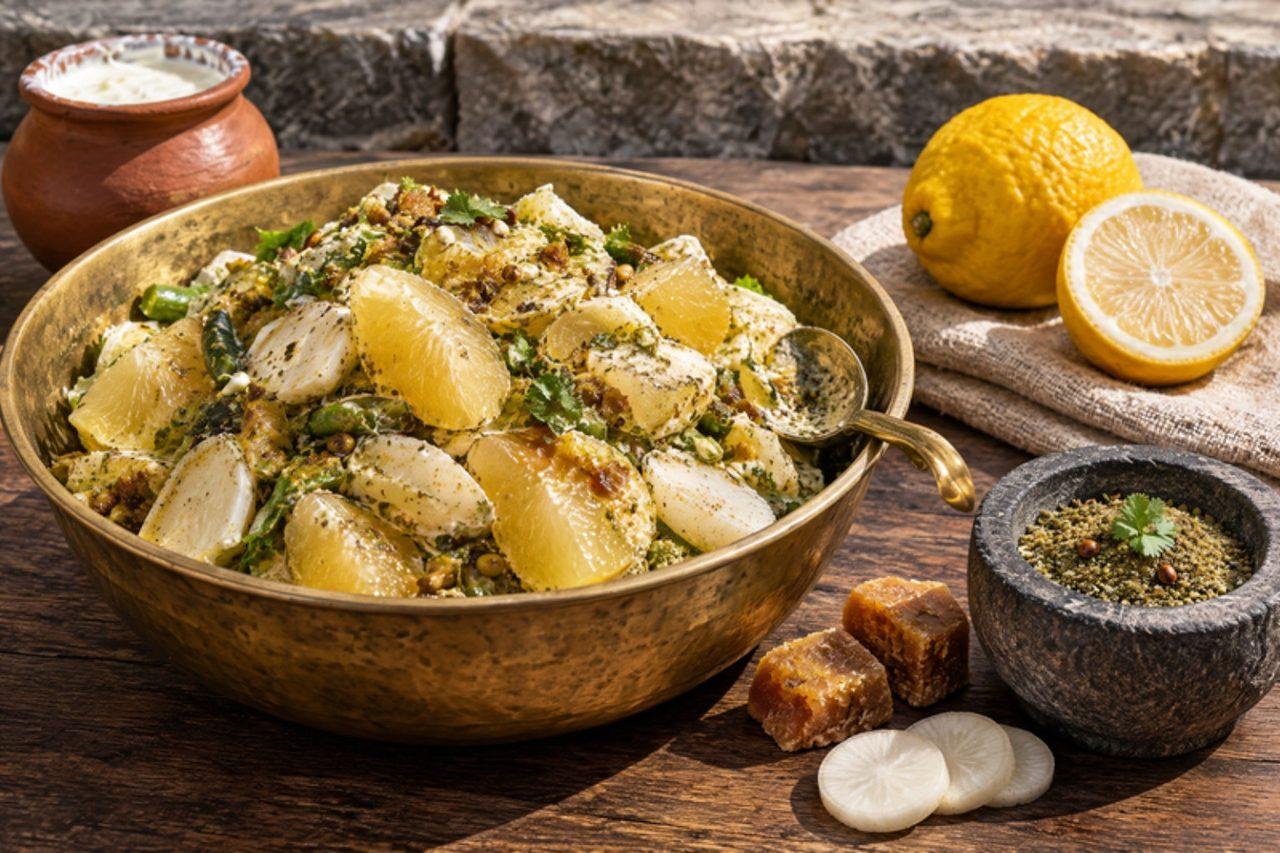
On sunny winter afternoons in Kumaon, families sit on the rooftops and make a big bowl of sana hua nimbu to share: segments of the giant hill lemon (galgal) mashed with radish, curd, jaggery and green salt pounded with hemp or coriander. It is sweet, sour, salty and crunchy all at once, and is eaten with fingers straight from the bowl. Ordinary lemons or a mix of lemon and pomelo work well. The common mistake is leaving in the pith and seeds, which make the whole bowl bitter. Chef's tip: mix just before eating; once it sits longer than 20 minutes the radish weeps and the curd thins.

by KrazyBadal 0 views

Bajre ki raabdi

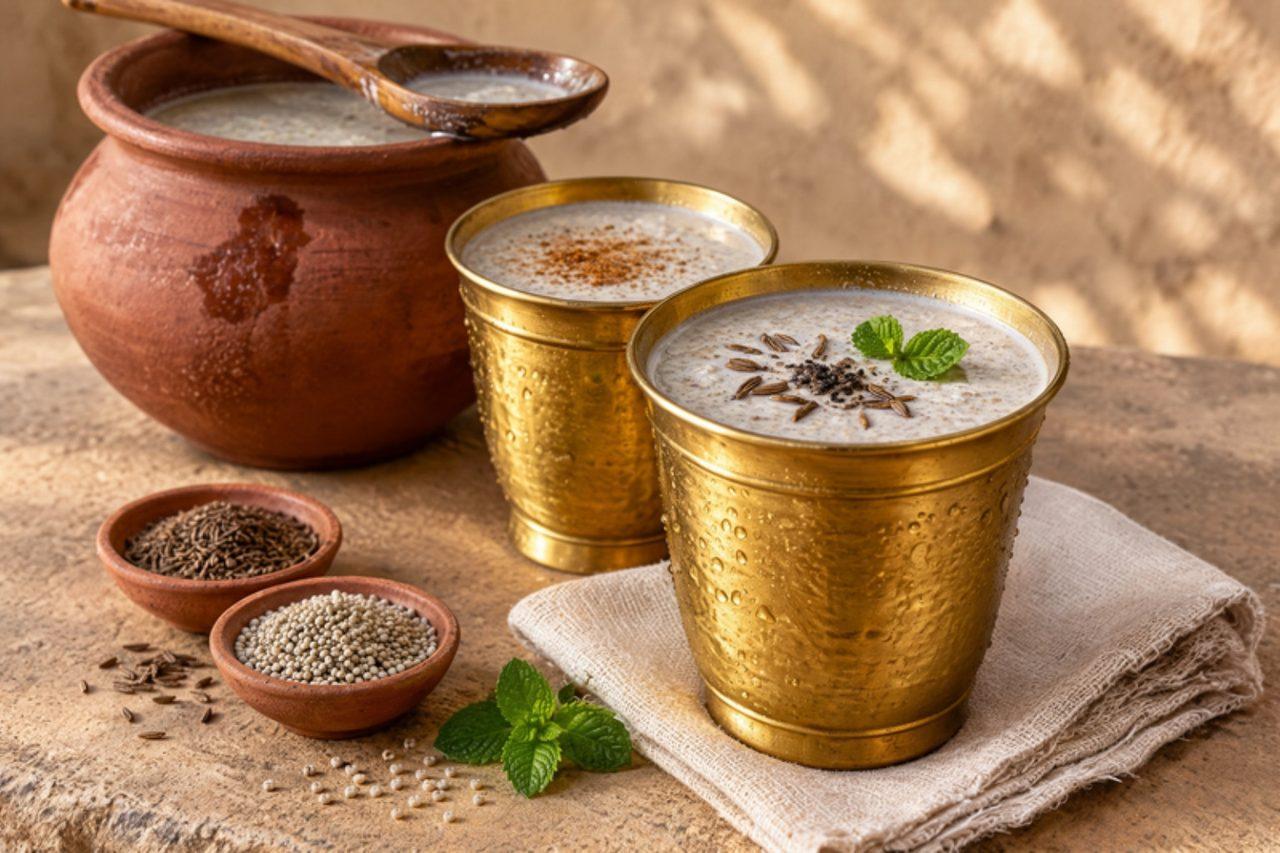
In the villages of Haryana and the Rajasthan border, raabdi is drunk at midday in May and June to keep cool in the fields. Pearl-millet flour is stirred into buttermilk and left to ferment for a few hours, then cooked slowly until thick, cooled in a clay pot and thinned with more buttermilk and salt. It tastes tangy and earthy, a little like a savoury porridge you can drink. Ferment at warm room temperature (25–32 °C) for 4–6 hours: it should smell pleasantly sour with a few bubbles. Throw it away if you see pink, black or furry mould or it smells rotten or of nail varnish. The common mistake is cooking on high heat, which scorches the millet and leaves raw lumps. Chef's tip: keep the cooked raabdi in the fridge and drink it within 2 days, thinning each glass to taste.

by KrazyBadal 0 views

Methi gajar

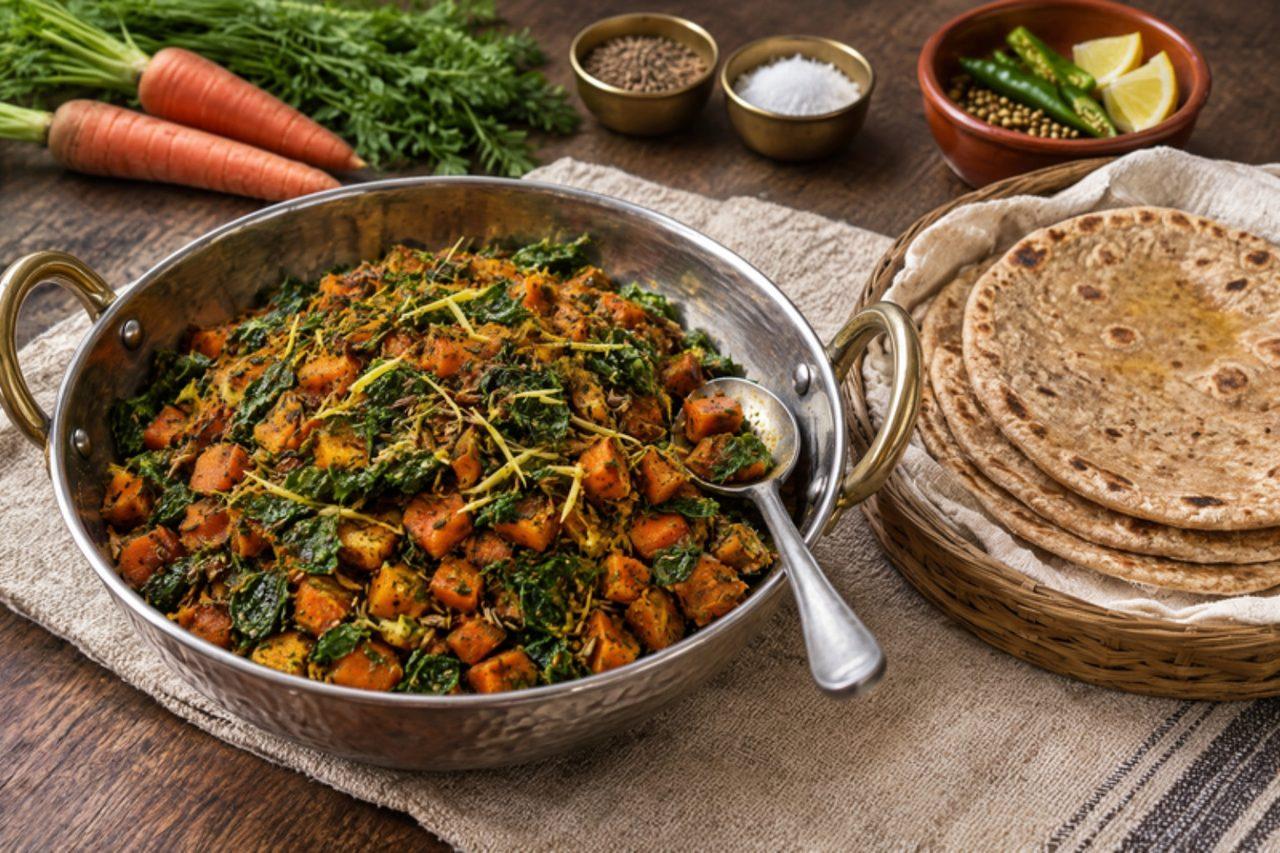
When the long red Delhi carrots and bunches of fresh methi fill the winter markets of Haryana and Punjab, this quick dry sabzi turns up beside every plate of rotis and dal. The slight bitterness of the fenugreek leaves and the sweetness of the carrots balance each other, helped along by a pinch of sugar and a squeeze of lemon. It takes about 25 minutes. The common mistake is adding the methi too early, which makes it bitter and dark. Chef's tip: rub the chopped methi with a little salt and squeeze it after 10 minutes; this tames the bitterness without losing the fragrance.

by KrazyBadal 0 views

Tangtur

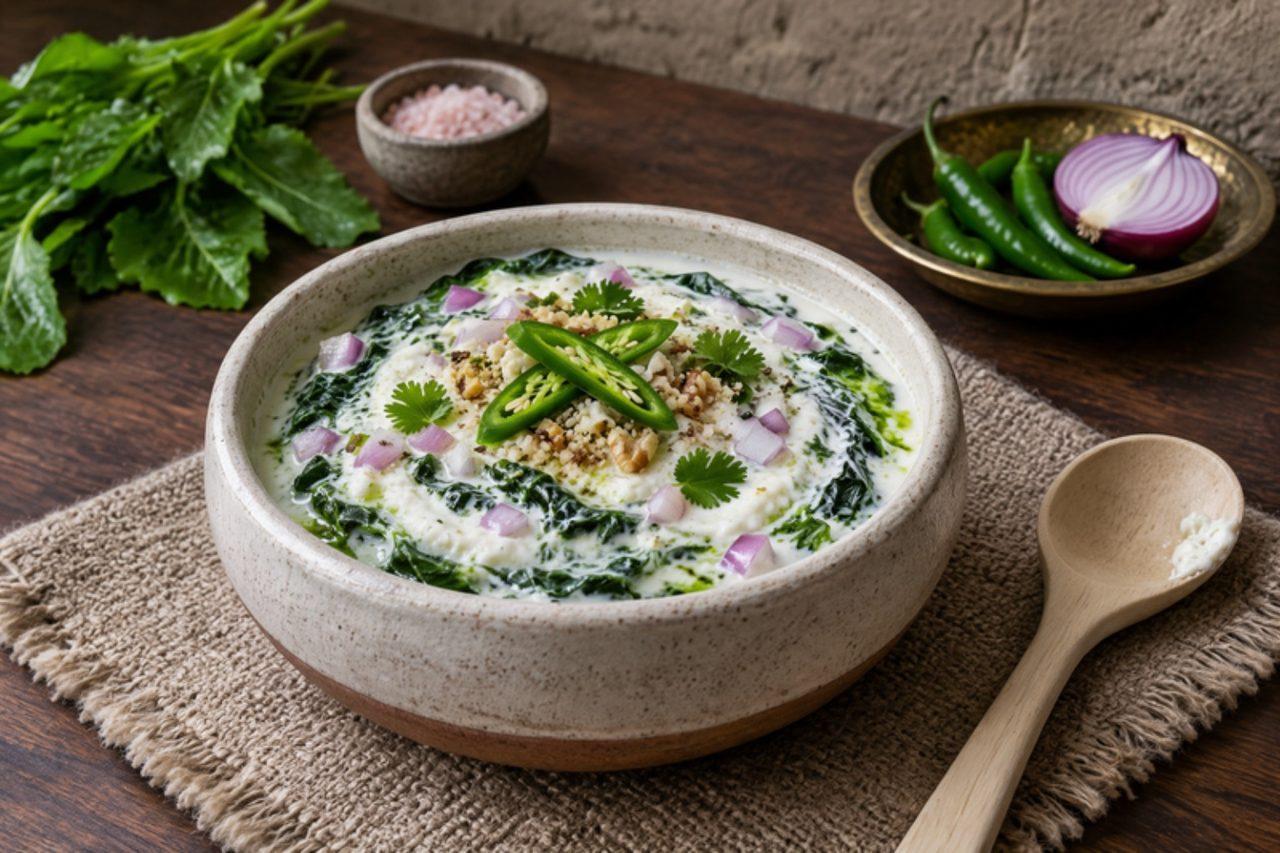
Through the short Ladakhi summer, when the fields around Leh are green, tangtur is on the table at almost every lunch: boiled leafy greens chopped into thick, cool curd or buttermilk with raw onion and green chilli. It is served beside paba, khambir or rice, and cuts through anything rich or spicy. In villages the greens may be wild ones gathered from field edges; spinach, mustard or radish leaves work well at home. The mistake to avoid is adding the greens while still hot, which splits the curd; cool them completely first. Chef's tip: squeeze the boiled greens really hard in your fist so the tangtur stays thick instead of watery.

by KrazyBadal 0 views

Goan tendli bhaji

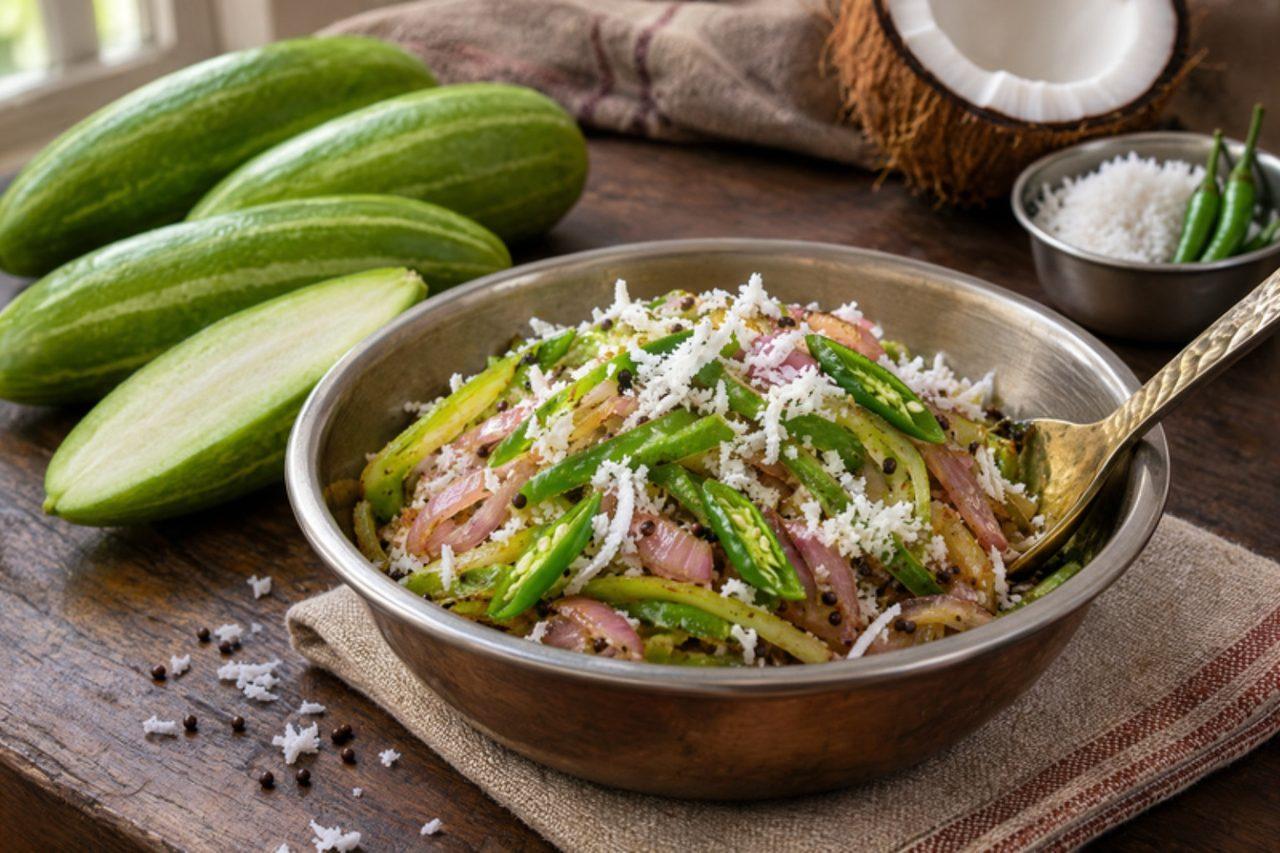
On an everyday Goan plate of rice, fish curry and a vegetable, the vegetable is very often this quick tendli bhaji. Thin rounds of ivy gourd are softened with onion and green chilli in coconut oil, then tossed with fresh grated coconut just before serving, so they stay crunchy-tender and sweet. Hindu homes make it without onion on fasting or puja days. The mistake to avoid is cutting the tendli thickly and covering the pan for too long, which gives grey, soggy rings; thin slices cooked mostly uncovered keep their green colour. Chef's tip: pick firm, bright green tendli and discard any that are red inside, as they are overripe and slimy.

by KrazyBadal 0 views

Goan pez

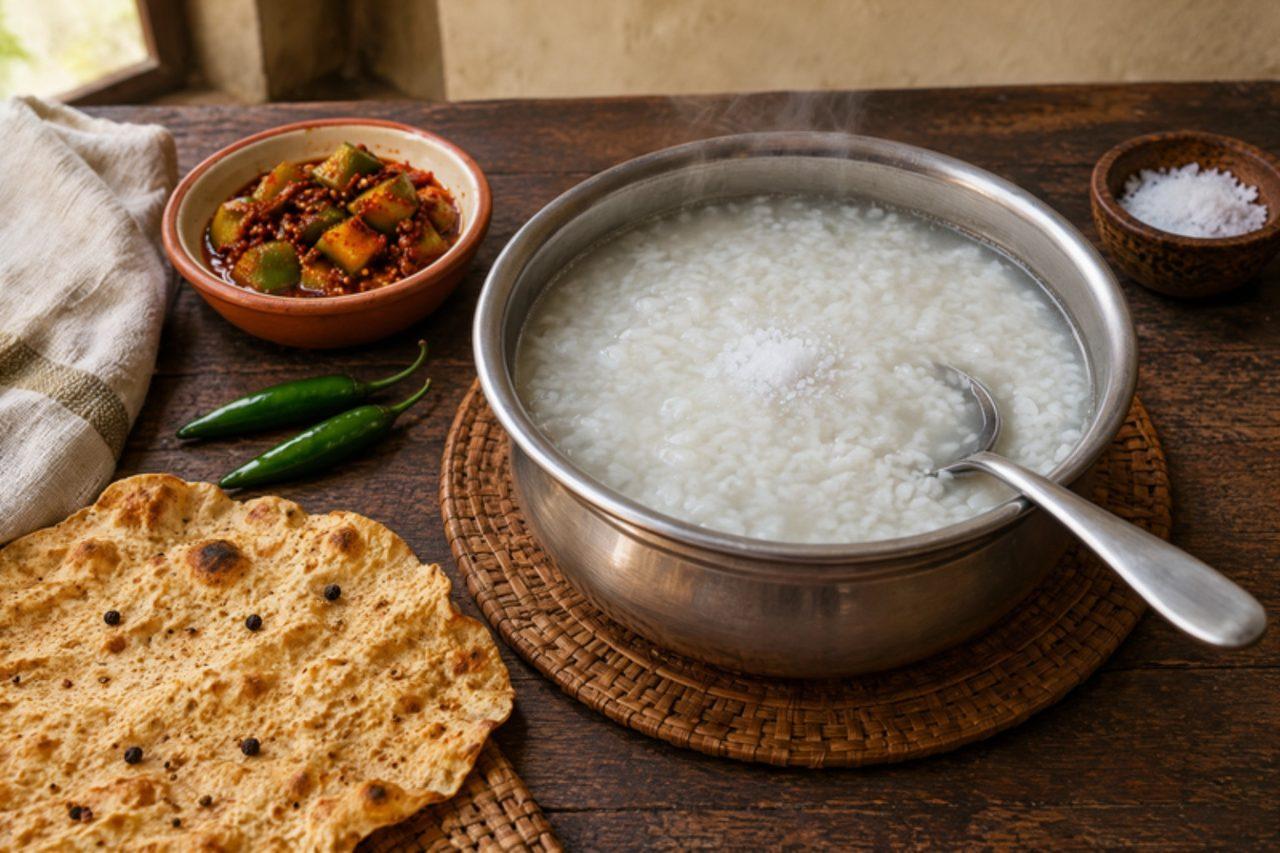
Pez is the plainest food in a Goan kitchen and one of the most loved: red parboiled rice simmered in plenty of water until the grains burst and the liquid turns milky. Fishermen and farmers ate it before a day's work, mothers serve it to anyone who feels unwell, and on heavy monsoon evenings it comes with a spoon of mango or lime pickle, a roasted papad and sometimes a dry fish or vegetable on the side. The mistake is cooking it in too little water so it becomes a sticky porridge; good pez has whole soft grains floating in thin, starchy broth. Chef's tip: stir in a little salt only at the end and let everyone add buttermilk or coconut milk to their own bowl.

by KrazyBadal 0 views

Mizo panch phoran tarkari

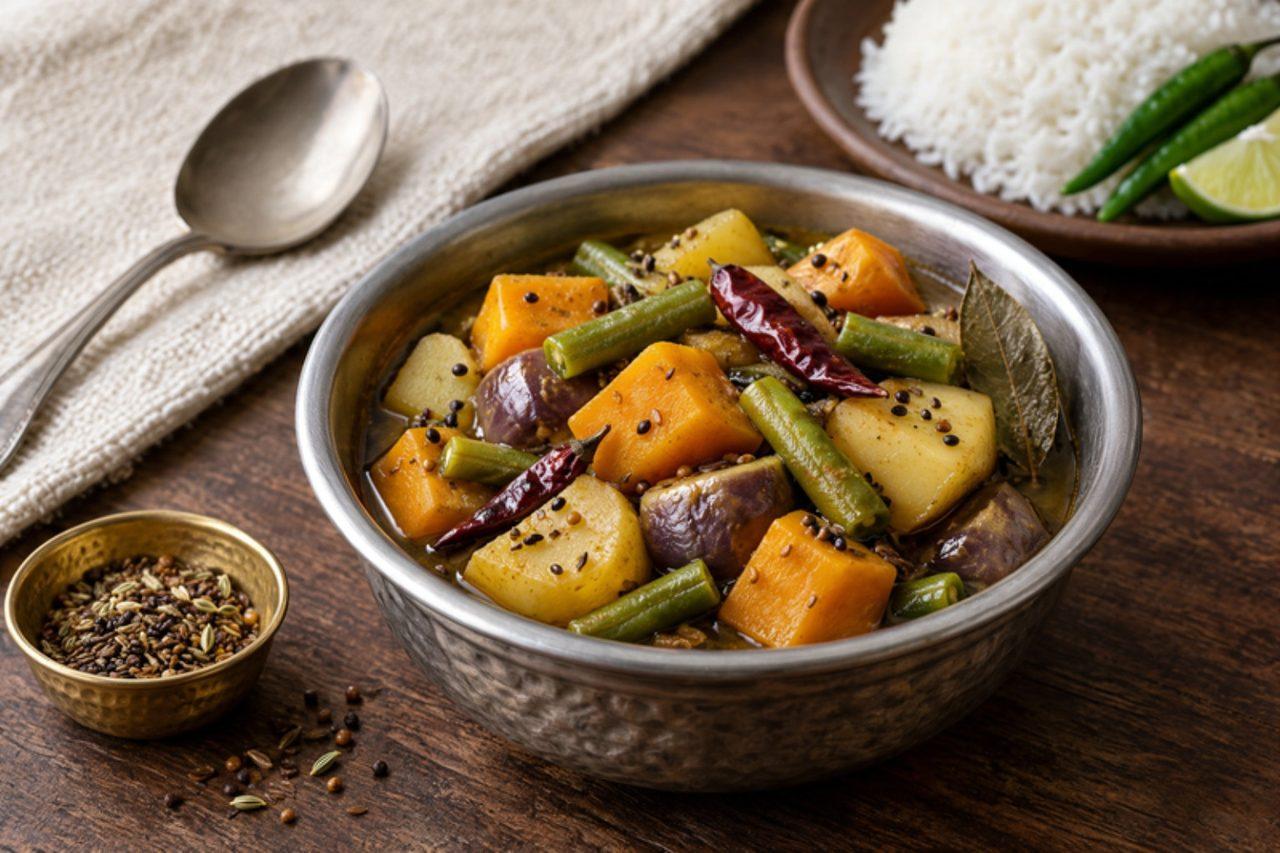
Mizo cooking uses very little oil and few spices, and this Aizawl tarkari of pumpkin, potato, brinjal and beans is a good example: a few seeds of panch phoron bloom in a spoonful of oil, the vegetables steam in their own juices and dinner is ready. It is eaten on weekdays with rice, dal and a sharp chilli relish. The common mistake is stirring too often, which mashes the pumpkin; turn it gently only once or twice. Chef's tip: cut everything about the same size so it cooks evenly.

by KrazyBadal 0 views

Chirmol

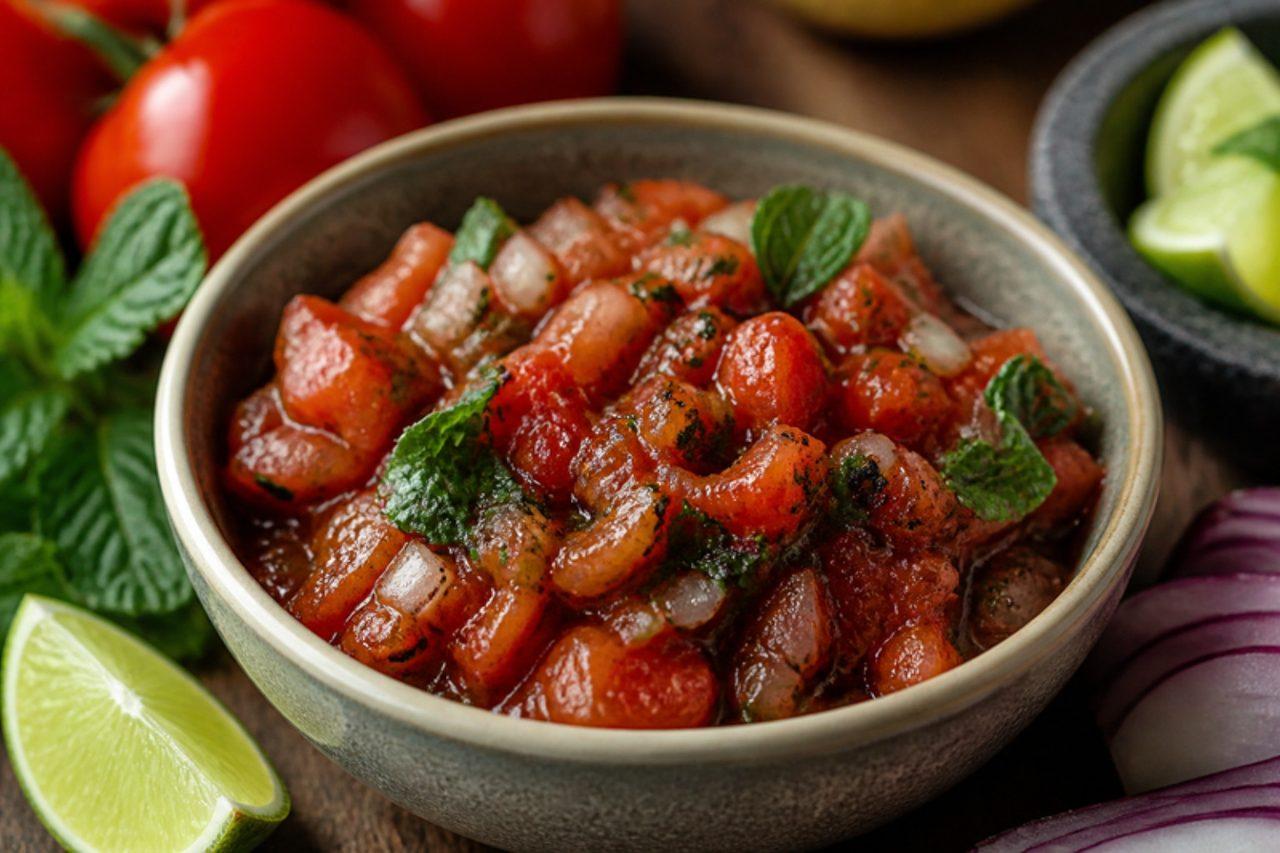
Wherever Guatemalans light a grill for Sunday carne asada, a bowl of chirmol sits beside it. The tomatoes are blackened on a comal until their skins split, then crushed with raw onion, lime and fresh mint, which is the herb that sets it apart from Mexican salsas. It is smoky, sharp and loose, meant to be spooned over grilled meat, black beans, eggs or plain rice. A common mistake is blending it smooth; chirmol should be chunky and juicy, crushed by hand or with a fork. Chef's tip: leave some of the charred skin in; those black flecks carry most of the smoky flavour.

by KrazyBadal 0 views

Surinamese peprewatra

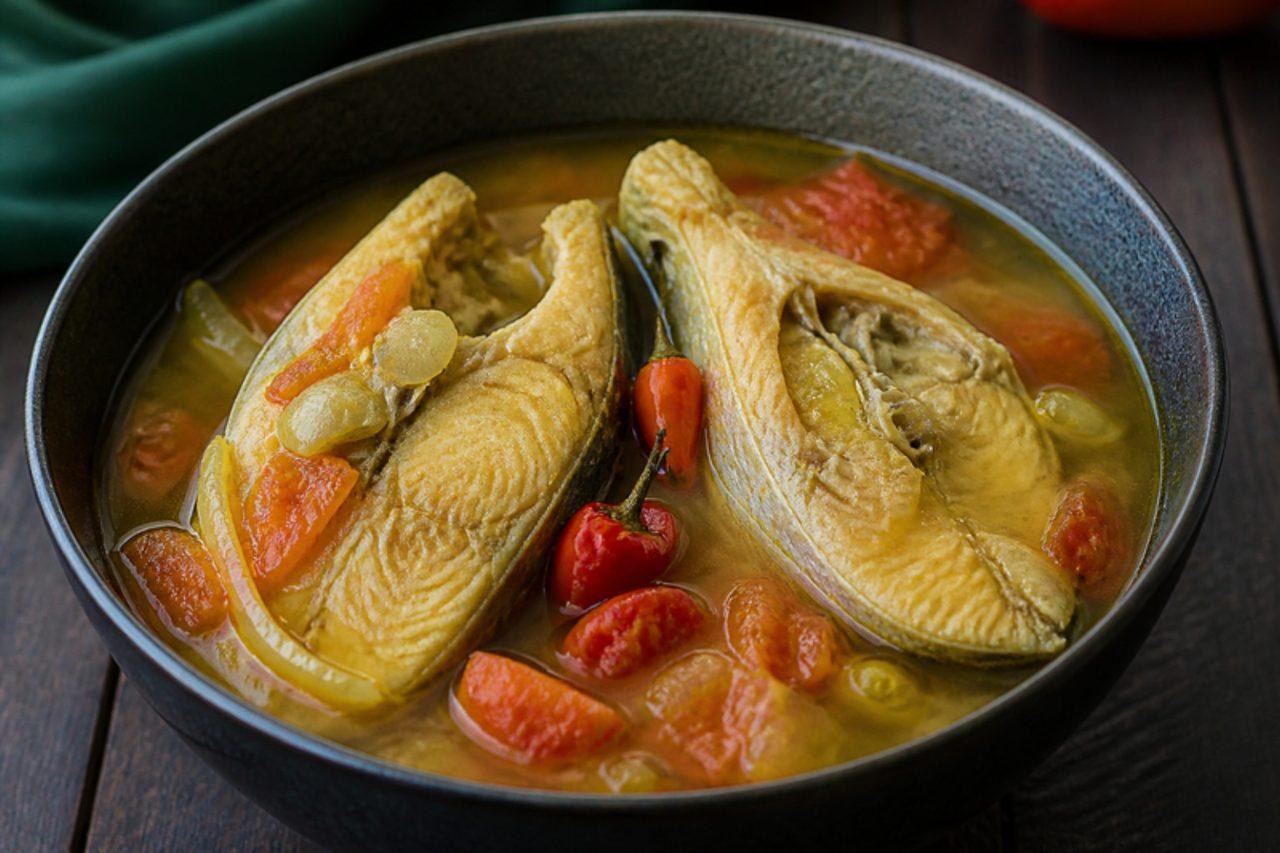
Peprewatra means 'pepper water' in Sranan Tongo, and in Paramaribo it is the broth people reach for after a long night, on a rainy day or when they feel a cold coming: a clear, very spicy fish soup with Madame Jeanette peppers, onion, tomato and lots of herbs, often with a few pieces of cassava or plantain to make it a meal. Use firm white fish steaks with the bone in for flavour. The usual mistake is boiling the fish hard, so it breaks into shreds; add it to the hot broth and keep it just simmering. Chef's tip: drop the whole pepper in first and pierce it once; take it out when the broth is as hot as you like it.

by KrazyBadal 0 views

Showing 24 of 483 recipes

Show more recipes

Page 1 of 21

More collections