
AI-generated image
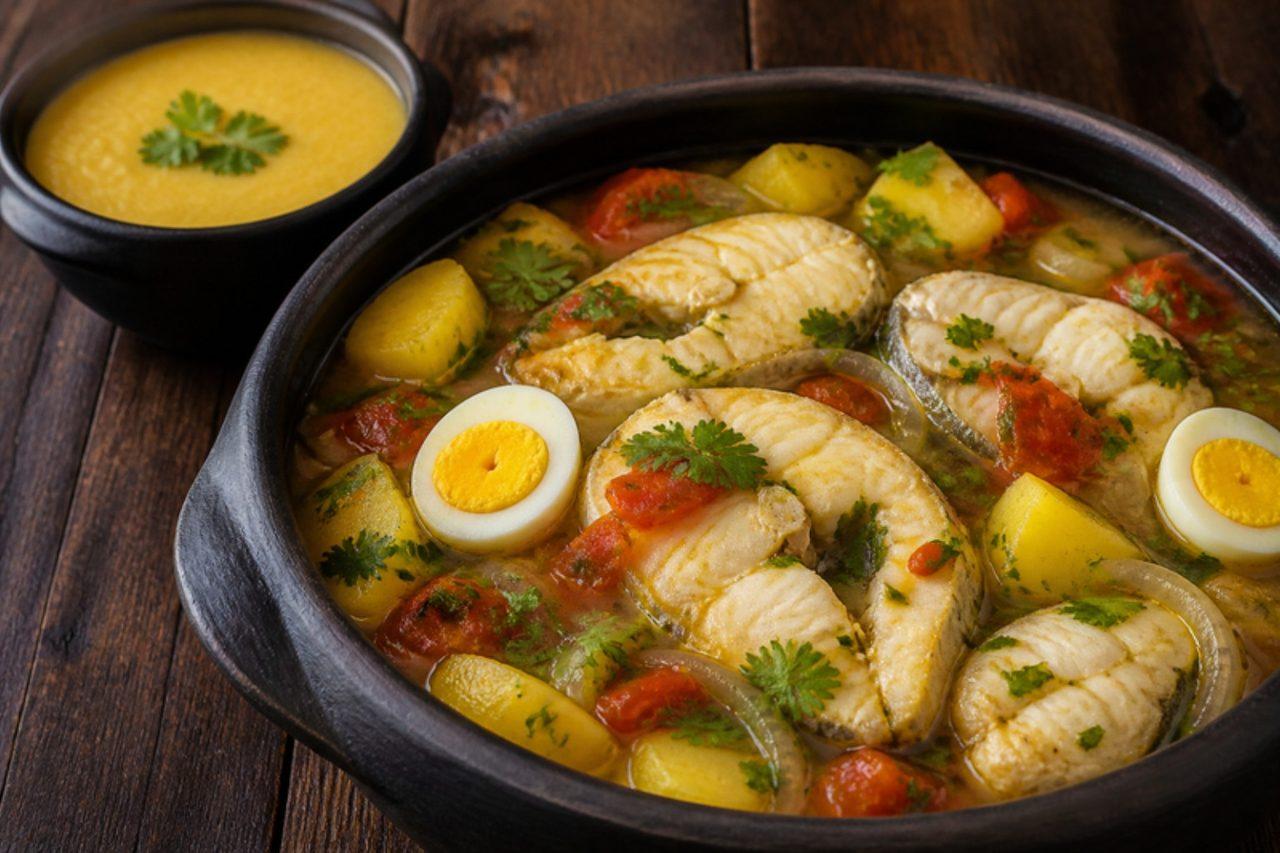
Caldeirada de tucunaré
Caldeirada de tucunaré: Manaus river-fish stew with potatoes, tomato, peppers and boiled eggs


Peacock bass, tucunaré, is the prize of the Rio Negro, and in Manaus it ends up in caldeirada: a layered pot of firm fish steaks, potatoes, tomatoes, onions and peppers, simmered in their own broth with coriander and culantro and finished with boiled eggs. Riverside restaurants and Sunday lunches serve it in big clay pots with white rice, pirão made from the broth and plenty of pimenta-de-cheiro. The broth is light, tangy and fresh, the fish sweet and meaty. Outside Brazil, use sea bass, snapper or any firm white fish cut into steaks. The commonest slip is stirring the pot once the fish is in; shake it gently instead so the steaks stay whole. Chef's tip: layer the potatoes at the bottom where the heat is strongest, so they finish cooking just as the fish turns opaque on top.
- Total time
- 65 min
- Difficulty
- medium
- Serves
- 6
Ingredients
To serve
Shop this recipe on Amazon
Spices & pantry
Links open Amazon in a new tab. As an Amazon Associate, WhatToEat.Today earns from qualifying purchases.
Method
0/6 doneStep 1: Rub 3 ⅓ lb tucunaré (peacock bass) steaks with 2 limes, 2 cloves garlic and 1 tsp salt, cover and leave in the fridge for 20 minutes.
20 minStep 2: Pour 4 tbsp olive oil into a wide, heavy pot and layer in 4 waxy potatoes, then half of 1 onions, 2 tomatoes and 1 green and red peppers. Sprinkle with the rest of 2 cloves garlic, 1 tsp ground annatto (colorau) and the rest of 1 tsp salt.
Step 3: Add 3 ¼ cups water, bring to the boil, cover and simmer on a medium-low heat for 15 minutes until the potatoes are almost tender.
15 minStep 4: Lay the fish on top in one layer, cover with the rest of 1 onions, 2 tomatoes and 1 green and red peppers and half of 0.5 bunch fresh coriander.
Step 5: Cover and simmer gently for 12–15 minutes, shaking the pot now and then rather than stirring, until the fish is opaque throughout and flakes easily.
15 minStep 6: Tuck 4 eggs in between the fish, scatter with the rest of 0.5 bunch fresh coriander and 3 pimenta-de-cheiro or other mild chilli, and serve from the pot with rice.
Nutrition per serving
- Calories
- 390 kcal
- Protein
- 46 g
- Carbs
- 22 g
- Fat
- 13 g
- Fibre
- 4 g
Nutrition values are estimates.
KrazyBadal
Good to know
- How long does caldeirada de tucunaré take?
- About 65 minutes in total: 25 minutes to prepare and 40 minutes to cook.
- How many people does it serve?
- 6 as written. Change the servings above the ingredients and every amount scales to match.
- Is it gluten free?
- Yes, as written. Check the labels on stock, sauces and spice mixes, which sometimes contain gluten.
- What can I use instead of limes?
- Lemon, same amount.
- What can I use instead of garlic?
- ½ tsp garlic paste or ⅛ tsp garlic powder per clove.
Reviews
No reviews yet. Be the first to cook it.
Rate this recipe
Sign in to rate and review this recipe.
You might also like
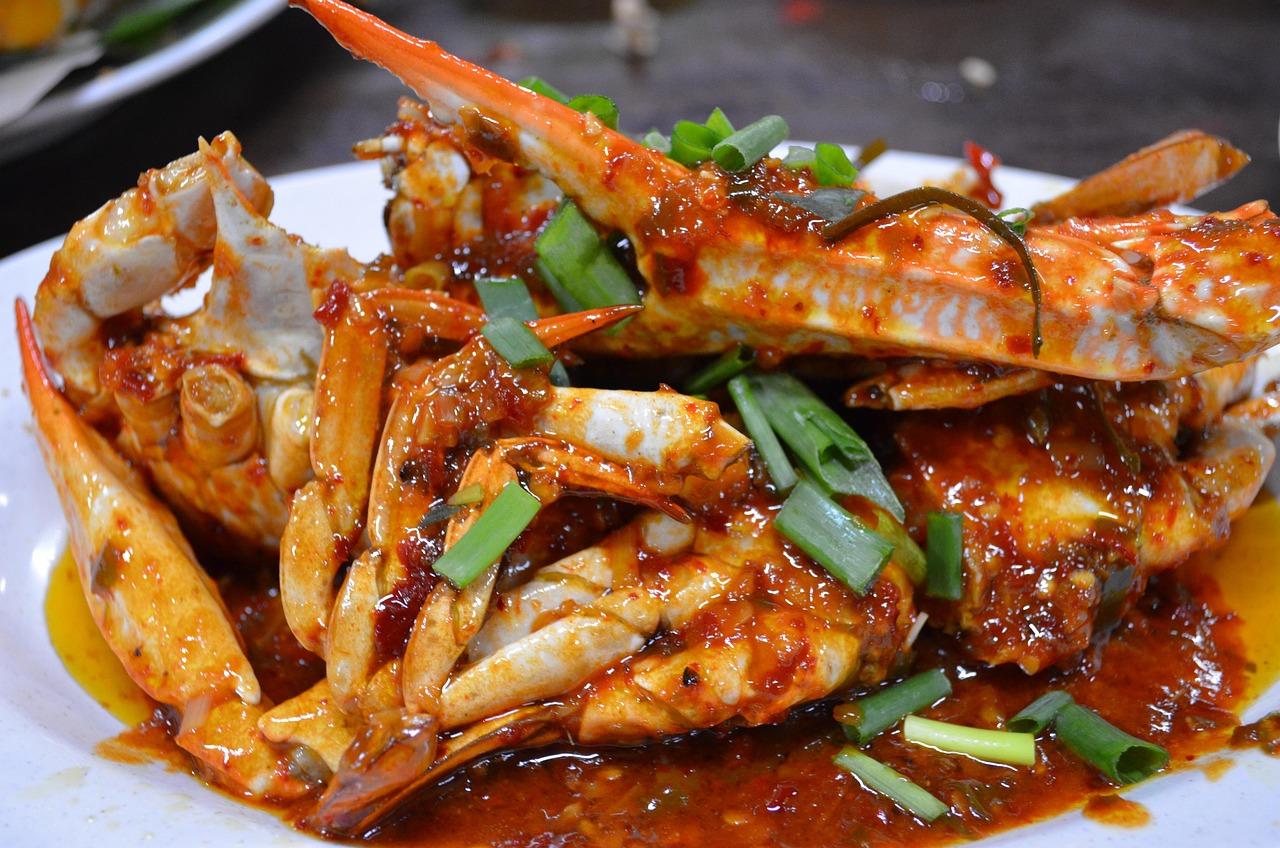
Singapore chilli crab
Chilli crab was first sold from a pushcart on the Kallang river in the 1950s and is now the dish visitors queue for along Singapore's East Coast seafood strip. Big mud crabs are cut up, wok-fried and simmered in a thick, sweet, tangy and gently hot sauce of chilli, tomato and garlic, which is then silked with beaten egg. Everyone eats with their hands and mops up the sauce with fried or steamed mantou buns. It is a weekend or celebration meal, messy and loud. Buy crabs live or freshly cooked the same day from a fishmonger you trust. Discard any live crab that doesn't move, smells of ammonia or has a cracked, leaking shell. The common mistake is boiling the sauce after adding the egg, which scrambles it into lumps; pour it in a thin stream over a low heat. Chef's tip: ask the fishmonger to clean and quarter the crab for you, and crack each claw lightly with the back of a cleaver so the sauce soaks in.
 Singaporean

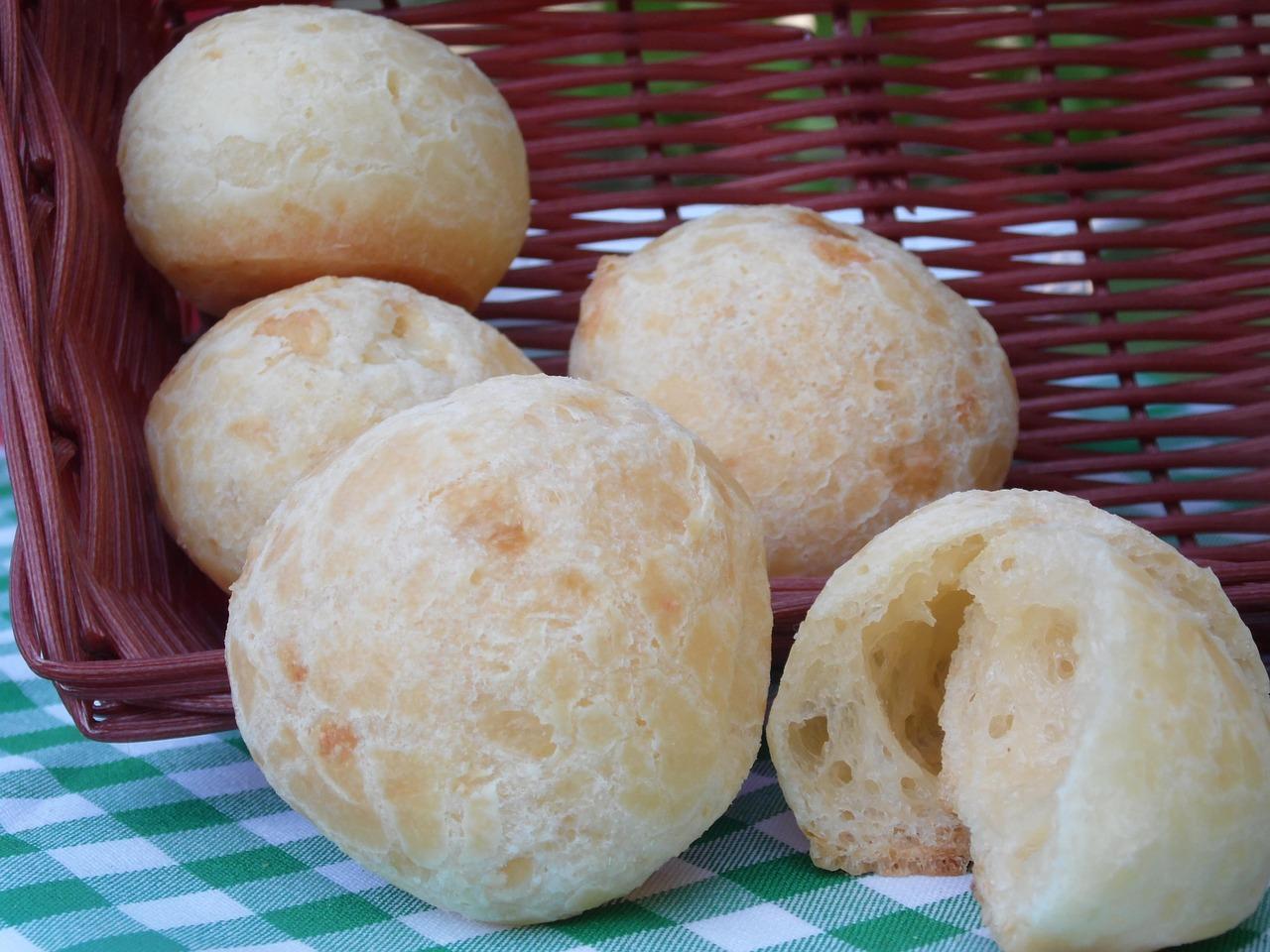
Pão de queijo
Pão de queijo comes from Minas Gerais, where every café and grandmother's kitchen has a tray in the oven for breakfast or afternoon coffee. Made with cassava starch (polvilho) instead of wheat flour, the little rolls are crisp and golden outside and stretchy, cheesy and almost hollow inside. Mineiros use queijo minas meia-cura; a mix of Parmesan-style cheese and mozzarella is the closest match elsewhere. Chef's tip: pour the boiling milk and oil over the starch (escaldar). Scalding cooks part of the starch, and that's what gives the chewy, elastic inside; and use some sour starch (polvilho azedo), which makes them puff up tall.


Limonada suíça
Limonada suíça is the creamy, frothy limeade served in juice bars and lunch counters all over Brazil. Despite the name ('Swiss lemonade'), nobody knows of any Swiss link, and it's made with whole Tahiti limes, blended briefly, skin and all, then strained and sweetened with condensed milk. It's cold, zingy and pale green, perfect with a hot lunch. Chef's tip: blend for no more than 10–15 seconds. Lime peel gives the drink its wonderful perfume, but blended too long it releases bitterness from the pith; serve it straight away for the same reason.