
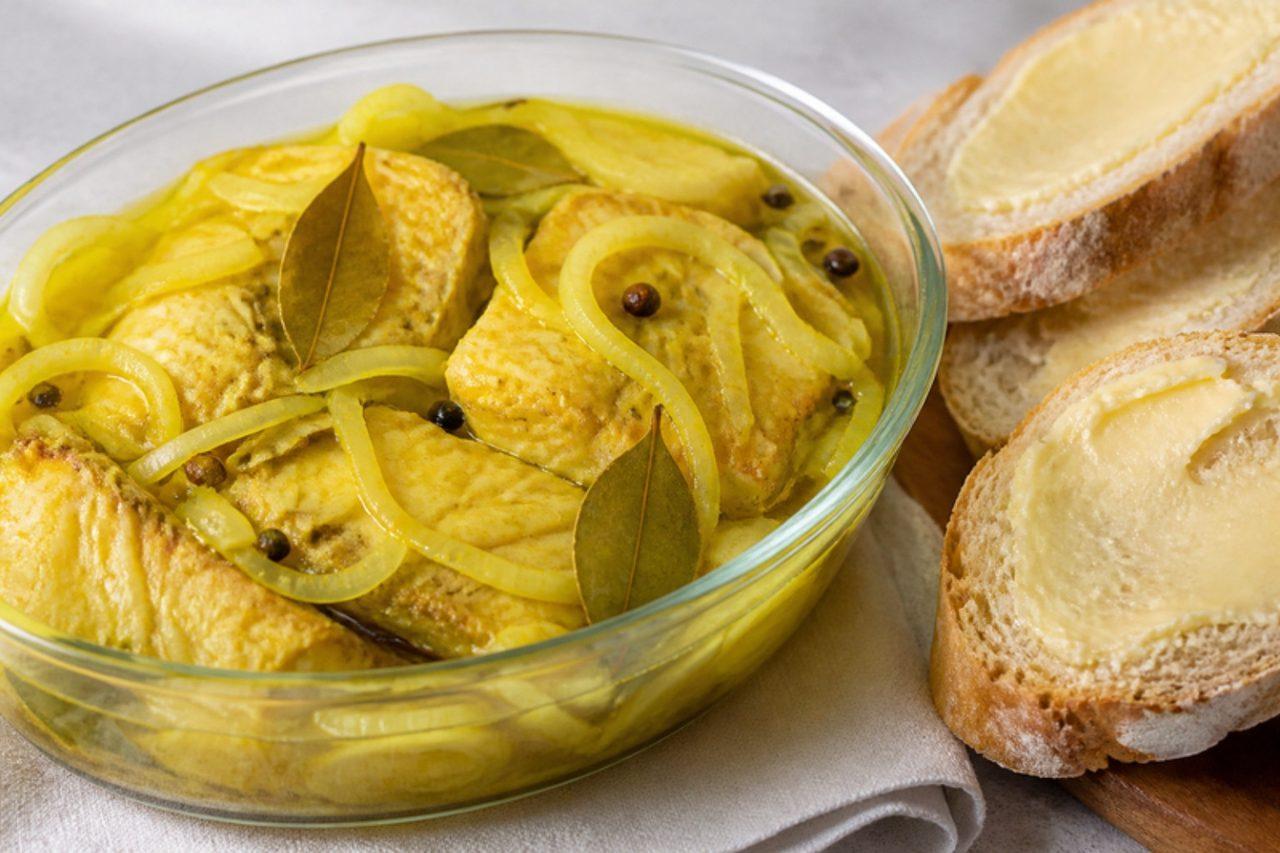
AI-generated image
Pickled fish
Curried pickled hake
Ingelegde vis: Cape Easter hake in a turmeric and curry onion pickle

Long before Good Friday, Cape Town kitchens fill with the smell of frying fish and boiling vinegar, because ingelegde vis has to be made two days ahead and is eaten cold over the Easter weekend with hot cross buns or buttered bread. Firm fillets of hake or yellowtail are fried until cooked through, then buried under rings of onion in a bright yellow, curry-scented sweet-and-sour pickle. The fish firms up and soaks up the sauce, and the onions stay slightly crunchy. Cook the onions too long and they turn limp and slimy in the jar, which is the mistake most first attempts make. Chef's tip: let the pickle cool until just warm before pouring it over, so the fried crust stays intact instead of turning to porridge.
- Total time
- 60 min
- Difficulty
- medium
- Serves
- 8
Ingredients
For the fish
- 2 ¼ lb skinless hake or yellowtail filletscut into 8 portions, bones removed
- 2 tsp salt
- 2 ⅛ oz plain flourfor dusting
- ¾ cup sunflower oilfor shallow frying
For the pickle
- 4 onionscut into 5 mm rings
- 2 cups brown or white grape vinegar
- 1 cup water
- 4 oz sugar
- 2 tbsp mild curry powder
- 1 tsp ground turmeric
- 2 cloves garlicsliced
- 1 tsp black peppercorns
- 1 red chilli (optional)sliced; optional
- 1 tbsp cornflourmixed with 2 tbsp cold water
Shop this recipe on Amazon
Spices & pantry
Fresh ingredients (4)
Links open Amazon in a new tab. As an Amazon Associate, WhatToEat.Today earns from qualifying purchases.
Method
0/8 doneStep 1: Pat 2 ¼ lb skinless hake or yellowtail fillets dry and season it all over with 1 ½ tsp salt. Dust each piece lightly in 2 ⅛ oz plain flour and shake off the excess.
Step 2: Heat ¾ cup sunflower oil in a large frying pan over a medium-high heat until a pinch of flour sizzles at once. Fry the fish in batches, 3–4 minutes a side, until golden outside and opaque all the way through, flaking easily when you press the thickest piece.
16 minStep 3: Lift the fish onto a rack or kitchen paper and let it cool completely.
Step 4: In a wide saucepan, bring 2 cups brown or white grape vinegar, 1 cup water, 4 oz sugar, 2 tbsp mild curry powder, 1 tsp ground turmeric, 2 cloves garlic, 8 allspice berries, 1 tsp black peppercorns, 6 bay leaves, 1 red chilli if using and the rest of ½ tsp salt to the boil, stirring until the sugar dissolves.
5 minStep 5: Add 4 onions and simmer over a medium heat for 4–5 minutes, just until they lose their raw bite but still have some crunch.
5 minStep 6: Stir in 1 tbsp cornflour and simmer for 1 minute more, until the pickle turns slightly glossy and thickened. Take it off the heat and let it cool until just warm.
1 minStep 7: Layer the fish and onions in a glass or ceramic dish (not aluminium), spooning pickle over each layer, and finish with onions and the rest of the liquid so the fish is covered.
Step 8: Once cool, cover and refrigerate for 2 days before eating, so the pickle soaks right in. Keep it in the fridge and eat within 5 days, always lifting pieces out with a clean spoon.
Nutrition per serving
- Calories
- 290 kcal
- Protein
- 21 g
- Carbs
- 30 g
- Fat
- 9 g
- Fibre
- 2 g
Nutrition values are estimates.
KrazyBadal
Good to know
- How long does pickled fish take?
- About 60 minutes in total: 20 minutes to prepare and 40 minutes to cook.
- How many people does it serve?
- 8 as written. Change the servings above the ingredients and every amount scales to match.
- Can I make it ahead?
- Yes. It keeps well, so you can cook it earlier in the day or the day before and reheat it.
- What can I use instead of plain flour?
- Self-raising flour, same amount (then leave out the baking powder).
- What can I use instead of onions?
- 2 shallots per onion.
Reviews
No reviews yet. Be the first to cook it.
Rate this recipe
Sign in to rate and review this recipe.
You might also like

Moreton Bay bugsSlipper lobster with garlic butter
Moreton Bay bugs are the flat, shovel-nosed slipper lobsters caught off the Queensland coast around Brisbane and the Sunshine Coast, and for Queenslanders they are a summer treat, split and grilled at the beach house. The tail meat is sweet and rich, somewhere between lobster and prawn. Buy them raw, frozen or fresh, from a fishmonger and ask them to halve them if you like. A common mistake is overcooking, which makes the meat rubbery; it is ready the moment it turns white. Chef's tip: grill flesh side down first to mark it, then turn and baste in the shell.
 Australian

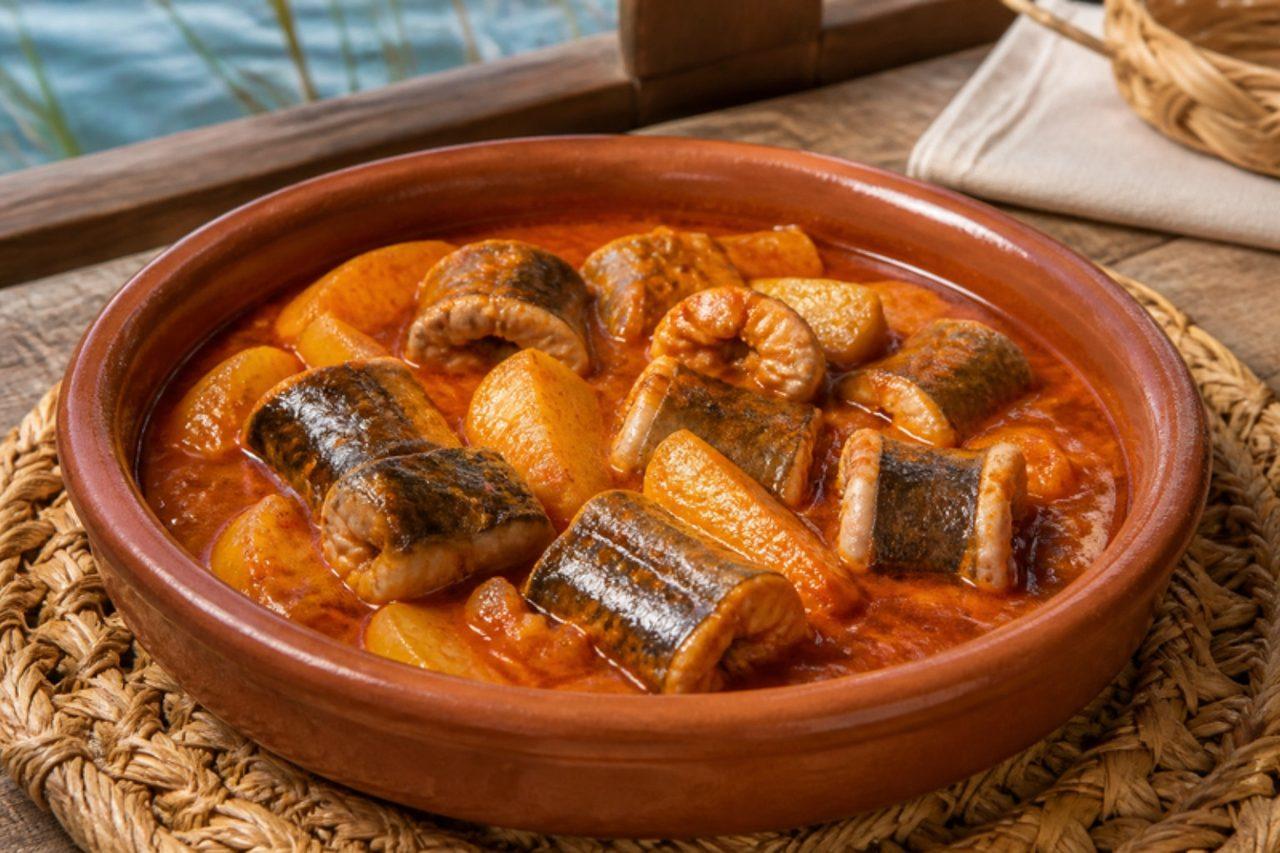
All i pebreEel and potato paprika stew
In El Palmar and the other villages around the Albufera lagoon south of Valencia, the restaurants that are famous for paella serve something older first: all i pebre, "garlic and pepper", a brick-red stew of lagoon eel and potatoes thickened with a pounded almond and fried-bread picada. It is rich, garlicky and gently hot, eaten with bread to mop up the sauce. Ask your fishmonger to skin and cut the eel, and handle it with gloves: raw eel blood is irritating, though harmless once cooked. If you can't find eel, monkfish or hake works well. A common mistake is letting the paprika burn; it turns bitter in seconds, so add it off the heat. Chef's tip: break the potatoes with a knife instead of cutting cleanly; the rough edges release starch and thicken the sauce.
 Spanish

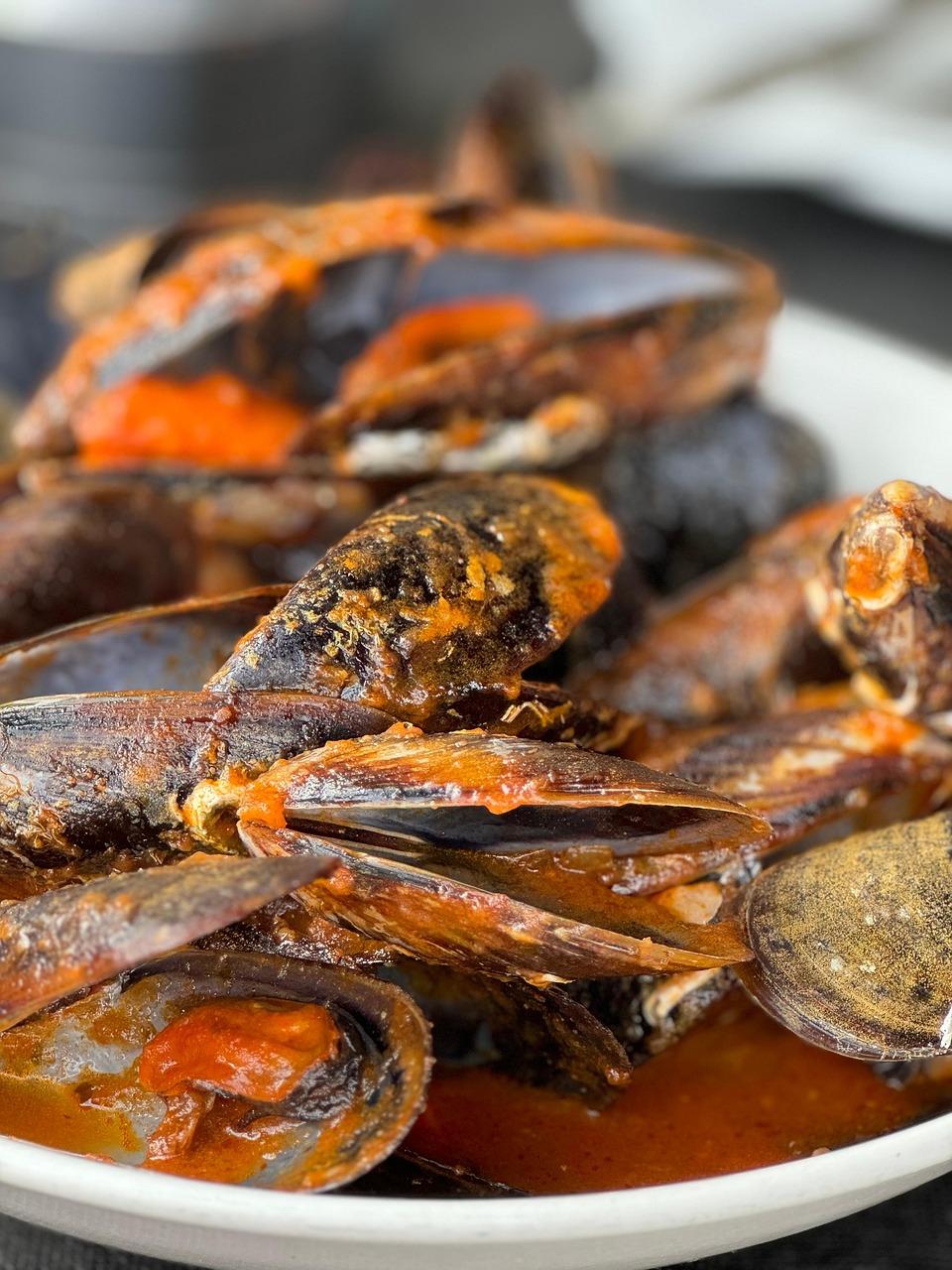
Midia saganakiMussels with tomato and feta
Thessaloniki is Greece's mussel capital, with farms in the Thermaic Gulf a few kilometres from the seafront ouzeries where this two-handled pan arrives, still bubbling, at the table. Mussels steam open in a quick sauce of peppers, tomato and chilli, and crumbled feta melts into the juices at the end. Bread is essential. The classic version adds a splash of ouzo; this one is alcohol-free, using a pinch of fennel seed for that aniseed note (add 2 tbsp ouzo with the tomatoes if you like). Common mistake: overcooking — take the pan off the heat as soon as the shells open. Chef's tip: buy mussels on the day and keep them in the fridge in a bowl covered with a damp cloth, never in water.
 Greek