
AI-generated image
Chanko nabe
Chicken meatball hot pot
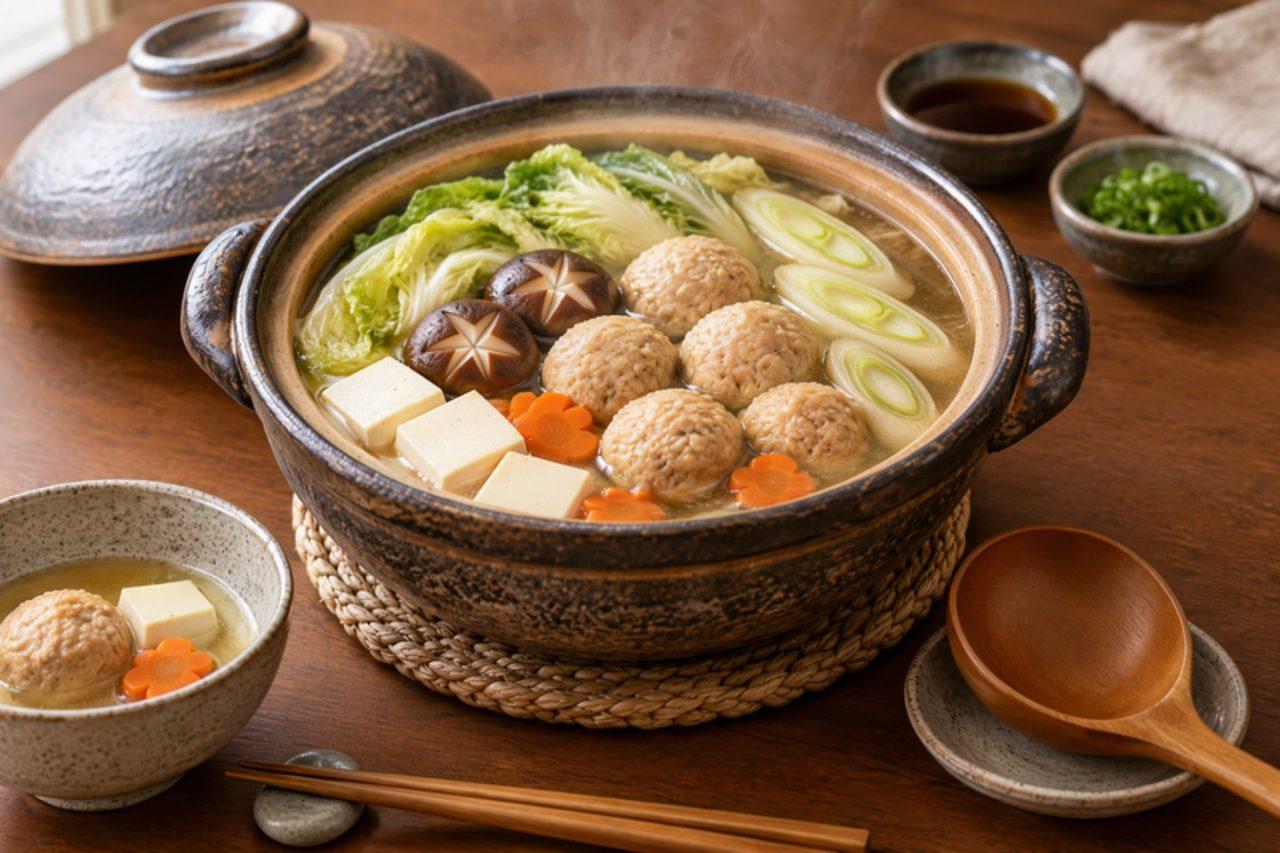
ちゃんこ鍋 (chanko nabe): the sumo stables' chicken-meatball hot pot with tofu and vegetables in light dashi

Chanko nabe is the daily meal of the sumo stables around Ryōgoku in east Tokyo, where young wrestlers cook a huge pot after morning practice and the senior ranks eat first. At home it is a winter supper cooked on a tabletop burner or on the hob: a clear chicken and kombu dashi seasoned lightly with soy, then loaded with ginger-scented chicken meatballs, tofu, napa cabbage, leek, carrot and mushrooms. Everything cooks in the one pot, and the last of the broth is often finished with udon or rice. The usual mistake is boiling the pot hard once the meatballs go in, which turns the broth cloudy and the tofu ragged; keep it at a lazy simmer. Chef's tip: shape the meatballs with two wet spoons and drop them in before the vegetables, so they flavour the broth while the cabbage softens.
- Total time
- 60 min
- Difficulty
- medium
- Serves
- 4
Ingredients
For the broth
- ⅓ oz kombu (dried kelp)a 10 cm piece
- 6 ¼ cups water
- 10 ½ oz chicken wings
- 3 tbsp light soy sauce
- 1 tsp sugar
- ½ tsp salt
For the meatballs
- 14 oz minced chicken (thigh)
- 1 tbsp fresh gingerfinely grated
- 2 spring onionsfinely chopped
- 1 egg
- 1 tbsp potato starch or cornflour
- 1 tbsp white miso
For the pot
- 10 ½ oz firm tofucut into 3 cm cubes
- 14 oz napa cabbagecut into 4 cm pieces
- 1 Japanese leek or thin leeksliced on the diagonal
- 1 carrotsliced into thin rounds
- 8 fresh shiitake mushroomsstems removed
- 3 ½ oz enoki mushroomsroots trimmed
Shop this recipe on Amazon
Fresh ingredients (12)
Links open Amazon in a new tab. As an Amazon Associate, WhatToEat.Today earns from qualifying purchases.
Method
0/8 doneStep 1: Wipe the ⅓ oz kombu (dried kelp) and soak it in the 6 ¼ cups water in a wide casserole for at least 20 minutes. Heat slowly and lift out the kombu just before the water boils.
25 minStep 2: Add the 10 ½ oz chicken wings and simmer gently for 20 minutes, skimming off any foam. Turn off the heat, scatter in the ½ oz dried bonito flakes (katsuobushi), wait 3 minutes, then strain the broth and pull the meat from the wings back into it.
25 minStep 3: Season the broth with 3 tbsp light soy sauce, 1 tsp sugar and ½ tsp salt. It should taste light and savoury, not salty.
2 minStep 4: Meanwhile mix 14 oz minced chicken (thigh), 1 tbsp fresh ginger, 2 spring onions, 1 egg, 1 tbsp potato starch or cornflour and 1 tbsp white miso in a bowl and beat with a spoon for 1 minute until sticky.
3 minStep 5: Bring the broth to a gentle simmer. Scoop walnut-sized meatballs with two wet spoons and drop them in. Simmer for 6 minutes until they float and feel firm.
8 minStep 6: Arrange 14 oz napa cabbage (thick stems first), 1 Japanese leek or thin leek, 1 carrot, 8 fresh shiitake mushrooms and 10 ½ oz firm tofu in sections around the pot. Cover and simmer for 8 minutes until the cabbage stems are tender.
8 minStep 7: Add 3 ½ oz enoki mushrooms and 3 ½ oz garland chrysanthemum or spinach and cook 1–2 minutes more until just wilted. Check a meatball: it should be white all the way through and reach 165°F in the centre.
2 minStep 8: Bring the pot to the table and serve in bowls with plenty of broth. Add more vegetables to the remaining broth as you eat, and finish with udon or rice if you like.
1 min
Nutrition per serving
- Calories
- 380 kcal
- Protein
- 36 g
- Carbs
- 16 g
- Fat
- 18 g
- Fibre
- 5 g
Nutrition values are estimates.
KrazyBadal
Good to know
- How long does chanko nabe take?
- About 60 minutes in total: 25 minutes to prepare and 35 minutes to cook.
- How many people does it serve?
- 4 as written. Change the servings above the ingredients and every amount scales to match.
- What can I use instead of light soy sauce?
- Tamari, same amount (gluten free).
- What can I use instead of sugar?
- Caster sugar, same amount.
Reviews
No reviews yet. Be the first to cook it.
Rate this recipe
Sign in to rate and review this recipe.
You might also like
Tiyula itumBlack beef soup
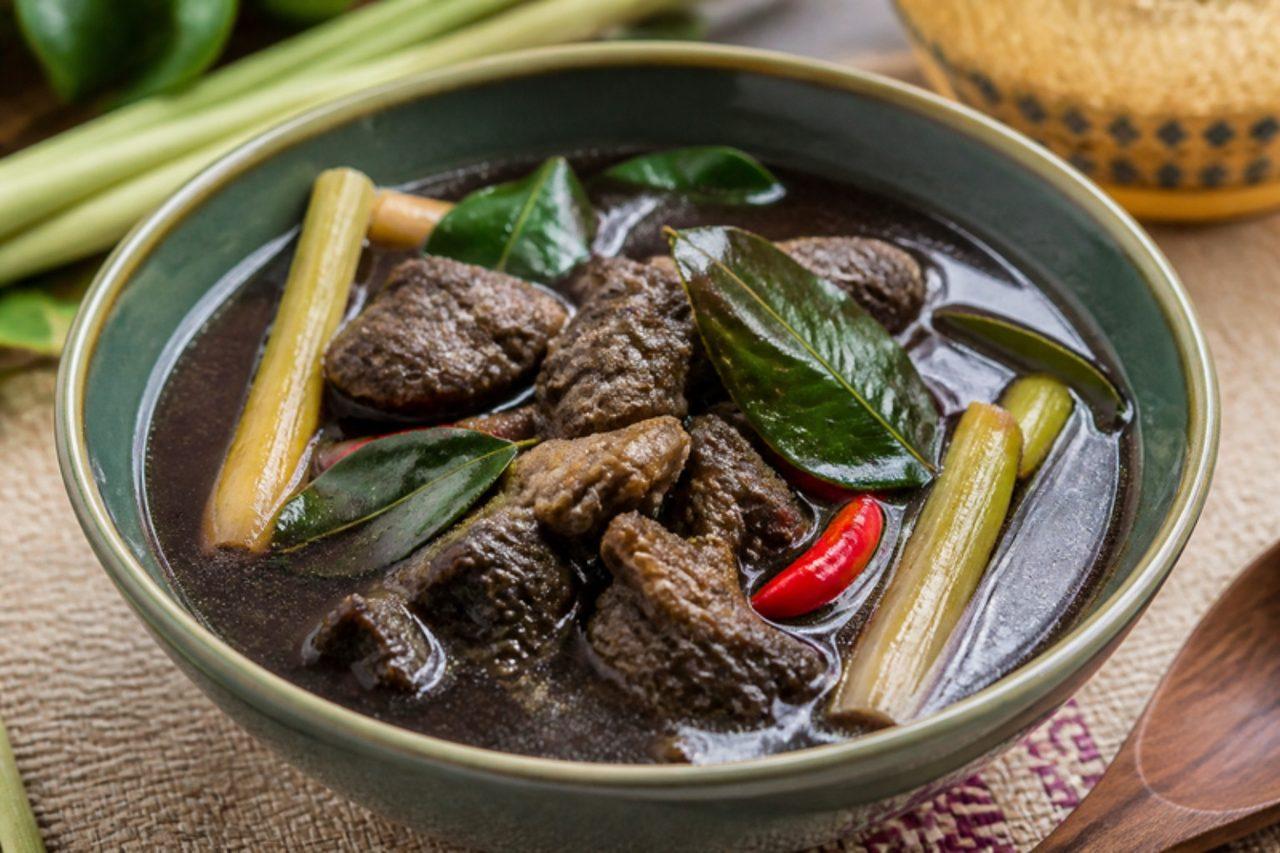
Tiyula itum, 'black soup', is the pride of the Tausug people of Sulu in the far south of the Philippines, cooked for weddings, Eid celebrations and when guests come home. Beef (it is a halal, pork-free dish) is simmered with ginger, lemongrass and turmeric, then darkened with pamapa itum, a paste of grated coconut toasted until almost black and pounded with spices. The broth looks dramatic but tastes smoky, earthy and gently peppery, with heat from chillies. Serve it with plain rice. Chef's tip: toast the coconut slowly, stirring all the time, until it is very dark brown but not ashy; burnt-to-ash coconut tastes bitter and ruins the soup.
 Filipino

BabboucheSpiced snail broth
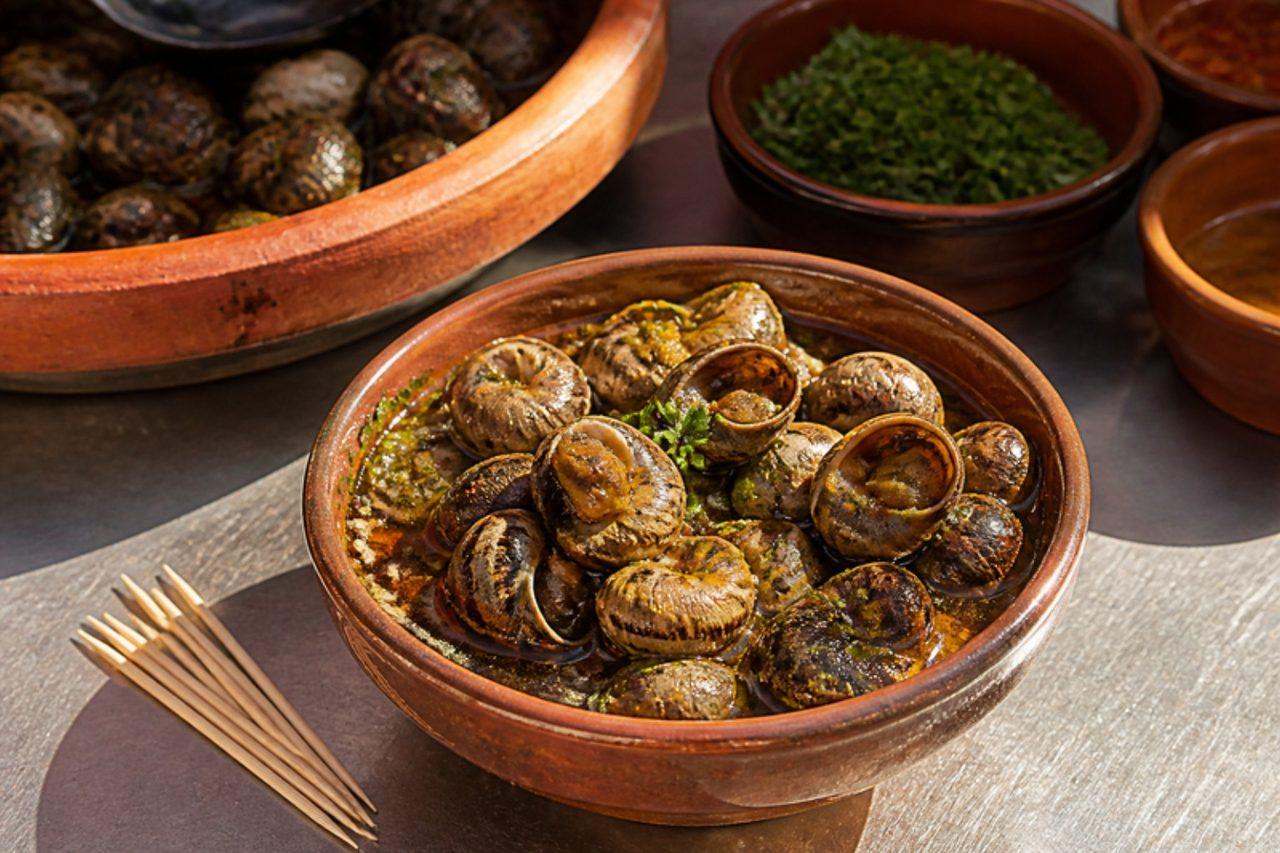
After dark in Marrakech's great square, the babbouche stalls are recognisable by their steaming cauldrons and the toothpicks laid out by every bowl. Small land snails simmer in a dark broth of liquorice root, aniseed, thyme, caraway, bitter orange peel, chilli and a bundle of herbs that sellers say has fifteen ingredients, believed to soothe the stomach and warm you on a cold night. You pick the snails out with a toothpick, then drink the peppery, herbal, faintly sweet broth. At home, buy live snails sold for cooking, already purged by a reputable seller, discard any with broken shells or that do not move or retract when touched, and cook them through for at least 45 minutes. Chef's tip: keep the spices in a muslin bag; the broth stays clear and you avoid crunching on seeds.
 Moroccan
Ful nabitSprouted fava bean soup
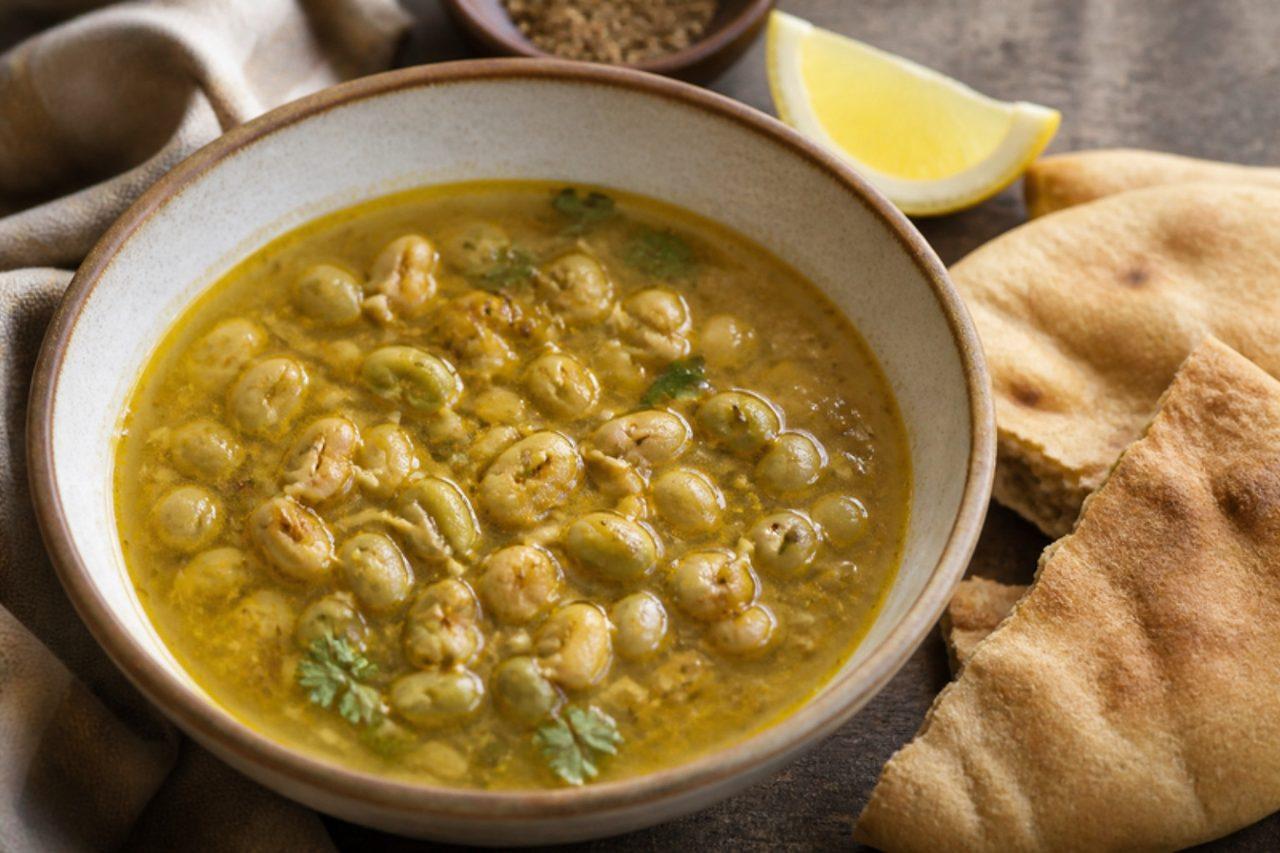
Sprouted beans are ladled out with their cooking liquor in Cairo homes when the weather turns cold or someone is feeling run down, and Egyptians swear by the broth as a pick-me-up. The beans are soaked and left to sprout for a few days, then simmered with onion, garlic and cumin into a light, earthy soup that is sharpened at the table with plenty of lemon. You can eat the beans with a spoon or pop them from their skins. Allow 3 to 4 days for sprouting, although the hands-on work is only about 20 minutes. People with G6PD deficiency (favism) must not eat fava beans. Chef's tip: stop the sprouting when the shoots are about 1 cm long; longer sprouts taste grassy and bitter.
 Egyptian
