
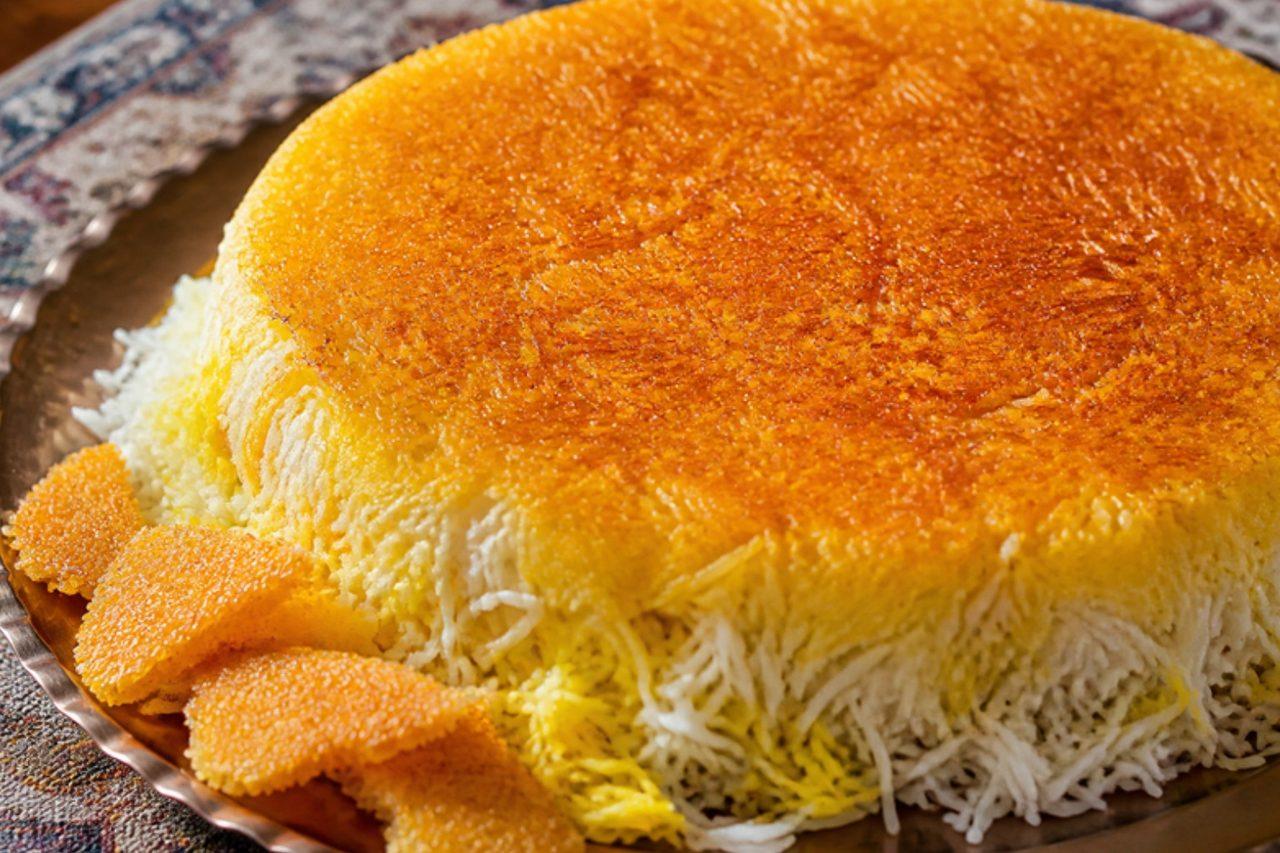
AI-generated image
Chelow with tahdig
Chelow ba tahdig: Persian steamed saffron rice with a golden crust

Chelow is the plain, fluffy steamed rice at the centre of almost every Iranian lunch table, and tahdig ('bottom of the pot') is the crisp golden crust that forms underneath it. In homes from Tehran to Isfahan the pot is turned out at the table and the shards of tahdig are fought over before anyone touches the stew. The method is the master one for all Persian polo dishes: long-grain rice is soaked, boiled briefly, then steamed slowly under a cloth-wrapped lid so every grain stays separate and long. This page gives a yogurt-and-saffron tahdig, with potato and flatbread versions in the steps. Serve it with ghormeh sabzi, a yogurt dip and fresh herbs. Chef's tip: turn the heat up for the first 10 minutes until you hear a steady sizzle, then right down; that early burst is what sets the crust.
- Total time
- 90 min
- Difficulty
- medium
- Serves
- 6
Ingredients
For the rice
For the saffron and tahdig
Method
0/14 doneStep 1: Rinse 1 ⅛ lb basmati rice in a large bowl of cold water, swirling with your fingers and pouring off the cloudy water. Repeat 5–6 times, until the water runs almost clear. This washes off loose starch so the grains don't stick.
5 minStep 2: Cover the rice with fresh cold water, stir in 1 tablespoon of 1 tbsp salt and leave to soak for at least 1 hour, or up to 4. Soaked grains lengthen instead of breaking.
60 minStep 3: Meanwhile, put the ground ½ tsp saffron threads in a small cup, set 2 ice cubes on top and let it melt slowly. Melting ice draws out a deep orange colour; leave it to stand while you cook.
Step 4: Bring 12 ½ cups water to a rolling boil in a large pot over a high heat and add the rest of 3 tbsp salt. It should taste salty like the sea; most of it drains away.
Step 5: Drain the rice and tip it into the boiling water. Stir once gently. Boil uncovered for 5–7 minutes, skimming any foam. Start testing at 5 minutes: bite a grain; the outside should be soft and the very centre still firm, and the grain should bend without snapping.
7 minStep 6: The most common mistake is boiling the rice for too long: once the centre is soft it turns mushy in the steaming. As soon as the grains are just al dente, drain into a fine colander and rinse with lukewarm water to stop the cooking.
Step 7: Spoon about 3 large spoonfuls of the rice into a bowl and mix with 3 tbsp plain yogurt, 2 tablespoons of 2 tbsp sunflower oil and a third of the saffron water. This is the tahdig layer.
Step 8: Choose a heavy non-stick pot about 24 cm wide. Heat the rest of 3 tbsp sunflower oil in it over a medium heat. Spread the yogurt rice over the base and press it flat with the back of a spoon. (For potato tahdig, lay 1 waxy potato slices in a single layer in the oil first and put a thin layer of plain rice on top. For a flatbread crust, line the base with a round of lavash brushed with saffron oil.)
Step 9: Pile the rest of the rice on top in a loose pyramid, a spoonful at a time, without pressing it down. Poke 5–6 holes down to the base with the handle of a wooden spoon so steam can escape.
Step 10: Drizzle half of ⅔ oz butter and 3 tablespoons of water over the mound. Wrap the lid in a clean tea towel, tying the corners on top so they can't touch the flame, and cover the pot tightly.
Step 11: Cook over a medium-high heat for 8–10 minutes, until you hear a steady crackling and see steam escaping from under the lid.
10 minStep 12: Turn the heat down to its lowest setting and steam for 45–50 minutes. The rice is ready when the top grains are fluffy, long and dry, and the edge of the crust looks deep golden where it meets the pot.
50 minStep 13: Take a few spoonfuls of the top rice, toss with the rest of the saffron water and the remaining ⅔ oz butter, and keep aside. This is the saffron rice for decorating.
Step 14: Set the pot base in a sink with 2 cm of cold water for 1 minute; the hiss loosens the crust. Spoon the white rice onto a platter, scatter the saffron rice over it, then turn out or lift the tahdig in pieces and serve it on the side, crisp side up.
1 min
Nutrition per serving
- Calories
- 420 kcal
- Protein
- 7 g
- Carbs
- 70 g
- Fat
- 13 g
- Fibre
- 1 g
Nutrition values are estimates.
KrazyBadal
Good to know
- How long does chelow with tahdig take?
- About 90 minutes in total: 20 minutes to prepare and 70 minutes to cook.
- How many people does it serve?
- 6 as written. Change the servings above the ingredients and every amount scales to match.
- Is it vegetarian?
- Yes. It has no meat or fish.
- Is it gluten free?
- Yes, as written. Check the labels on stock, sauces and spice mixes, which sometimes contain gluten.
- What can I use instead of basmati rice?
- Any long-grain rice, same amount.
- What can I use instead of plain yogurt?
- Sour cream or buttermilk, same amount.
Reviews
No reviews yet. Be the first to cook it.
Rate this recipe
Sign in to rate and review this recipe.
You might also like
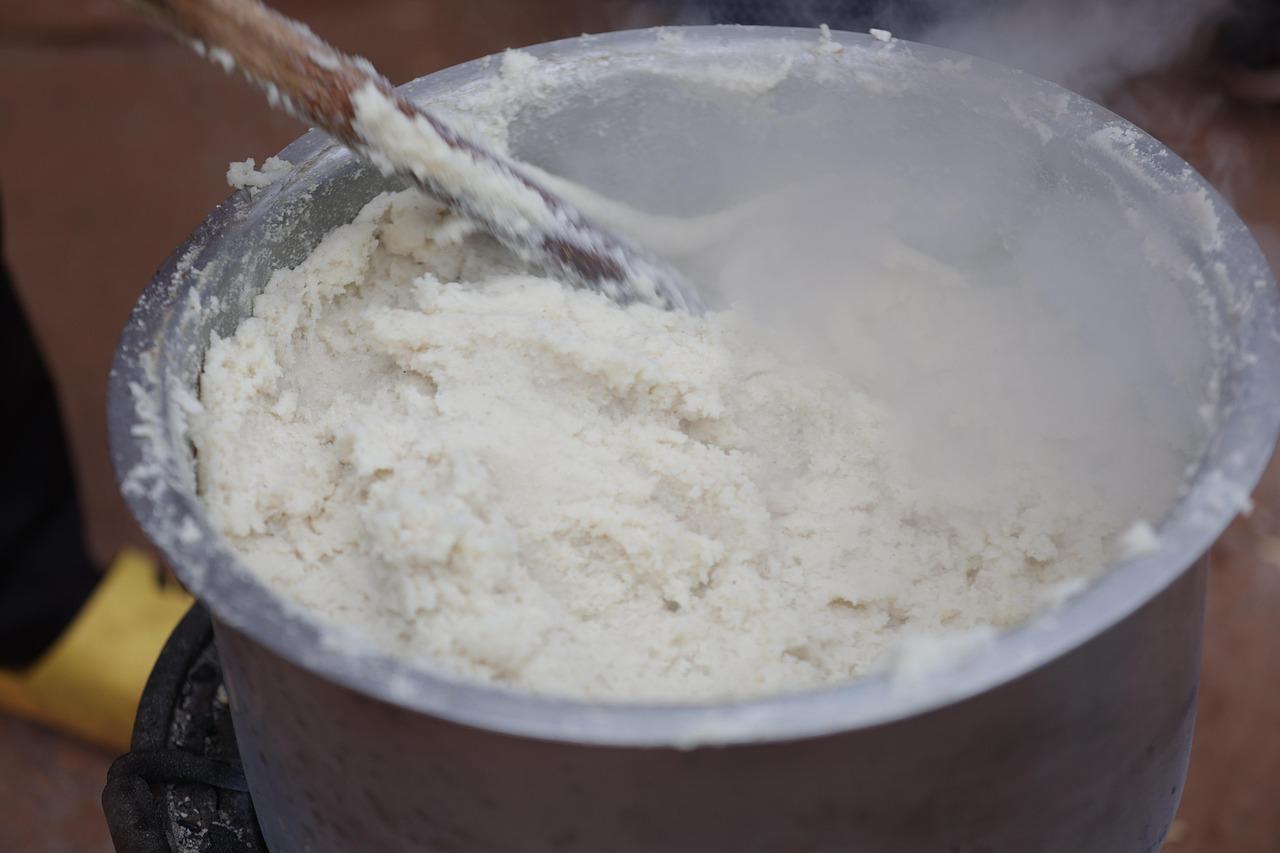
Masala ugali
Ugali, East Africa's staple of maize meal cooked into a stiff porridge, given a lift with toasted cumin, butter, fresh coriander and green chilli. Stir it hard and keep it soft. Serve hot with sukumawiki or any stew.

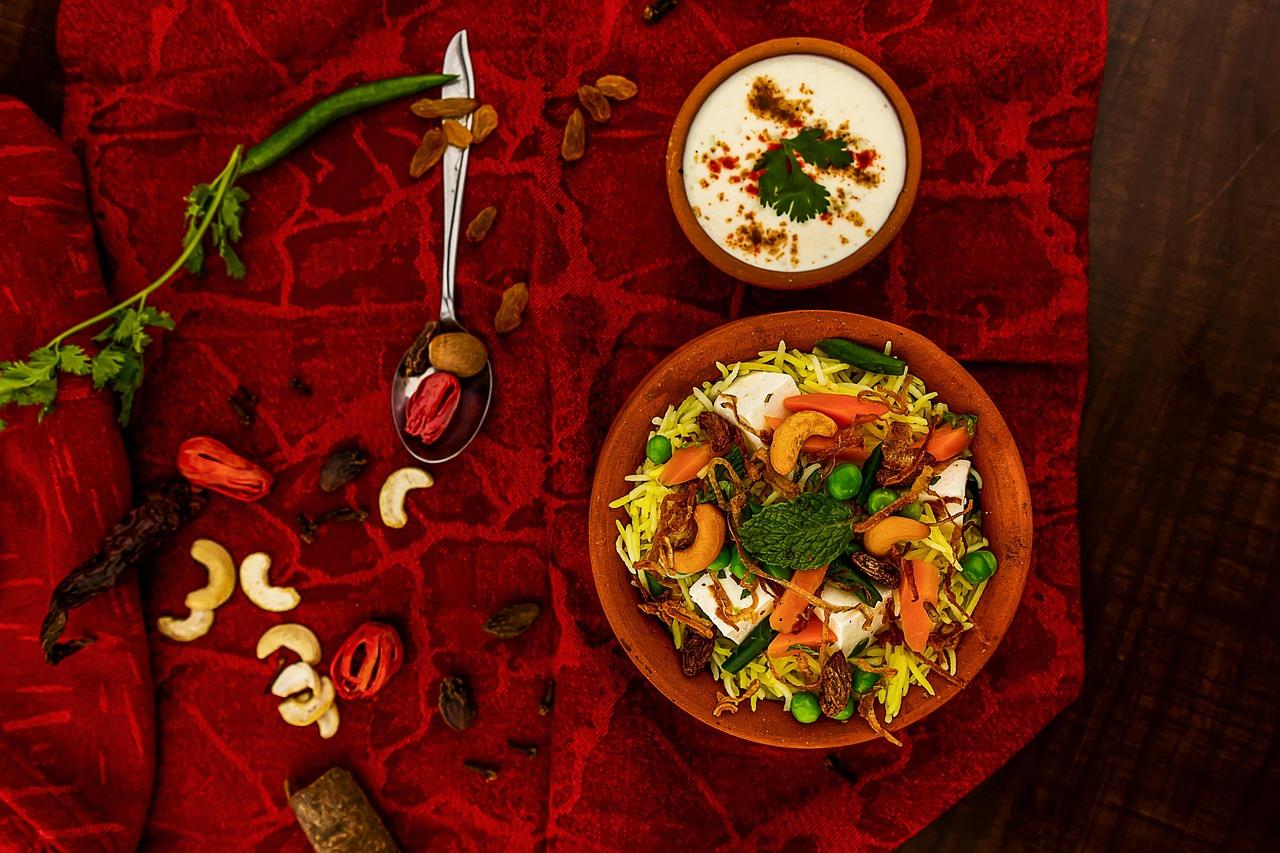
Paneer biryani
A mild, creamy biryani: rice and husked green gram roasted in ghee, then cooked in coconut milk with peas, carrots, potatoes, peanuts and cashews, and finished with soft fried paneer and a fresh coriander yogurt. Serve hot, garnished with more fried cashews and paneer.

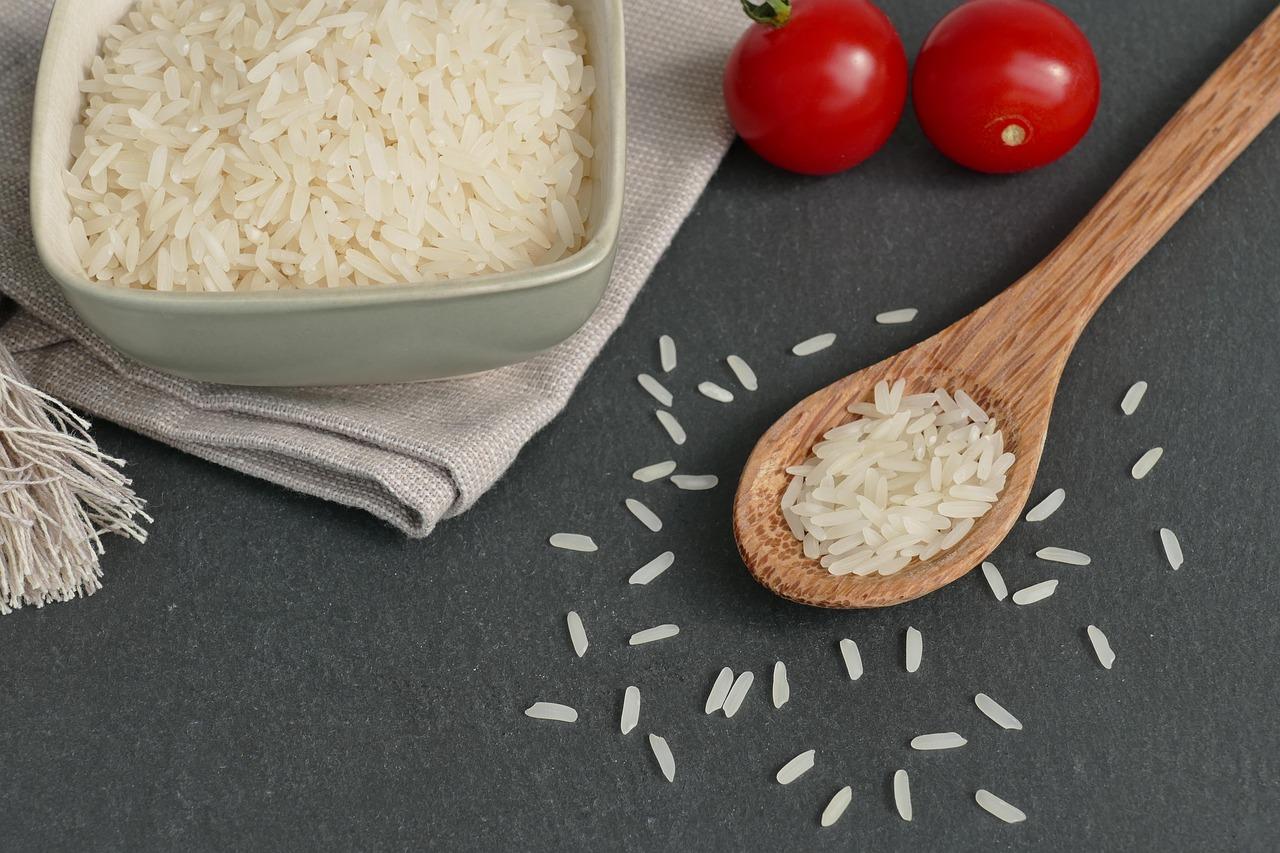
Plain cooked rice
Two reliable ways to cook plain rice. Method 1 lets the rice soak up all its water, for soft, fluffy rice to serve with curry and dal. Method 2 boils it in plenty of water and drains it, giving separate grains for fried rice, pilau and salads. Soaking first helps the grains cook evenly.
