
AI-generated image
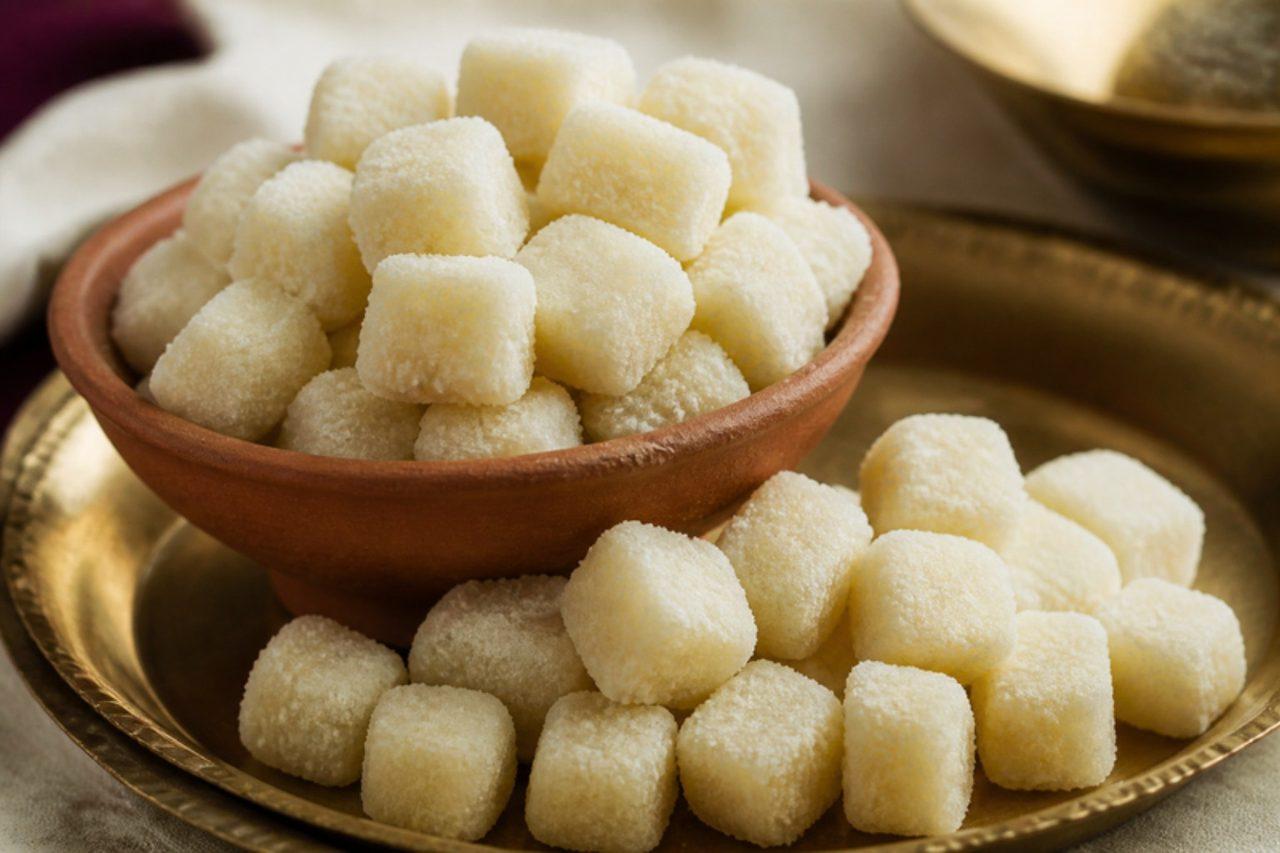
Chhanar murki
Sugar-coated chhena cubes
ছানার মুড়কি: small chhena cubes cooked in syrup until dry and sugar-coated, for Bijoya


In Bangladesh and West Bengal, Hindu families mark Bijoya Dashami at the end of Durga Puja by visiting neighbours with plates of sweets, and chhanar murki is one of the simplest to make at home. Fresh chhena is pressed firm, cut into tiny cubes and cooked in sugar syrup, which is then boiled down until it crystallises and clings to each cube as a white, crunchy coat; inside they stay soft and milky. Common mistake: using soft, wet chhena, which dissolves in the syrup. Press it under a weight until it is firm enough to slice cleanly. When the syrup turns cloudy and grainy, it is about to crystallise onto the cubes, so lower the heat and keep tossing. Chef's tip: toss the cubes off the heat for a full minute as the syrup dries; constant gentle movement gives an even, snowy coating instead of clumps.
- Total time
- 85 min
- Difficulty
- medium
- Serves
- 6
Ingredients
- 6 ¼ cups full-fat milk
- 4 tbsp lemon juicemixed with 4 tbsp water
- 7 oz sugar
- ¾ cup water
- ½ tsp ground green cardamom
- ½ tsp rose water (optional)
Shop this recipe on Amazon
What you'll need
Spices & pantry
Fresh ingredients (2)
Links open Amazon in a new tab. As an Amazon Associate, WhatToEat.Today earns from qualifying purchases.
Method
0/6 doneStep 1: Bring 6 ¼ cups full-fat milk to the boil, turn off the heat and wait 1 minute. Stir in 4 tbsp lemon juice a little at a time until the milk splits into white curds and clear, greenish whey.
8 minStep 2: Pour into a muslin-lined sieve, rinse the curds under cold water and squeeze. Tie up, flatten into a block about 2 cm thick and press under a heavy pot for 45 minutes until firm.
45 minStep 3: Cut the chhena into 1 cm cubes.
3 minStep 4: Boil 7 oz sugar and ¾ cup water in a wide pan for 3 minutes. Add the cubes and simmer over a medium heat for 8–10 minutes, shaking the pan rather than stirring, until the syrup is very thick.
10 minStep 5: Keep cooking over a low heat, gently tossing, for 4–6 minutes until the syrup turns cloudy and starts to crystallise on the cubes. Add ½ tsp ground green cardamom and ½ tsp rose water.
6 minStep 6: Take off the heat and keep tossing for 1–2 minutes until each cube is coated in dry white sugar. Spread out to cool. Keeps 3–4 days in the fridge.
2 min
Nutrition per serving
- Calories
- 290 kcal
- Protein
- 9 g
- Carbs
- 40 g
- Fat
- 11 g
- Fibre
- 0 g
Nutrition values are estimates.
KrazyBadal
Good to know
- How long does chhanar murki take?
- About 85 minutes in total: 60 minutes to prepare and 25 minutes to cook.
- How many people does it serve?
- 6 as written. Change the servings above the ingredients and every amount scales to match.
- Is it vegetarian?
- Yes. It has no meat or fish.
- Is it gluten free?
- Yes, as written. Check the labels on stock, sauces and spice mixes, which sometimes contain gluten.
- What can I use instead of full-fat milk?
- Oat, soy or almond milk, same amount (use unsweetened for savoury dishes).
- What can I use instead of lemon juice?
- Lime juice, same amount.
Reviews
No reviews yet. Be the first to cook it.
Rate this recipe
Sign in to rate and review this recipe.
You might also like
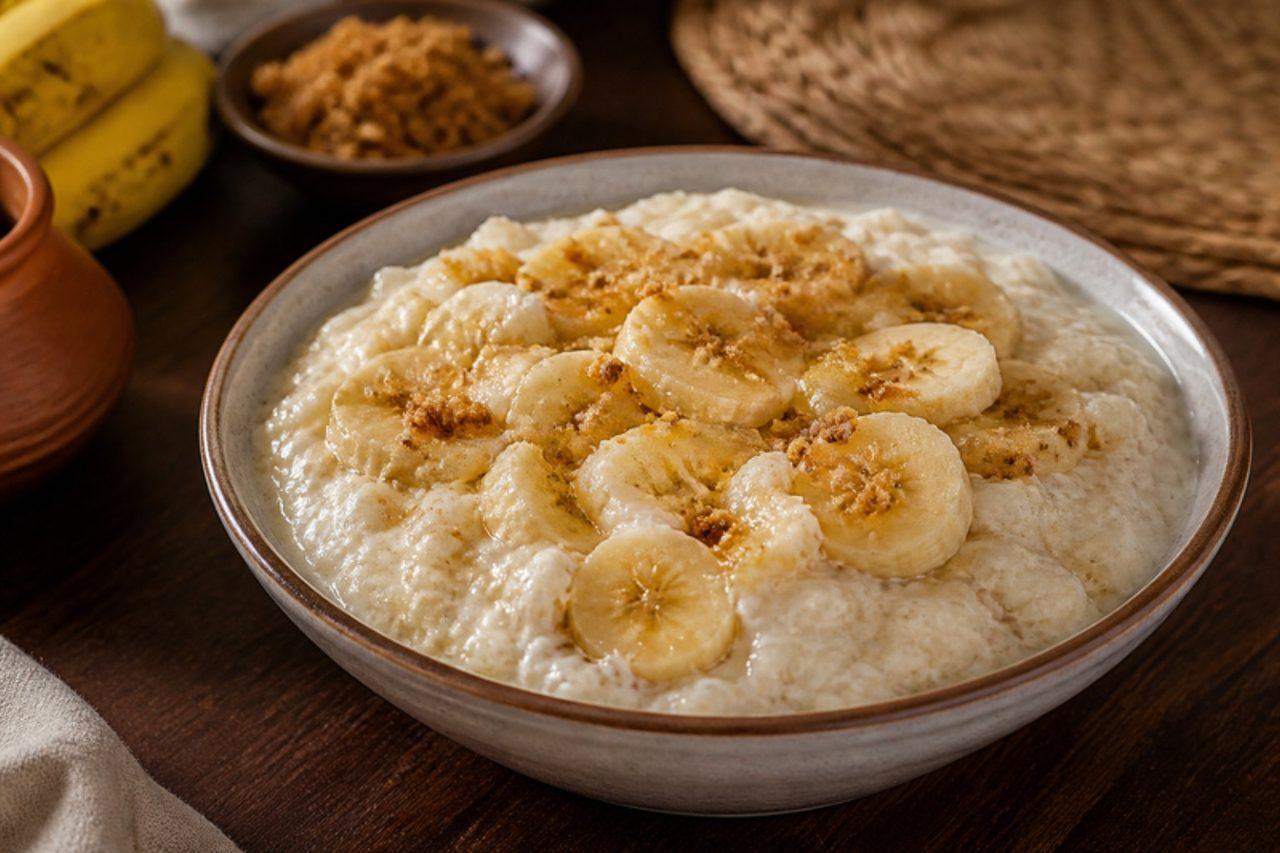
Doi chiraFlattened rice with curd
Nothing is cooked for doi chira, which is why it has been the breakfast of farmers and fishermen in Barisal for generations: flattened rice is rinsed, softened in thick, slightly sour curd and sweetened with jaggery or sugar, then mashed together with a ripe banana. The texture is soft and creamy with a little chew from the rice flakes, and the taste is cool, sweet and tangy. It is eaten on hot summer mornings, at village fairs and as part of the Pohela Boishakh spread, and it is a favourite of children and of anyone fasting who wants something gentle. The usual misstep is soaking the chira for too long, which turns it to paste; a quick rinse is all it needs before the curd does the rest. Chef's tip: use thick-cut chira, not the thin kind for frying, so the flakes hold their shape.

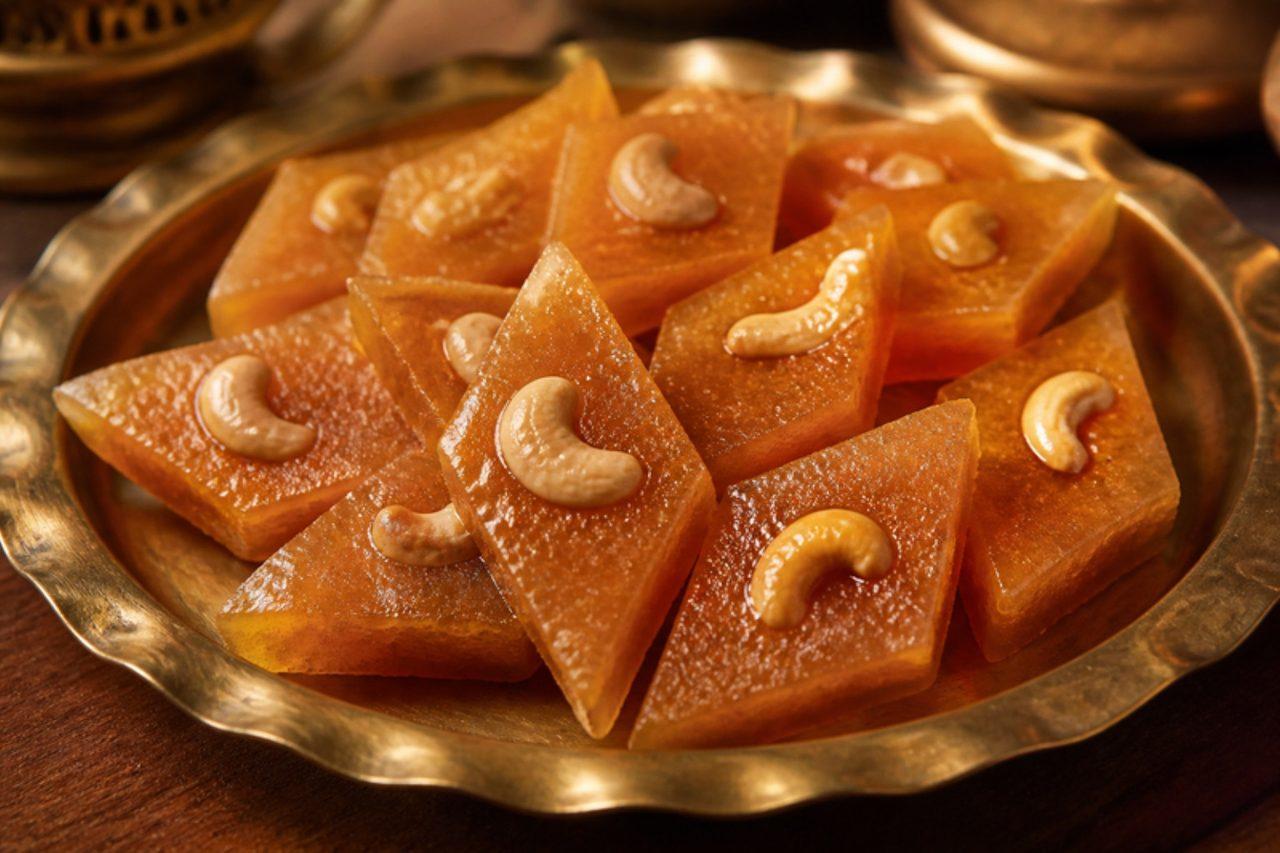
MuscatSemolina milk sweet
Walk past the Muslim sweet shops of Pettah in Colombo or the old trading streets of Beruwala before Eid and you will see trays of muscat, dense, jewel-like diamonds that are glossy with ghee and studded with cashews. The texture is the whole appeal: firm and chewy, almost like a soft Turkish delight, with a sweet, buttery, cardamom-scented flavour, and it is shared with neighbours at Eid, weddings and the Avurudu table. Traditional cooks extract the starch from wheat flour; this home version soaks and blends semolina, then strains it, which gives the same clear, bouncy set. Most failures come from adding the ghee too quickly, so it pools on top instead of being absorbed; pour it in a spoonful at a time and keep stirring. Chef's tip: the muscat is done when it rolls into a single glossy mass that leaves the pan clean and the ghee starts to seep back out at the edges.
 Sri Lankan
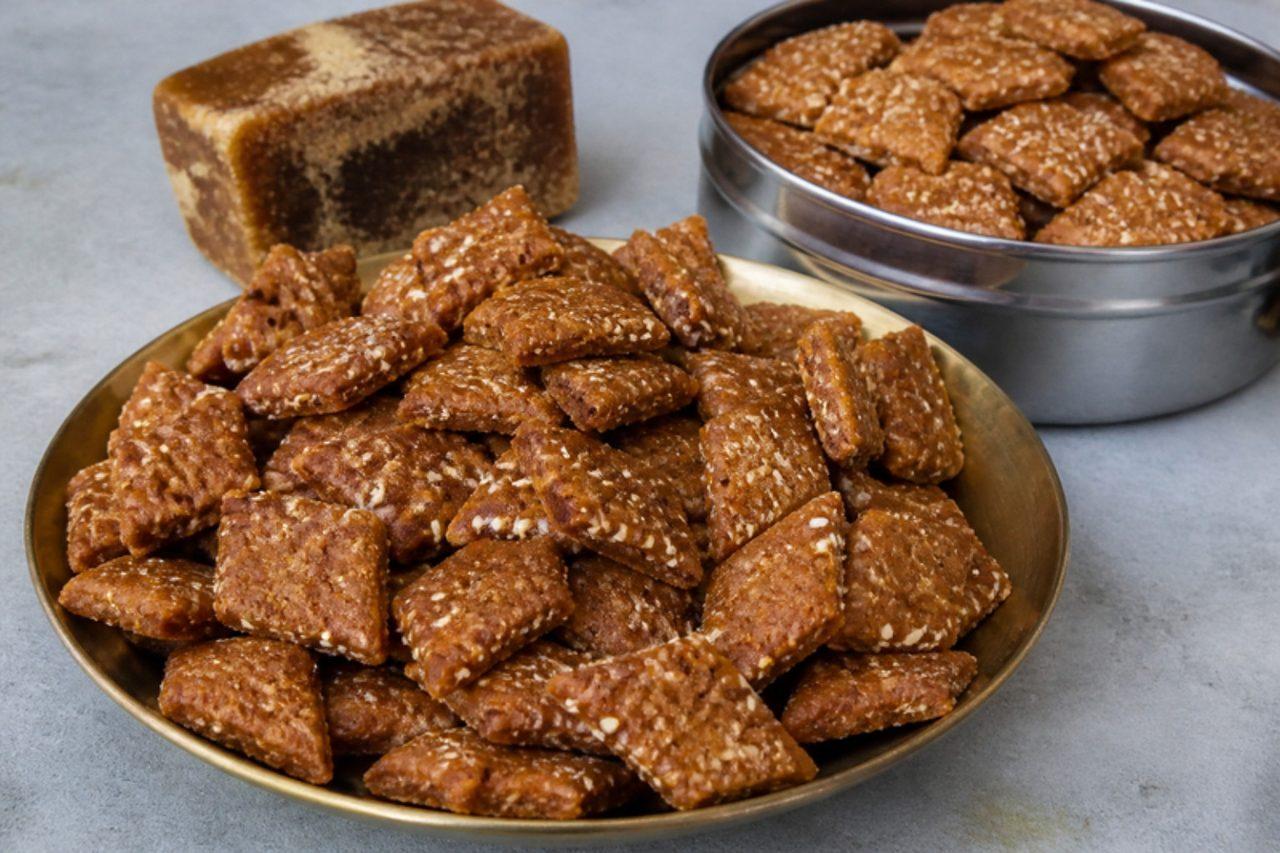
KhurmiWheat and jaggery biscuits
Khurmi are the sweet half of Chhattisgarh's Teeja-Pola festival snacks, made in big batches alongside the salty thethri. The dough is wheat flour and a little semolina bound with melted jaggery, studded with sesame and coconut, then cut into diamonds or pressed into small patterned shapes and fried until dark gold. They have a hard, crunchy bite and a deep caramel flavour, and they last for weeks in a steel dabba, ready for visitors and children back from school. Chef's tip: cool the jaggery water to lukewarm before kneading; hot jaggery makes a slack dough that spreads and soaks up oil.
 Indian
