
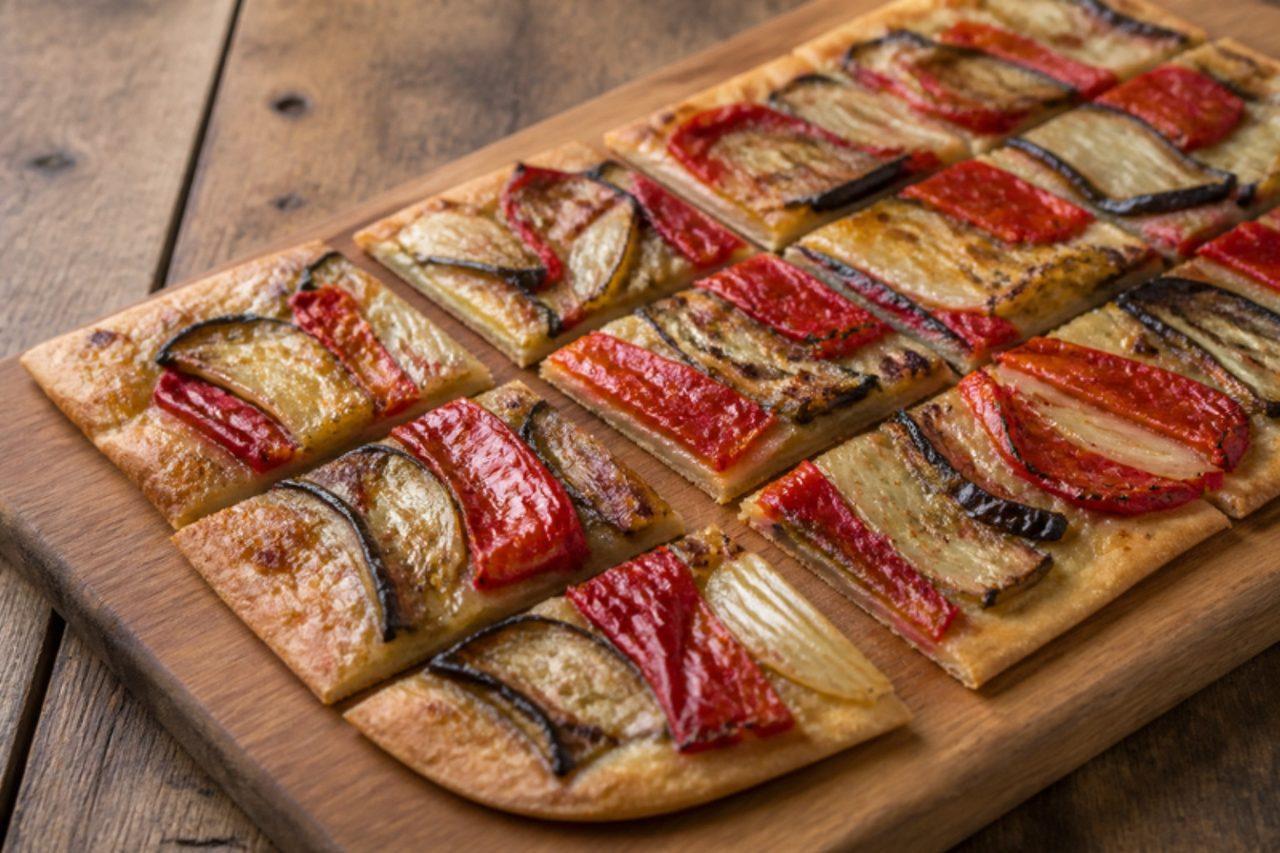
AI-generated image
Coca de recapte
Flatbread with roasted vegetables
Coca de recapte: Lleida's thin flatbread topped with smoky roasted aubergine, pepper and onion


In Lleida and the farmland of inland Catalonia, the coca de recapte was once baked in the village oven on bread day, topped with whatever was in the larder; recapte means provisions. Today bakeries sell long trays of it, and families take slices on Sunday outings. The topping is essentially escalivada: aubergine, red pepper and onion, roasted then laid raw-side-up on the dough. Bakeries often add salted sardines or anchovies; this version is vegetarian. Chef's tip: roast the vegetables only until soft, not falling apart; they cook a second time on the coca.
- Total time
- 120 min
- Difficulty
- medium
- Serves
- 6
Ingredients
For the dough
- 14 oz strong white bread flour
- 1 cup waterlukewarm
- 2 ½ tbsp olive oil
- ¼ oz salt
For the topping
- 2 onionsunpeeled
- 1 ripe tomato (optional)halved
- ¼ cup extra virgin olive oil
- ½ tsp flaky salt
Shop this recipe on Amazon
What you'll need
Spices & pantry
Fresh ingredients (3)
Links open Amazon in a new tab. As an Amazon Associate, WhatToEat.Today earns from qualifying purchases.
Method
0/6 doneStep 1: Mix 14 oz strong white bread flour and ⅛ oz fast-action dried yeast, add 1 cup water and 2 ½ tbsp olive oil and stir into a dough. Rest 10 minutes, add ¼ oz salt and knead for 8 minutes until smooth and elastic. Cover and leave for 1 hour until doubled.
80 minStep 2: Meanwhile heat the oven to 425°F (400°F fan). Roast 2 aubergines, 2 red peppers and 2 onions whole on a tray for 40–45 minutes, turning once, until the skins blister and the flesh is soft. Cover in a bowl for 10 minutes, then peel and cut into strips.
45 minStep 3: Oil a large baking tray (about 30 × 40 cm). Stretch and press the dough onto it in a thin rectangle about 5 mm thick, with your fingertips.
Step 4: Lay the vegetables over the dough in rows, covering it to the edges. If you have a tomato, rub its cut side over the dough first. Drizzle with half of 2 tbsp extra virgin olive oil and sprinkle with ½ tsp flaky salt.
Step 5: Bake for 20–25 minutes, until the base is crisp and golden underneath and the vegetables are lightly charred at the edges. Lift a corner to check; a common mistake is taking it out when the top looks done but the base is still pale and soft.
25 minStep 6: Drizzle with the rest of 2 tbsp extra virgin olive oil and serve warm or at room temperature, cut into long slices.
Nutrition per serving
- Calories
- 370 kcal
- Protein
- 9 g
- Carbs
- 54 g
- Fat
- 13 g
- Fibre
- 7 g
Nutrition values are estimates.
KrazyBadal
Good to know
- How long does coca de recapte take?
- About 120 minutes in total: 40 minutes to prepare and 80 minutes to cook.
- How many people does it serve?
- 6 as written. Change the servings above the ingredients and every amount scales to match.
- Is it vegan?
- Yes. It has no meat, fish, dairy or eggs.
- What can I use instead of strong white bread flour?
- Plain flour, same amount (the dough will be softer and rise a little less).
- What can I use instead of fast-action dried yeast?
- Fresh yeast, three times the weight.
Reviews
No reviews yet. Be the first to cook it.
Rate this recipe
Sign in to rate and review this recipe.
You might also like

Caramelised clay-pot tofu and mushroomsBraised tofu and mushrooms
Kho is the slow braise of the Mekong Delta: food simmered in a little clay pot (nồi đất) with dark caramel and seasoning until the sauce is sticky and the flavours go deep. This vegetarian cousin of cá kho tộ (braised fish) uses golden tofu and meaty mushrooms in place of fish, cooked in coconut water, as cooks do in the south, and finished with plenty of black pepper. Serve it bubbling in its pot with steamed rice and a sour soup or plain boiled vegetables. Chef's tip: take the caramel (nước màu) to a deep mahogany, darker than you think, just before it smokes; pale caramel only tastes sweet, while dark caramel gives the bittersweet, smoky flavour of a real kho.
 Vietnamese

Arroz con pitu de caleyaSoupy rice with chicken
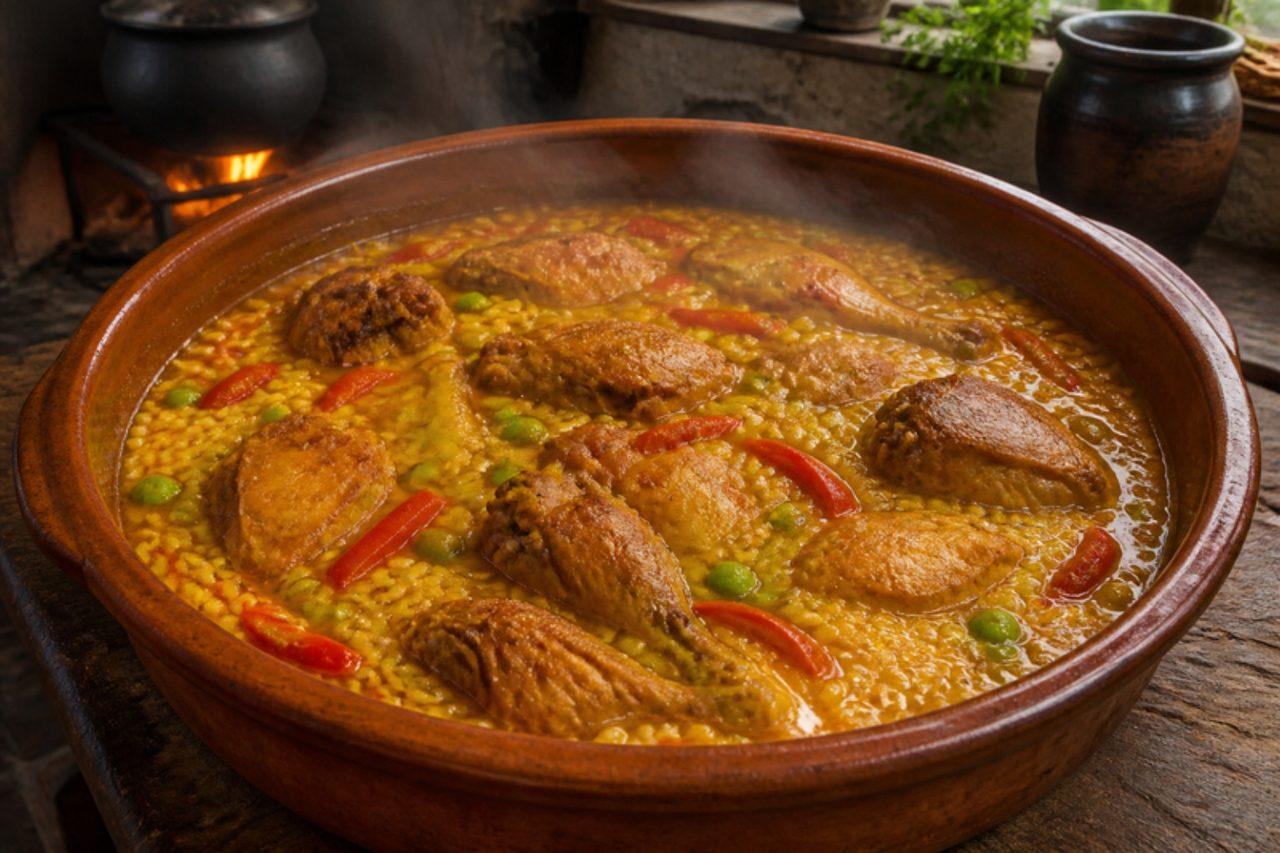
A pitu de caleya is a cockerel raised free in the lanes, or caleyas, of rural Asturias; its firm, flavourful meat needs long stewing, and families around Villaviciosa and Grado still cook it for feast days. The stew is often finished as a soupy rice, so the deep chicken juices go into every grain. Use the best free-range chicken you can find. The braise includes dry white wine; replace it with extra stock and a squeeze of lemon if you want it alcohol-free. Chef's tip: brown the chicken slowly and deeply; that colour is where the flavour of the whole pot comes from.
Black bean tacos with lime slaw
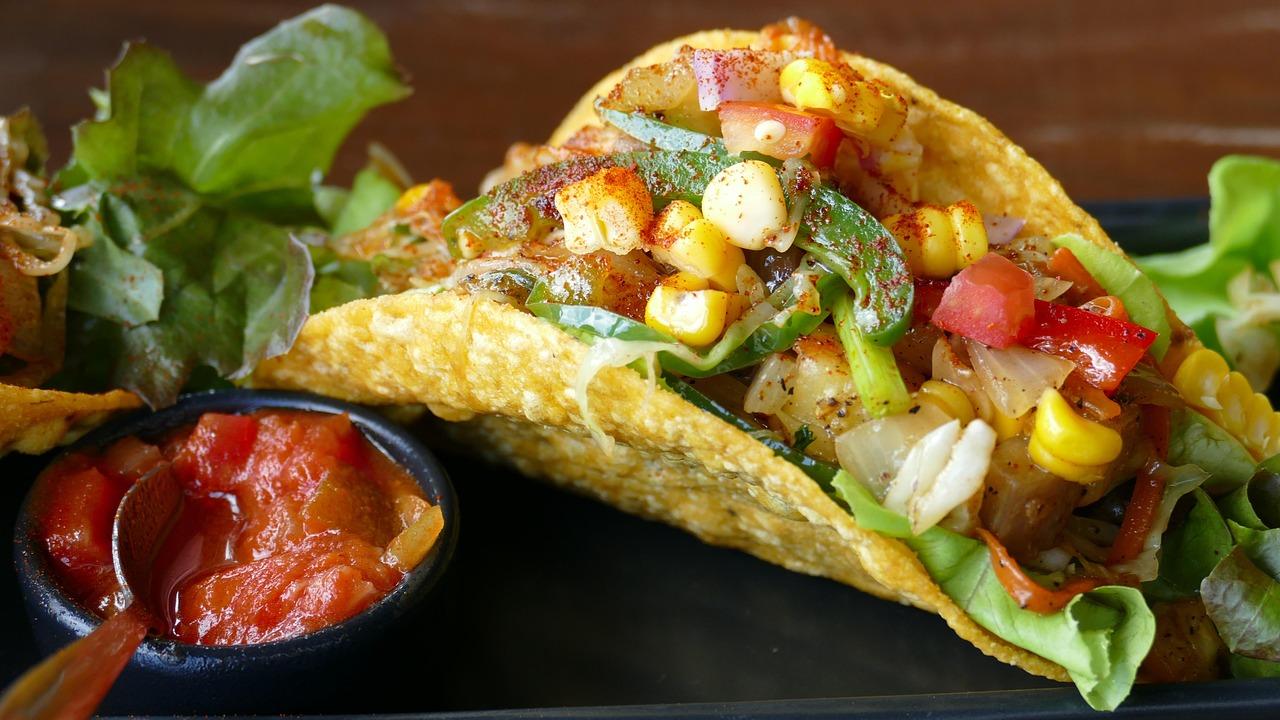
Proof that a meat-free taco night can be the best one. The beans are mashed with chipotle and cumin so they hold together in the tortilla, and a quick lime slaw adds crunch.
 Mexican