
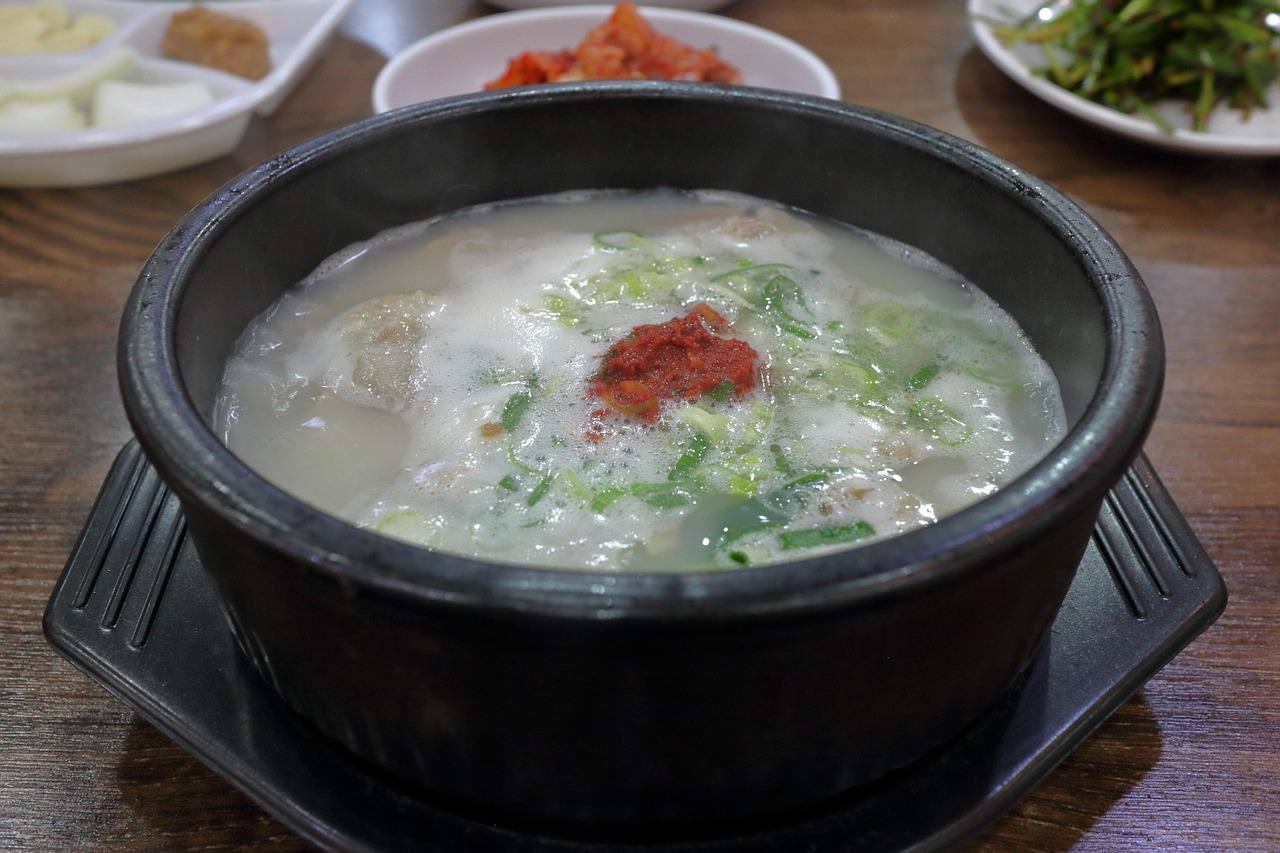
Dwaeji gukbap
Pork and rice soup
돼지국밥: milky pork-bone soup with tender sliced pork, rice, garlic chives and salted shrimp

Ask anyone in Busan for a bowl of something filling at any hour and they will probably send you for dwaeji gukbap. Seomyeon has a whole alley of gukbap restaurants, open from early morning to late at night, serving the soup to market workers, students and people heading home after a night out. Pork bones are boiled hard for hours until the broth turns cloudy and white, then poured over sliced pork and rice. Each diner seasons their own bowl at the table with salted shrimp, chilli paste and a pile of garlic chives, with raw onion, green chilli and kimchi on the side. Chef's tip: season the soup in the bowl, not the pot; a little saeujeot at a time gives a clean, savoury depth that salt alone doesn't.
- Total time
- 180 min
- Difficulty
- hard
- Serves
- 4
Ingredients
For the broth
- 3 ⅓ lb pork bones (neck, leg or back bones), cut into piecesask the butcher to crack them
- 16 ¾ cups water
- 1 onionhalved
- 1 bulb garliccloves peeled
- 1 oz gingersliced
- 1 tsp black peppercorns
For the pork
- 1 ⅓ lb boneless pork shoulder or bellyin one or two pieces
To serve
- 1 ⅓ lb cooked short-grain rice
- 2 ⅞ oz garlic chives (buchu)cut into 4 cm lengths
- 1 tsp toasted sesame oil
- 2 spring onionsfinely sliced
- 1 tsp saltto taste
- 1 onion (optional)cut into chunks, for the table
- 2 long green chillies (optional)sliced
Shop this recipe on Amazon
What you'll need
Spices & pantry
Fresh ingredients (10)
Links open Amazon in a new tab. As an Amazon Associate, WhatToEat.Today earns from qualifying purchases.
Method
0/10 doneStep 1: Put 3 ⅓ lb pork bones (neck, leg or back bones), cut into pieces in a large bowl of cold water and soak for 30 minutes, changing the water once, to draw out the blood. Soak 1 ⅓ lb boneless pork shoulder or belly alongside in a separate bowl.
30 minStep 2: Put the bones in a large stockpot, cover with fresh cold water and bring to the boil over a high heat. Boil for 10 minutes, then drain and scrub each bone under running water to remove the scum and any dark bits. Wash the pot too.
15 minStep 3: Return the bones to the clean pot with 16 ¾ cups water. Bring to a full boil over a high heat and keep it there, partly covered, for 1 hour 20 minutes.
80 minStep 4: Common mistake: turning the heat down to a gentle simmer, as for a clear stock. A milky gukbap broth needs a hard, rolling boil the whole time; the bubbling breaks the fat and gelatine into tiny drops that turn it white. Top up with boiling water whenever the bones start to show.
Step 5: Add 1 ⅓ lb boneless pork shoulder or belly, 1 onion, 1 bulb garlic, 1 oz ginger, 4 spring onion whites and 1 tsp black peppercorns. Keep boiling briskly for 50 to 60 minutes, until the pork is tender when pierced with a skewer and the broth is cloudy and white.
55 minStep 6: Lift out the pork and leave it for 10 minutes, then cut it into thin slices. Strain the broth and discard the bones and vegetables. You should have about 2 litres; if there's much more, boil it down for a few minutes.
Step 7: Toss 2 ⅞ oz garlic chives (buchu) with 1 tsp Korean chilli flakes (gochugaru) and 1 tsp toasted sesame oil.
Step 8: Put a scoop of 1 ⅓ lb cooked short-grain rice and a handful of pork slices in each deep bowl. Ladle over very hot broth, pour it off back into the pot and ladle it over again; this warms the rice and pork right through, as gukbap cooks do.
Step 9: Top with 2 spring onions and a spoonful of 4 tsp gochujang or Korean chilli paste. Serve with 2 tbsp salted fermented shrimp (saeujeot), 1 tsp salt, the chives, 1 onion and 2 long green chillies on the table so everyone can season their own bowl.
Step 10: Cool leftover broth quickly and refrigerate it within 2 hours. It keeps for 3 days in the fridge or 3 months in the freezer; it sets to a jelly when cold, which is a good sign.
Nutrition per serving
- Calories
- 690 kcal
- Protein
- 40 g
- Carbs
- 64 g
- Fat
- 29 g
- Fibre
- 2 g
Nutrition values are estimates.
KrazyBadal
Good to know
- How long does dwaeji gukbap take?
- About 180 minutes in total: 30 minutes to prepare and 150 minutes to cook.
- How many people does it serve?
- 4 as written. Change the servings above the ingredients and every amount scales to match.
- Can I make it ahead?
- Yes. It keeps well, so you can cook it earlier in the day or the day before and reheat it.
- What can I use instead of onion?
- 2 shallots per onion.
- What can I use instead of garlic?
- ½ tsp garlic paste or ⅛ tsp garlic powder per clove.
Reviews
No reviews yet. Be the first to cook it.
Rate this recipe
Sign in to rate and review this recipe.
You might also like
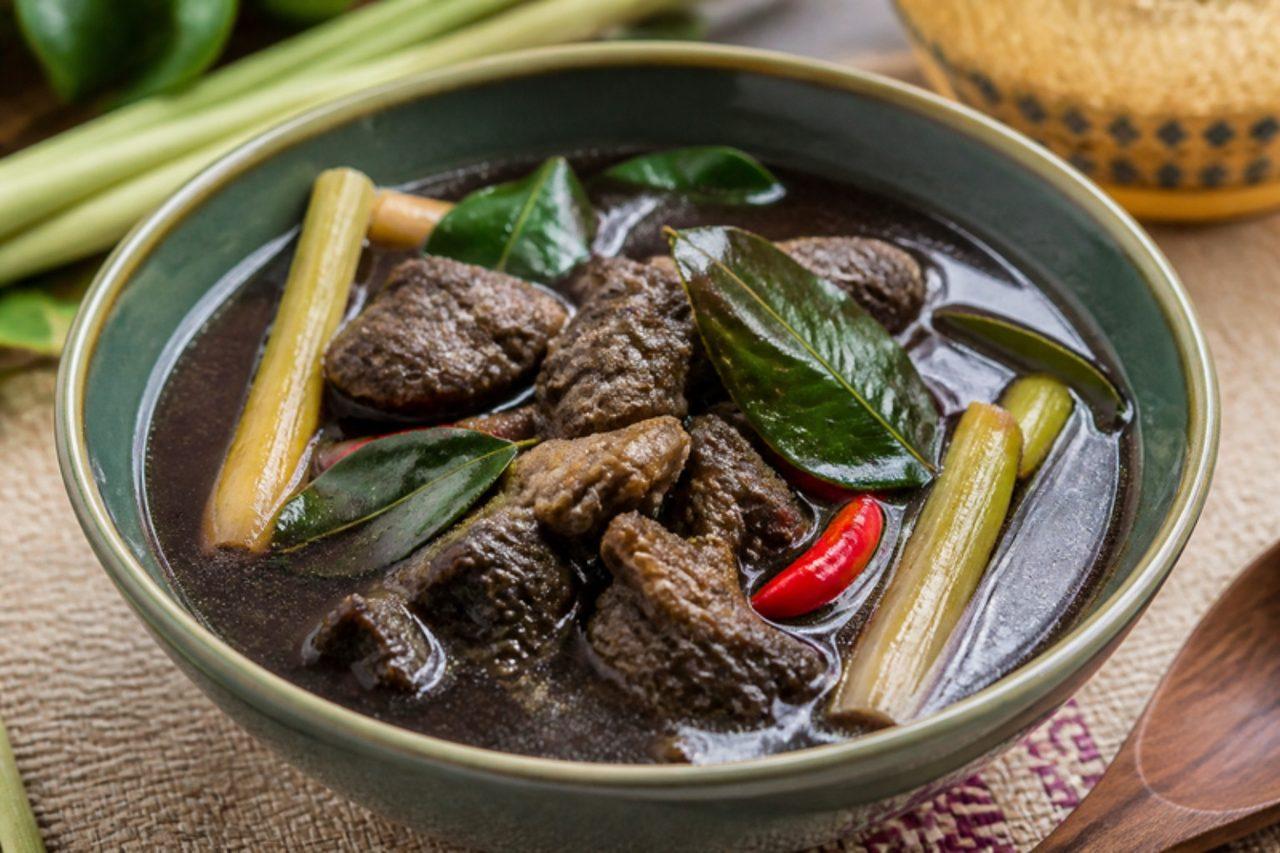
Tiyula itumBlack beef soup
Tiyula itum, 'black soup', is the pride of the Tausug people of Sulu in the far south of the Philippines, cooked for weddings, Eid celebrations and when guests come home. Beef (it is a halal, pork-free dish) is simmered with ginger, lemongrass and turmeric, then darkened with pamapa itum, a paste of grated coconut toasted until almost black and pounded with spices. The broth looks dramatic but tastes smoky, earthy and gently peppery, with heat from chillies. Serve it with plain rice. Chef's tip: toast the coconut slowly, stirring all the time, until it is very dark brown but not ashy; burnt-to-ash coconut tastes bitter and ruins the soup.
 Filipino

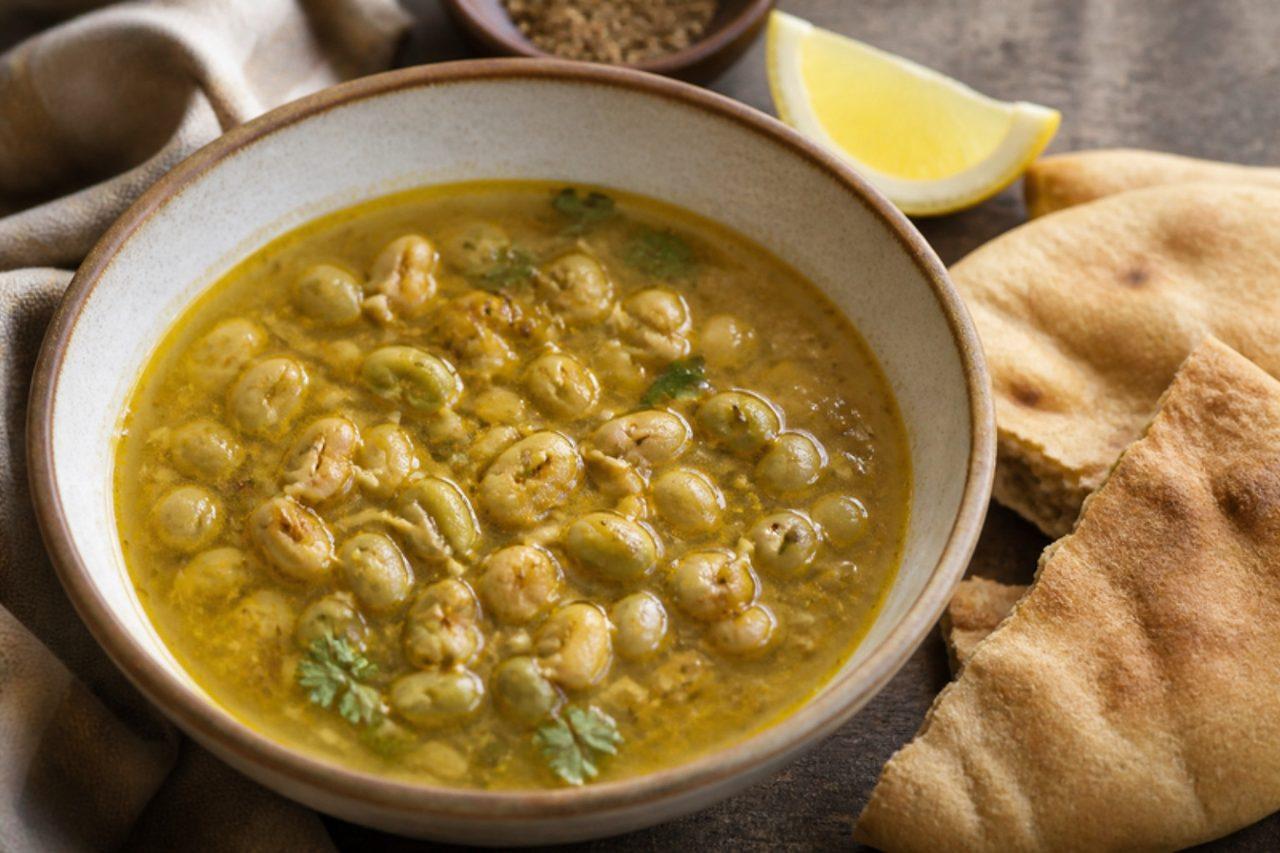
Ful nabitSprouted fava bean soup
Sprouted beans are ladled out with their cooking liquor in Cairo homes when the weather turns cold or someone is feeling run down, and Egyptians swear by the broth as a pick-me-up. The beans are soaked and left to sprout for a few days, then simmered with onion, garlic and cumin into a light, earthy soup that is sharpened at the table with plenty of lemon. You can eat the beans with a spoon or pop them from their skins. Allow 3 to 4 days for sprouting, although the hands-on work is only about 20 minutes. People with G6PD deficiency (favism) must not eat fava beans. Chef's tip: stop the sprouting when the shoots are about 1 cm long; longer sprouts taste grassy and bitter.
 Egyptian

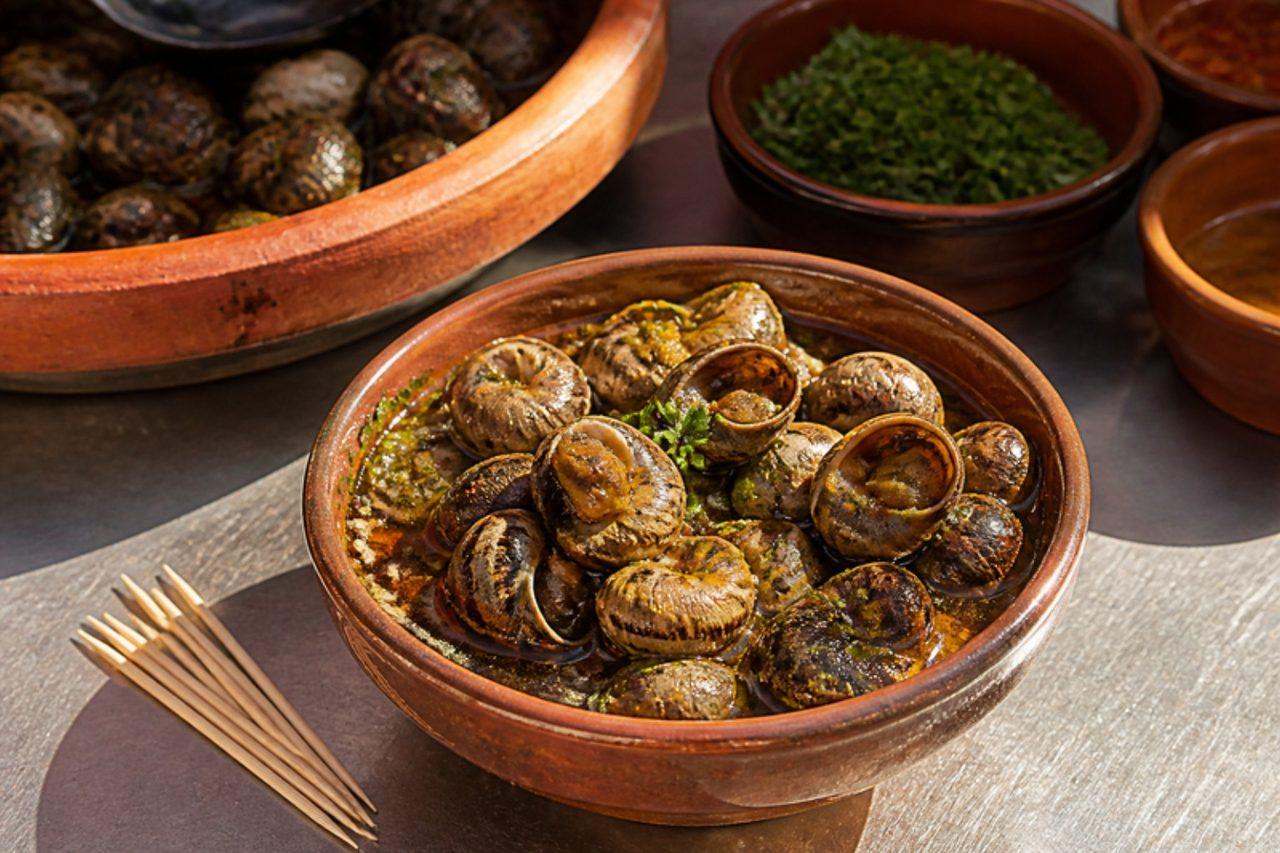
BabboucheSpiced snail broth
After dark in Marrakech's great square, the babbouche stalls are recognisable by their steaming cauldrons and the toothpicks laid out by every bowl. Small land snails simmer in a dark broth of liquorice root, aniseed, thyme, caraway, bitter orange peel, chilli and a bundle of herbs that sellers say has fifteen ingredients, believed to soothe the stomach and warm you on a cold night. You pick the snails out with a toothpick, then drink the peppery, herbal, faintly sweet broth. At home, buy live snails sold for cooking, already purged by a reputable seller, discard any with broken shells or that do not move or retract when touched, and cook them through for at least 45 minutes. Chef's tip: keep the spices in a muslin bag; the broth stays clear and you avoid crunching on seeds.
 Moroccan