
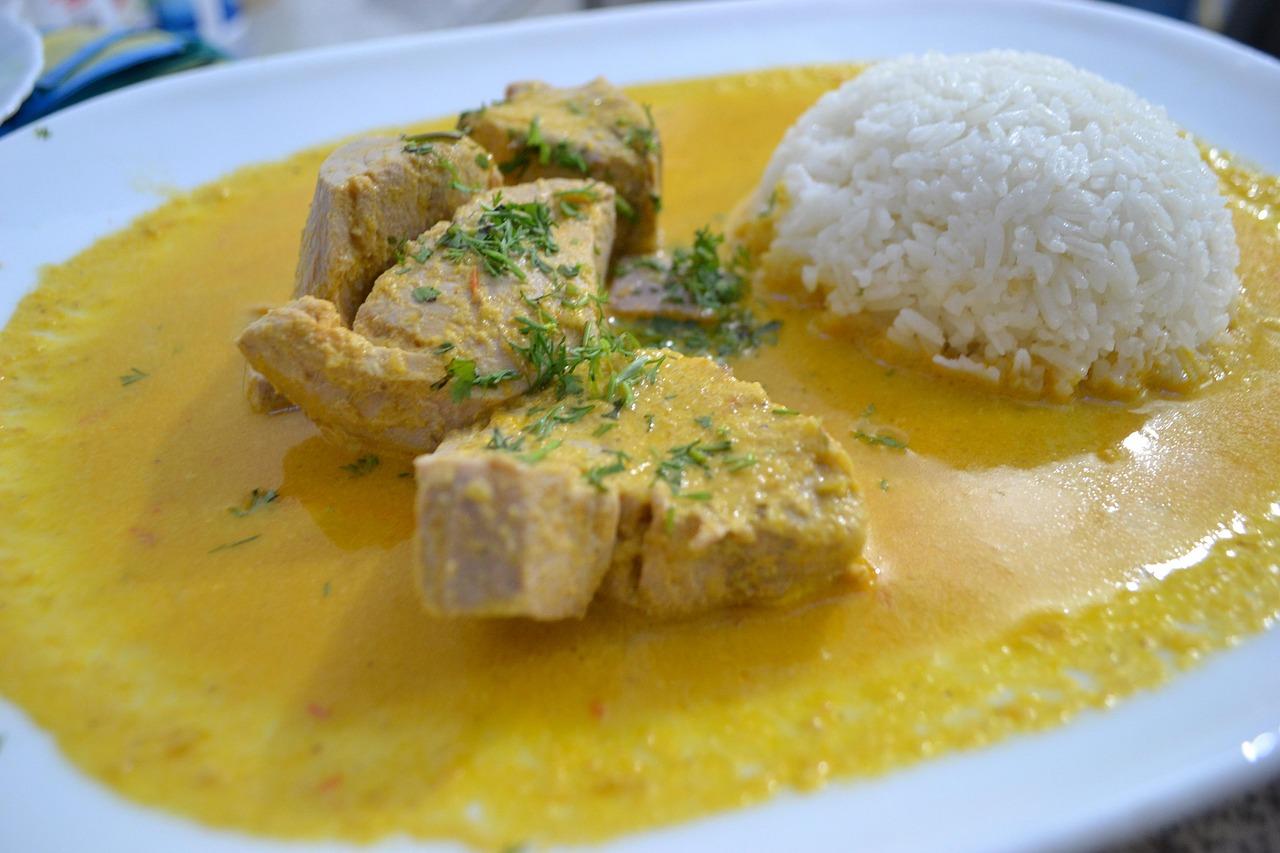
Encocado de pescado
Fish in coconut milk
Encocado: Colombian Pacific fish fillets simmered in coconut milk with peppers, onion and native herbs


Fishing towns of the Colombian Pacific, from Buenaventura's Pueblo Nuevo market to the stilt houses of Tumaco, cook their catch in coconut milk scraped from fresh coconuts, with a refrito of onion, peppers and garlic and the coast's wild herbs: chillangua (culantro), poleo and oregano cimarrón. Encocado is lighter and more herbal than many coconut stews, mild rather than hot, with the fish just cooked in a creamy, pale-orange sauce. It is eaten at lunch with white or coconut rice and patacones or boiled green plantain. Boiling the coconut milk hard after the fish goes in is the classic error: the sauce splits and the fillets toughen, so keep it at a gentle bubble. Chef's tip: culantro (sawtooth coriander) is sold in Asian and Caribbean shops; if you can't find it, use twice the amount of ordinary coriander plus a few mint leaves to stand in for poleo.
- Total time
- 50 min
- Difficulty
- medium
- Serves
- 4
Ingredients
For the fish
- 1 ¾ lb firm white fish filletscorvina, snapper or hake, in 4 pieces
- 2 tbsp lime juice
- 3 garlic clovescrushed
- 1 ½ tsp salt
For the sauce
- 2 tbsp sunflower oil
- 1 red onionfinely chopped
- 2 spring onionschopped
- 1 red pepperdiced
- 2 ripe tomatoesgrated, skins discarded
- ½ tsp ground achiote (annatto)or 1/2 tsp sweet paprika
- 2 ½ cups coconut milk
- ⅓ oz culantro (chillangua)chopped; or 20 g coriander
- ½ tsp dried oreganoMexican oregano if possible
To serve
- 6 fresh mint or poleo leaves (optional)torn
Shop this recipe on Amazon
Fresh ingredients (6)
Links open Amazon in a new tab. As an Amazon Associate, WhatToEat.Today earns from qualifying purchases.
Method
0/6 doneStep 1: Rub 1 ¾ lb firm white fish fillets with 2 tbsp lime juice, 1 ½ garlic cloves and ¾ tsp salt. Cover and keep in the fridge for 15 minutes.
15 minStep 2: Heat 2 tbsp sunflower oil in a wide pan with a lid over a medium heat. Fry 1 red onion, 2 spring onions, 1 red pepper and the rest of 1 ½ garlic cloves for 6 minutes, until soft and sweet.
6 minStep 3: Add 2 ripe tomatoes and ½ tsp ground achiote (annatto) and cook for 4 minutes, until thick and glossy.
4 minStep 4: Pour in 2 ½ cups coconut milk, add half of ⅛ oz culantro (chillangua), ½ tsp dried oregano and the rest of ¾ tsp salt. Simmer gently for 8 minutes, stirring, until the sauce is slightly thickened.
8 minStep 5: Lay the fish in the sauce in one layer and spoon some over the top. Cover and cook at a gentle simmer for 8–10 minutes, until the fish is opaque all through and flakes when pressed.
10 minStep 6: Scatter with the rest of ⅛ oz culantro (chillangua) and 6 fresh mint or poleo leaves and serve with rice and patacones.
Nutrition per serving
- Calories
- 450 kcal
- Protein
- 38 g
- Carbs
- 10 g
- Fat
- 29 g
- Fibre
- 2 g
Nutrition values are estimates.
KrazyBadal
Good to know
- How long does encocado de pescado take?
- About 50 minutes in total: 20 minutes to prepare and 30 minutes to cook.
- How many people does it serve?
- 4 as written. Change the servings above the ingredients and every amount scales to match.
- Is it gluten free?
- Yes, as written. Check the labels on stock, sauces and spice mixes, which sometimes contain gluten.
- What can I use instead of lime juice?
- Lemon juice, same amount.
- What can I use instead of garlic cloves?
- ½ tsp garlic paste or ⅛ tsp garlic powder per clove.
Reviews
No reviews yet. Be the first to cook it.
Rate this recipe
Sign in to rate and review this recipe.
You might also like

Moreton Bay bugsSlipper lobster with garlic butter
Moreton Bay bugs are the flat, shovel-nosed slipper lobsters caught off the Queensland coast around Brisbane and the Sunshine Coast, and for Queenslanders they are a summer treat, split and grilled at the beach house. The tail meat is sweet and rich, somewhere between lobster and prawn. Buy them raw, frozen or fresh, from a fishmonger and ask them to halve them if you like. A common mistake is overcooking, which makes the meat rubbery; it is ready the moment it turns white. Chef's tip: grill flesh side down first to mark it, then turn and baste in the shell.
 Australian

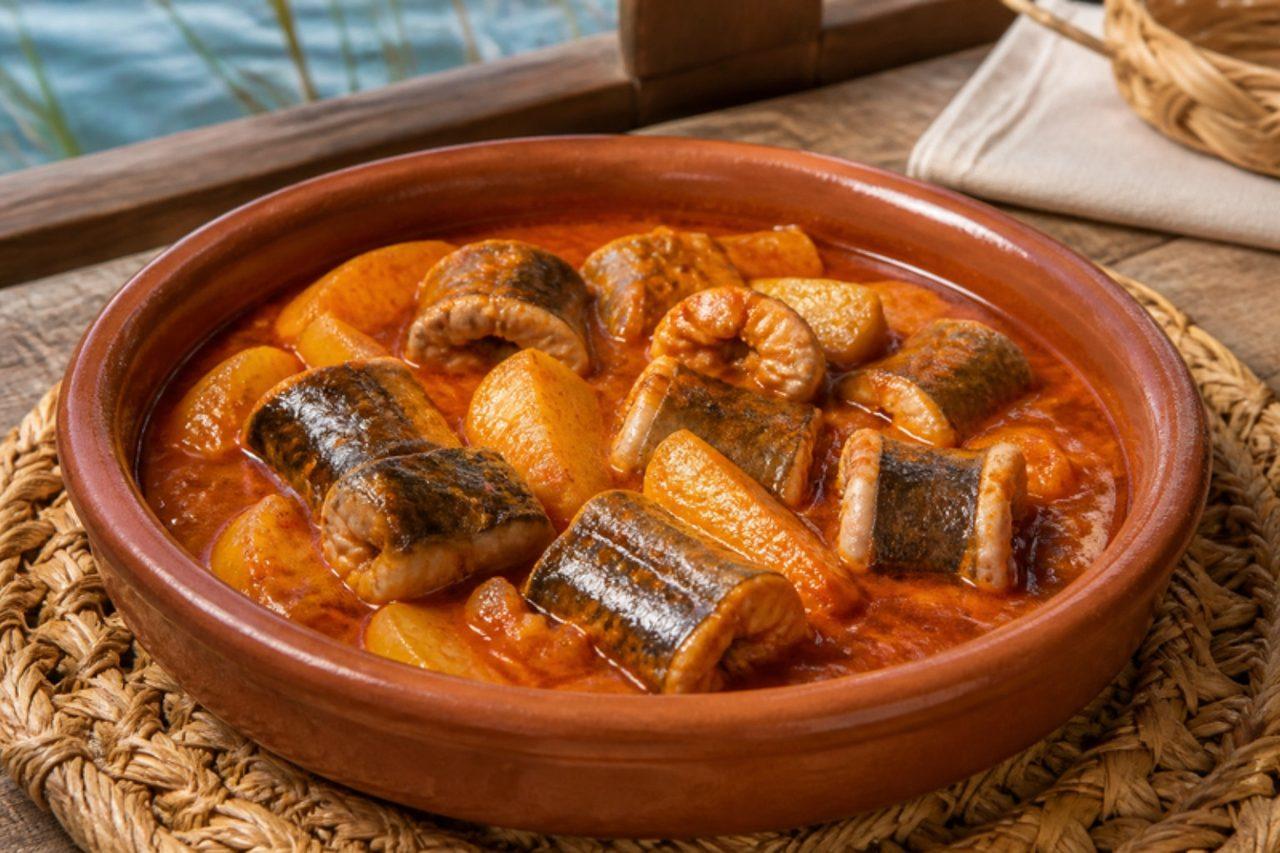
All i pebreEel and potato paprika stew
In El Palmar and the other villages around the Albufera lagoon south of Valencia, the restaurants that are famous for paella serve something older first: all i pebre, "garlic and pepper", a brick-red stew of lagoon eel and potatoes thickened with a pounded almond and fried-bread picada. It is rich, garlicky and gently hot, eaten with bread to mop up the sauce. Ask your fishmonger to skin and cut the eel, and handle it with gloves: raw eel blood is irritating, though harmless once cooked. If you can't find eel, monkfish or hake works well. A common mistake is letting the paprika burn; it turns bitter in seconds, so add it off the heat. Chef's tip: break the potatoes with a knife instead of cutting cleanly; the rough edges release starch and thicken the sauce.
 Spanish

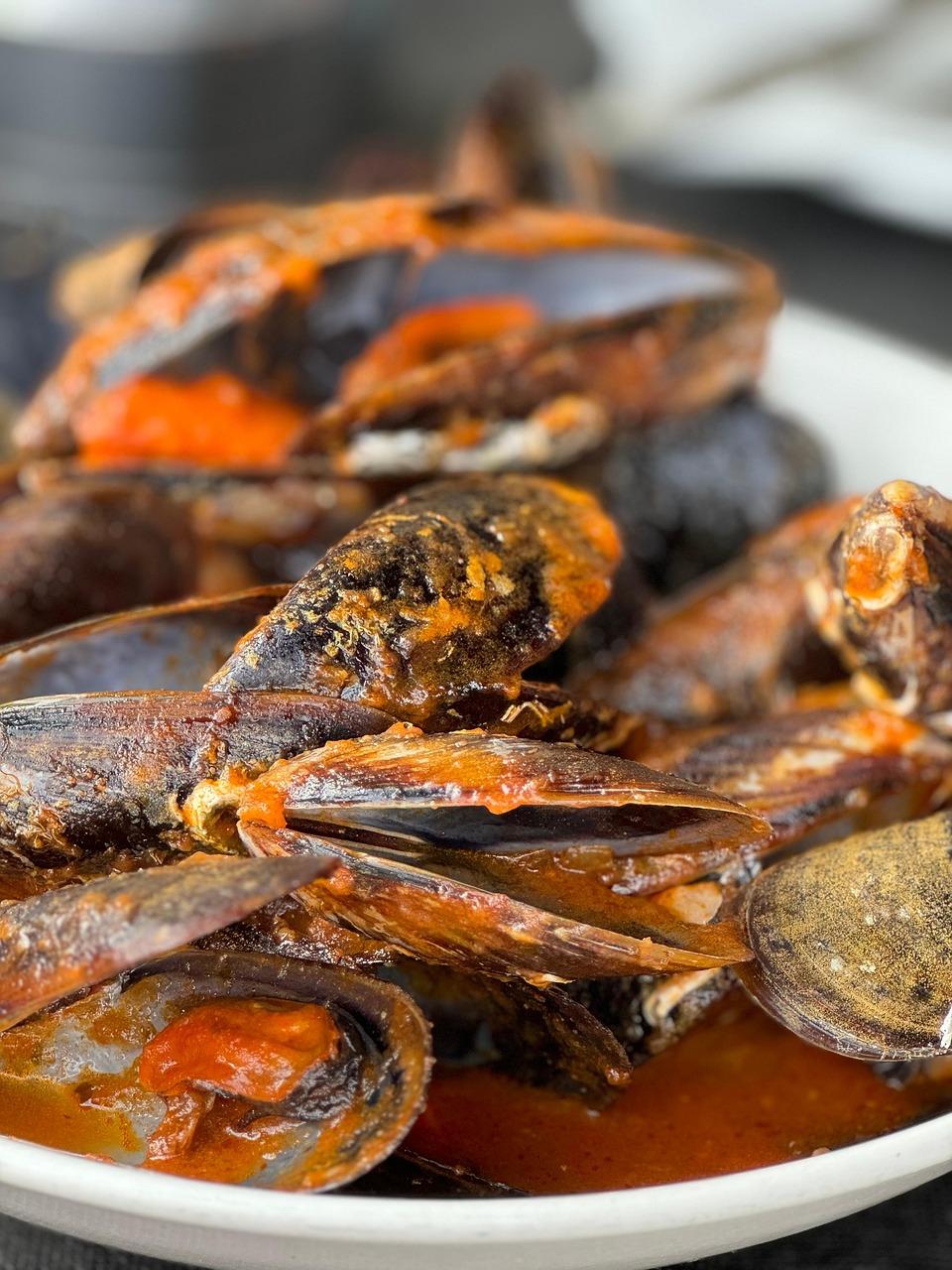
Midia saganakiMussels with tomato and feta
Thessaloniki is Greece's mussel capital, with farms in the Thermaic Gulf a few kilometres from the seafront ouzeries where this two-handled pan arrives, still bubbling, at the table. Mussels steam open in a quick sauce of peppers, tomato and chilli, and crumbled feta melts into the juices at the end. Bread is essential. The classic version adds a splash of ouzo; this one is alcohol-free, using a pinch of fennel seed for that aniseed note (add 2 tbsp ouzo with the tomatoes if you like). Common mistake: overcooking — take the pan off the heat as soon as the shells open. Chef's tip: buy mussels on the day and keep them in the fridge in a bowl covered with a damp cloth, never in water.
 Greek