
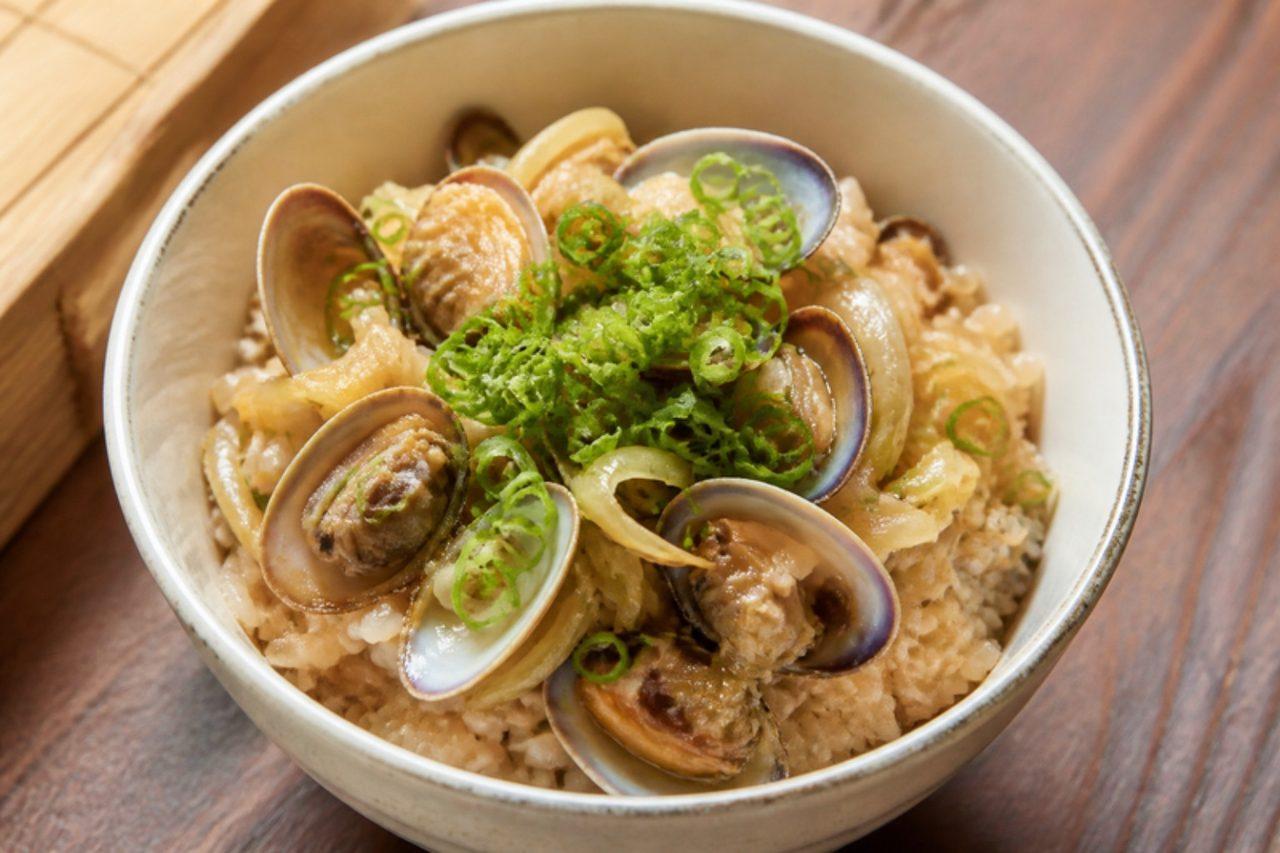
AI-generated image
Fukagawa-meshi (Tokyo clam and miso rice)
深川めし: short-necked clams simmered with leek in miso broth and poured over hot rice
Clam diggers on the shallow shores of Fukagawa, in what is now Koto ward in eastern Tokyo, used to make a fast meal by simmering fresh asari clams with leek in miso soup and tipping it over rice. The bay has long since been built over, but small restaurants near Monzen-Nakacho and Kiyosumi-Shirakawa still serve it in bowls or lacquered boxes, and it is a well-known station lunch box. Some cooks steam the clams into the rice instead; this is the older poured-over style. It is savoury, briny and very quick. Chef's tip: steam the clams open first and take them out of the pot, then return them only for the last 30 seconds, so they stay plump instead of shrinking into rubbery nubs.
- Total time
- 25 min
- Difficulty
- easy
- Serves
- 2
Ingredients
For the clams
For the miso broth
To serve
Method
0/8 doneStep 1: Scrub the 1 ⅓ lb small clams in their shells (asari or palourde) under cold running water. Tap any open ones sharply on the counter; throw away any that do not close, and any with cracked shells.
Step 2: Put the clams in a wide pan with the 2 tbsp sake and 1 ¼ cups water, cover and cook over a high heat for 3 to 4 minutes, shaking the pan, until the shells open. For an alcohol-free version use all water.
4 minStep 3: Lift out the clams with a slotted spoon. Discard any that stay shut. Pull the meat from most of the shells (keep a few in their shells for the top) and set aside.
Step 4: Strain the cooking liquid through a sieve lined with kitchen paper into a clean pan, to catch any grit. You should have about 300 ml; top up with water if needed.
Step 5: Add the 1 Japanese leek (naganegi) or 4 spring onions, 1 thin fried tofu (aburaage) (if using) and 1 tsp fresh ginger to the liquid. Simmer over a medium heat for 4 minutes, until the leek is soft.
4 minStep 6: Turn the heat to low. Dissolve the 2 ½ tbsp white or mixed miso in a ladle of the hot liquid, stir it back into the pan and add the 1 tsp mirin. Do not let it boil from now on, or the miso loses its aroma.
1 minStep 7: Return all the clams to the pan for 30 seconds, just to warm them. Common mistake: simmering the clam meat for minutes in the miso. It shrinks and turns chewy almost at once.
1 minStep 8: Divide the 14 oz hot cooked Japanese rice between two deep bowls. Ladle the clams, leek and plenty of broth over the top. Scatter with 1 spring onion or mitsuba and 1 pinch shichimi pepper and eat at once.
Nutrition per serving
- Calories
- 430 kcal
- Protein
- 22 g
- Carbs
- 70 g
- Fat
- 6 g
- Fibre
- 3 g
Nutrition values are estimates.
KrazyBadal
Good to know
- How long does fukagawa-meshi (Tokyo clam and miso rice) take?
- About 25 minutes in total: 10 minutes to prepare and 15 minutes to cook.
- How many people does it serve?
- 2 as written. Change the servings above the ingredients and every amount scales to match.
- What can I use instead of japanese leek (naganegi) or 4 spring onions?
- 1 onion per leek.
- What can I use instead of fresh ginger?
- ¼ tsp ground ginger per tbsp fresh (add it with the spices).
Reviews
No reviews yet. Be the first to cook it.
Rate this recipe
Sign in to rate and review this recipe.
You might also like
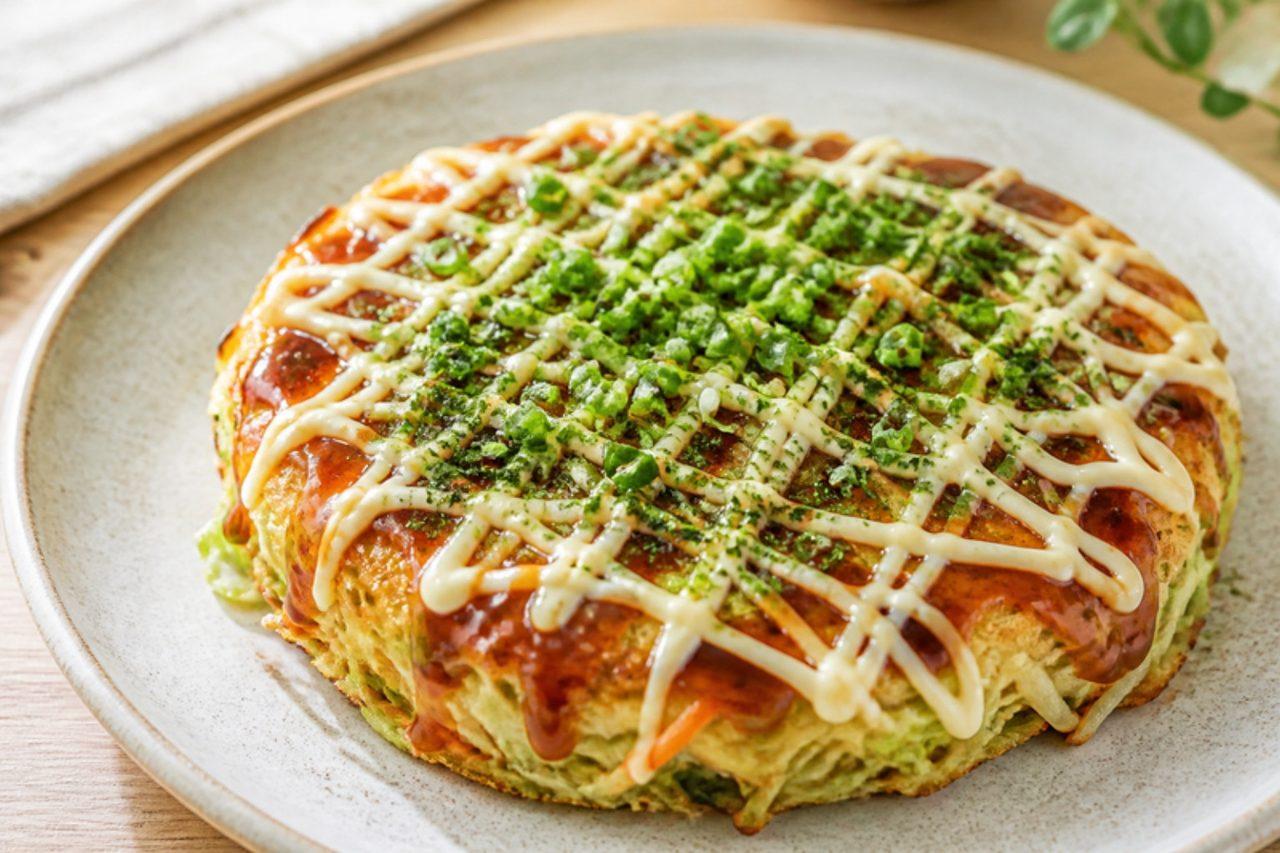
Okonomiyaki
Okonomiyaki (お好み焼き, 'grilled as you like it') is the pride of Osaka, where it's cooked on hot iron griddles in lively restaurants. Finely shredded cabbage is folded into a light batter with egg and spring onion, then fried into a thick, soft pancake with a crisp outside. It's painted with a fruity brown sauce and zigzagged with mayonnaise. Bonito flakes are usual on top; this vegetarian version uses seaweed flakes and pickled ginger instead. Chef's tip: don't press the pancake down with your spatula while it cooks. Osaka cooks leave it alone so the cabbage steams inside and stays light and fluffy; pressing squeezes out the air.

Miso soup
Miso soup (味噌汁) is drunk every day in homes all over Japan, at breakfast as well as dinner, beside a bowl of rice. The base is dashi; this vegan version uses kombu and dried shiitake instead of bonito, which gives it a deep, rounded flavour. Silken tofu and wakame seaweed are the classic fillings. It takes ten minutes; just remember not to boil the miso. Chef's tip: add the miso at the very end and never let it boil. Boiling kills the miso's fresh, fermented aroma; Japanese cooks say the soup should only 'smile', with the surface barely trembling.

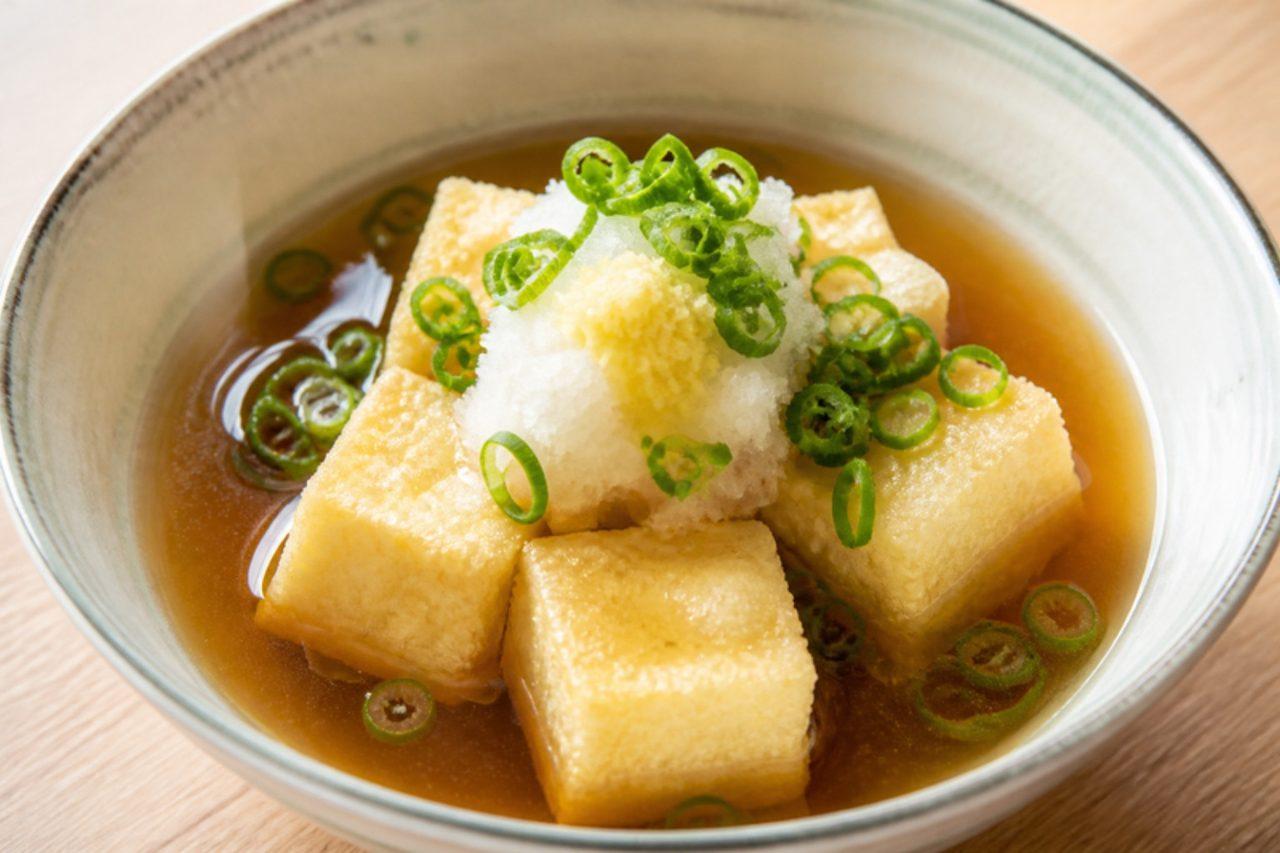
Agedashi tofu
Agedashi tofu (揚げ出し豆腐) is a classic izakaya dish eaten all over Japan: cubes of soft tofu dusted in potato starch, fried until they form a thin, crisp shell, then bathed in a hot, savoury broth. The coating turns silky as it soaks up the sauce while the tofu inside stays creamy. Usually topped with bonito flakes; here it's grated daikon, ginger and spring onion with a kombu-shiitake broth instead. Chef's tip: coat the tofu in starch right before it goes into the oil, not ahead of time; if it sits, the starch turns damp and the coating fries up gummy instead of crisp.