
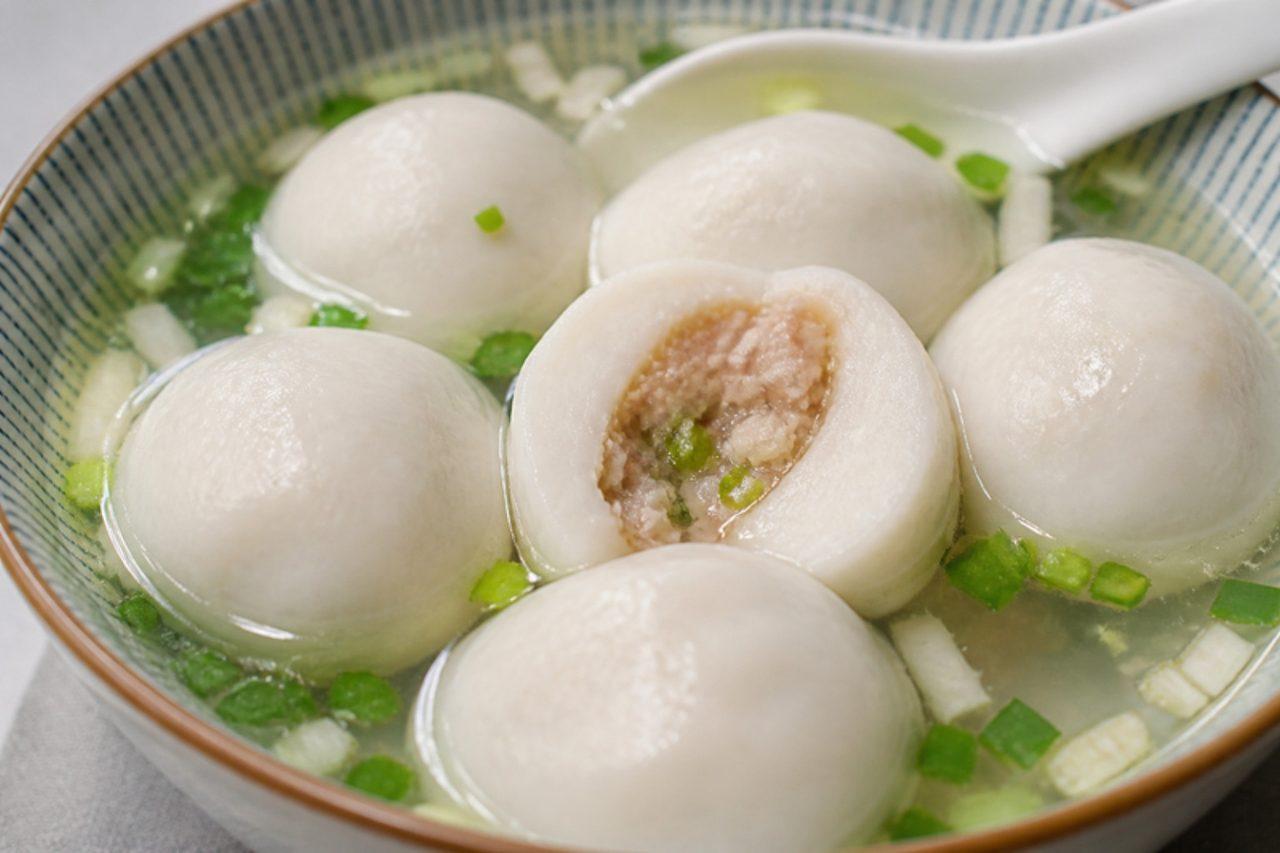
AI-generated image
Fuzhou fish ball soup
福州鱼丸 Fúzhōu yúwán: bouncy fish balls with a pork filling in clear broth

Bite carefully: inside every Fuzhou fish ball hides a spoonful of juicy seasoned pork that bursts out with a little hot broth. Sold by street vendors and served in tiny bowls at Fuzhou snack shops, and eaten at New Year because the round balls mean a family together, they are firm and springy outside, never spongy. The paste is beaten by hand with ice-cold water and a little starch until it turns smooth and elastic. Serve the soup as a light lunch or as one bowl in a spread of small dishes, with a dash of vinegar and lots of white pepper. Chef's tip: keep the fish paste really cold from start to finish; warm paste never turns bouncy.
- Total time
- 60 min
- Difficulty
- medium
- Serves
- 4
Ingredients
For the fish paste
- 1 ⅛ lb skinless white fish filletsuch as Spanish mackerel, pollock or cod; boneless, very fresh and well chilled
- 1 tsp salt
- ½ cup ice-cold water
For the pork filling
- 7 oz minced pork
- 1 tbsp light soy sauce
- ½ tsp sugar
- 1 tsp toasted sesame oil
- 2 tbsp cold water
- 1 spring onionfinely chopped
For the broth
- 5 cups chicken stocklow salt
- ½ tsp ground white pepperplus extra to serve
- 2 tbsp Chinese celery or celery leaves (optional)chopped
- 1 tsp black or rice vinegar (optional)a few drops per bowl
Shop this recipe on Amazon
What you'll need
Spices & pantry
Fresh ingredients (4)
Links open Amazon in a new tab. As an Amazon Associate, WhatToEat.Today earns from qualifying purchases.
Method
0/9 doneStep 1: Mix 7 oz minced pork, 1 tbsp light soy sauce, ½ tsp sugar, 1 tsp toasted sesame oil, 2 tbsp cold water and 1 spring onion, stirring in one direction until sticky. Shape into 20 small balls the size of a marble, put them on a plate and freeze for 15 minutes so they firm up. Keep raw pork and fish boards separate from everything else.
15 minStep 2: Cut 1 ⅛ lb skinless white fish fillet into chunks and blitz in a food processor with 1 tsp salt until it forms a smooth, sticky paste, about 1 minute.
2 minStep 3: With the motor running, trickle in ½ cup ice-cold water a little at a time, then add 2 ⅞ oz sweet potato starch or tapioca starch and blend for 1–2 minutes more until the paste is glossy and pulls away from the sides in one mass. If the machine warms the paste, chill it for 10 minutes.
3 minStep 4: Scrape the paste into a bowl and slap it against the bowl with your hand for 3–4 minutes; it should turn elastic and spring back when pressed. A common mistake is skipping this: the balls come out soft and crumbly.
4 minStep 5: Bring a large pan of water to a bare simmer (small bubbles at the edges only) and keep a bowl of cold water nearby for your hands.
Step 6: Take a walnut-sized piece of paste in a wet palm, flatten it, put a pork ball in the middle and wrap the paste around it. Squeeze it up between thumb and forefinger into a smooth ball, scoop it off with a wet spoon and drop it into the water.
Step 7: Cook the balls in two batches over a low heat for 6–8 minutes, until they float, look white and glossy, and the pork inside is cooked through (160°F / 160 °F; cut one to check). Don't let the water boil, or the balls puff up and turn rough.
8 minStep 8: Meanwhile, bring 5 cups chicken stock to the boil and season with ½ tsp ground white pepper and salt to taste.
5 minStep 9: Lift the fish balls into the broth with a slotted spoon and simmer for 1 minute. Ladle into bowls, scatter with celery and add a few drops of vinegar and more pepper to taste.
1 min
Nutrition per serving
- Calories
- 330 kcal
- Protein
- 34 g
- Carbs
- 24 g
- Fat
- 10 g
- Fibre
- 0 g
Nutrition values are estimates.
KrazyBadal
Good to know
- How long does fuzhou fish ball soup take?
- About 60 minutes in total: 35 minutes to prepare and 25 minutes to cook.
- How many people does it serve?
- 4 as written. Change the servings above the ingredients and every amount scales to match.
- What can I use instead of light soy sauce?
- Tamari, same amount (gluten free).
- What can I use instead of sugar?
- Caster sugar, same amount.
Reviews
No reviews yet. Be the first to cook it.
Rate this recipe
Sign in to rate and review this recipe.
You might also like
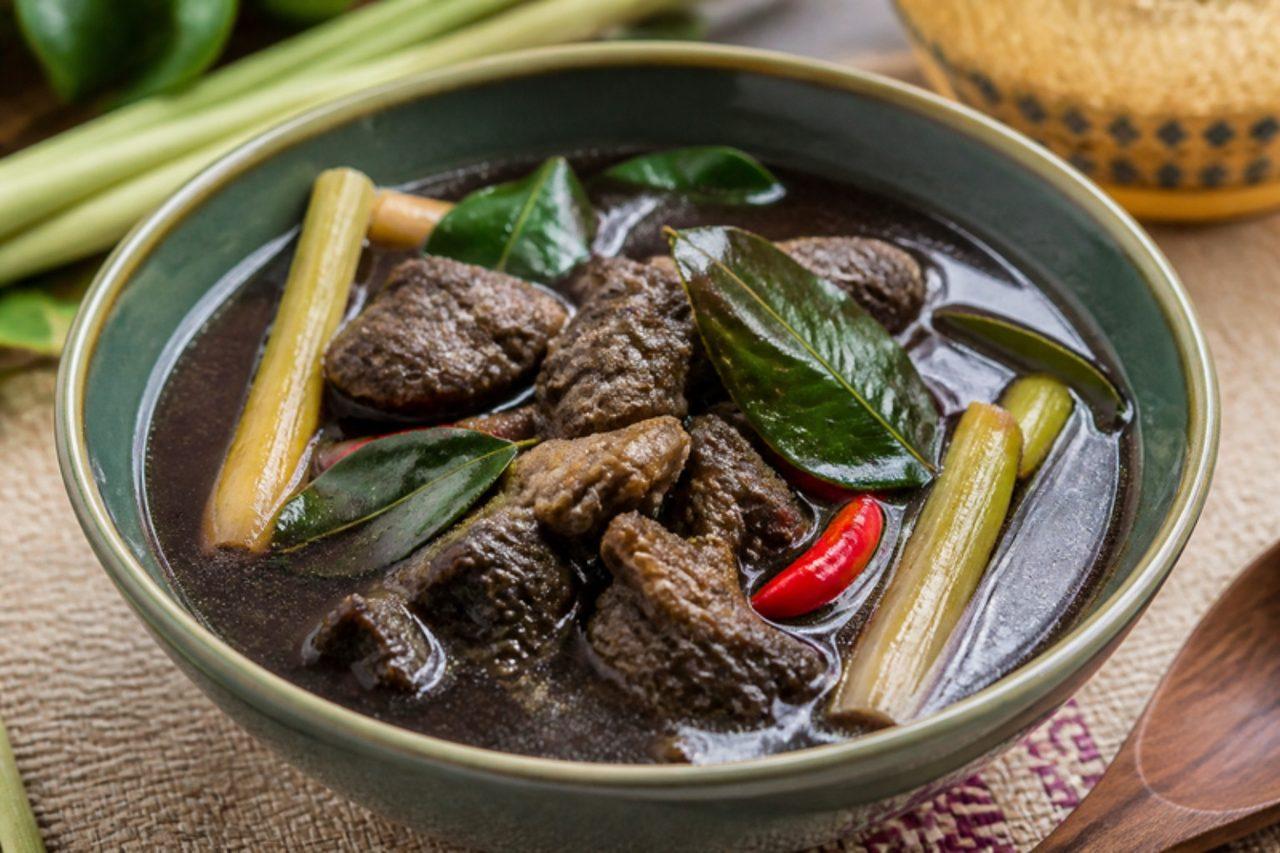
Tiyula itumBlack beef soup
Tiyula itum, 'black soup', is the pride of the Tausug people of Sulu in the far south of the Philippines, cooked for weddings, Eid celebrations and when guests come home. Beef (it is a halal, pork-free dish) is simmered with ginger, lemongrass and turmeric, then darkened with pamapa itum, a paste of grated coconut toasted until almost black and pounded with spices. The broth looks dramatic but tastes smoky, earthy and gently peppery, with heat from chillies. Serve it with plain rice. Chef's tip: toast the coconut slowly, stirring all the time, until it is very dark brown but not ashy; burnt-to-ash coconut tastes bitter and ruins the soup.
 Filipino

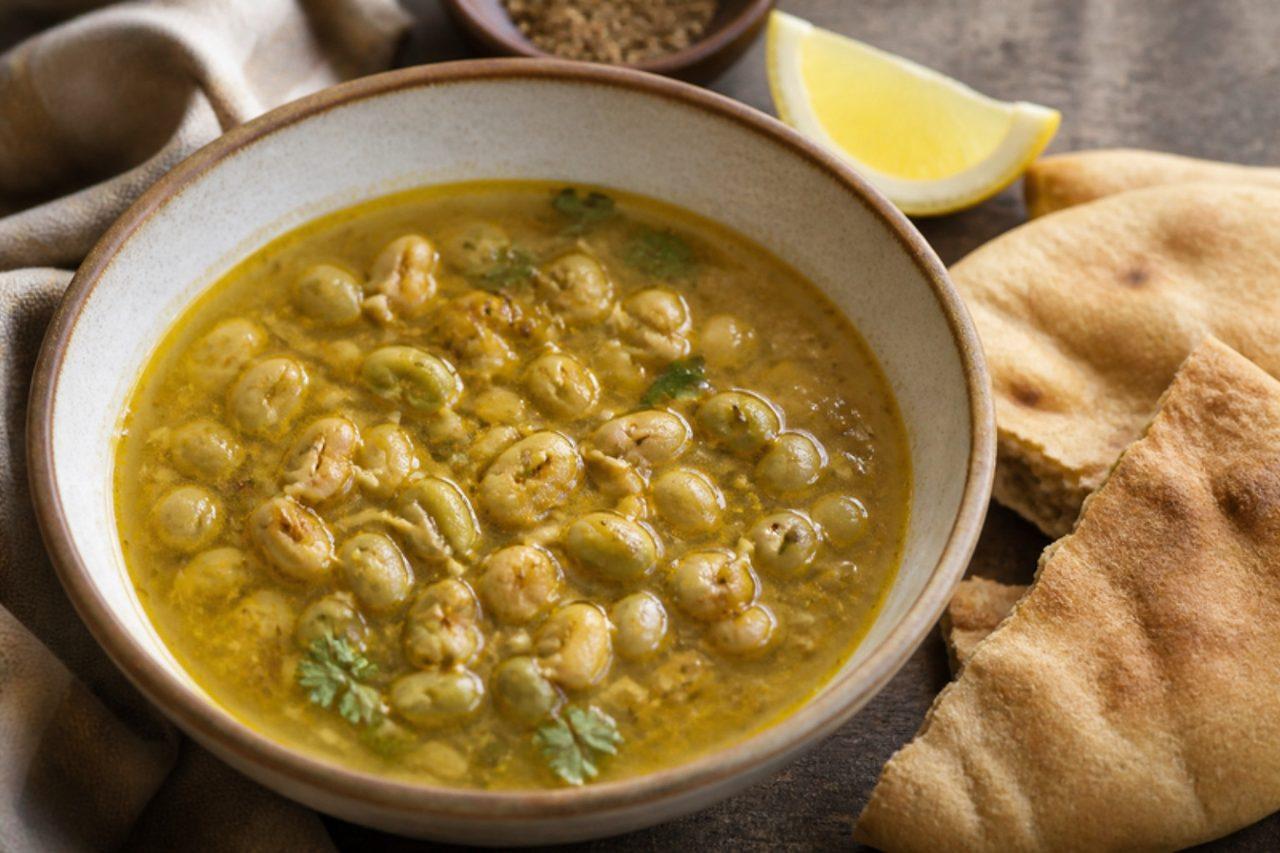
Ful nabitSprouted fava bean soup
Sprouted beans are ladled out with their cooking liquor in Cairo homes when the weather turns cold or someone is feeling run down, and Egyptians swear by the broth as a pick-me-up. The beans are soaked and left to sprout for a few days, then simmered with onion, garlic and cumin into a light, earthy soup that is sharpened at the table with plenty of lemon. You can eat the beans with a spoon or pop them from their skins. Allow 3 to 4 days for sprouting, although the hands-on work is only about 20 minutes. People with G6PD deficiency (favism) must not eat fava beans. Chef's tip: stop the sprouting when the shoots are about 1 cm long; longer sprouts taste grassy and bitter.
 Egyptian


Miso soup
Miso soup (味噌汁) is drunk every day in homes all over Japan, at breakfast as well as dinner, beside a bowl of rice. The base is dashi; this vegan version uses kombu and dried shiitake instead of bonito, which gives it a deep, rounded flavour. Silken tofu and wakame seaweed are the classic fillings. It takes ten minutes; just remember not to boil the miso. Chef's tip: add the miso at the very end and never let it boil. Boiling kills the miso's fresh, fermented aroma; Japanese cooks say the soup should only 'smile', with the surface barely trembling.
 Japanese