
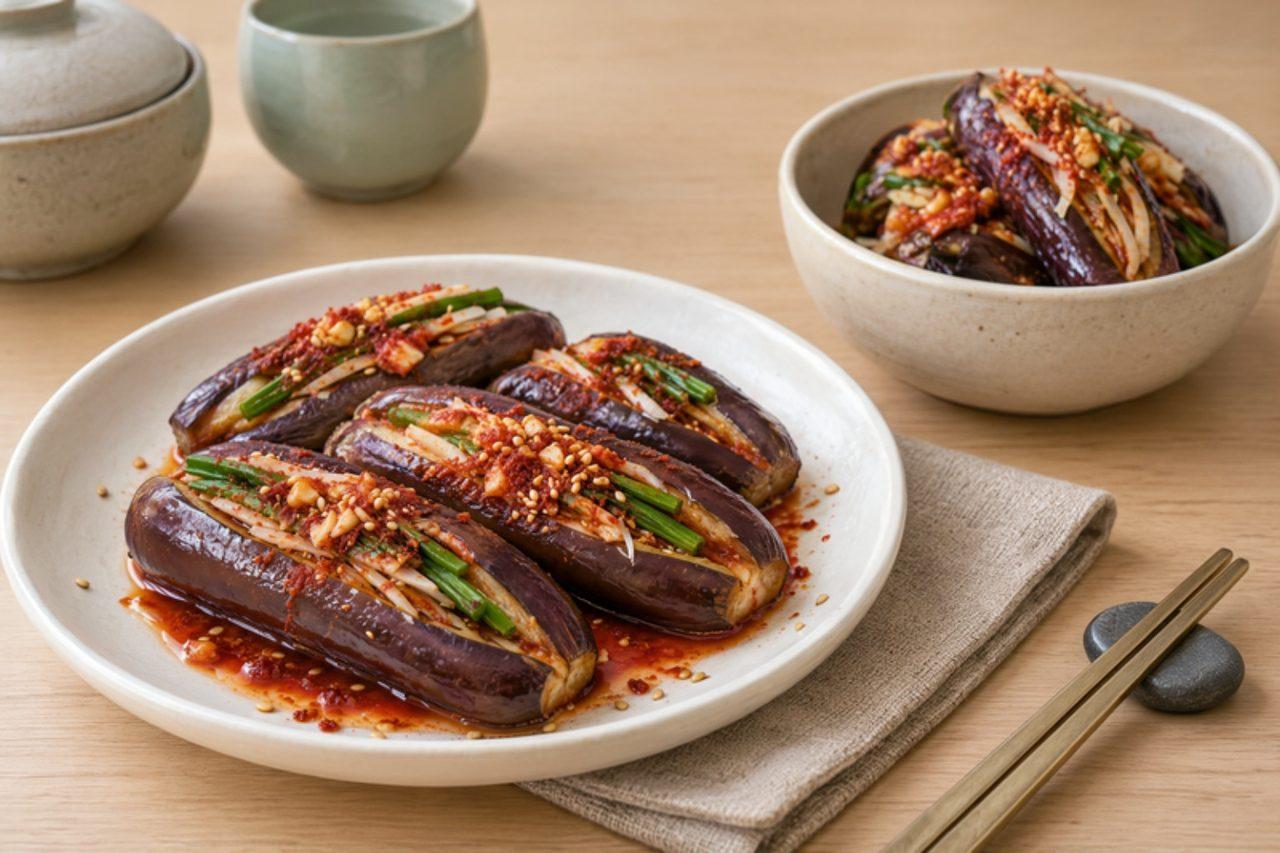
AI-generated image
Gaji kimchi
가지김치: briefly steamed eggplant split into a cross and packed with chives, radish and gochugaru, a soft, quick kimchi for hot weeks



When the long jangma rains end and markets across Korea are heaped with slim purple eggplants in July and August, home cooks turn some of them into gaji kimchi, a short-lived summer kimchi eaten cold beside barley rice, cucumber naengguk or a simple grilled fish. The eggplant is steamed just long enough to soften, then split into a cross and stuffed with garlic chives, shredded radish and a bright chilli dressing seasoned with fish sauce. It is silky and juicy, almost melting, with a crunchy, garlicky centre, and after a day the juices turn gently tangy. The usual mistake is steaming too long: the pieces collapse when you stuff them and go mushy in the jar, so pull them as soon as the skin darkens and the flesh bends but still springs back. It is ready to eat after a few hours, best on day two, when the brine in the box tastes lightly sour and the eggplant has turned deep red at the cuts. For a vegetarian version use tamari in place of fish sauce. Chef's tip: choose slim Korean or Japanese eggplants with few seeds; fat globe eggplants hold too much water.
- Total time
- 41 min
- Difficulty
- medium
- Serves
- 6
Ingredients
For the eggplant
- 4 slim Korean or Japanese eggplantsabout 600 g; firm and glossy
- 1 tsp fine sea salt
For the filling
- 2 tbsp fish sauceor tamari for a vegetarian version
- 3 tbsp cold water
- 4 garlic clovesfinely grated
- 1 tsp fresh gingerfinely grated
- 1 tsp sugar
- 2 ⅛ oz garlic chives (buchu)cut into 2 cm lengths; ordinary chives work
- 3 ½ oz Korean radish (mu) or daikoncut into fine matchsticks
- 1 oz carrotcut into fine matchsticks
- ½ onionthinly sliced
- 1 tsp toasted sesame seeds (optional)
Shop this recipe on Amazon
What you'll need
Fresh ingredients (6)
Links open Amazon in a new tab. As an Amazon Associate, WhatToEat.Today earns from qualifying purchases.
Method
0/10 doneStep 1: Clean the storage container: wash a glass jar or lidded box in hot soapy water, rinse, then dry it upside down in a 250°F oven for 10 minutes (or pour boiling water through it and air-dry). Let it cool; everything that touches the kimchi must be clean and dry.
Step 2: Trim the stem end of each 4 slim Korean or Japanese eggplants and cut it into 5 cm lengths. Cut a deep cross into one end of each piece, stopping 1 cm short of the other end so it holds together.
8 minStep 3: Bring 5 cm of water to a rolling boil under a steamer basket. Steam the eggplant, cut ends down, over a high heat until the skin darkens and a piece bends when pressed but springs back, 4–5 minutes. Do not let it go floppy.
5 minStep 4: Spread the pieces on a tray, sprinkle with 1 tsp fine sea salt and leave to cool completely, about 15 minutes. Gently press each one between your palms to squeeze out the watery juice.
15 minStep 5: In a mixing bowl stir 3 tbsp gochugaru (Korean chilli flakes) with 2 tbsp fish sauce and 3 tbsp cold water and let it bloom until it turns into a deep red paste, 5 minutes.
5 minStep 6: Stir 4 garlic cloves, 1 tsp fresh ginger and 1 tsp sugar into the chilli paste until the sugar dissolves.
Step 7: Add 2 ⅛ oz garlic chives (buchu), 3 ½ oz Korean radish (mu) or daikon, 1 oz carrot and ½ onion and toss gently with gloved hands until every strand is coated red, without bruising the chives.
2 minStep 8: Open the cross of each eggplant piece and push in a good pinch of filling, then press closed. Pack the pieces upright and snugly into the container, sprinkle with 1 tsp toasted sesame seeds if using, and swirl a spoonful of water round the bowl to catch the last of the seasoning; pour it over.
10 minStep 9: Leave the box covered at cool room temperature for 6–12 hours until the juices pool and smell faintly tangy, then refrigerate. It keeps 4–5 days in the fridge and gets softer and sourer each day.
Step 10: Before serving, check it: a little fizz, cloudy red juice and a clean, sour smell are normal. Throw it away if you see fuzzy or coloured mould, slimy pieces or a rotten smell. Serve cold with a clean, dry spoon.
Nutrition per serving
- Calories
- 40 kcal
- Protein
- 2 g
- Carbs
- 8 g
- Fat
- 1 g
- Fibre
- 3 g
Nutrition values are estimates.
KrazyBadal
Good to know
- How long does gaji kimchi take?
- About 41 minutes in total: 35 minutes to prepare and 6 minutes to cook.
- How many people does it serve?
- 6 as written. Change the servings above the ingredients and every amount scales to match.
- Is it gluten free?
- Yes, as written. Check the labels on stock, sauces and spice mixes, which sometimes contain gluten.
- Is it very spicy?
- It has some heat. Use less chilli for a milder version, or more if you like it hot.
- Can I make it ahead?
- Yes. It keeps well, so you can cook it earlier in the day or the day before and reheat it.
- What can I use instead of fish sauce?
- Soy sauce with a squeeze of lime (vegetarian).
- What can I use instead of garlic cloves?
- ½ tsp garlic paste or ⅛ tsp garlic powder per clove.
Reviews
No reviews yet. Be the first to cook it.
Rate this recipe
Sign in to rate and review this recipe.
You might also like
Vegan nuoc cham
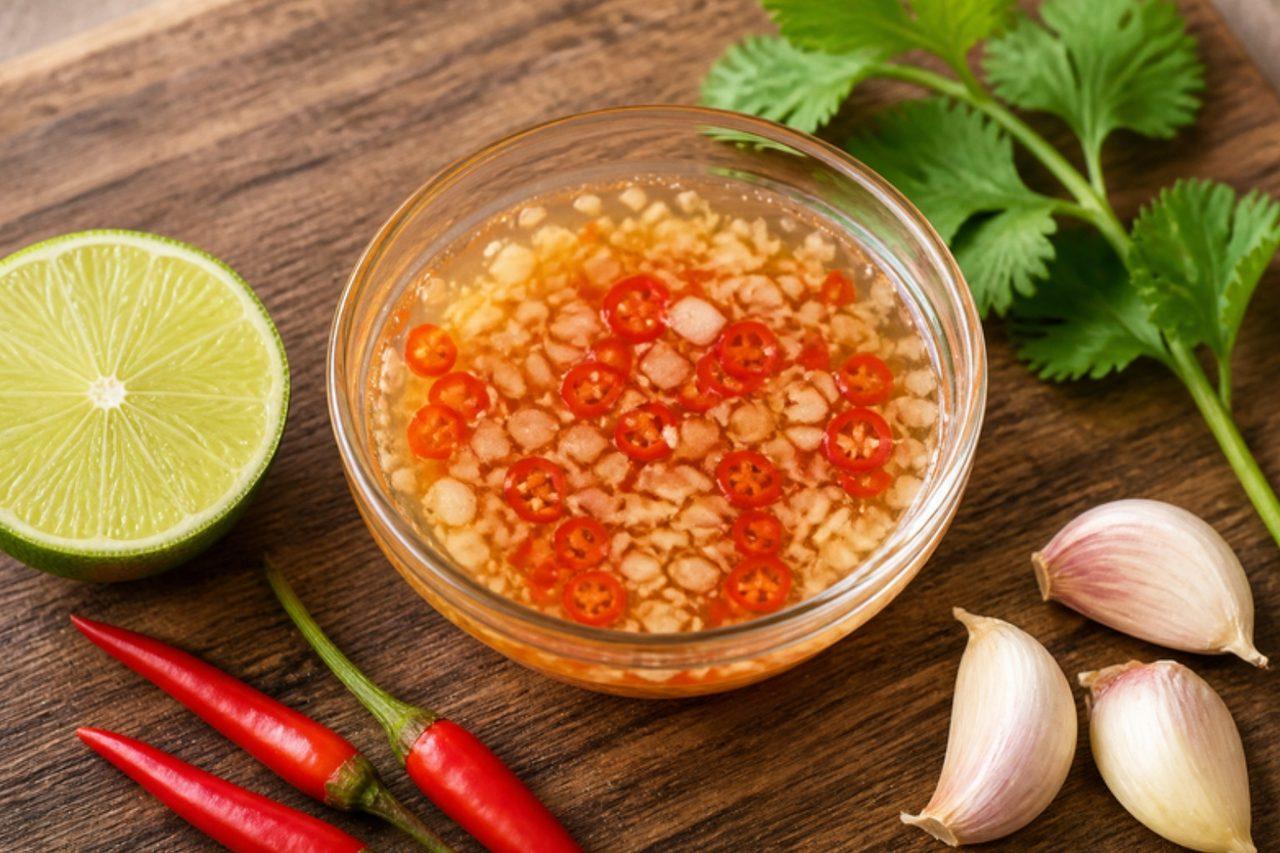
Nước chấm is the dipping sauce that goes with almost everything in Vietnam: spring rolls, bánh xèo, noodle salads and broken rice. Buddhist vegetarian cooks, all over the country, make it without fish sauce, using light soy sauce and a little coconut water for the deep, rounded taste. It should be thin, clear and pale amber, with flecks of garlic and chilli floating on top. Chef's tip: dissolve the sugar in the warm water first, then add the lime and soy, and stir in the garlic and chilli last, pounded with a pinch of sugar, so they float on the surface instead of sinking.
 Vietnamese

Mint and onion chutney
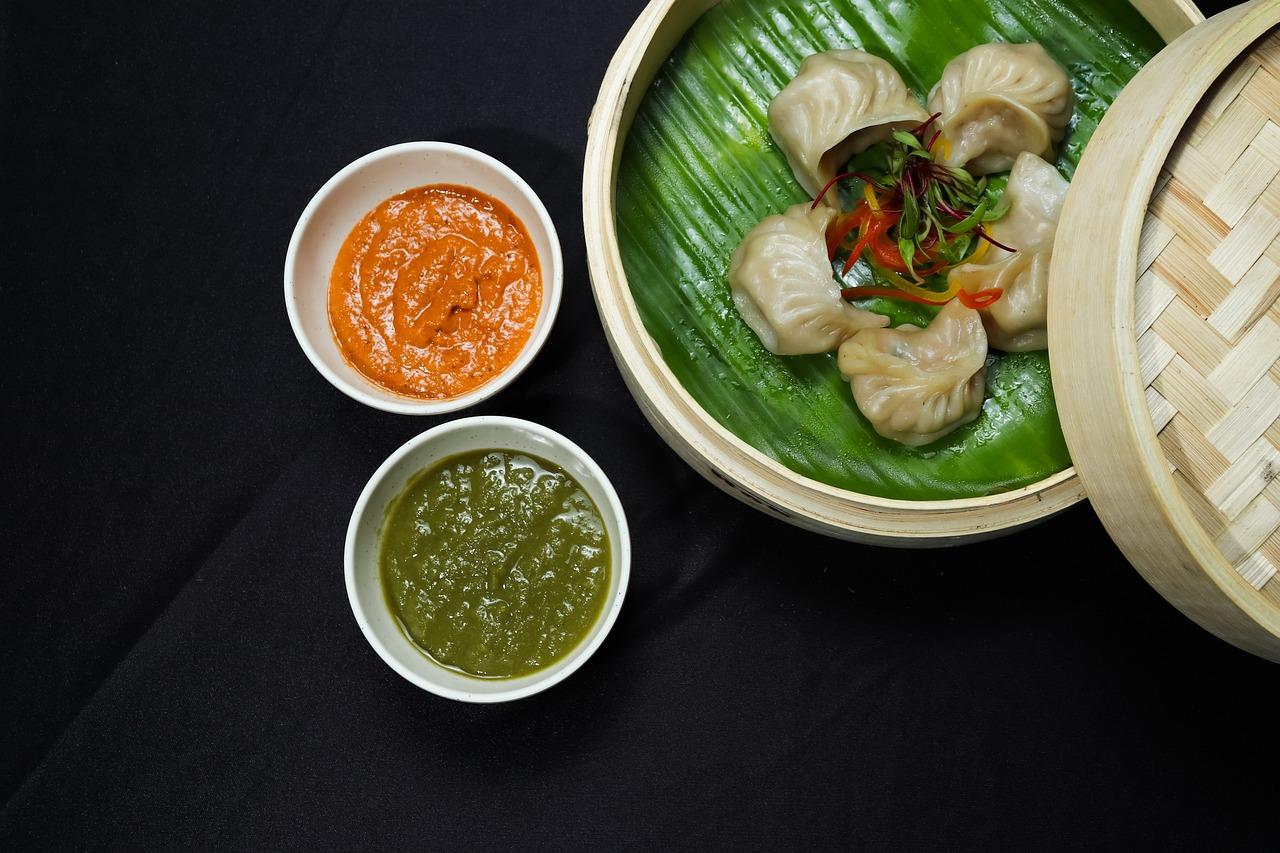
Onions fried gently until soft and sweet, then blended with fresh mint, green chilli and lemon juice. It's a mellow, fresh-tasting chutney that is great with bhajias, samosas, kebabs and tikka, or spread in sandwiches.
 Indian

Sour cream dip
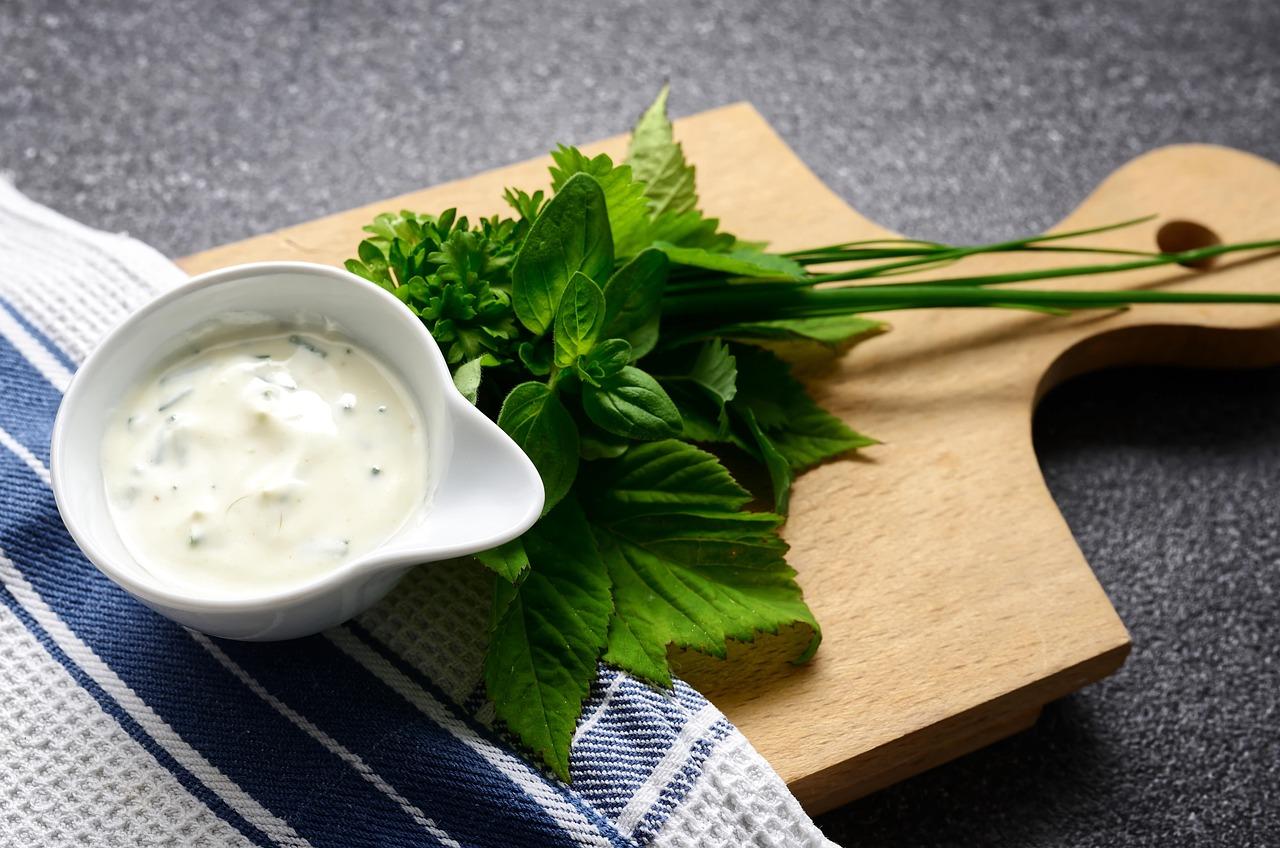
A simple, tangy dip made with thick home-made cottage cheese (hung yogurt) or ready-made sour cream, seasoned with garlic, chilli, black pepper and vinegar. Serve it cold with crisps, nachos and jacket potatoes. The book's other dips use this as their 'sour cream'.