
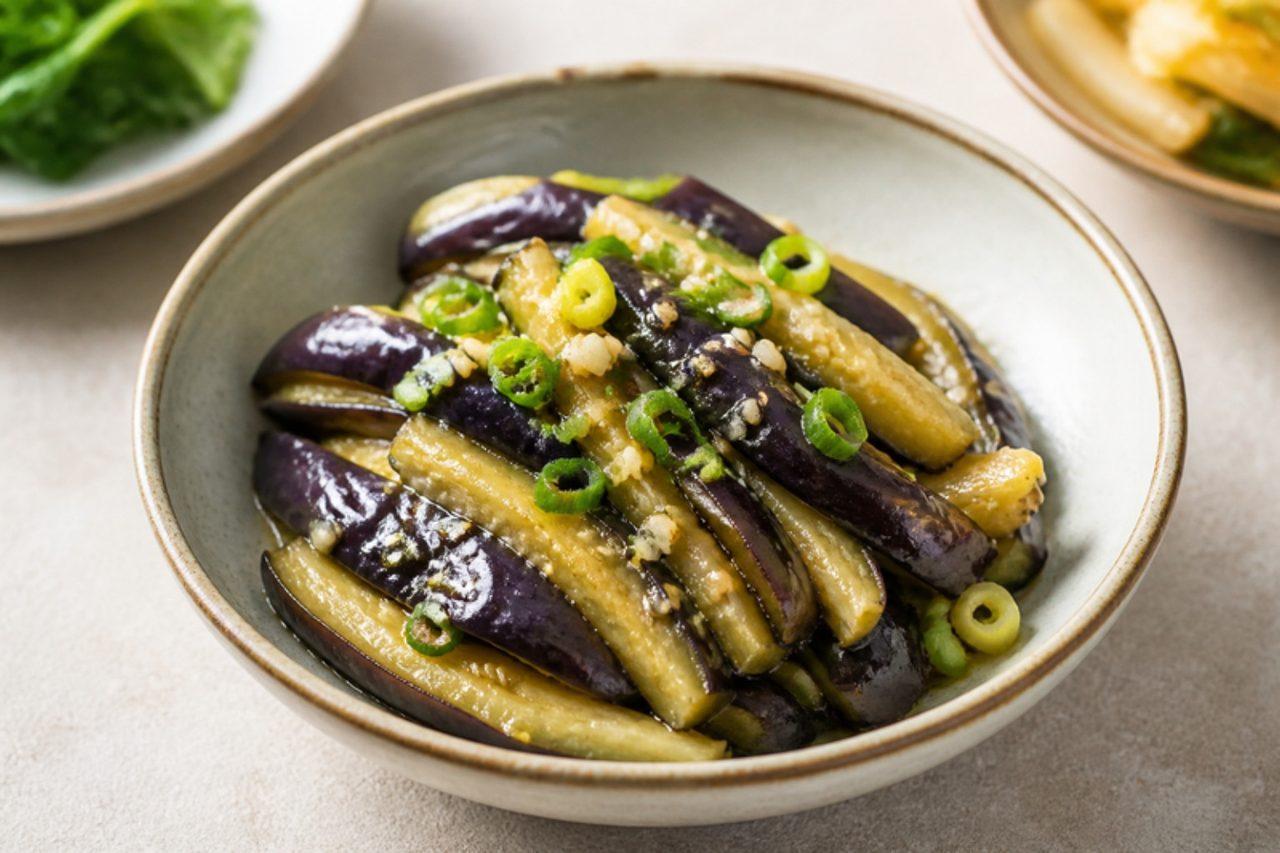
AI-generated image
Gaji namul
Seasoned steamed aubergine
Gaji namul (가지나물): steamed aubergine strips in garlic, soy and sesame


In late summer, when aubergines pile up at Seoul's Gyeongdong market for next to nothing, gaji namul turns up beside the rice at almost every home dinner. Long strips of aubergine are steamed until silky, then torn and dressed with soy, garlic, spring onion and toasted sesame, so they taste mellow, savoury and faintly sweet. It is one of the gentlest banchan, good for anyone who finds kimchi too fierce. The usual mistake is dressing the aubergine while it is still hot and dripping: the seasoning slides off and the dish turns watery, so let it steam dry and cool first. Chef's tip: tear the strips by hand along the grain rather than slicing them; the rough edges hold far more dressing.
- Total time
- 20 min
- Difficulty
- easy
- Serves
- 4
Ingredients
- 2 auberginesabout 500 g, long slim ones if you can get them
For the dressing
- 1 ½ tbsp soy sauce
- 1 garlicclove, finely grated
- 1 spring onionfinely chopped
- 1 tbsp toasted sesame oil
- ½ tsp sugar
- 1 tsp toasted sesame seedslightly crushed
- ½ tsp gochugaru (Korean chilli flakes) (optional)
Shop this recipe on Amazon
What you'll need
Fresh ingredients (3)
Links open Amazon in a new tab. As an Amazon Associate, WhatToEat.Today earns from qualifying purchases.
Method
0/6 doneStep 1: Trim 2 aubergines and cut each into 3 pieces about 7 cm long, then cut each piece lengthways into quarters.
Step 2: Bring 3 cm of water to the boil under a steamer. Lay the aubergine skin side down in the basket, cover and steam over a medium-high heat until a chopstick slides through with no resistance but the pieces still hold their shape.
7 minStep 3: Spread the aubergine on a plate and leave it uncovered until just warm, so the surface steam evaporates. Gently press out any pooled water with your fingertips.
5 minStep 4: Tear each piece by hand into finger-thick strips along the grain.
Step 5: In a bowl, mix 1 ½ tbsp soy sauce, 1 garlic, 1 spring onion, 1 tbsp toasted sesame oil, ½ tsp sugar and ½ tsp gochugaru (Korean chilli flakes), if using.
Step 6: Add the aubergine and toss gently with your fingers until every strip is glossy. Taste and add a few drops more soy if needed, then scatter over 1 tsp toasted sesame seeds. Serve at room temperature; it keeps 2 days in the fridge.
Nutrition per serving
- Calories
- 70 kcal
- Protein
- 2 g
- Carbs
- 9 g
- Fat
- 4 g
- Fibre
- 4 g
Nutrition values are estimates.
KrazyBadal
Good to know
- How long does gaji namul take?
- About 20 minutes in total: 10 minutes to prepare and 10 minutes to cook.
- How many people does it serve?
- 4 as written. Change the servings above the ingredients and every amount scales to match.
- Is it vegan?
- Yes. It has no meat, fish, dairy or eggs.
- What can I use instead of soy sauce?
- Tamari, same amount (gluten free).
- What can I use instead of garlic?
- ½ tsp garlic paste or ⅛ tsp garlic powder per clove.
Reviews
No reviews yet. Be the first to cook it.
Rate this recipe
Sign in to rate and review this recipe.
You might also like
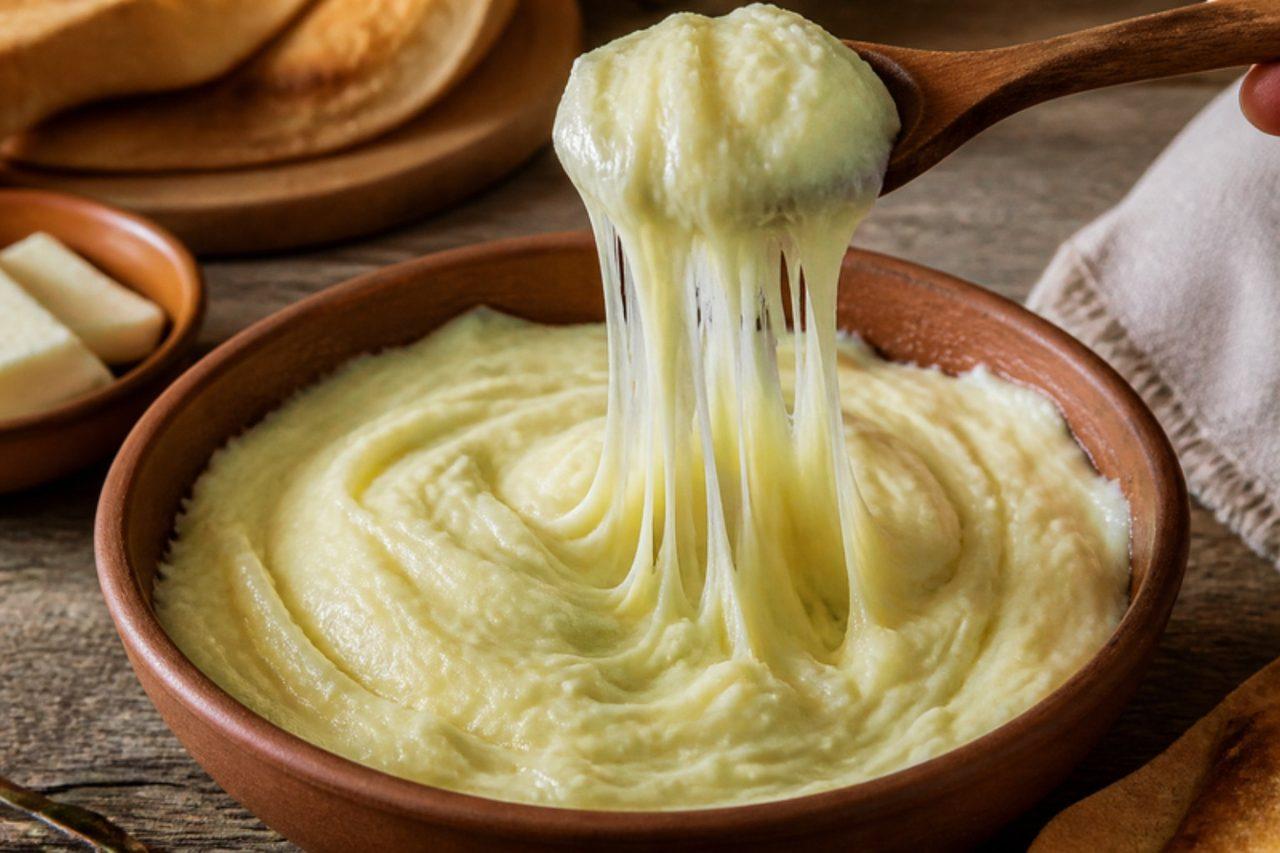
TashmijabiMashed potatoes with stretchy cheese
Potatoes grow well in the cold valleys of Svaneti, and tashmijabi is how families around Mestia turn them into a feast dish: they are mashed hot, then beaten with handfuls of young sulguni until the purée becomes glossy and stretches from the spoon in long strands. It is served with grilled meat, kubdari or simply with pickles and Svan salt. A common mistake is letting the potatoes cool before adding the cheese; they must be piping hot for the cheese to melt and stretch. Chef's tip: keep the pan on a low heat while you beat, and use a firm wooden spoon. Most sulguni uses animal rennet; choose a vegetarian one or use mozzarella.
 Georgian

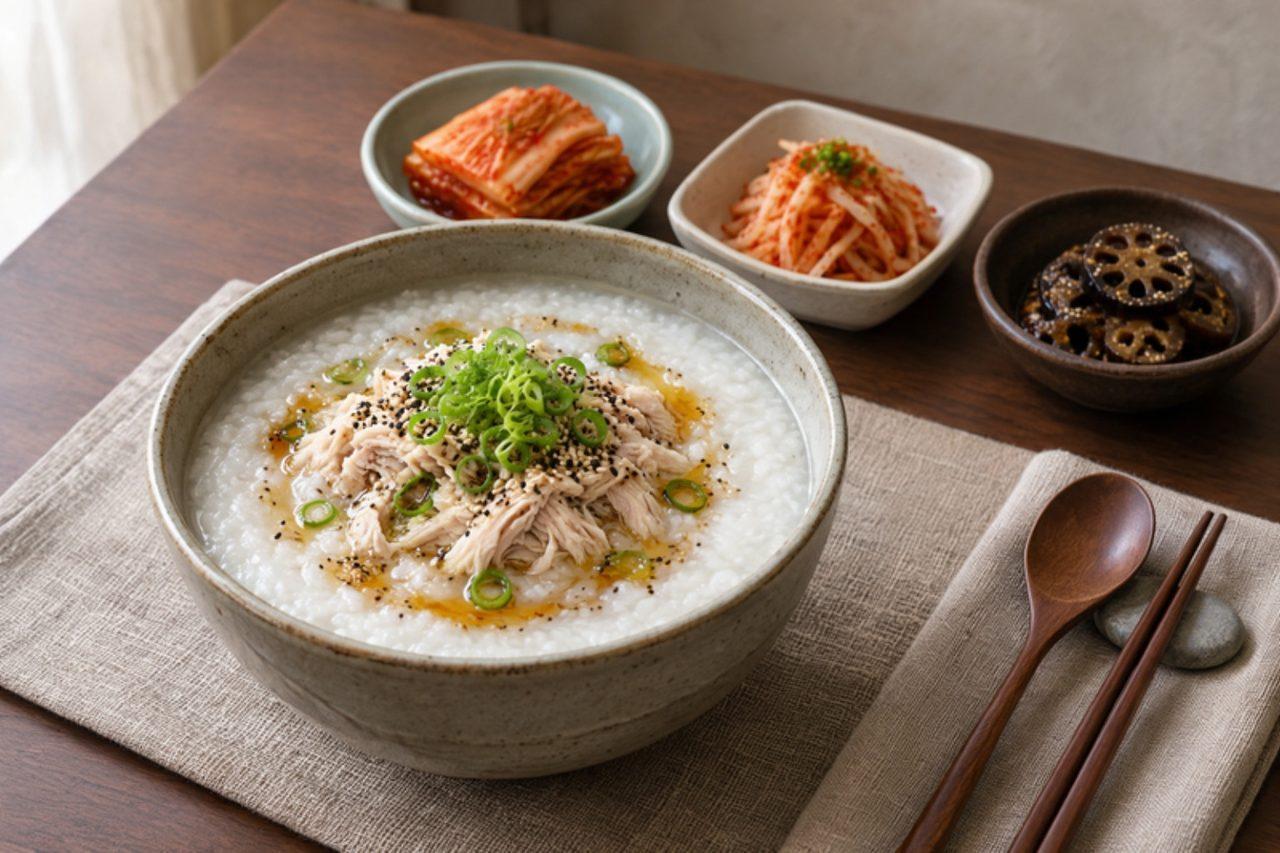
DakjukChicken and rice porridge
All over Korea, dakjuk is the bowl a mother makes on a cold morning or when someone is under the weather: chicken simmered with garlic and ginger, the meat pulled into shreds, and soaked rice cooked down in the broth until it turns into a soft, savoury porridge finished with sesame oil. It is eaten for breakfast or as a gentle lunch, with a little kimchi on the side. The usual mistake is boiling the chicken hard, which clouds the broth and toughens the meat; keep it at a lazy simmer. Chef's tip: fry the soaked rice in sesame oil for two minutes before the broth goes in, so the grains toast lightly and the porridge tastes nutty rather than flat.
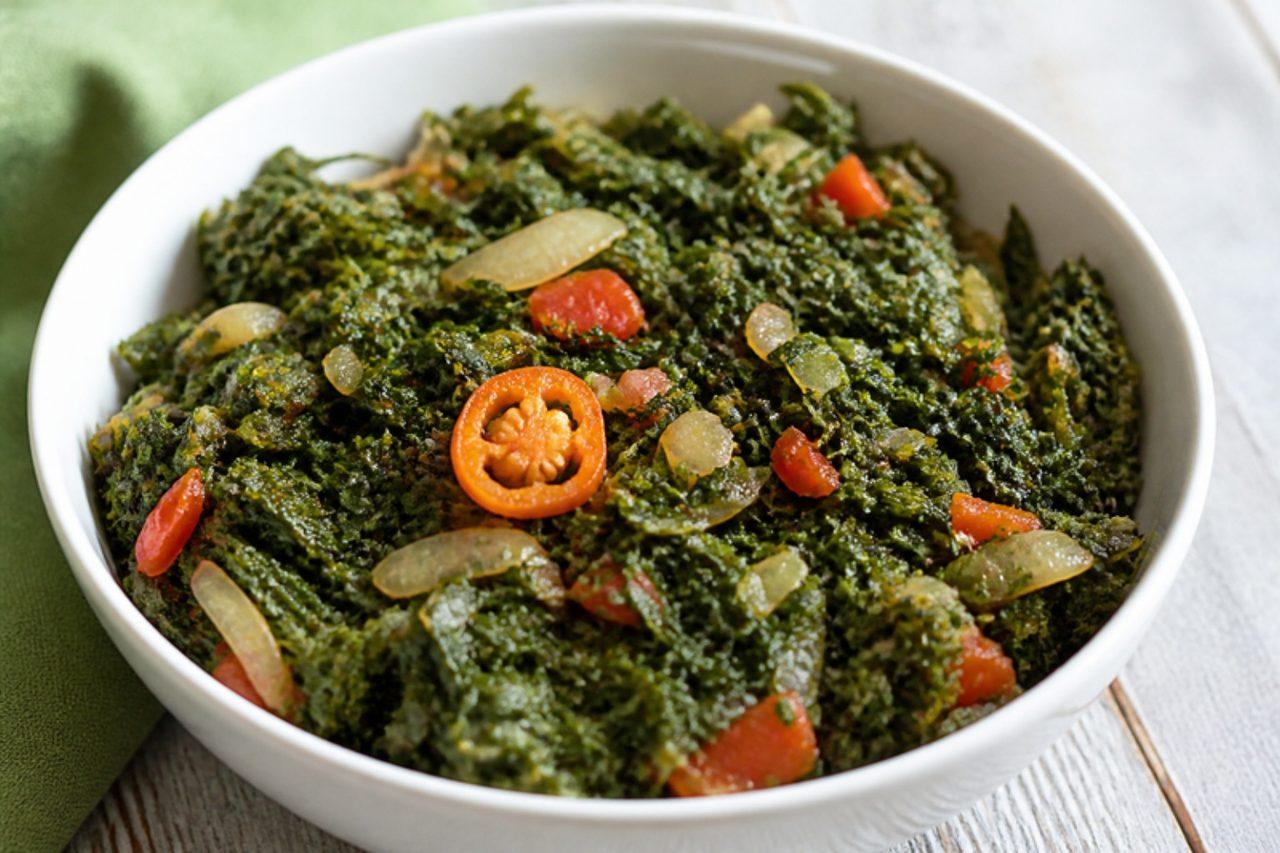
Jamaican callalooSteamed callaloo greens
In Jamaica, callaloo means the leaves and tender stems of a type of amaranth, sold in big bundles in every market from Coronation Market in Kingston to Santa Cruz in St Elizabeth. It's steamed down with onion, tomato, garlic and thyme into soft, savoury greens with a mild mineral sweetness, and eaten at breakfast with fried dumplings, boiled green bananas or hard dough bread, or as a side at dinner. Spinach or Swiss chard can stand in if you can't find callaloo. Chef's tip: peel the fibrous skin from the thicker stems with a small knife and slice the stems and leaves finely across, about 1 cm wide. That's how Jamaican cooks get callaloo that's tender all the way through rather than stringy.
 Jamaican
