
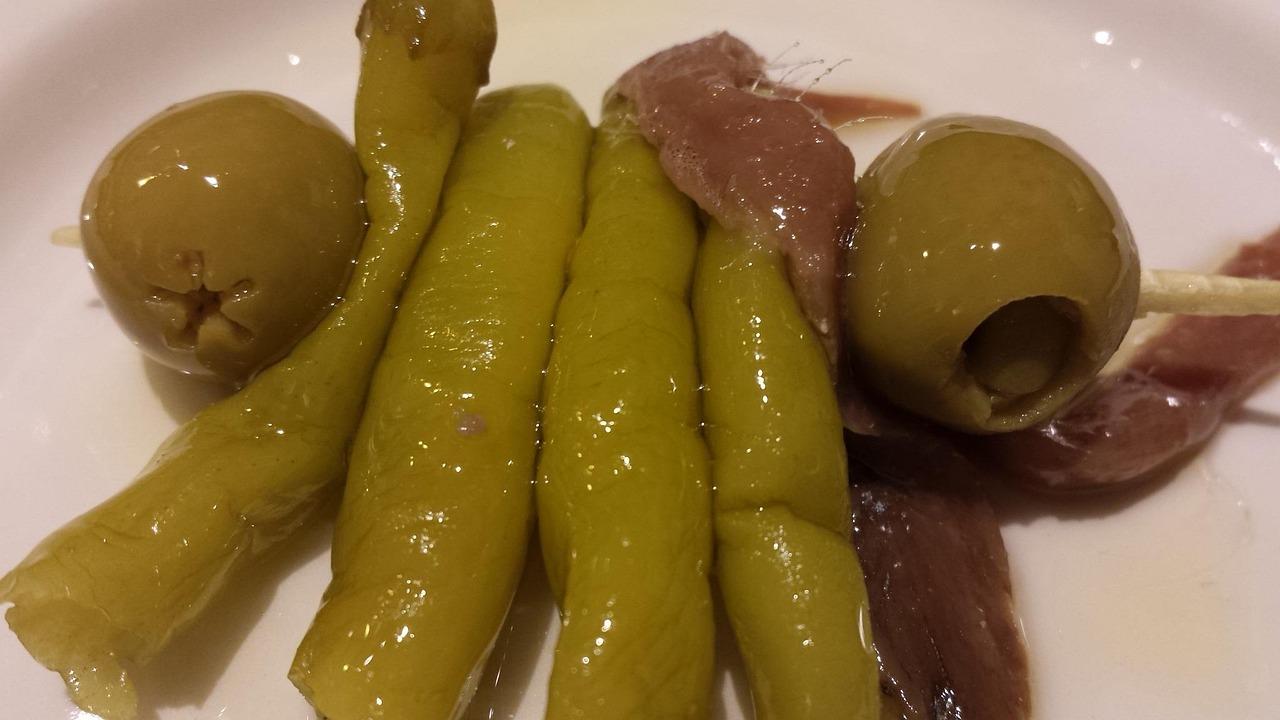
Gilda
Olive, anchovy and pepper skewer
Gilda: San Sebastián's pintxo of olive, anchovy and pickled guindilla pepper on a stick


The gilda was born in a San Sebastián bar in the late 1940s and named after the screen heroine of the film of the same name: green, salty and a little spicy, as the regulars put it. Every Basque bar counter still has a plate of them, eaten in one bite with a glass of something cold before lunch. Salted anchovies in oil are cured, not cooked, so they are not for pregnant women, young children or anyone with a weakened immune system; for a safer version use good tinned tuna in oil instead. A common mistake is using fresh anchovies marinated in vinegar (boquerones), which are raw and too soft for the stick. Chef's tip: thread the anchovy in a wave between the olives so each bite gets a bit of everything.
- Total time
- 15 min
- Difficulty
- easy
- Serves
- 4
Ingredients
- 1 tbsp extra virgin olive oil
Shop this recipe on Amazon
Spices & pantry
Links open Amazon in a new tab. As an Amazon Associate, WhatToEat.Today earns from qualifying purchases.
Method
0/3 doneStep 1: Drain the 24 large green olives, pitted, 12 salted anchovy fillets in olive oil (or small chunks of tinned tuna) and 24 pickled green guindilla peppers and pat them dry on kitchen paper.
3 minStep 2: On a cocktail stick, thread one olive, then the tip of an anchovy fillet. Add two guindillas, folded if long, then weave the anchovy back over them and finish with a second olive. Repeat to make 12 sticks.
10 minStep 3: Lay the gildas on a plate, drizzle with 1 tbsp extra virgin olive oil and serve within an hour, keeping them in the fridge until then.
2 min
Nutrition per serving
- Calories
- 90 kcal
- Protein
- 4 g
- Carbs
- 2 g
- Fat
- 7 g
- Fibre
- 1 g
Nutrition values are estimates.
KrazyBadal
Good to know
- How long does gilda take?
- About 15 minutes in total.
- How many people does it serve?
- 4 as written. Change the servings above the ingredients and every amount scales to match.
- Is it gluten free?
- Yes, as written. Check the labels on stock, sauces and spice mixes, which sometimes contain gluten.
- What can I use instead of salted anchovy fillets in olive oil (or small chunks of tinned tuna)?
- Vegetable, sunflower or rapeseed oil, same amount (for cooking; keep olive oil for dressings if you have a little).
Reviews
No reviews yet. Be the first to cook it.
Rate this recipe
Sign in to rate and review this recipe.
You might also like
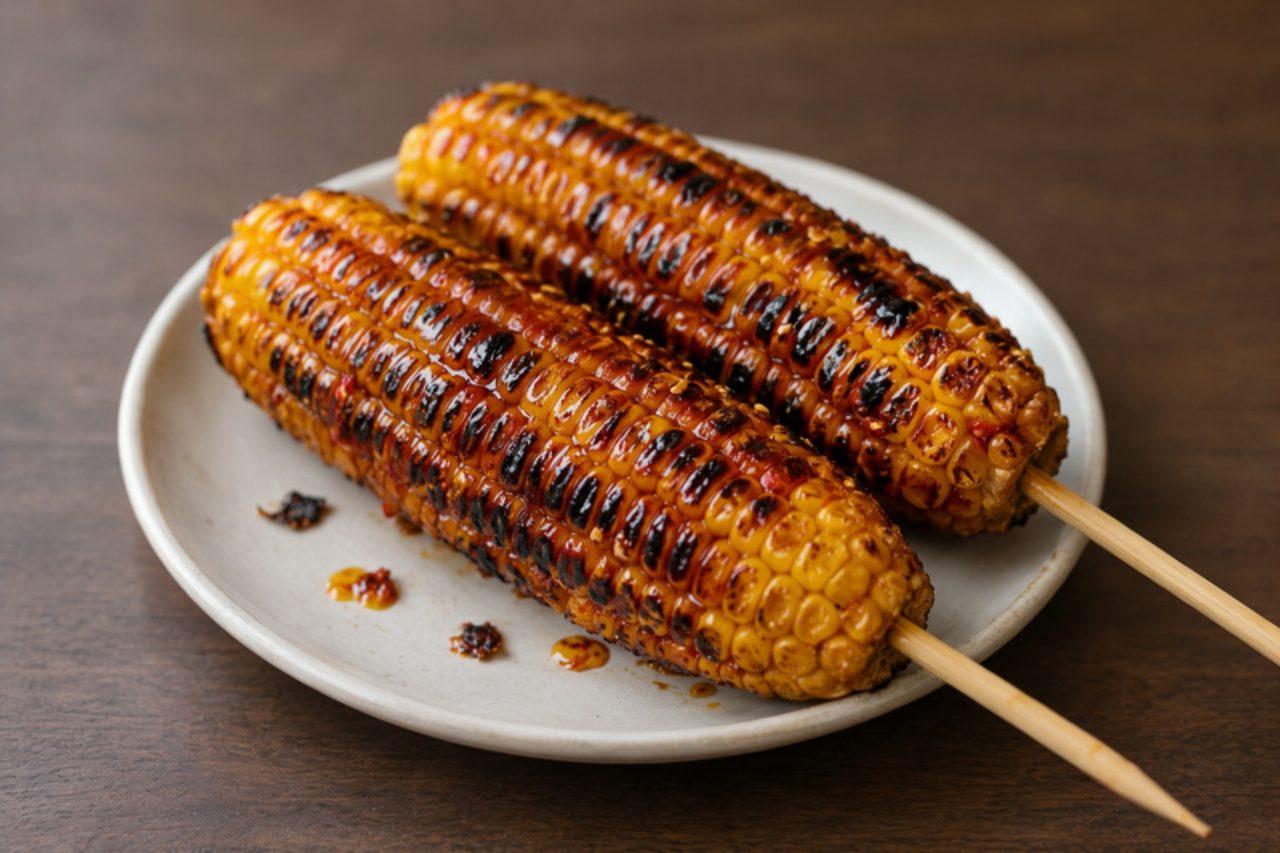
Taiwanese grilled corn
At Raohe and Shilin night markets the grilled-corn stalls are easy to find: look for the queue and the smoky, sweet smell. Cobs are par-cooked, then turned slowly over charcoal while the cook brushes them with a dark glaze of sacha sauce, thick soy paste, garlic and chilli, layer after layer, until the kernels are sticky, slightly charred and deeply savoury. It is eaten hot from a paper sleeve while walking the market. Sacha (shacha) sauce, a Taiwanese barbecue paste, usually contains dried fish and shrimp; vegetarian sacha is sold in Asian shops. Contains soy, wheat and fish. Chef's tip: brush thin coats and turn often; one thick coat burns before the corn chars.
 Taiwanese

Masala khakhraCrisp roasted wheat crackers
Khakhra are thin chapaties roasted slowly on a griddle until they turn crisp, like a cracker. This masala version adds gram flour, fresh fenugreek, turmeric and chilli to the wheat dough. They are a light Gujarati breakfast or tea-time snack, and lovely with pickle, chutney or a smear of butter. You can also make them in a roti maker.
 Indian

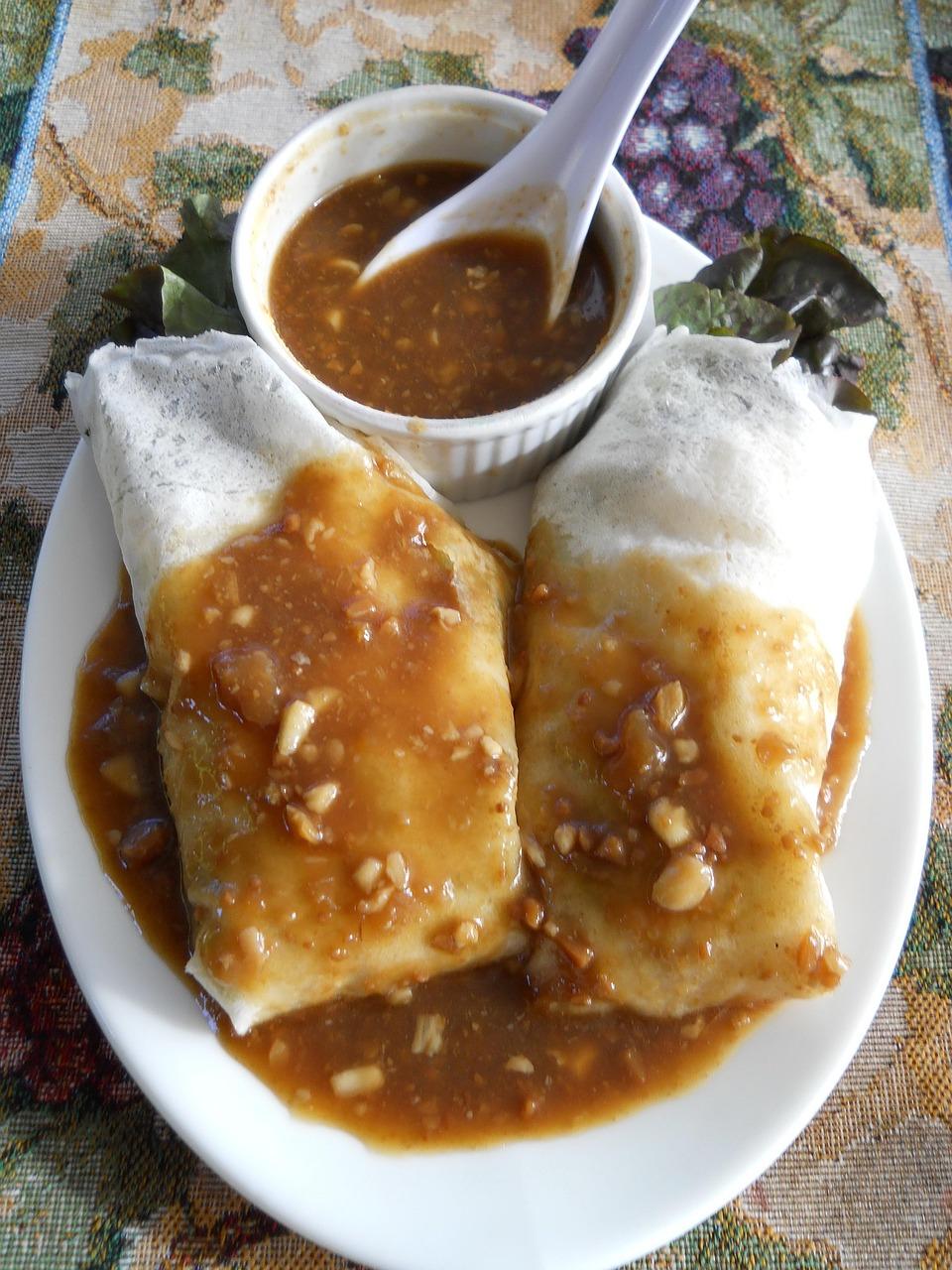
Lumpiang sariwaFresh vegetable spring rolls
Lumpiang sariwa ('fresh lumpia') is the unfried cousin of the crisp Filipino spring roll, served at fiestas, family gatherings and as a substantial afternoon merienda around Manila and the Tagalog provinces. A thin, soft egg crepe is wrapped around a lettuce leaf and a warm sauté of sweet potato, jicama, carrot, green beans, cabbage and tofu, then covered in a glossy brown garlic sauce and a shower of crushed peanuts. In Negros the filling is heart of palm (ubod) instead. It is eaten with a knife and fork, or carefully by hand. Chef's tip: make the crepes thin enough that you can almost see light through them; thick ones turn rubbery and hide the filling.
 Filipino