
AI-generated image
Haitian kasav
Crisp cassava flatbread
Kasav: crisp cassava flatbread from northern Haiti



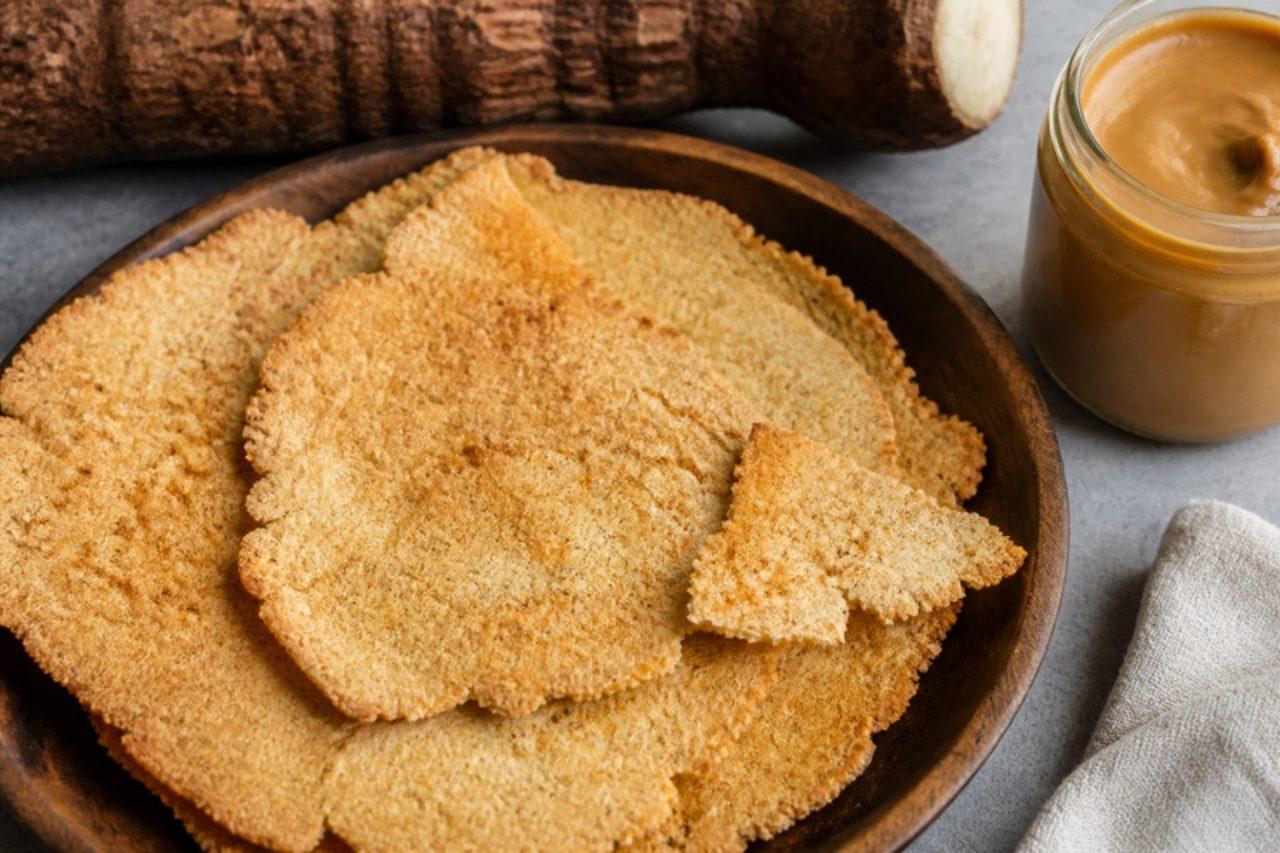
In Cap-Haïtien and the hill towns of the north, kasav is made from nothing but grated, pressed cassava, toasted on a wide griddle into a flat, pale round that is crisp outside and chewy within. People break it over soup, spread it with peanut butter for breakfast, or buy the sweet version studded with grated coconut and sugar from roadside sellers. At home the key is getting the cassava truly dry: wet pulp steams into a gummy pancake, the most common failure. This recipe uses frozen grated sweet cassava, which is sold ready to use. Chef's tip: rub the dry pulp through a coarse sieve before cooking; the fine, even crumbs bind into a lacier, crisper bread.
- Total time
- 90 min
- Difficulty
- medium
- Serves
- 6
Ingredients
- 2 ¼ lb frozen grated cassavathawed
- 1 tsp salt
- 2 ⅛ oz grated coconut (optional)fresh or desiccated, for a sweet version
- 2 tbsp brown sugar (optional)for a sweet version
Shop this recipe on Amazon
What you'll need
Spices & pantry
Links open Amazon in a new tab. As an Amazon Associate, WhatToEat.Today earns from qualifying purchases.
Method
0/7 doneStep 1: Tip 2 ¼ lb frozen grated cassava into a clean tea towel, twist it tight and squeeze over the sink until no more liquid runs out. Leave it wrapped under a heavy pan for 20 minutes, then squeeze again; the pulp should feel dry and crumbly.
25 minStep 2: Rub the pulp through a coarse sieve or crumble it with your fingers, breaking up every lump, and mix in 1 tsp salt. For sweet kasav, mix in 2 ⅛ oz grated coconut and 2 tbsp brown sugar too.
Step 3: Heat a large heavy frying pan or flat griddle over a medium heat, with no oil. Set an 18 cm metal ring in it, or just shape freehand.
Step 4: Scatter a layer of cassava about 5 mm thick into the ring and press it down lightly with the back of a spoon. Lift off the ring.
1 minStep 5: Cook for 5 minutes, until the underside is dry, firm and patched with pale gold and the round holds together when you slide a spatula under it.
5 minStep 6: Flip and cook 4–5 minutes more, until both sides are crisp. Repeat with the rest, cooling the kasav on a rack so they stay crisp.
5 minStep 7: Eat warm, or keep cooled kasav in a tin for 3 days and re-crisp in a dry pan.
Nutrition per serving
- Calories
- 210 kcal
- Protein
- 1 g
- Carbs
- 50 g
- Fat
- 1 g
- Fibre
- 2 g
Nutrition values are estimates.
KrazyBadal
Good to know
- How long does haitian kasav take?
- About 90 minutes in total: 40 minutes to prepare and 50 minutes to cook.
- How many people does it serve?
- 6 as written. Change the servings above the ingredients and every amount scales to match.
- Is it vegan?
- Yes. It has no meat, fish, dairy or eggs.
- Is it gluten free?
- Yes, as written. Check the labels on stock, sauces and spice mixes, which sometimes contain gluten.
Reviews
No reviews yet. Be the first to cook it.
Rate this recipe
Sign in to rate and review this recipe.
You might also like
SalufPuffy flatbread
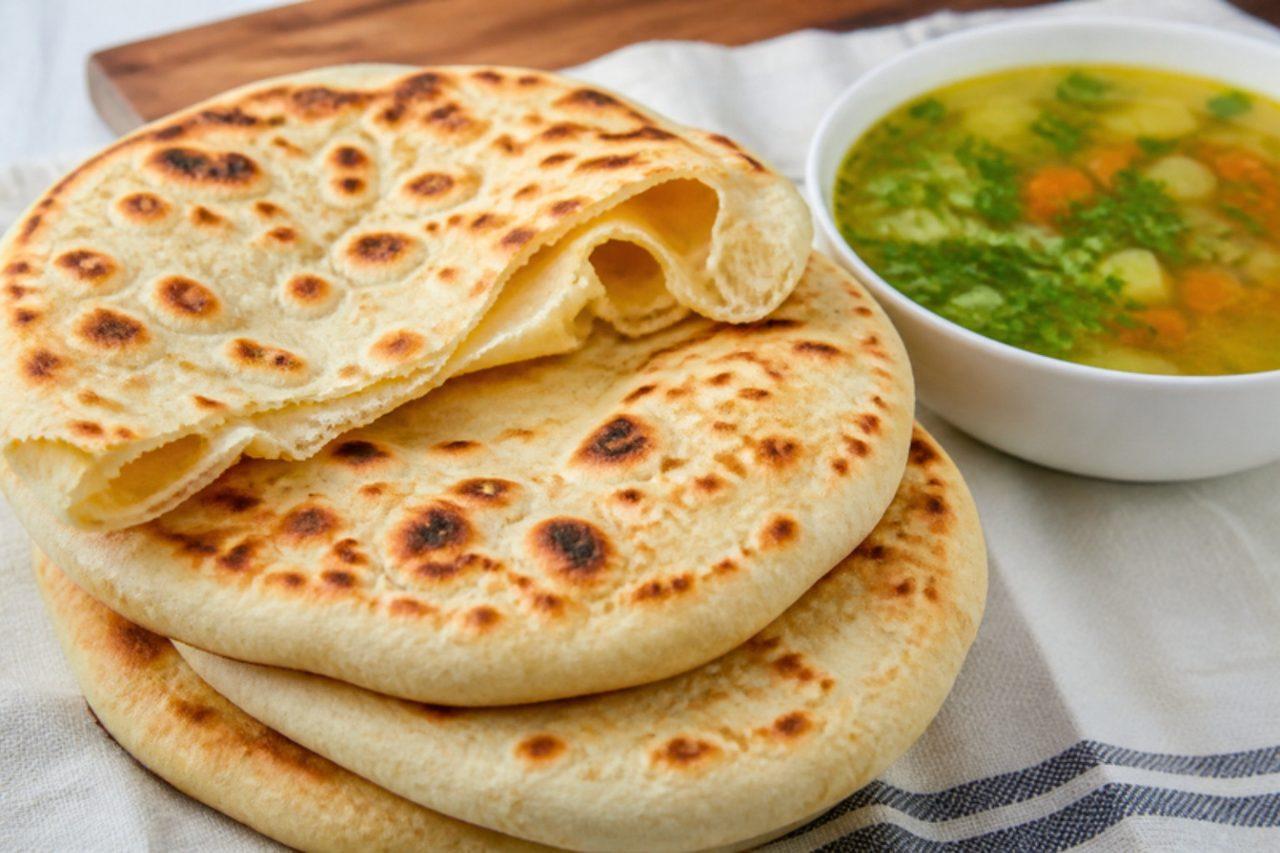
Saluf is the everyday bread of Yemenite Israelis, slapped onto a hot pan or taboon in Rosh HaAyin and Sha'arayim in Rehovot and eaten with marak temani, hilbe and zhug. It is soft and blistered, thicker than pita and with no pocket, made to tear and dunk. Home cooks often roll it too thin, which gives a cracker; it should be about 1 cm thick so it stays pillowy. Chef's tip: cook it under a lid on a very hot dry pan for the first minute, which traps steam and puffs it the way a taboon does.
 Israeli


ChipaCheese bread rings
In Paraguay you hear 'chipa, chipa!' called by vendors with big baskets on buses and street corners, and every family bakes it for Holy Week, when chipa is the food of Good Friday. Cassava starch, a little cornmeal, butter, eggs and a lot of hard cheese are kneaded into a dough scented with aniseed, shaped into rings or small rolls and baked in a hot oven, traditionally a domed clay tatakua. It's chewy, crisp outside and best warm with cocido (toasted yerba tea). Chef's tip: the dough should feel soft and slightly greasy; add milk a spoon at a time, as too much makes the chipa spread flat.
 Paraguayan

Soup joumouPumpkin soup
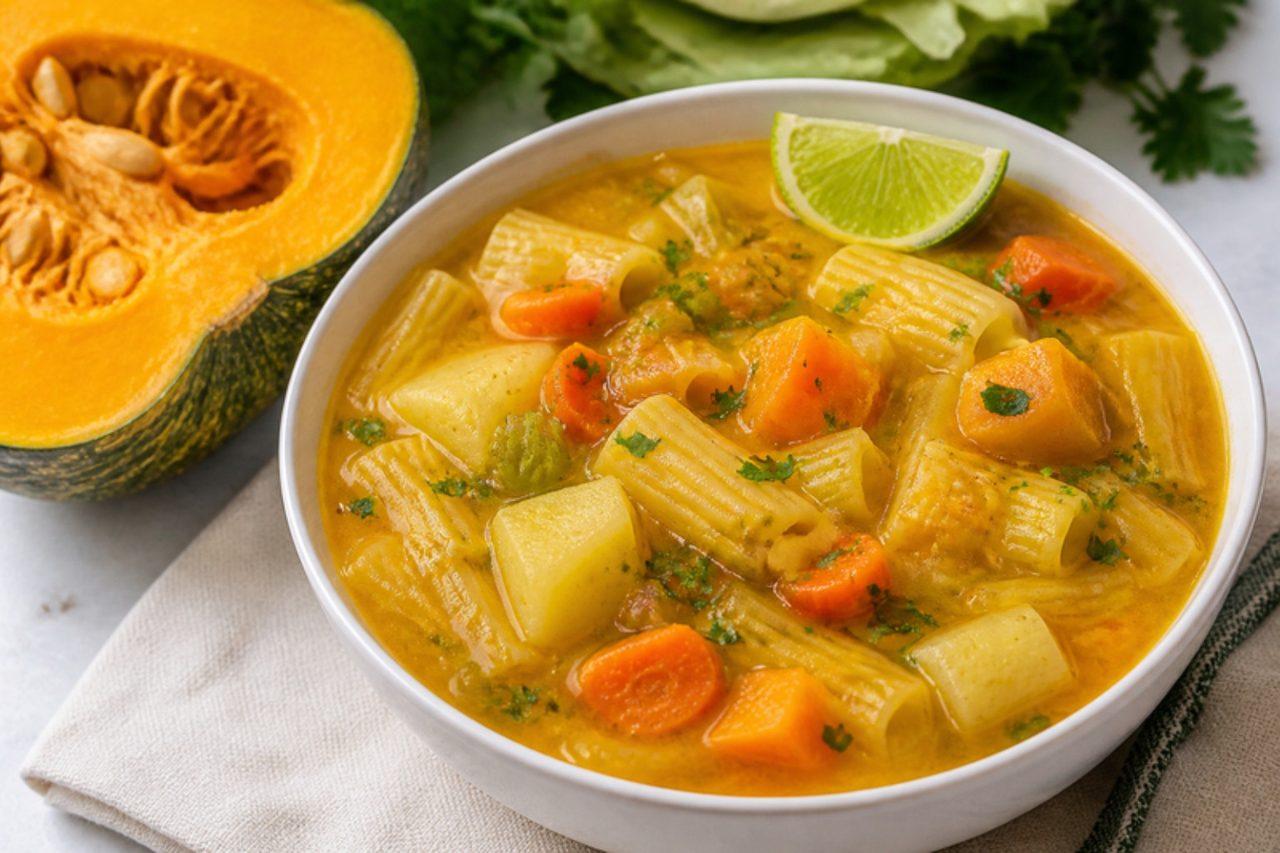
Every 1 January, Haitian families from Port-au-Prince to Brooklyn wake up to soup joumou. It marks independence from France on 1 January 1804: under French rule, enslaved Haitians cooked this pumpkin soup but were forbidden to eat it, so the free people of the new nation made it their own as a dish of freedom. In 2021 it was added to UNESCO's list of the intangible cultural heritage of humanity. The base is a velvety purée of joumou (Caribbean pumpkin) with epis, and in it simmer chunks of carrot, potato, cabbage, celery and turnip, with pasta and a squeeze of lime. It's usually made with beef; this vegetable version is full and golden, rich enough for the day. Chef's tip: roast half the pumpkin before puréeing it; the caramelised edges give the soup the depth that slow-cooked meat usually provides.