

AI-generated image
Hodu gwaja
호두과자 · Cheonan's walnut-shaped little cakes filled with red bean and walnut
Hodu gwaja (호두과자) were first sold at Cheonan station in South Chungcheong in the 1930s, and the town's walnut orchards still supply the pieces of nut hidden in every one. Today you find them in paper bags at every motorway service station in Korea: bite-sized, walnut-shaped cakes with a soft, eggy shell around sweet red bean paste and a chunk of walnut. They are made in a hinged cast-iron mould; a madeleine or Japanese takoyaki pan works too, though the shape will differ. Eat them warm, on the day. Chef's tip: heat the mould properly before the first batch; the first cakes are always the palest, so judge doneness by the colour of the later ones.
- Total time
- 50 min
- Difficulty
- medium
- Serves
- 6
Ingredients
For the batter
For the filling
Method
0/7 doneStep 1: Toast 2 ⅛ oz walnut halves in a dry pan over a medium-low heat for 3–4 minutes, shaking, until they smell nutty and darken slightly. Leave to cool.
4 minStep 2: Whisk 2 eggs and 2 ⅛ oz sugar for 2 minutes until pale and frothy. Whisk in ¾ cup milk, ⅞ oz unsalted butter and ½ tsp vanilla extract.
2 minStep 3: Sift in 5 ½ oz plain flour, 1 tsp baking powder and 1 pinch salt and fold just until no dry flour shows. The batter should be pourable, like thick pancake batter. Rest it for 10 minutes; pour it into a jug or piping bag.
10 minStep 4: Roll 7 oz sweetened red bean paste into about 30 small balls the size of a hazelnut and press a piece of walnut into each.
Step 5: Heat the walnut mould (or madeleine or takoyaki pan) over a low-medium heat for 3 minutes and brush each cup with 1 tbsp neutral oil. Fill each cup half full with batter.
3 minStep 6: Set a bean-and-walnut ball in each, then cover with a little more batter until just full. If using a hinged mould, close it; cook for 2–3 minutes, flip the mould, and cook 2–3 minutes more. In an open pan, turn the cakes with a skewer after 2 minutes so the batter runs under.
6 minStep 7: They are done when the shells are evenly golden brown and a skewer pushed into the edge comes out clean. Lift out onto a rack and repeat. A common mistake is overfilling, which glues the halves together with crust and hides the shape. Eat warm or within a day.
18 min
Nutrition per serving
- Calories
- 330 kcal
- Protein
- 8 g
- Carbs
- 50 g
- Fat
- 11 g
- Fibre
- 3 g
Nutrition values are estimates.
KrazyBadal
Good to know
- How long does hodu gwaja take?
- About 50 minutes in total: 20 minutes to prepare and 30 minutes to cook.
- How many people does it serve?
- 6 as written. Change the servings above the ingredients and every amount scales to match.
- Is it vegetarian?
- Yes. It has no meat or fish.
- What can I use instead of eggs?
- 1 tbsp ground flaxseed + 3 tbsp water per egg, left for 5 minutes (baking only; vegan).
- What can I use instead of sugar?
- Caster sugar, same amount.
Reviews
No reviews yet. Be the first to cook it.
Rate this recipe
Sign in to rate and review this recipe.
You might also like
Tteokbokki
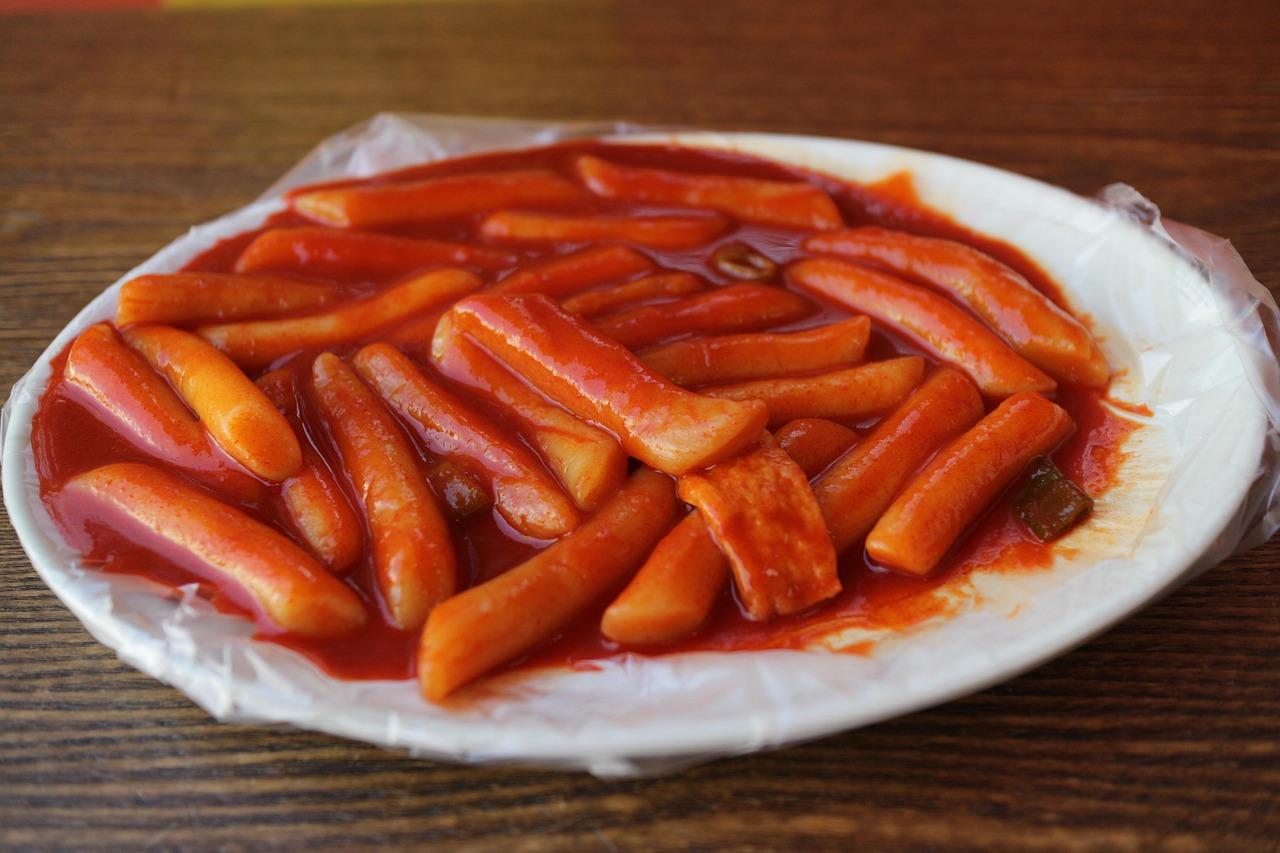
Tteokbokki (떡볶이) is Korea's best-loved street snack: chewy cylinders of rice cake simmered in a thick, glossy, sweet and spicy red sauce. It became a classic in Seoul, where it is sold from street stalls and snack bars in every neighbourhood. Street versions use anchovy stock and fish cakes; this vegan version uses a quick kelp and shiitake stock with cabbage and spring onions, and has all the same punch. Eat it hot, while the rice cakes are soft and stretchy. Chef's tip: keep stirring and scrape the bottom; the rice cakes release starch that thickens the sauce but also catches. The sauce is right when it clings to the spoon in a glossy coat.


Banana and cashew slice
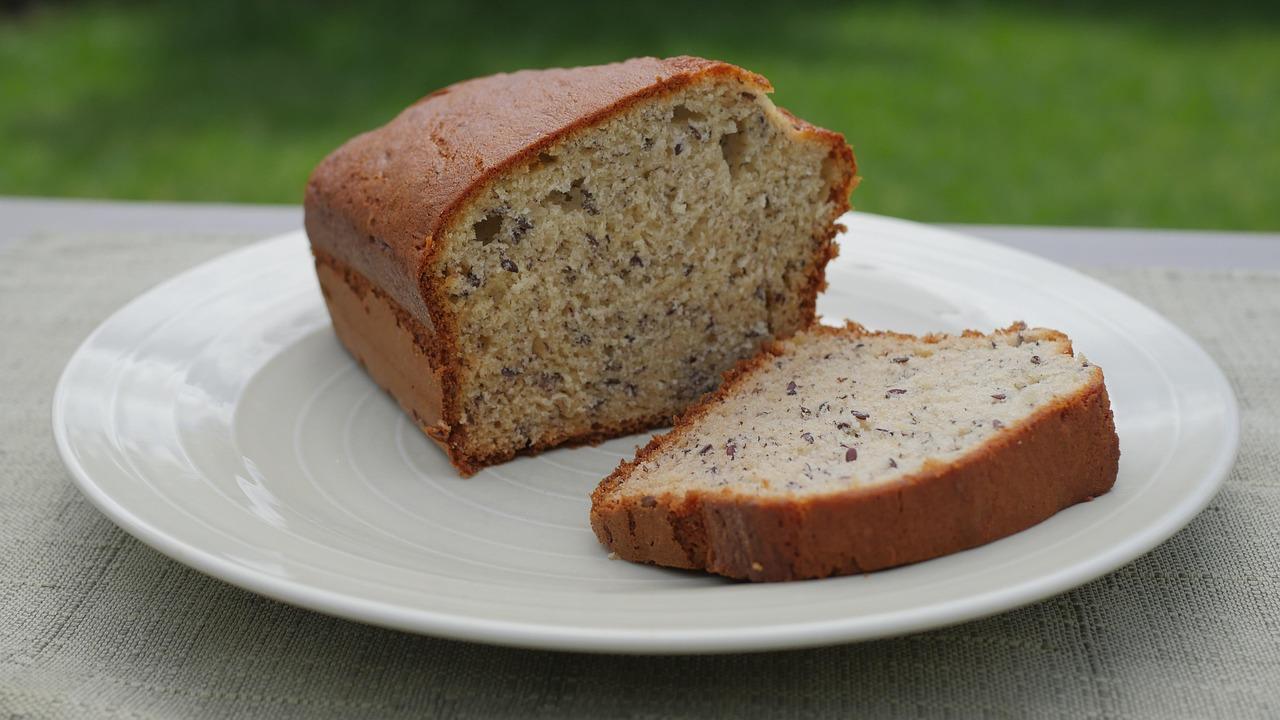
A soft, moist low-calorie slice made without flour, eggs or refined sugar: ripe bananas are blended with sunflower oil, vanilla and cardamom, then cashews, desiccated coconut, oats and grated apple. Baked and cut into wedges, it is naturally sweet and good with tea or in a lunch box.

Ma'amoul
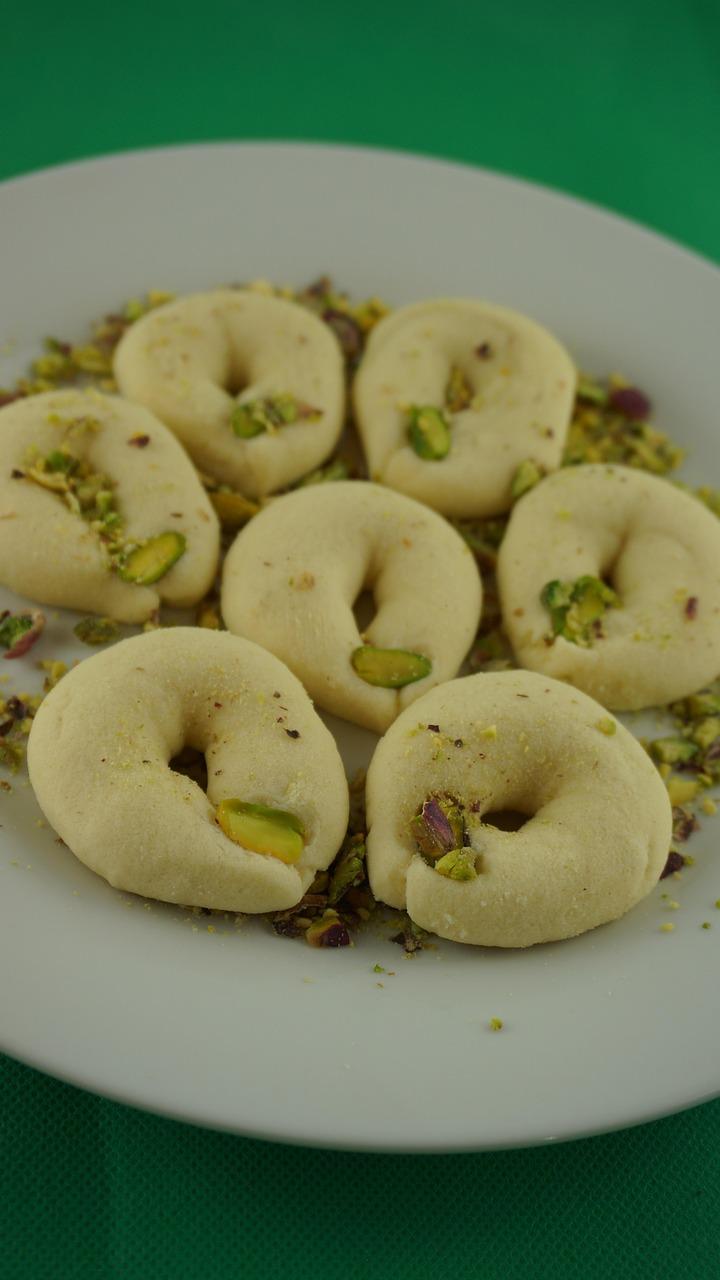
Ma'amoul are delicate shortbread-like pastries made for Eid and Easter across the Middle East. A soft, rose-scented butter dough is wrapped around a filling of dates, walnuts, almonds and pistachios cooked with cinnamon, marked with a fork, baked pale and dusted with icing sugar. Makes 35; they keep well in a tin.