
 South African
 Vegan
 Gluten free
Isijingi
Pumpkin and maize porridge
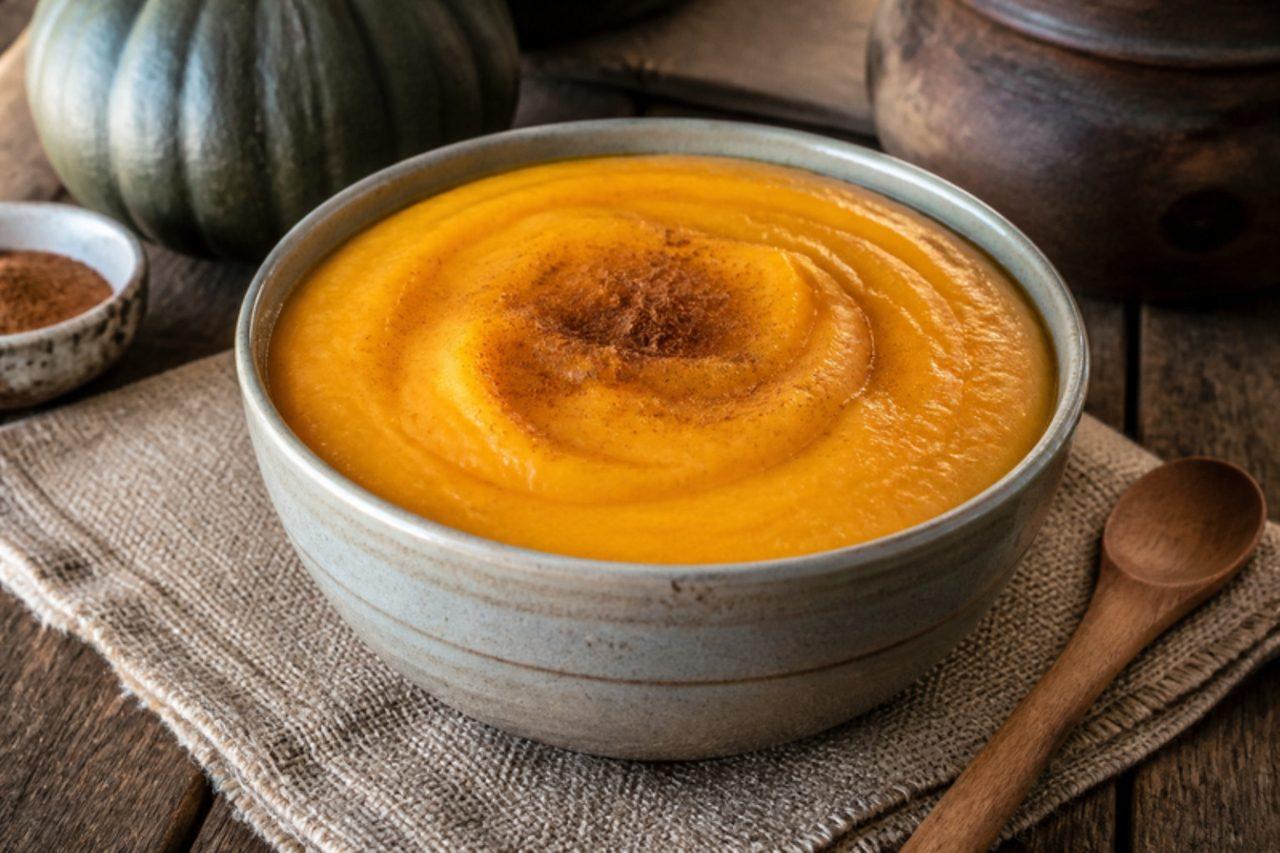
Isijingi: Xhosa pumpkin cooked down with maize meal into a sweet, soft porridge
When the big grey-skinned pumpkins come in at the end of summer, Xhosa grandmothers around Butterworth and Ngcobo stew them down and stir in maize meal to make isijingi, a bright orange porridge that children love and adults secretly do too. It is soft and spoonable, gently sweet from the pumpkin and a little sugar, with the faint corn flavour of the meal underneath. Serve it as a side to beans or a vegetable stew, or eat a bowlful on its own for supper on a cold evening. Watery pumpkin is the classic mistake, so cook the pumpkin until most of its liquid has evaporated before the meal goes in. Chef's tip: use a dense, deep orange pumpkin or butternut, not a watery jack-o'-lantern type, for the sweetest flavour.
- Prep
- 10 min
- Cook
- 30 min
- Difficulty
- Easy
- Serves
- 4
- Per serving
- 190 kcal
Ingredients
- 1 ¾ lb pumpkinpeeled and deseeded weight, cut into 3 cm chunks; or butternut squash
- 1 ¾ cups water
- 2 tbsp sugaradjust to the sweetness of the pumpkin
- ½ tsp salt
- 4 oz white maize meal
- ¼ tsp ground cinnamon (optional)
Shop this recipe on Amazon
Search Amazon for the rest
Fresh ingredients (1)
Links open Amazon in a new tab. As an Amazon Associate we earn from qualifying purchases.
Method
0/7 doneStep 1: Put 1 ¾ lb pumpkin in a medium pot with 1 cup water, cover and bring to the boil over a high heat.
Step 2: Lower to a medium heat and simmer, covered, until the pumpkin is completely soft when pressed with a spoon.
15 minStep 3: Take the lid off and mash the pumpkin roughly in the pot. Keep cooking over a medium heat, stirring, until most of the watery liquid has evaporated and the mash looks thick.
5 minStep 4: Stir in 2 tbsp sugar, ½ tsp salt and ¼ tsp ground cinnamon, then add the rest of ¾ cup water and bring back to a simmer.
Step 5: Sprinkle in 4 oz white maize meal a handful at a time, stirring hard after each so no lumps form.
Step 6: Cover and cook over a low heat, stirring every few minutes and scraping the bottom, until the porridge is thick and glossy and no longer tastes raw.
10 minStep 7: Taste for sugar and salt and serve warm. Let it cool a little before giving it to small children; it holds heat for a long time.
Nutrition per serving
- Calories
- 190 kcal
- Protein
- 4 g
- Carbs
- 42 g
- Fat
- 1 g
- Fibre
- 4 g
Nutrition values are estimates.
KrazyBadal
Good to know
- How long does isijingi take?
- About 40 minutes in total: 10 minutes to prepare and 30 minutes to cook.
- How many people does it serve?
- 4 as written. Change the servings above the ingredients and every amount scales to match.
- Is it vegan?
- Yes. It has no meat, fish, dairy or eggs.
- Is it gluten free?
- Yes, as written. Check the labels on stock, sauces and spice mixes, which sometimes contain gluten.
- What can I use instead of sugar?
- Caster sugar, same amount.
Reviews
No reviews yet. Be the first to cook it.
Rate this recipe
Sign in to rate and review this recipe.
You might also like

TacachoMashed roasted green plantain balls
Tacacho is the breakfast of the Peruvian Amazon, from Tarapoto to Iquitos: green plantains roasted over coals, mashed with fat and salt and shaped into balls. There it comes with cecina (smoked pork) and is mashed with lard and crackling; this vegan tacacho uses good oil and a pinch of smoked paprika for the same savoury, smoky depth. The balls are dense, chewy and starchy, crisp at the edges where the plantain charred, and they are eaten hot with a fiery chilli sauce or alongside stews. Use plantains that are fully green and firm. Chef's tip: mash the plantains while they are still very hot; as green plantain cools its starch sets and it won't bind into a smooth ball.
 Peruvian
TashmijabiMashed potatoes with stretchy cheese
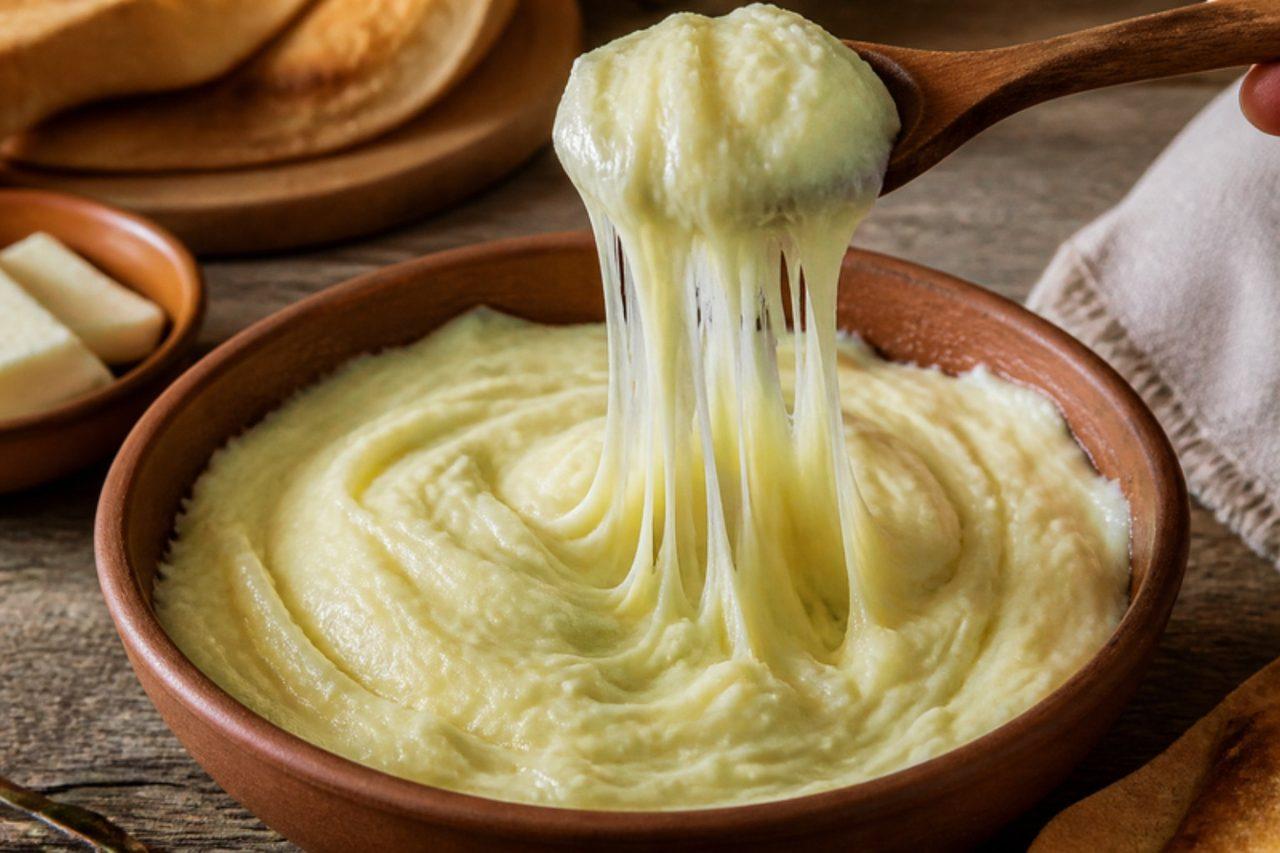
Potatoes grow well in the cold valleys of Svaneti, and tashmijabi is how families around Mestia turn them into a feast dish: they are mashed hot, then beaten with handfuls of young sulguni until the purée becomes glossy and stretches from the spoon in long strands. It is served with grilled meat, kubdari or simply with pickles and Svan salt. A common mistake is letting the potatoes cool before adding the cheese; they must be piping hot for the cheese to melt and stretch. Chef's tip: keep the pan on a low heat while you beat, and use a firm wooden spoon. Most sulguni uses animal rennet; choose a vegetarian one or use mozzarella.
 Georgian
AmasiFermented milk with crumbly pap
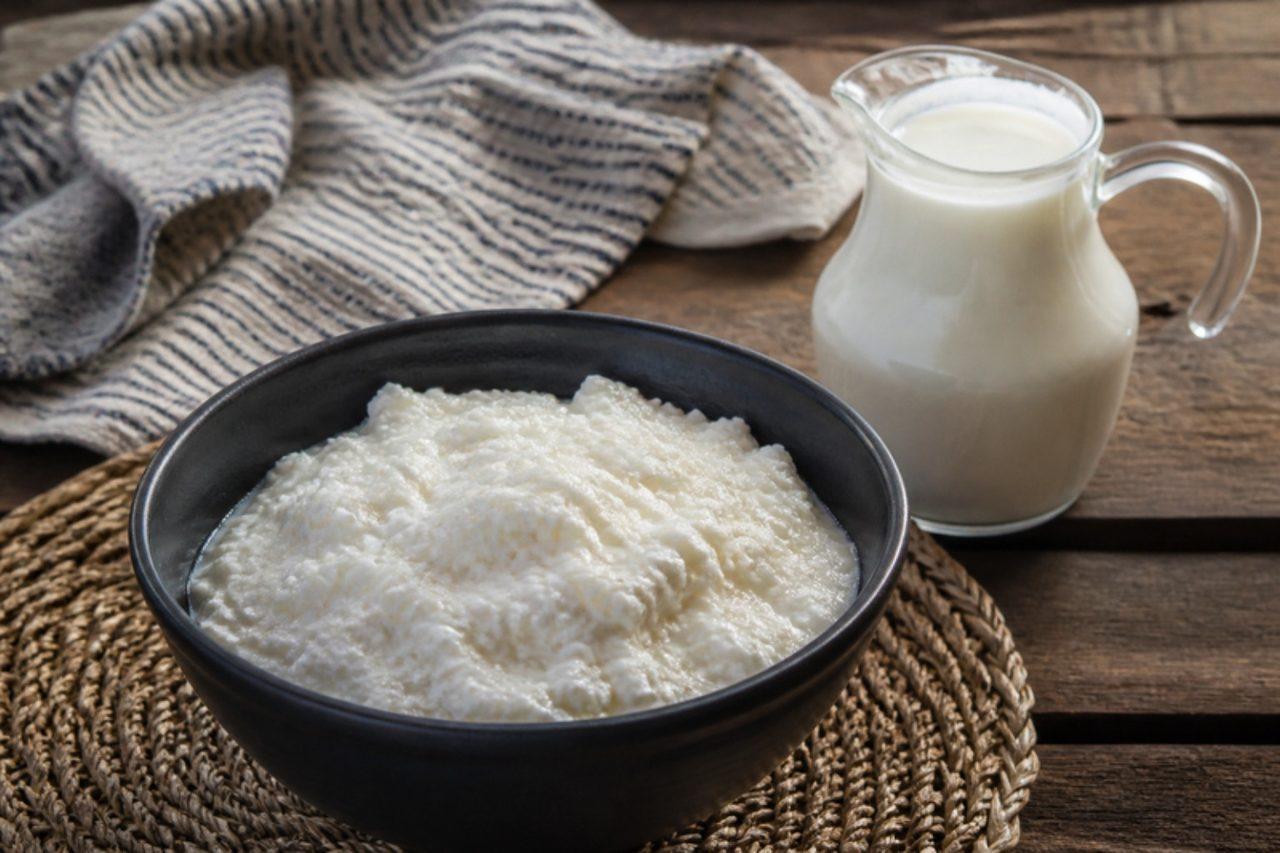
Thick, tangy amasi was once soured in calabashes in Zulu and Xhosa homesteads, and it is still the drink-cum-meal that many South Africans crave on a hot afternoon, poured over crumbly pap as umvubo. At home it is easy and safe with pasteurised full-fat milk and a spoon of live cultured buttermilk as the starter; never use raw milk. Expect something like a pourable, sharper yoghurt with soft curds, cooling against the dry, crumbly maize. The common mistake is fermenting somewhere too warm, which makes the milk separate into watery whey and rubbery lumps. Chef's tip: once it has set, chill it for a few hours before eating; the cold firms the curd and rounds out the sourness.