
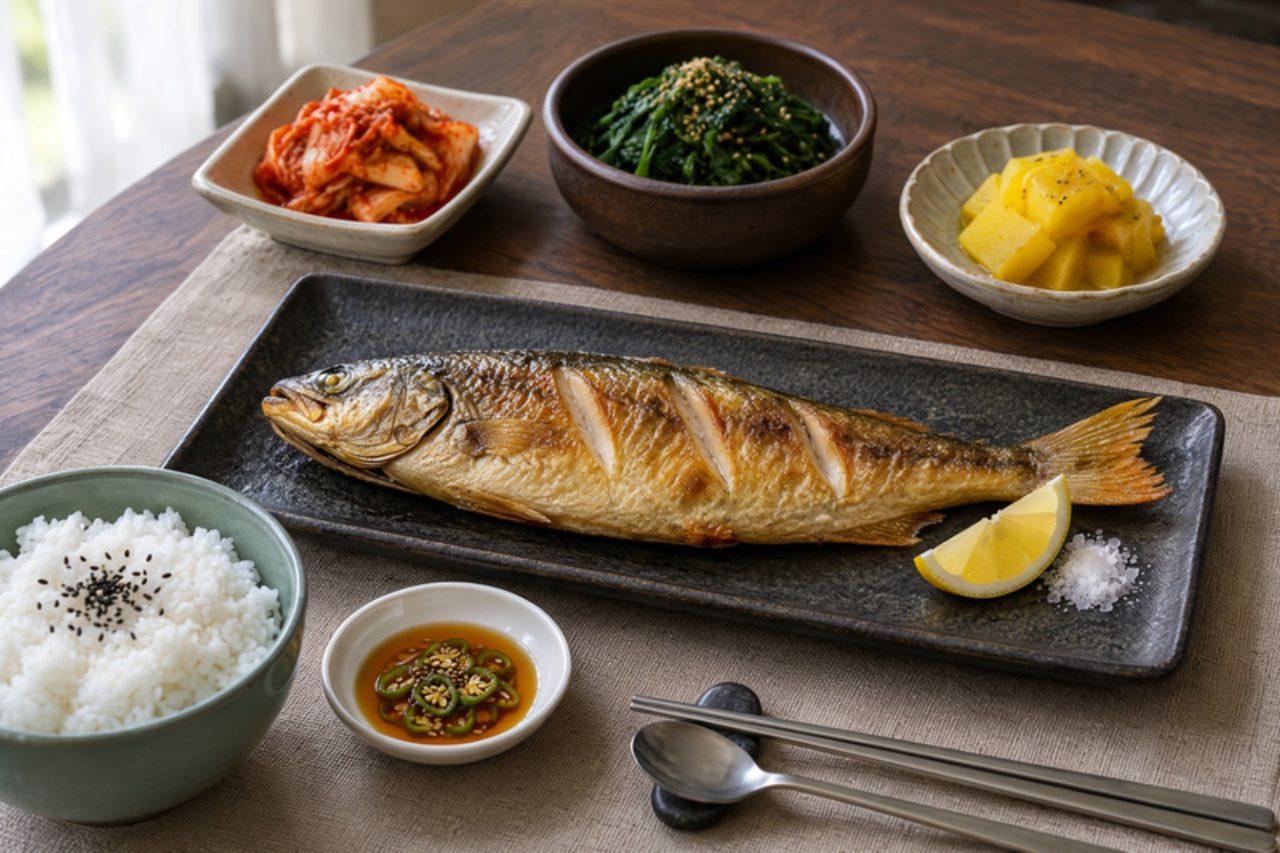
AI-generated image
Jogi gui
조기구이 (jogi gui): whole yellow croaker salted and pan-roasted until crisp-skinned


Yellow croaker from Yeonggwang on Korea's west coast is so prized that dried gulbi are given as gifts at Chuseok, and a simply grilled or pan-roasted croaker is a classic of the family table and of ancestral memorial meals. The fish is salted, dried briefly and cooked whole until the skin crackles and the flesh comes away in sweet, moist flakes; you eat it with rice, kimchi and a few vegetable banchan. Suitable as part of a balanced diet: high in protein with no batter or flour. About 210 kcal and 1 g carbohydrate per portion. The usual mistake is turning the fish too early, so the skin tears and sticks; wait until it releases on its own. Small sea bream or red mullet work if you cannot find croaker. Chef's tip: pat the fish completely dry and leave it uncovered in the fridge for 30 minutes before cooking for the crispest skin.
- Total time
- 25 min
- Difficulty
- easy
- Serves
- 4
Ingredients
- 4 yellow croaker (or small sea bream)about 200 g each, scaled and gutted
- 1 tsp coarse sea salt
- 2 tbsp neutral oil
- 1 lemon (optional)in wedges
Shop this recipe on Amazon
Spices & pantry
Fresh ingredients (1)
Links open Amazon in a new tab. As an Amazon Associate, WhatToEat.Today earns from qualifying purchases.
Method
0/5 doneStep 1: Rinse the 4 yellow croaker (or small sea bream), trim the fins and pat completely dry with kitchen paper. Make 2 shallow slashes on each side and sprinkle all over with the 1 tsp coarse sea salt.
8 minStep 2: Heat the 2 tbsp neutral oil in a large non-stick frying pan over a medium heat until it shimmers.
2 minStep 3: Lay the fish in the pan and cook without moving for 6–7 minutes, until the underside is deep golden and the fish lifts freely.
7 minStep 4: Turn carefully and cook 5–6 minutes more. The fish is done when the flesh at the thickest part is opaque and flakes easily from the bone.
6 minStep 5: Serve whole with rice, kimchi and 1 lemon if you like; lift the flesh off the bone in pieces as you eat.
1 min
Nutrition per serving
- Calories
- 210 kcal
- Protein
- 34 g
- Carbs
- 1 g
- Fat
- 8 g
- Fibre
- 0 g
Nutrition values are estimates.
KrazyBadal
Good to know
- How long does jogi gui take?
- About 25 minutes in total: 10 minutes to prepare and 15 minutes to cook.
- How many people does it serve?
- 4 as written. Change the servings above the ingredients and every amount scales to match.
- Is it gluten free?
- Yes, as written. Check the labels on stock, sauces and spice mixes, which sometimes contain gluten.
Reviews
No reviews yet. Be the first to cook it.
Rate this recipe
Sign in to rate and review this recipe.
You might also like
Tteokbokki
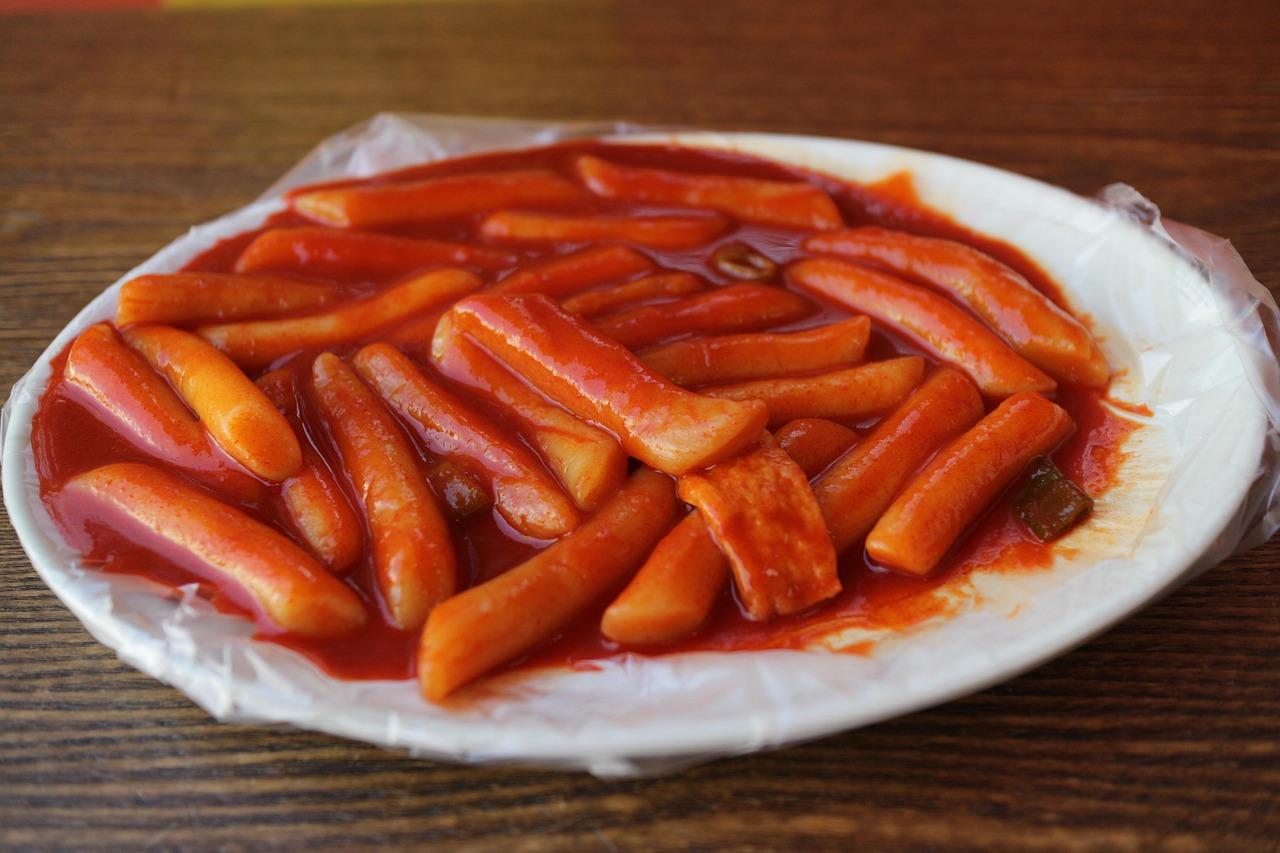
Tteokbokki (떡볶이) is Korea's best-loved street snack: chewy cylinders of rice cake simmered in a thick, glossy, sweet and spicy red sauce. It became a classic in Seoul, where it is sold from street stalls and snack bars in every neighbourhood. Street versions use anchovy stock and fish cakes; this vegan version uses a quick kelp and shiitake stock with cabbage and spring onions, and has all the same punch. Eat it hot, while the rice cakes are soft and stretchy. Chef's tip: keep stirring and scrape the bottom; the rice cakes release starch that thickens the sauce but also catches. The sauce is right when it clings to the spoon in a glossy coat.



Tteokgalbi
Tteokgalbi is rib meat chopped finely, pressed back into neat slabs and grilled, so it's soft enough to eat without struggling with a bone. Two places in South Jeolla claim it: Damyang, the bamboo county, where all-beef patties come with rice steamed in bamboo tubes, and Gwangju's Songjeong district, whose restaurant street near the railway station mixes beef with pork. This home version uses minced beef and pork, seasoned with soy, garlic and pear, then brushed with a soy and honey glaze as it cooks. Serve with rice, lettuce and a few banchan; leftovers are good cold in a lunchbox. Chef's tip: slap the mince against the bowl for a few minutes; it turns sticky and the patties hold together on the grill without any breadcrumbs.
Singapore chilli crab
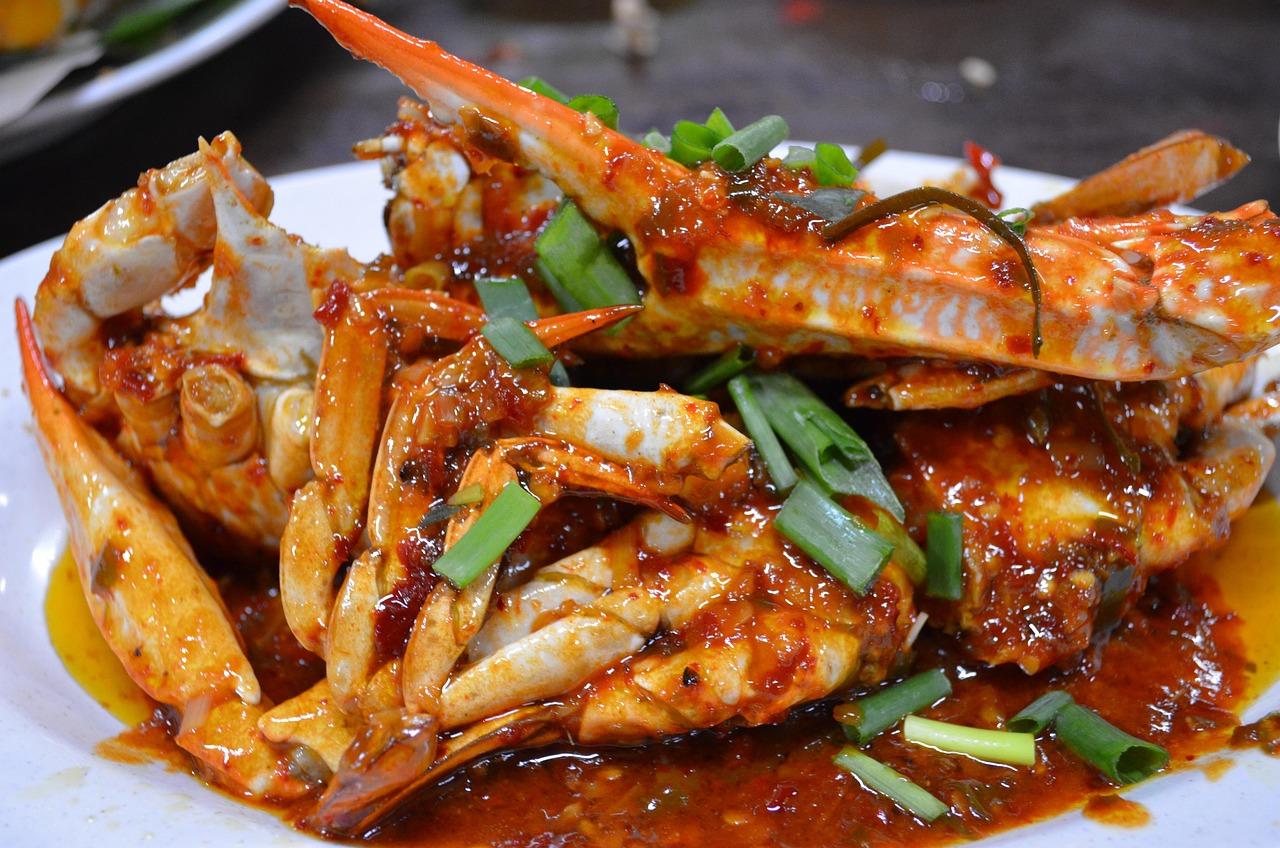
Chilli crab was first sold from a pushcart on the Kallang river in the 1950s and is now the dish visitors queue for along Singapore's East Coast seafood strip. Big mud crabs are cut up, wok-fried and simmered in a thick, sweet, tangy and gently hot sauce of chilli, tomato and garlic, which is then silked with beaten egg. Everyone eats with their hands and mops up the sauce with fried or steamed mantou buns. It is a weekend or celebration meal, messy and loud. Buy crabs live or freshly cooked the same day from a fishmonger you trust. Discard any live crab that doesn't move, smells of ammonia or has a cracked, leaking shell. The common mistake is boiling the sauce after adding the egg, which scrambles it into lumps; pour it in a thin stream over a low heat. Chef's tip: ask the fishmonger to clean and quarter the crab for you, and crack each claw lightly with the back of a cleaver so the sauce soaks in.
 Singaporean