
 Japanese
 Vegan
Kappa maki
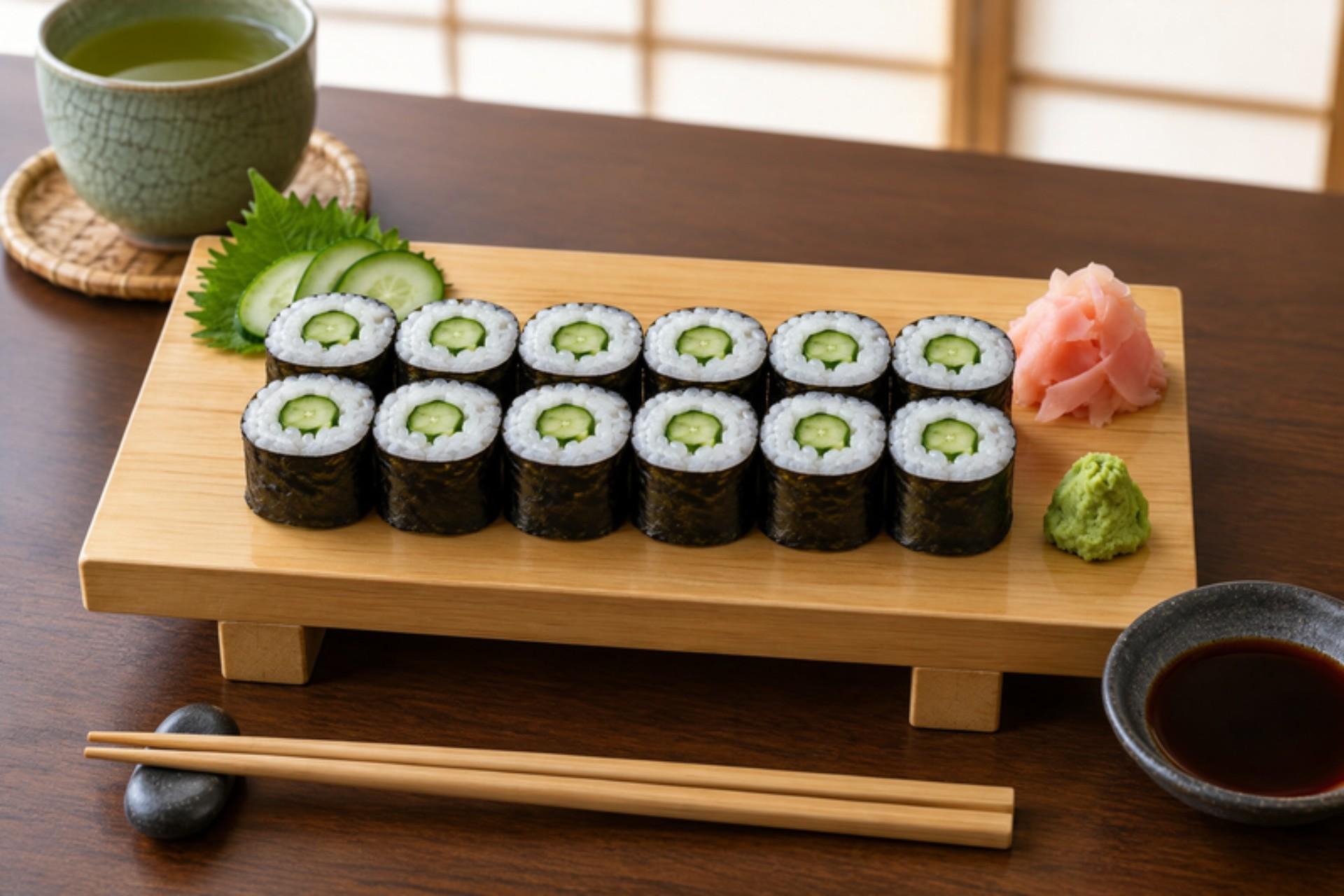
Cucumber sushi rolls
Kappa maki (かっぱ巻き): thin cucumber sushi rolls, the cool green classic of every sushi counter
Kappa maki takes its name from the kappa, a cucumber-loving water sprite of Japanese folklore, and it has been a fixture of Edo-style sushi bars in Tokyo since the early 1900s. Diners order it at the end of a sushi meal to refresh the palate, and families roll it at home for picnics, bento boxes and the spring Hinamatsuri festival. The roll is simply seasoned rice, crisp cucumber batons, a few sesame seeds and a sheet of nori, so it is entirely plant-based. The most common mistake is pressing the rice too hard against the nori; packed rice turns gummy and the roll eats like a dense cake instead of loose, separate grains. Serve with soy sauce, pickled ginger and a dab of wasabi. Chef's tip: scoop the watery seeds out of the cucumber before cutting it into batons, otherwise the nori goes limp within minutes.
- Prep
- 35 min
- Cook
- 20 min
- Difficulty
- Medium
- Serves
- 4
- Per serving
- 260 kcal
Ingredients
For the sushi rice
- 10 ½ oz Japanese short-grain sushi rice
- 1 ½ cups water
- 3 ½ tbsp rice vinegar
- 1 tbsp caster sugar
- 1 tsp salt
For the rolls
- 4 nori sheetscut in half widthways
- 2 Japanese or mini cucumbersseeds scooped out, cut into 5 mm batons
- 1 tsp wasabi paste (optional)
To serve
- 4 tbsp soy sauce or tamari
- 4 tbsp pickled sushi ginger (optional)
Tick what you have; the rest goes in the basket.
Method
0/8 doneStep 1: Rinse 10 ½ oz Japanese short-grain sushi rice in a bowl of cold water, swirling and draining 4–5 times, until the water runs almost clear. Drain in a sieve for 15 minutes.
15 minStep 2: Put the rice and 1 ½ cups water in a heavy pan with a tight lid. Bring to the boil, then cook on the lowest heat for 12 minutes without lifting the lid. Turn off the heat and leave covered for 10 minutes more; the grains should be tender with no water left in the pan.
22 minStep 3: While the rice cooks, warm 3 ½ tbsp rice vinegar, 1 tbsp caster sugar and 1 tsp salt in a small pan, stirring until dissolved. Do not boil it. Let it cool.
2 minStep 4: Tip the hot rice into a wide bowl. Pour over the vinegar mixture and fold it through with a wet spatula using slicing strokes, fanning the rice as you go, until glossy and just warm. Cover with a damp cloth.
5 minStep 5: Lay a bamboo mat on the board with half a sheet of 4 nori sheets on it, shiny side down. Wet your hands and spread about 70 g of rice over the nori in a thin, even layer, leaving a 1 cm strip bare along the far edge. Press lightly; you should still see nori between some grains.
Step 6: Smear a little 1 tsp wasabi paste along the centre of the rice if using, scatter with some of the 2 tsp toasted white sesame seeds and lay a line of 2 Japanese or mini cucumbers batons across the middle.
Step 7: Lift the near edge of the mat and roll it over the filling so the rice meets the bare strip of nori. Squeeze gently along the length to make a firm, square-ish roll, then unroll the mat. Repeat with the rest.
Step 8: With a very sharp knife wiped with a damp cloth between cuts, cut each roll in half, then each half into 3 pieces. Serve within a few hours, with 4 tbsp soy sauce or tamari and 4 tbsp pickled sushi ginger. Keep cooked sushi rice cool and eat it the same day.
KrazyBadal
Reviews
No reviews yet. Be the first to cook it.
Rate this recipe
Sign in to rate and review this recipe.
You might also like

Yaki onigiriGrilled rice balls
Yaki onigiri (焼きおにぎり) are rice balls grilled until they form a crisp, toasty crust, then brushed with soy sauce glaze. They are eaten all over Japan, at izakaya, at barbecues and from the freezer section, as a snack or with miso soup. The inside stays soft and steamy while the outside crackles. Best eaten hot, straight from the pan. Chef's tip: let the shaped rice balls dry for 10 minutes before they go in the pan. A drier surface forms a better crust and won't stick, and the glaze goes on only at the end so it doesn't burn.
Mixed sprout pullao
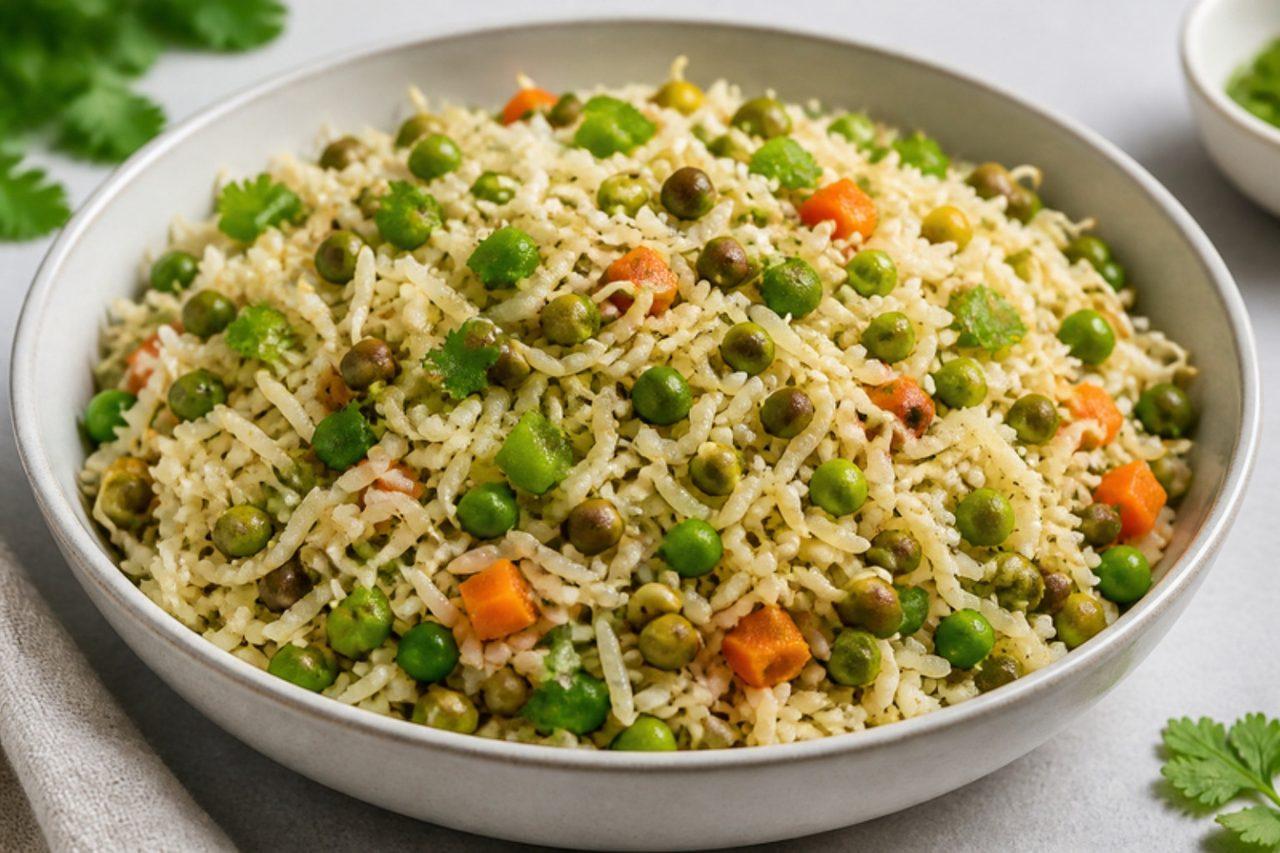
A quick, low-calorie way to use leftover rice: sprouted moth beans and green grams are cooked with garlic, ginger, green chilli, capsicum, spring onions and a few spices over a cumin and asafoetida tempering, then tossed with cooked rice. Served hot with fresh tomato and coriander.
 Indian


Miso soup
Miso soup (味噌汁) is drunk every day in homes all over Japan, at breakfast as well as dinner, beside a bowl of rice. The base is dashi; this vegan version uses kombu and dried shiitake instead of bonito, which gives it a deep, rounded flavour. Silken tofu and wakame seaweed are the classic fillings. It takes ten minutes; just remember not to boil the miso. Chef's tip: add the miso at the very end and never let it boil. Boiling kills the miso's fresh, fermented aroma; Japanese cooks say the soup should only 'smile', with the surface barely trembling.