
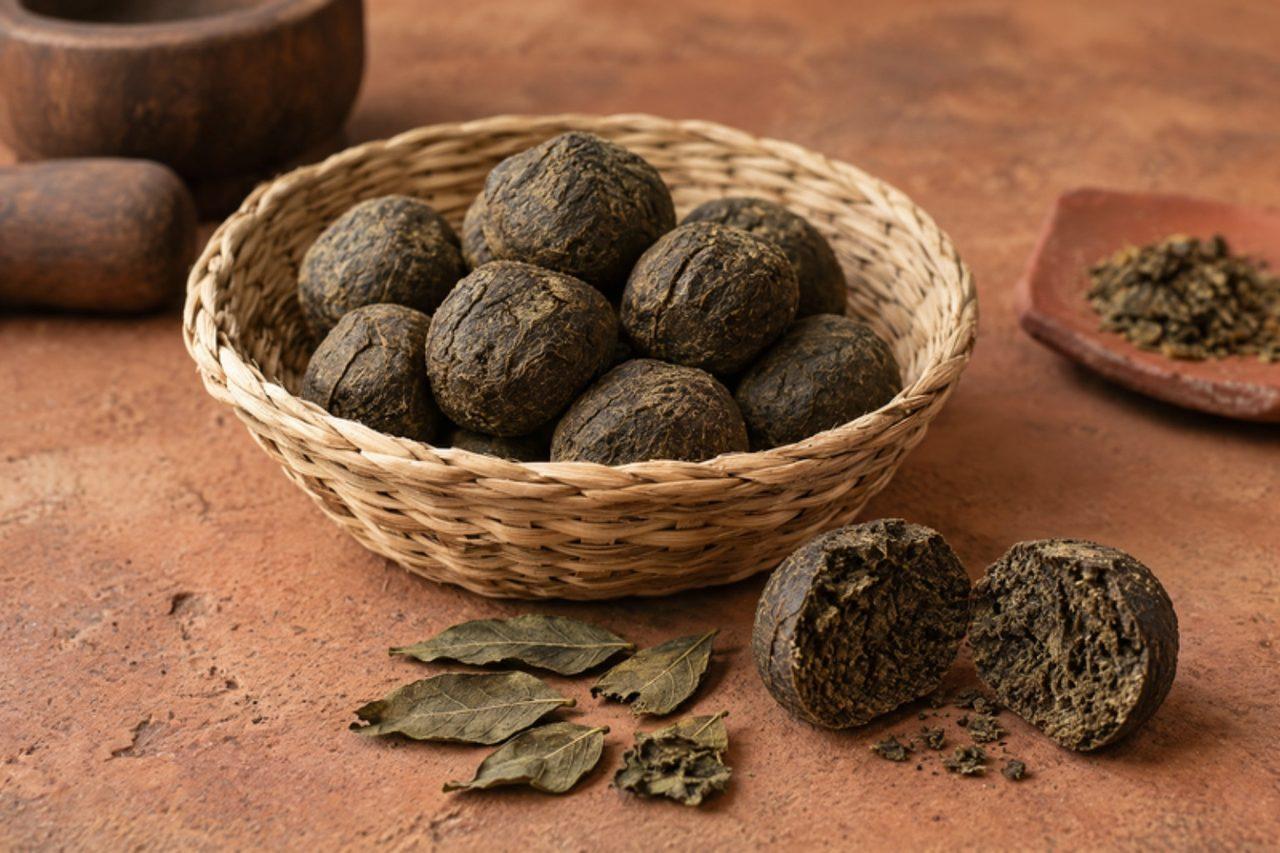
AI-generated image
Kawal
كوال: young wild senna leaves pounded, fermented in a sealed pot and sun-dried into pungent balls that season Sudanese stews



Kawal is one of the most distinctive pantry foods of western Sudan, made in Darfur and Kordofan at the height of the rains in August and September, when wild senna (Senna obtusifolia, called kawal or fedo) springs up thickly around villages. Women strip the young leaves, pound them to a dark green pulp and pack it into a clay pot sealed with sorghum leaves, then leave it in a cool, shaded spot for about two weeks, remixing it every few days. The fermented paste is rolled into small balls and dried in the sun, and these keep through the dry months. Crumbled into mullah stews with okra, onions and dried meat and eaten with kisra or aseeda, kawal gives a deep, meaty, pungent savour much like West African dawadawa; the smell straight from the pot is strong and ammonia-like but mellows completely in cooking. The usual mistake is leaving the pot somewhere warm and forgetting to remix it, so the paste rots instead of fermenting. It is ready when the paste is dark, sticky and strongly savoury but not putrid. Chef's tip: if you cannot be certain of the plant, buy dried kawal from a Sudanese grocer.
- Total time
- 90 min
- Difficulty
- hard
- Serves
- 24
Ingredients
- 2 ¼ lb young wild senna leavesSenna obtusifolia only, picked before the pods form, away from roads and sprayed fields
- 2 tbsp wateronly if the pulp is too dry
- 10 clean sorghum or maize leavesor banana leaves or baking paper, to line and cover the pot
Shop this recipe on Amazon
What you'll need
Spices & pantry
Links open Amazon in a new tab. As an Amazon Associate, WhatToEat.Today earns from qualifying purchases.
Method
0/8 doneStep 1: A word of caution first: senna plants are traditionally known as laxatives, so kawal is used in small amounts as a seasoning. It is not suitable for pregnant or breastfeeding people or babies, and anyone taking medication should check with a doctor. Never eat the seeds or pods, and if you are not completely sure of the plant, do not forage it.
Step 2: Strip the 2 ¼ lb young wild senna leaves from the stems, discarding any yellow or damaged ones. Rinse quickly in cold water, spread on a clean cloth and let them dry in the shade for about 1 hour, until no water clings to them.
15 minStep 3: Pound the leaves in a mortar in batches for 10–15 minutes each, until they form a smooth, dark green, sticky pulp. Add a few drops of 2 tbsp water only if the pulp is too dry to come together. A food processor also works.
45 minStep 4: Scrub a clay pot or a 1 litre glass jar with hot soapy water, rinse with boiling water and let it dry completely.
10 minStep 5: Line the pot with some of the 10 clean sorghum or maize leaves, pack in the pulp firmly to press out air, cover the surface with more leaves and put the lid on loosely so gas can escape. Keep it in a cool, dark, shaded place at 20–77°F.
5 minStep 6: Every 3 days, tip the paste out with clean hands onto a clean board, knead or re-pound it for 5 minutes, and pack it back under fresh leaves. Continue for 10–14 days. It is normal for the paste to darken to olive-black, turn sticky, feel slightly warm and smell strongly of ammonia and savoury cheese. Fuzzy mould in blue, green, black or pink, a wet, slimy texture or a sewage smell mean it has spoiled: throw it away.
15 minStep 7: When the paste is dark, sticky and strongly savoury, roll it into balls about 3 cm across and flatten them slightly. Dry them in strong sun on a clean tray covered with fine mesh for 3–5 days, bringing them in at night, or in a 122°F oven or dehydrator for about 10 hours, until they are completely hard and snap cleanly with no damp centre.
Step 8: Store the dried balls in an airtight jar in a cool, dry place for up to a year; discard any that soften, smell damp or show mould. To use, grind or crumble 1–2 teaspoons into a stew for four, such as onions, okra and tomato, and simmer for at least 20 minutes so the pungency mellows.
Nutrition per serving
- Calories
- 30 kcal
- Protein
- 3 g
- Carbs
- 4 g
- Fat
- 1 g
- Fibre
- 2 g
Nutrition values are estimates.
KrazyBadal
Good to know
- How long does kawal take?
- About 90 minutes in total.
- How many people does it serve?
- 24 as written. Change the servings above the ingredients and every amount scales to match.
- Is it vegan?
- Yes. It has no meat, fish, dairy or eggs.
- Is it gluten free?
- Yes, as written. Check the labels on stock, sauces and spice mixes, which sometimes contain gluten.
- Can I make it ahead?
- Yes. It keeps well, so you can cook it earlier in the day or the day before and reheat it.
Reviews
No reviews yet. Be the first to cook it.
Rate this recipe
Sign in to rate and review this recipe.
You might also like

Vegetable brown stock
A hearty stock that's simmered for 2 hours, then blended and strained, so the potato gives it body. Its deeper flavour suits thick soups, gravies and stews. Freeze it in portions so it's ready when you need it.


Chaat masala
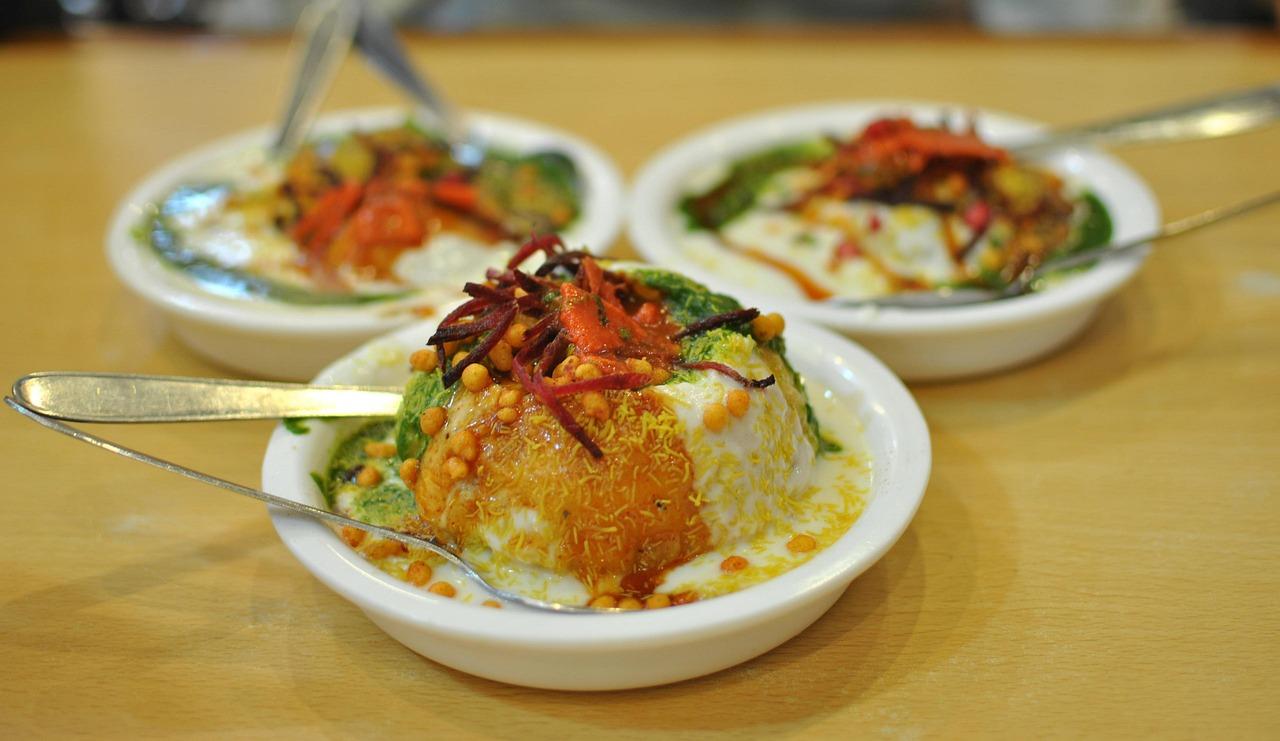
Chaat masala is the tangy, salty, slightly sulphurous sprinkle that makes chaat taste like chaat. Dried mango (amchur) gives the sourness and black salt the distinctive savoury edge. Sprinkle it over fruit, salads, raita, chips and street-food snacks.
 Indian

Bean sprouts
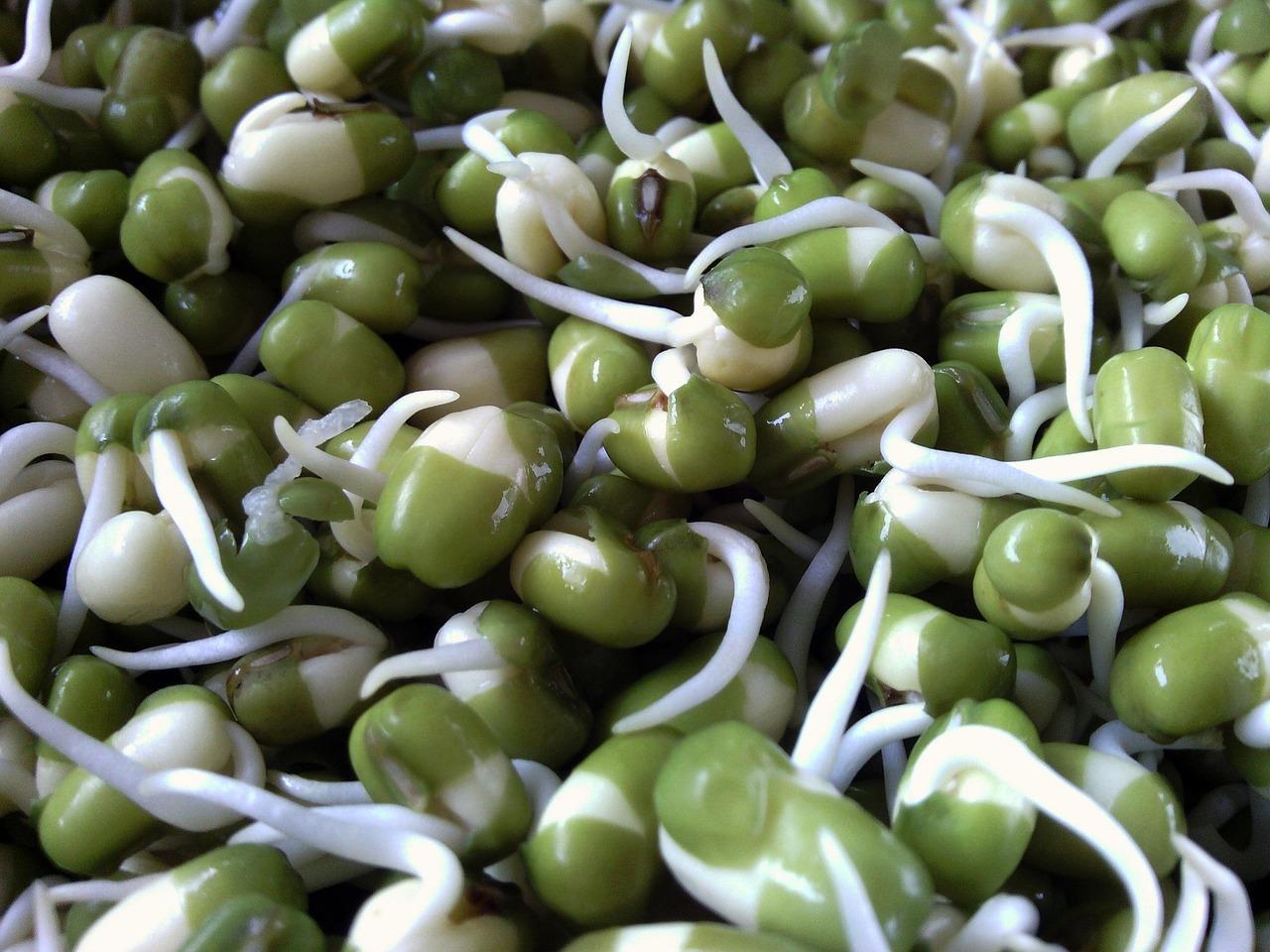
Sprouting whole green grams makes them crunchier, quicker to cook and more nutritious. All you need is muslin, water and a warm spot, and they're ready in 3–4 days. Use them in salads, bhel, usal and stir-fries. Any other whole pulse sprouts the same way.