
 Vegan
 Gluten free
Uji
Finger millet porridge
Uji wa wimbi: Kenyan finger millet porridge, plain or fermented
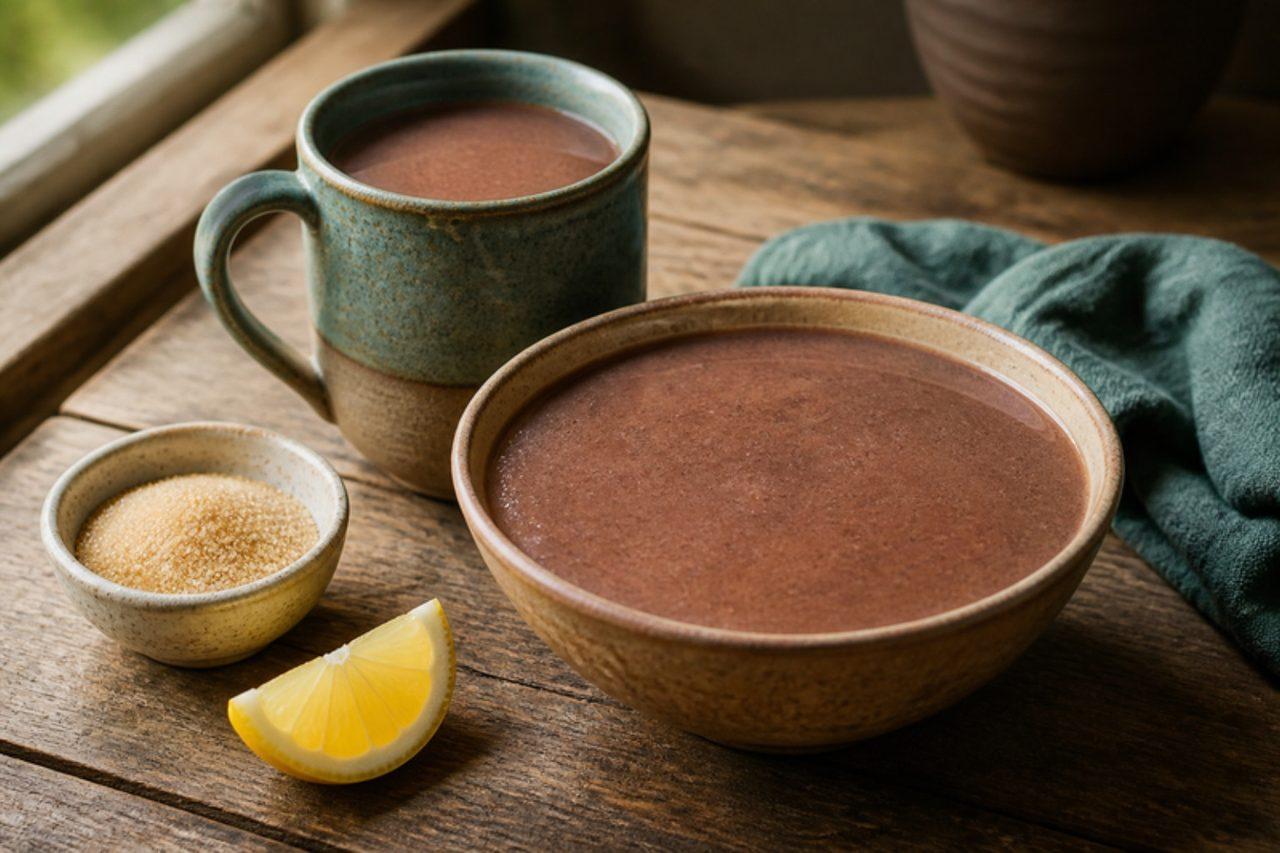
Mugs of brown uji are handed out at breakfast in Kenyan homes and schools, sold from steaming flasks at bus stages, and given to children and nursing mothers for strength. Finger millet flour (wimbi) makes a thin, drinkable porridge with a malty, slightly chocolatey taste; it is sweetened with sugar and soured with lemon, or left overnight to ferment for a deeper tang. Look for finger millet flour at African grocers or as ragi flour in Indian shops, and never tip it straight into boiling water, the mistake that gives lumps every time; always make a cold slurry first. Drink it hot in a mug, with mandazi or roasted groundnuts on the side. Chef's tip: for fermented uji, mix the slurry the night before and leave it covered on the counter; by morning it smells gently sour and needs only half the lemon.
- Prep
- 5 min
- Cook
- 15 min
- Difficulty
- Easy
- Serves
- 4
- Per serving
- 110 kcal
Ingredients
- 2 ⅞ oz finger millet (wimbi) flour
- 1 cup cold water
- 3 ¼ cups water
- 3 tbsp sugarto taste
- 1 tbsp lemon juiceto taste
Tick what you have; the rest goes in the basket.
Method
0/7 doneStep 1: Whisk 2 ⅞ oz finger millet (wimbi) flour with 1 cup cold water in a jug until completely smooth, with no dry lumps.
Step 2: Fermented option: cover the jug with a cloth and leave it at room temperature for 12–24 hours, until the slurry smells pleasantly sour and shows a few bubbles. Stir before using. If it smells rotten or shows mould, throw it away.
Step 3: Bring 3 ¼ cups water to the boil in a pot over a medium-high heat.
Step 4: Stir the slurry again, then pour it into the boiling water in a thin stream, whisking constantly.
Step 5: Lower the heat and simmer, stirring often so it doesn't catch, until the porridge thickens to a smooth, drinkable cream that coats the back of a spoon and no longer tastes floury.
10 minStep 6: Off the heat, stir in 3 tbsp sugar and 1 tbsp lemon juice, tasting as you go; fermented uji needs less lemon. Thin with a little hot water if you like it runnier.
1 minStep 7: Pour into mugs and drink hot.
KrazyBadal
Reviews
No reviews yet. Be the first to cook it.
Rate this recipe
Sign in to rate and review this recipe.
You might also like
Rava upmaSavoury semolina porridge
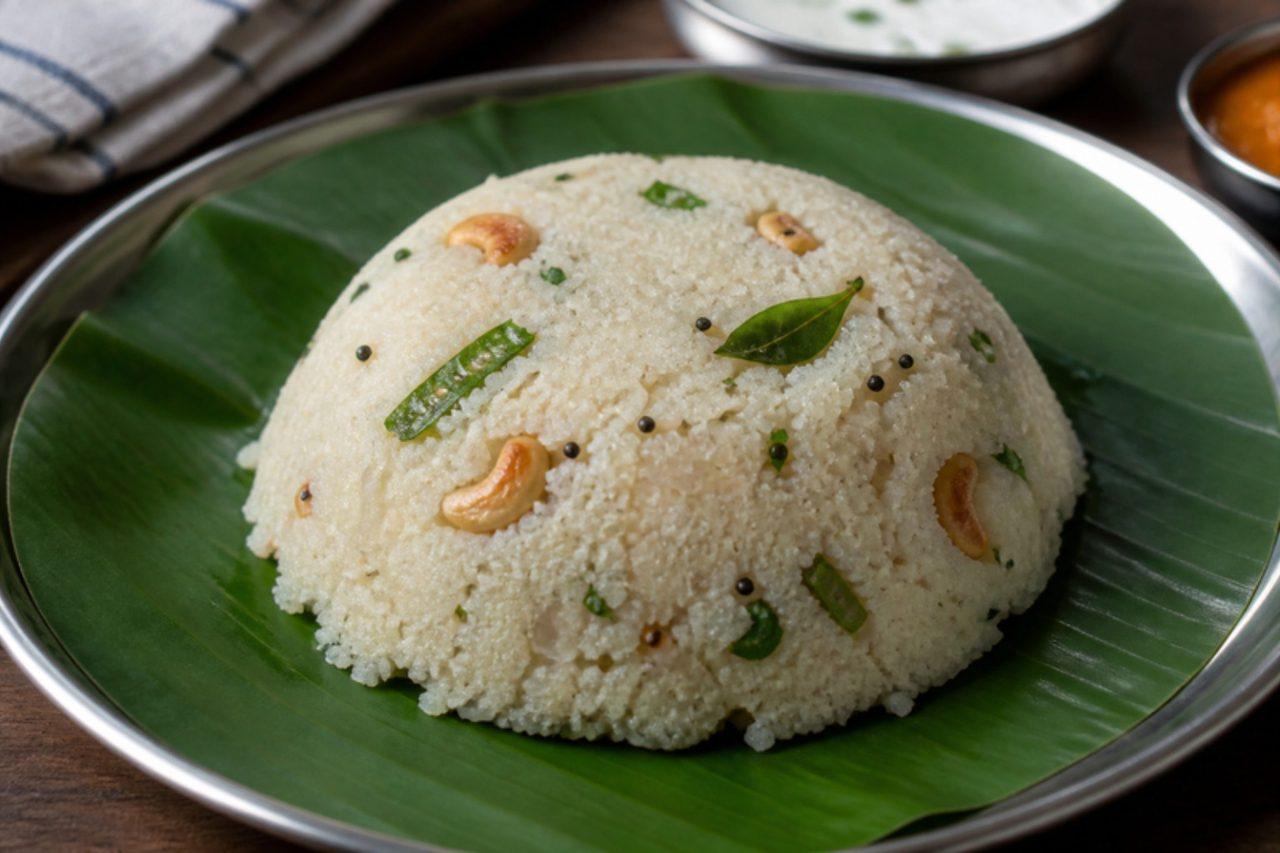
Rava upma is breakfast in countless homes across Tamil Nadu, Karnataka, Andhra Pradesh and Kerala, and the dish every South Indian student learns to cook first. Semolina is roasted until it smells nutty, then stirred into boiling water flavoured with a tempering of mustard seeds, urad and chana dal, curry leaves, ginger and green chilli, so it swells into a soft, fluffy, savoury porridge. Serve it with coconut chutney, a little pickle or a banana. The classic mistake is pouring the rava into water that is not boiling, or all at once, which gives lumps. Chef's tip: roast the rava in advance and keep it in a jar; roasted rava makes lump-free upma in ten minutes on a busy morning.
 Indian

Sabudana khichdiSago with peanuts and potato
Sabudana khichdi is the dish that sees Maharashtra through every vrat (fast), from Navratri to Ekadashi, but it's so good that people eat it any day of the week. Soaked sago pearls are tossed in a pan with crushed roasted peanuts, cubes of potato, cumin and green chilli until each pearl turns glassy and separate, then finished with lemon and coriander. It's soft, chewy, nutty and gently hot. Fasting rules vary from family to family, so check yours; this version uses rock salt and no asafoetida, onion or garlic. Traditionally it's cooked in ghee; use ghee instead of oil if you aren't keeping it vegan. Chef's tip: soak the sago in just enough water to cover by the height of the pearls themselves, no more; too much water is the reason khichdi turns into one sticky lump.
Buttermilk pancakes
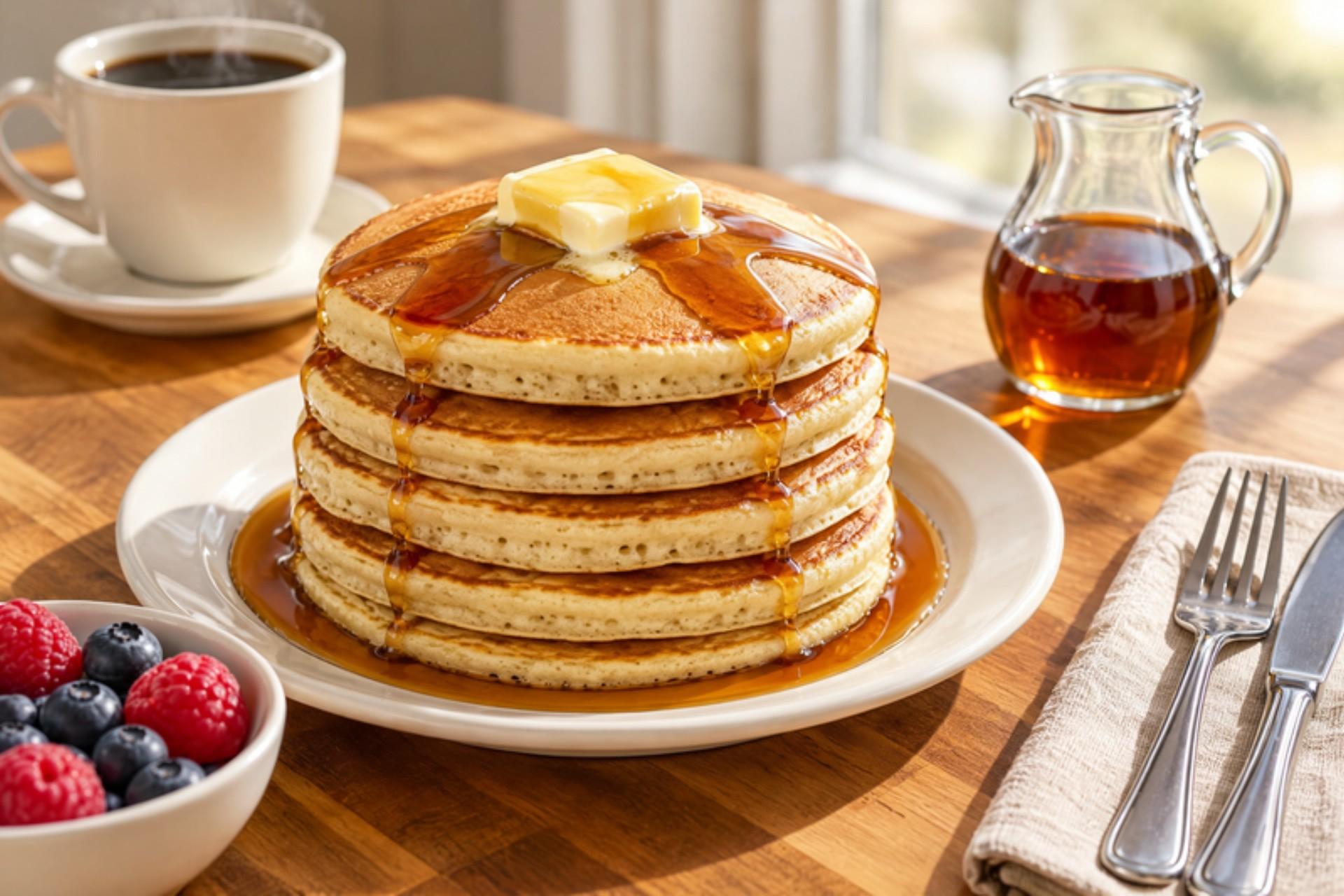
Every American diner, from New Jersey truck stops to California brunch spots, serves a short stack of buttermilk pancakes, and at home they are the classic slow Saturday or Sunday breakfast. Tangy buttermilk reacts with bicarbonate of soda to make them rise tall and soft, with a lacy golden outside and a tender, cakey middle. They contain wheat, egg and milk. Serve with a pat of butter and warm maple syrup, with blueberries or with crisp hash browns on the side. The most common mistake is beating the batter until smooth: that develops gluten and gives flat, rubbery pancakes. Stir only until the flour disappears, and leave the lumps. Chef's tip: let the batter rest for 10 minutes while the pan heats; the bubbles start forming in the bowl and the pancakes come out noticeably thicker.
 American