
AI-generated image
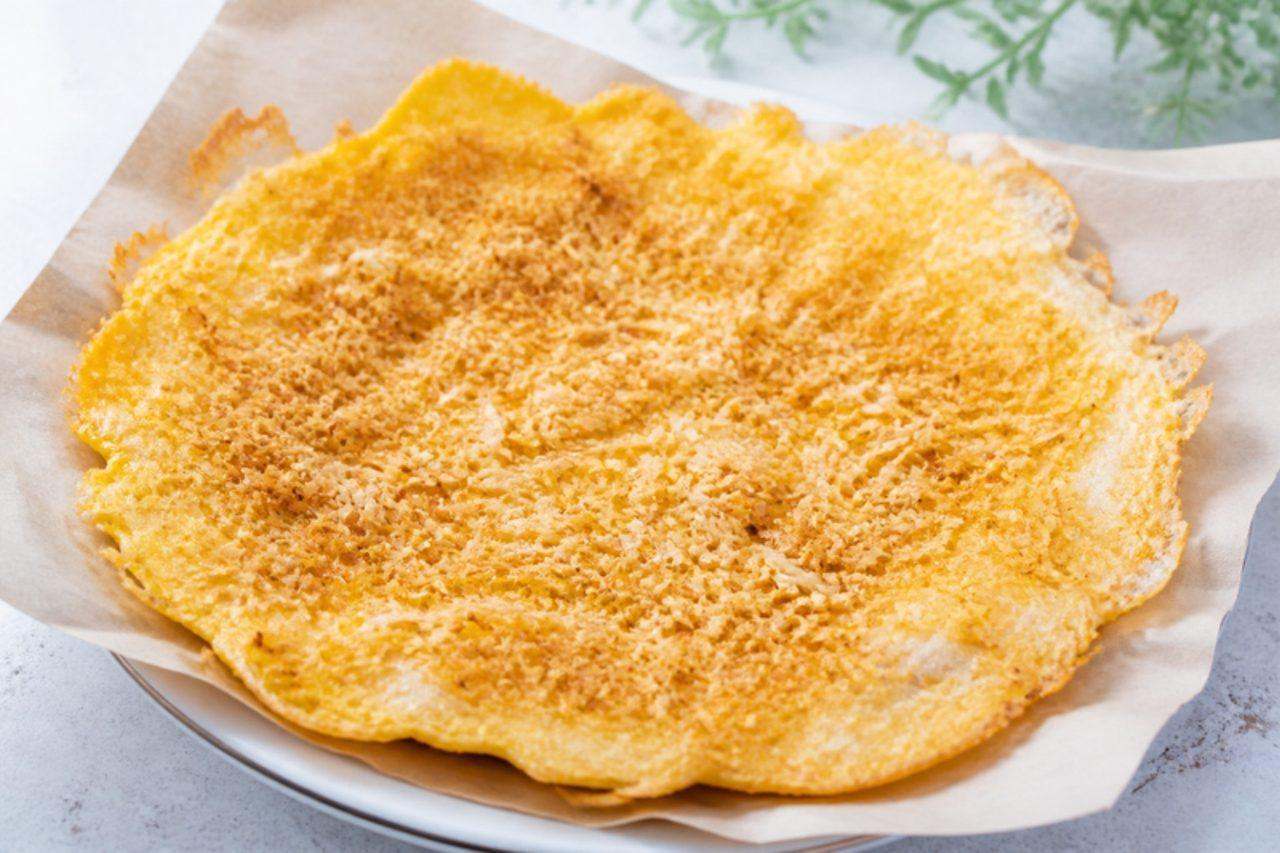
Kerak telor
Kerak telor: Jakarta's crisp sticky-rice and egg omelette with spiced toasted coconut

Kerak telor is the Betawi snack of Jakarta, cooked over charcoal by vendors at the Jakarta Fair and around Monas: a little soaked sticky rice is cooked in a tiny wok, an egg cracked on top, then the wok is turned upside down over the coals so the bottom forms a crust. It is finished with serundeng, a spiced toasted coconut, and fried shallots. Vendors usually add dried shrimp to the coconut; this version doesn't. Chef's tip: soak the sticky rice overnight; half-soaked grains stay hard in the middle.
- Total time
- 45 min
- Difficulty
- medium
- Serves
- 2
Ingredients
For the rice
For the serundeng
To serve
Method
0/5 doneStep 1: Pound 3 shallots, 1 clove garlic, 1 red chilli and ⅜ in kencur or ginger to a paste. Toast 2 ⅛ oz desiccated or grated coconut in a dry wok over a medium-low heat, stirring constantly, for 6–8 minutes, until evenly golden brown and toasty. Add the paste, 1 tsp palm sugar, ½ tsp salt and ¼ tsp white pepper and stir 2 minutes more, until dry and crumbly. Set aside.
10 minStep 2: Heat a small non-stick pan (about 18 cm) over a medium heat with half the 1 tbsp vegetable oil. Add half the 3 ½ oz glutinous rice and a few tablespoons of the ¼ cup water. Cover and cook for 5–6 minutes, until the water is absorbed and the grains look translucent.
6 minStep 3: Crack in one of the 2 eggs, add a spoonful of serundeng and stir with a fork, then spread flat into a thin round. Cook 2 minutes, until the edges set.
3 minStep 4: Now crisp the top: flip it with a plate and cook the other side for 2 minutes, or put the pan under a hot grill for 2–3 minutes, until the surface looks dry and golden. Common mistake: lifting it too soon; it should release with a crackle and hold together as a crust.
3 minStep 5: Slide onto a plate, scatter with more serundeng and 3 tbsp fried shallots. Repeat for the second one and eat hot.
6 min
Nutrition per serving
- Calories
- 440 kcal
- Protein
- 13 g
- Carbs
- 52 g
- Fat
- 20 g
- Fibre
- 4 g
Nutrition values are estimates.
KrazyBadal
Good to know
- How long does kerak telor take?
- About 45 minutes in total: 15 minutes to prepare and 30 minutes to cook.
- How many people does it serve?
- 2 as written. Change the servings above the ingredients and every amount scales to match.
- Is it vegetarian?
- Yes. It has no meat or fish.
- Is it gluten free?
- Yes, as written. Check the labels on stock, sauces and spice mixes, which sometimes contain gluten.
- What can I use instead of glutinous rice?
- Any long-grain rice, same amount.
- What can I use instead of eggs?
- 1 tbsp ground flaxseed + 3 tbsp water per egg, left for 5 minutes (baking only; vegan).
Reviews
No reviews yet. Be the first to cook it.
Rate this recipe
Sign in to rate and review this recipe.
You might also like
Coastal Mombasa mix
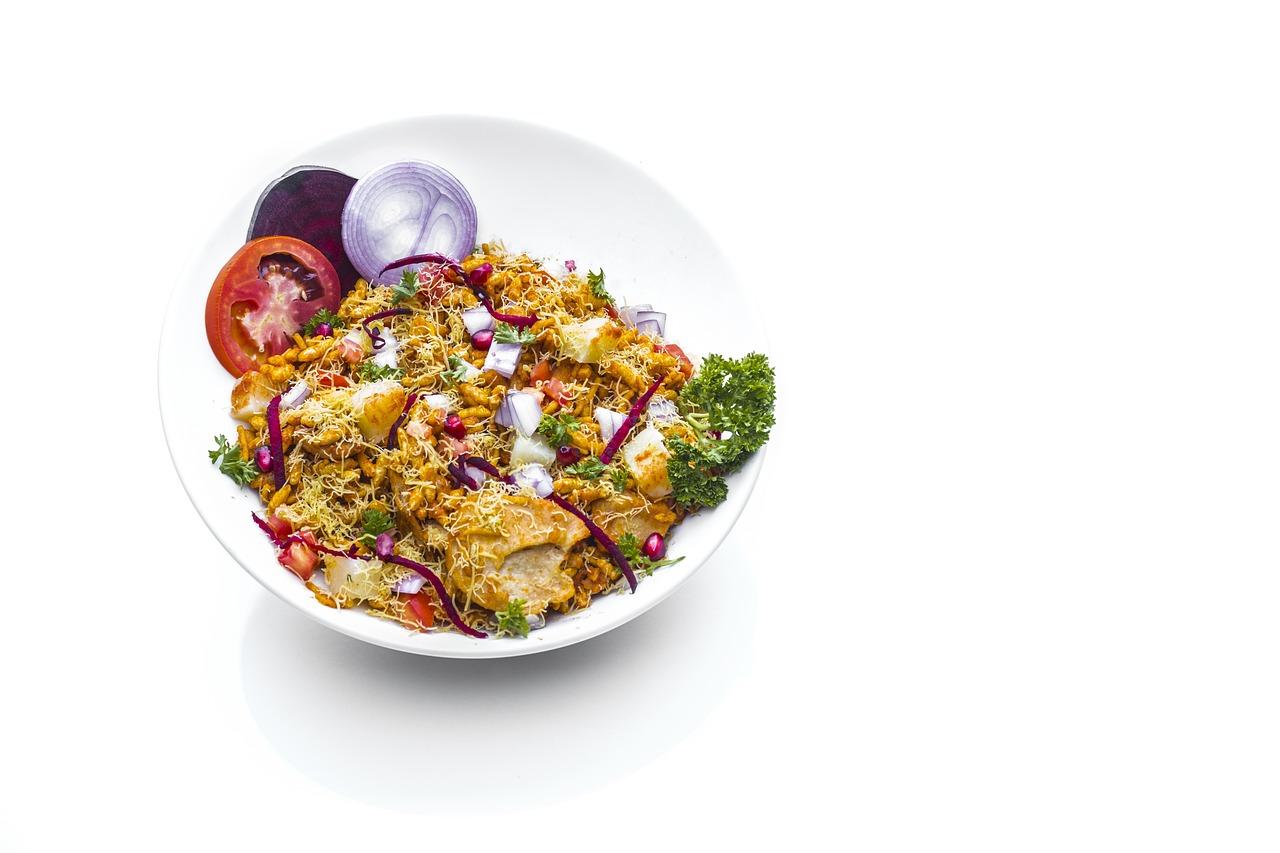
A Mombasa street-food bowl: chickpeas and potato simmered in coconut milk with raw mango and chilli, ladled into small bowls and topped with crisp lentil fritters, crunchy chevdo and red, green and tamarind chutneys. Make the fritters and chevdo ahead and assemble at the table. It's sweet, sour, hot and crunchy all at once.


Sayur lodeh
Sayur lodeh is everyday cooking in Central Java, made in big pots in Solo and Semarang kitchens and ladled over rice, with lontong rice cakes at Lebaran, or alongside opor and sambal goreng on festive tables. It's soupy rather than thick: a fragrant broth of coconut milk, galangal, lemongrass and lime leaf that carries chunks of aubergine, long beans, chayote and sweetcorn, plus tempeh and tofu to make it a meal. The flavour is mellow and slightly sweet, so the heat comes from sambal on the side. Chef's tip: keep the pot at a gentle simmer once the coconut milk goes in and stir now and then — a rolling boil splits the coconut milk into oily curds.


Okonomiyaki
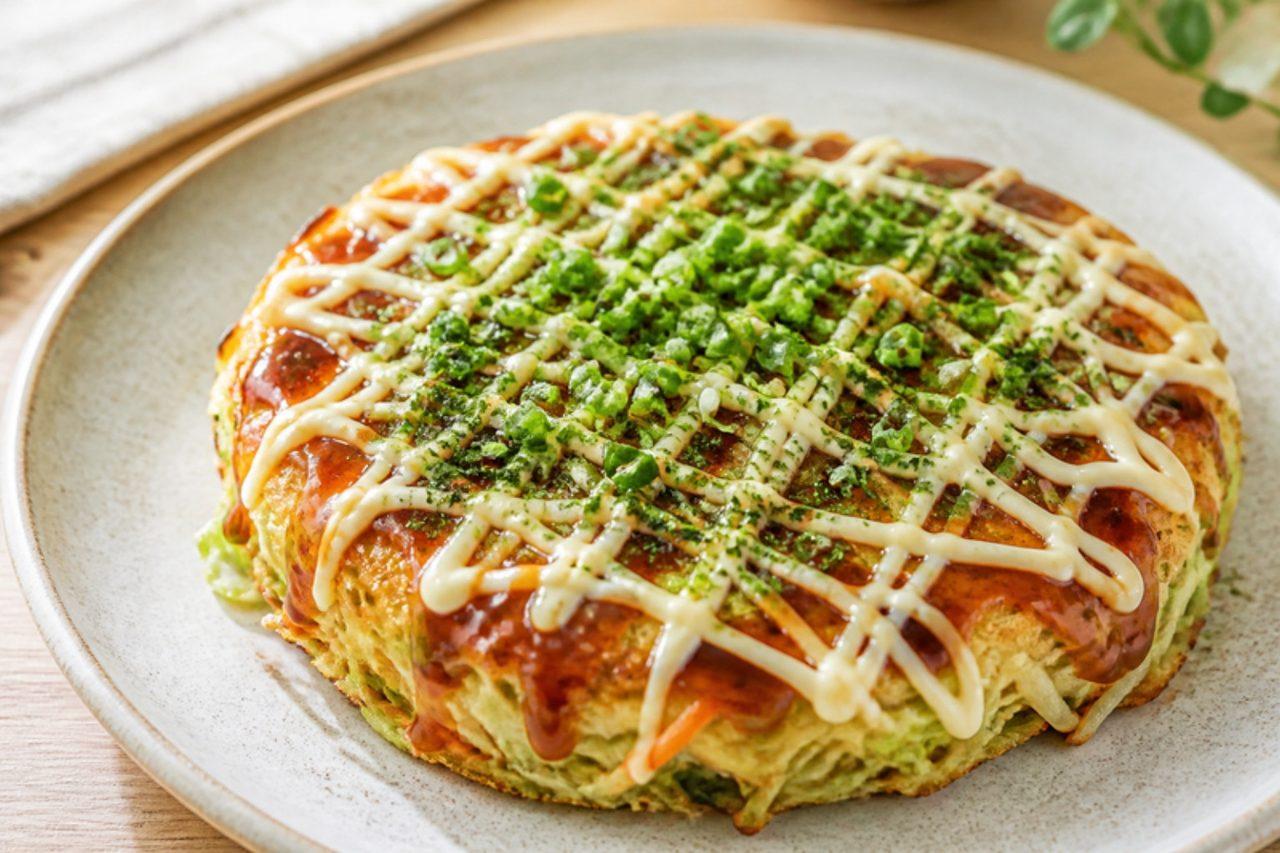
Okonomiyaki (お好み焼き, 'grilled as you like it') is the pride of Osaka, where it's cooked on hot iron griddles in lively restaurants. Finely shredded cabbage is folded into a light batter with egg and spring onion, then fried into a thick, soft pancake with a crisp outside. It's painted with a fruity brown sauce and zigzagged with mayonnaise. Bonito flakes are usual on top; this vegetarian version uses seaweed flakes and pickled ginger instead. Chef's tip: don't press the pancake down with your spatula while it cooks. Osaka cooks leave it alone so the cabbage steams inside and stays light and fluffy; pressing squeezes out the air.