
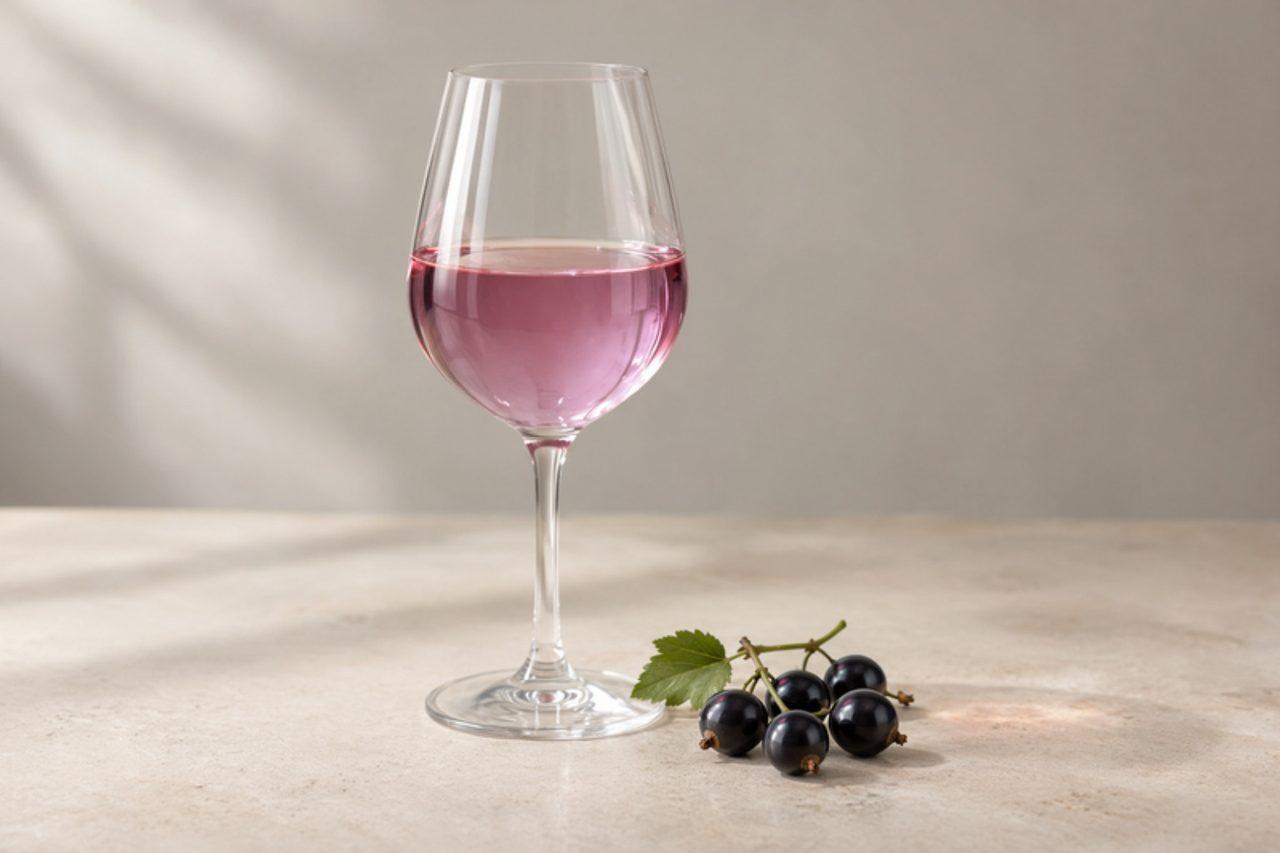
AI-generated image
Kir
Kir: crisp Burgundy Aligoté blushed purple with a spoonful of blackcurrant liqueur, Dijon's aperitif



Dijon's own aperitif carries the name of Canon Félix Kir, the priest who became the city's mayor after the war and poured blanc-cassis at every reception to show off two Burgundy products at once: the sharp white Aligoté grape and the blackcurrant liqueur made around the city. It is still what you are offered before a family Sunday lunch in Burgundy, with a warm plate of gougères. It is a drink for adults only, low-key and refreshing: tart, mineral white wine with a dark, jammy blackcurrant note, deep ruby-violet in the glass, served cold with no ice. The usual mistake is too much cassis, which makes a sticky, syrupy drink that hides the wine. Keep to about one part cassis to five or six parts wine. It is ready when the colour is a clear, deep pink-purple you can still see light through and the glass mists with cold. Enjoy one before the meal and drink responsibly. If you cannot find Aligoté, use any dry, unoaked, high-acid white. Swap the wine for Champagne or crémant and you have a kir royal. Chef's tip: pour the cassis in first and the wine on top; it mixes itself and you need not stir.
- Total time
- 3 min
- Difficulty
- easy
- Serves
- 1
Ingredients
For the Kir
- 1 ½ tbsp crème de cassisblackcurrant liqueur
- ½ cup dry white wineBourgogne Aligoté or another unoaked, crisp white, well chilled; check the label for a vegan one if it matters: some wines are fined with egg or fish products
For the alcohol-free version
- 1 ½ tbsp blackcurrant syrup (optional)
- ½ cup white grape juice (optional)well chilled; or sparkling water with a squeeze of lemon
Shop this recipe on Amazon
Links open Amazon in a new tab. As an Amazon Associate, WhatToEat.Today earns from qualifying purchases.
Method
0/4 doneStep 1: Chill a wine glass in the freezer until it frosts.
10 minStep 2: Pour 1 ½ tbsp crème de cassis into the cold glass.
1 minStep 3: Top slowly with ½ cup dry white wine; the colour will swirl up through it. Serve straight away while it is very cold.
1 minStep 4: Alcohol-free version: pour 1 ½ tbsp blackcurrant syrup into a chilled glass and top with ½ cup white grape juice, stirring once if using sparkling water.
1 min
Nutrition per serving
- Calories
- 140 kcal
- Protein
- 0 g
- Carbs
- 9 g
- Fat
- 0 g
- Fibre
- 0 g
Nutrition values are estimates.
KrazyBadal
Good to know
- How long does kir take?
- About 3 minutes in total.
- How many people does it serve?
- 1 as written. Change the servings above the ingredients and every amount scales to match.
- Is it vegan?
- Yes. It has no meat, fish, dairy or eggs.
- Is it gluten free?
- Yes, as written. Check the labels on stock, sauces and spice mixes, which sometimes contain gluten.
- What can I use instead of dry white wine?
- Stock with 1 tsp white wine vinegar per 120ml (½ cup).
Reviews
No reviews yet. Be the first to cook it.
Rate this recipe
Sign in to rate and review this recipe.
You might also like
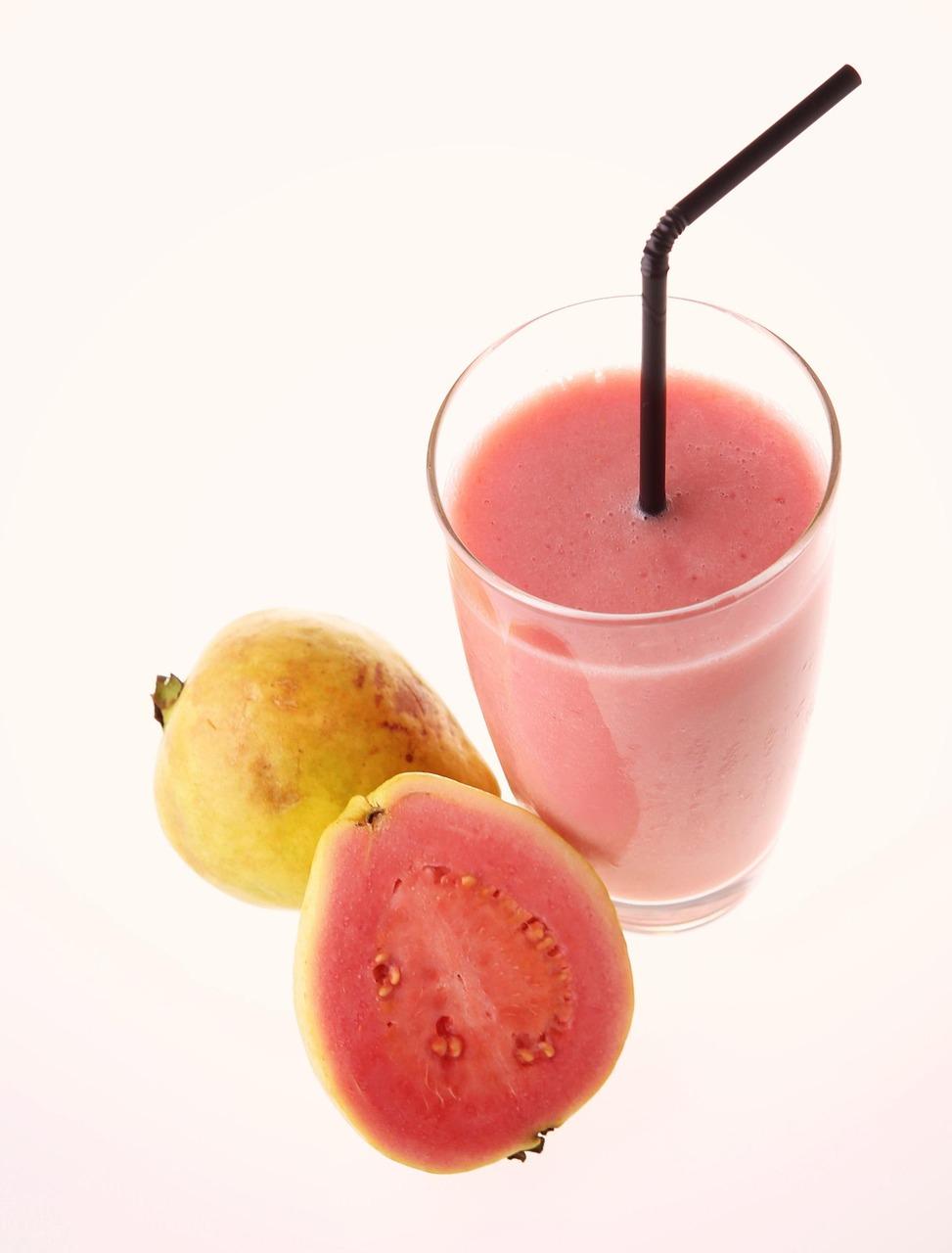
Guava delight
A thick, fragrant blend of ripe guava, mango and banana, boosted with a spoonful of guava powder from the health shop. The book calls it a modern-day vitality drink, drawing on guava's long use in traditional Indian medicine. Serve it well chilled; sieve it if you don't like the little guava seeds.


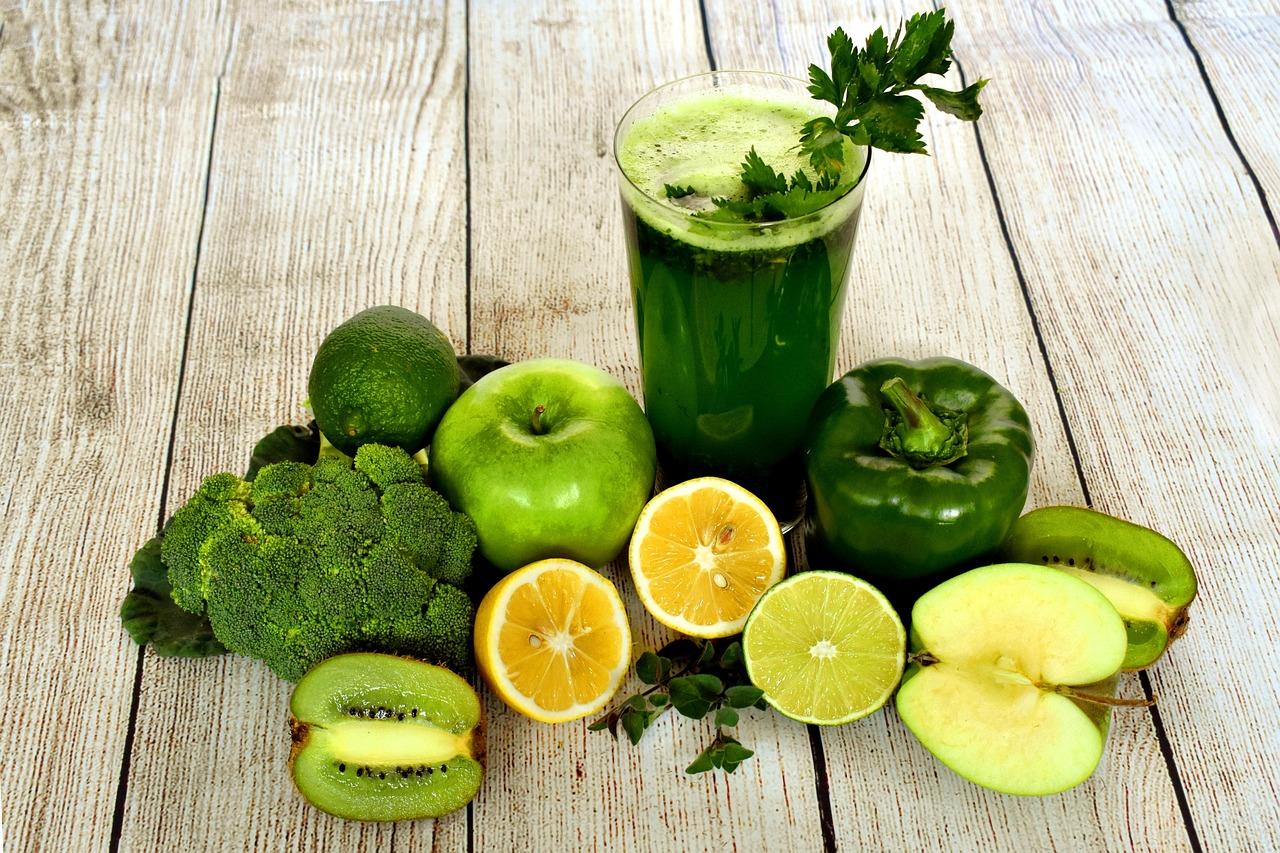
Power pack
A sweet, energising juice of apples, pears and kiwi fruit with a stick of celery, all used unpeeled for extra goodness. It's naturally sweet, so it needs no sugar. Serve well chilled.
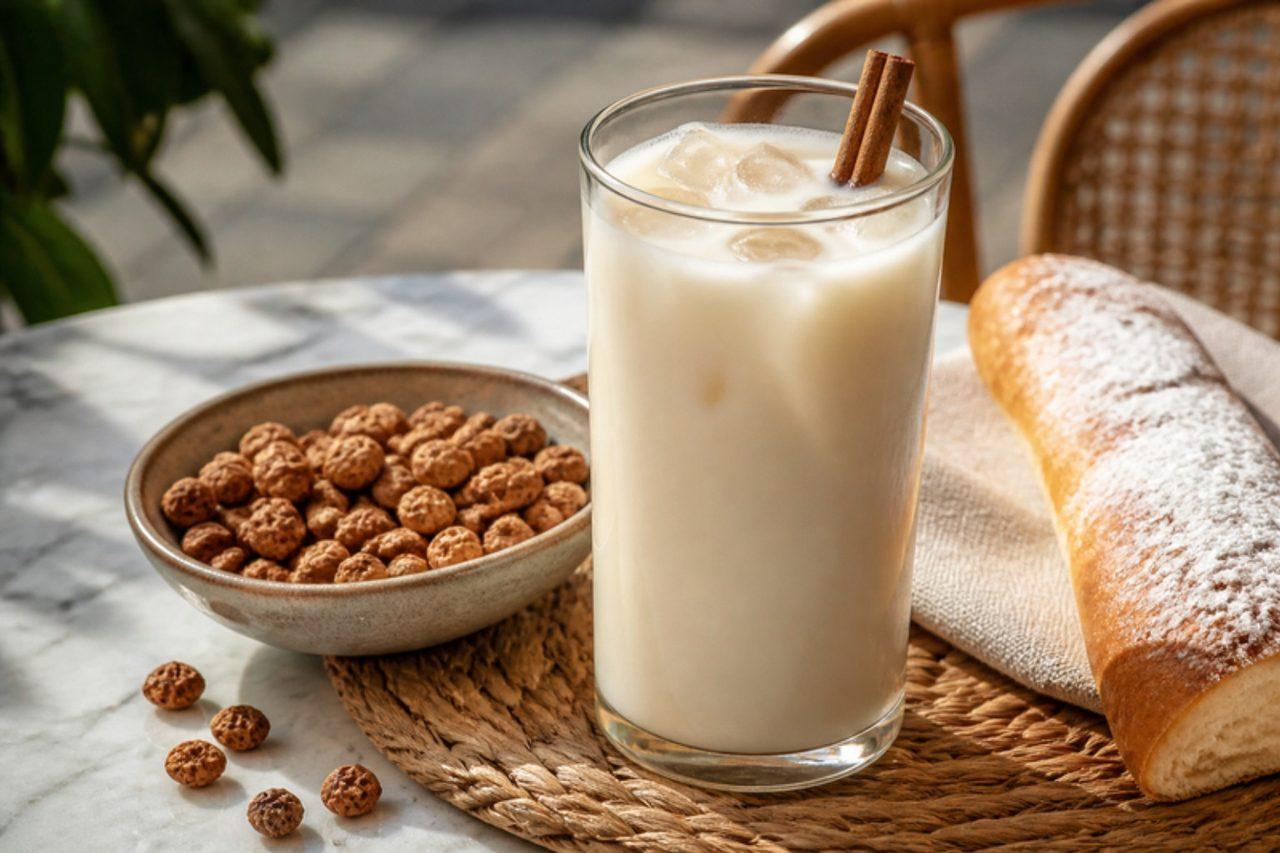
Horchata de chufa
Horchata de chufa is the drink of Valencia's summer, sold ice-cold in the city's horchaterías with long, soft fartons pastries for dipping. It is made from chufas, or tiger nuts: small wrinkled tubers grown around the village of Alboraya just north of Valencia, which have their own protected designation of origin. Soaked, ground with water, strained and sweetened, they give a creamy, nutty, naturally dairy-free milk with a hint of cinnamon. Valencians drink it very cold, or half-frozen as 'granizada'. Chef's tip: soak the tiger nuts for a full 24 hours and change the water once; they must be plump and soft enough to blend into a fine pulp, or the horchata will be thin and taste of raw starch.
 Spanish