
AI-generated image
Kwati
Mixed sprouted bean soup
Kwati: the nine-bean sprouted soup of the Kathmandu Valley, cooked for Janai Purnima



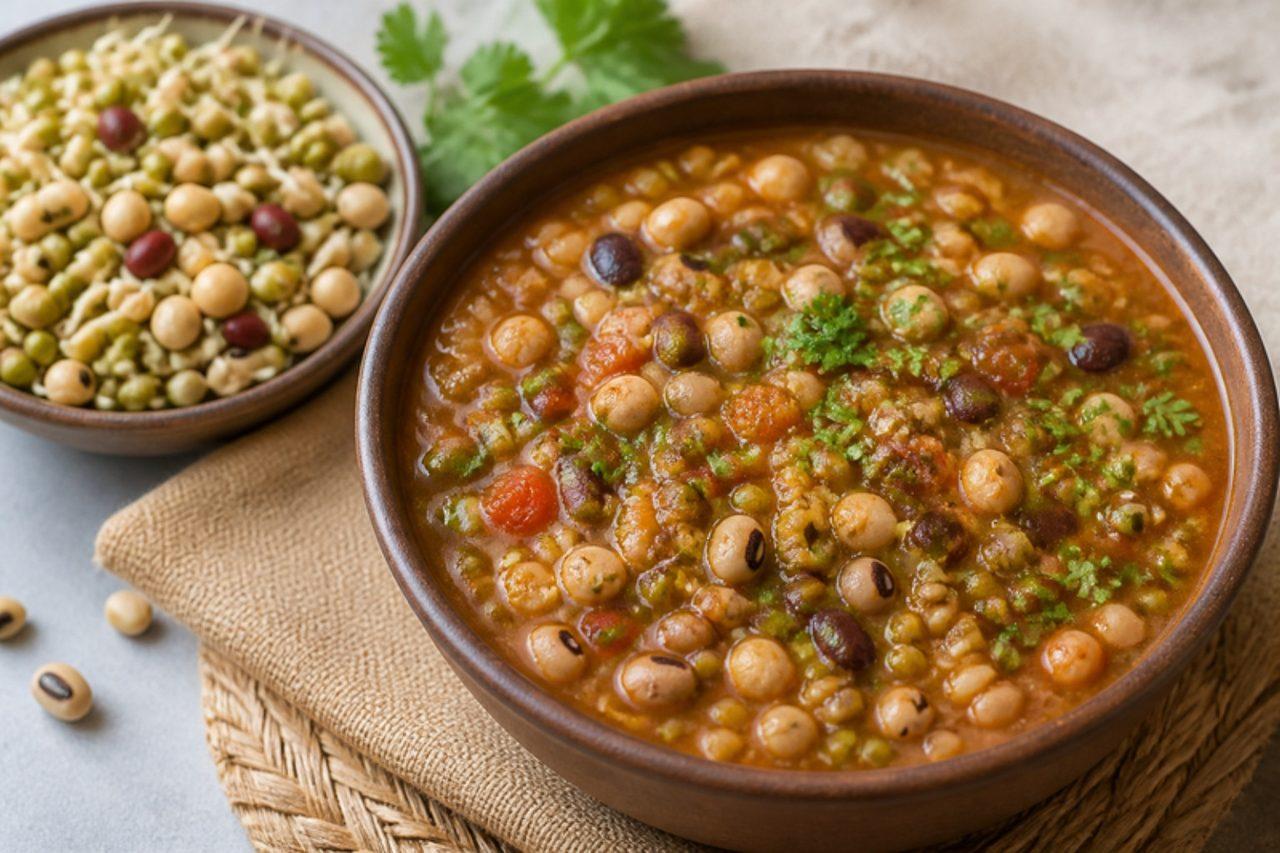
Kwati is a thick, warming soup of nine kinds of sprouted beans that the Newar families of the Kathmandu Valley cook on Janai Purnima, the August full moon also called Kwati Punhi, when the monsoon is at its height and people are said to need strength against the damp. The mix usually includes black gram, green mung, chickpeas, soybeans, field peas, kidney beans, cowpeas, field beans and rice beans, soaked and sprouted for two or three days beforehand, then cooked with ajwain, ginger, garlic, tomato and a pinch of timur. Markets in Asan sell ready-mixed kwati beans in the week before the festival. It is eaten in bowls with beaten rice or simply on its own. The mistake people make is skipping the sprouting, which leaves the soup heavy and the beans hard. Chef's tip: fry the ajwain until it crackles; its thyme-like warmth makes the beans easier to digest and is the flavour of the festival.
- Total time
- 60 min
- Difficulty
- medium
- Serves
- 6
Ingredients
- 1 ⅛ lb mixed sprouted beans (kwati)from about 250 g dried mixed beans, soaked 24 hours and sprouted 1–2 days
- 3 tbsp mustard oil
- 1 tsp ajwain (carom seeds)
- 1 tsp cumin seeds
- 1 onionfinely chopped
- 5 garlic clovescrushed
- ⅔ oz fresh gingergrated
- ½ tsp ground turmeric
- 1 tsp ground cumin
- 1 tsp ground coriander
- ½ tsp chilli powder
- 2 tomatoeschopped
- 6 ¼ cups hot water
- 1 ½ tsp salt
- ½ tsp timur (Nepali Sichuan pepper)ground
- ½ oz fresh corianderchopped
Shop this recipe on Amazon
What you'll need
Spices & pantry
Fresh ingredients (5)
Links open Amazon in a new tab. As an Amazon Associate, WhatToEat.Today earns from qualifying purchases.
Method
0/8 doneStep 1: Rinse 1 ⅛ lb mixed sprouted beans (kwati) in a colander and pick out any that haven't sprouted or are still rock-hard. Sprouted beans should show a small white tail and smell fresh and green, not sour.
5 minStep 2: Heat 3 tbsp mustard oil in a large heavy pot or pressure cooker over a medium-high heat until it smokes lightly, then turn to medium. Add 1 tsp ajwain (carom seeds), 1 tsp cumin seeds and 2 dried red chillies and fry for 15–20 seconds, until they crackle. Add ¼ tsp gluten-free asafoetida (hing) and stir once.
2 minStep 3: Add 1 onion and fry for 5 minutes, until golden. Add 5 garlic cloves and ⅔ oz fresh ginger and fry for 1 minute, until fragrant.
6 minStep 4: Add the beans, ½ tsp ground turmeric, 1 tsp ground cumin, 1 tsp ground coriander and ½ tsp chilli powder and stir-fry over a medium heat for 5 minutes, until the beans are coated, the spices smell toasty and a few beans start to catch on the base.
5 minStep 6: Bring to the boil, then cover and simmer over a medium-low heat for 35–40 minutes (or pressure-cook for 4 whistles), until the hardest beans, usually the soybeans and kidney beans, are fully tender when squeezed. Kidney beans must boil hard and cook right through.
40 minStep 7: Mash a ladleful of beans against the side of the pot and stir them in to thicken the soup. It should be a loose, rich soup, not a dry curry; add hot water if needed. Stir in ½ tsp timur (Nepali Sichuan pepper) and simmer 2 minutes more.
2 minStep 8: Taste for salt, scatter with ½ oz fresh coriander and serve hot in bowls, with beaten rice or plain rice on the side.
Nutrition per serving
- Calories
- 290 kcal
- Protein
- 17 g
- Carbs
- 34 g
- Fat
- 10 g
- Fibre
- 12 g
Nutrition values are estimates.
KrazyBadal
Good to know
- How long does kwati take?
- About 60 minutes in total: 15 minutes to prepare and 45 minutes to cook.
- How many people does it serve?
- 6 as written. Change the servings above the ingredients and every amount scales to match.
- Is it vegan?
- Yes. It has no meat, fish, dairy or eggs.
- Is it gluten free?
- Yes, as written. Check the labels on stock, sauces and spice mixes, which sometimes contain gluten.
- What can I use instead of cumin seeds?
- Ground cumin, three quarters of the amount (add it with the other ground spices, not to hot oil first).
- What can I use instead of gluten-free asafoetida (hing)?
- A pinch each of garlic powder and onion powder (asafoetida stands in for onion and garlic).
Reviews
No reviews yet. Be the first to cook it.
Rate this recipe
Sign in to rate and review this recipe.
You might also like
Tiyula itumBlack beef soup
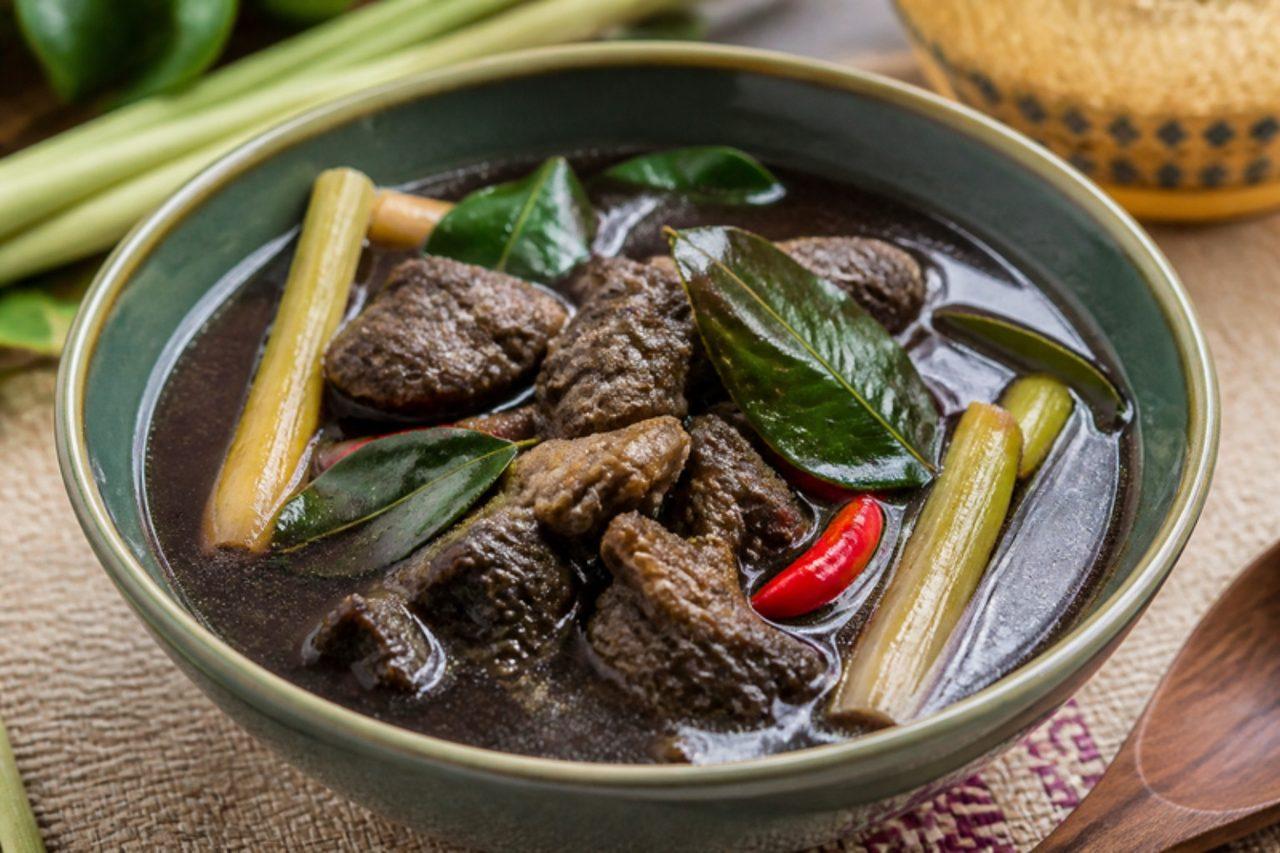
Tiyula itum, 'black soup', is the pride of the Tausug people of Sulu in the far south of the Philippines, cooked for weddings, Eid celebrations and when guests come home. Beef (it is a halal, pork-free dish) is simmered with ginger, lemongrass and turmeric, then darkened with pamapa itum, a paste of grated coconut toasted until almost black and pounded with spices. The broth looks dramatic but tastes smoky, earthy and gently peppery, with heat from chillies. Serve it with plain rice. Chef's tip: toast the coconut slowly, stirring all the time, until it is very dark brown but not ashy; burnt-to-ash coconut tastes bitter and ruins the soup.
 Filipino

BabboucheSpiced snail broth
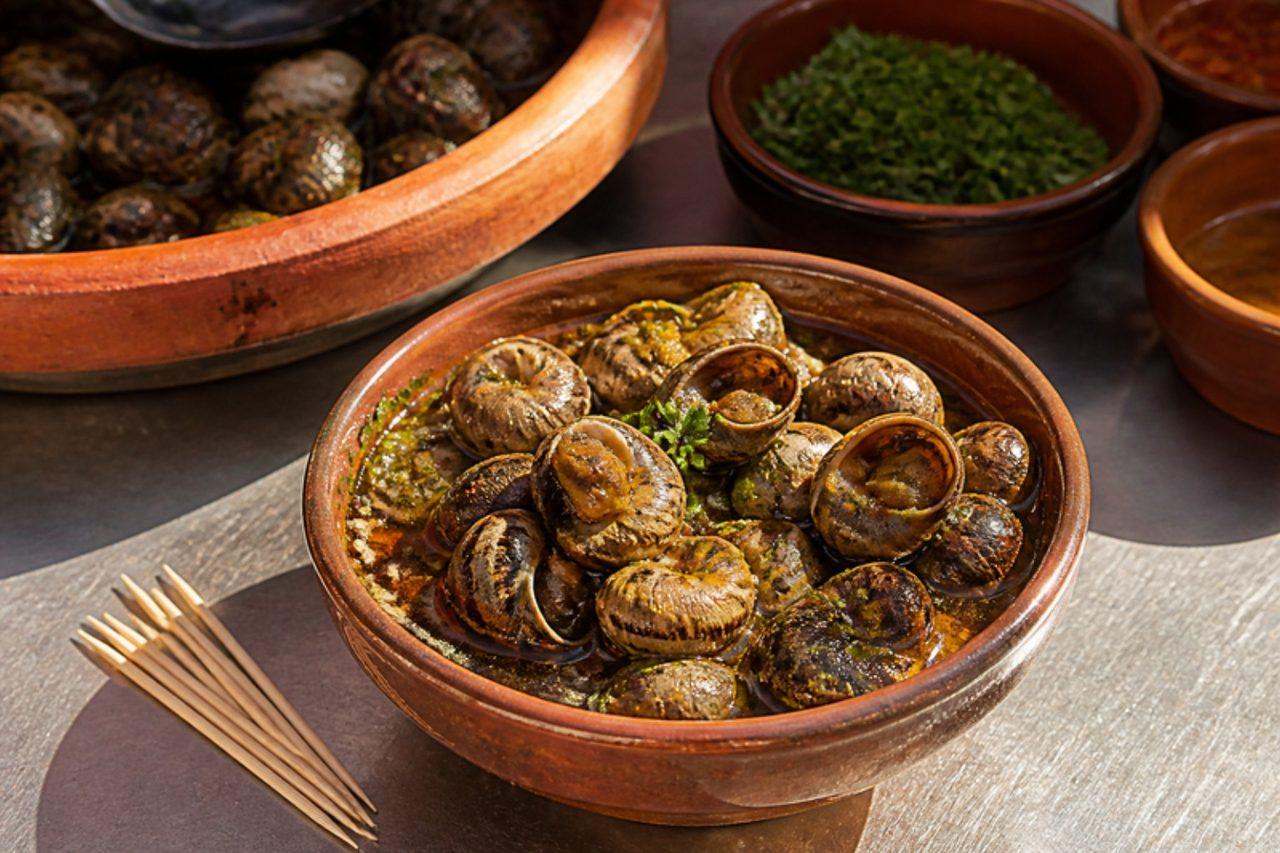
After dark in Marrakech's great square, the babbouche stalls are recognisable by their steaming cauldrons and the toothpicks laid out by every bowl. Small land snails simmer in a dark broth of liquorice root, aniseed, thyme, caraway, bitter orange peel, chilli and a bundle of herbs that sellers say has fifteen ingredients, believed to soothe the stomach and warm you on a cold night. You pick the snails out with a toothpick, then drink the peppery, herbal, faintly sweet broth. At home, buy live snails sold for cooking, already purged by a reputable seller, discard any with broken shells or that do not move or retract when touched, and cook them through for at least 45 minutes. Chef's tip: keep the spices in a muslin bag; the broth stays clear and you avoid crunching on seeds.
 Moroccan
Ful nabitSprouted fava bean soup
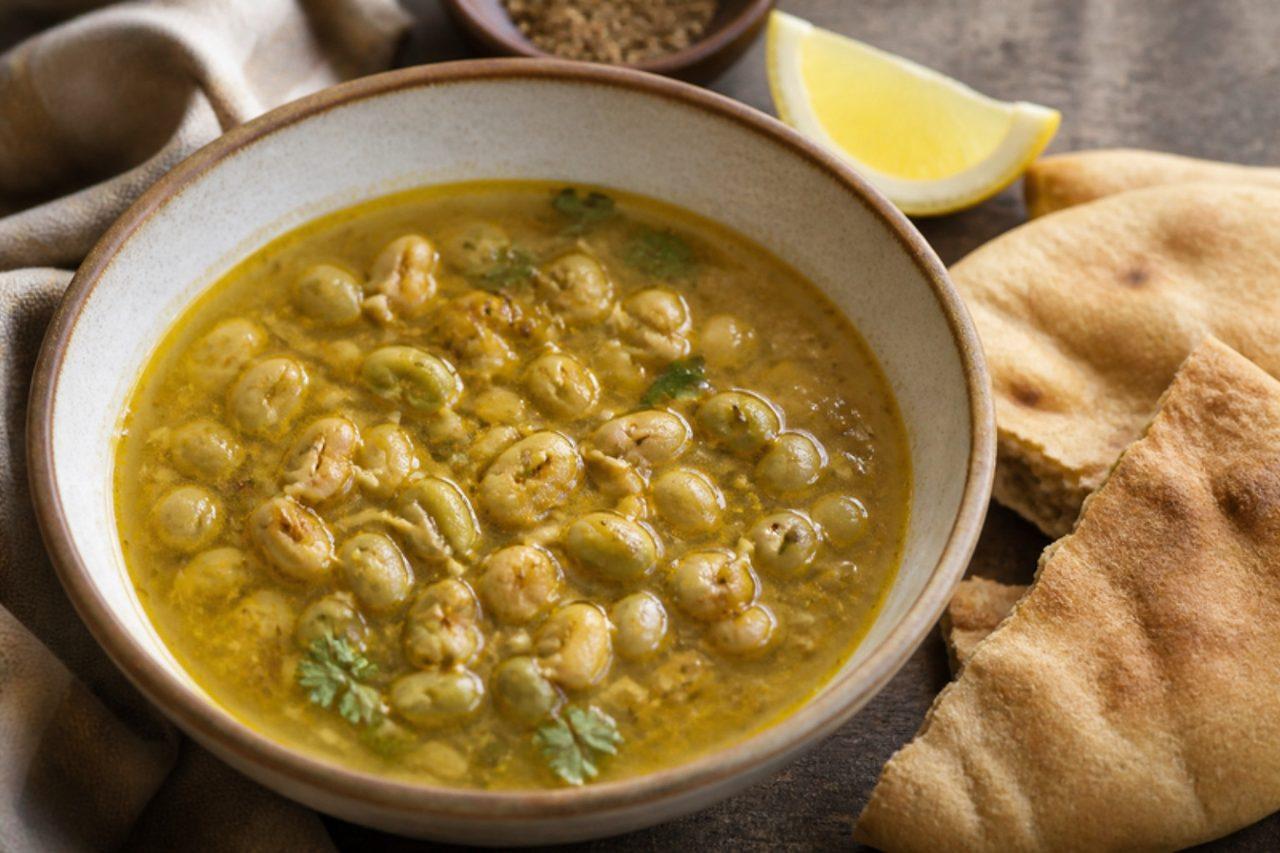
Sprouted beans are ladled out with their cooking liquor in Cairo homes when the weather turns cold or someone is feeling run down, and Egyptians swear by the broth as a pick-me-up. The beans are soaked and left to sprout for a few days, then simmered with onion, garlic and cumin into a light, earthy soup that is sharpened at the table with plenty of lemon. You can eat the beans with a spoon or pop them from their skins. Allow 3 to 4 days for sprouting, although the hands-on work is only about 20 minutes. People with G6PD deficiency (favism) must not eat fava beans. Chef's tip: stop the sprouting when the shoots are about 1 cm long; longer sprouts taste grassy and bitter.
 Egyptian
