
AI-generated image
Lalapan with sambal tomat
Raw vegetables with tomato sambal
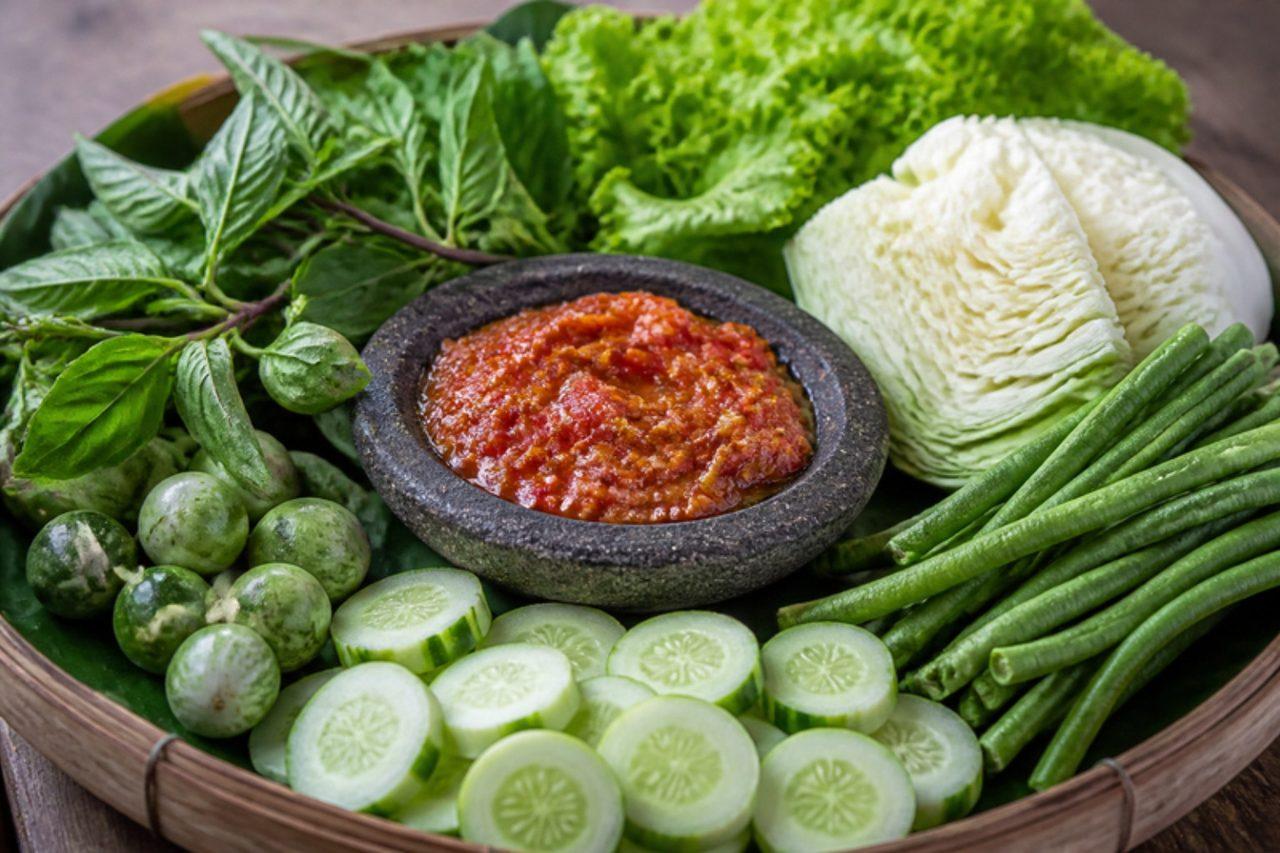
Lalapan (Sundanese raw vegetable platter): crisp leaves and vegetables with a fresh tomato sambal



In Sundanese homes and warung across West Java, from Bandung to Bogor, lalapan sits on the table at nearly every rice meal: a plate of raw cucumber, cabbage, long beans, Thai basil, lettuce and sometimes small green aubergines, dipped one by one into fiery sambal. It is about freshness and crunch more than cooking. The usual sambal terasi uses shrimp paste, so here it is a vegetarian sambal tomat of fried chilli, shallot, garlic and tomato, ground with palm sugar and lime. A portion gives only about 3 g of protein, so pair it with fried tofu or tempeh and rice for a full meal. The most common mistake is serving limp vegetables: wash them, then crisp them in iced water and dry them well. Chef's tip: fry the sambal ingredients until the tomato skins split and the shallots catch at the edges; that charring gives the depth shrimp paste usually brings.
- Total time
- 25 min
- Difficulty
- easy
- Serves
- 4
Ingredients
For the vegetables
- 1 cucumbercut into thick batons
- ¼ white cabbagesmall head, cut into wedges
- 3 ½ oz long beanscut into 10 cm lengths
- 4 small green or pea aubergines (optional)optional, halved
For the sambal tomat
- 2 tbsp vegetable oil
- 3 bird's-eye chilliesor to taste
- 4 shallotspeeled
- 2 cloves garlic
- 2 tomatoeshalved
- 1 tbsp palm sugargrated
- ½ tsp salt
- ½ limejuiced
Shop this recipe on Amazon
What you'll need
Spices & pantry
Fresh ingredients (11)
Links open Amazon in a new tab. As an Amazon Associate, WhatToEat.Today earns from qualifying purchases.
Method
0/4 doneStep 1: Put 1 cucumber, ¼ white cabbage, 3 ½ oz long beans, 8 lettuce leaves, 6 Thai basil sprigs and 4 small green or pea aubergines in a bowl of iced water for 10 minutes so they crisp up, then drain and pat dry.
10 minStep 2: Heat 2 tbsp vegetable oil in a frying pan over a medium heat. Fry 4 red chillies, 3 bird's-eye chillies, 4 shallots, 2 cloves garlic and 2 tomatoes, turning, until the tomato skins split and the shallots are soft and browned at the edges.
7 minStep 3: Tip everything into a mortar with 1 tbsp palm sugar and ½ tsp salt and pound to a rough, glossy sambal (or pulse briefly in a blender). Stir in ½ lime and taste for salt and heat.
Step 4: Arrange the vegetables on a platter around a bowl of sambal and eat with rice, dipping each piece as you go.
Nutrition per serving
- Calories
- 90 kcal
- Protein
- 3 g
- Carbs
- 12 g
- Fat
- 4 g
- Fibre
- 4 g
Nutrition values are estimates.
KrazyBadal
Good to know
- How long does lalapan with sambal tomat take?
- About 25 minutes in total: 15 minutes to prepare and 10 minutes to cook.
- How many people does it serve?
- 4 as written. Change the servings above the ingredients and every amount scales to match.
- Is it vegan?
- Yes. It has no meat, fish, dairy or eggs.
- Is it gluten free?
- Yes, as written. Check the labels on stock, sauces and spice mixes, which sometimes contain gluten.
- Is it very spicy?
- It has some heat. Use less chilli for a milder version, or more if you like it hot.
- What can I use instead of cucumber?
- Courgette, same weight (in salads, use young ones).
- What can I use instead of white cabbage?
- Savoy or spring greens, same weight.
Reviews
No reviews yet. Be the first to cook it.
Rate this recipe
Sign in to rate and review this recipe.
You might also like

Sayur lodehVegetables in coconut milk
Sayur lodeh is everyday cooking in Central Java, made in big pots in Solo and Semarang kitchens and ladled over rice, with lontong rice cakes at Lebaran, or alongside opor and sambal goreng on festive tables. It's soupy rather than thick: a fragrant broth of coconut milk, galangal, lemongrass and lime leaf that carries chunks of aubergine, long beans, chayote and sweetcorn, plus tempeh and tofu to make it a meal. The flavour is mellow and slightly sweet, so the heat comes from sambal on the side. Chef's tip: keep the pot at a gentle simmer once the coconut milk goes in and stir now and then — a rolling boil splits the coconut milk into oily curds.


LupisSticky rice with coconut sugar
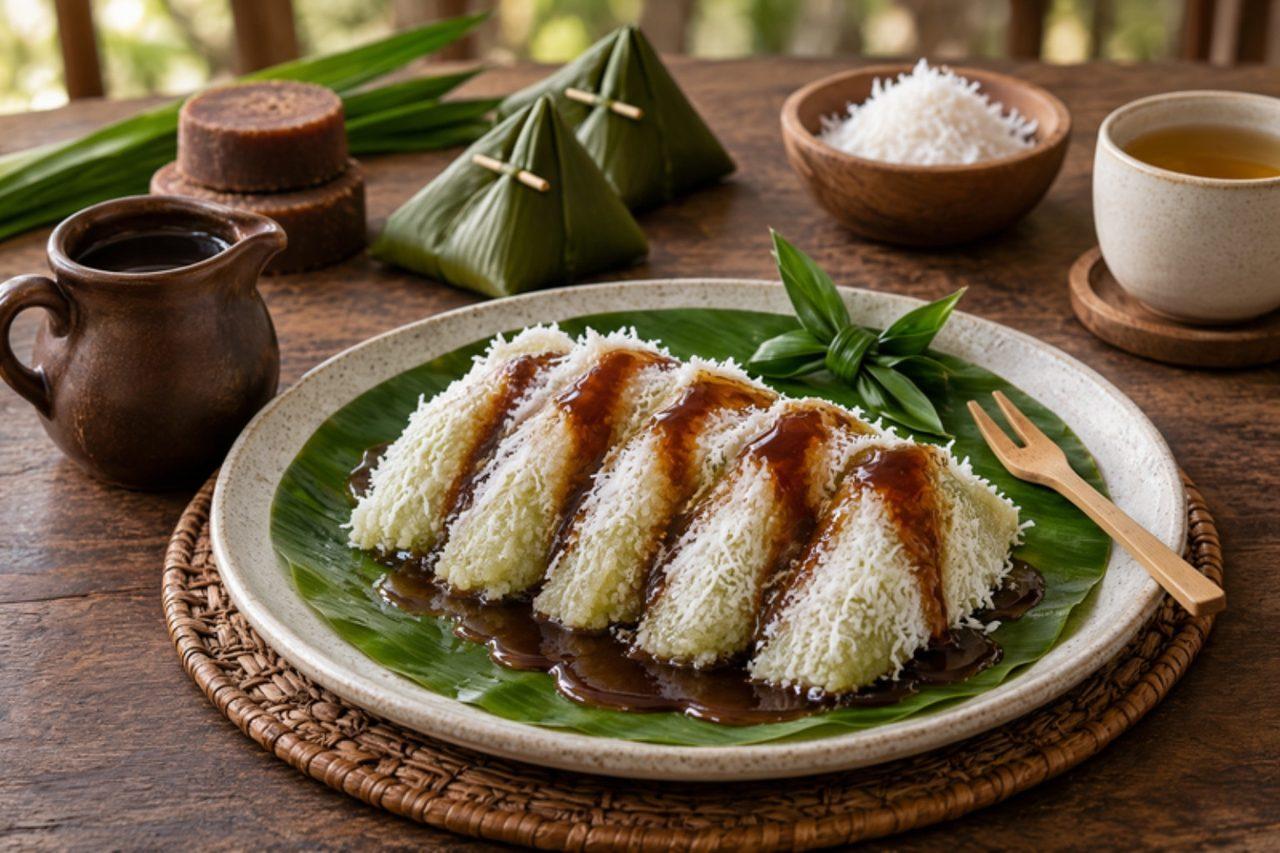
At morning markets across Central and East Java, vendors unwrap banana-leaf triangles of chewy sticky rice, roll them in fresh grated coconut and drench them in dark palm sugar syrup, all served on a square of leaf. Lupis is breakfast and snack at once, eaten with sweet tea. The common mistake is packing the leaves too full: the rice swells as it cooks, so fill each cone only two-thirds, or the parcels split and turn watery. Chef's tip: steam the grated coconut with a pinch of salt for 5 minutes before using it; it keeps longer and the salt sharpens the caramel taste of the syrup.
TashmijabiMashed potatoes with stretchy cheese
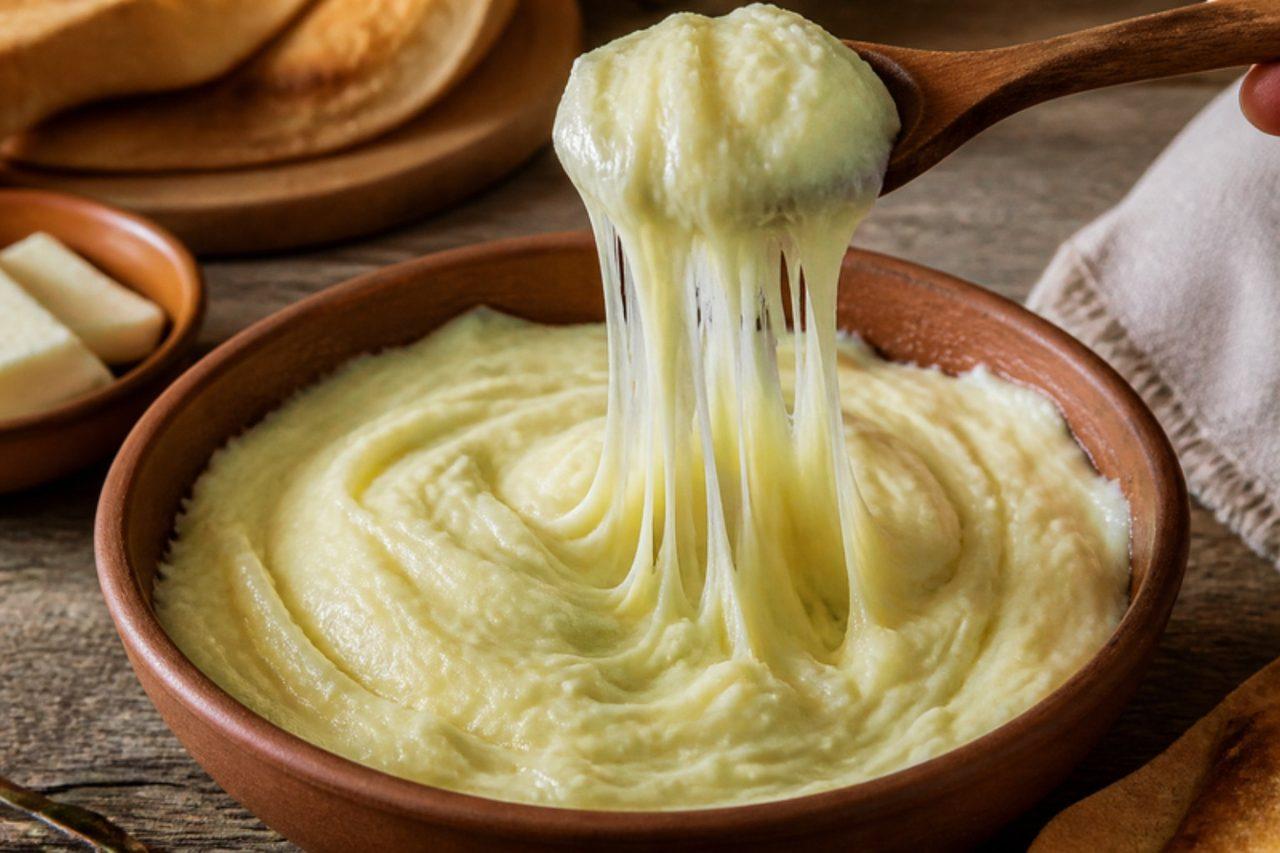
Potatoes grow well in the cold valleys of Svaneti, and tashmijabi is how families around Mestia turn them into a feast dish: they are mashed hot, then beaten with handfuls of young sulguni until the purée becomes glossy and stretches from the spoon in long strands. It is served with grilled meat, kubdari or simply with pickles and Svan salt. A common mistake is letting the potatoes cool before adding the cheese; they must be piping hot for the cheese to melt and stretch. Chef's tip: keep the pan on a low heat while you beat, and use a firm wooden spoon. Most sulguni uses animal rennet; choose a vegetarian one or use mozzarella.
 Georgian