
AI-generated image
Mamona
Slow-roasted beef
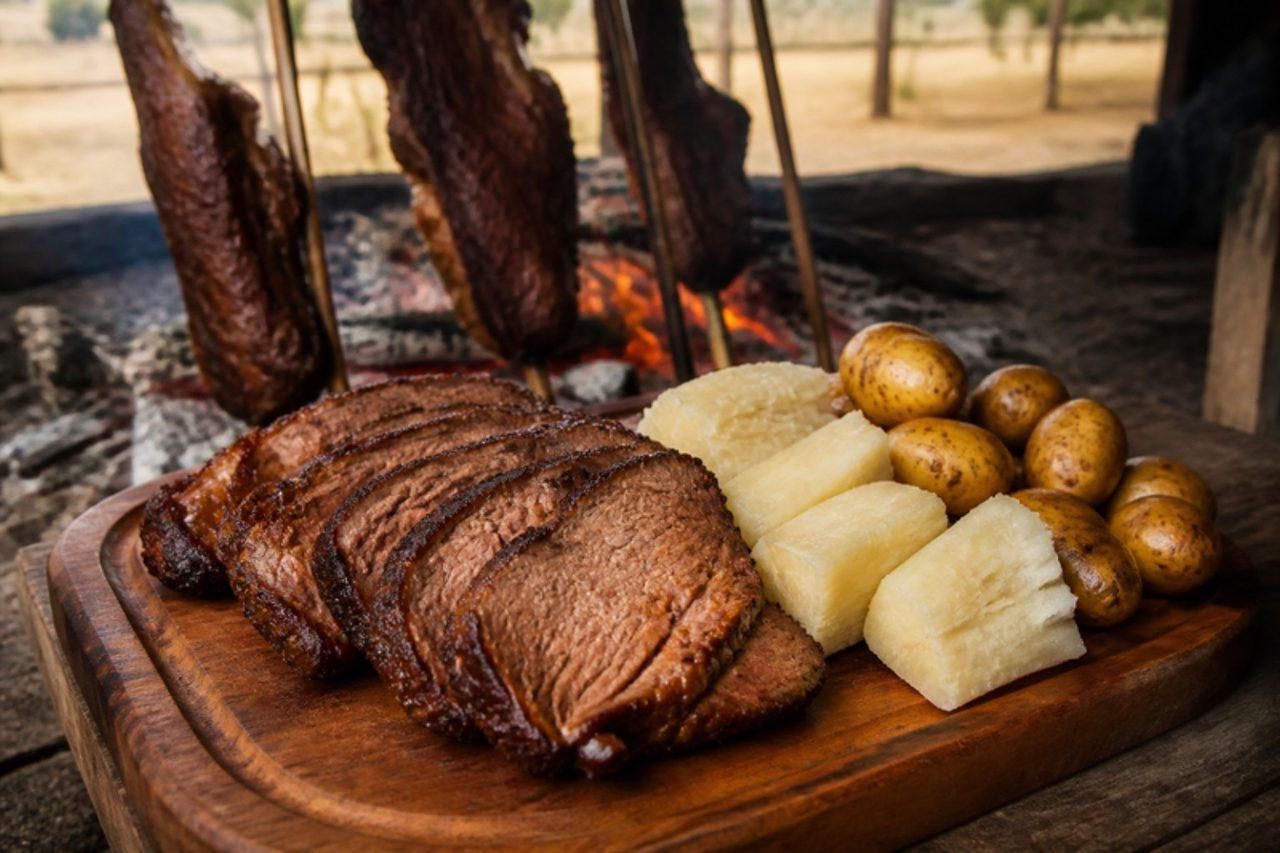
Mamona: the Llanos' young beef cut in large pieces and slow-roasted beside a wood fire


Cattle ranches of Meta and Casanare celebrate with mamona: a young steer cut into huge traditional pieces (rib slab, flank, shoulder) threaded on long wooden stakes and leaned around a wood fire for five hours or more, seasoned with nothing but coarse salt. The Villavicencio restaurants that specialise in it serve the meat with cassava, small boiled potatoes, plantain and ají, and some cooks splash beer over it, which you can skip. The beef ends up smoky and dripping on the inside with a salty, crusty bark. This home version uses a covered kettle barbecue with indirect heat, a whole slab of short ribs and a thick piece of flank. The usual blunder is putting the meat right over the coals; mamona cooks beside the fire, never over it. Chef's tip: let the salt sit on the meat in the fridge for a few hours before cooking; it seasons deeper and helps the crust form.
- Total time
- 290 min
- Difficulty
- hard
- Serves
- 8
Ingredients
For the beef
- 4 lb beef short ribs, in one slababout 4 bones; veal or young beef if available
- 2 tbsp coarse salt
- 6 ⅝ lb charcoal and hardwood chunksfor a covered kettle barbecue
To serve
- 2 ¼ lb cassava (yuca)peeled, cut into chunks, woody core removed
- 1 tsp salt
- ¾ cup ají picante (optional)
Shop this recipe on Amazon
What you'll need
Fresh ingredients (2)
Links open Amazon in a new tab. As an Amazon Associate, WhatToEat.Today earns from qualifying purchases.
Method
0/7 doneStep 1: Rub 2 tbsp coarse salt all over 4 lb beef short ribs, in one slab and 2 ¼ lb beef flank or skirt, in one piece. Cover and leave in the fridge for 3–4 hours. Take out 30 minutes before cooking.
5 minStep 2: Light 6 ⅝ lb charcoal and hardwood chunks and, when the coals are covered in grey ash, push them all to one side of the barbecue. Add a couple of wood chunks. Put a tray of water under the empty side to catch drips.
30 minStep 3: Put the short ribs on the cool side, bone side down, close the lid and adjust the vents to hold about 140–300°F inside.
5 minStep 4: Cook for 3 hours, adding a handful of fresh charcoal every 45 minutes, until the meat has a dark, salty crust and has shrunk back from the bones.
180 minStep 5: Add the flank on the cool side and cook both for another 60–80 minutes. The ribs are done when a skewer slides in like butter (about 199°F inside). Cook the flank to your taste; for this slow, rustic style most people take it to at least 145°F.
70 minStep 6: Meanwhile, boil 2 ¼ lb cassava (yuca) with 1 tsp salt for 20–25 minutes, until tender and starting to split. Drain.
25 minStep 7: Rest the meat for 15 minutes, then cut the ribs between the bones and slice the flank thickly across the grain. Serve with the cassava and ¾ cup ají picante.
15 min
Nutrition per serving
- Calories
- 720 kcal
- Protein
- 62 g
- Carbs
- 24 g
- Fat
- 41 g
- Fibre
- 2 g
Nutrition values are estimates.
KrazyBadal
Good to know
- How long does mamona take?
- About 290 minutes in total: 20 minutes to prepare and 270 minutes to cook.
- How many people does it serve?
- 8 as written. Change the servings above the ingredients and every amount scales to match.
- Is it gluten free?
- Yes, as written. Check the labels on stock, sauces and spice mixes, which sometimes contain gluten.
Reviews
No reviews yet. Be the first to cook it.
Rate this recipe
Sign in to rate and review this recipe.
You might also like

Pork souvlaki
This is a pork recipe. Walk through any Greek town after dark, from Athens to Thessaloniki, and the smell of souvlaki stands drifts down the street; cubes of pork shoulder grilled on thin skewers are the country's favourite cheap supper, eaten standing up or at a plastic-table taverna. At home you marinate the meat in lemon, olive oil, garlic and dried oregano, grill it hard and fast, and pile it on warm pitta with tzatziki, tomato and red onion. Chef's tip: cut the pork into even 2.5 cm cubes and leave a little fat on; lean loin dries out, shoulder stays juicy over high heat.
 Greek
Pfälzer SaumagenStuffed pig's stomach
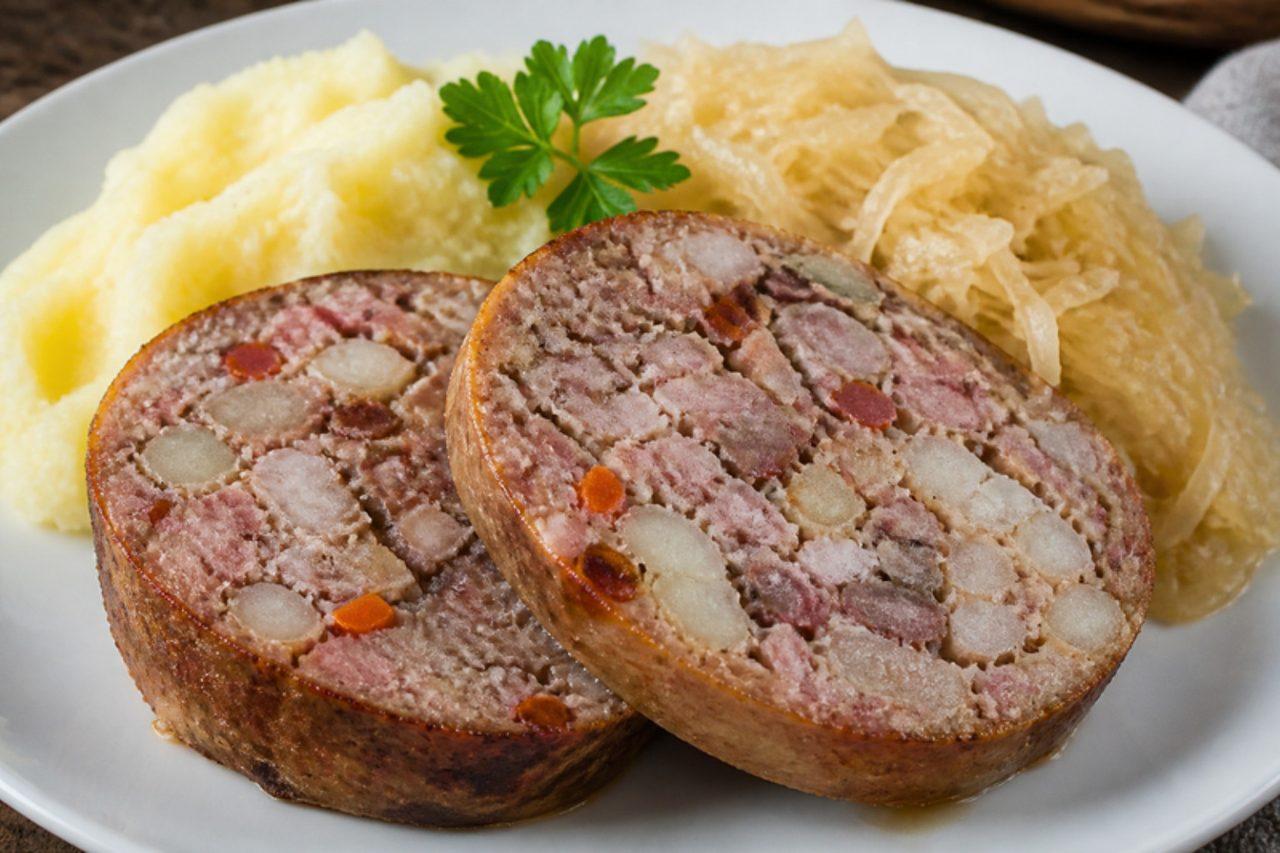
Saumagen is the pride of the Palatinate, served at wine-village festivals and family dinners from the Haardt hills to Ludwigshafen. A cleaned pig's stomach is stuffed with diced pork shoulder, pork sausage meat, potato and carrot seasoned with marjoram and nutmeg, poached slowly, then sliced thick and fried until crusty. The stomach works only as a casing and is ordered from a butcher; if you can't get one, bake the same filling in a covered terrine in a water bath. Serve with sauerkraut and mashed potato. Chef's tip: fill the stomach only three-quarters full, or it bursts as the potatoes swell.
 German

Chha goshtLamb in buttermilk gravy
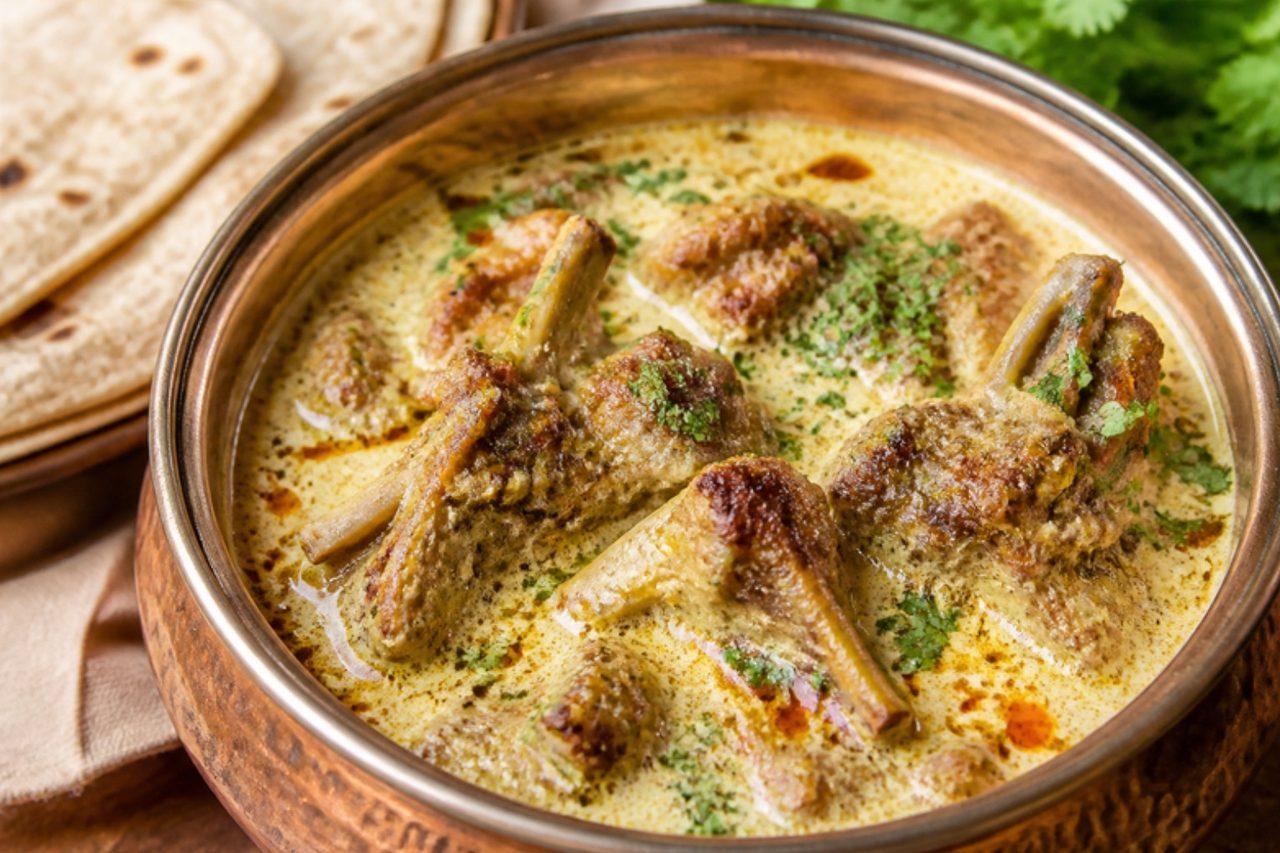
Up in the hill villages of Himachal Pradesh, where flocks are walked to summer pastures, lamb is often cooked in chhaachh, the thin buttermilk left after churning butter. Thickened with a spoonful of gram flour, it makes a pale, gently sour gravy that is milder and lighter than the red curries of the plains, and it is a favourite at dhams, the festive meals of the Kangra and Chamba valleys. Serve it with steamed rice or makki ki roti. Chef's tip: whisk the gram flour into the buttermilk until there are no lumps before it goes near the pot; once it hits the heat, any lumps stay lumps.
 Indian