
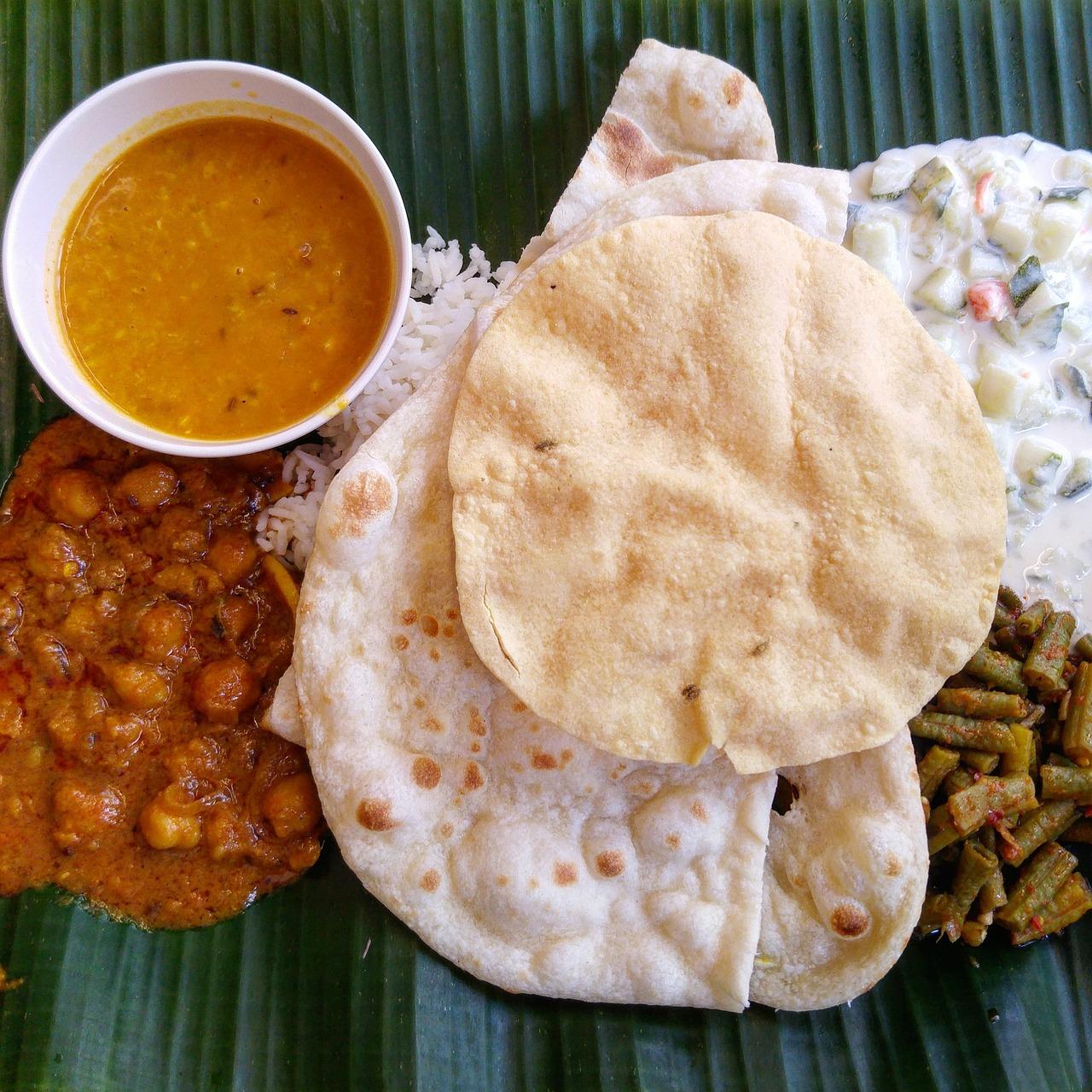
Masoor dal
Smooth red lentil dal with a cumin tempering


A light, everyday dal of husked and whole masoor lentils cooked with onion, tomato, ginger and garlic, blended smooth and seasoned with jaggery and lemon. A simple cumin and asafoetida tempering finishes it. Serve hot masoor dal with stuffed potato paratha.
- Total time
- 45 min
- Difficulty
- easy
- Serves
- 10
Ingredients
For the dal
- 3 ⅓ oz husked masoor lentils (red lentils)½ cup
- 3 ⅓ oz whole masoor lentils½ cup
- 2 tsp chilli pastefreshly ground
- 3 ¼ cups water3 cups
- 2 cups waterto thin the dal, as needed
- 1 onioncubed
- 2 tomatoescubed
- 1 in fresh gingerchopped
- 5 cloves garlic4–6, chopped
- 2 tsp saltor to taste
For the seasoning
- 1 tbsp jaggery
- ¼ tsp ground turmeric
- 2 tbsp lemon juice
- ½ tsp chilli powder
For the tempering
- 1 tbsp oil
- ¼ tsp asafoetida (hing)
- 1 tsp cumin seeds
Shop this recipe on Amazon
What you'll need
Spices & pantry
Fresh ingredients (5)
Links open Amazon in a new tab. As an Amazon Associate, WhatToEat.Today earns from qualifying purchases.
Method
0/5 doneStep 1: Wash 3 ⅓ oz husked masoor lentils (red lentils) and 3 ⅓ oz whole masoor lentils and pressure cook with 2 tsp chilli paste, 3 ¼ cups water, 1 onion, 2 tomatoes, 1 in fresh ginger, 5 cloves garlic and 2 tsp salt for 4–5 whistles, until very soft.
20 minStep 2: Blend and sieve, then whisk in 2 cups water until the dal is as thick as you like.
Step 3: Heat 1 tbsp oil in a deep pan and add ¼ tsp asafoetida (hing) and 1 tsp cumin seeds.
1 minStep 4: Add the dal mixture with 1 tbsp jaggery, ¼ tsp ground turmeric, 2 tbsp lemon juice and ½ tsp chilli powder.
Step 5: Mix well and let the dal boil for 10–15 minutes. Serve hot with stuffed potato paratha.
12 min
Nutrition per serving
- Calories
- 110 kcal
- Protein
- 6 g
- Carbs
- 17 g
- Fat
- 2 g
- Fibre
- 4 g
Nutrition values are estimates.
KrazyBadal
Good to know
- How long does masoor dal take?
- About 45 minutes in total: 10 minutes to prepare and 35 minutes to cook.
- How many people does it serve?
- 10 as written. Change the servings above the ingredients and every amount scales to match.
- Is it vegan?
- Yes. It has no meat, fish, dairy or eggs.
- What can I use instead of onion?
- 2 shallots per onion.
- What can I use instead of tomatoes?
- Tinned chopped tomatoes: a 400g tin for about 6 tomatoes (in cooked dishes, not salads).
Reviews
No reviews yet. Be the first to cook it.
Rate this recipe
Sign in to rate and review this recipe.
You might also like

Sayur lodehVegetables in coconut milk
Sayur lodeh is everyday cooking in Central Java, made in big pots in Solo and Semarang kitchens and ladled over rice, with lontong rice cakes at Lebaran, or alongside opor and sambal goreng on festive tables. It's soupy rather than thick: a fragrant broth of coconut milk, galangal, lemongrass and lime leaf that carries chunks of aubergine, long beans, chayote and sweetcorn, plus tempeh and tofu to make it a meal. The flavour is mellow and slightly sweet, so the heat comes from sambal on the side. Chef's tip: keep the pot at a gentle simmer once the coconut milk goes in and stir now and then — a rolling boil splits the coconut milk into oily curds.
 Indonesian



Sabudana khichdiSago with peanuts and potato
Sabudana khichdi is the dish that sees Maharashtra through every vrat (fast), from Navratri to Ekadashi, but it's so good that people eat it any day of the week. Soaked sago pearls are tossed in a pan with crushed roasted peanuts, cubes of potato, cumin and green chilli until each pearl turns glassy and separate, then finished with lemon and coriander. It's soft, chewy, nutty and gently hot. Fasting rules vary from family to family, so check yours; this version uses rock salt and no asafoetida, onion or garlic. Traditionally it's cooked in ghee; use ghee instead of oil if you aren't keeping it vegan. Chef's tip: soak the sago in just enough water to cover by the height of the pearls themselves, no more; too much water is the reason khichdi turns into one sticky lump.

Bagara bainganBaby aubergines in peanut sesame sauce
Bagara baingan is a Hyderabadi wedding dish of small aubergines cooked whole in a dark, tangy gravy of roasted peanuts, sesame, dried coconut and tamarind. Unlike a Gujarati stuffed brinjal, the aubergines here are only quartered at the base and fried until silky, then left to soak up a thin-but-rich sauce that is finished with a tempering, the 'baghar' that gives the dish its name. It's sour, nutty and gently spiced, and is served with biryani, bagara rice or plain rice. Chef's tip: choose small, glossy purple aubergines that feel heavy for their size; soft, light ones are full of seeds and turn mushy before the gravy has a chance to cling.