
 Indian
 Vegan
 Gluten free
 Spicy
Mesu
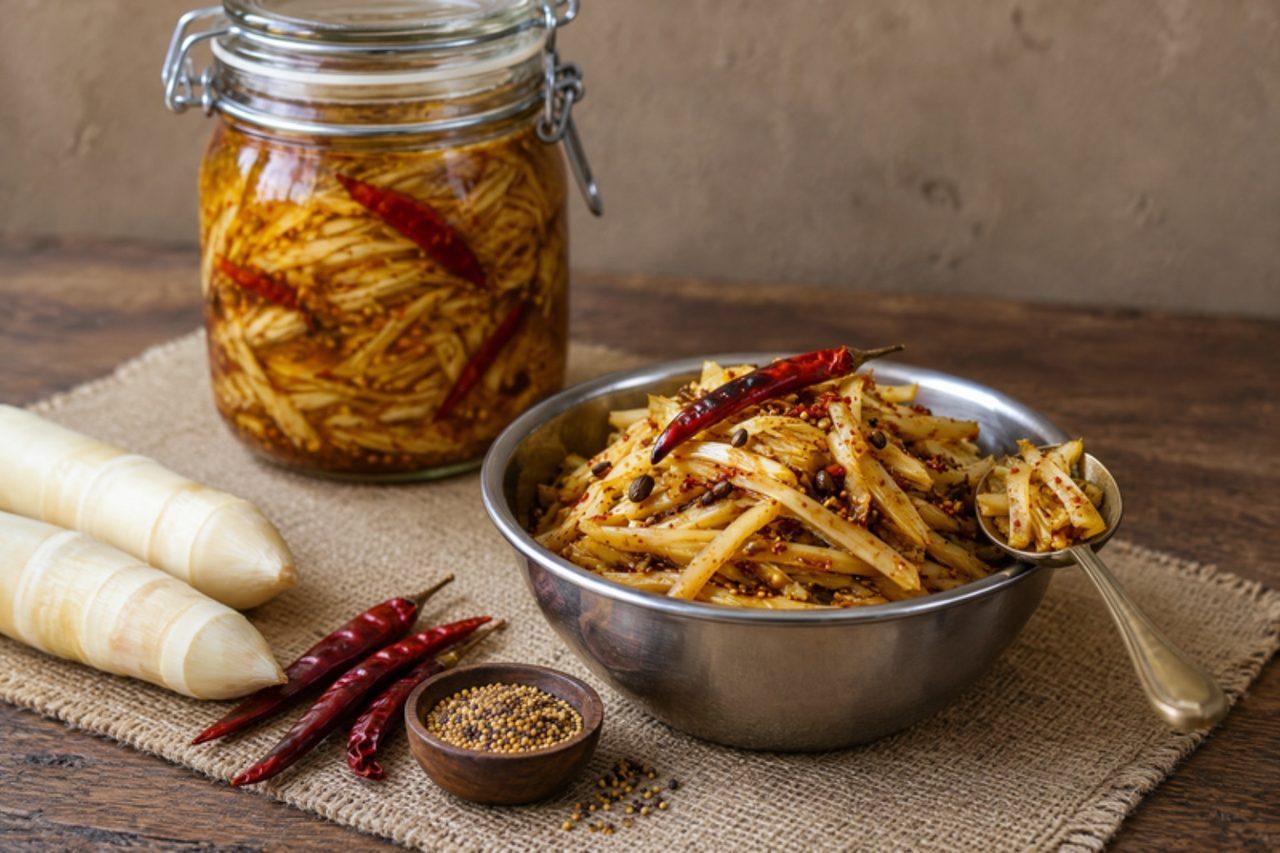
Fermented bamboo shoot pickle
मेसु: young bamboo shoots fermented in a jar into a sour pickle, then tempered with chilli
Lepcha and Nepali households in Sikkim shred tender bamboo shoots in the monsoon, when they push up fresh, and pack them tightly into glass jars or hollow bamboo to sour for one to two weeks. The finished mesu is eaten as a sharp pickle with rice and dal through the rest of the year. A common mistake is leaving shoots above the brine, which invites mould; press them down hard so the liquid always covers them. Keep the jar at 20–28 °C out of direct sun and taste from day 7: it is ready when pleasantly sour and pale yellow. Discard the batch if you see fuzzy, pink or black mould, if it smells putrid rather than sour, or if the shoots feel slimy. Chef's tip: short of time, buy ready-fermented bamboo shoot from a Northeast or Asian grocer and go straight to the tempering.
- Prep
- 30 min
- Cook
- 10 min
- Difficulty
- Easy
- Serves
- 10
- Per serving
- 45 kcal
Ingredients
For fermenting
- 1 ⅛ lb fresh tender bamboo shootspeeled
- 2 tsp salt
For tempering (per 200 g mesu)
- 2 tbsp mustard oil
- 3 dried red chilliesbroken
- 1 tsp red chilli powder
- ¼ tsp ground turmeric
Tick what you have; the rest goes in the basket.
Method
0/6 doneStep 1: Boil the peeled 1 ⅛ lb fresh tender bamboo shoots in plenty of water for 10 minutes to remove bitterness, drain and cool. Shred them finely.
15 minStep 2: Toss the shreds with 2 tsp salt and pack tightly into a sterilised glass jar, pressing down until liquid rises above them. Leave 3 cm headspace and close loosely.
10 minStep 3: Leave at 20–82°F for 7–14 days, pressing down daily with a clean spoon so the shoots stay submerged. It is ready when it smells cleanly sour; discard if you see coloured or fuzzy mould, sliminess or a rotten smell.
Step 4: To temper 200 g, heat 2 tbsp mustard oil in a small pan until it smokes lightly, then cool for 30 seconds.
2 minStep 5: Add 3 dried red chillies, 1 tsp red chilli powder and ¼ tsp ground turmeric, stir for a few seconds, then tip in the squeezed mesu and fry for 2–3 minutes until the edges dry slightly.
3 minStep 6: Cool and store in a clean jar in the fridge; use a dry spoon and eat within a month.
KrazyBadal
Reviews
No reviews yet. Be the first to cook it.
Rate this recipe
Sign in to rate and review this recipe.
You might also like
Chana masala
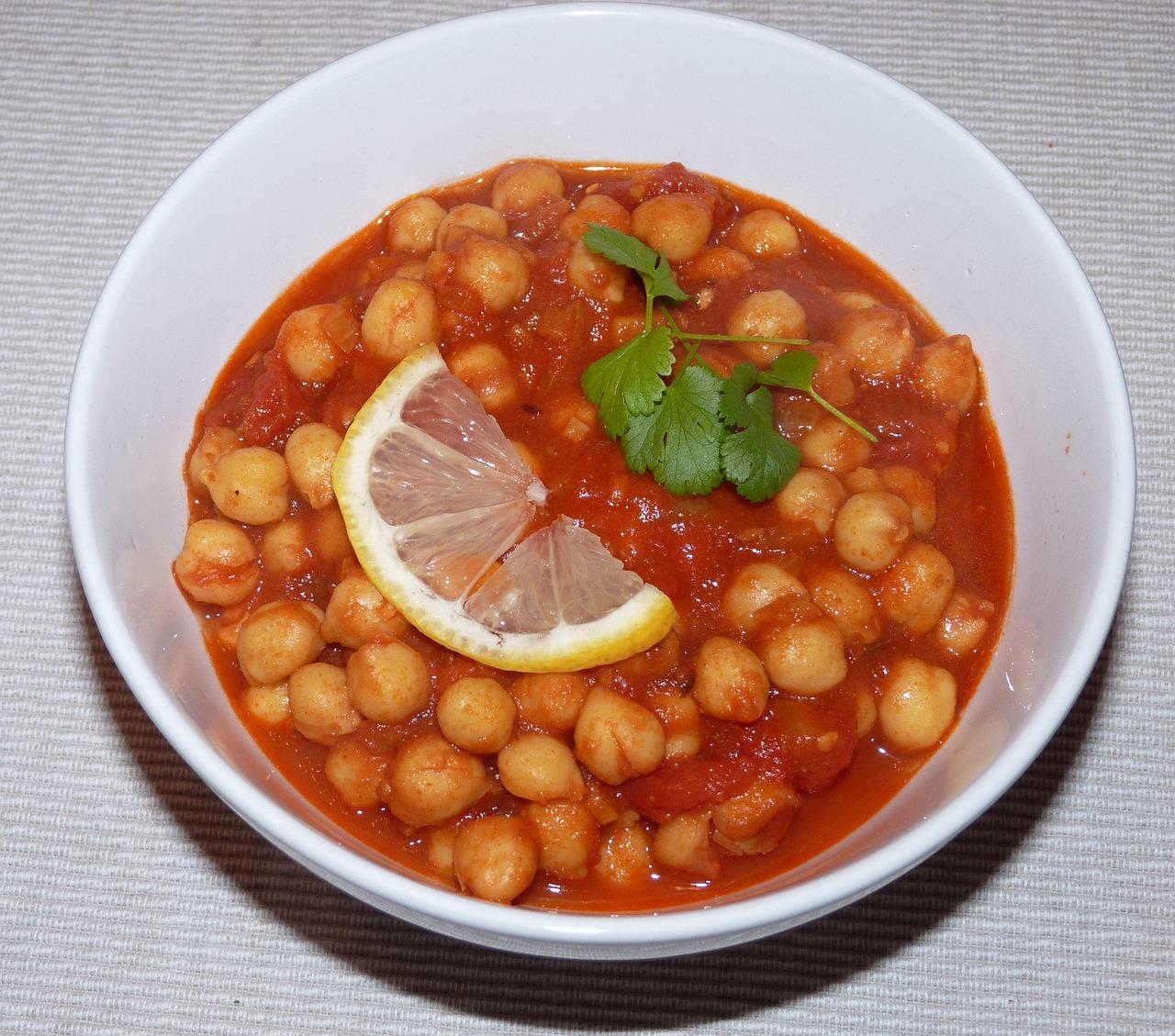
A North Indian staple that comes together from the store cupboard. Toasted cumin, slow-softened onion and a good spoonful of garam masala give tinned chickpeas real depth. Serve with rice, naan or a stack of warm rotis.
Kaju curryCashew curry
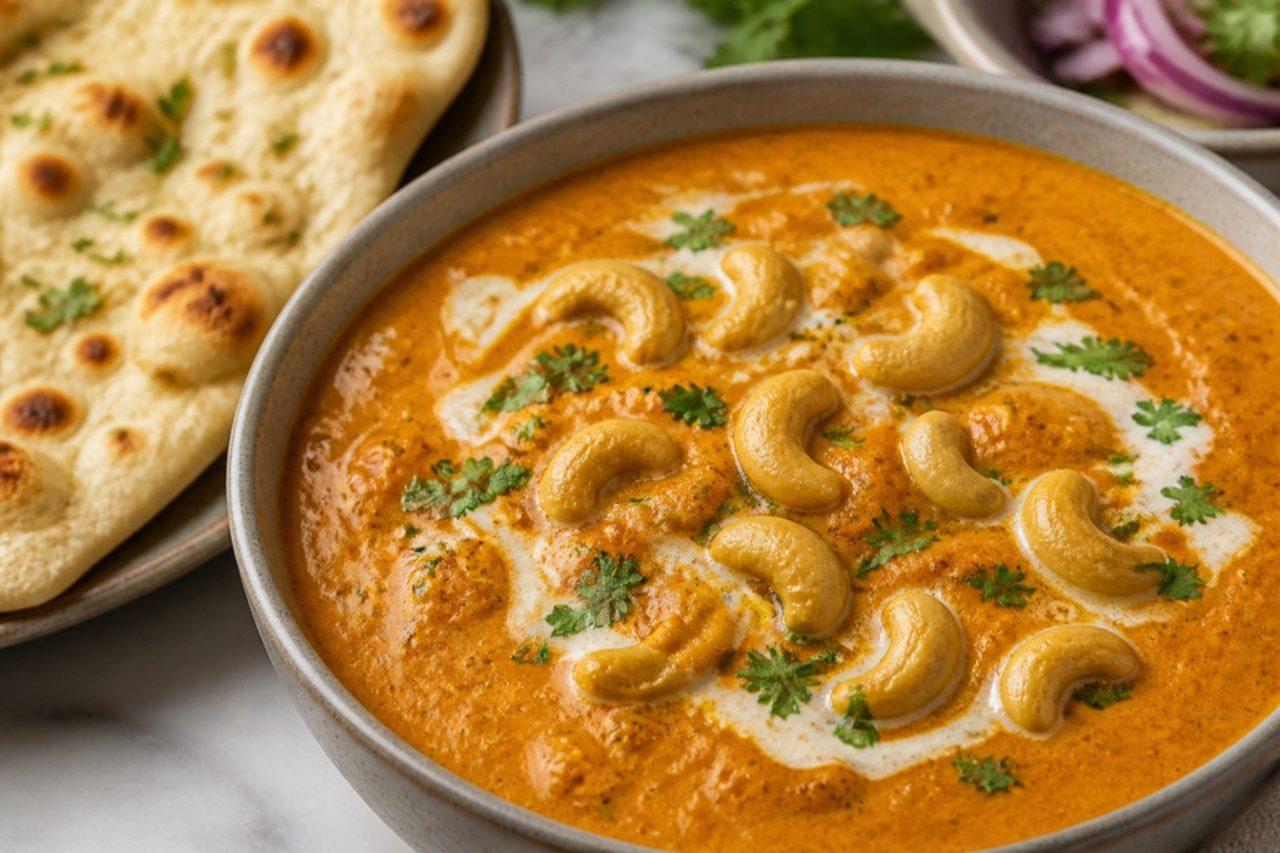
Walk along any wedding buffet in Pune, Mumbai or Ahmedabad and there is usually a chafing dish of kaju curry near the paneer, with guests going back for seconds. Whole cashews are fried in ghee until golden, which makes them crunchy outside and buttery inside, then folded into a rich onion and tomato gravy thickened with more cashews, finished with cream and kasuri methi. The gravy is orange, smooth and rounded with a touch of sweetness; it should taste of roasted nuts and gentle spice, not fire. Gujarati restaurants often serve a spicier Kathiyawadi version, but the wedding style here is the mild one. Eat it with butter naan, tandoori roti or jeera rice. Common mistake: adding the fried cashews too early; they soak up the gravy and turn soft, so fold them in just before serving. Chef's tip: keep a few fried cashews back and scatter them on top at the table so every spoonful has some crunch.

Bagara bainganBaby aubergines in peanut sesame sauce
Bagara baingan is a Hyderabadi wedding dish of small aubergines cooked whole in a dark, tangy gravy of roasted peanuts, sesame, dried coconut and tamarind. Unlike a Gujarati stuffed brinjal, the aubergines here are only quartered at the base and fried until silky, then left to soak up a thin-but-rich sauce that is finished with a tempering, the 'baghar' that gives the dish its name. It's sour, nutty and gently spiced, and is served with biryani, bagara rice or plain rice. Chef's tip: choose small, glossy purple aubergines that feel heavy for their size; soft, light ones are full of seeds and turn mushy before the gravy has a chance to cling.