
AI-generated image
Mufleta (Mimouna stacked crêpes)
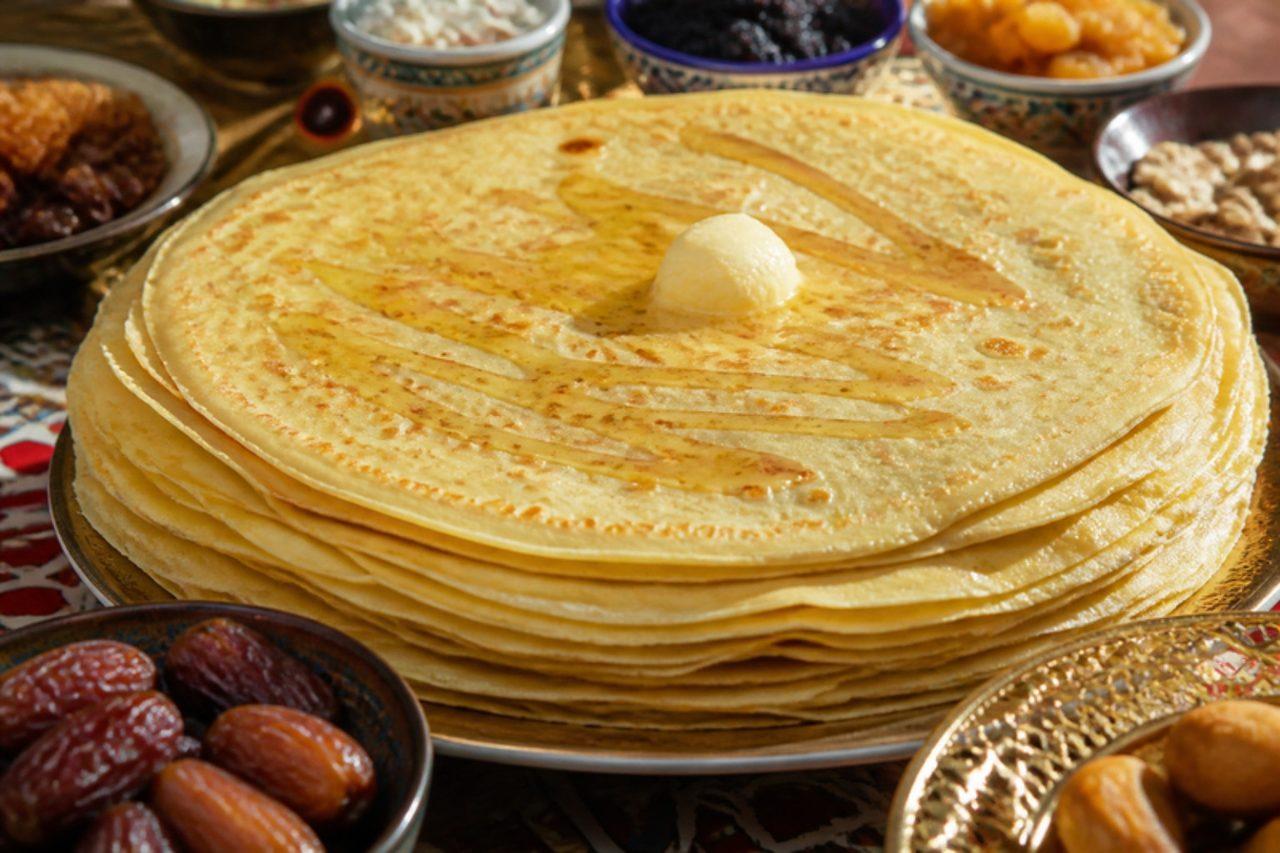
Mufleta: paper-thin stacked crêpes spread with butter and honey on the night of Mimouna
 Moroccan
On the evening Passover ends, Moroccan Jewish families celebrate Mimouna by opening their doors to neighbours and friends, and the star of the table is mufleta: paper-thin rounds of unleavened dough stretched by hand and cooked one on top of another in a single pan, so a whole warm stack comes out at once. Each layer is peeled off, spread with butter and drizzled with honey, and rolled up to eat with mint tea, among sweets, dried fruits and flowers. They are soft, a little chewy and lightly crisp at the edges. The dough has no yeast, fitting for the night bread returns. The usual mistake is stretching the dough with too little oil on the board, so the sheets tear and stick together in the stack. Chef's tip: cook over a medium-low heat; a pan that is too hot scorches the bottom layer before the stack is built.
- Total time
- 60 min
- Difficulty
- medium
- Serves
- 6
Ingredients
For the dough
- 1 ⅛ lb plain flour
- 1 tsp salt
- 1 ¼ cups lukewarm water
- ¾ cup vegetable oilfor coating and stretching
Shop this recipe on Amazon
Spices & pantry
Fresh ingredients (1)
Links open Amazon in a new tab. As an Amazon Associate, WhatToEat.Today earns from qualifying purchases.
Method
0/7 doneStep 1: Mix 1 ⅛ lb plain flour and 1 tsp salt, then add 1 ¼ cups lukewarm water gradually and knead into a soft, smooth dough that feels like an earlobe.
10 minStep 2: Divide into 18 walnut-sized balls. Put them on an oiled tray, turn them in ¼ cup vegetable oil so they are well coated, cover and rest for 20 minutes.
20 minStep 3: Oil your worktop. Press a ball flat and push it out with your oiled fingertips into a thin, almost translucent round about 18 cm across.
Step 4: Heat a non-stick frying pan over a medium-low heat. Lay in the first round and cook for 30 seconds until it turns opaque and has a few pale spots underneath. Flip it.
1 minStep 5: While it cooks, stretch the next round, lay it on top of the one in the pan, then flip the whole stack so the new layer is underneath. Brush the top with a little of ¼ cup vegetable oil.
Step 6: Keep stretching, laying and flipping until you have a stack of 6. Each new layer cooks underneath while the others stay warm. Move the stack to a plate under a tea towel and start the next stack.
25 min
Nutrition per serving
- Calories
- 580 kcal
- Protein
- 9 g
- Carbs
- 86 g
- Fat
- 24 g
- Fibre
- 3 g
Nutrition values are estimates.
KrazyBadal
Good to know
- How long does mufleta (Mimouna stacked crêpes) take?
- About 60 minutes in total: 30 minutes to prepare and 30 minutes to cook.
- How many people does it serve?
- 6 as written. Change the servings above the ingredients and every amount scales to match.
- Is it vegetarian?
- Yes. It has no meat or fish.
- What can I use instead of plain flour?
- Self-raising flour, same amount (then leave out the baking powder).
- What can I use instead of butter?
- The same weight of ghee or coconut oil (for frying and most baking).
Reviews
No reviews yet. Be the first to cook it.
Rate this recipe
Sign in to rate and review this recipe.
You might also like
BabboucheSpiced snail broth
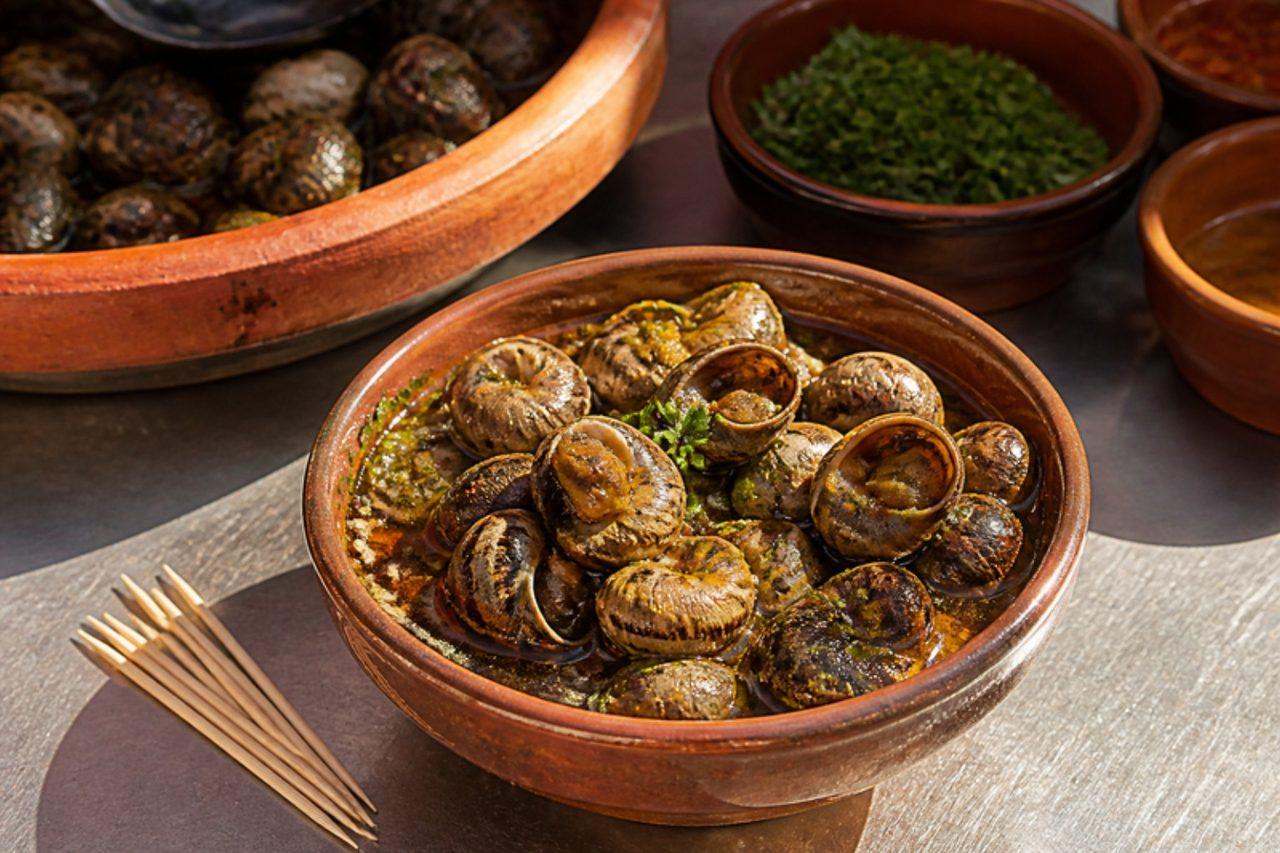
After dark in Marrakech's great square, the babbouche stalls are recognisable by their steaming cauldrons and the toothpicks laid out by every bowl. Small land snails simmer in a dark broth of liquorice root, aniseed, thyme, caraway, bitter orange peel, chilli and a bundle of herbs that sellers say has fifteen ingredients, believed to soothe the stomach and warm you on a cold night. You pick the snails out with a toothpick, then drink the peppery, herbal, faintly sweet broth. At home, buy live snails sold for cooking, already purged by a reputable seller, discard any with broken shells or that do not move or retract when touched, and cook them through for at least 45 minutes. Chef's tip: keep the spices in a muslin bag; the broth stays clear and you avoid crunching on seeds.


Sabudana khichdiSago with peanuts and potato
Sabudana khichdi is the dish that sees Maharashtra through every vrat (fast), from Navratri to Ekadashi, but it's so good that people eat it any day of the week. Soaked sago pearls are tossed in a pan with crushed roasted peanuts, cubes of potato, cumin and green chilli until each pearl turns glassy and separate, then finished with lemon and coriander. It's soft, chewy, nutty and gently hot. Fasting rules vary from family to family, so check yours; this version uses rock salt and no asafoetida, onion or garlic. Traditionally it's cooked in ghee; use ghee instead of oil if you aren't keeping it vegan. Chef's tip: soak the sago in just enough water to cover by the height of the pearls themselves, no more; too much water is the reason khichdi turns into one sticky lump.
 Indian

Doi chiraFlattened rice with curd
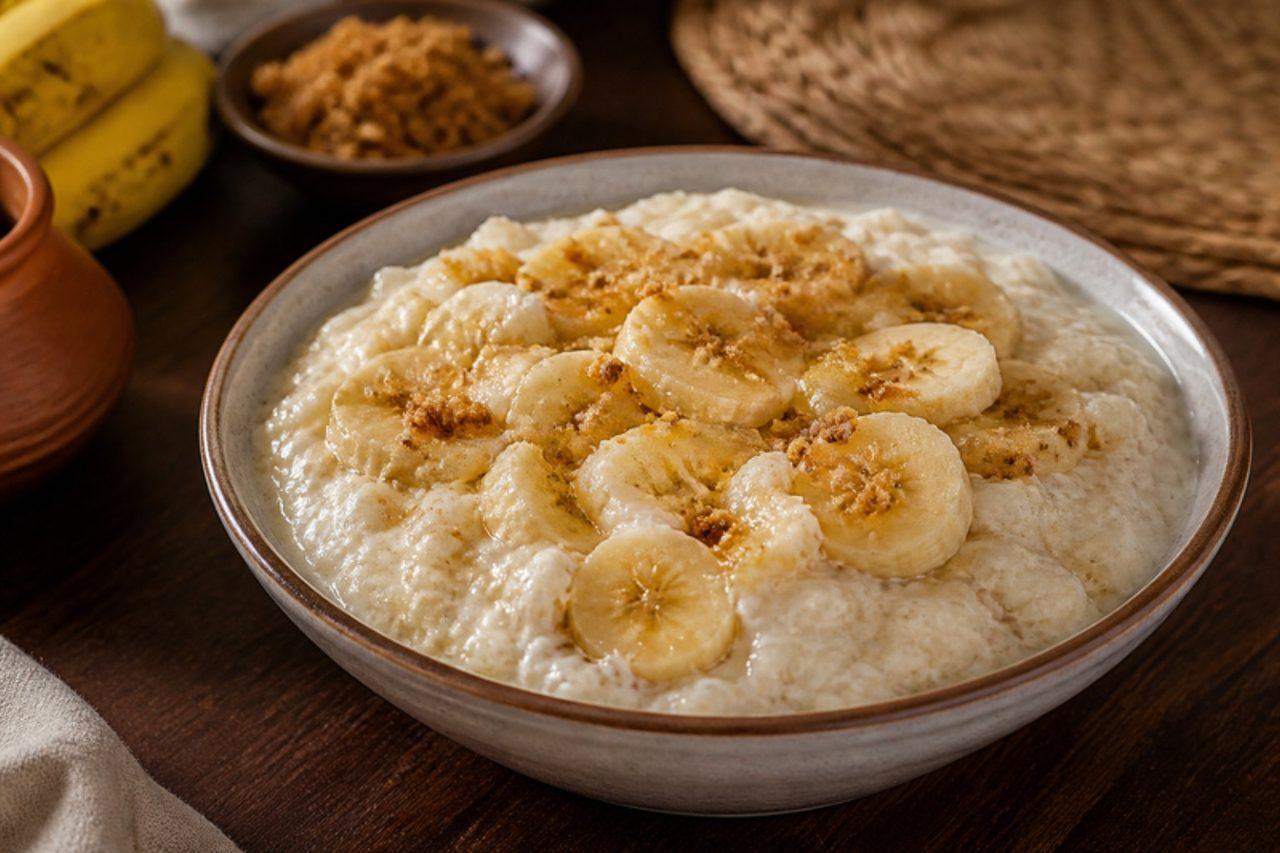
Nothing is cooked for doi chira, which is why it has been the breakfast of farmers and fishermen in Barisal for generations: flattened rice is rinsed, softened in thick, slightly sour curd and sweetened with jaggery or sugar, then mashed together with a ripe banana. The texture is soft and creamy with a little chew from the rice flakes, and the taste is cool, sweet and tangy. It is eaten on hot summer mornings, at village fairs and as part of the Pohela Boishakh spread, and it is a favourite of children and of anyone fasting who wants something gentle. The usual misstep is soaking the chira for too long, which turns it to paste; a quick rinse is all it needs before the curd does the rest. Chef's tip: use thick-cut chira, not the thin kind for frying, so the flakes hold their shape.
 Bangladeshi