

AI-generated image
Mugicha (roasted barley tea)
麦茶: dark-roasted barley brewed by the jug and chilled, the toasty, caffeine-free tea every Japanese fridge holds from June to September


From the rainy season in June until the cicadas fall quiet in September, almost every Japanese household keeps a tall jug of mugicha in the fridge. It is poured for children coming in from summer club practice, for grandparents after an afternoon nap, and alongside cold sōmen at lunch, because it carries no caffeine and can be drunk all day. Whole barley grains roasted until deep brown give a cup that tastes of toast, a little of coffee and a little of popcorn, with a clean, dry finish and no sweetness at all. Supermarkets sell it in tea bags, but loose roasted grains simmered in a pan make a rounder, darker brew. The usual mistake is leaving the grains in the jug or letting the hot tea sit out on the counter for hours: it turns bitter and, being a grain infusion, it sours quickly in summer heat. Strain it, cool it fast in a sink of cold water, and drink it within two days. It is ready when the liquid is a clear amber-brown and smells like freshly toasted bread. Chef's tip: dry-toast the grains for two minutes before brewing to wake up a bag that has been open a while.
- Total time
- 20 min
- Difficulty
- easy
- Serves
- 8
Ingredients
For the tea
- 1 oz roasted whole barley (mugi)unhulled roasted grains from Japanese or Korean shops; Korean boricha is the same thing
- 8 ¼ cups water
To serve
- 16 ice cubes (optional)
Shop this recipe on Amazon
What you'll need
Spices & pantry
Links open Amazon in a new tab. As an Amazon Associate, WhatToEat.Today earns from qualifying purchases.
Method
0/6 doneStep 1: Put 1 oz roasted whole barley (mugi) in a dry pan over medium heat and shake it for about 2 minutes, until the grains smell strongly of toast and one or two start to crackle. Do not let them blacken.
2 minStep 2: Bring 8 ¼ cups water to a rolling boil in a large pan, tip in the toasted grains and lower the heat so it simmers gently.
6 minStep 3: Simmer for 5 minutes, until the water is a clear amber-brown, then turn off the heat and leave the grains to steep for another 5 minutes; longer makes it bitter.
10 minStep 4: Strain through a fine sieve into a heatproof jug and discard the grains.
1 minStep 5: Stand the jug in a sink of cold water for about 15 minutes, changing the water once, until it feels cool to the touch, then refrigerate.
15 minStep 6: Serve very cold, over 16 ice cubes if you like. Keep covered in the fridge and drink within 2 days; throw it away if it smells sour or looks cloudy.
1 min
Nutrition per serving
- Calories
- 2 kcal
- Protein
- 0 g
- Carbs
- 0 g
- Fat
- 0 g
- Fibre
- 0 g
Nutrition values are estimates.
KrazyBadal
Good to know
- How long does mugicha (roasted barley tea) take?
- About 20 minutes in total: 5 minutes to prepare and 15 minutes to cook.
- How many people does it serve?
- 8 as written. Change the servings above the ingredients and every amount scales to match.
- Is it vegan?
- Yes. It has no meat, fish, dairy or eggs.
- Can I make it ahead?
- Yes. It keeps well, so you can cook it earlier in the day or the day before and reheat it.
Reviews
No reviews yet. Be the first to cook it.
Rate this recipe
Sign in to rate and review this recipe.
You might also like

Power packApple, pear, kiwi and celery juice
A sweet, energising juice of apples, pears and kiwi fruit with a stick of celery, all used unpeeled for extra goodness. It's naturally sweet, so it needs no sugar. Serve well chilled.


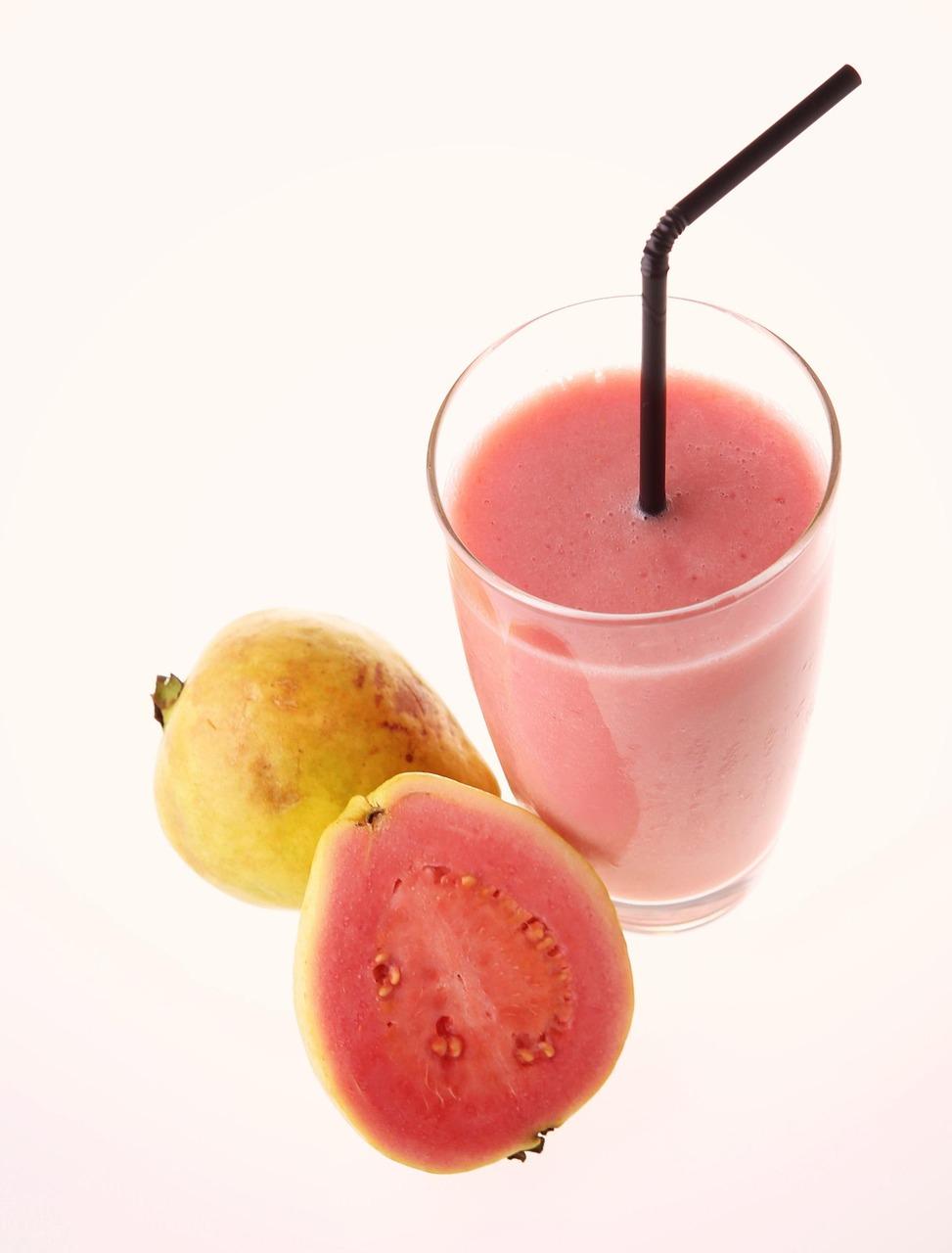
Guava delightGuava, mango and banana drink
A thick, fragrant blend of ripe guava, mango and banana, boosted with a spoonful of guava powder from the health shop. The book calls it a modern-day vitality drink, drawing on guava's long use in traditional Indian medicine. Serve it well chilled; sieve it if you don't like the little guava seeds.

PingadoHot milk with coffee
Order 'um pingado' at the balcão of any São Paulo padaria at 7 in the morning and the attendant pours hot milk into a ridged glass tumbler (the copo americano) and 'drips' in a splash of strong coffee, hence the name. It is milkier and gentler than a média (half coffee, half milk), creamy and lightly sweet, usually drunk standing up with a pão na chapa, a toasted buttered roll. At home you need strong filter coffee and milk heated until steaming. Scalding the milk is the frequent mistake, as boiled milk tastes flat and forms a skin. Chef's tip: froth the hot milk for a few seconds with a whisk or by pouring it back and forth between two jugs before adding the coffee, as padaria machines do.
 Brazilian