
AI-generated image
Nannari sarbath
Sarsaparilla and lime cooler
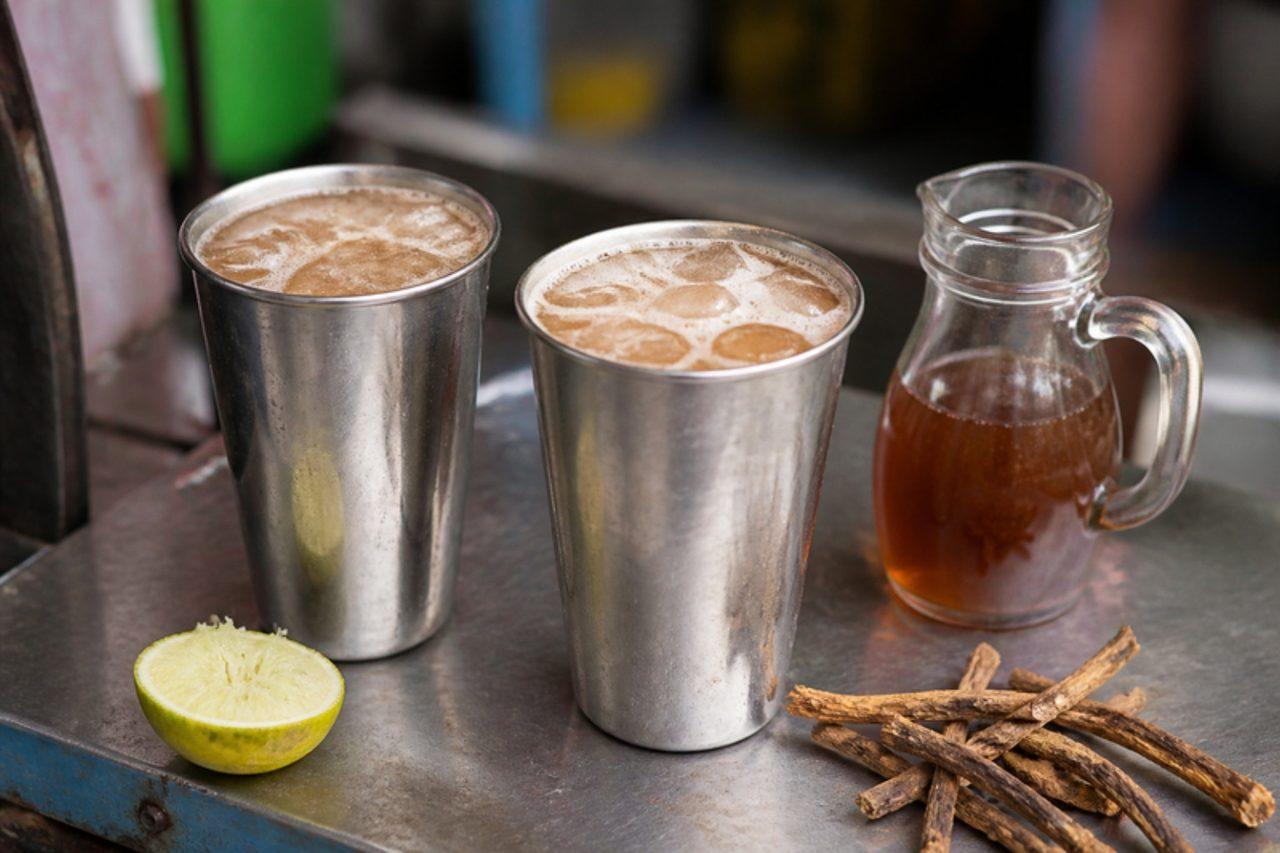
நன்னாரி சர்பத்: Madurai's street cooler of sarsaparilla-root syrup, fresh lime and a pinch of salt over ice, topped with cold water or soda



Walk past any sarbath kadai in Madurai, Tiruchi or Chennai's Parry's Corner in summer and you'll hear the clink of a glass being stirred with a long spoon. Nannari, the sweet, woody, vanilla-like root of Indian sarsaparilla, is cooked into a dark syrup; the vendor pours a little into a glass, squeezes in a whole lime, adds a pinch of salt and ice, and tops it with water or a fizz of soda. It is sweet, sharp and earthy all at once, and nothing like the milky jigarthanda made with the same syrup. Many shops add soaked sabja seeds for texture. The common mistake is too much syrup: the root flavour gets lost in sweetness, so start with less and let the lime lead. Chef's tip: squeeze the lime straight into the glass and drop in one squeezed half; a little oil from the peel gives that roadside freshness.
- Total time
- 10 min
- Difficulty
- easy
- Serves
- 2
Ingredients
For the sarbath
- ¼ cup nannari (Indian sarsaparilla) syrupbought or homemade
- 2 limeshalved
- 1 pinch salt
- 10 ice cubes
- 1 ¾ cups chilled water or soda water
Optional
- 1 tsp sabja (sweet basil) seeds (optional)soaked in 4 tbsp water for 10 minutes
Shop this recipe on Amazon
Spices & pantry
Fresh ingredients (1)
Links open Amazon in a new tab. As an Amazon Associate, WhatToEat.Today earns from qualifying purchases.
Method
0/4 doneStep 1: If using 1 tsp sabja (sweet basil) seeds, soak the seeds in water for 10 minutes until each is wrapped in a clear jelly.
10 minStep 2: Divide ¼ cup nannari (Indian sarsaparilla) syrup between two tall glasses. Squeeze both halves of one of the 2 limes into each glass and drop in one squeezed half.
2 minStep 3: Add a tiny pinch of 1 pinch salt to each glass and fill with 10 ice cubes.
1 minStep 4: Top up with 1 ¾ cups chilled water or soda water, add the soaked sabja, and stir hard with a long spoon until the syrup is fully mixed. Taste and add a dash more syrup if needed.
1 min
Nutrition per serving
- Calories
- 110 kcal
- Protein
- 0 g
- Carbs
- 28 g
- Fat
- 0 g
- Fibre
- 1 g
Nutrition values are estimates.
KrazyBadal
Good to know
- How long does nannari sarbath take?
- About 10 minutes in total.
- How many people does it serve?
- 2 as written. Change the servings above the ingredients and every amount scales to match.
- Is it vegan?
- Yes. It has no meat, fish, dairy or eggs.
- Is it gluten free?
- Yes, as written. Check the labels on stock, sauces and spice mixes, which sometimes contain gluten.
- What can I use instead of limes?
- Lemon, same amount.
Reviews
No reviews yet. Be the first to cook it.
Rate this recipe
Sign in to rate and review this recipe.
You might also like

SakarpadaSweet fried dough diamonds
Sakarpada (shakarpara) are little sweet diamonds of a rich dough made with ghee, milk and sugar, fried until golden and crunchy. They are a Diwali favourite with tea, and the cubes go into bhusu too. They keep for weeks in an air-tight tin.
Paneer biryaniRice and moong dal in coconut milk
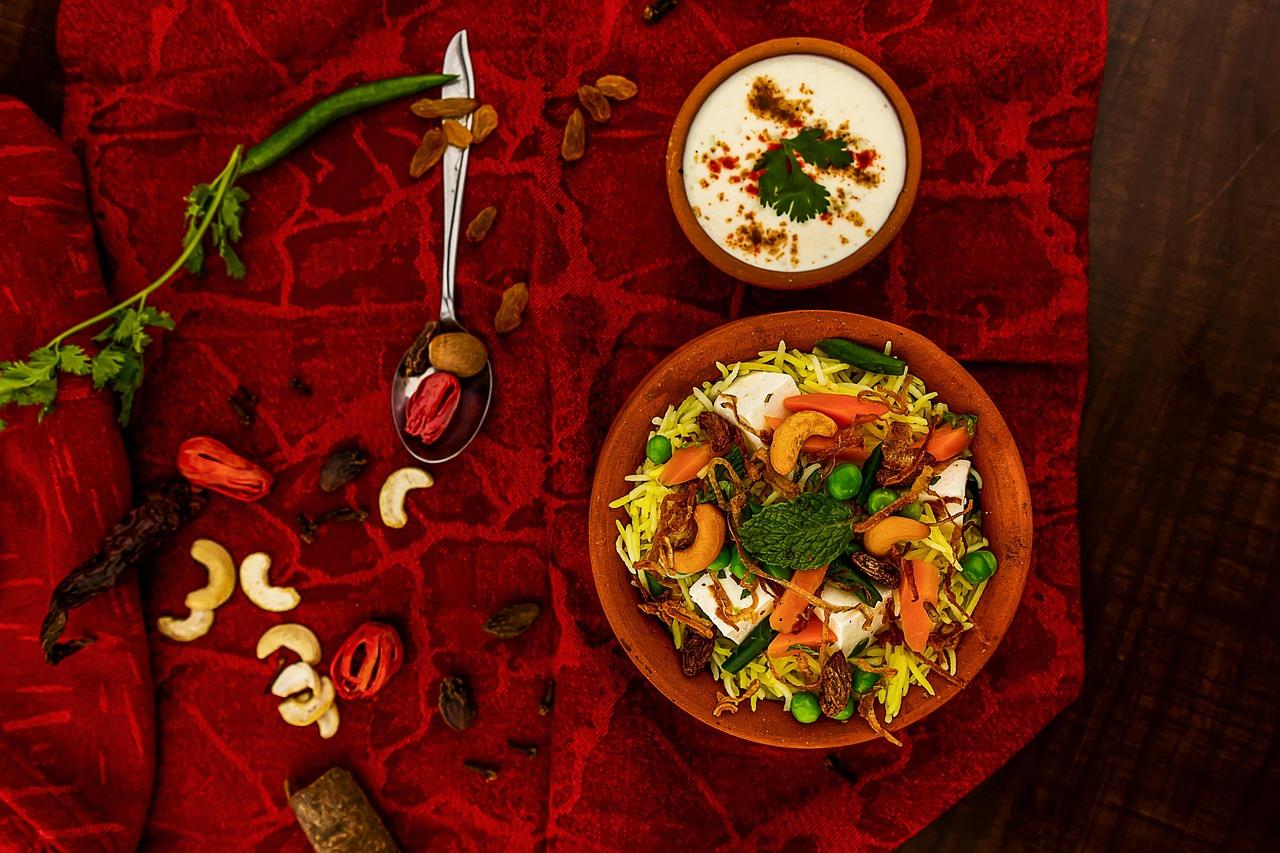
A mild, creamy biryani: rice and husked green gram roasted in ghee, then cooked in coconut milk with peas, carrots, potatoes, peanuts and cashews, and finished with soft fried paneer and a fresh coriander yogurt. Serve hot, garnished with more fried cashews and paneer.


Sabudana khichdiSago with peanuts and potato
Sabudana khichdi is the dish that sees Maharashtra through every vrat (fast), from Navratri to Ekadashi, but it's so good that people eat it any day of the week. Soaked sago pearls are tossed in a pan with crushed roasted peanuts, cubes of potato, cumin and green chilli until each pearl turns glassy and separate, then finished with lemon and coriander. It's soft, chewy, nutty and gently hot. Fasting rules vary from family to family, so check yours; this version uses rock salt and no asafoetida, onion or garlic. Traditionally it's cooked in ghee; use ghee instead of oil if you aren't keeping it vegan. Chef's tip: soak the sago in just enough water to cover by the height of the pearls themselves, no more; too much water is the reason khichdi turns into one sticky lump.

Perfect for:Summer coolers