
AI-generated image
Odiyal kool
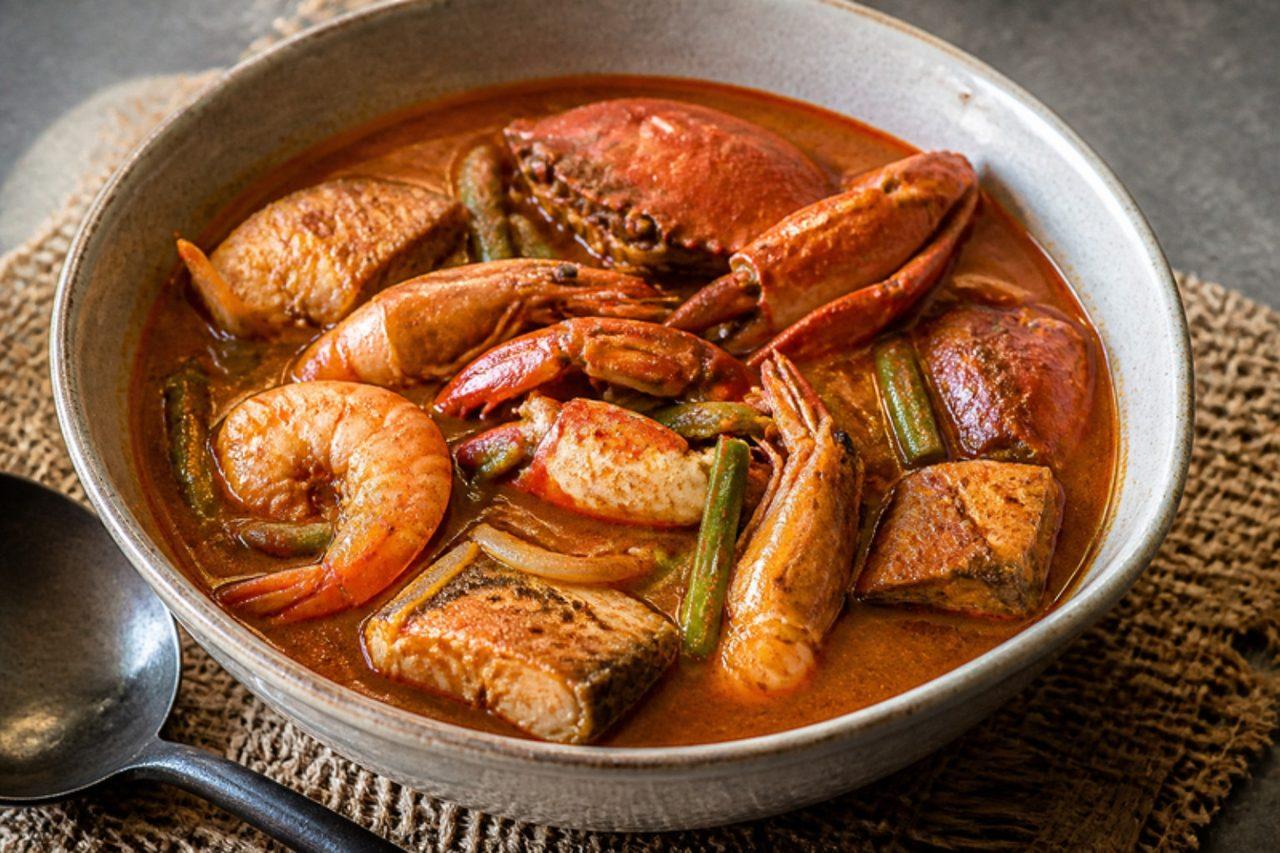
ஒடியல் கூழ் (odiyal kool): Jaffna's thick, fiery seafood broth of crab, prawns and fish thickened with palmyra-root flour



On a rainy weekend in Jaffna, extended families gather around one enormous pot of kool, a thick, peppery seafood broth that is ladled out and drunk from cups folded from jackfruit leaves. Its body comes from odiyal flour, ground from sun-dried palmyra sprouts, which gives a slightly earthy, nutty flavour and a silky, porridge-like texture, and into it go crab, prawns, chunks of fish, long beans, jackfruit seeds and a sharp hit of tamarind and chilli. It is a meal on its own, eaten hot and slurped, with nothing more than a spoon and plenty of napkins. People often go wrong by adding the flour too early or without soaking it, so it clumps and tastes bitter; it should be soaked, drained and stirred in near the end. Chef's tip: soak the odiyal flour for a few hours, pour off the brown water and repeat once, which removes most of its bitterness.
- Total time
- 90 min
- Difficulty
- hard
- Serves
- 6
Ingredients
For the seafood
- 1 ¾ lb live or freshly cooked crabscleaned and cut into quarters, claws cracked
- 9 oz raw prawnspeeled and deveined
- 10 ½ oz firm white fish (seer or similar)cut into chunks
- 5 ½ oz small squid (optional)cleaned and cut into rings
For the broth
- 3 ½ oz odiyal (palmyra-root) floursoaked in water 2–3 hours, water changed once
- 1 ¾ oz raw short-grain ricerinsed
- 8 ¼ cups water
- 1 oz tamarind pulpsoaked in 150 ml hot water, strained
- 3 ½ oz long beanscut into 3 cm pieces
- 12 jackfruit seeds (optional)peeled and halved
- 1 handful moringa (drumstick) leaves (optional)
- 2 tsp salt
For the chilli paste
- 10 dried red chilliessoaked 15 minutes
- 6 cloves garlic
- 1 tsp black peppercorns
- 1 /2 tsp ground turmeric
Shop this recipe on Amazon
Spices & pantry
Fresh ingredients (4)
Links open Amazon in a new tab. As an Amazon Associate, WhatToEat.Today earns from qualifying purchases.
Method
0/9 doneStep 1: Check the crabs: discard any that were dead before cooking or smell unpleasant. Rinse the pieces under cold water.
2 minStep 2: Grind 10 dried red chillies, 6 cloves garlic, 1 tsp black peppercorns and 1 /2 tsp ground turmeric with a splash of water to a smooth red paste.
3 minStep 3: Put 1 ¾ oz raw short-grain rice and 8 ¼ cups water in a large pot, bring to the boil over a high heat, then simmer for 15 minutes until the rice is soft.
15 minStep 4: Add the chilli paste, 3 ½ oz long beans, 12 jackfruit seeds and 2 tsp salt and simmer for 10 minutes until the beans and seeds are nearly tender.
10 minStep 5: Add 1 ¾ lb live or freshly cooked crabs and cook for 8 minutes at a steady simmer, until the shells turn red-orange.
8 minStep 6: Add 10 ½ oz firm white fish (seer or similar), 9 oz raw prawns and 5 ½ oz small squid and simmer for 4–5 minutes until the prawns are pink and opaque and the fish flakes easily.
5 minStep 7: Squeeze the soaked 3 ½ oz odiyal (palmyra-root) flour dry, mix it with a cup of the hot broth to a smooth slurry and whisk it into the pot.
2 minStep 8: Stir constantly over a medium heat for 5–6 minutes until the kool thickens to a pouring-porridge consistency and turns glossy.
6 minStep 9: Stir in 1 oz tamarind pulp and 1 handful moringa (drumstick) leaves, simmer 1 minute more and taste for salt and sourness. Serve straight away in deep bowls.
1 min
Nutrition per serving
- Calories
- 340 kcal
- Protein
- 32 g
- Carbs
- 30 g
- Fat
- 8 g
- Fibre
- 5 g
Nutrition values are estimates.
KrazyBadal
Good to know
- How long does odiyal kool take?
- About 90 minutes in total: 30 minutes to prepare and 60 minutes to cook.
- How many people does it serve?
- 6 as written. Change the servings above the ingredients and every amount scales to match.
- Is it gluten free?
- Yes, as written. Check the labels on stock, sauces and spice mixes, which sometimes contain gluten.
- Is it very spicy?
- It has some heat. Use less chilli for a milder version, or more if you like it hot.
- What can I use instead of raw short-grain rice?
- Any long-grain rice, same amount.
- What can I use instead of garlic?
- ½ tsp garlic paste or ⅛ tsp garlic powder per clove.
Reviews
No reviews yet. Be the first to cook it.
Rate this recipe
Sign in to rate and review this recipe.
You might also like

Polos curry
Polos is the tiny unripe jackfruit picked in the Western and Sabaragamuwa provinces long before it sweetens, and cooked low and slow it becomes one of the island's most loved festival curries, especially at Sinhala and Tamil New Year in April and at wedding lunches. The firm, pale flesh soaks up a very dark roasted curry powder, garlic, ginger, goraka (a smoky souring fruit) and coconut milk until it turns almost black-brown and tastes rich, sour and meaty. Fresh polos is hard to find abroad; tinned young green jackfruit in brine works well. A frequent mistake is not cooking it long enough, which leaves it squeaky; the pieces must be soft enough to break with a spoon. Chef's tip: oil your hands and knife before cutting fresh jackfruit; the sticky white sap washes off oiled skin but not dry skin.


Sopa da pedra
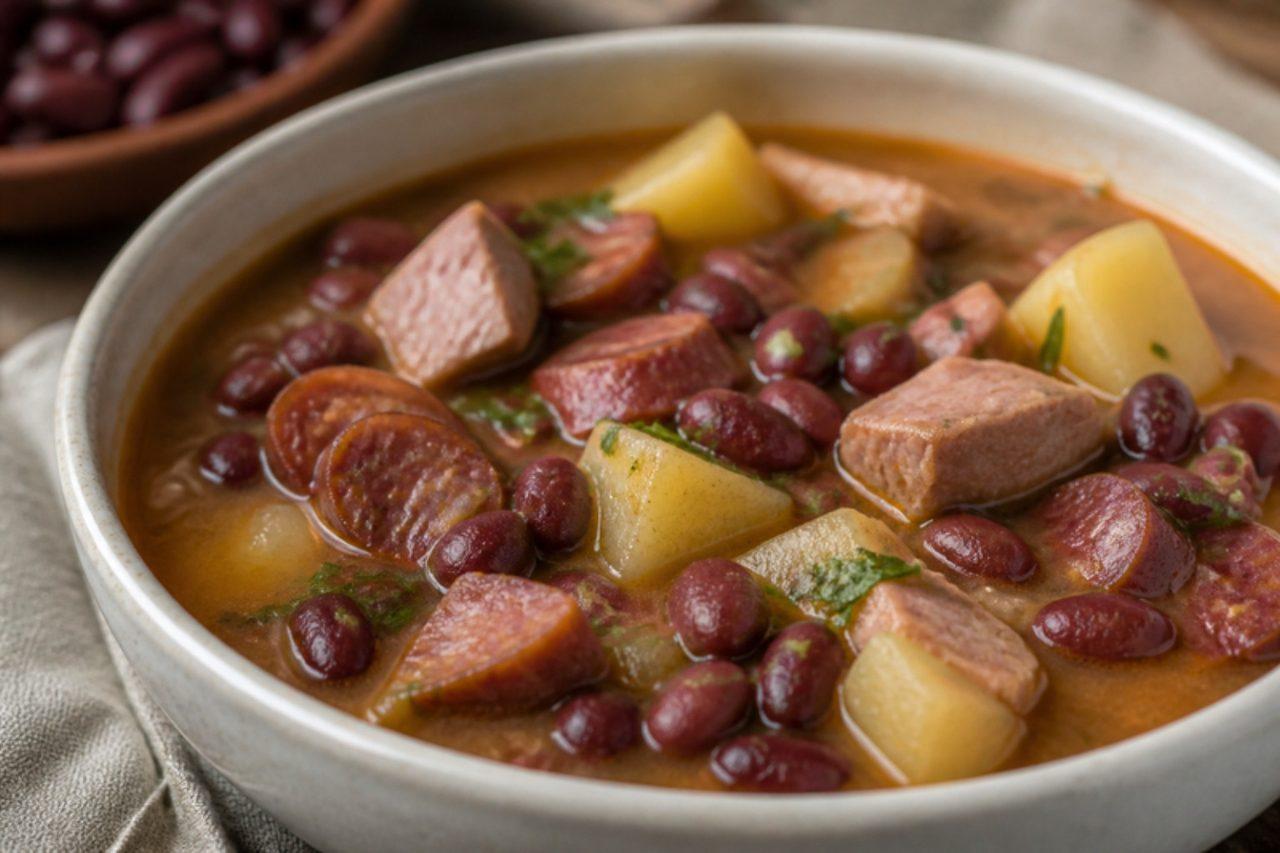
Almeirim, a market town in the Ribatejo, is the capital of this soup; its restaurants serve it every day, and each bowl arrives with a clean stone at the bottom, after the folk tale of a friar who 'made soup from a stone' by talking villagers into giving him everything else. This is a pork soup: red kidney beans simmer with chouriço, morcela blood sausage and a piece of pork belly, then potatoes, carrots and coriander finish it into a thick, hearty bowl. Chef's tip: cook the sausages whole and slice them at the end, so they stay juicy and don't turn the broth greasy.
 Portuguese

Soto Banjar
Along the rivers of Banjarmasin in South Kalimantan, breakfast often means soto Banjar eaten at a wooden riverside warung, sometimes after a dawn trip to the floating market. Unlike the turmeric sotos of Java, this broth is pale and clear, perfumed with the sweet spices that traders brought up the river centuries ago: cinnamon, cloves, star anise, cardamom and nutmeg. Shredded chicken, glass noodles, carrot and a boiled egg go into the bowl with rice cakes, and lime and a little chilli sharpen it at the table. Chef's tip: toast the whole spices in the pan for a minute before the paste goes in; it brings out their sweetness without the dusty edge of ground spice.
 Indonesian