
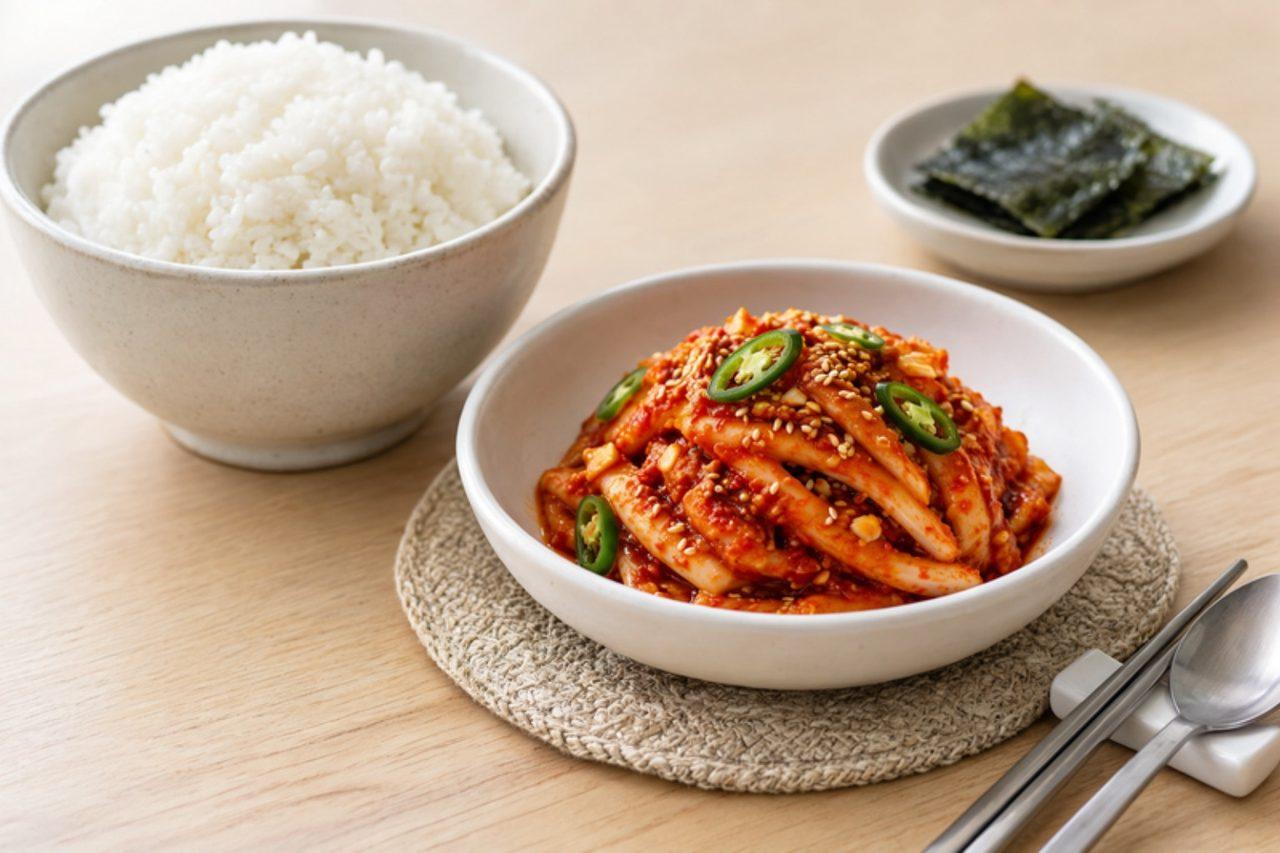
AI-generated image
Ojingeo-jeot
오징어젓: salt-cured squid strips tossed with chilli, garlic and sesame into a sticky, fiery side for a bowl of hot rice



Up and down the Gangwon coast, in Sokcho, Jumunjin and Gangneung, autumn is squid season, and racks of drying squid line the harbours. The squid that is not dried is often salted into ojingeo-jeot, a chewy, glossy, chilli-red jeotgal that turns a plain bowl of hot rice into breakfast and goes onto every banchan spread through winter. It is savoury and sweet with a clean sea taste, sticky with syrup and tingling with garlic and chilli, and the squid has a firm, springy bite. This is raw squid cured in salt, so do it properly: use squid that was frozen at −20 °C for at least 7 days (or sold sea-frozen) to kill parasites, and cure it in 20% salt for 7 days in the fridge. Pregnant people, babies, older people and anyone with weak immunity should not eat raw-cured seafood; a blanched version for them is in the last step. The common mistake is not desalting before seasoning, which makes it painfully salty; soak and taste. It is ready 2 days after seasoning, when the dressing has turned glossy and clings. Chef's tip: stir in the sesame oil only on the portion you serve, so the jar stays fresh.
- Total time
- 50 min
- Difficulty
- medium
- Serves
- 8
Ingredients
For curing
- 1 ⅓ lb squid bodies, cleanedfrom about 3 squid, frozen at −20 °C for at least 7 days, then thawed in the fridge
- 4 oz coarse sea salt20% of the squid's weight
For the seasoning
- 4 garlic clovesfinely grated
- 1 tsp fresh gingerfinely grated
- 2 tbsp rice syrup (jocheong)or 1 tbsp sugar
- 1 tsp sugar
- 2 scallionsfinely sliced
- 1 green chillisliced
- 1 tsp toasted sesame seeds
To serve
- 1 tsp toasted sesame oil (optional)per serving portion
Shop this recipe on Amazon
Spices & pantry
Fresh ingredients (3)
Links open Amazon in a new tab. As an Amazon Associate, WhatToEat.Today earns from qualifying purchases.
Method
0/10 doneStep 1: Sterilise a 750 ml glass jar and lid: wash in hot soapy water, rinse, then dry in a 250°F oven for 10 minutes. Cool fully.
Step 2: Peel any loose skin from the thawed 1 ⅓ lb squid bodies, cleaned, rinse it, and pat it completely dry. Weigh it and check you have 20% of that weight in salt.
10 minStep 3: Rub the squid all over with 4 oz coarse sea salt, inside and out, pack it in a clean glass or plastic box with all the salt, cover and refrigerate for 7 days, turning it once a day. It is cured when the flesh is firm, opaque and slightly translucent at the edges.
5 minStep 4: Rinse off the salt, then soak the squid in plenty of cold water for 20–30 minutes, tasting a sliver: it should be well seasoned, like a salty olive, not harsh.
25 minStep 5: Squeeze and pat the squid dry, then cut it into thin strips about 5 mm wide and 5 cm long.
8 minStep 6: Mix 3 tbsp gochugaru (Korean chilli flakes) with 4 garlic cloves, 1 tsp fresh ginger, 2 tbsp rice syrup (jocheong) and 1 tsp sugar into a thick red paste and let it sit 5 minutes.
5 minStep 7: Add the squid, 2 scallions, 1 green chilli and 1 tsp toasted sesame seeds and mix with gloved hands until every strip is glossy and red.
3 minStep 8: Pack into the jar, press down, close and refrigerate for 2 days before eating. Keep for up to 2 weeks, using a clean, dry spoon. Discard if it turns slimy, grows mould, fizzes or smells sour-rotten instead of sweet and briny.
Step 9: To serve, spoon out a portion and stir in 1 tsp toasted sesame oil if using.
Step 10: Cooked version for pregnant people, babies, older people or anyone with weak immunity: skip the cure, blanch fresh squid strips in boiling water for 1 minute until opaque, chill them in iced water, season as above with 1 tsp salt instead of curing, and eat within 3 days.
3 min
Nutrition per serving
- Calories
- 90 kcal
- Protein
- 13 g
- Carbs
- 8 g
- Fat
- 2 g
- Fibre
- 1 g
Nutrition values are estimates.
KrazyBadal
Good to know
- How long does ojingeo-jeot take?
- About 50 minutes in total.
- How many people does it serve?
- 8 as written. Change the servings above the ingredients and every amount scales to match.
- Is it gluten free?
- Yes, as written. Check the labels on stock, sauces and spice mixes, which sometimes contain gluten.
- Is it very spicy?
- It has some heat. Use less chilli for a milder version, or more if you like it hot.
- Can I make it ahead?
- Yes. It keeps well, so you can cook it earlier in the day or the day before and reheat it.
- What can I use instead of garlic cloves?
- ½ tsp garlic paste or ⅛ tsp garlic powder per clove.
- What can I use instead of fresh ginger?
- ¼ tsp ground ginger per tbsp fresh (add it with the spices).
Reviews
No reviews yet. Be the first to cook it.
Rate this recipe
Sign in to rate and review this recipe.
You might also like
Vegan nuoc cham
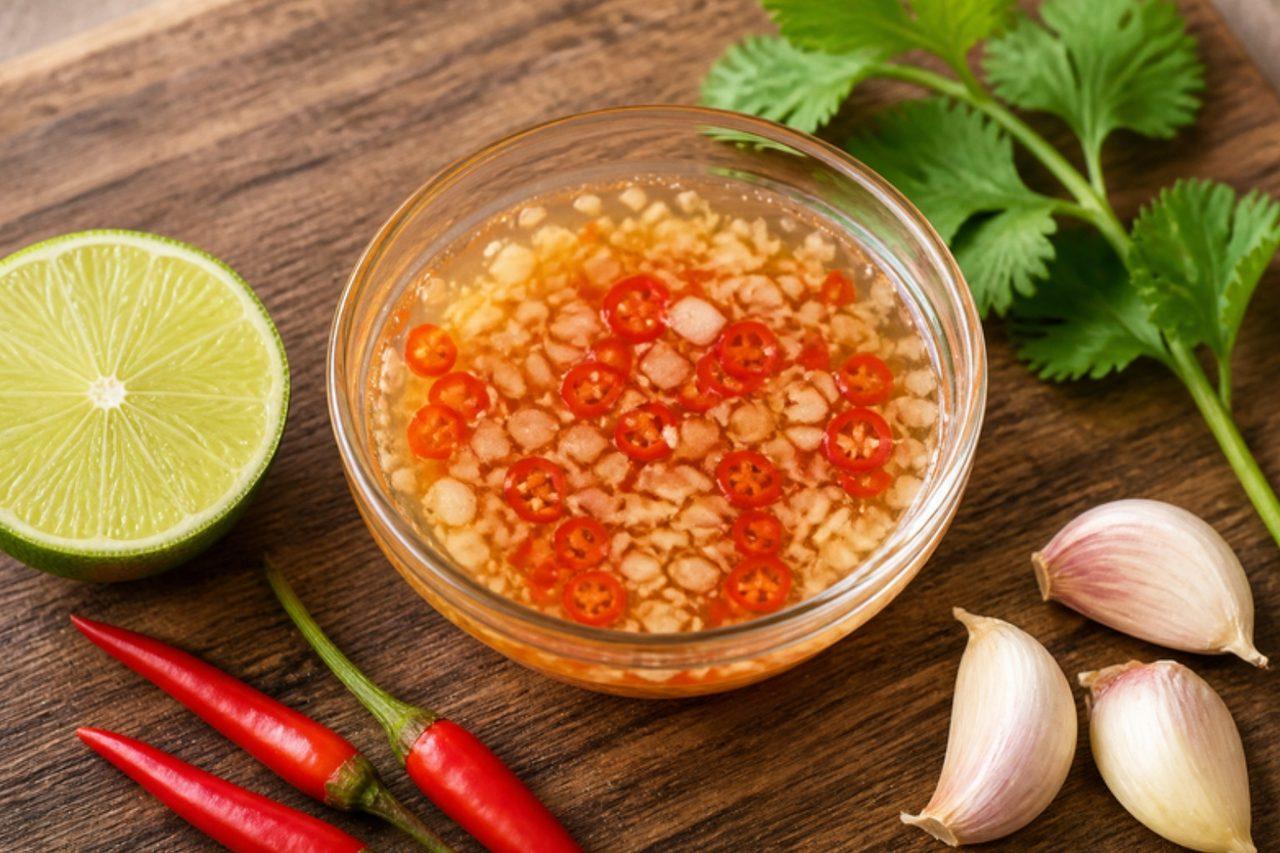
Nước chấm is the dipping sauce that goes with almost everything in Vietnam: spring rolls, bánh xèo, noodle salads and broken rice. Buddhist vegetarian cooks, all over the country, make it without fish sauce, using light soy sauce and a little coconut water for the deep, rounded taste. It should be thin, clear and pale amber, with flecks of garlic and chilli floating on top. Chef's tip: dissolve the sugar in the warm water first, then add the lime and soy, and stir in the garlic and chilli last, pounded with a pinch of sugar, so they float on the surface instead of sinking.
 Vietnamese

Mint and onion chutney
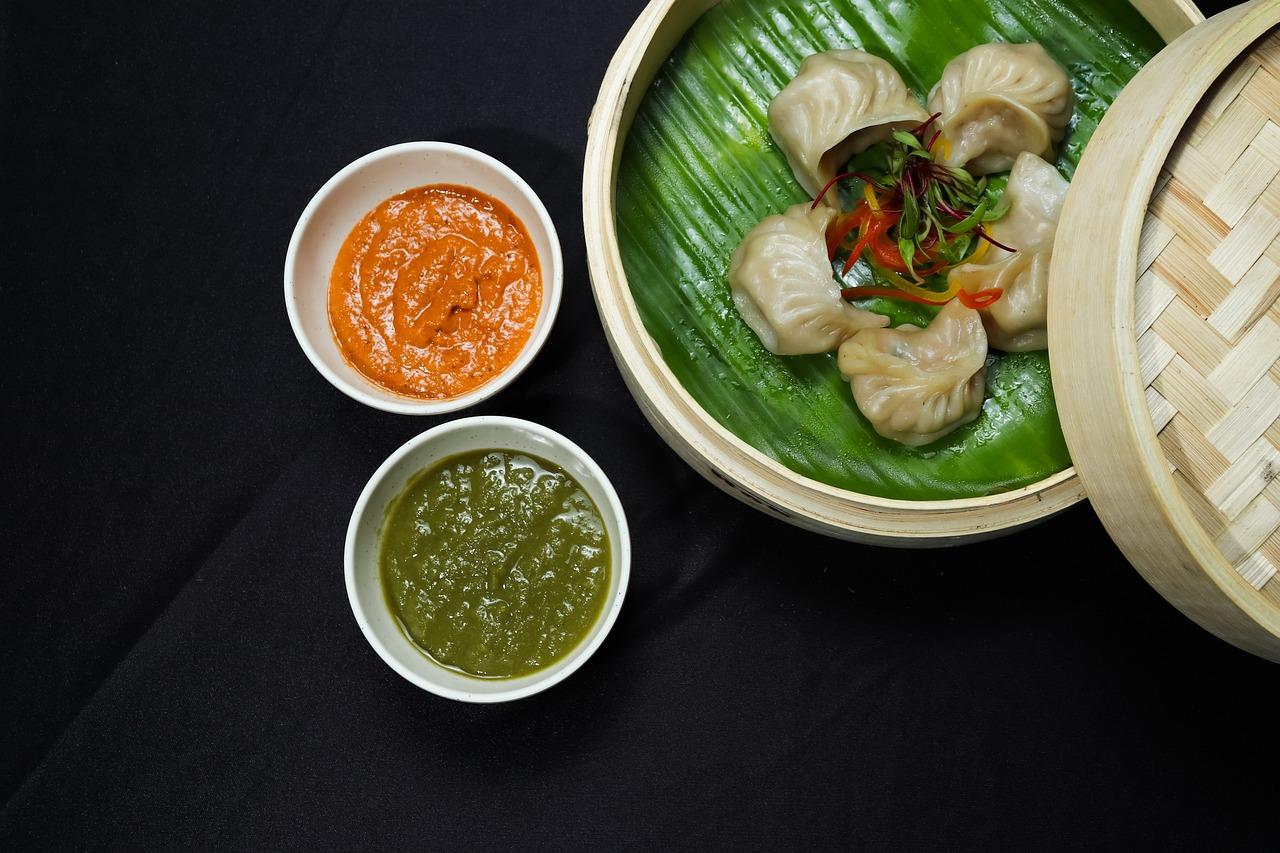
Onions fried gently until soft and sweet, then blended with fresh mint, green chilli and lemon juice. It's a mellow, fresh-tasting chutney that is great with bhajias, samosas, kebabs and tikka, or spread in sandwiches.
 Indian

Sour cream dip
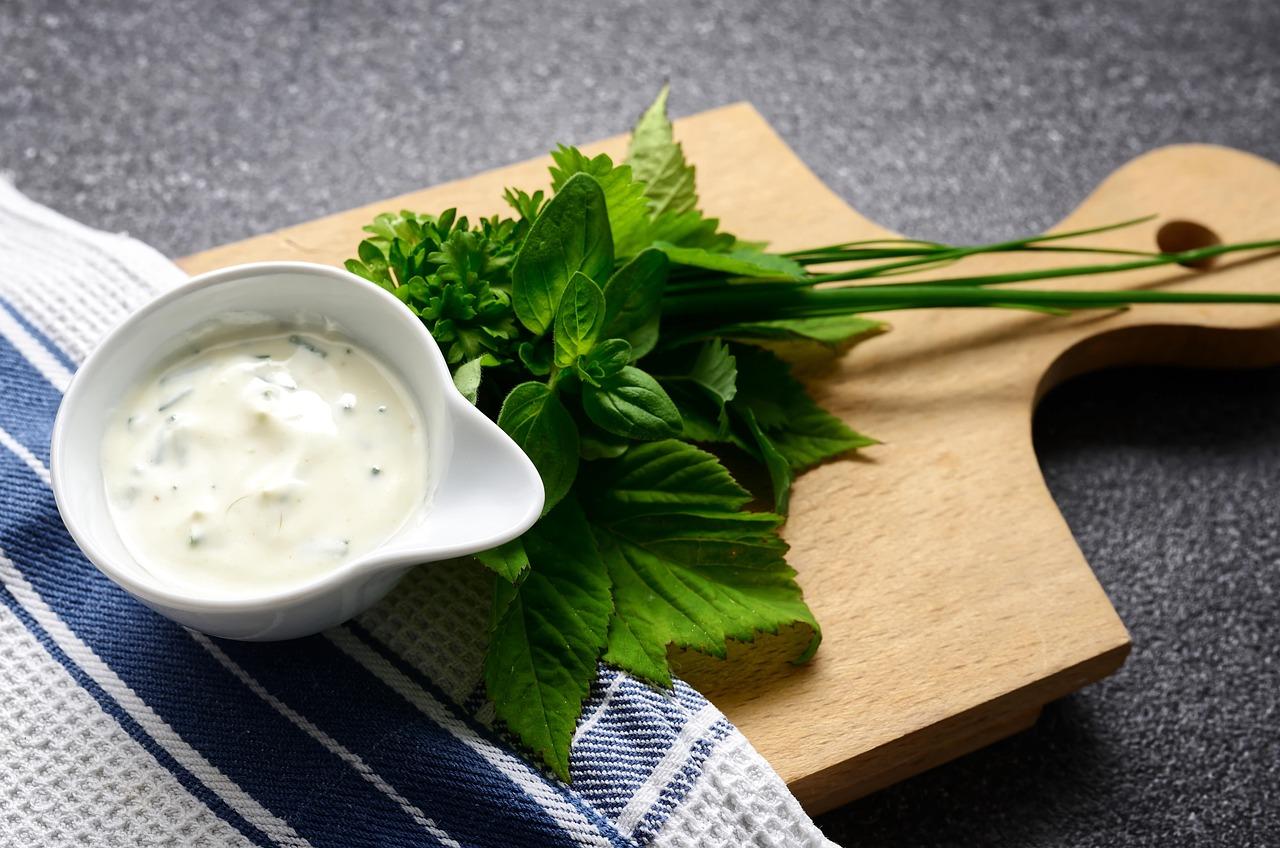
A simple, tangy dip made with thick home-made cottage cheese (hung yogurt) or ready-made sour cream, seasoned with garlic, chilli, black pepper and vinegar. Serve it cold with crisps, nachos and jacket potatoes. The book's other dips use this as their 'sour cream'.