
AI-generated image
Pão alentejano
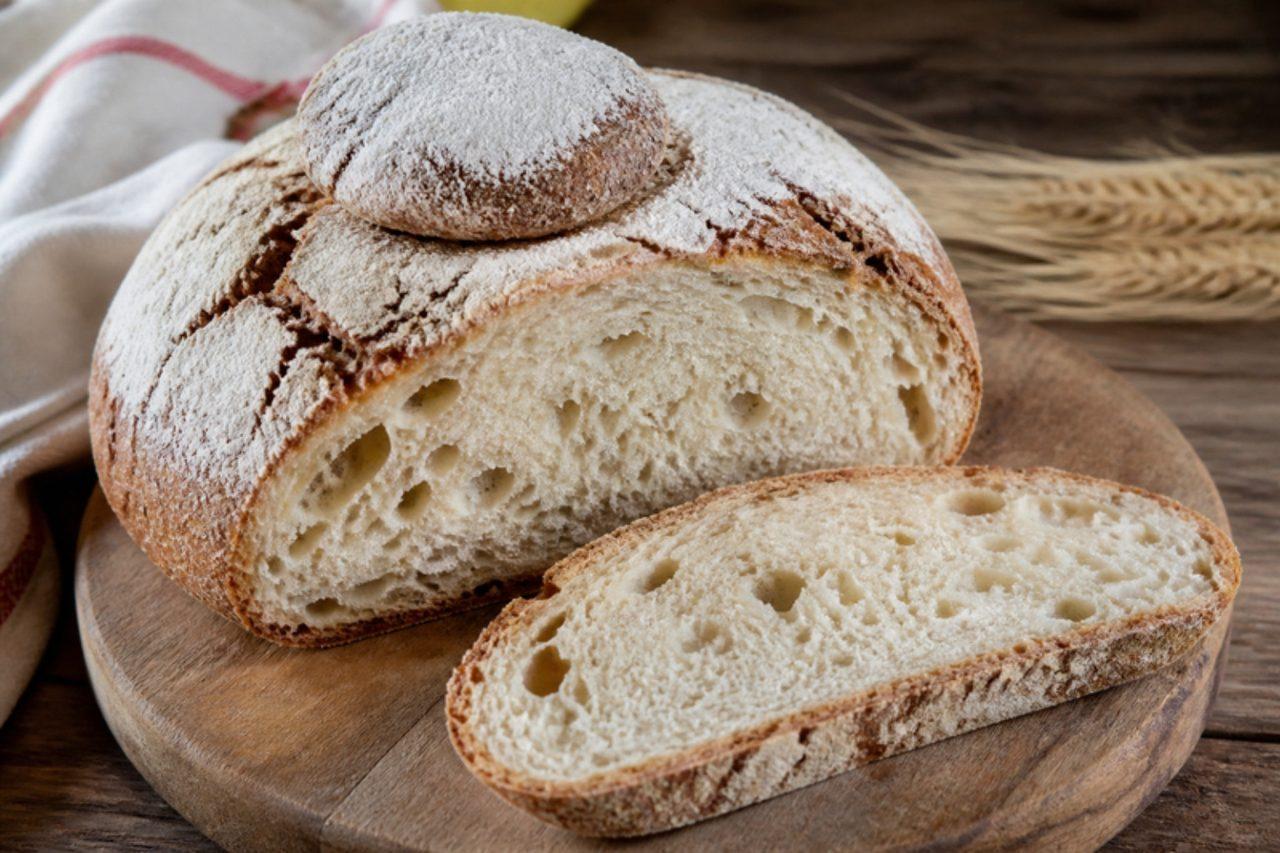
Pão alentejano: a big, chewy sourdough country loaf with a thick crust and a little knob on top


Almost every Alentejo meal leans on this bread: it is crumbled into açorda, laid under soups and stews, fried into migas and, fresh, eaten with olives and sheep's cheese. Village bakers make it with a sourdough starter, white wheat flour, water and salt, and give each round loaf a little knob of dough on top, called the cuco. The crumb should be dense, moist and chewy and the crust thick and crackling, so it lasts a week. You need an active starter that doubles within 6 hours of feeding. A common mistake is baking too pale; let the crust go a deep brown for flavour and keeping. Chef's tip: use a wetter dough than you think; it gives the open, moist crumb that keeps the bread soft for days.
- Total time
- 90 min
- Difficulty
- hard
- Serves
- 12
Ingredients
Shop this recipe on Amazon
Links open Amazon in a new tab. As an Amazon Associate, WhatToEat.Today earns from qualifying purchases.
Method
0/10 doneStep 1: Mix 1 ⅔ lb strong white bread flour, 1 ¾ oz wholemeal flour and 520 ml of 2 ¼ cups lukewarm water in a large bowl until no dry flour remains. Cover and rest for 1 hour.
60 minStep 2: Add 5 ½ oz active sourdough starter, 0.6 oz salt and the rest of the 2 ½ tbsp lukewarm water and squeeze them into the dough with wet hands until fully mixed; it will feel sticky and slack.
Step 3: Over the next 2 hours, every 30 minutes, stretch one side of the dough up and fold it over, turning the bowl and repeating four times. The dough becomes smoother and stronger each time.
120 minStep 4: Cover and leave at room temperature for another 2–3 hours, until risen by about half, domed and wobbly, with bubbles on the sides.
150 minStep 5: Tip onto a floured surface. Pinch off a walnut-sized piece for the cuco. Shape the rest into a tight round by folding the edges into the centre, then turn it over and drag it towards you to tighten the surface.
Step 6: Put it upside down in a well-floured cloth-lined bowl. Cover and chill overnight, 10–14 hours, for flavour.
720 minStep 7: Put a lidded casserole or a baking stone in the oven and heat to 475°F (450°F fan) for 45 minutes.
45 minStep 8: Turn the loaf onto baking paper, press the reserved knob of dough firmly on top, dusting with flour, and lower it into the hot pot. Cover and bake for 25 minutes.
25 minStep 9: Remove the lid, turn the oven down to 450°F (400°F fan) and bake 20–25 minutes more, until the crust is deep brown and the base sounds hollow when tapped (about 205°F inside).
25 minStep 10: Cool on a rack for at least 2 hours before cutting, or the crumb will be gummy.
Nutrition per serving
- Calories
- 240 kcal
- Protein
- 8 g
- Carbs
- 50 g
- Fat
- 1 g
- Fibre
- 2 g
Nutrition values are estimates.
KrazyBadal
Good to know
- How long does pão alentejano take?
- About 90 minutes in total: 40 minutes to prepare and 50 minutes to cook.
- How many people does it serve?
- 12 as written. Change the servings above the ingredients and every amount scales to match.
- Is it vegan?
- Yes. It has no meat, fish, dairy or eggs.
- Can I make it ahead?
- Yes. It keeps well, so you can cook it earlier in the day or the day before and reheat it.
- What can I use instead of strong white bread flour?
- Plain flour, same amount (the dough will be softer and rise a little less).
Reviews
No reviews yet. Be the first to cook it.
Rate this recipe
Sign in to rate and review this recipe.
You might also like
Sopa da pedra
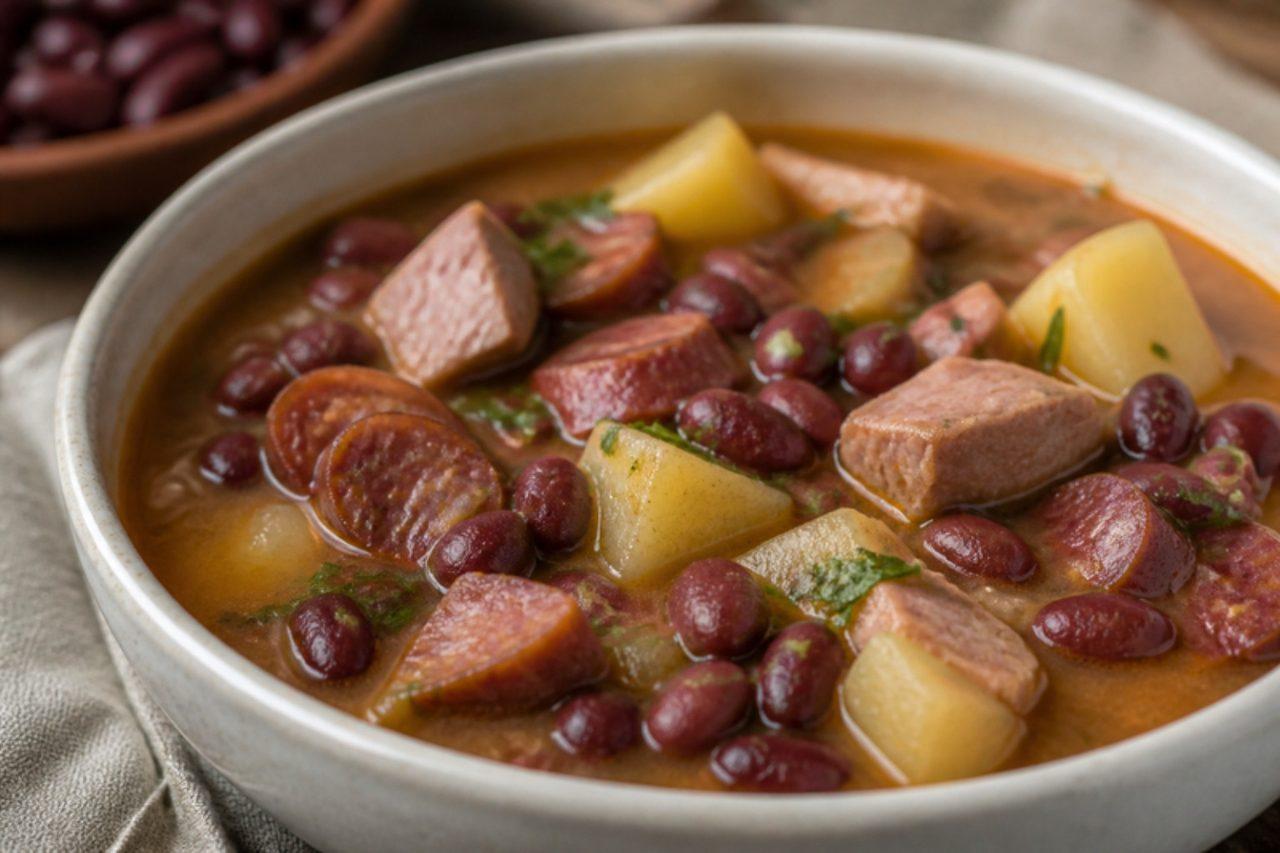
Almeirim, a market town in the Ribatejo, is the capital of this soup; its restaurants serve it every day, and each bowl arrives with a clean stone at the bottom, after the folk tale of a friar who 'made soup from a stone' by talking villagers into giving him everything else. This is a pork soup: red kidney beans simmer with chouriço, morcela blood sausage and a piece of pork belly, then potatoes, carrots and coriander finish it into a thick, hearty bowl. Chef's tip: cook the sausages whole and slice them at the end, so they stay juicy and don't turn the broth greasy.

Paneer pudas
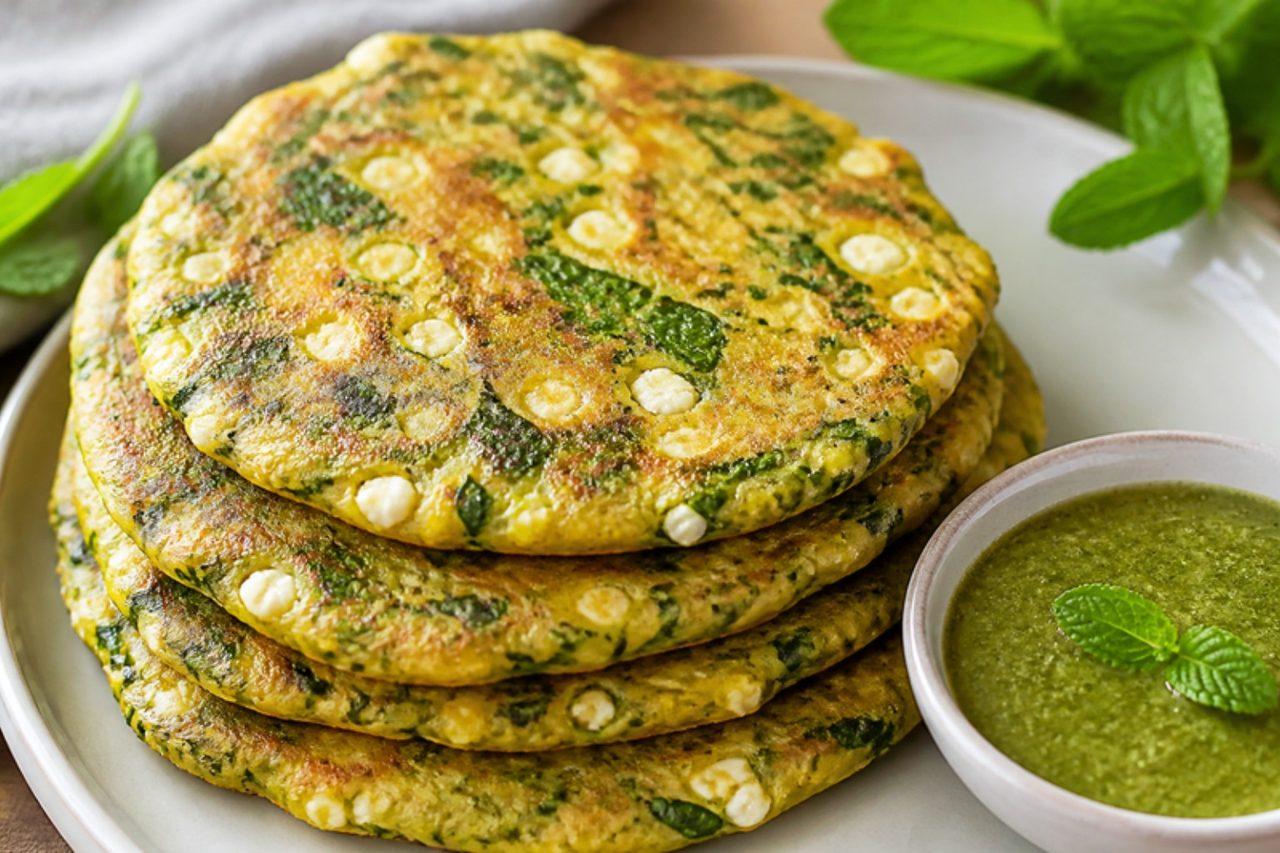
Pudas are thin savoury pancakes. These low-calorie ones are made from rice, maize and wheat flour mixed with crumbled paneer, spinach, fenugreek and coriander and a fresh paste of onion, chilli, mint, garlic and ginger. The moisture in the vegetables and paneer is enough to bind the dough, so no ghee, oil, yogurt or water goes into it. Cook on a griddle with just a little oil and serve with tea, or with plain yogurt and pickle.
 Indian
Brown soup rolls
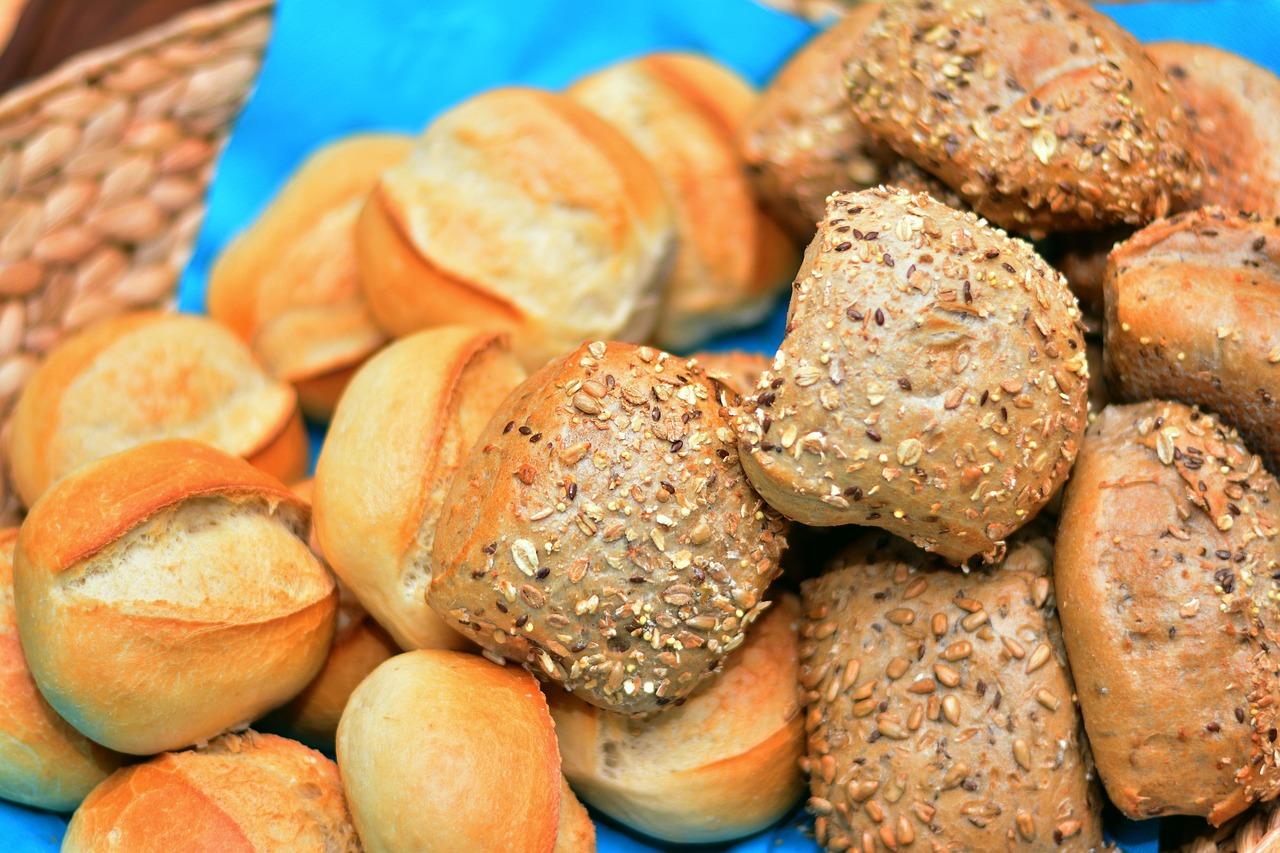
Small, soft bread rolls made with half plain and half wholemeal flour, shaped long and baked until golden. They're best warm from the oven with a bowl of soup, and freeze well once cooled.