
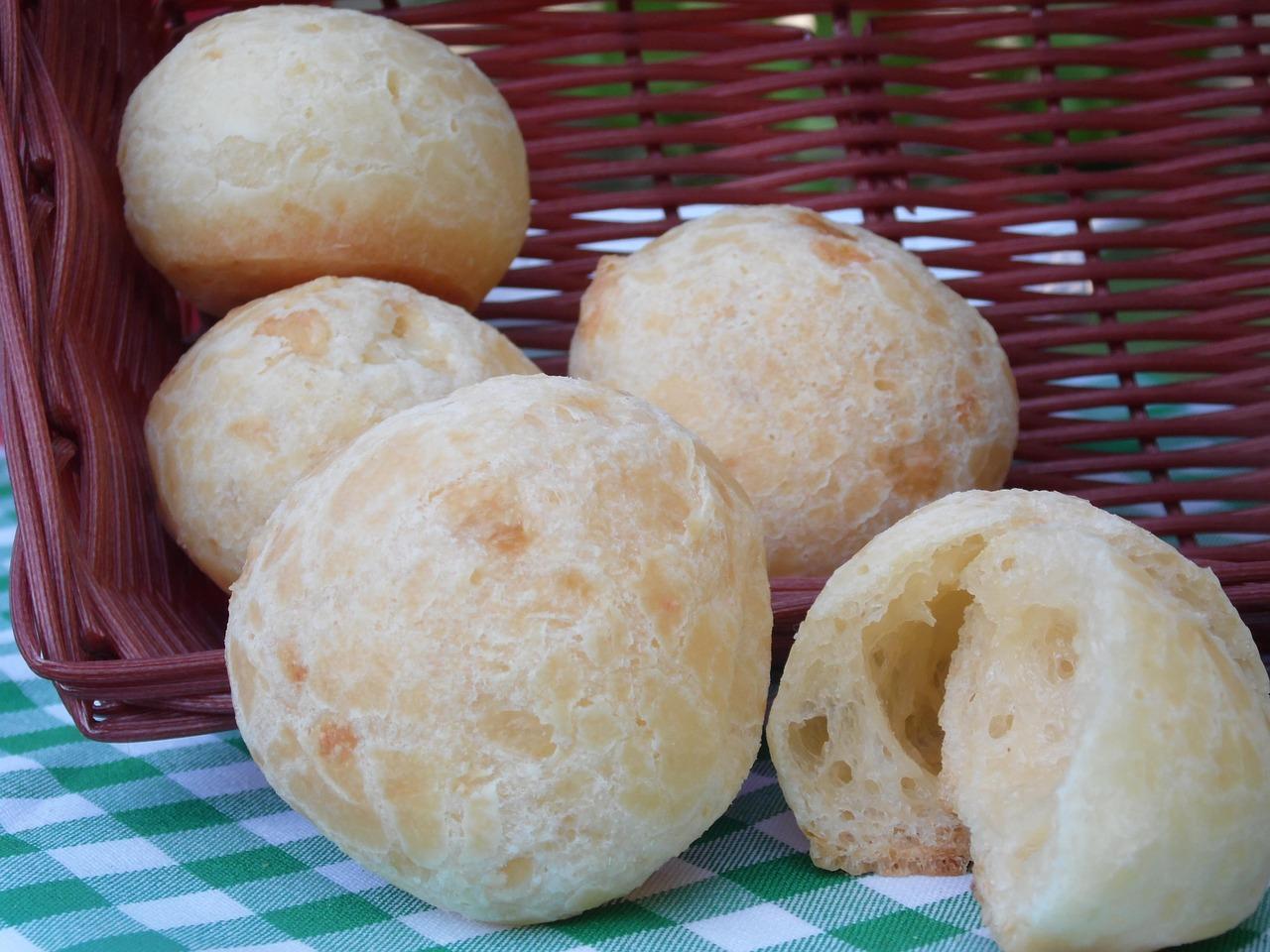
Pão de queijo
Cheese bread puffs
Brazilian cheese bread: crisp, chewy cheese puffs made with cassava starch


Pão de queijo comes from Minas Gerais, where every café and grandmother's kitchen has a tray in the oven for breakfast or afternoon coffee. Made with cassava starch (polvilho) instead of wheat flour, the little rolls are crisp and golden outside and stretchy, cheesy and almost hollow inside. Mineiros use queijo minas meia-cura; a mix of Parmesan-style cheese and mozzarella is the closest match elsewhere. Chef's tip: pour the boiling milk and oil over the starch (escaldar). Scalding cooks part of the starch, and that's what gives the chewy, elastic inside; and use some sour starch (polvilho azedo), which makes them puff up tall.
- Total time
- 45 min
- Difficulty
- easy
- Serves
- 6
Ingredients
- ½ cup whole milk
- ¼ cup water
- ¼ cup sunflower oil
- 1 tsp salt
- 2 eggsat room temperature, beaten
- 3 ½ oz Parmesan-style hard cheesefinely grated; choose a vegetarian one
- 2 ⅝ oz low-moisture mozzarellafinely grated
Shop this recipe on Amazon
What you'll need
Fresh ingredients (3)
Links open Amazon in a new tab. As an Amazon Associate, WhatToEat.Today earns from qualifying purchases.
Method
0/8 doneStep 1: Heat the oven to 400°F (350°F fan) and line a large baking tray with baking paper. Put the 5 ½ oz sour cassava starch (polvilho azedo) and 3 ½ oz tapioca starch (polvilho doce) in a large heatproof bowl and break up any lumps with your fingers.
Step 2: Bring the ½ cup whole milk, ¼ cup water, ¼ cup sunflower oil and 1 tsp salt to a rolling boil in a small pan over a medium heat. Watch it: milk boils over in seconds.
4 minStep 3: Pour the boiling liquid all over the starch at once and stir hard with a wooden spoon. It will look lumpy and patchy, then come together into a sticky, translucent-looking mass. This is the escaldado; it should feel like thick glue.
Step 4: Leave it to cool for 10 minutes, until you can hold your finger in it comfortably. If it's too hot, the eggs will scramble.
10 minStep 5: Add the 2 eggs a little at a time, working each addition in with the spoon or your hand before adding more. At first it seems the dough will never take the egg; keep squeezing and folding and it becomes smooth, soft and sticky, like a thick choux paste.
Step 6: Knead in the 3 ½ oz Parmesan-style hard cheese and 2 ⅝ oz low-moisture mozzarella until evenly mixed. The dough should be soft enough to shape but hold its form. If it's too runny to roll, add a spoon of tapioca starch; if it cracks, add a teaspoon of milk.
Step 7: Oil your hands and roll the dough into balls the size of a walnut (about 25 g each), setting them 4 cm apart on the tray. You can freeze the raw balls at this point and bake from frozen, adding 5–8 minutes.
Step 8: Bake for 22–25 minutes, until well puffed, cracked on top and golden at the edges; don't open the oven in the first 15 minutes or they can sink. They should sound light when tapped. Eat warm, with strong coffee.
25 min
Nutrition per serving
- Calories
- 300 kcal
- Protein
- 9 g
- Carbs
- 33 g
- Fat
- 15 g
- Fibre
- 0 g
Nutrition values are estimates.
KrazyBadal
Good to know
- How long does pão de queijo take?
- About 45 minutes in total: 20 minutes to prepare and 25 minutes to cook.
- How many people does it serve?
- 6 as written. Change the servings above the ingredients and every amount scales to match.
- Is it vegetarian?
- Yes. It has no meat or fish.
- Is it gluten free?
- Yes, as written. Check the labels on stock, sauces and spice mixes, which sometimes contain gluten.
- What can I use instead of whole milk?
- Semi-skimmed milk with 1 tbsp cream per 240ml (1 cup).
- What can I use instead of eggs?
- 1 tbsp ground flaxseed + 3 tbsp water per egg, left for 5 minutes (baking only; vegan).
Reviews
No reviews yet. Be the first to cook it.
Rate this recipe
Sign in to rate and review this recipe.
You might also like
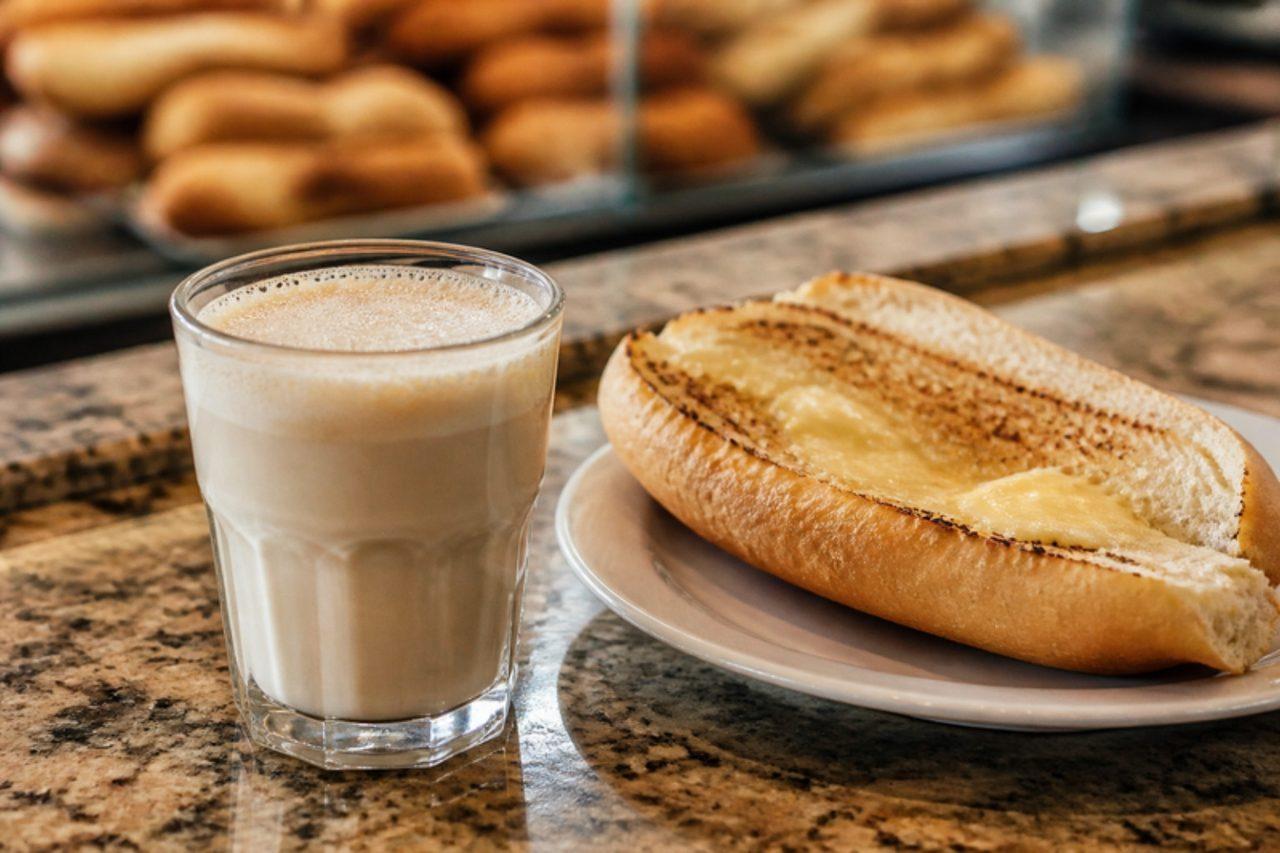
PingadoHot milk with coffee
Order 'um pingado' at the balcão of any São Paulo padaria at 7 in the morning and the attendant pours hot milk into a ridged glass tumbler (the copo americano) and 'drips' in a splash of strong coffee, hence the name. It is milkier and gentler than a média (half coffee, half milk), creamy and lightly sweet, usually drunk standing up with a pão na chapa, a toasted buttered roll. At home you need strong filter coffee and milk heated until steaming. Scalding the milk is the frequent mistake, as boiled milk tastes flat and forms a skin. Chef's tip: froth the hot milk for a few seconds with a whisk or by pouring it back and forth between two jugs before adding the coffee, as padaria machines do.

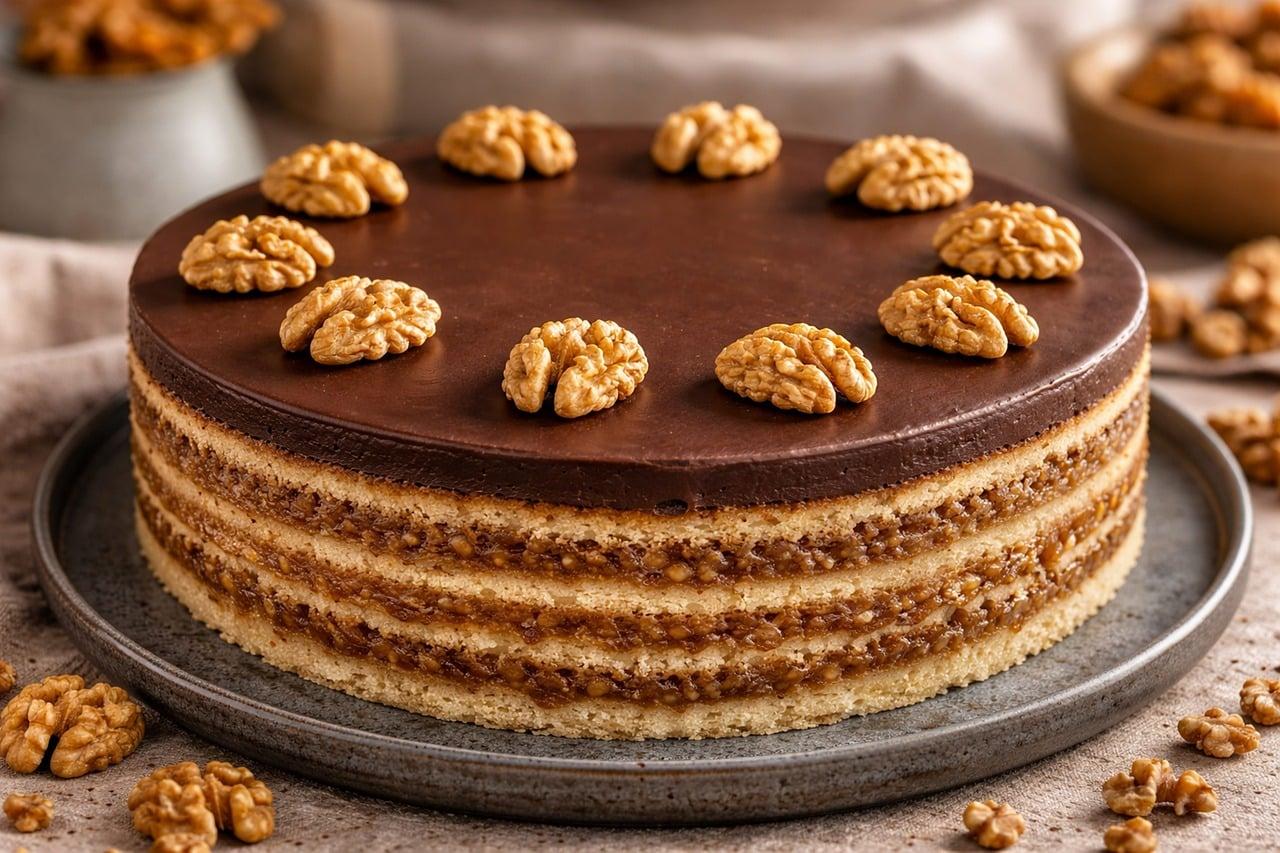
Reform tortaWalnut meringue chocolate cake
Belgrade pastry shops have sold reform torta since the early twentieth century, and it is still the cake Serbian families bring out for birthdays, weddings and the slava. Three thin layers of walnut meringue, crisp at the edge and chewy inside, are stacked with a dense chocolate butter cream made with egg yolks cooked over steam until thick. It is very rich, so cut thin slices and serve with strong coffee. The usual slip is beating the butter into a chocolate mixture that is still warm, which melts it and splits the cream; let it cool to room temperature first. Chef's tip: assemble the cake the day before; overnight in the fridge the meringue softens a little and the cake slices cleanly with a hot knife.
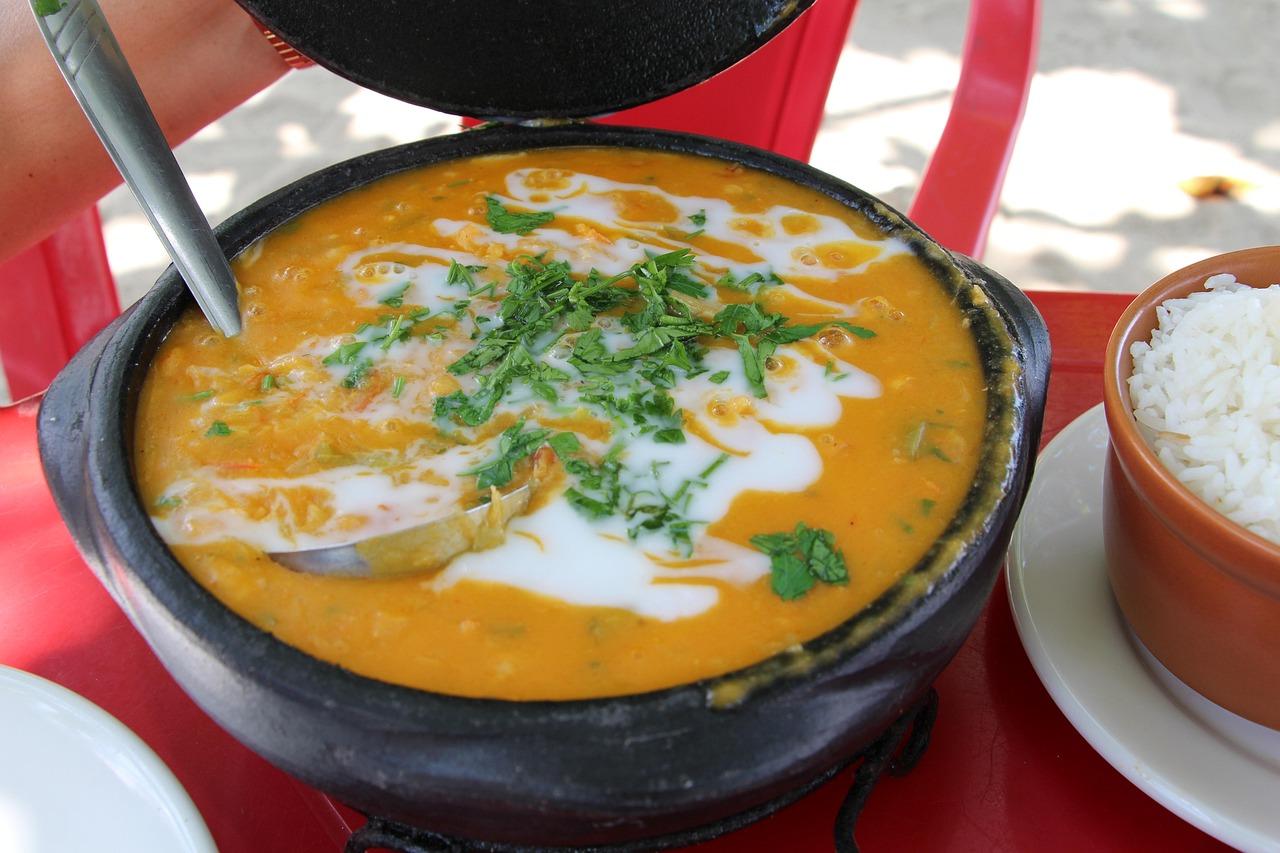
Bobó de camarãoPrawns in cassava and coconut purée
Velvety, coral-coloured and rich with coconut, bobó de camarão is what Bahian families put on the table when there is something to celebrate, and beach restaurants from Praia do Forte to Itacaré serve it in clay pots with white rice and farofa. Cassava is boiled until it falls apart, blended with coconut milk into a smooth cream, then folded into prawns cooked with onion, tomato, peppers and a slick of dendê oil. The result is somewhere between a stew and a thick sauce, sweet from the prawns and gently earthy from the cassava. A frequent mistake is boiling the prawns in the purée for too long, which leaves them tough and curled; they go in at the very end. Cassava must always be cooked right through, never eaten raw: cut out the woody core and boil it until a knife meets no resistance. Chef's tip: blend the cassava while it is still hot, with some of its cooking water; cold cassava turns gluey in the blender.