
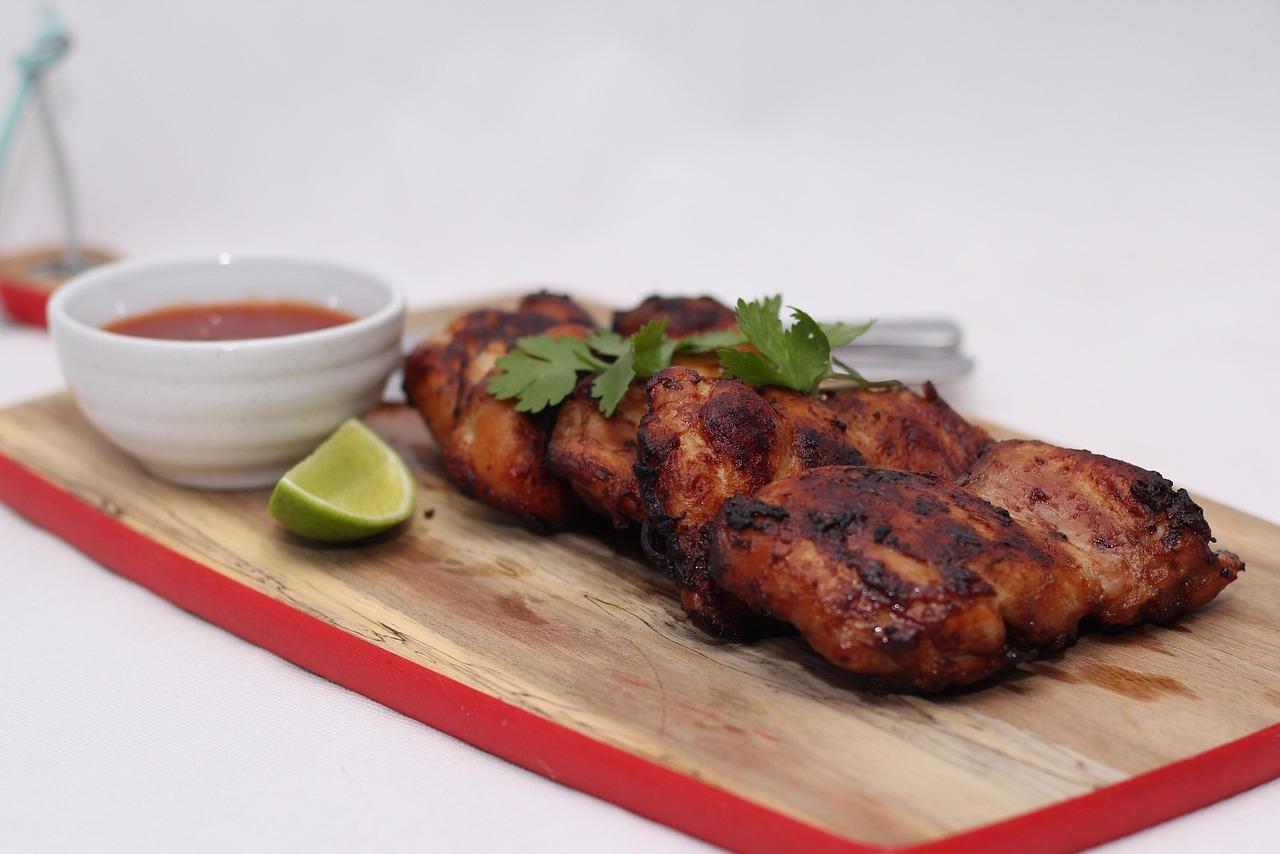
Pargiyot
Grilled chicken thighs
Pargiyot (פרגיות): Israeli grill-house boneless chicken thighs with baharat and garlic


Pargiyot are the boneless chicken thighs that every Israeli grill house, from the Hatikva market's skewer joints in Tel Aviv to the steakiyot on Haifa's coastal road, puts on the charcoal, and they are what families grill in parks on Independence Day. A simple marinade of olive oil, garlic, baharat, paprika and lemon keeps them juicy, and the fat in the thigh crisps over the coals. Serve them with pita, hummus, tahini and chopped salad, or sliced over rice. Lean breast is the common substitute and the common mistake: it dries out, while thigh stays tender. Chef's tip: open the thighs flat and keep them in one even thickness so they cook through before they burn.
- Total time
- 25 min
- Difficulty
- easy
- Serves
- 4
Ingredients
- 1 ¾ lb boneless, skinless chicken thighsopened out flat
- 3 tbsp olive oil
- 4 garlic clovescrushed
- 2 tsp baharat
- 1 tsp sweet paprika
- 2 tbsp lemon juice
- 1 tsp salt
- ½ tsp black pepper
To serve
- tahini sauce (optional)
Shop this recipe on Amazon
What you'll need
Fresh ingredients (1)
Links open Amazon in a new tab. As an Amazon Associate, WhatToEat.Today earns from qualifying purchases.
Method
0/4 doneStep 1: Mix 3 tbsp olive oil, 4 garlic cloves, 2 tsp baharat, 1 tsp sweet paprika, 2 tbsp lemon juice, 1 tsp salt and ½ tsp black pepper in a bowl. Add 1 ¾ lb boneless, skinless chicken thighs and turn to coat. Cover and marinate in the fridge for at least 1 hour, or up to overnight.
Step 2: Heat a barbecue to hot coals with a light coating of ash, or heat a ridged griddle pan over a high heat.
10 minStep 3: Lay the thighs flat on the grill and cook for 5–6 minutes a side, turning once, until charred in places and cooked through: the juices run clear and the thickest part reads 165°F.
12 minStep 4: Rest for 3 minutes, then serve whole or sliced with tahini sauce, pita and chopped salad.
3 min
Nutrition per serving
- Calories
- 330 kcal
- Protein
- 38 g
- Carbs
- 2 g
- Fat
- 19 g
- Fibre
- 0 g
Nutrition values are estimates.
KrazyBadal
Good to know
- How long does pargiyot take?
- About 25 minutes in total: 10 minutes to prepare and 15 minutes to cook.
- How many people does it serve?
- 4 as written. Change the servings above the ingredients and every amount scales to match.
- Is it gluten free?
- Yes, as written. Check the labels on stock, sauces and spice mixes, which sometimes contain gluten.
- What can I use instead of garlic cloves?
- ½ tsp garlic paste or ⅛ tsp garlic powder per clove.
- What can I use instead of sweet paprika?
- Smoked paprika, half the amount.
Reviews
No reviews yet. Be the first to cook it.
Rate this recipe
Sign in to rate and review this recipe.
You might also like
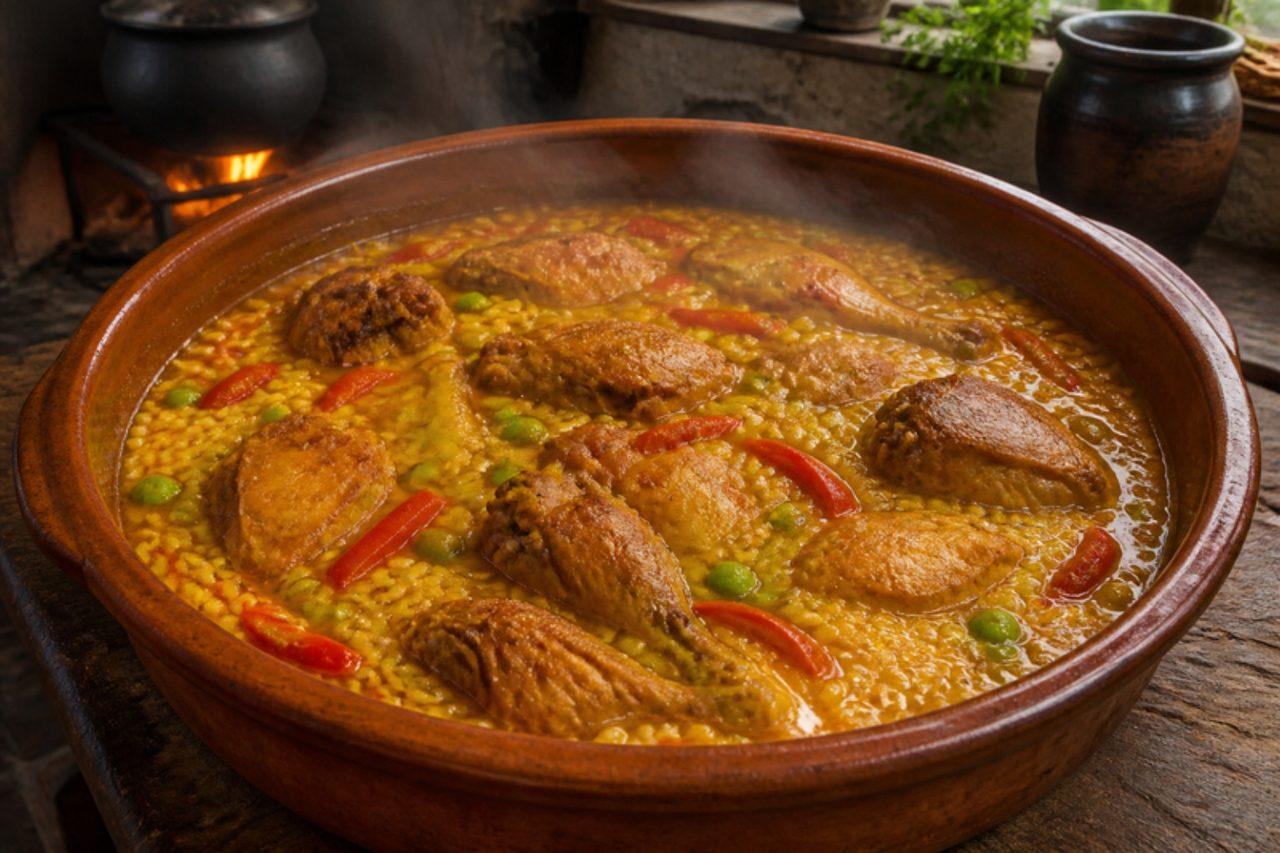
Arroz con pitu de caleyaSoupy rice with chicken
A pitu de caleya is a cockerel raised free in the lanes, or caleyas, of rural Asturias; its firm, flavourful meat needs long stewing, and families around Villaviciosa and Grado still cook it for feast days. The stew is often finished as a soupy rice, so the deep chicken juices go into every grain. Use the best free-range chicken you can find. The braise includes dry white wine; replace it with extra stock and a squeeze of lemon if you want it alcohol-free. Chef's tip: brown the chicken slowly and deeply; that colour is where the flavour of the whole pot comes from.
 Spanish
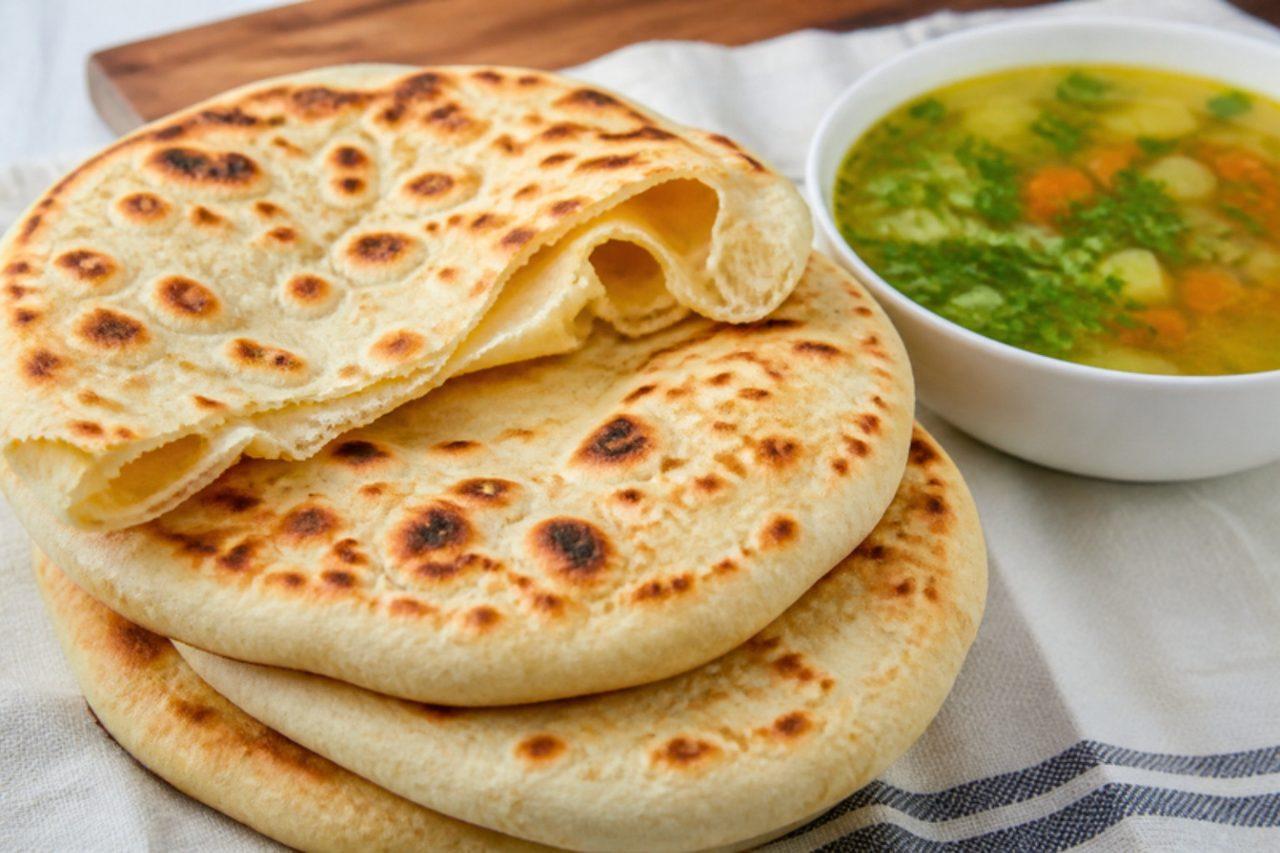
SalufPuffy flatbread
Saluf is the everyday bread of Yemenite Israelis, slapped onto a hot pan or taboon in Rosh HaAyin and Sha'arayim in Rehovot and eaten with marak temani, hilbe and zhug. It is soft and blistered, thicker than pita and with no pocket, made to tear and dunk. Home cooks often roll it too thin, which gives a cracker; it should be about 1 cm thick so it stays pillowy. Chef's tip: cook it under a lid on a very hot dry pan for the first minute, which traps steam and puffs it the way a taboon does.


Matzah
Matzah is the flat unleavened bread eaten at Passover, recalling the Israelites leaving Egypt in too much haste for their bread to rise, and in Israel and Jewish homes worldwide it is also eaten as a crisp everyday cracker with soups and dips. The dough is only flour and water; by tradition it is mixed, rolled and baked within 18 minutes so it cannot ferment. This home version follows that rhythm but is not certified for Passover use. There is no salt: about 0.0 g salt per sheet. The usual mistake is rolling too thick, which gives a tough, chewy bread; roll until you can almost see the counter through it. Chef's tip: prick the dough all over with a fork before baking so it stays flat and blisters evenly.